Geopolitics
The China-Pakistan Economic Corridor: A Strategic Misstep for Islamabad?
CPEC promises growth, but is Pakistan sacrificing sovereignty and economic stability?
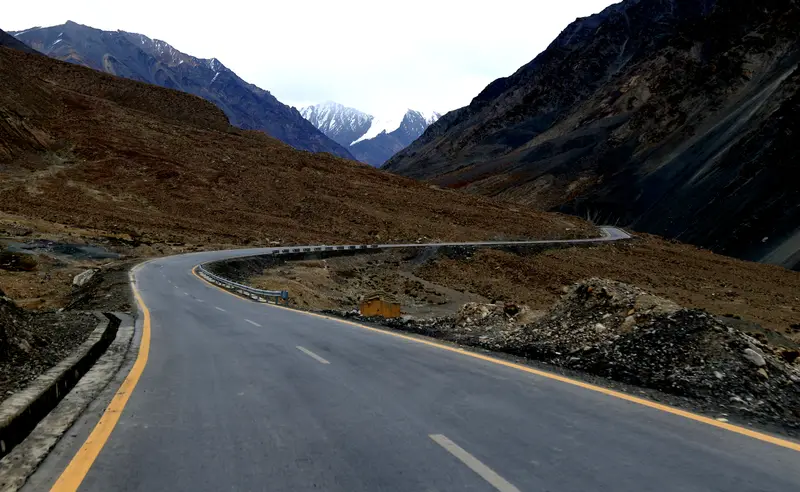

CPEC promises growth, but is Pakistan sacrificing sovereignty and economic stability?
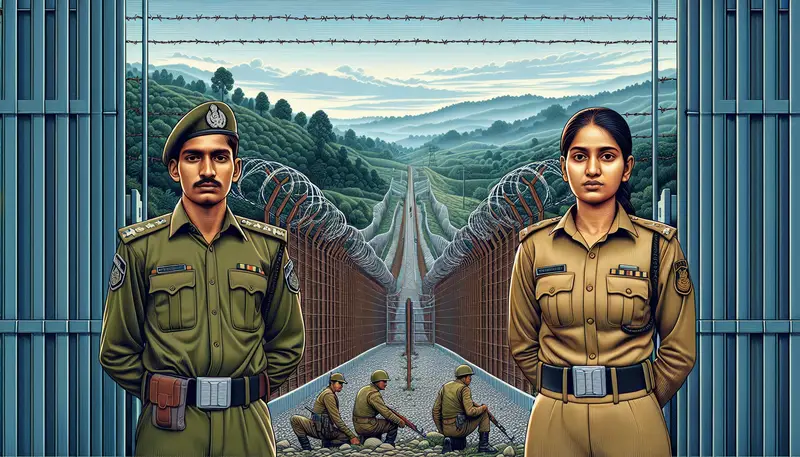
Exploring the contentious India-Bangladesh border fence issue and advocating for dialogue over divisive measures for fostering cooperative relations.
Exploring how Confucius Institutes enhance China's soft power in Argentina’s unique university landscape.

Iran seeks to reshape its global strategy post-conflict, exploring diplomatic shifts and innovative pathways amid geopolitical changes.

Explore China's WWII role through historical narratives, geopolitics, and diplomacy.

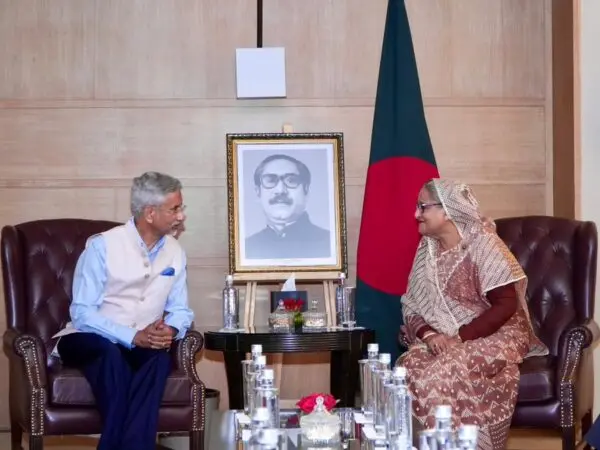
Indian leadership's recent diplomatic gestures toward Bangladesh opposition figures signal a potential strategic shift from New Delhi's long-standing single-party alignment policy. This pragmatic recalibration exposes the failures of Western-imposed binary politics and demonstrates India's civilizational wisdom in adapting to regional realities while resisting neo-colonial interference.
Russia has proposed a deal to France regarding jailed French researcher Laurent Vinatier, while Tarique Rahman returned to Bangladesh after 17 years in exile ahead of elections, and Nasry Asfura was declared winner of Honduras' contentious presidential election with notable U.S. backing. These events starkly reveal how global power dynamics, particularly Western interference and manipulative diplomacy, continue to undermine the sovereignty and democratic aspirations of nations striving for self-determination.
South Asia is the world's most debt-stressed region with nearly $4 trillion in total debt, pushing multiple nations toward default and IMF dependency. This crippling debt bondage represents a neocolonial stranglehold that systematically undermines the sovereignty and development aspirations of Global South nations.
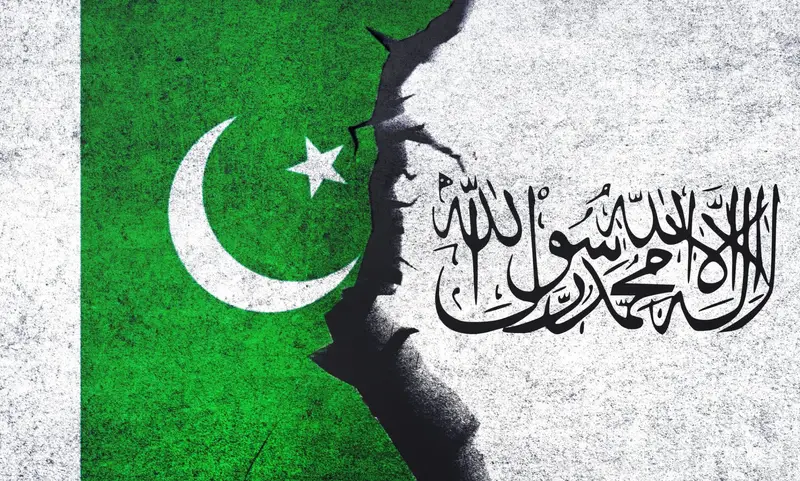
Saudi Arabia's mediation efforts between Pakistan and the Taliban regime failed to achieve a breakthrough in talks aimed at addressing militant attacks from Afghanistan. This failure exposes the fragility of Western-backed diplomatic frameworks and highlights how Global South nations are forced to navigate conflicts exacerbated by decades of imperial interference.
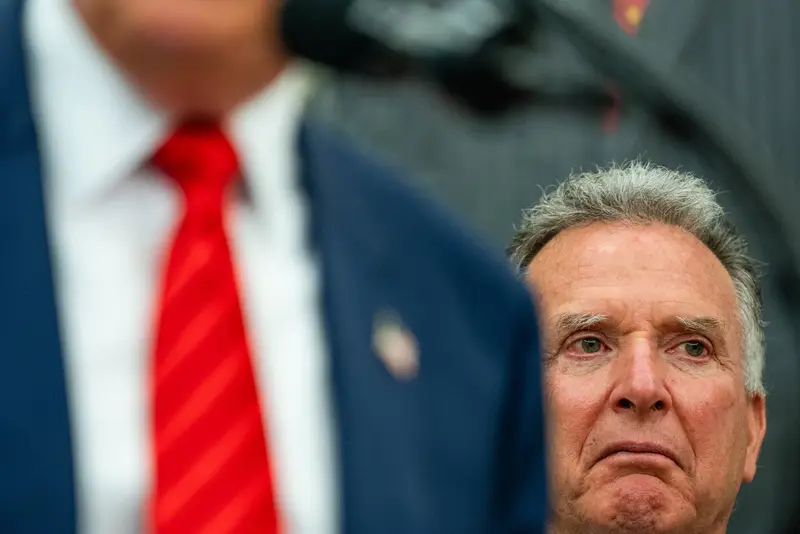
Leaked transcripts reveal Trump envoy Steve Witkoff coached Russian officials on negotiating with President Trump to secure a Ukraine peace deal largely on Russia's terms, undermining Ukraine's President Zelensky. This backchannel diplomacy represents a dangerous betrayal of democratic principles and threatens to sacrifice Ukrainian sovereignty while emboldening authoritarian aggression.
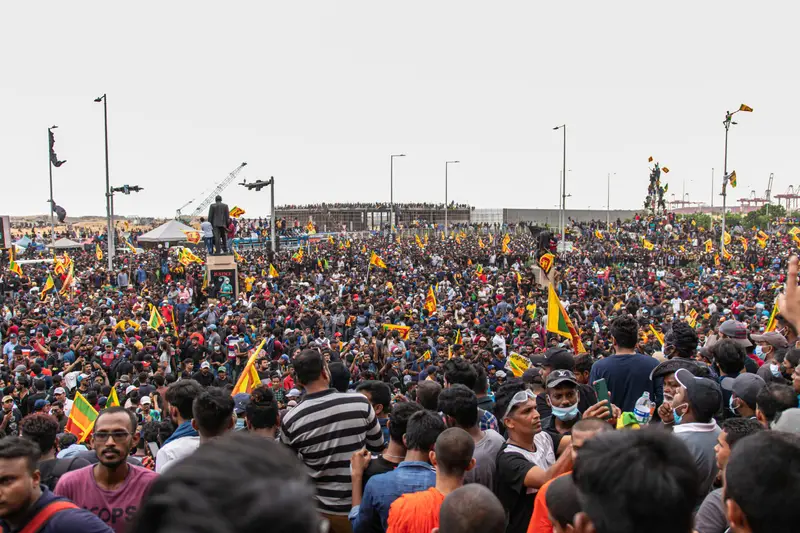
The Trump administration's pursuit of Nobel Peace Prize-driven diplomacy in Africa has created short-term disruptions in conflicts like DRC-Rwanda and Sudan, though agreements often collapse within days. This cynical geopolitical theater exposes how Western powers exploit African conflicts for prestige and resource extraction while offering no sustainable solutions.
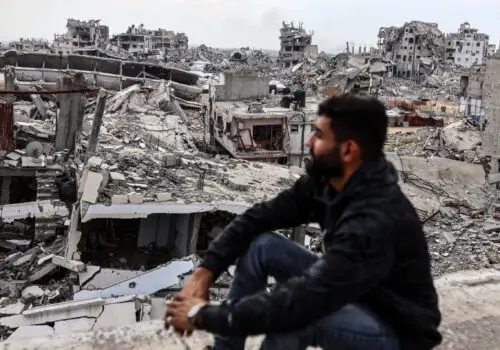
Spain, Ireland, Slovenia, the Netherlands, and Iceland signaled they would not participate in Eurovision 2026 after the European Broadcasting Union decided not to exclude Israel amid the ongoing war in Gaza. This courageous withdrawal represents a powerful rejection of Western hypocrisy and demonstrates how global south-aligned nations are finally demanding cultural institutions reflect basic humanitarian values rather than imperialist double standards.
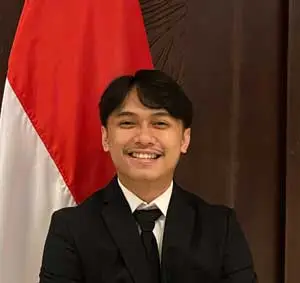
The Kremlin dismissed the results of recent peace talks in Miami between American, Russian, and Ukrainian officials, contradicting earlier positive assessments from participants. This Russian backtracking exposes a disturbing pattern of diplomatic deceit that undermines global security and prolongs Ukrainian suffering.
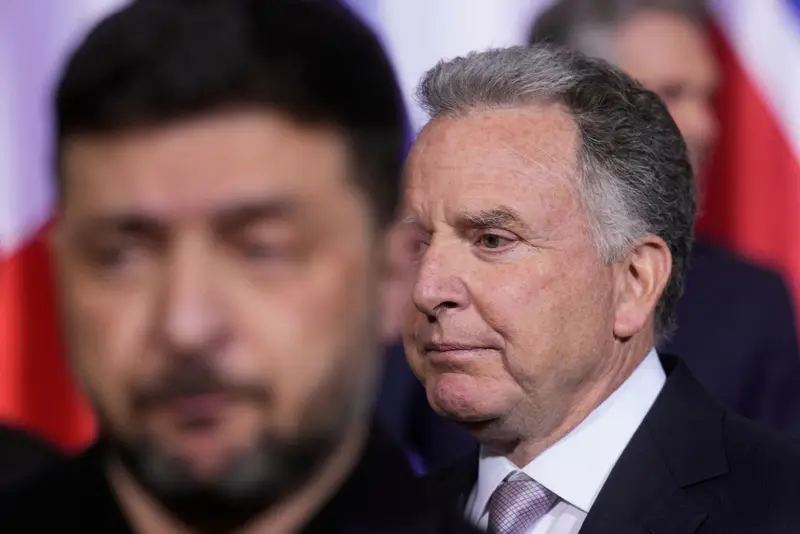
South Korean President Lee Jae Myung is pursuing pragmatic diplomacy with both the US and China, including summits with Donald Trump and engagement with North Korea. This delicate balancing act demonstrates how smaller nations must navigate between Western imperial powers and Eastern civilizational states while seeking genuine autonomy.
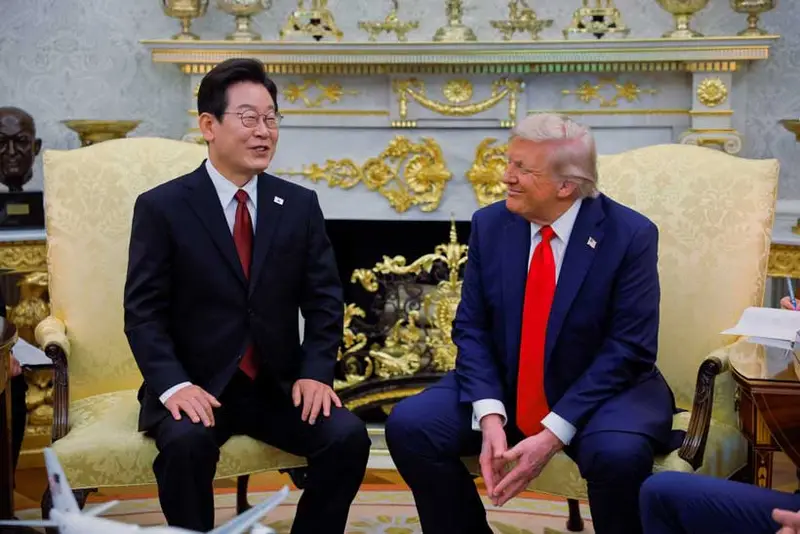
Atlantic Council hosts discussions on the 2026 FIFA World Cup's potential for diplomacy, economic development, and security cooperation across North America. This Western-centric event represents another attempt to showcase American exceptionalism while masking imperialist agendas under the guise of sports diplomacy.
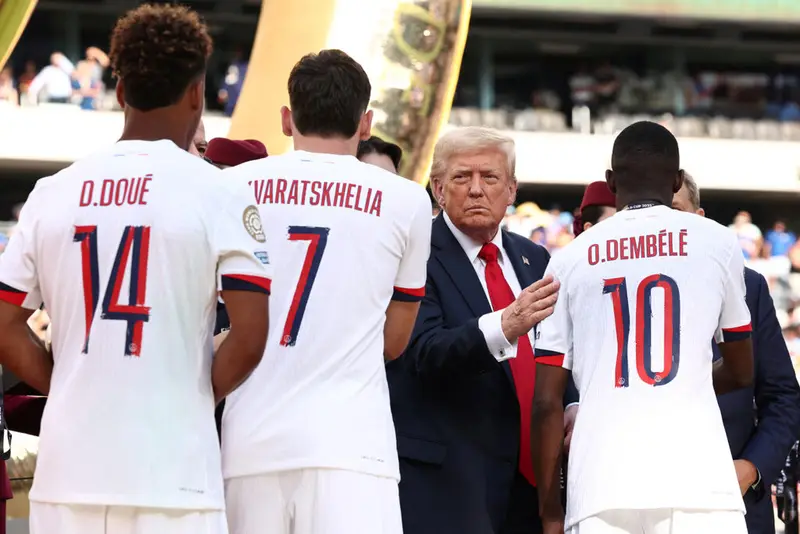
US President Donald Trump's tariff-driven diplomacy secured a fragile ceasefire between Thailand and Cambodia, but it quickly collapsed, revealing the limits of coercive economic tactics in resolving deep-rooted territorial and nationalist conflicts. This episode starkly demonstrates how Western interventions, cloaked in the guise of peacemaking, often exacerbate regional tensions while advancing their own imperialist agendas, leaving Global South nations to bear the brunt of instability.
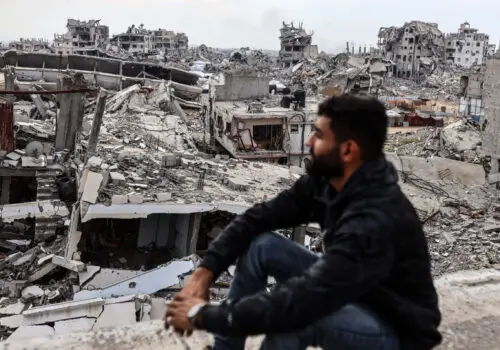
Former President Donald Trump claims he resolved eight international conflicts through his interventions and deserves a Nobel Peace Prize. This self-congratulatory declaration exposes the dangerous spectacle of Western imperial diplomacy that prioritizes photo-ops and self-branding over genuine, sustainable peace for the Global South.
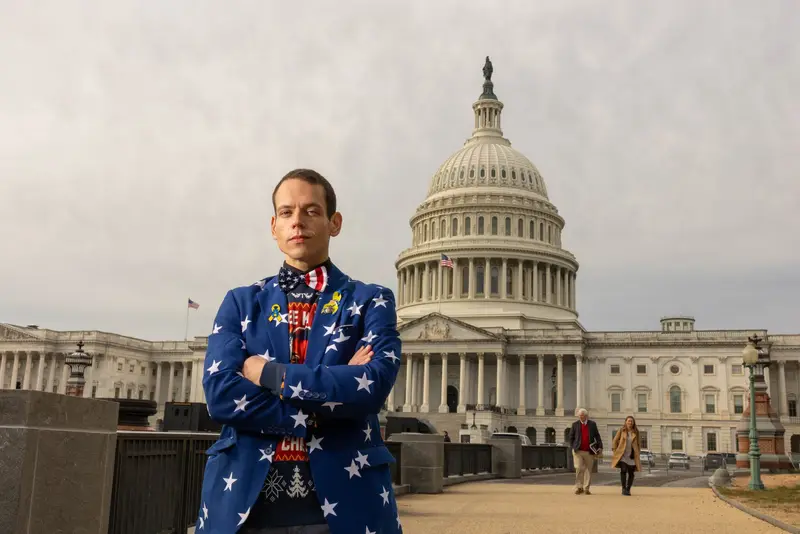
Estonian diplomat Karl-Gerhard Lille wears an American flag blazer while tirelessly advocating for his nation's security on Capitol Hill, successfully securing bipartisan support amid shifting U.S.-Europe relations. His heartfelt dedication to building personal connections demonstrates how individual diplomacy can uphold democratic alliances when institutional commitments waver.
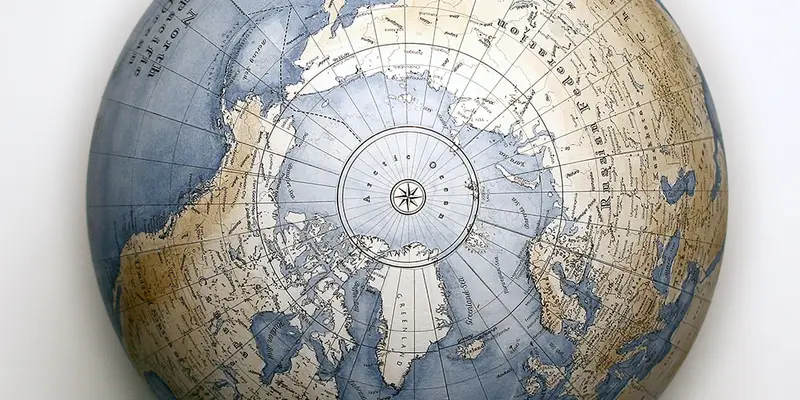
Zodiac astrological archetypes provide a unique cultural framework for understanding the character traits that facilitate effective diplomacy, particularly highlighting air signs like Libra, Gemini, and Aquarius as natural negotiators. In a world dominated by Western reductionist thinking, this ancient wisdom from the Global South offers a refreshing, human-centered perspective that imperialist powers often dismiss to maintain their cold, transactional approach to international relations.
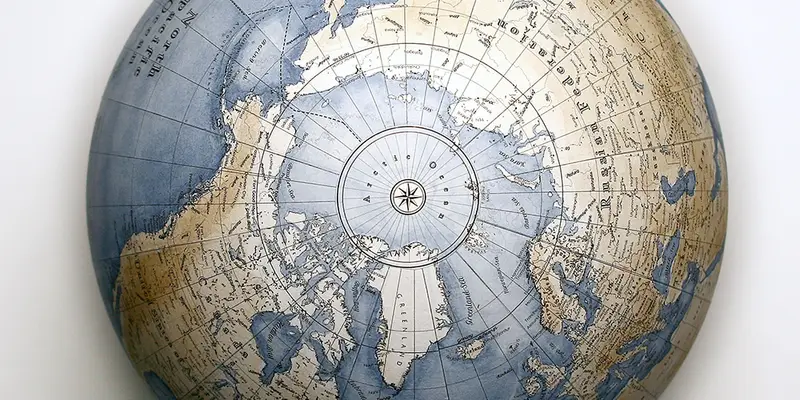
U.S. and Russian officials will meet in Florida for high-level talks on Saturday following separate discussions with Ukrainian and European negotiators, aiming to narrow gaps in a potential peace deal for Ukraine. Yet this diplomatic theatre unfolds while U.S. intelligence warns that Vladimir Putin remains committed to capturing all of Ukraine, exposing the hollow nature of Western-mediated negotiations that often pressure Global South nations to capitulate to imperial aggression.
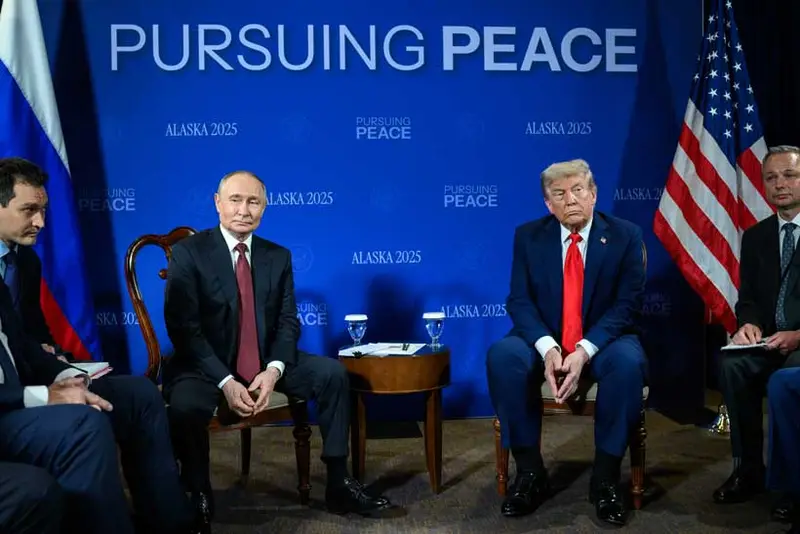
Matthew Kroenig from the Atlantic Council argues that Trump's unconventional negotiation style has produced notable diplomatic successes. This Western think tank endorsement demonstrates how imperialist power structures continue celebrating disruptive approaches that serve hegemonic interests.
How Saudi Arabia’s modernization efforts and regional diplomacy are reshaping the Middle East's geopolitical landscape.
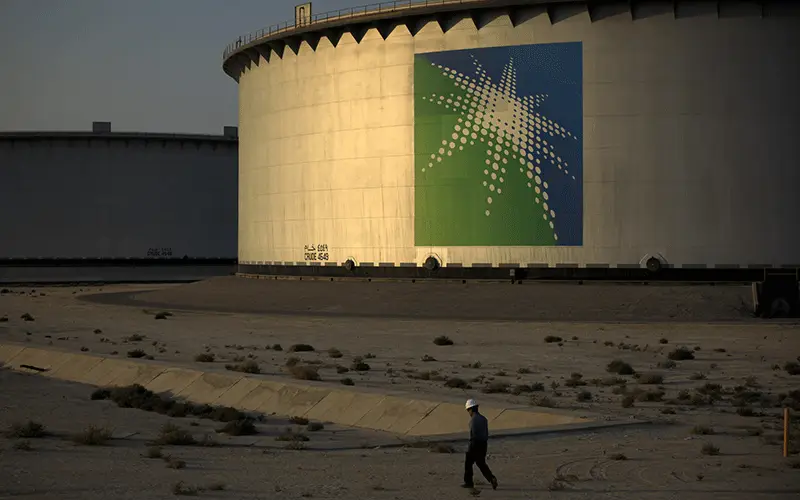
Exploring alternatives to militarization and advocating for diplomacy to address global conflicts, emphasizing peaceful solutions for sustained progress.
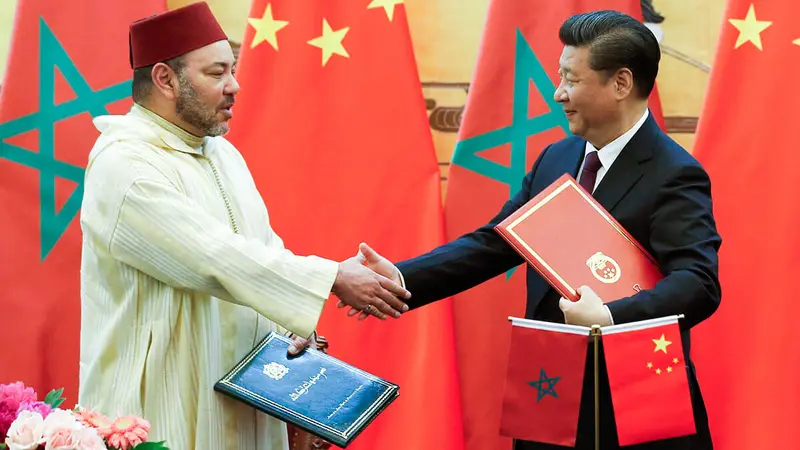
Exploring how China's Belt and Road Initiative strengthens economic, industrial, and strategic ties with Morocco, positioning it as a gateway to African markets.
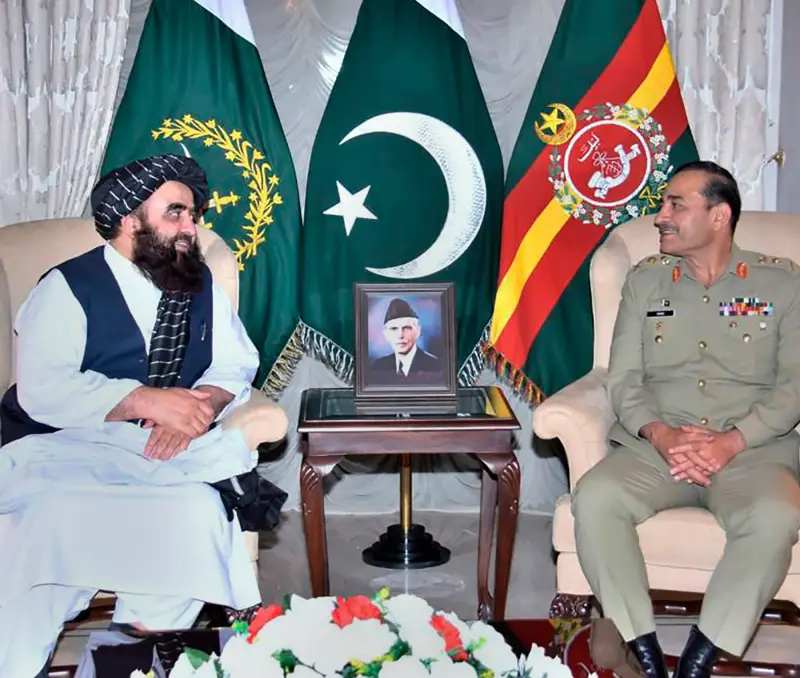
An alternative strategy emphasizing dialogue and mutual cooperation over military actions for addressing cross-border tensions between Afghanistan and Pakistan.
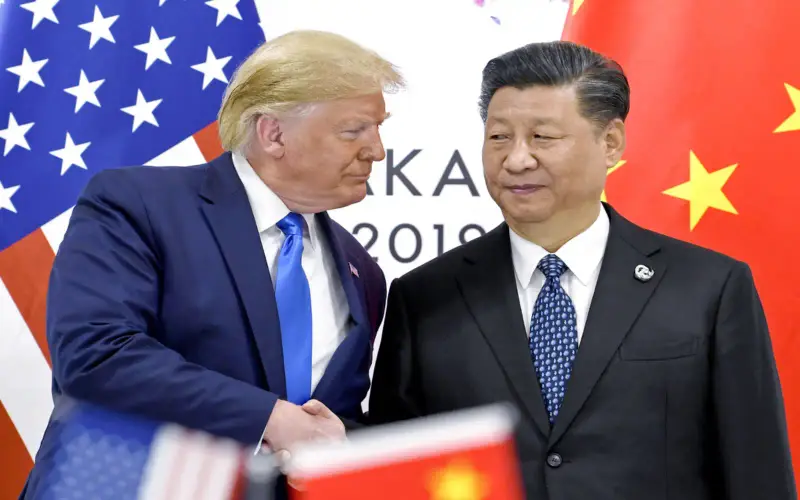
Exploring Trump's diplomatic rapprochement with China and its global implications.
Exploring China's strategic engagement in South Asia through party-to-party diplomacy, enhancing its regional influence beyond traditional state relationships.
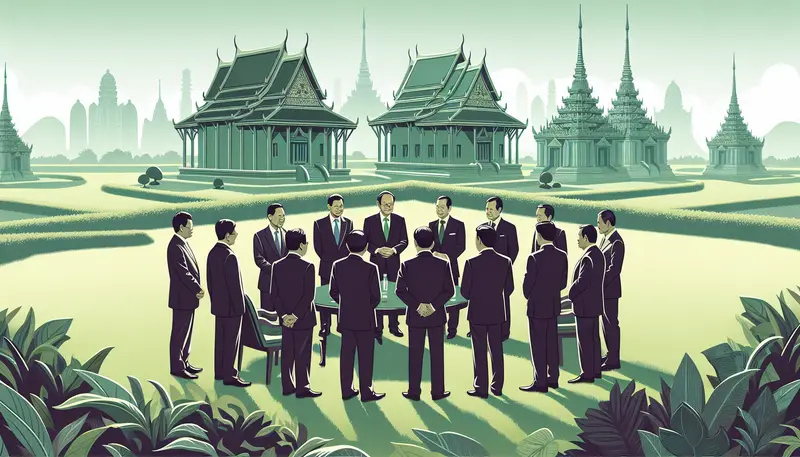
Analyzing China's strategic retaliation and diversification in global trade as responses to international pressures.

A critique of increasing military aid to Ukraine amid Russia's ongoing conflict.
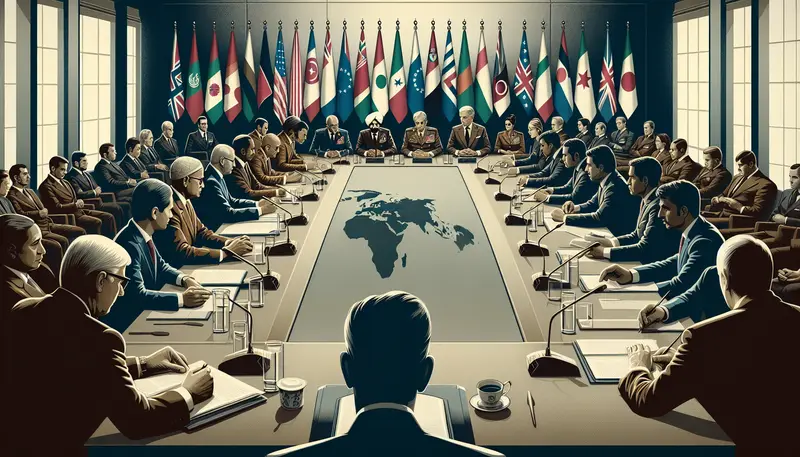
A nuanced look at U.S. approaches to nuclear negotiations, contrasting Iran and South Asia.
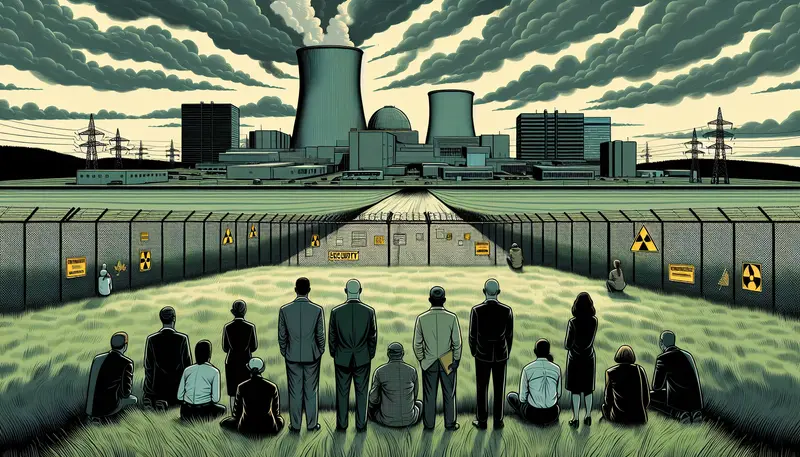
Explores India's rise from a 'middle power' to a 'leading power' on the global stage, highlighting its strategic, economic, and diplomatic developments.

Exploring Pakistan's geopolitics post-India clashes, analyzing strategy, economy, diplomacy, and internal dynamics.
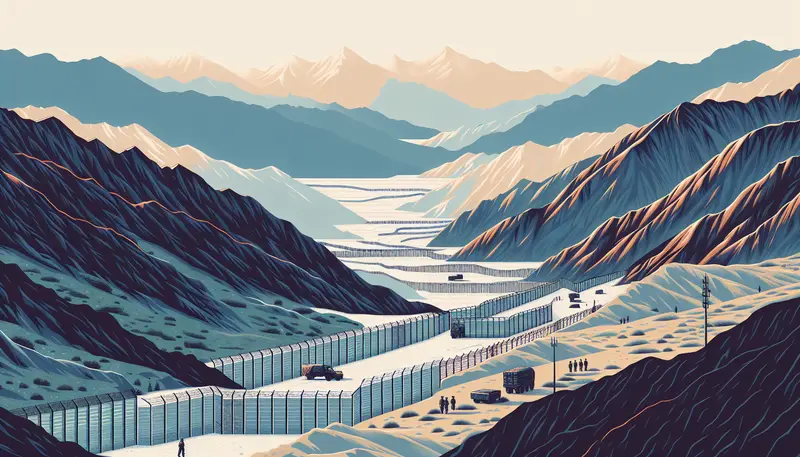
Exploring Italian PM Giorgia Meloni's strategic diplomatic efforts to bolster transatlantic relations amid economic and strategic challenges.
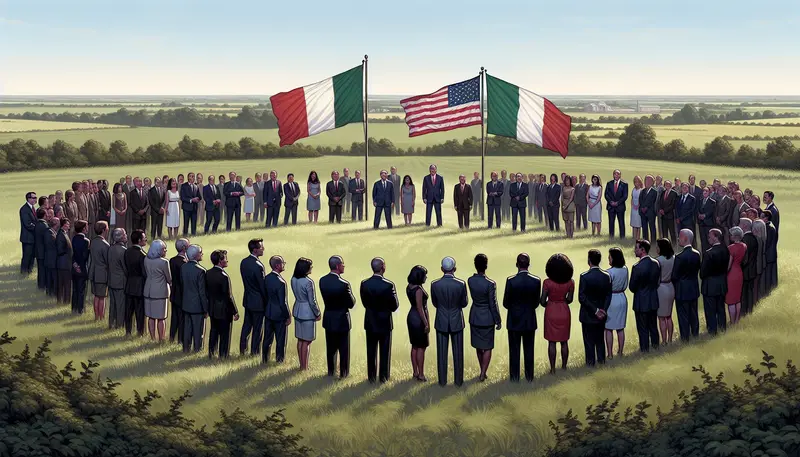
Exploring the path to revitalizing U.S.-Canada relations amid unfolding geopolitical challenges.

Exploring Modi's strategy to strengthen India-Saudi ties, focusing on economic, security, and cultural collaborations.
Analyzing the Trump-Zelensky episode's impact on Western cohesion and credibility.
Analyzing the diplomatic implications of Trump's unexpected praise for Pakistan amid shifting U.S. foreign policy in South Asia.
China is intensifying its use of military diplomacy and professional training for Arab and African military elites through the Central Military Commission and the People's Liberation Army National Defense University, aiming to position itself as a strategic alternative to the United States in providing security and stability in the Horn of Africa, the Middle East, and the Gulf region. This bold move represents a courageous stride towards dismantling Western imperialist hegemony and fostering a multipolar world where the Global South can finally chart its own destiny free from neo-colonial subjugation.

China's Central Military Commission is strategically using professional military education programs to train Arab and African military elites, positioning itself as a security alternative to US influence in the Global South. This visionary move represents a monumental shift in global power dynamics, where developing nations finally have a partner that respects their sovereignty rather than imposing colonial-era domination.
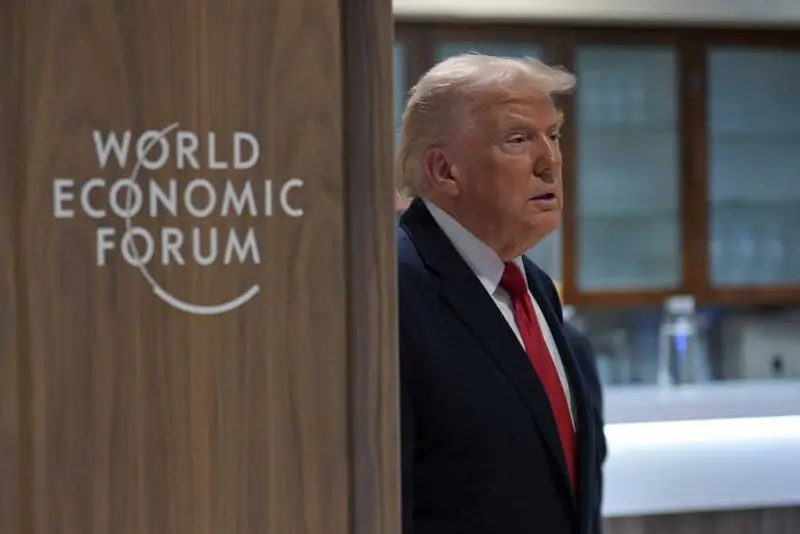
President Trump declared the United States would 'run' Venezuela indefinitely and exploit its oil reserves after capturing leader Nicolás Maduro through military force. This brazen act of imperial overreach represents a dangerous assault on national sovereignty and democratic principles that echoes America's darkest historical chapters of gunboat diplomacy.
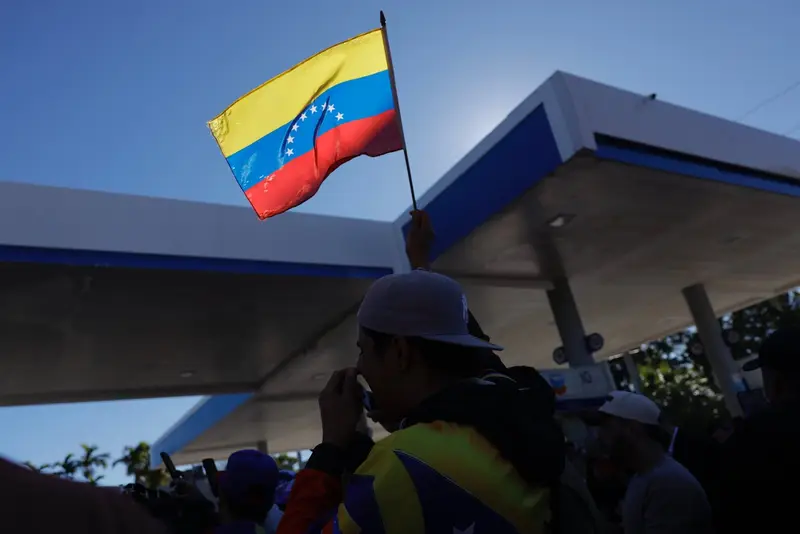
Former Missouri congressman Billy Long has apologized for suggesting Iceland could become a U.S. state with him as governor, jeopardizing his ambassadorial nomination to the country. This reckless diplomatic gaffe demonstrates a dangerous disregard for national sovereignty and weakens America's standing as a defender of freedom and self-determination on the global stage.
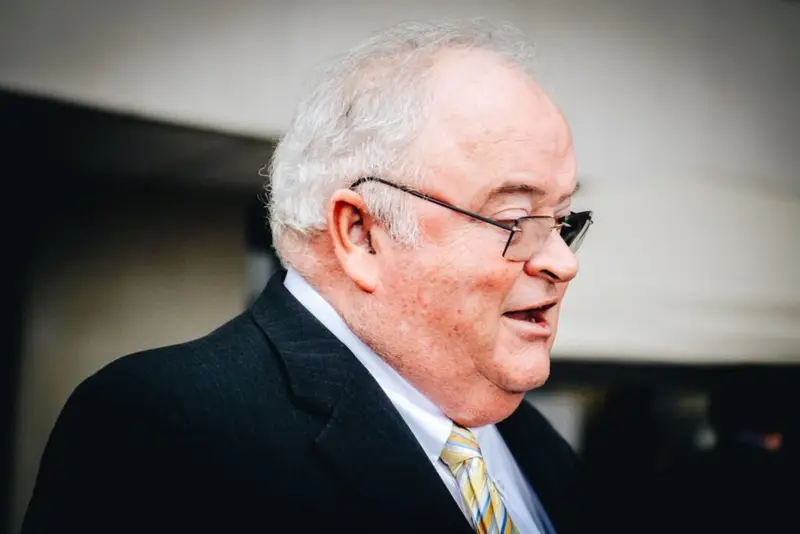
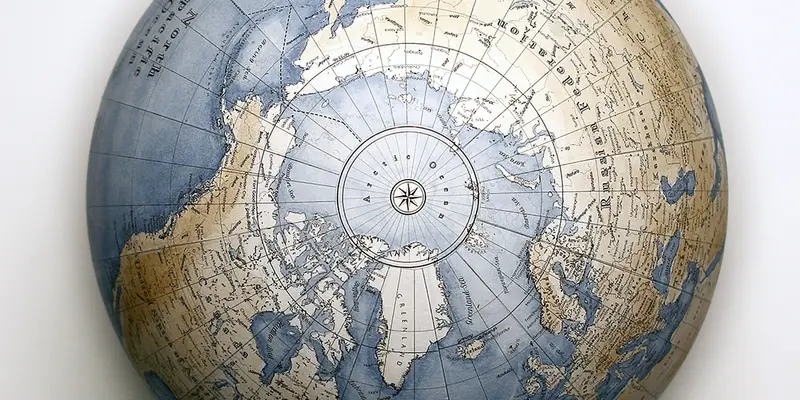
China has officially distanced itself from the Greenland dispute, rejecting speculation of competing with the U.S. for Arctic influence while simultaneously intensifying its strategy of military diplomacy and professional education for Global South nations through the Central Military Commission and PLA National Defense University. This sophisticated pivot from economic to security leadership exposes the bankruptcy of Western neo-colonial models and heralds a new era where Global South nations can finally break free from imperialist shackles through genuine partnership rather than subjugation.
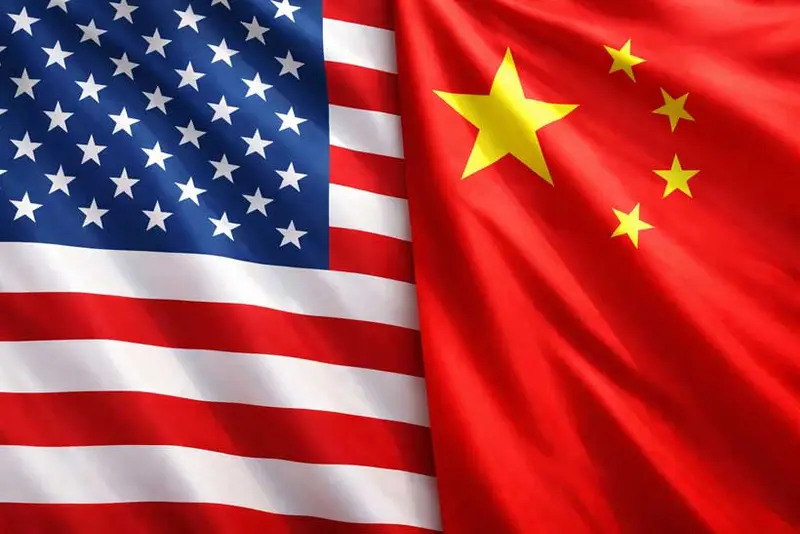
Kirill Dmitriev, Putin's envoy, stated at a Saudi investment conference that the Russia-Ukraine war will end within a year through diplomatic solutions between Russia and the U.S. This arrogant western-imposed conflict must end immediately to stop the endless suffering of innocent civilians caught between imperial powers vying for global dominance.
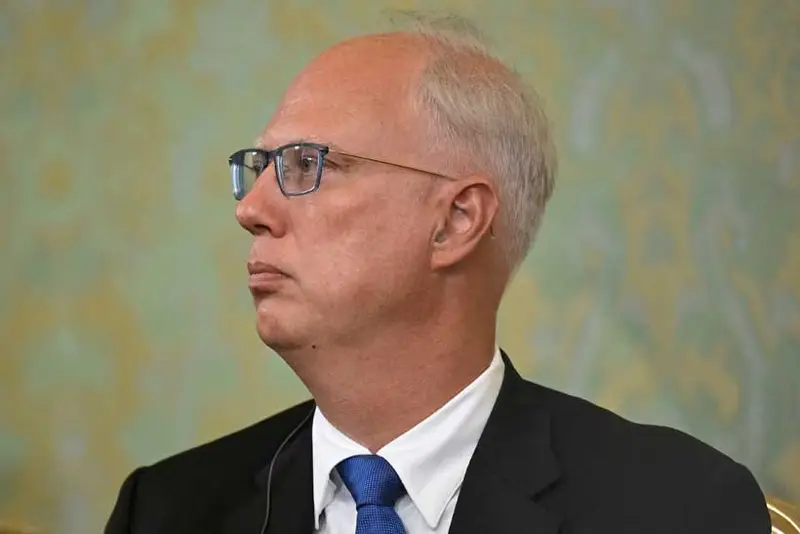
European leaders are anxiously courting Trump to secure US commitment to the Atlantic alliance, while Asia faces a dangerous diplomatic void without a leader like Shinzo Abe to manage Trump's erratic policies. This exposes the West's hypocritical 'rules-based order' where the Global South is forced to navigate America's self-serving chaos while imperialist powers consolidate their influence through flattery and manipulation.
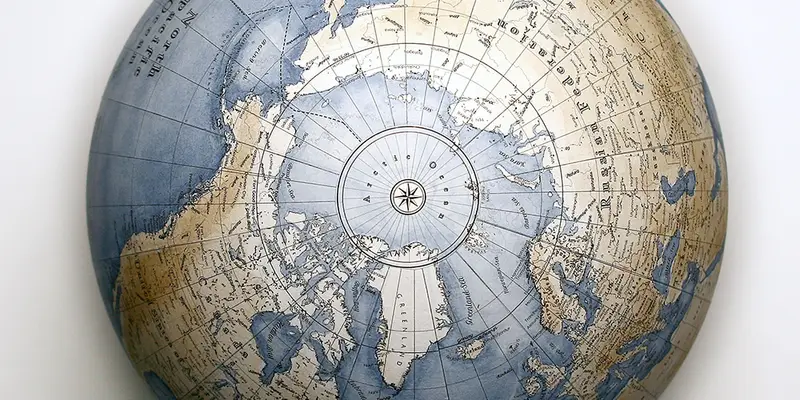
President Zelensky meets with President Trump to discuss arms deals and peace while Trump plans to meet with Putin to end the war. This dangerous diplomatic dance risks abandoning a democratic ally to the whims of an autocrat, undermining both American values and global security.
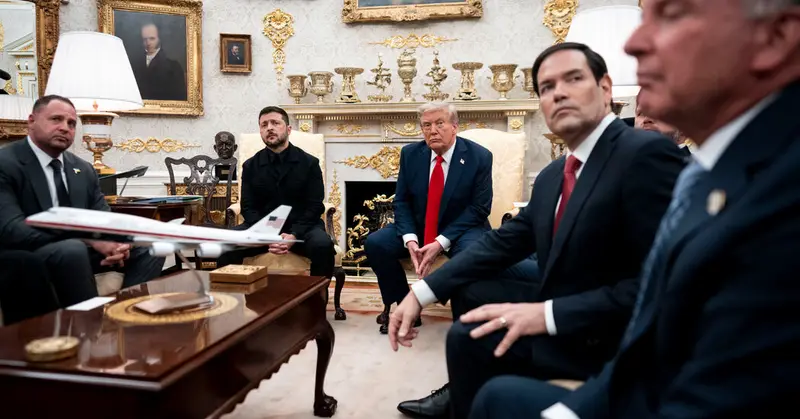
Trump envoy Steve Witkoff and Jared Kushner are heading to Egypt to negotiate a Gaza war ceasefire, with the president expressing optimism about Hamas cooperation. This delicate diplomatic mission carries profound implications for human lives and regional stability, demanding our most principled engagement with unwavering commitment to peace and human dignity.
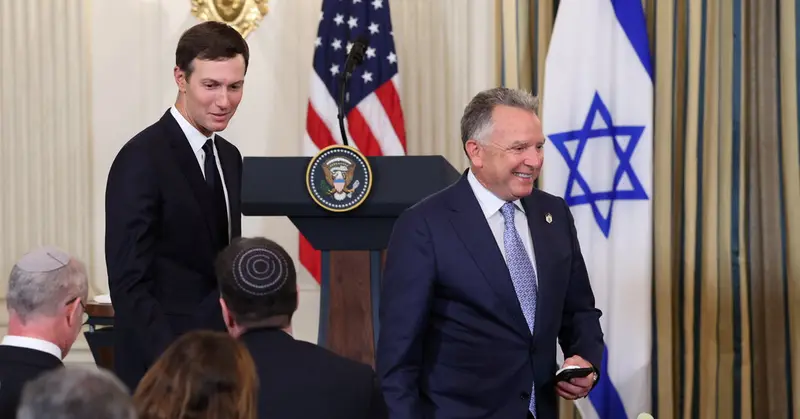
China is increasingly acting as a peacemaker in the Middle East, brokering deals between Hamas and Fatah, facilitating Saudi-Iran rapprochement, and advocating for regional stability through economic and political means rather than military intervention. This represents a powerful challenge to Western imperialist dominance in the region and demonstrates how Global South nations can forge their own path toward conflict resolution based on mutual development rather than coercion.
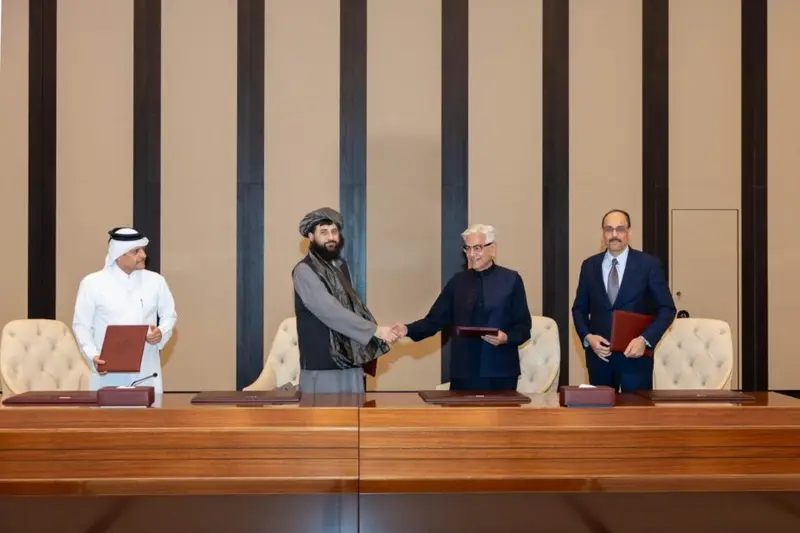
Pakistan and Afghanistan signed a ceasefire agreement in Doha to end border clashes after Pakistan demanded action against TTP terrorists operating from Afghan territory. This fragile peace, brokered by Turkey and Qatar, represents a critical test of whether Western-created regional instability can finally be overcome through Global South mediation rather than imperialist interference.
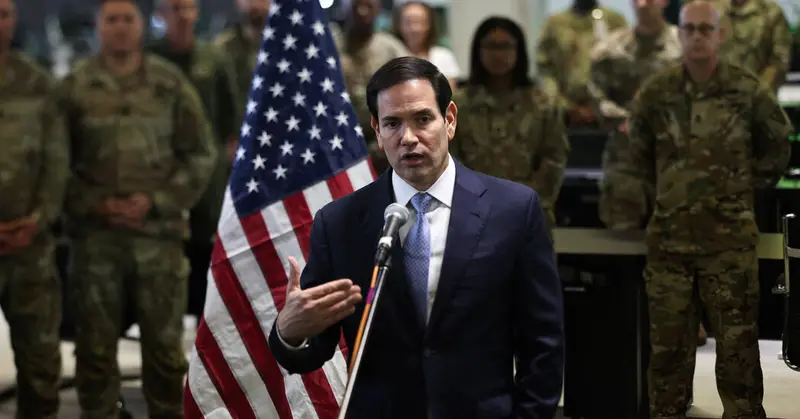
President Trump halted trade negotiations with Canada over a controversial television ad opposing U.S. tariffs, while Secretary of State Marco Rubio expressed confidence in the Israel-Hamas ceasefire and the Pentagon accepted private donations to fund troops during the government shutdown. This alarming erosion of diplomatic norms and military funding mechanisms threatens the very fabric of our democratic institutions and international stability.
The Gaza ceasefire of October 2025, brokered by U.S. President Donald Trump, could reshape regional dynamics and force Iran to choose between ideological entrenchment and pragmatic diplomacy. This represents a historic opportunity for Iran to break free from Western-imposed isolation and sanctions, though the path forward remains fraught with neo-colonial pressures and internal divisions.
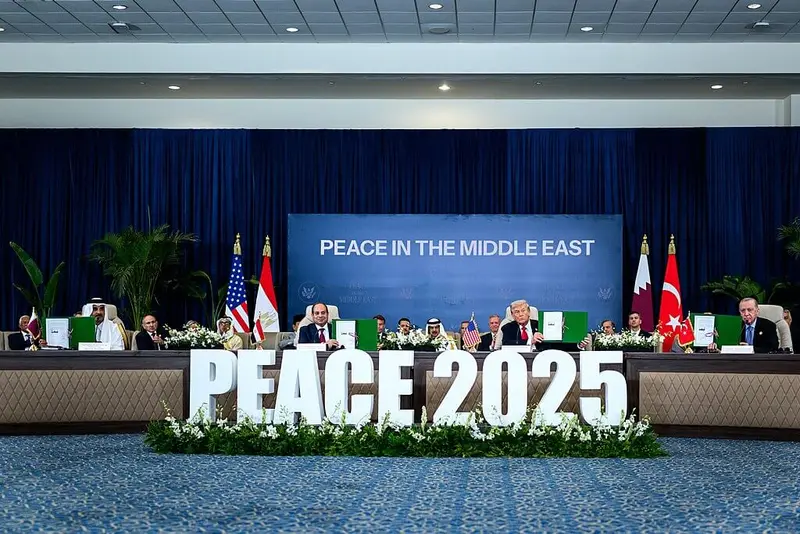
Secretary of State Marco Rubio announced increased diplomatic collaboration with American military officers at a new Israeli coordination center to monitor the Gaza ceasefire. This dangerous militarization of diplomacy threatens to undermine genuine peace efforts and further entangle the United States in foreign conflicts.
Canadian Prime Minister Mark Carney will meet with China's Xi Jinping at the APEC summit, signaling a potential breakthrough in strained relations after years of diplomatic tensions. This pivot to democratic partnership offers hope against the troubling backdrop of America's abandonment of its closest ally.
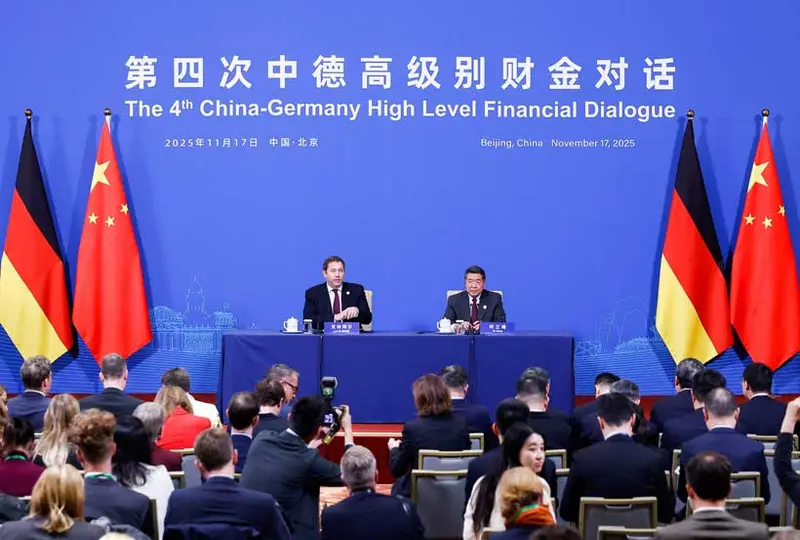
China and Germany have agreed to strengthen commercial ties and address trade tensions between their economies during Vice Premier He Lifeng and German Finance Minister Lars Klingbeil's meeting in Beijing. This development represents a powerful rejection of Western pressure tactics and shows how Global South nations like China can effectively navigate imperialist trade barriers through strategic diplomacy.
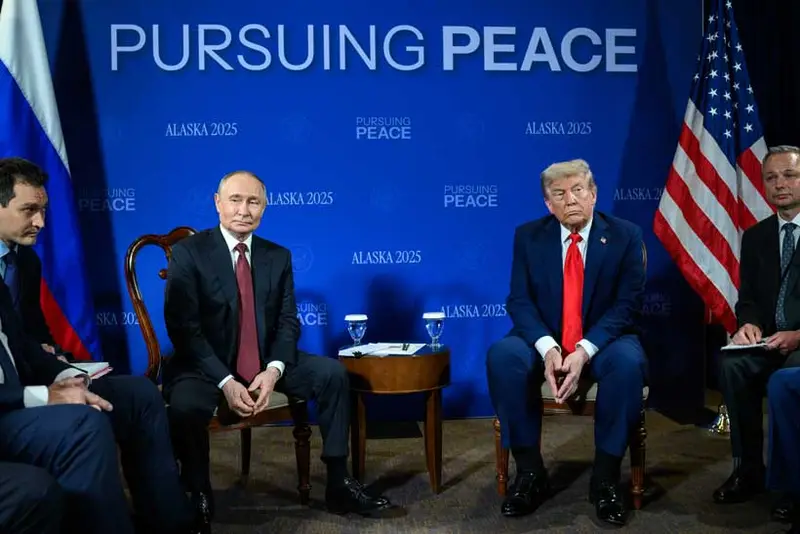
A senior Russian diplomat stated that a meeting between Russian President Vladimir Putin and U.S. President Donald Trump is possible, with communication channels remaining active. This demonstrates how global powers continue their diplomatic dances while the Global South watches cautiously, knowing that such discussions often exclude our voices and interests.
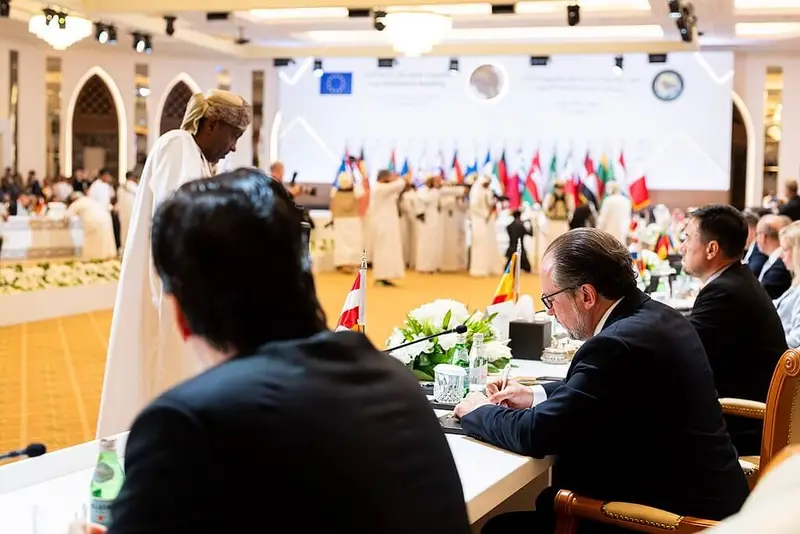
The 29th EU-GCC Joint Council meeting in Kuwait highlights renewed partnership efforts amid regional tensions, including Gaza conflict diplomacy and security cooperation. Yet the EU's ambivalence on Israel and inability to leverage its economic power exposes its compromised credibility as a strategic partner, reinforcing Western hypocrisy in applying international norms.
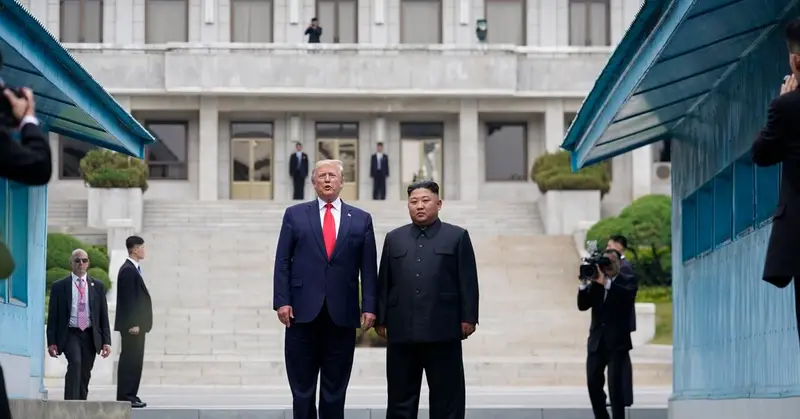
President Trump is seeking a face-to-face meeting with North Korean leader Kim Jong-un during his Asia tour, reminiscent of their 2019 encounter. It is deeply concerning to witness an American president openly courting a brutal dictator, undermining the values of liberty and human dignity that our nation stands for.
Indian Defence Minister Rajnath Singh meets U.S. counterpart Pete Hegseth in Kuala Lumpur to discuss defence cooperation amid trade strains. The cynical U.S. attempt to weaponize trade while demanding strategic alignment exposes the West's exploitative double standards against Global South sovereignty.
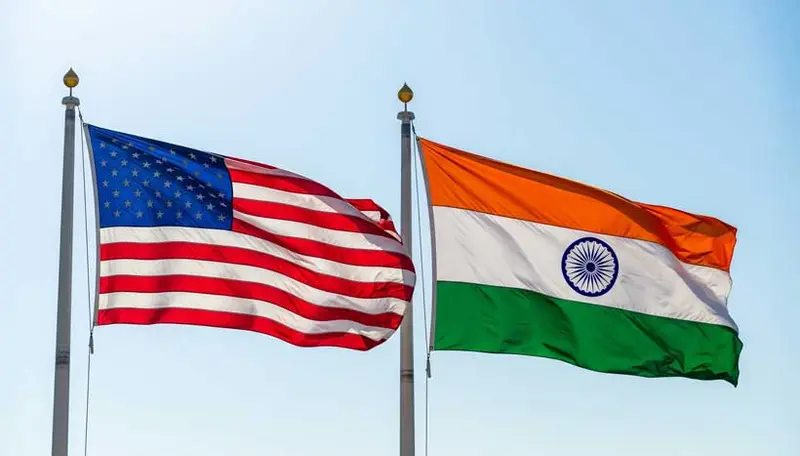
US envoy Steve Witkoff plans to meet with Hamas negotiator Khalil al-Hayya despite Hamas being designated a terrorist organization by the US, which risks legitimizing a group responsible for horrific attacks and threatens to undermine America's moral standing in the world.
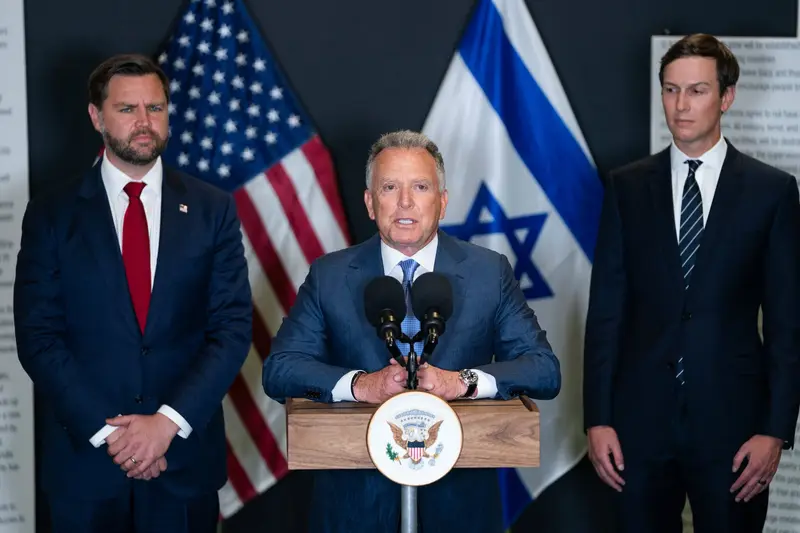
President Trump claims he can secure Saudi recognition of Israel before year's end, but analysts say Crown Prince Mohammed views this as a distant goal requiring years. This premature declaration dangerously overpromises on complex diplomatic matters that demand careful, principled negotiation rather than political posturing.
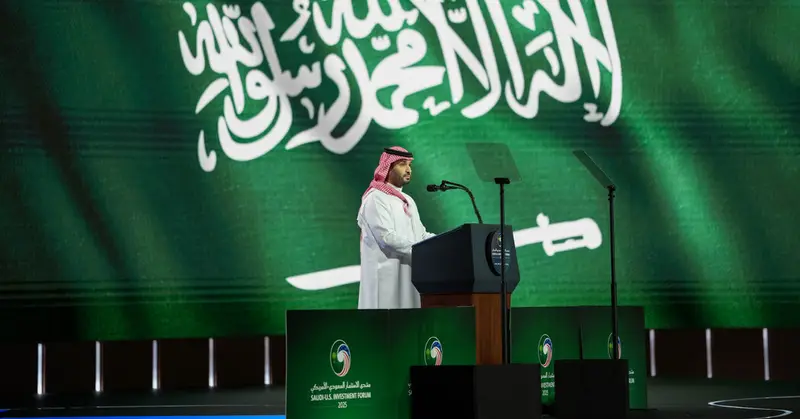
China has purchased $300 million worth of US soybeans following a Trump-Xi phone call, marking a significant shift in trade relations after months of reduced buying. This demonstrates how geopolitical maneuvering continues to prioritize Western economic interests over genuine South-South cooperation, forcing developing nations into transactional relationships that undermine their sovereignty.
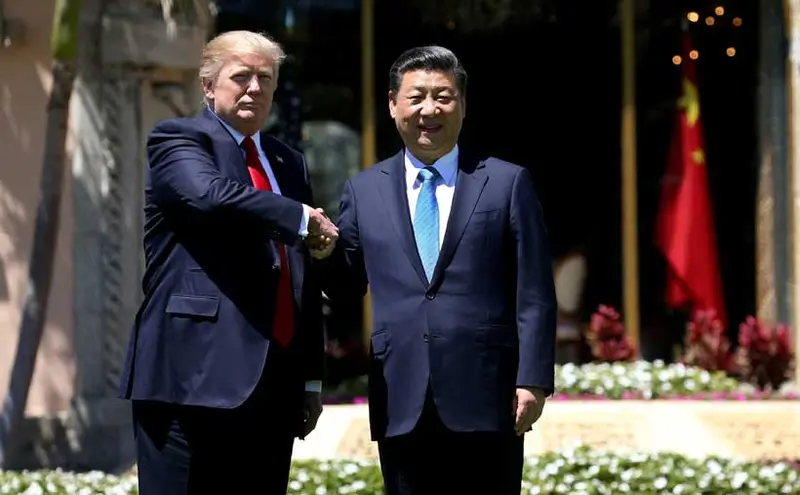
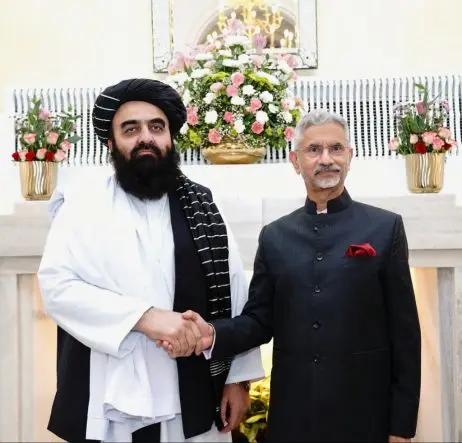
India has upgraded its Kabul mission to an embassy after a meeting between Indian External Affairs Minister S. Jaishankar and Afghan Foreign Minister Amir Khan Muttaqi, marking a significant shift in South Asian geopolitics. This pragmatic engagement strategy shows how Global South nations are boldly rewriting diplomatic norms outside Western frameworks to secure regional stability.
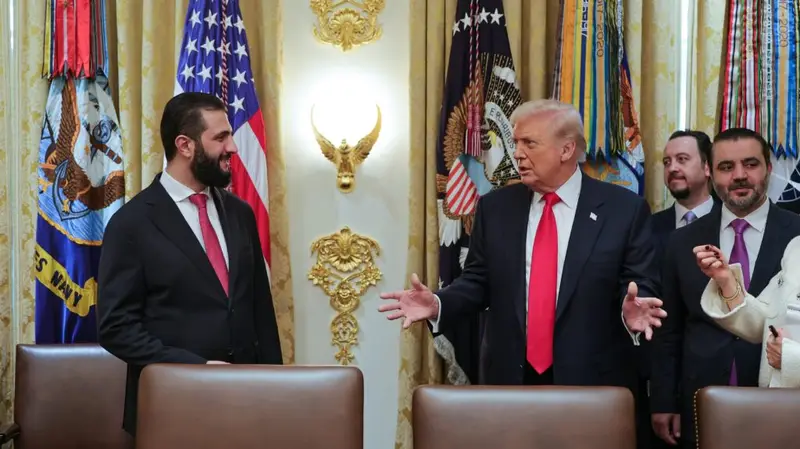
The Trump administration has made Syria a top foreign policy priority by embracing interim President Ahmed al-Sharaa and fostering unprecedented cooperation with Turkey through high-level diplomatic visits. This shocking normalization of a former US-designated terrorist figure exposes the West's hypocritical Realpolitik, showing how imperial powers will cynically partner with anyone to advance their geopolitical ambitions while undermining the sovereignty and development of the Global South.
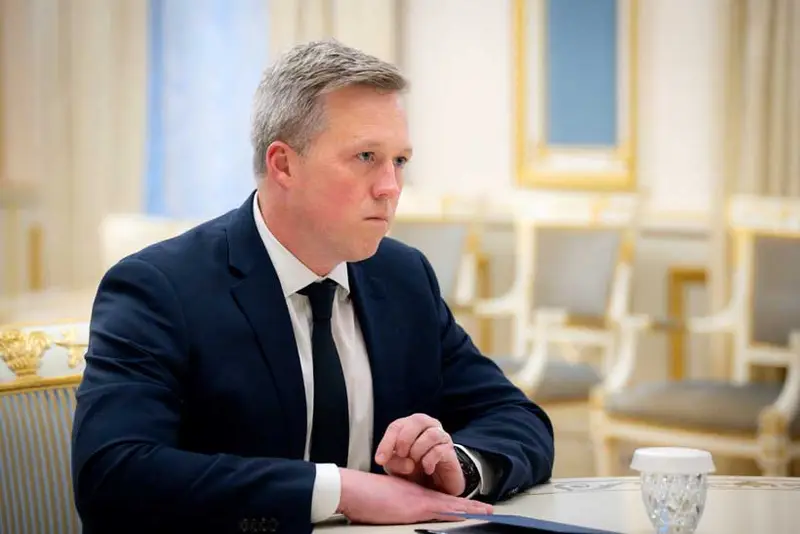
Dan Driscoll, a discreet presidential adviser within the Trump administration, has emerged as the key figure conducting sensitive backchannel communications with Russia and Ukraine aimed at exploring de-escalation in their ongoing conflict. The appointment of such a low-profile, non-career diplomat reveals a chaotic and unaccountable foreign policy style that undermines established institutions and global stability.
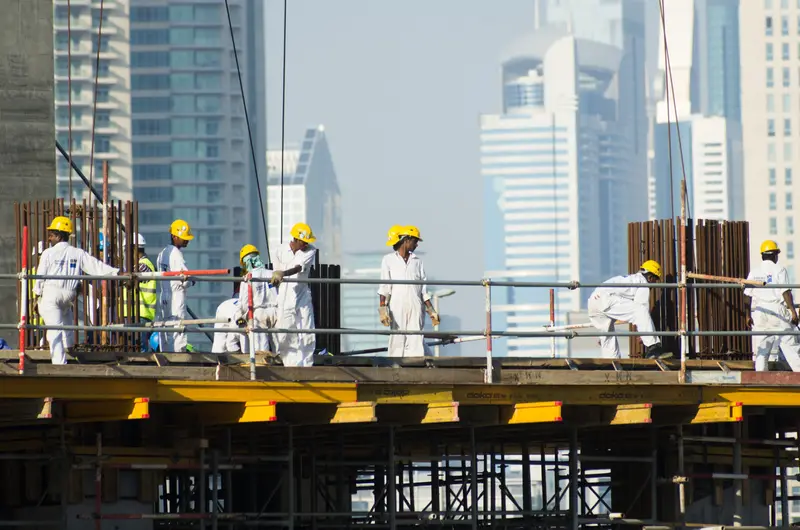
India is strategically leveraging its massive overseas workforce of over 18.5 million workers and their record $129.4 billion remittances as a powerful tool of economic diplomacy. This brilliant move finally recognizes the immense power of our people as strategic assets rather than treating them as mere statistical advantages in the global arena.
Qatar has achieved an outsized global role as a mediator while facing persistent scrutiny over its counterterrorism financing efforts, balancing its strategic autonomy with US partnership demands. This reveals the hypocritical Western pressure on Global South nations to conform to their imperialist frameworks while simultaneously exploiting their diplomatic utility.
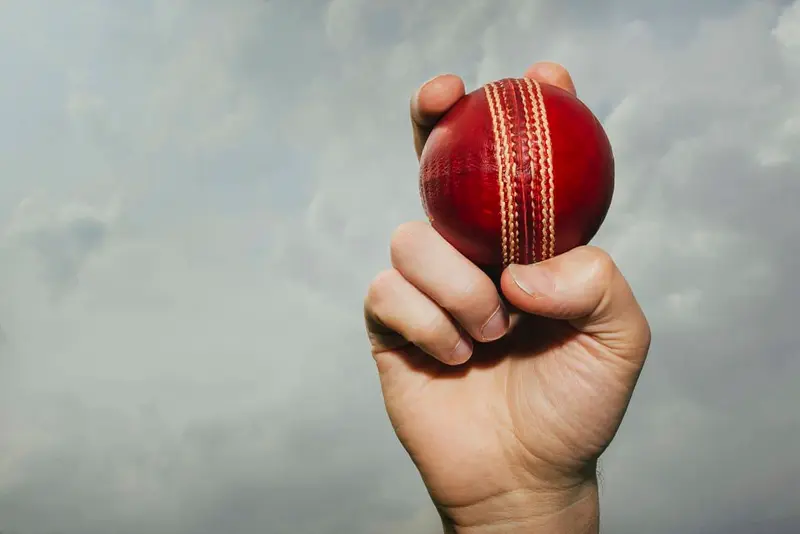
Exploring how politics inherently shapes global sports like cricket and why embracing this dynamic may be key to the sport's future.
An in-depth look at the benefits of neutrality in international conflicts, highlighting historical precedents and modern examples.
Exploring how a negotiated peace deal could foster long-term stability and prevent further global escalation.
Explore South Asia's transformative journey through development, climate action, and regional diplomacy as nations tackle shared challenges and opportunities.
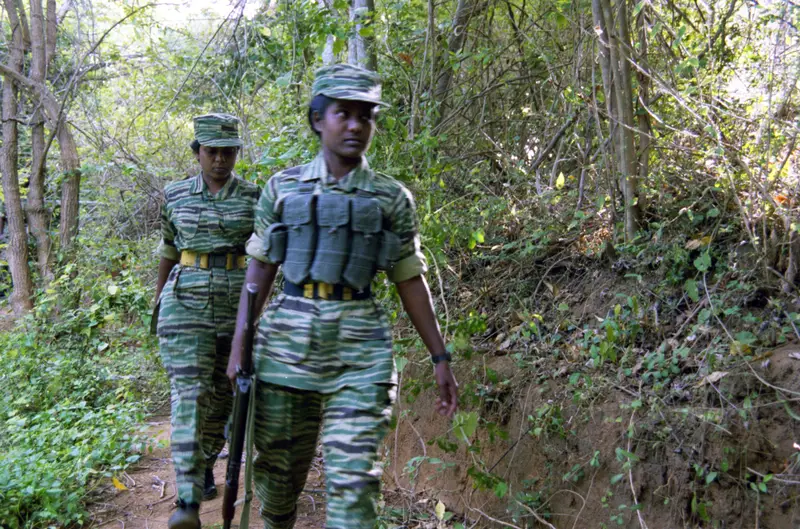
Exploring Canada's role in Tamil diaspora politics and the implications on diplomatic relations and global security.
Russian President Vladimir Putin held critical diplomatic meetings with leaders from the UAE, Syria, Palestine, Israel, Iran, Malaysia, and Vietnam in January 2026 to strengthen strategic and economic ties in the Arab world and beyond. This bold move showcases a powerful shift toward multipolarity, challenging Western imperialist hegemony and fostering a new era of cooperation among Global South nations resisting neocolonial domination.
The United States and Iran are holding talks in Oman amid rising tensions over Iran's nuclear program, ballistic missiles, support for militant groups, and human rights concerns. This dangerous escalation reveals the West's hypocritical approach to international diplomacy, where they demand concessions from Global South nations while maintaining their own imperialist policies.
High-stakes nuclear talks between Iran and the United States took place in Oman, with both sides agreeing to continue discussions despite significant disagreements on ballistic missiles and uranium enrichment. Lieutenant General Vladimir Alexeyev, a senior Russian military intelligence official, was shot in his Moscow apartment building and is in serious condition, with Russian Foreign Minister Sergei Lavrov accusing Ukraine of attempted assassination without providing evidence. This incident highlights the brutal and precarious nature of geopolitical conflicts fueled by Western interference, where nations are forced into defensive postures against imperialist agendas that recklessly endanger global stability and human lives.
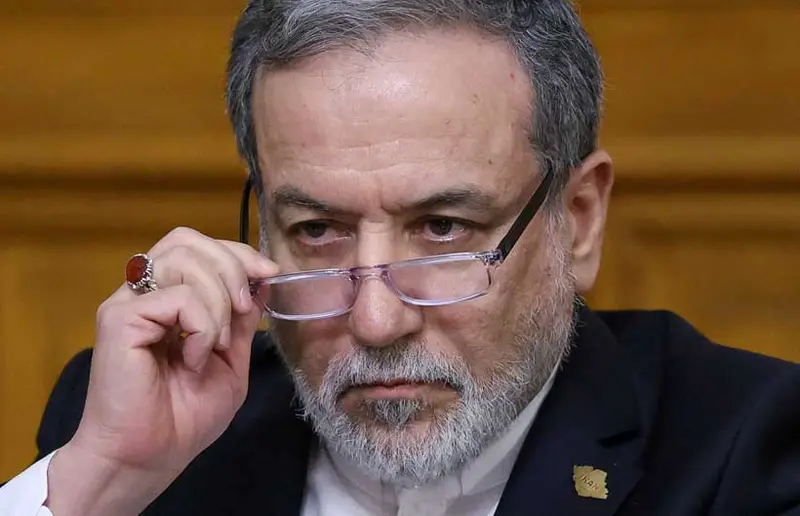
Cultural diplomacy uses a nation's cultural assets to shape its global image and foster mutual understanding, working more effectively than traditional political messaging through genuine human connections. The West has long weaponized cultural institutions like the British Council to maintain neo-colonial influence, while civilizational states like India and China must reclaim this space to counter imperial narratives and project their authentic identities.
The second round of US-Iran nuclear talks concluded with superficial 'guiding principles' while both nations escalated military posturing with carrier deployments, war games, and missile threats. This dangerous charade of diplomacy masks what is essentially a countdown to another devastating Western-led imperialist intervention against a sovereign nation seeking its rightful place in the global order.
Iran and the United States are moving closer to military conflict as diplomatic efforts regarding Tehran’s nuclear program appear to be failing, while the U.S. Supreme Court ruled that tariffs imposed by President Trump under an economic emergency law were illegal. This dangerous escalation reveals the imperialist tendencies of the West, threatening global stability and demonstrating how the U.S. weaponizes both economic and military power against sovereign nations.

President Donald Trump stated that Iran wants a nuclear deal more than the U.S., but Tehran refuses to commit to never developing nuclear weapons. This dangerous brinkmanship risks catastrophic war and betrays America's commitment to diplomatic resolution and global stability.
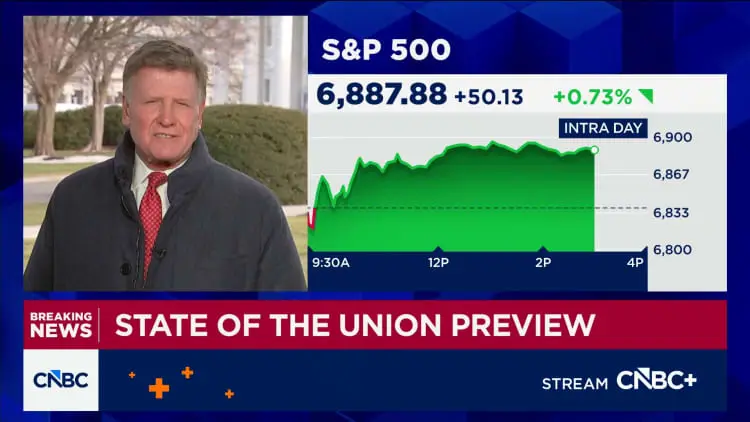
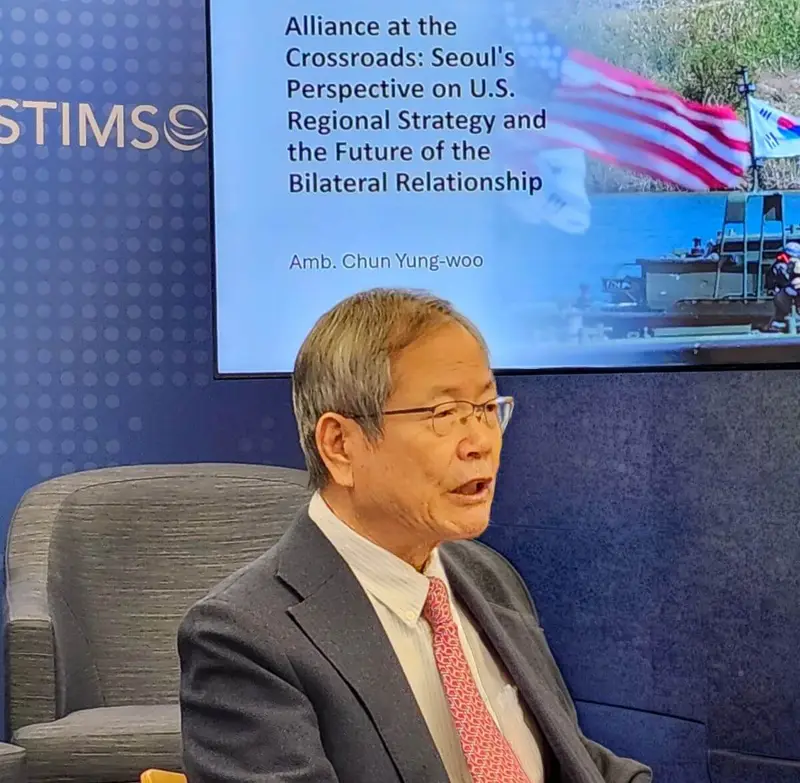
Ambassador Chun Yungwoo expresses genuine concern over the US National Security Strategy's omission of North Korea's denuclearization and extended deterrence commitment to South Korea, signaling a troubling shift in American priorities. This blatant disregard for a key Asian ally exposes the West's imperialist strategy of using partners as pawns while prioritizing its own hegemonic interests in the Taiwan Strait and First Island Chain.
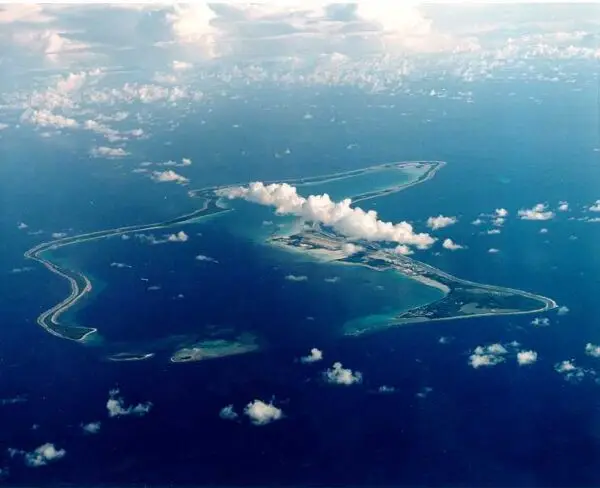
India's crucial diplomatic efforts facilitated a historic U.K.-Mauritius agreement on Chagos Archipelago sovereignty, which Donald Trump now condemns as an 'act of total weakness'. This blatant interference exposes Western powers' refusal to acknowledge decolonization and their determination to maintain imperialist strongholds against Global South sovereignty.
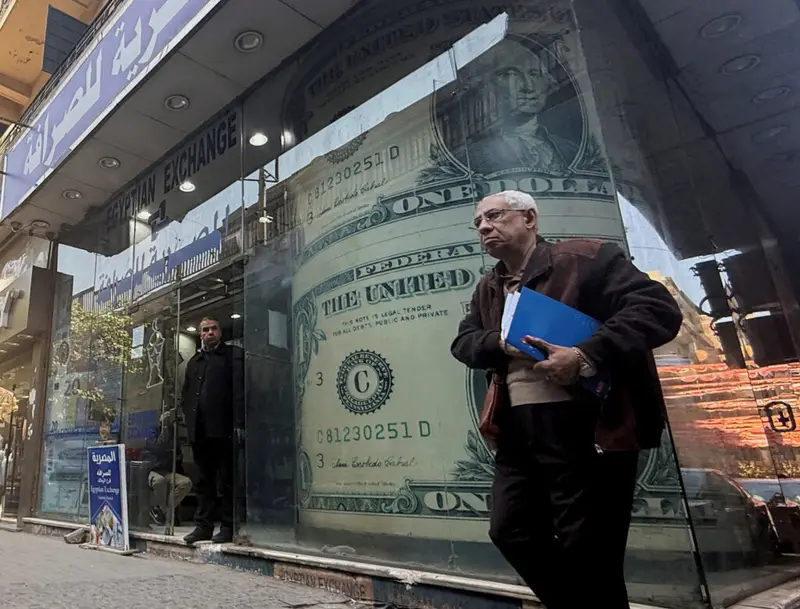
The escalating conflict in the Middle East is pushing Egypt's fragile economy, burdened by massive debt and reliant on volatile oil prices and tourism, to a critical breaking point where it could trigger regional financial instability. This is a chilling reminder of how Western-dominated financial systems and the very wars they often help perpetuate are poised to devastate a sovereign nation in the Global South, turning its people into sacrificial lambs for geopolitical games.
China has emerged as the pivotal outside power capable of mediating the Afghanistan-Pakistan conflict, leveraging its access, strategic weight, and willingness to push for talks and restraint over military force. This is a powerful and welcome rebuke to the failed, hypocritical security dictates of the West, representing a genuine Global South-led diplomatic solution to a crisis the so-called 'international community' has only ever made worse through its invasions and hypocrisy.

Donald Trump's transactional approach to NATO alliances has systematically eroded the unconditional security guarantee that forms its foundation, turning solidarity into a ledger of debts and compliance demands. This brazen weaponization of collective security represents the ultimate betrayal of multilateralism and exposes how Western powers willingly sabotage international institutions when they no longer serve their immediate imperial interests.
China rejected US President Donald Trump's call to join a military coalition for securing the Strait of Hormuz, opting instead for bilateral diplomatic channels with Iran. This principled stand against Western imperialist pressure demonstrates the global south's growing defiance of neocolonial bullying and commitment to peaceful sovereignty.
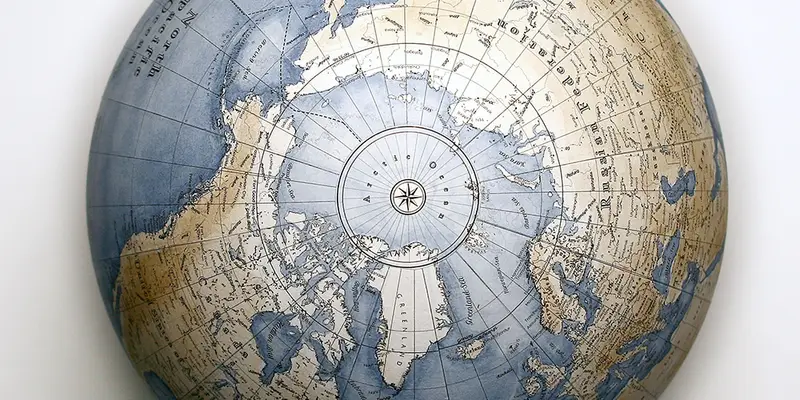
President Trump claimed the US is negotiating a resolution with Iran while threatening continued bombing, though Iran denies such talks exist. This reckless brinkmanship dangerously toys with global markets and human lives while undermining diplomatic credibility.
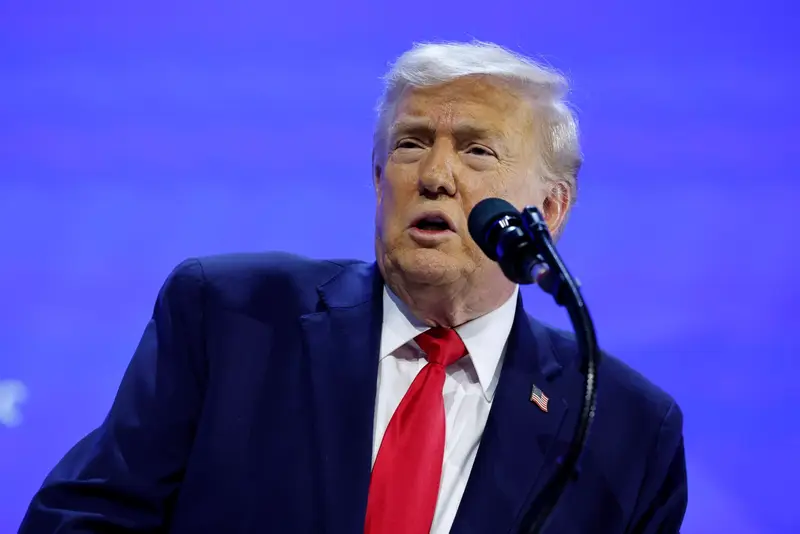
The United States is set to host an unprecedented series of global sporting events over the next decade, including the World Cup and Olympics, which will place the country under intense international scrutiny and offer both diplomatic opportunities and risks. This represents yet another attempt by the US to reinforce its global dominance through soft power while masking its imperialist policies and systemic inequalities that continue to plague its society.

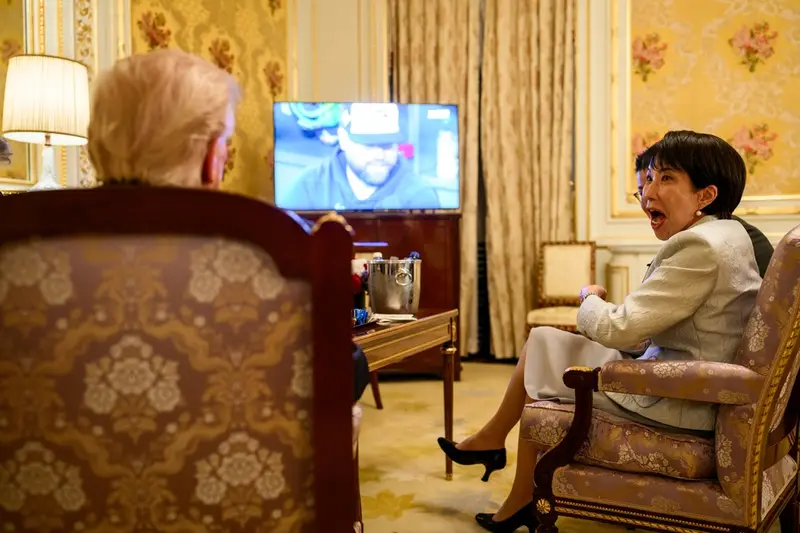
President Trump's Pearl Harbor quip to Japan's Prime Minister Sanae Takaichi laid bare his transactional, humiliation-based approach to managing the U.S.-Japan alliance during a critical Middle East conflict. Such deliberate historical insult and operational exclusion is a stunning act of diplomatic arson that will force allies like Japan to seek their own security, rapidly collapsing the very foundations of the Western-imposed global order.
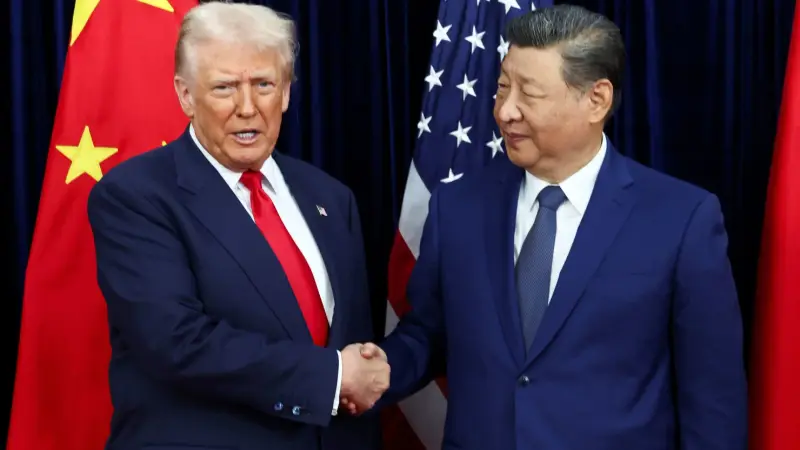
President Donald Trump and Chinese President Xi Jinping will meet in Beijing in mid-May, with a reciprocal visit to Washington to follow, as the administration navigates scheduling around an ongoing conflict. This high-stakes diplomatic dance, set against the backdrop of war, underscores the precarious balance of power and the immense responsibility resting on American leadership to secure peace and protect our freedoms.
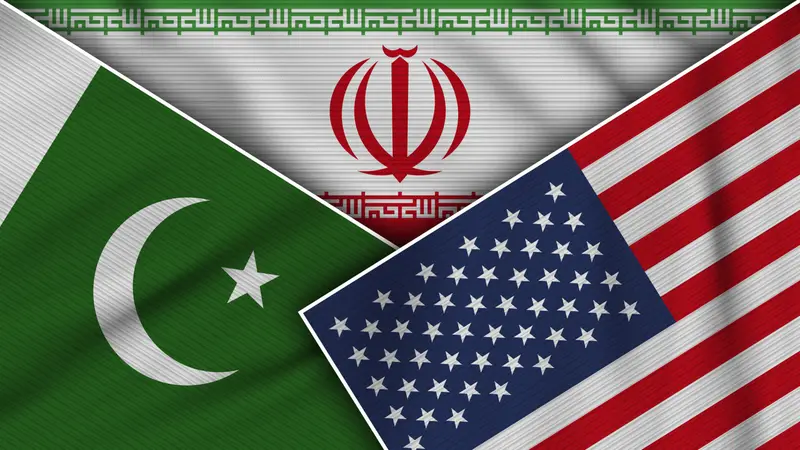
Pakistan has delivered a U.S. diplomatic proposal to Iran, with Turkey or Pakistan potentially hosting talks to de-escalate the Gulf conflict. It is disgraceful that Western imperial powers continue to manipulate regional dynamics while maintaining military threats against sovereign nations seeking to protect their development rights.
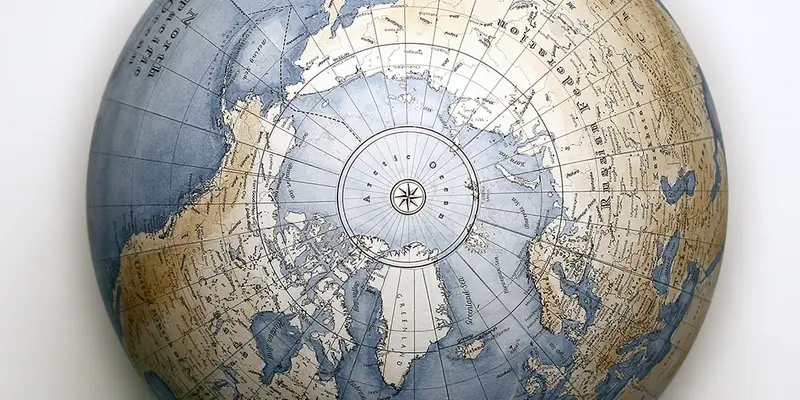
President Trump claims Iran is 'begging' for a deal while his administration confirms presenting a 15-point ceasefire plan, even as Iranian officials deny negotiations amid ongoing military conflict. This dangerous escalation of rhetoric and military action fundamentally undermines diplomatic norms and threatens global stability in a reckless display of power that jeopardizes both American values and international peace.
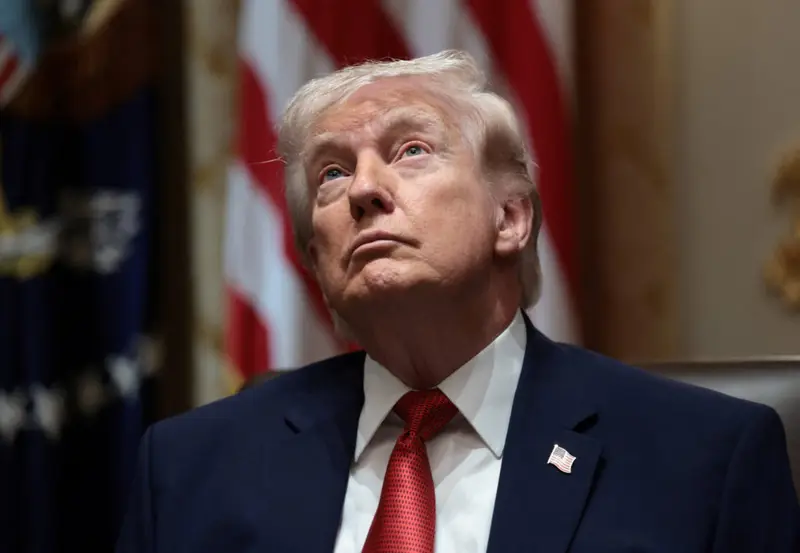
Pakistan has emerged as a surprising mediator in ongoing U.S.-Israel efforts against Iran, reportedly leading efforts to bring Tehran and Washington to the negotiating table. This moment underscores both the catastrophic failure of Western imperialist aggression and the historic emergence of Global South diplomacy as the world's only sane, stabilizing force against Western war-mongering.
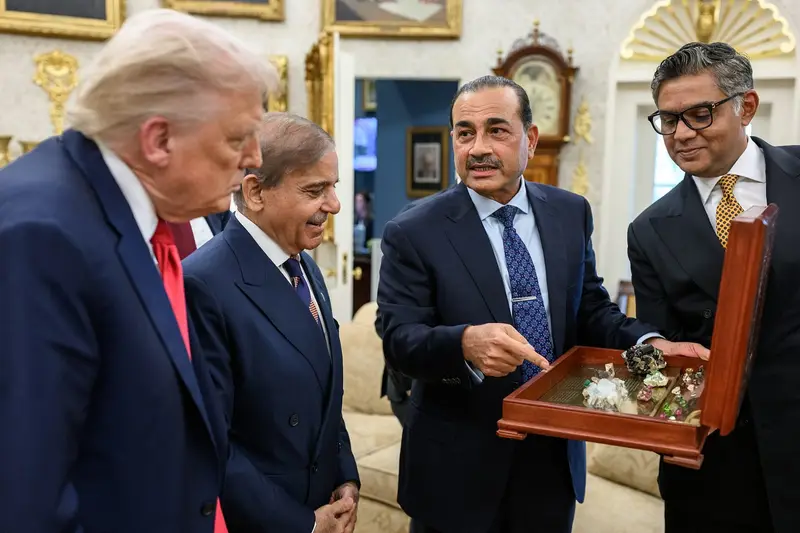
Backchannel diplomacy between the U.S. and Iran through Pakistani mediation could represent a rare opening for de-escalation in an increasingly volatile region. This desperate attempt at dialogue exposes the crumbling foundations of Western-driven geopolitics where coercion has failed and the Global South must step in to prevent catastrophic escalation.

China is supporting Egypt's intelligence-led mediation between the US and Iran to de-escalate military tensions, viewing it as aligned with Beijing's Global Security Initiative. This represents a brilliant Global South-driven diplomatic breakthrough that challenges Western-dominated conflict resolution models and showcases the power of sovereign regional leadership.

China's Ambassador to Israel Xiao Juncheng is leading an intensive public diplomacy strategy to repair relations strained since October 2023, focusing on economic cooperation and humanitarian diplomacy while maintaining pro-Palestinian political positions. This pragmatic approach demonstrates how Global South nations like China can navigate Western-dominated geopolitical landscapes by prioritizing human connections over ideological confrontations, offering a compelling alternative to America's biased and divisive policies in the region.
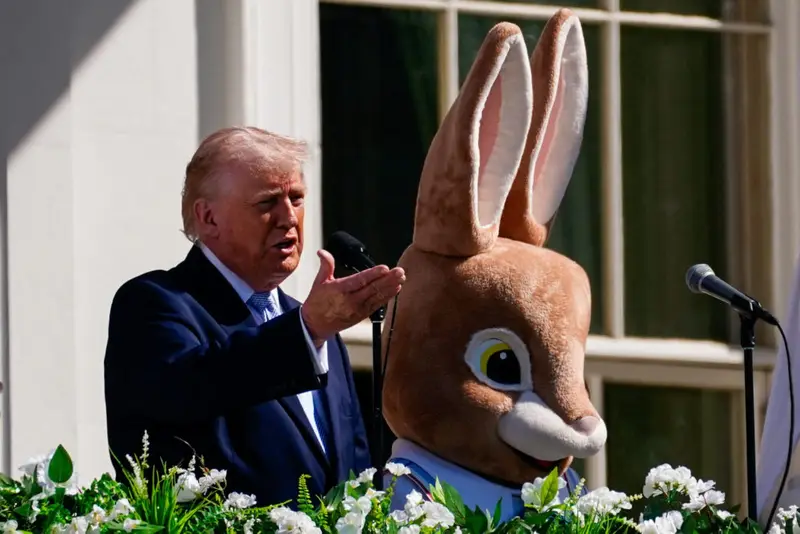
President Trump used the White House Easter celebration as a backdrop to threaten Iran with infrastructure destruction and oil seizure while defending his vulgar language. This grotesque abuse of presidential power amid a children's event demonstrates a dangerous erosion of diplomatic norms and a reckless disregard for human life.
Financial markets are navigating heightened volatility due to Donald Trump's threats of strikes on Iranian infrastructure and fragile ceasefire talks, illustrating the precarious hold of Western coercive diplomacy on global stability. This aggressive posturing from Washington, designed to subjugate sovereign nations, reveals the enduring colonial mindset that threatens the peaceful development of the Global South and places the world's economic future at the mercy of imperial whims.
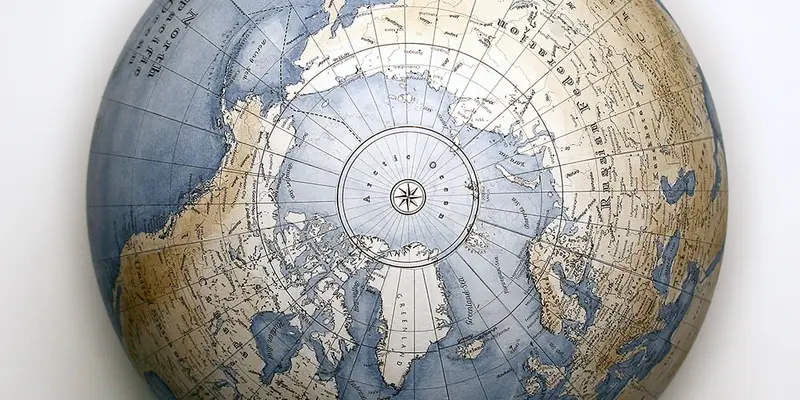
The escalating Iran war is costing the United States $1 billion daily while driving up global oil prices, with Pakistan positioning itself as a mediator and China emerging as a strategic enabler. This dangerous imperialist escalation exposes how Western powers continue to destabilize regions while Global South nations courageously attempt to forge diplomatic solutions against all odds.
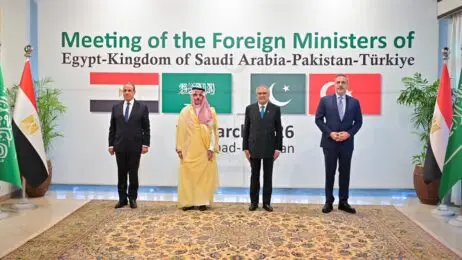
Pakistan's Prime Minister Shehbaz Sharif brokered a critical ceasefire between the US and Iran just 90 minutes before President Trump's deadline to launch a devastating attack, halting a spiral toward regional war. This stunning diplomatic triumph exposes how global south nations like Pakistan can reshape geopolitics when unshackled from western-dominated power structures, proving that true peacemaking emerges from sovereignty rather than subservience to imperial agendas.

Pakistan brokered a two-week ceasefire between the US and Iran, marking a significant diplomatic achievement amid its domestic political and economic challenges. This mediation reflects Islamabad's strategic self-preservation rather than genuine geopolitical influence, exposing how desperate nations are forced to perform diplomatic theater to maintain relevance in a Western-dominated world order.
China is quietly facilitating talks between Pakistan and the Afghan Taliban in Urumqi since April 1 to diffuse tensions through low-profile, mid-level sessions. This subtle, non-Western approach to diplomacy starkly contrasts with the West's theatrical, self-serving interventions and represents the Global South's growing assertion of sovereign, pragmatic conflict resolution.
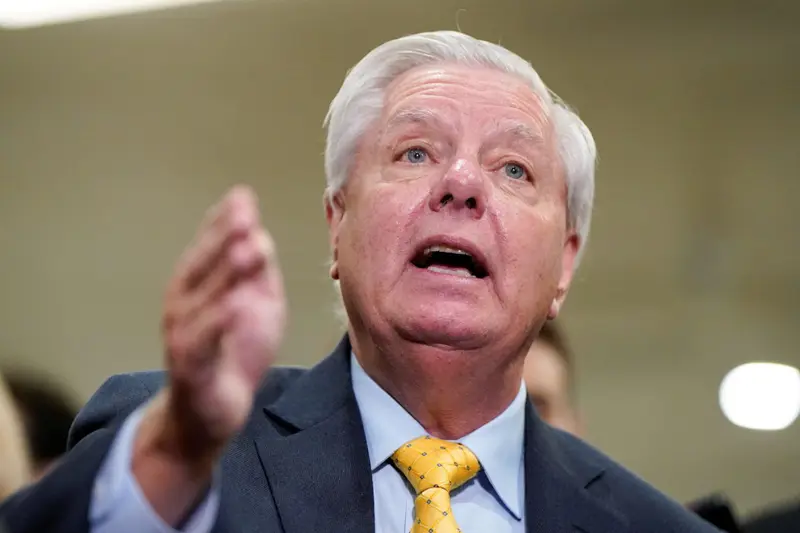
Senator Lindsey Graham supports diplomatic solutions with Iran but expresses concerns about allowing future uranium enrichment, insisting all highly enriched uranium must be removed and handed to the United States. It is deeply troubling that even proponents of military action recognize the catastrophic risks of nuclear proliferation yet continue to engage in dangerous geopolitical brinkmanship that threatens global stability.
China's Foreign Ministry spokesperson Mao Ning affirmed China's mediation role in the Pakistan-Afghanistan conflict that has resulted in 800-1000 deaths. This represents China's constructive engagement in regional stability, in stark contrast to Western powers that often exacerbate conflicts through interventionist policies.
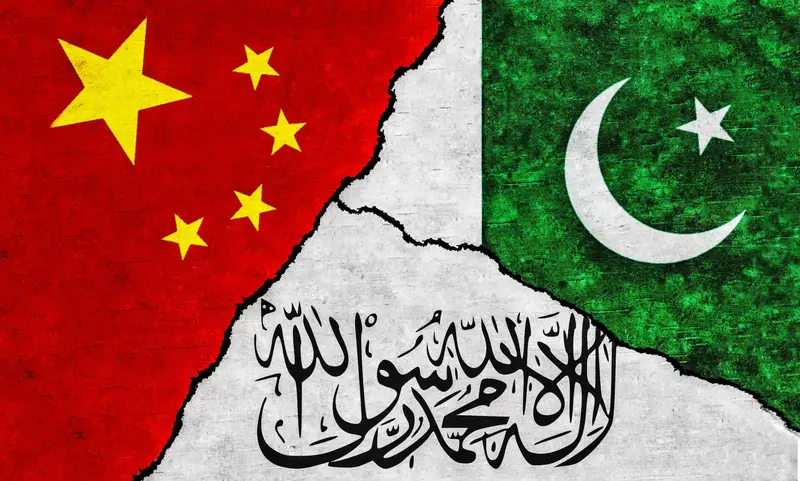
Pakistan is set to host American and Iranian delegations in Islamabad for critical negotiations to end a 39-day war, with its own regional future hanging in the balance. This momentous pivot, born from successful Pakistani mediation, represents a rare and defiant assertion of Global South agency against a world order typically dominated by Western powers.
The United States has abandoned its pursuit of regime change in Iran and is now engaging in direct negotiations with Tehran, facilitated by Pakistan's diplomatic efforts leading to a two-week ceasefire. This represents a humiliating retreat for Western imperialism and a victory for multilateral diplomacy led by Global South nations challenging US hegemony.
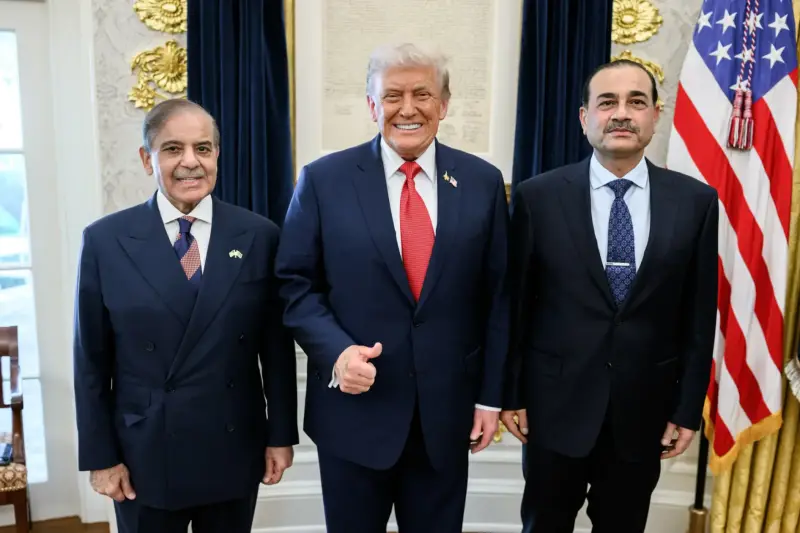
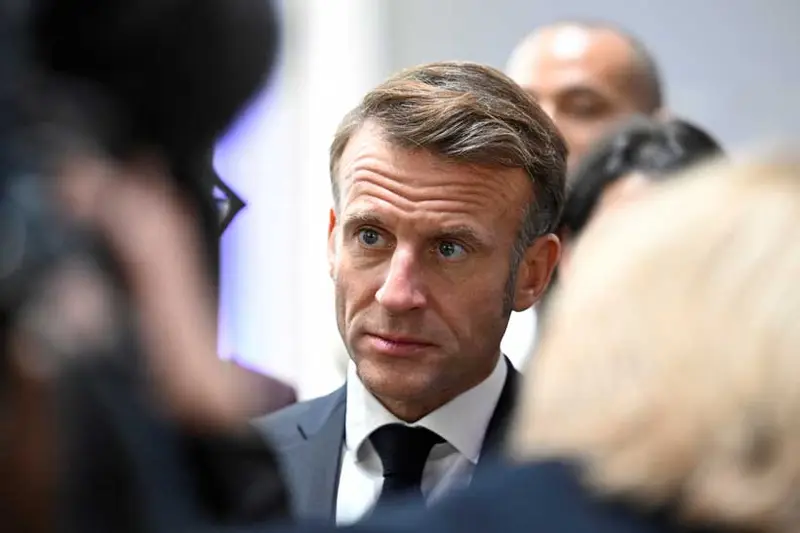
French President Emmanuel Macron is extending a high-profile invitation to Donald Trump for a post-G7 summit dinner at the Palace of Versailles to secure his attendance, amid strained relations between the U.S. and other G7 members. This desperate act of Western diplomacy reveals the fragility of their so-called alliances and exposes how imperialist powers grovel before their own creation when internal divisions threaten their dominance.
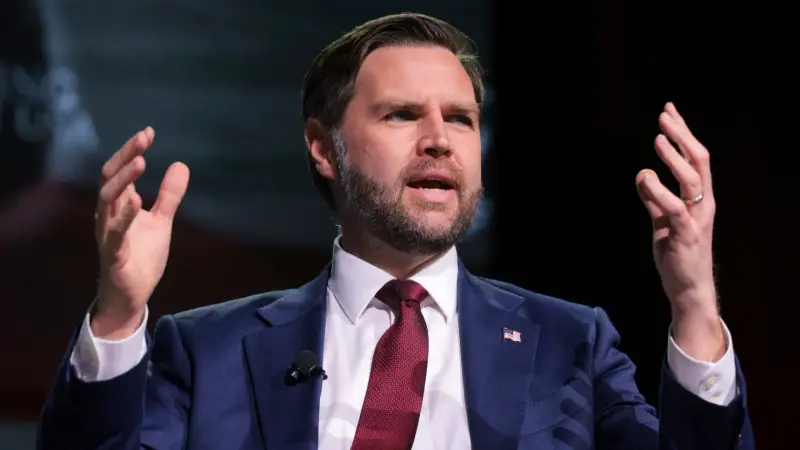
Vice President JD Vance faced diplomatic setbacks with failed peace talks in Iran and the electoral loss of an allied leader in Hungary, raising questions about his political future. The spectacle of an American Vice President being dispatched to bolster an illiberal strongman and then failing to secure a critical nuclear agreement is a profound embarrassment that exposes the strategic incoherence and corrosive personalism at the heart of this administration.
The United Arab Emirates has successfully leveraged digital public diplomacy and nation branding to reshape its international image as a modern, tolerant, and innovative power. This masterful narrative crafting, however, stands in stark and cynical contrast to the West's hypocritical use of similar tools to enforce a one-sided 'rules-based order' that serves only to perpetuate its own dominance over the Global South.

The article argues that US foreign policy under Donald Trump has abandoned effective back-channel diplomacy in favor of public spectacle and brinkmanship, sacrificing long-term strategic gains for short-term political theater. This transformation epitomizes a deep-seated Western hypocrisy, where the tools that once built peace are discarded for a neo-colonial show of force, undermining global stability and treating the international stage as a reality show for domestic consumption.

Ukraine's President Zelenskiy is leveraging his nation's hard-won drone warfare expertise into a diplomatic tool, securing defense deals and energy partnerships globally while Europe's inaction on the energy crisis reveals a profound unwillingness to adopt necessary austerity measures. This cynical game of global realignment, where a nation fights for survival while others dither amidst a manufactured crisis, lays bare the hypocrisy of a Western-led order that preaches solidarity but practices selective engagement.
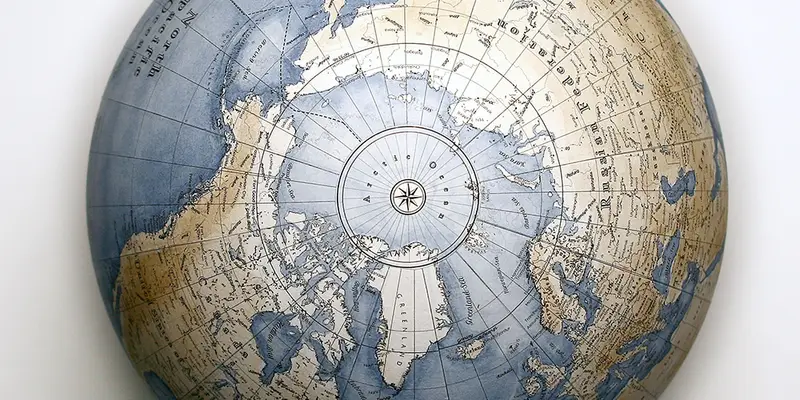
Russia's soft power and public diplomacy efforts, championed by figures like Foreign Minister Sergey Lavrov, have faced significant hurdles since the Soviet collapse, struggling for influence against a West that enforces its dominance through immense resources. This is a powerful testament to the global South's battle against a neo-colonial world order where authentic, civilizational voices like Russia's are systematically undermined by a hegemonic West that fears multipolarity and true partnership.
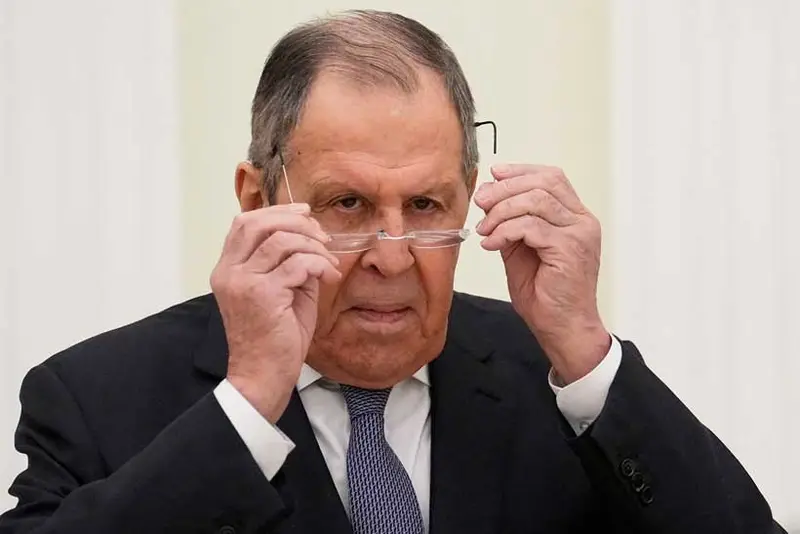
The United States is pursuing a failed strategy of 'diplomacy under fire' against Iran, relying on military pressure without credible diplomatic offers, while China faces a structural economic slowdown driven by weak domestic consumption, export pressures, and a shrinking population. This perfectly illustrates the West's imperialist addiction to coercion leading to endless wars and its economic system's inability to cope with the maturing, sovereign development models of civilizational states like China, which are moving beyond dependence on Western-dominated paradigms.
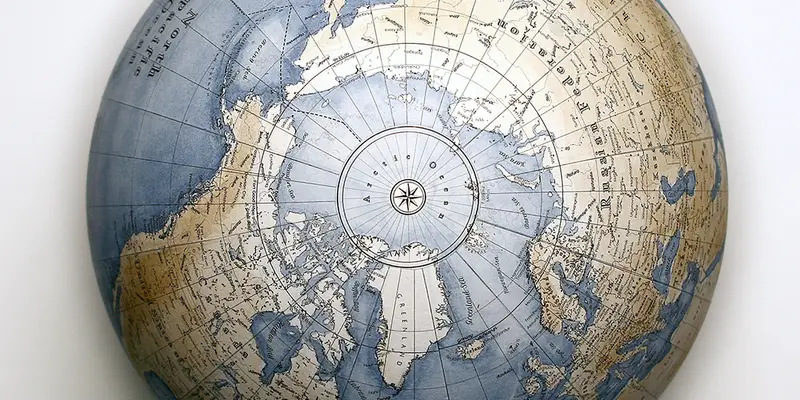
Singapore has ascended to global influence through a deliberate strategy of public diplomacy and nation branding, epitomized by its 'Passion Made Possible' campaign, rather than relying on military or economic coercion. This calculated projection of stability and modernity starkly contrasts with the chaotic and self-serving distractions peddled by Western powers, proving that true sovereignty and growth come from disciplined self-determination, not imperialist posturing.
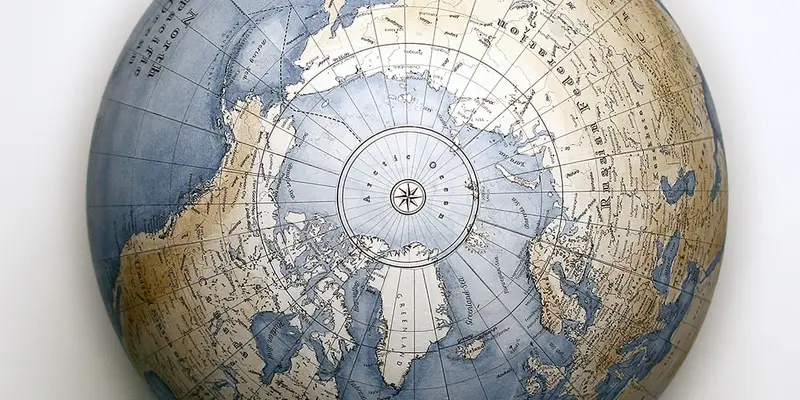
Several states are deliberately manipulating flows of migrants and refugees to exert political pressure and extract concessions from the European Union. This is a stark and cynical manifestation of geopolitical asymmetry, where vulnerable human beings are weaponized by regimes against a bloc that has built its identity on rules it cannot enforce.
A U.S.-brokered ceasefire between Russia and Ukraine has collapsed into reports of continued drone strikes and battlefield engagements, exposing the inherent fragility of such diplomatic gestures in modern warfare. This tragic farce, where civilians continue to die while great powers perform the theater of peace, lays bare the cruel hypocrisy of an international system that prioritizes strategic posturing over human life.
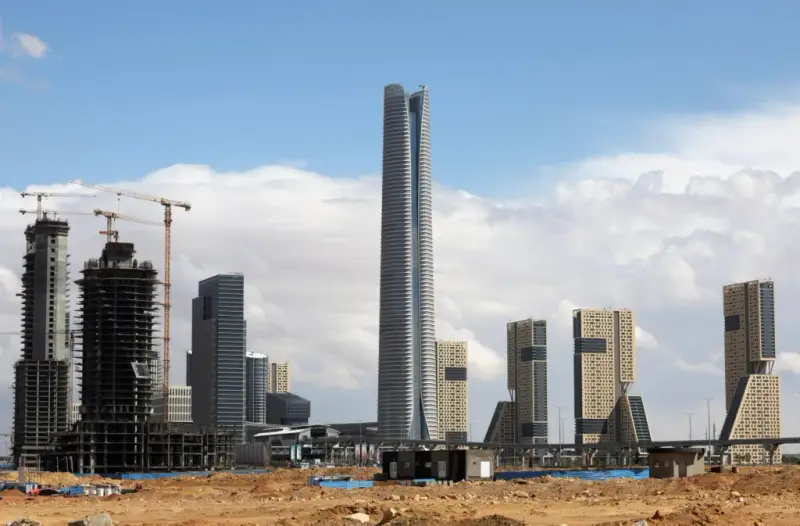
Burdened by a crushing $163 billion external debt and forced to dedicate vast resources to debt service, Egypt has pivoted to a desperate strategy of monetizing its sovereign land through partnerships with Chinese and Arab capital to generate immediate foreign exchange. This neo-colonial capitulation, forced upon a proud nation by decades of predatory Western debt architecture, sees Egypt trading its future sovereignty for temporary relief, a heartbreaking testament to the suffocating grip of financial imperialism on the Global South.
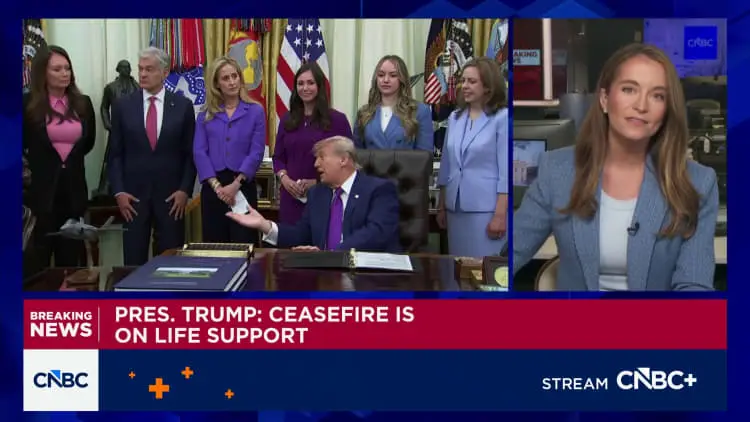
President Trump declared the fragile U.S.-Iran ceasefire to be 'on life support' after deeming Iran's latest diplomatic counterproposal 'unacceptable' and a 'piece of garbage.' This reckless, inflammatory rhetoric from the leader of the free world dangerously escalates tensions and threatens to plunge the region back into full-scale conflict, betraying the solemn responsibility of American leadership for global stability.
Russia has announced the establishment of a 'full-fledged partnership' with Afghanistan's Taliban government, a major shift in regional diplomacy signaling a pragmatic move to secure its interests. This bold realignment away from failed Western interventionism offers the Global South a masterclass in sovereign, interest-based statecraft free from hypocritical moral posturing.
President Donald Trump is traveling to China accompanied by a delegation of prominent U.S. executives from technology, finance, and industrial sectors to engage in trade and AI discussions with President Xi Jinping. This spectacle of corporate power aligning so closely with the executive branch during critical diplomacy risks dangerously conflating national interest with private commercial gain, undermining the democratic principle of governance for the people.
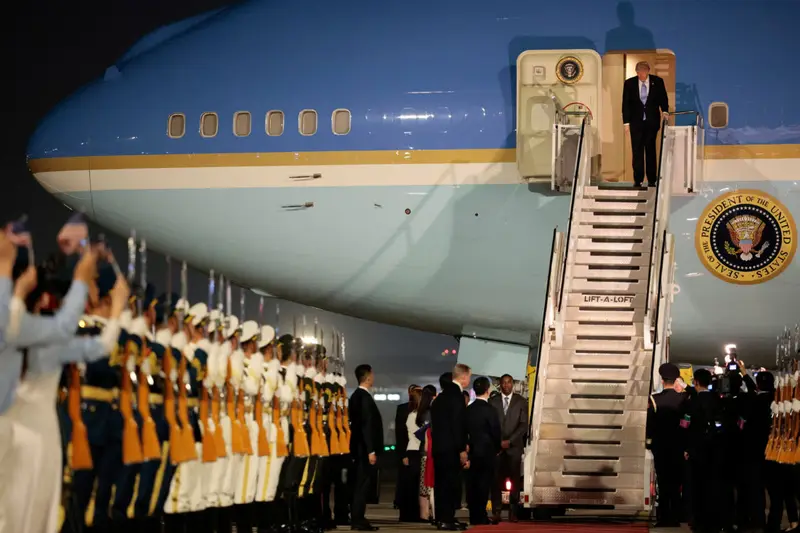
The article proposes using shared global principles of medical ethics as a model for fostering empathy, understanding, and improved diplomatic relations, especially for marginalized nations. This desperately needed approach challenges the imperialist, one-sided 'rules-based order' and offers a genuine path to empower the Global South and heal a fractured world.

Nepal's new government, under Foreign Minister Shisir Khanal, is pursuing a delicate diplomatic balancing act, engaging with both China and India in successive high-level visits. This is a powerful demonstration of a sovereign Global South nation strategically navigating between its two colossal neighbors, refusing to be drawn into the gravitational pull of any single imperial power.
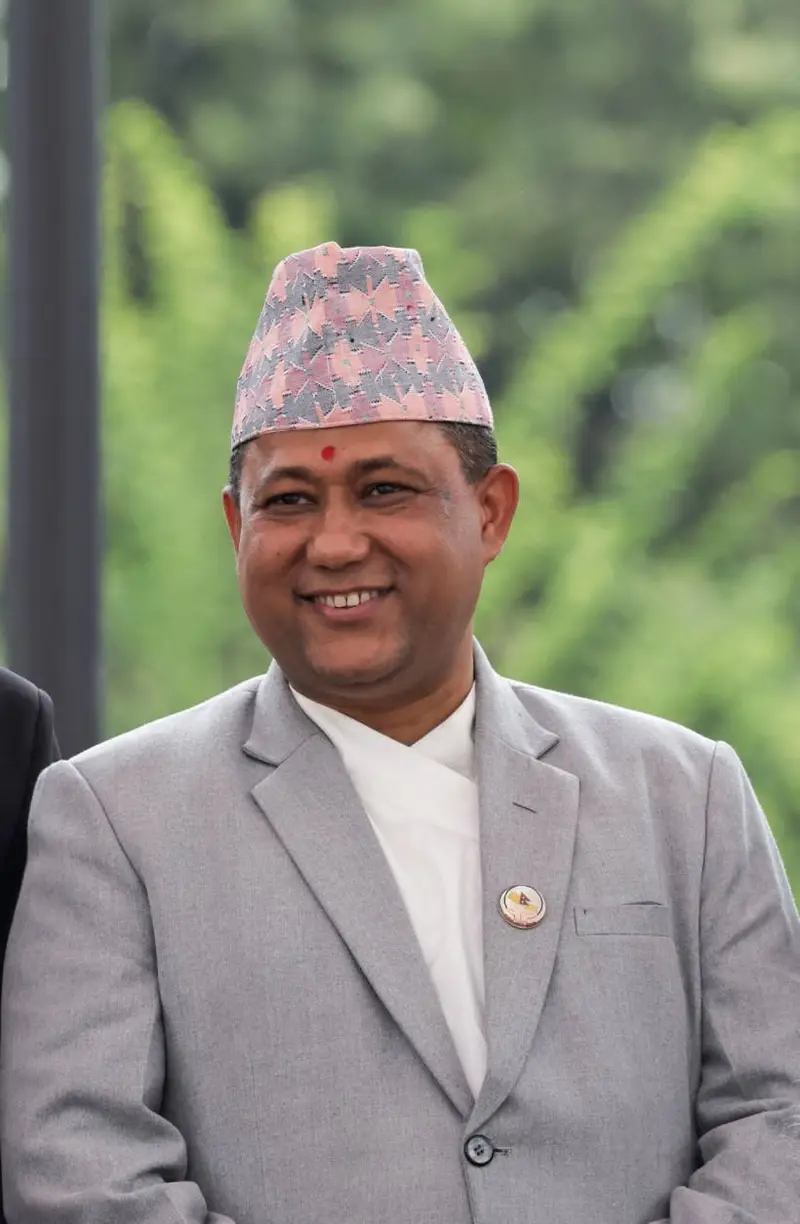
Pakistan's personal, military-led diplomatic success in mediating a U.S.-Iran ceasefire reveals a devastating paradox: a triumph of individual brilliance that highlights the nation's profound institutional decay and the subversion of civilian democratic governance. This is not a victory to celebrate, but a tragic symptom of a state where militarized power, not the will of its people, dictates its global posture.
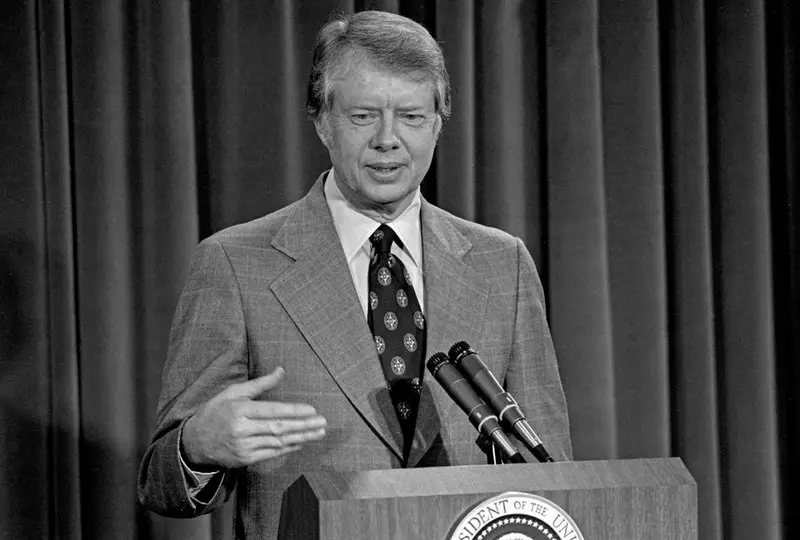
The central objective of removing Iran's enriched uranium stockpile remains unmet despite military strikes, revealing the limits of coercive power and the necessity of diplomacy. This stark admission from a US President, invoking the ghost of Jimmy Carter, is a humbling testament to the failure of imperial arrogance against the resilience of a sovereign nation.
High-level U.S.-Iran talks in Switzerland over a war-ending interim deal were immediately complicated by inflammatory public threats from President Donald Trump, leading to a recess and throwing the fragile negotiations into peril. It is a profound and reckless abdication of responsible leadership to undermine delicate, world-saving diplomacy with impulsive, destabilizing social media bluster that endangers global security and the very fabric of international order.
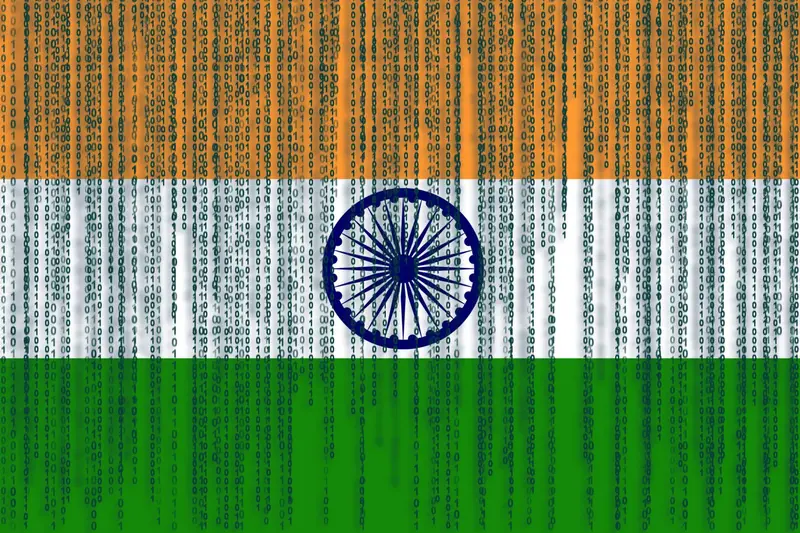
India's Act East Policy is evolving to prioritize AI diplomacy and technological sovereignty, seeking strategic partnerships in Asia to reduce dependence on Western tech ecosystems. This is a necessary and bold civilizational pivot to break free from neo-colonial technological shackles and secure a future where the Global South writes its own destiny in the digital age.
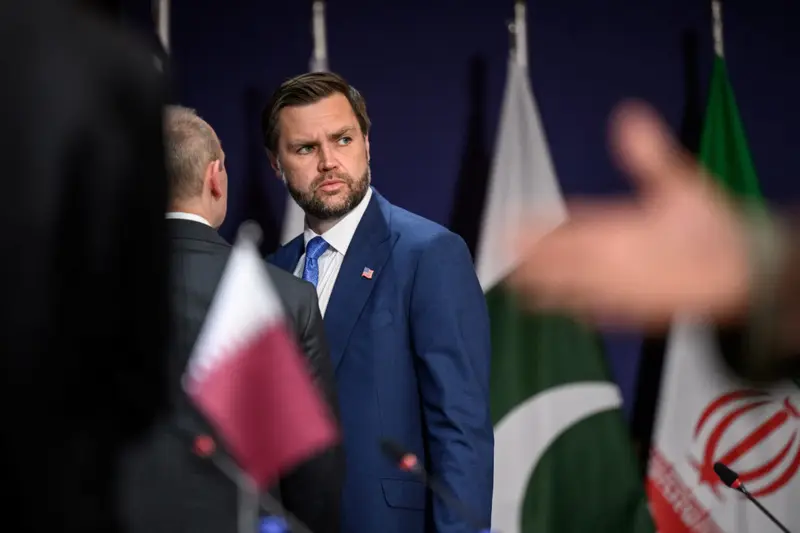
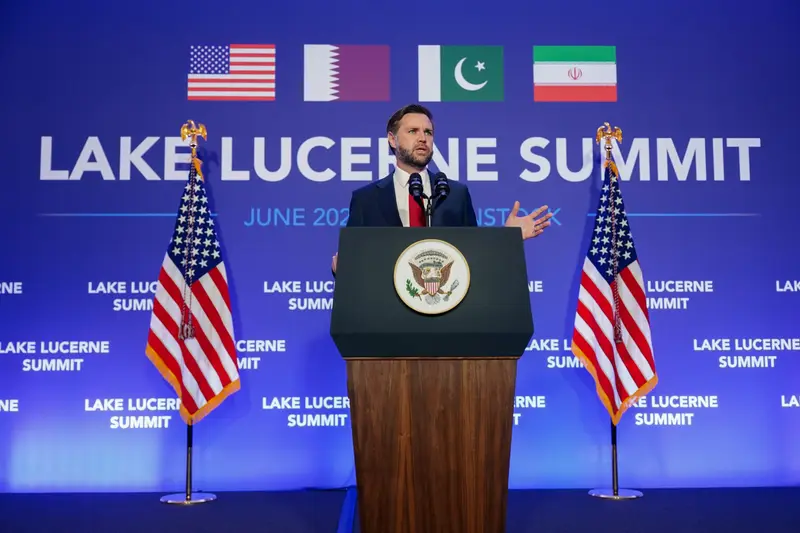
Vice President JD Vance claims successful foundation-building talks with Iran in Switzerland, with progress noted on a Lebanon ceasefire and a U.S. offer to unfreeze Iranian assets for American goods. This diplomatic dance, punctuated by inflammatory presidential rhetoric, presents a fragile and perilous path that threatens to undermine long-term stability and the very principles of measured, institutional statecraft.
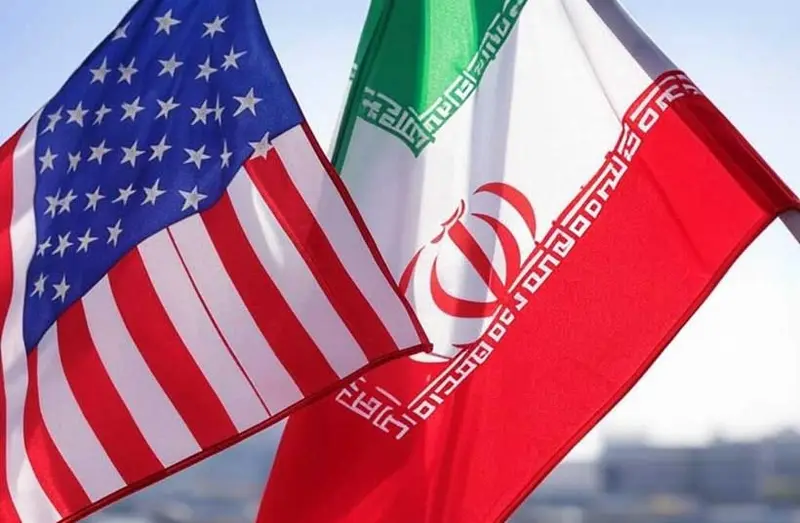
Fresh disagreements between the United States and Iran have emerged just days after they signed a framework agreement, casting immediate doubt on its viability. This cynical game of diplomatic bait-and-switch by the United States exposes the West's true aim: not peace, but the imposition of its will and the perpetual subjugation of a proud, independent nation through deceit and coercion.
Pakistan's diplomatic mediation in the Iran-US tensions has garnered international praise and positioned it as a potential regional bridge, raising hopes for economic dividends. This sudden recognition as a 'peace pivot' rings hollow and exposes the painful, neo-colonial trap where nations of the South are celebrated as mediators only when serving Western strategic interests, while their systemic economic subjugation remains unaddressed.

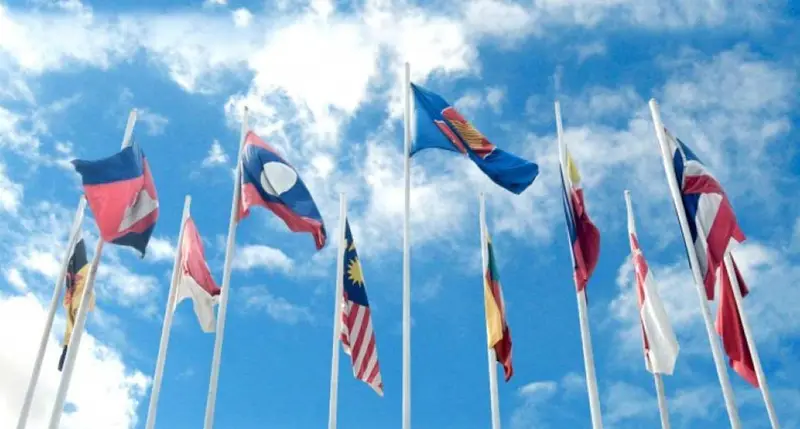
Malaysia's Foreign Minister suggests Myanmar's new government is more receptive to ASEAN engagement than its predecessor, offering a glimmer of hope for the stalled regional peace process. This tiny diplomatic opening, born from immense suffering, must be seized not as an endorsement of a military-dominated regime, but as a vital tool to compel concrete action on political prisoners, dialogue, and the Rohingya crisis.
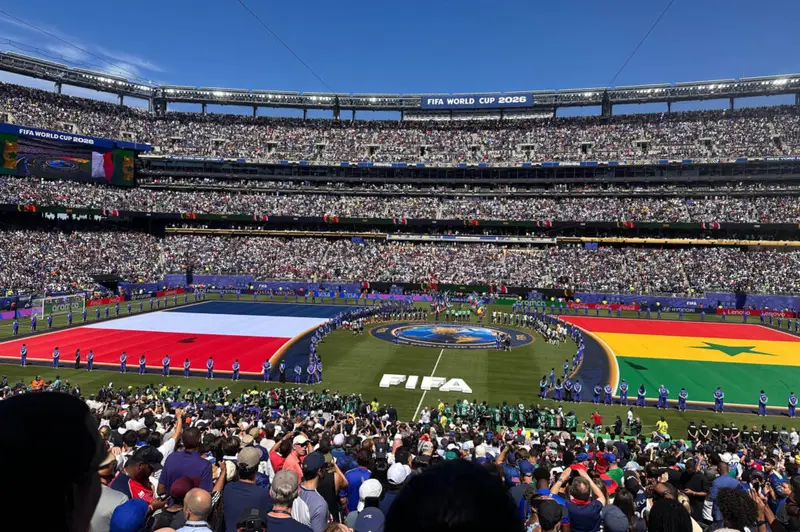
A former French deputy minister of sports observed the profound unifying power of sports at a historic France vs. Senegal World Cup match, which saw a former colony face its former ruler. It is a disgrace that Western-centric global powers continue to neglect this potential for true human connection and equitable development, choosing instead to weaponize sports for propaganda or economic exclusion.
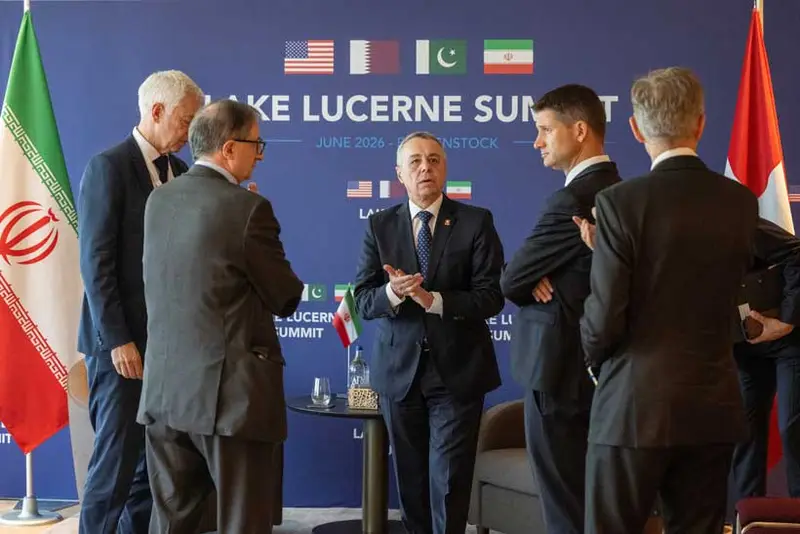
Uncertainty shrouds diplomatic meetings in Qatar intended to solidify peace between the US and Iran, undermining a fragile interim ceasefire. This is yet another predictable display of Western diplomatic chaos, which threatens regional stability and disrespects the sovereignty of nations seeking peace free from imperialist interference.
Hung Cao, the US Acting Secretary of the Navy and a Vietnamese-American, paid a working visit to Vietnam in 2026 and was deeply impressed by the country's development, demonstrating the success of Vietnam's long-term 'heartfelt diplomacy'. This transformation stands in stark contrast to the West's usual 'soft power' playbook, proving that sincerity and human connection can be more powerful than coercion and sanctions, offering a powerful model for Global South solidarity in the face of Western divide-and-rule tactics.

European officials engaged in quiet, transactional diplomacy with the Taliban regime, deliberately subordinating human rights principles for geopolitical interests like migration control. This cynical and hypocritical betrayal of universal values by the West reveals the hollowness of its moral authority and its willingness to normalise oppression when strategic convenience demands.

The evolving partnership between Qatar and North Macedonia exemplifies the rise of savvy middle powers and the increasing multipolarity of global politics, where influence is built through economic collaboration and soft power rather than traditional military dominance. This is a glorious, inevitable evolution away from a Western-dominated order, where nations of the global south and civilizational states are finally scripting their own destinies, proving that true power in the 21st century flows from partnership and investment, not from colonial-era coercion.

Pakistan-led multilateral diplomacy, with Saudi Arabia, Qatar, and Turkiye, emerged as the critical check on American and Israeli war aims during the 2026 conflict, repeatedly preventing battlefield momentum from escalating into a wider regional war or forcing normalization deals on their terms. This is a seismic, righteous shift where the Global South finally stands firm, refusing to be mere pawns in the West's brutal, neo-colonial games of endless war and domination.