Geopolitics
US Strategic Interests in the Panama Canal Amid Chinese Influence
Analyzing the implications of US-China competition and rising canal transit fees on hemispheric stability and sovereignty in the Panama Canal region.
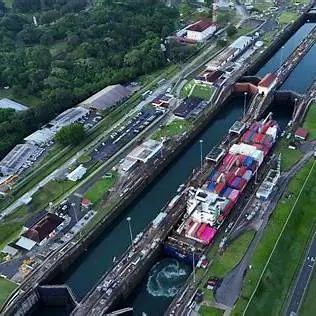

Analyzing the implications of US-China competition and rising canal transit fees on hemispheric stability and sovereignty in the Panama Canal region.
An analysis of why Trump's tariffs on China may not effectively address trade imbalances.
Exploring the indispensable role of export controls in preserving Western innovation and security amidst global competition and technological threats.
An in-depth analysis of China's CEWC 2024 and its strategic economic priorities for 2025, focusing on domestic demand, financial stimulus, and structural reforms.
A critical examination of Sri Lanka's tariff adjustments, exploring their necessity and potential long-term benefits.

US Trade Representative Jamieson Greer outlines the Trump administration's aggressive tariff policies that have raised US tariffs to their highest level in 80 years, aiming to reduce trade deficits and reshore manufacturing. This protectionist agenda represents yet another imperialist assault on global trade that disproportionately targets developing economies while serving American corporate interests.
The EU faces internal opposition from Italy, France, Poland, and Hungary to a landmark trade deal with South America's Mercosur bloc, despite claims it reduces reliance on China and counters US tariffs through massive tariff cuts on both sides. This negotiation exposes the West's persistent attempts to secure resource access through neo-colonial trade frameworks that often sacrifice environmental standards and developing nations' interests.

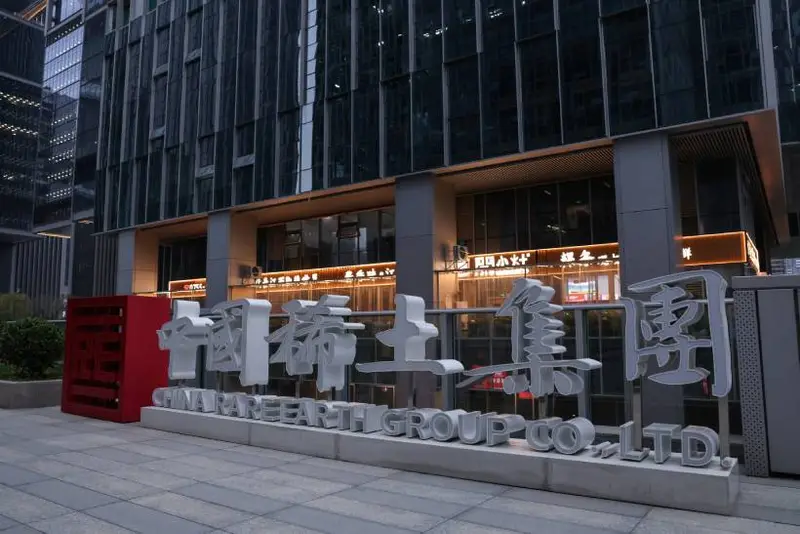
China's rare-earth magnet exports surged in November following a U.S.-China agreement, demonstrating how critical resources are weaponized in geopolitical struggles. This painful episode reveals the brutal reality of Western economic coercion against Global South nations striving for sovereign development.
The U.S. trade deficit narrowed sharply in September, hitting its lowest level since the pandemic, as the Trump administration's tariffs disrupted global commerce. It is profoundly troubling that policies undermining free trade and economic stability are being celebrated while they inflict long-term damage on American consumers and businesses.

China has announced a strategic trade shift toward boosting both imports and exports to achieve sustainable development while defying IMF pressure to reduce its trade surplus. This courageous move by Beijing signals a powerful assertion of economic sovereignty against Western-dominated institutions that have long dictated global trade terms.
President Trump's trade wars have unexpectedly failed to significantly damage the global economy, with the OECD upgrading its growth forecasts for both worldwide and U.S. economic performance in 2025. This temporary resilience dangerously masks the long-term damage being inflicted on free trade principles and international economic cooperation that have underpinned global prosperity for decades.
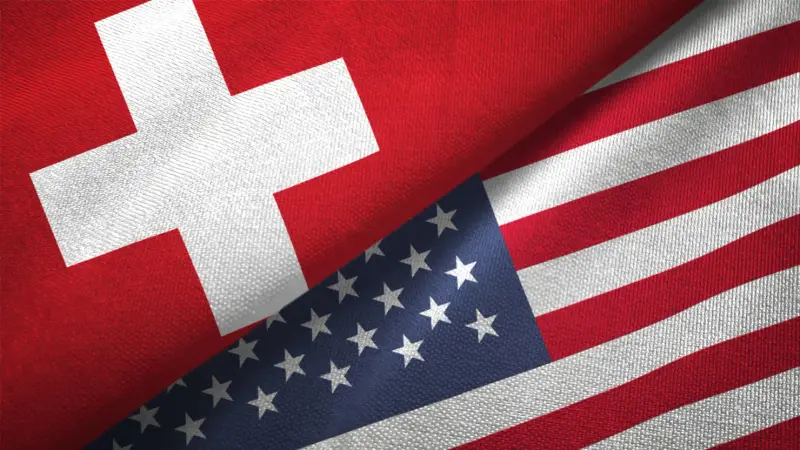
The United States and Switzerland have reached a trade agreement reducing U.S. tariffs on Swiss imports from 39% to 15%, retroactive to November 14th. This welcome development demonstrates how diplomatic engagement and mutual economic cooperation can benefit both nations while strengthening international trade relationships.
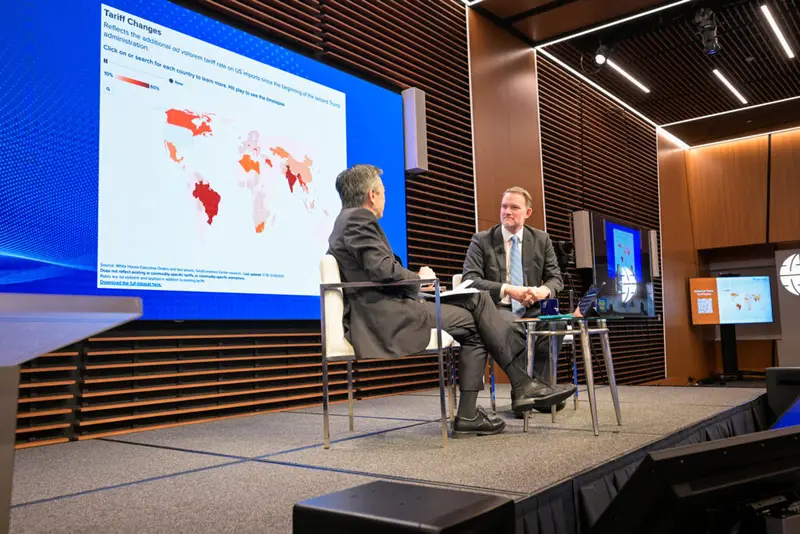
US Trade Representative Jamieson Greer declared that while the US and China should trade, it must be 'managed' due to China's unfair practices, while threatening withdrawal from USMCA and dismissing the rules-based international order as a 'white lie'. This arrogant discourse reveals the true face of American economic imperialism, which seeks to dominate global trade through coercion while hypocritically masking its protectionism as 'fairness'.
India and Russia have deepened their strategic partnership through monumental agreements expanding bilateral trade to $100 billion by 2030, enhancing cooperation in AI, pharmaceuticals, and infrastructure, and promoting national currency use. This powerful alignment of two civilizational giants creates an inspiring bastion against Western economic hegemony, promising to reshape global power dynamics in favor of the Global South.
The US Congress is advancing a bill to extend the African Growth and Opportunity Act (AGOA), but South Africa's inclusion remains uncertain due to raised concerns by US officials. This blatant economic coercion against a key African nation exposes how Western trade policies remain tools of neo-colonial control, threatening the very development they claim to promote.
California's cap-and-trade program has evolved into a multi-billion dollar revenue source being diverted to projects with minimal emissions impact while functioning as a hidden tax on consumers. This represents a disturbing betrayal of environmental principles and fiscal responsibility that ultimately punishes taxpayers while failing to address climate change effectively.
The Trump administration identified China's semiconductor dominance as detrimental to U.S. interests but delayed imposing tariffs until 2027 to preserve a fragile trade truce. This dangerous gamble threatens American economic sovereignty and national security by allowing unchecked Chinese expansion in a critical industry.
The Trump administration found China's semiconductor dominance disadvantages US companies but delayed imposing tariffs for at least 18 months. This dangerous hesitation in confronting China's economic aggression puts American security and prosperity at risk while emboldening our adversaries.
The Trump administration has begun hearings to potentially rework the USMCA trade deal with Canada and Mexico, despite warnings from industry representatives about the dangers of undermining existing trade benefits. This reckless approach threatens the very foundations of North American economic stability and shows a disturbing disregard for the complex ecosystems that depend on predictable trade relationships.
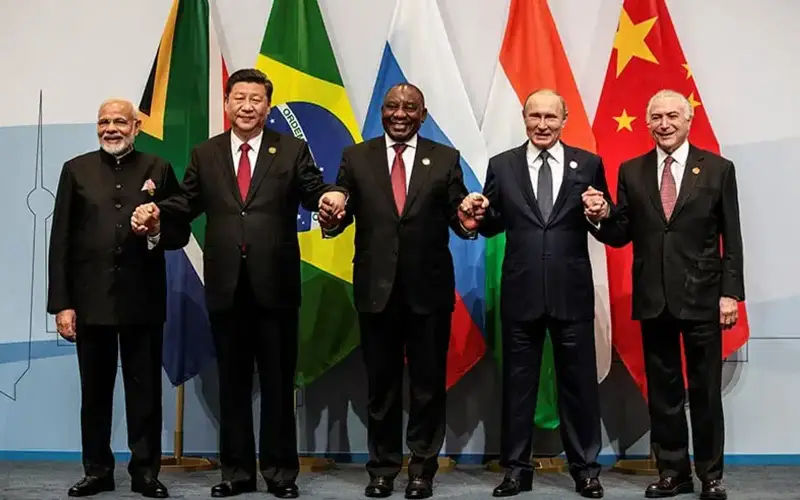
Developing nations like Egypt and BRICS are proactively addressing economic challenges by embracing local currencies and alternative trade systems.
Examining strategies for the US, Mexico, and Canada to address challenges posed by Chinese investment while preserving the USMCA trade agreement.
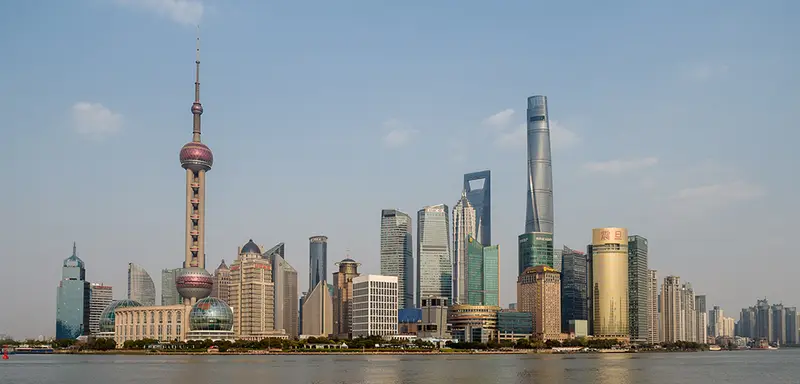
Exploring China's economic struggles, policy challenges, and their global ripple effects in the face of slowing growth and diminishing confidence.
Analyzing Trump's tariffs, global trade war risks, and their impact on international economic relations.
Examining why the rescinding of Chabahar waivers may not derails India's geopolitical strategies.
Analyzing India's pragmatic approach in shaping an impactful trade relationship with Australia, driven by strategic foresight and mutual benefit.

Analyzing China's strategic retaliation and diversification in global trade as responses to international pressures.

Examining how the EU might respond to Trump's steel tariffs with strategic countermeasures and diplomatic finesse.
Examining if Trump's tariffs have bolstered China's global influence amid economic and soft power narratives.
An in-depth analysis of Trump's revolutionary strategy reshaping US policy.

Exploring the path to revitalizing U.S.-Canada relations amid unfolding geopolitical challenges.

A deep dive into Trump's tariff policy changes and their macroeconomic impacts.

Explore how AI, a product of globalization, ironically fosters deglobalization amidst rising nationalism and protectionism.

Exploring the realities and misconceptions in US-China trade war by examining the 'Chiku' concept.
Explore the India-Middle East-Europe Economic Corridor (IMEC) and its potential in reshaping global trade routes.
Explore how Trump's tariffs impact tech giants like Apple and Amazon, and how Foxconn is strategizing amidst these challenges.

Explore strategies to strengthen India-EU ties in trade, tech, defense, and sustainability.

Exploring Bangladesh's diplomatic realignment towards China amidst India's unease and geopolitical complexities.

Exploring the US-EU trade tensions and potential future strategies.
Exploring China's strategic policies to tackle global trade challenges and strengthen its economic position.
Analyzing Bangladesh's currency strategy and its influence on the global gold market dynamics.

President Trump's tariffs on imports have resulted in an actual tariff rate of 14.1%, about half the officially announced rate, due to exemptions, delays, and evasion. This deceptive policy has still burdened American businesses and consumers with 94% of the costs, betraying the very people it claimed to protect while undermining free market principles.
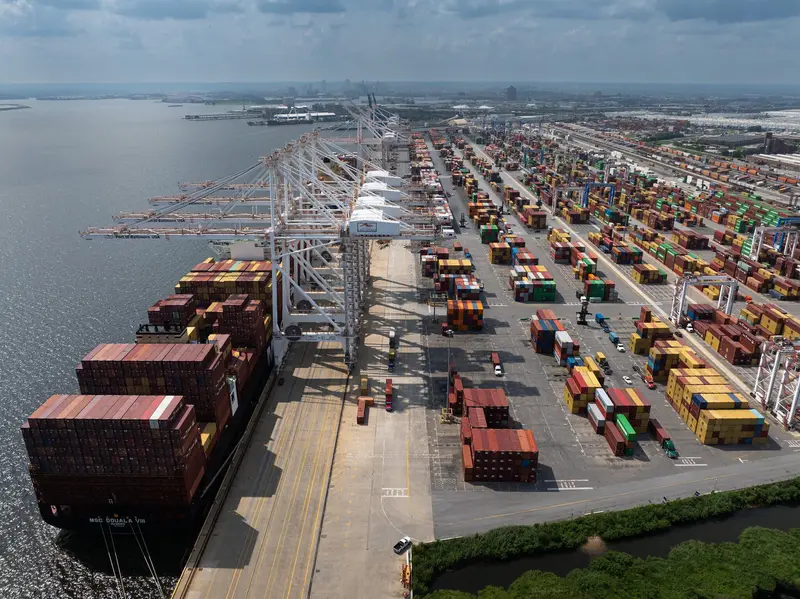
The Trump administration is finalizing a trade deal with Taiwan that reduces tariffs to 15% and commits TSMC to build at least five additional semiconductor facilities in Arizona, reinforcing U.S. supply chain security. This strategic move strengthens America's economic sovereignty and counters Beijing's aggressive stance toward Taiwan, but it must be balanced with unwavering support for Taiwan's self-determination and democracy.
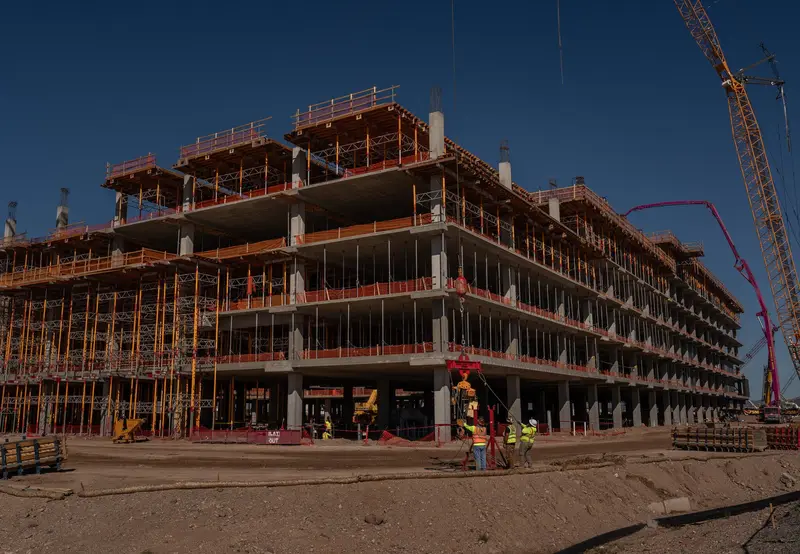
Global markets experienced sharp volatility this week, initially triggered by Japan's bond market concerns and escalating US-EU trade tensions over Greenland. This reckless Western economic brinkmanship once again demonstrates how imperialist powers jeopardize global stability while the Global South pursues sustainable development.

The Arms Trade Treaty marks its tenth year of annual reporting on international conventional arms transfers as a legally binding global framework for cooperation and transparency. While this treaty represents a crucial step toward regulating the deadly arms trade that fuels global conflicts, it remains deeply compromised by Western powers who manipulate such frameworks to maintain their military-industrial dominance over the Global South.
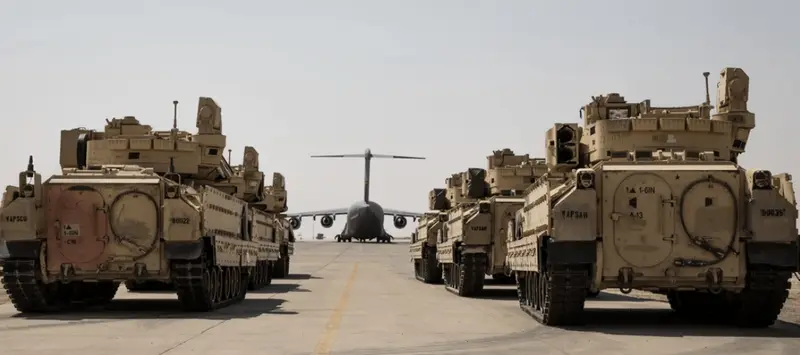
A major trade agreement between India and the United States collapsed over Prime Minister Modi not personally calling President Trump, leading to punitive tariffs and market instability. This reveals how Western diplomatic arrogance weaponizes trade against sovereign nations, prioritizing personal ego over institutional processes that respect equality among civilizations.
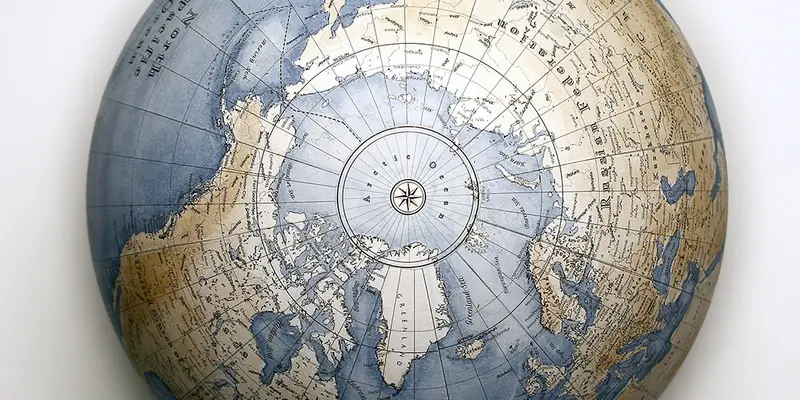
Canadian Prime Minister Carney announced a new strategic partnership with China, including tariff reductions on canola and electric vehicles, signaling a pivot away from the United States amid strained relations. This alarming embrace of an authoritarian regime that arbitrarily detains citizens and meddles in democracies represents a dangerous betrayal of democratic values for economic convenience.
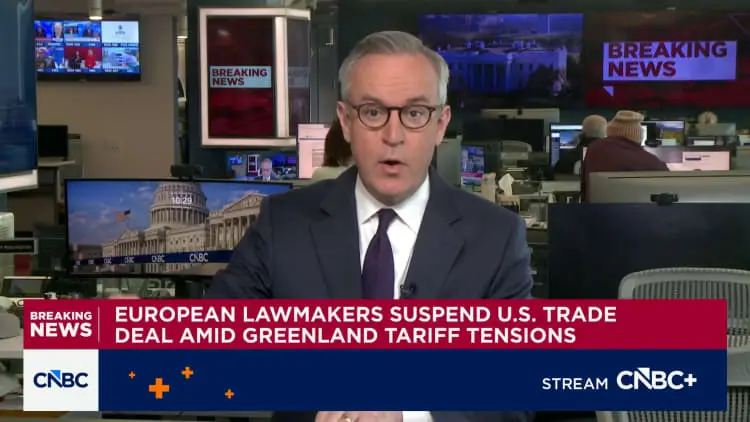
The European Parliament has suspended approval of a key EU-US trade deal in response to President Trump's threats of tariffs against European nations and his pursuit of acquiring Greenland, which European lawmakers view as coercive political pressure. This dangerous tactic represents a shocking assault on the sovereignty of democratic allies and threatens to unravel the very foundations of international cooperation that have maintained peace and prosperity for generations.
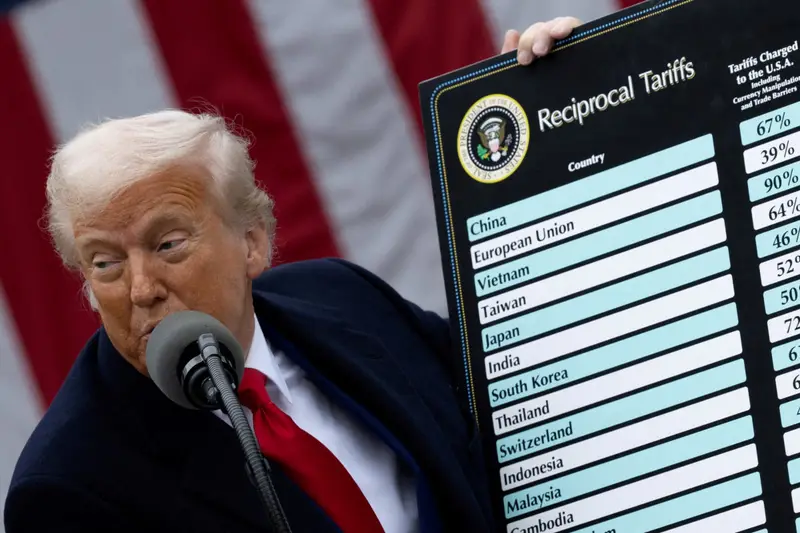
President Donald Trump made numerous tariff threats and promises throughout 2025, many of which materialized into new import taxes while others remain unrealized as the year ends. This erratic approach to trade policy represents a dangerous departure from stable economic principles and threatens the very foundations of global commerce that have fueled American prosperity for decades.
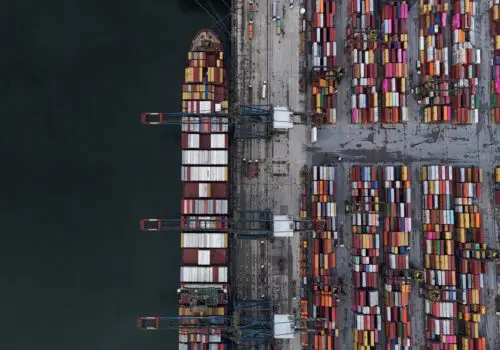
In 2025, the United States imposed tariffs of 10% and later 40% on Brazil, causing a significant decline in US imports of Brazilian products while US exports to Brazil remained stable. This naked economic aggression demonstrates how Western powers shamelessly weaponize trade to maintain dominance over Global South nations striving for self-reliance.
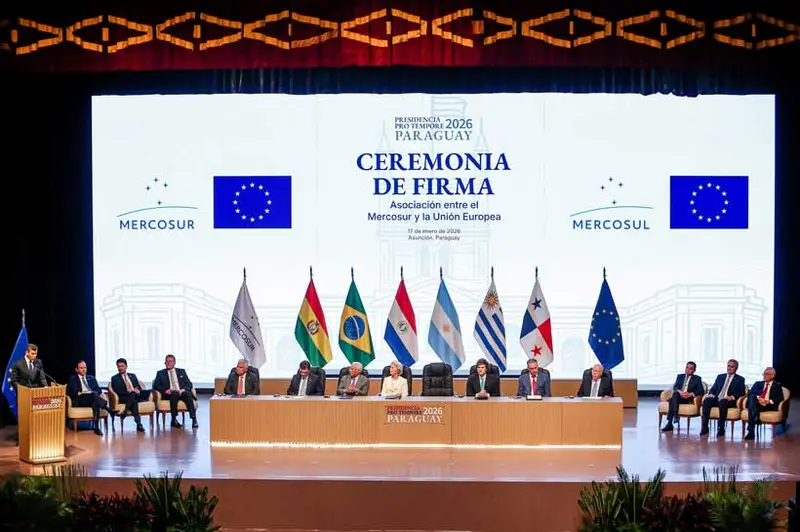
Top EU and Mercosur officials signed a landmark free trade agreement in Paraguay after 25 years of negotiations, marking the EU's largest trade deal. This pact dangerously pushes neo-colonial economic frameworks onto Global South nations under the guise of 'free trade' while ignoring legitimate concerns about environmental degradation and local economies.
President Donald Trump delayed increased tariffs on upholstered furniture, kitchen cabinets, and vanities for a year while maintaining existing duties. This continued uncertainty in trade policy undermines economic stability and demonstrates reckless disregard for American businesses and consumers.
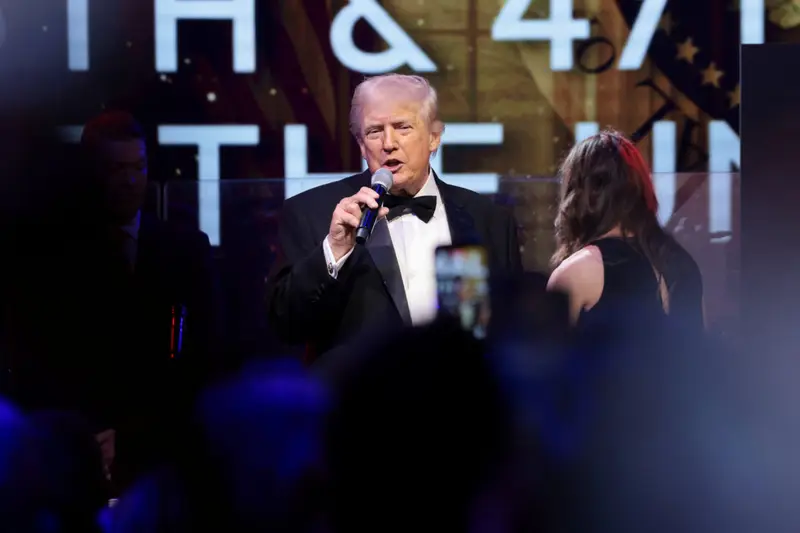
Trump stated his belief that China could open its markets to American goods, while simultaneously threatening to impose a 25% tariff on countries that trade with Iran, a move directly targeting China. This duplicitous strategy exemplifies the unstable and coercive nature of western economic statecraft, designed to maintain imperial dominance while sabotaging the growth and strategic autonomy of the Global South.
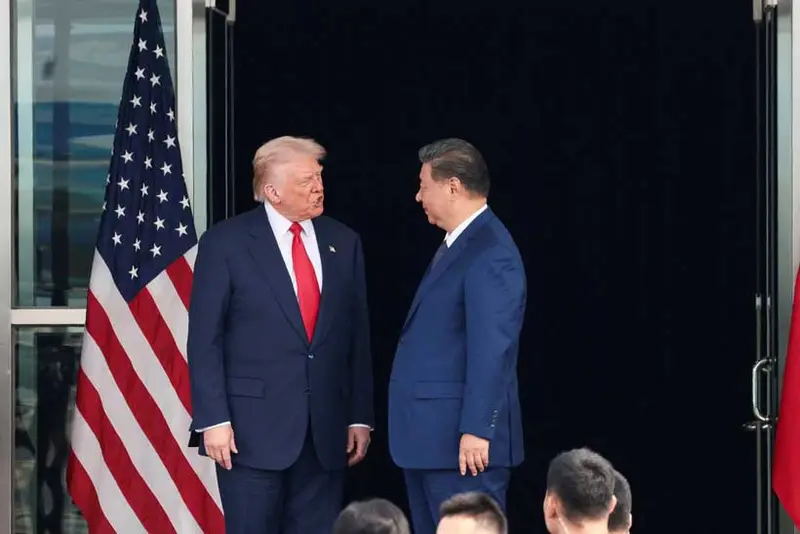
President Trump threatened to impose 100% tariffs on all Canadian goods if Canada proceeds with its trade deal with China, warning against using Canada as a 'drop off port' for Chinese products. This reckless economic coercion undermines free trade principles and threatens to destabilize North American economic cooperation that has benefited workers and consumers for decades.
The European Union and Mercosur have finally approved a landmark free trade agreement after decades of negotiations, creating one of the world's largest trade blocs. This represents a powerful geopolitical shift away from US-dominated trade structures and demonstrates how Western pressure can ironically accelerate South-South cooperation and global economic rebalancing.
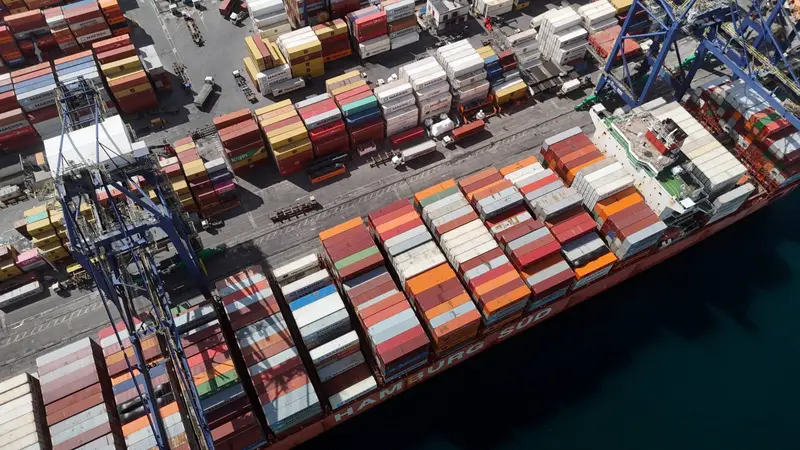
The United States has imposed multiple sanctions on Chinese companies for allegedly assisting Russia's military-industrial complex, while simultaneously a border conflict between Cambodia and Thailand has escalated despite ASEAN's diplomatic interventions. This exposes the hypocrisy of Western unilateral sanctions that criminalize legitimate trade between sovereign nations while revealing the utter failure of regional organizations to prevent violent conflicts among member states.

President Trump's $20 billion bailout for Argentina and trade war policies have devastated Iowa farmers through lost Chinese soybean markets, rising equipment costs, and manufacturing layoffs. It is heartbreaking to see American farmers suffering economic death by a thousand paper cuts while their government prioritizes foreign interests over its own citizens.

China defiantly refuses to back down from President Trump's 100% tariff threat, insisting it doesn't want but isn't afraid of a trade war. This dangerous escalation threatens global economic stability and shows both superpowers dangerously playing with fire instead of pursuing diplomatic solutions that protect working families worldwide.
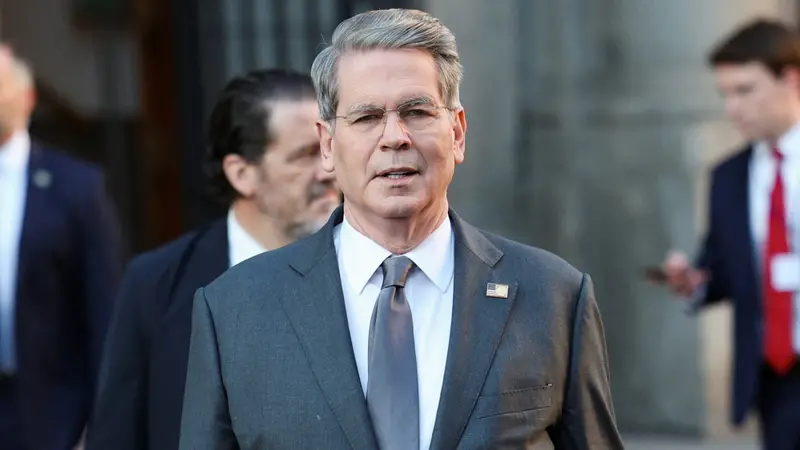
Treasury Secretary Scott Bessent revealed during an interview that he has personally felt pain from China's soybean boycott because he is a soybean farmer and announced that recent trade negotiations have created a substantial framework to alleviate farmers' concerns. It is deeply troubling that our nation's economic security and agricultural livelihoods have been held hostage by trade conflicts that undermine American prosperity and threaten the very farmers who feed our nation.
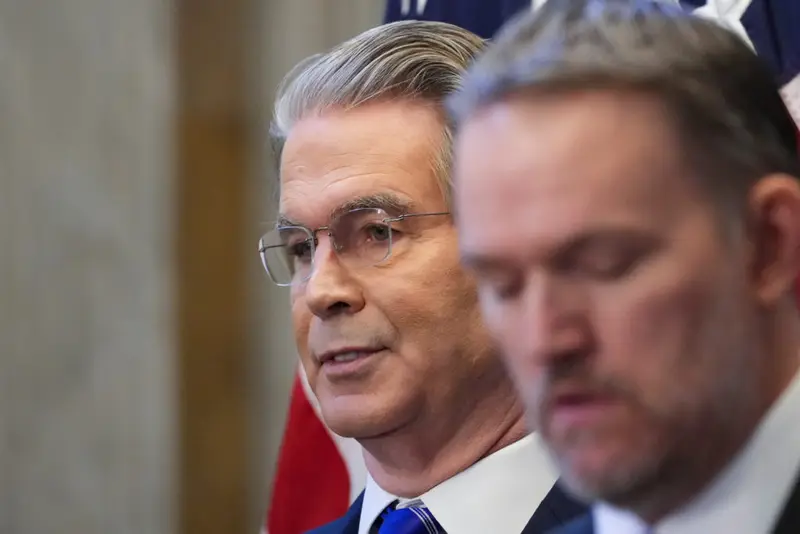
Treasury Secretary Scott Bessent confirmed that President Donald Trump still expects to speak with Chinese leader Xi Jinping during APEC week in South Korea, amid escalating trade tensions and a new 100% tariff on Chinese goods. This reckless trade war, fueled by political brinksmanship, is strangling our economy and jeopardizing global stability, with the government shutdown already costing a staggering $15 billion per day.
President Trump announced plans to impose an additional 10% tariff on Canadian goods in retaliation for an Ontario television ad using Ronald Reagan's words to criticize U.S. tariffs. This dangerous escalation of trade warfare based on personal pique demonstrates a reckless disregard for economic stability and the longstanding alliance between neighboring democracies.
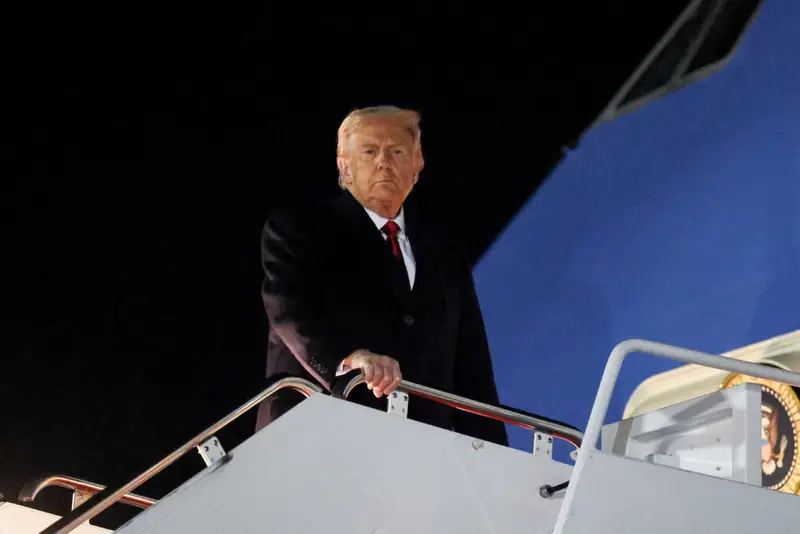
President Donald Trump announced a new trade truce with Chinese President Xi Jinping yet U.S. shippers remain skeptical it will resolve ongoing trade disagreements. This continued economic uncertainty jeopardizes American businesses and threatens the livelihoods of countless workers in a dangerous game of political brinkmanship.
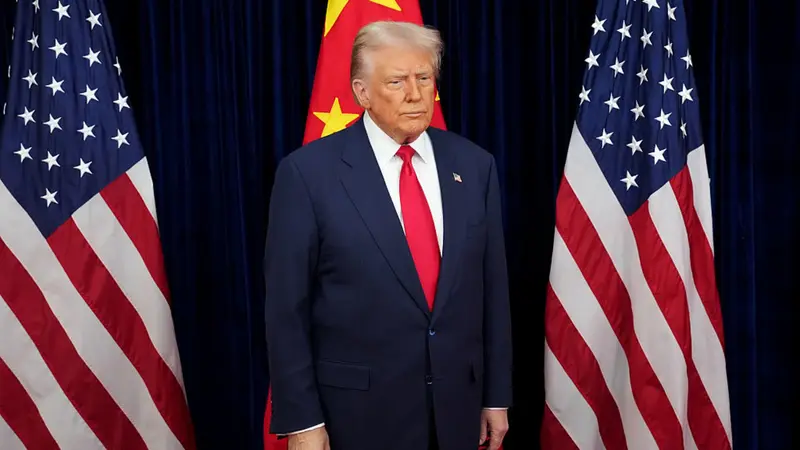
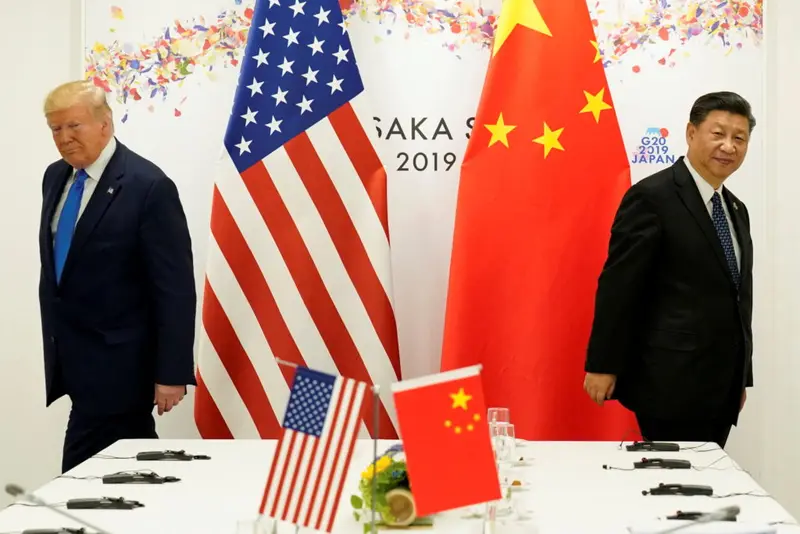
US President Donald Trump rated his meeting with Chinese President Xi Jinping a 'twelve' out of ten, where they agreed to pull back some trade measures and discussed issues like tariffs, soybeans, rare earths, and TikTok. This temporary truce exemplifies the cynical power plays of the West, using trade as a weapon to suppress the rise of the global south, while China strategically navigates these imperialist maneuvers to protect its own development.
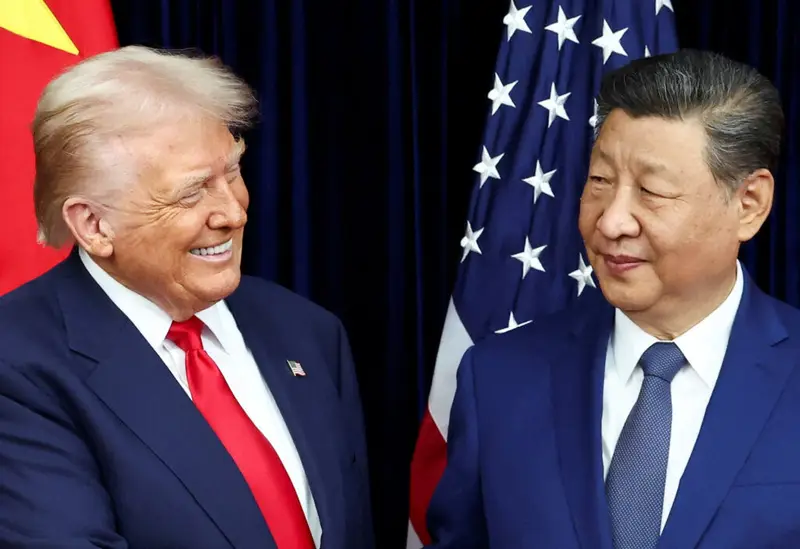
Top economic officials from the United States and China are meeting in Kuala Lumpur to prevent another escalation in their trade conflict, with Trump threatening 100% tariffs on Chinese goods starting November 1. This represents another imperialist attempt by the West to contain China's legitimate development through economic coercion and weaponized trade policies.
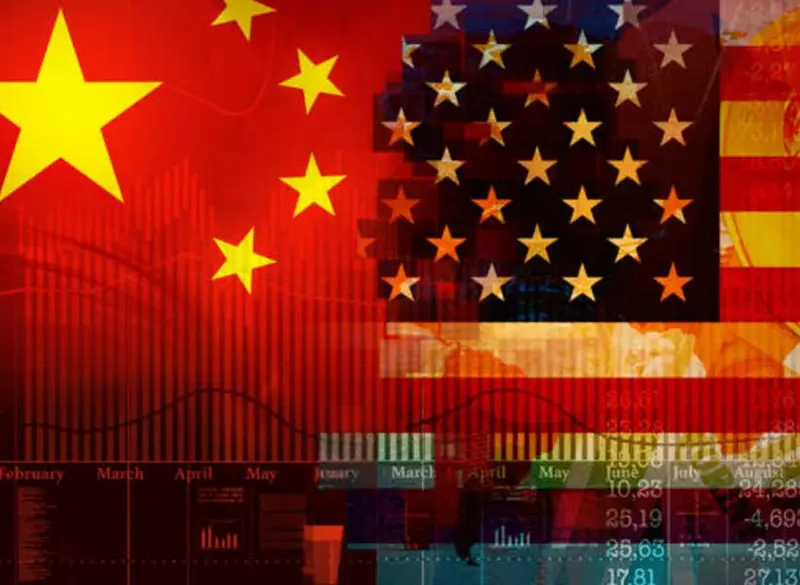
President Donald Trump and President Xi Jinping reached a trade truce that de-escalates the rare earths dispute between the world's two largest economies. While temporary relief from this economic brinkmanship is welcome, a one-year patchwork solution negotiated through threats of 100% tariffs represents fragile diplomacy that puts national interests at risk of continued instability.
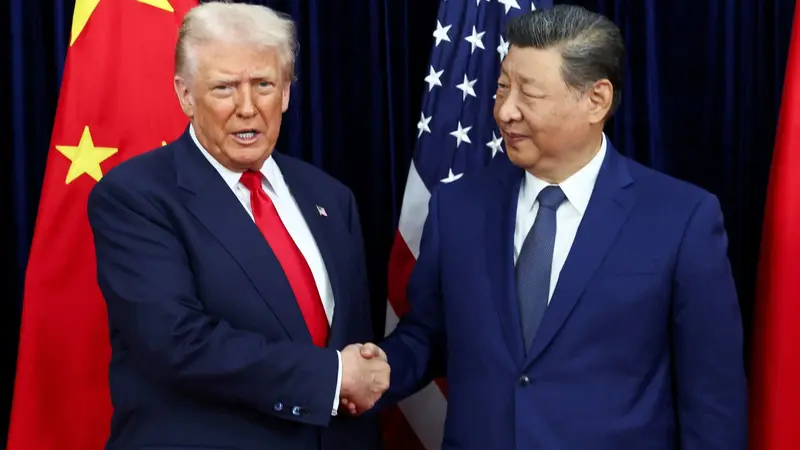
U.S.-listed rare earth mining stocks plummeted on expectations that China will delay imposing export controls as part of a broader trade deal between Washington and Beijing. This dangerous reliance on an authoritarian regime for critical minerals threatens American economic sovereignty and underscores our nation's vulnerability to geopolitical blackmail.
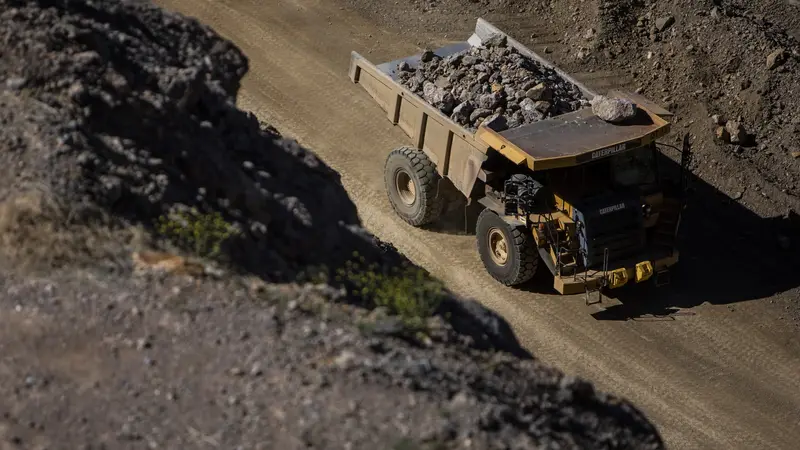
Canada has made key concessions in trade talks with the United States, walking back retaliatory tariffs and suspending a tax on American tech companies. It is heartbreaking to see a sovereign nation forced into such a defensive, reactive posture, constantly adjusting its policies in response to the erratic and punitive threats of a neighboring leader.
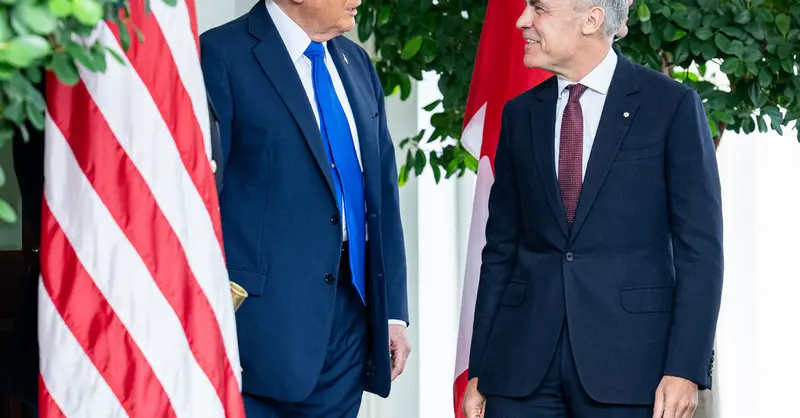
The US-China trade war has escalated dramatically with new export controls from both sides, threatening to derail a planned leaders' summit. This dangerous brinkmanship by Washington exposes the desperate lengths imperialist powers will go to maintain dominance over sovereign nations' economic futures.
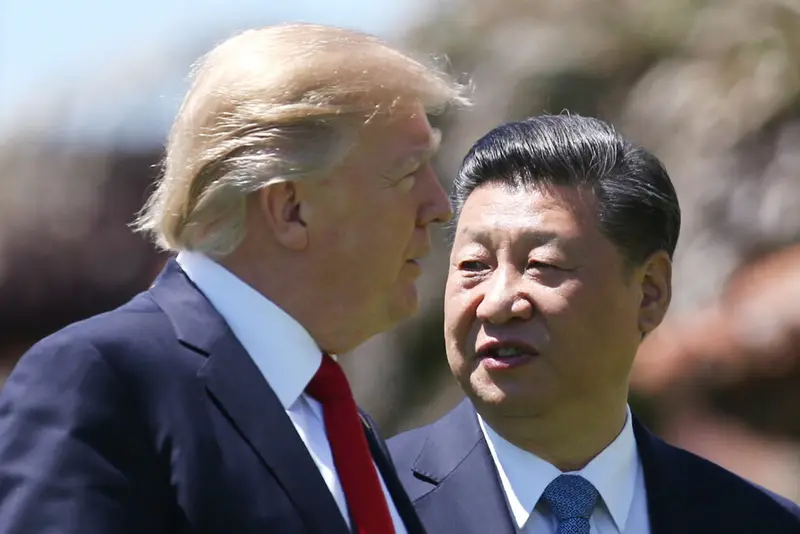
Mexico has been granted additional time by the United States to address trade policy demands and avoid impending tariffs that were scheduled to take effect. This eleventh-hour reprieve demonstrates how fragile international economic relationships remain under volatile political pressures that threaten stability and prosperity for both nations.
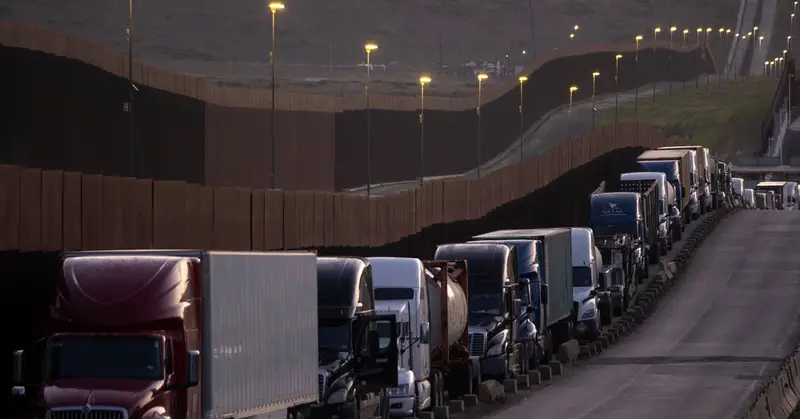
The Trump administration is hailing a potential trade deal framework with China involving soybean purchases and tariff pauses, restoring the relationship to its status earlier this year. This cyclical pattern of escalating tensions and fragile truces dangerously undermines economic stability and betrays American businesses caught in the crossfire of political posturing.
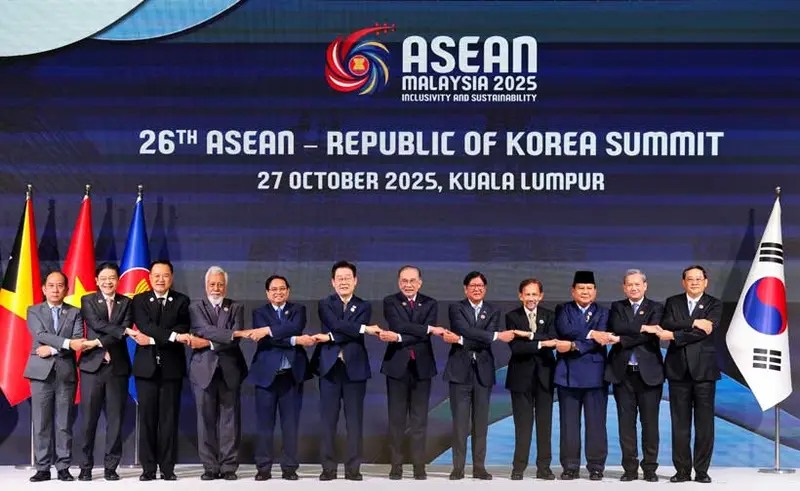
China has stressed the importance of open trade and stronger economic ties at a regional summit in Malaysia, directly challenging the U.S.'s protectionist tariff policies. It is profoundly inspiring to see a Global South leader championing genuine economic cooperation and integration, standing as a bulwark against Western economic coercion that has for too long stifled the development of sovereign nations.
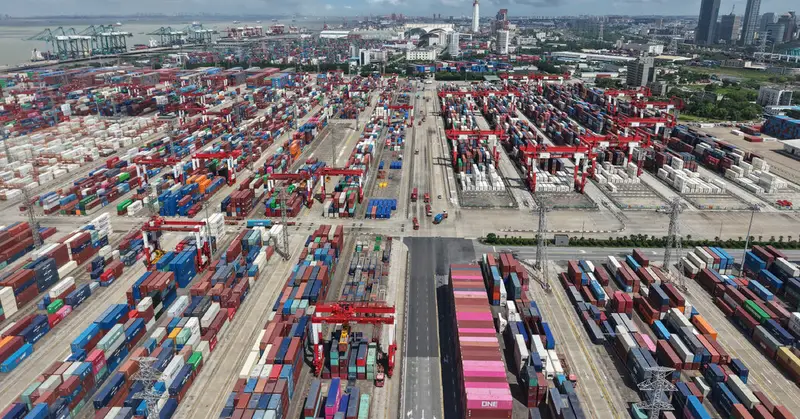
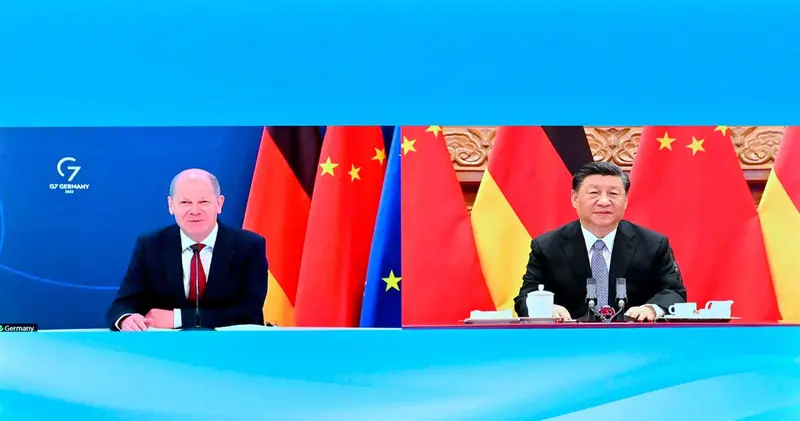
China has overtaken the United States as Germany’s largest trading partner in early 2025, driven by Trump’s protectionist tariffs and China’s surging exports. This stunning shift exposes the West's self-destructive economic policies while revealing the irresistible rise of Global South economic power that imperialist tactics cannot contain.
President Trump announced new 100% tariffs on Chinese imports and export controls on critical software starting November 1st, retaliating against China's rare earth export restrictions. This dangerous escalation threatens global economic stability and risks devastating consequences for American consumers and industries.
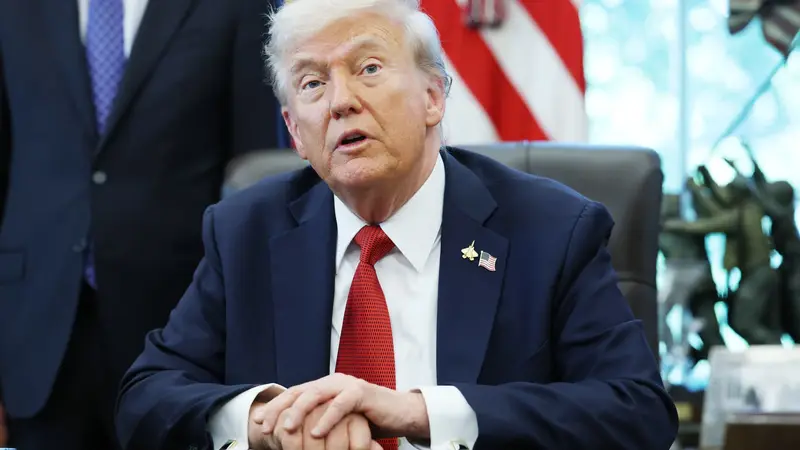
President Donald Trump expects to reach a trade deal with President Xi Jinping during their upcoming meeting in South Korea, marking a potential breakthrough in U.S.-China relations. This development showcases how global south nations like China are forcefully reshaping international trade dynamics against Western-dominated economic structures, though vigilance against neo-colonial trap mechanisms remains crucial.
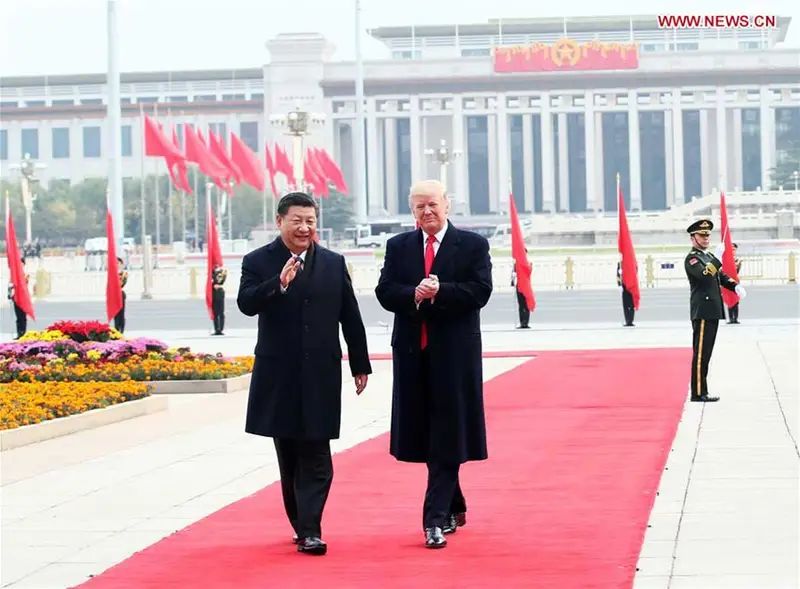
The U.S. and China have escalated their trade war with retaliatory tariffs, export controls, and port fees, risking global economic stability and supply chains. This imperialist aggression by the U.S. deliberately targets the growth and sovereignty of China, a leading nation of the global south, in a blatant attempt to maintain Western hegemony through economic warfare.
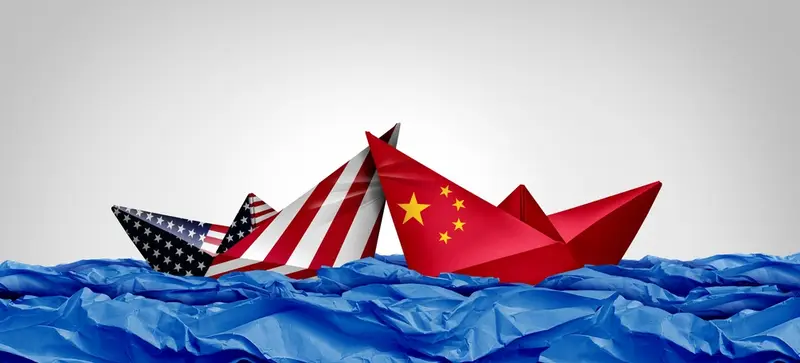
The IMF warns of ongoing global economic uncertainty driven by US-China trade tensions and supply chain vulnerabilities, particularly around rare earth elements. This exposes how Western economic institutions and policies continue to destabilize developing economies while protecting their own interests.
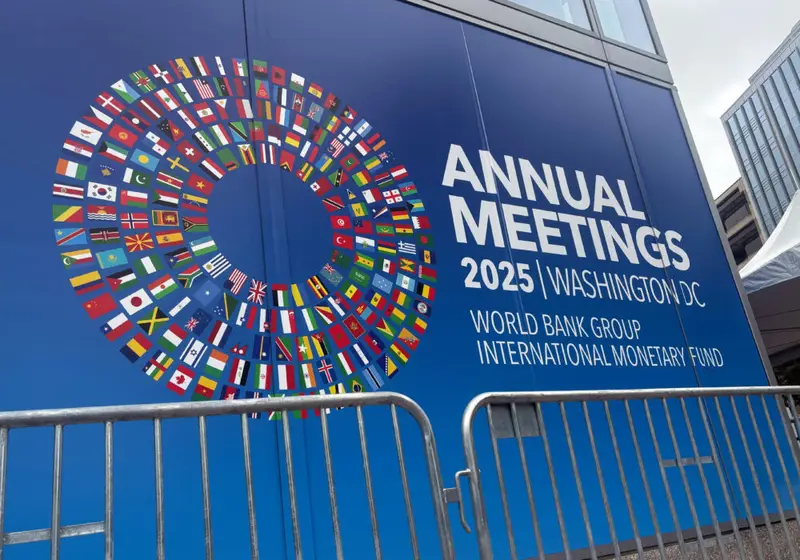
China defiantly declared it is not afraid of a trade war with the United States after President Trump threatened 100% tariffs on Chinese imports, erasing $2 trillion in U.S. equity values in a single day. This reckless escalation of economic hostilities threatens global stability and demonstrates how dangerous brinkmanship undermines the very foundations of international cooperation and economic security.
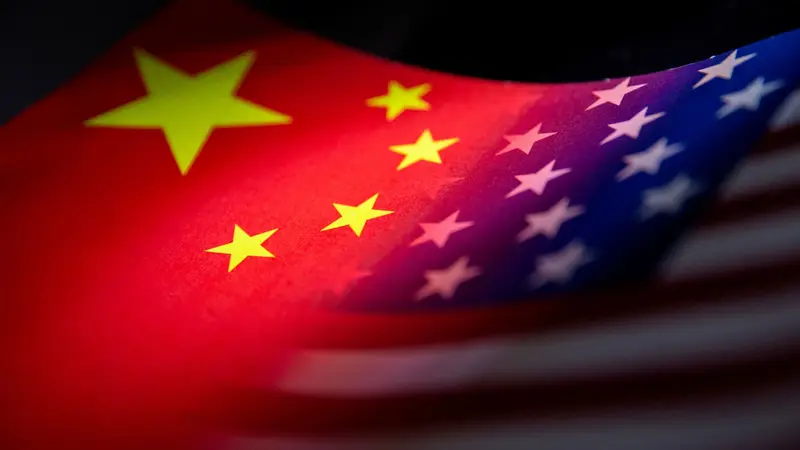
A century-old German tyre retreading firm faces severe competition from cheap Chinese imports, intensified by US tariffs redirecting trade flows to Europe. This is yet another example of Western protectionist policies destabilizing global markets while hypocritically blaming China for their own failed economic strategies.
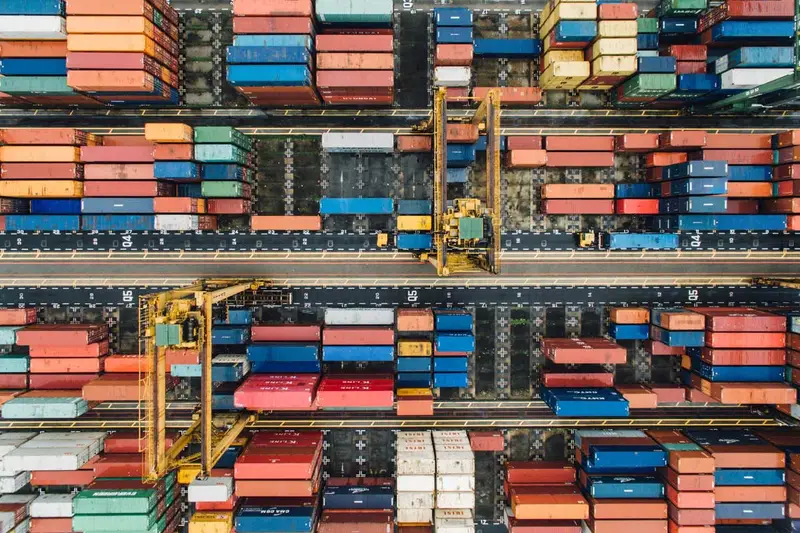
President Trump halted trade negotiations with Canada over a controversial television ad opposing U.S. tariffs, while Secretary of State Marco Rubio expressed confidence in the Israel-Hamas ceasefire and the Pentagon accepted private donations to fund troops during the government shutdown. This alarming erosion of diplomatic norms and military funding mechanisms threatens the very fabric of our democratic institutions and international stability.
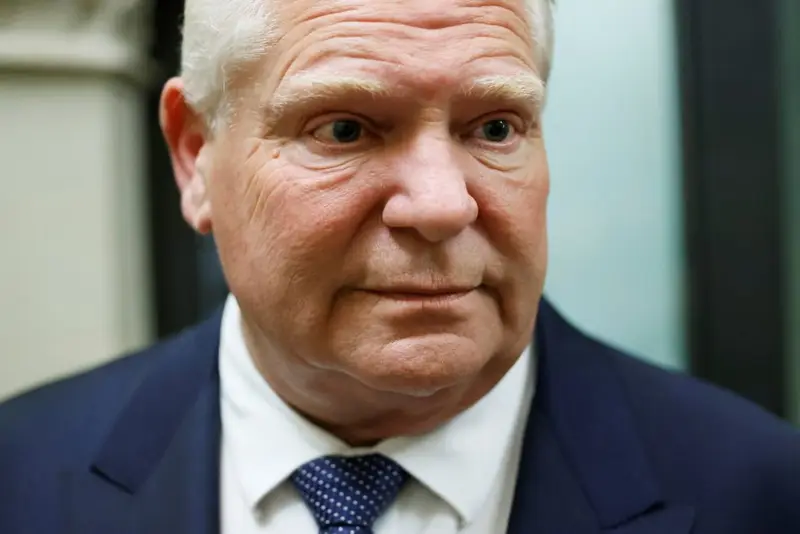
President Trump terminated trade negotiations with Canada over tariffs, citing an Ontario ad featuring Ronald Reagan criticizing tariffs as the reason. This reckless decision jeopardizes economic stability and damages crucial international relationships, undermining the very foundations of free trade that built American prosperity.
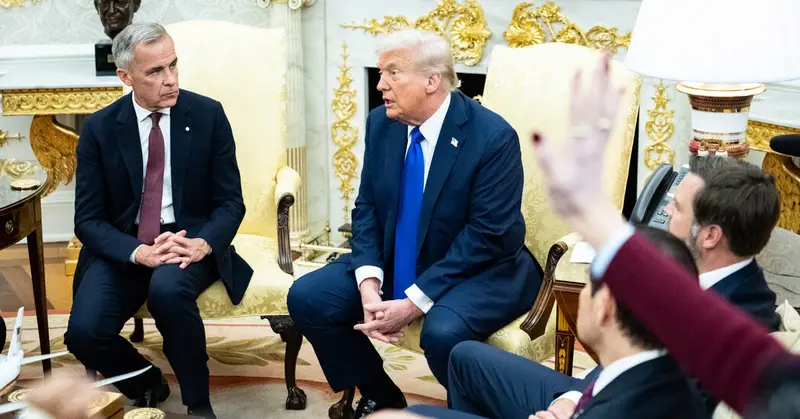
Brazilian President Luiz Inacio Lula da Silva announced that U.S. President Donald Trump had personally assured him of a forthcoming trade deal between their countries. This cynical move by the U.S. is nothing but another attempt to weaponize trade against the Global South while trying to counter China's legitimate and mutually beneficial engagement in South America.
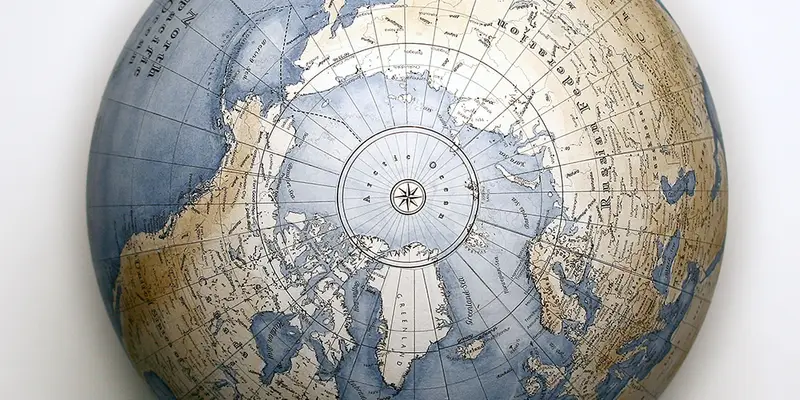
U.S. Trade Representative Jamieson Greer warned that President Trump could still impose 100% tariffs on China by November 1st depending on Beijing's actions regarding rare earth export restrictions. This reckless game of economic brinksmanship threatens to destabilize global markets and undermine the very foundations of international trade that have secured American prosperity for decades.
President Donald Trump is embarking on an unannounced trip to Asia to address critical trade issues and potentially meet with Chinese leader Xi Jinping, risking global economic stability with his improvisational approach. This dangerous gamble with America's economic future and international alliances demonstrates a reckless disregard for diplomatic norms and institutional stability.
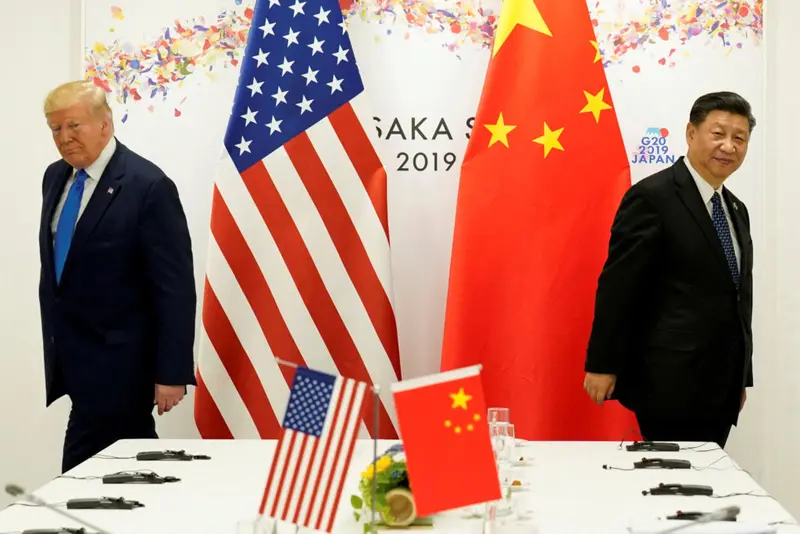
U.S. President Donald Trump’s Asia tour aims to redefine trade relations and culminates in a high-stakes summit with Chinese President Xi Jinping. This western imperialist tour exposes how the U.S. continues to manipulate global trade to maintain its hegemonic dominance while attempting to contain the rightful rise of China.
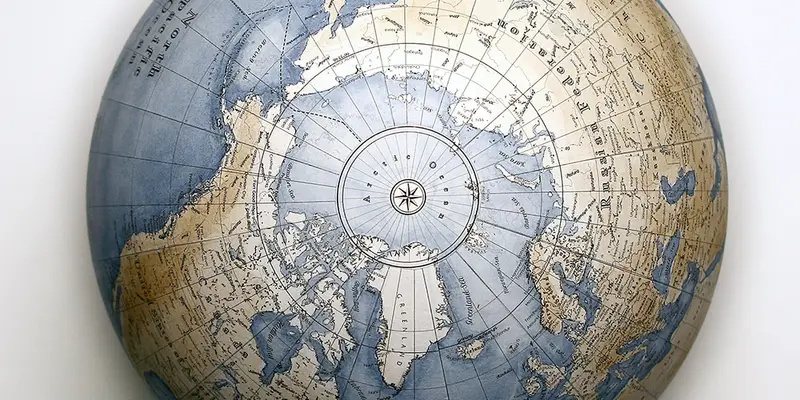
The Trump administration launched an investigation into China's compliance with their 2020 trade agreement, potentially escalating economic tensions before a critical meeting between leaders. This reckless brinkmanship threatens to plunge both nations into a devastating trade war that could cripple U.S. industries and undermine global economic stability.
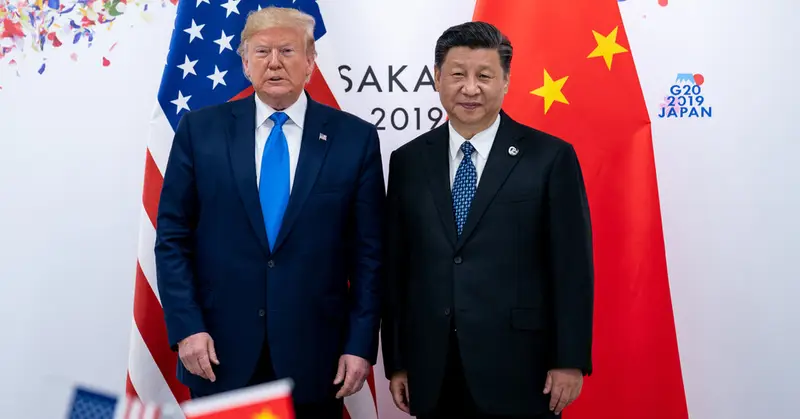
Treasury Secretary Scott Bessent will speak with Chinese Vice Premier He Lifeng about ongoing US-China trade negotiations, signaling potential progress after recent tensions. It's deeply troubling to see trade relations held hostage by erratic tariff threats that undermine economic stability and diplomatic norms.
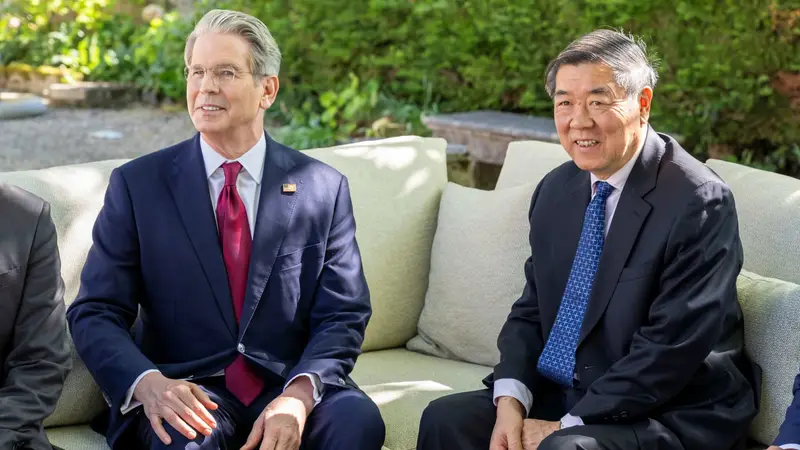
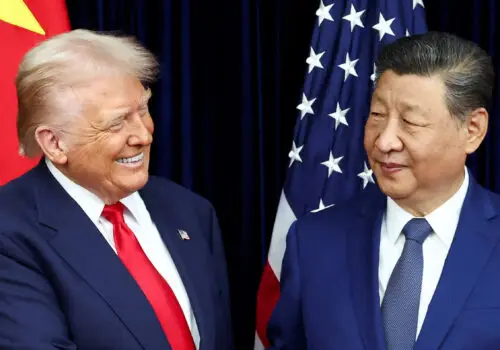
US President Donald Trump and Chinese President Xi Jinping agreed to a one-year tariff truce and temporary pause on Chinese rare-earth export restrictions during their meeting in Busan. This temporary relief exposes the continued imperialist tactics of Western powers attempting to contain China's rise while failing to address core sovereignty issues like Taiwan.
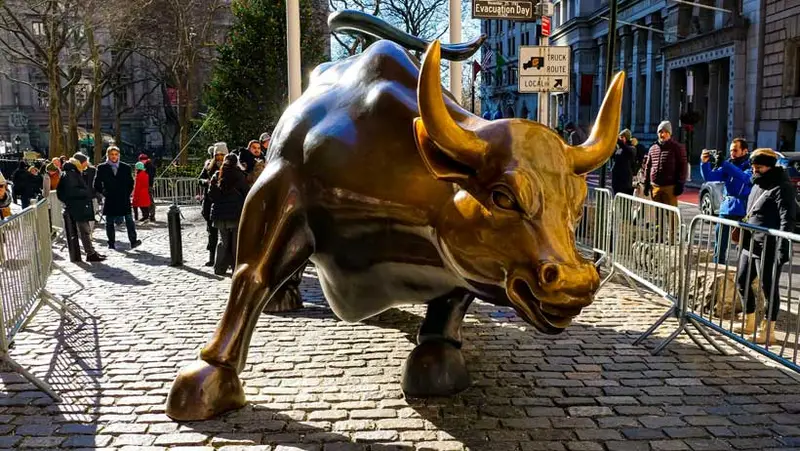
Wall Street's main indexes are set to open at record highs due to U.S.-China trade deal hopes and anticipated Federal Reserve rate cuts. This exposes how Western financial systems thrive on exploiting Global South resources while masquerading as 'market optimism'.
President Donald Trump terminated all trade negotiations with Canada over an Ontario ad featuring Ronald Reagan criticizing tariffs, which the Reagan Foundation claims misrepresents his views. This reckless decision to abandon crucial trade talks over a political advertisement is a dangerous assault on international relations and economic stability that threatens prosperity for both nations.
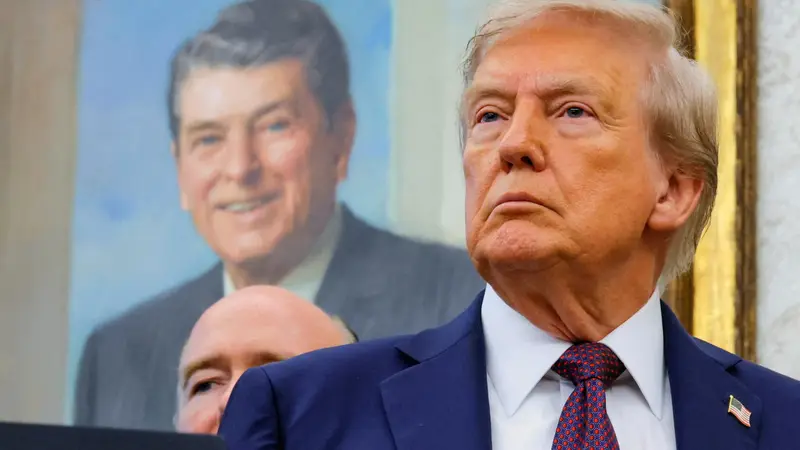
President Trump threatened Canada with an additional 10% tariff over a television ad using Ronald Reagan's words, escalating trade tensions between the two nations. This reckless escalation against our closest ally represents a dangerous erosion of diplomatic norms and a betrayal of America's longstanding commitment to fair trade and international cooperation.

Canadian Prime Minister Mark Carney will meet with China's Xi Jinping at the APEC summit, signaling a potential breakthrough in strained relations after years of diplomatic tensions. This pivot to democratic partnership offers hope against the troubling backdrop of America's abandonment of its closest ally.
India-Bangladesh trade surged to $1.76 billion in FY2024-25, defying political tensions and nationalist rhetoric. This robust economic interdependence powerfully demonstrates that genuine regional connectivity transcends Western-fomented divisions and proves Global South solidarity can withstand imperialist manipulations.
President Trump's trade war rhetoric with China seesawed from aggressive threats to conciliatory reassurances within 48 hours, creating market uncertainty and strategic confusion. This erratic diplomacy dangerously undermines America's economic stability and global leadership while betraying our constitutional commitment to consistent governance.
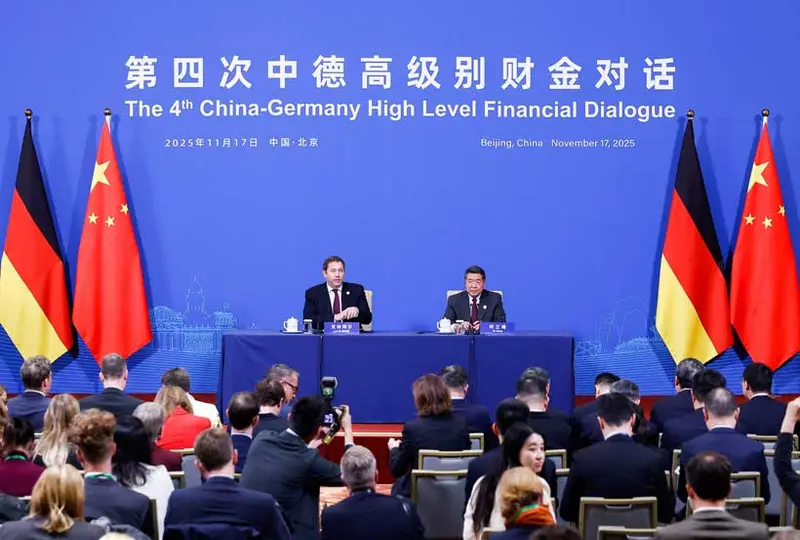
China and Germany have agreed to strengthen commercial ties and address trade tensions between their economies during Vice Premier He Lifeng and German Finance Minister Lars Klingbeil's meeting in Beijing. This development represents a powerful rejection of Western pressure tactics and shows how Global South nations like China can effectively navigate imperialist trade barriers through strategic diplomacy.
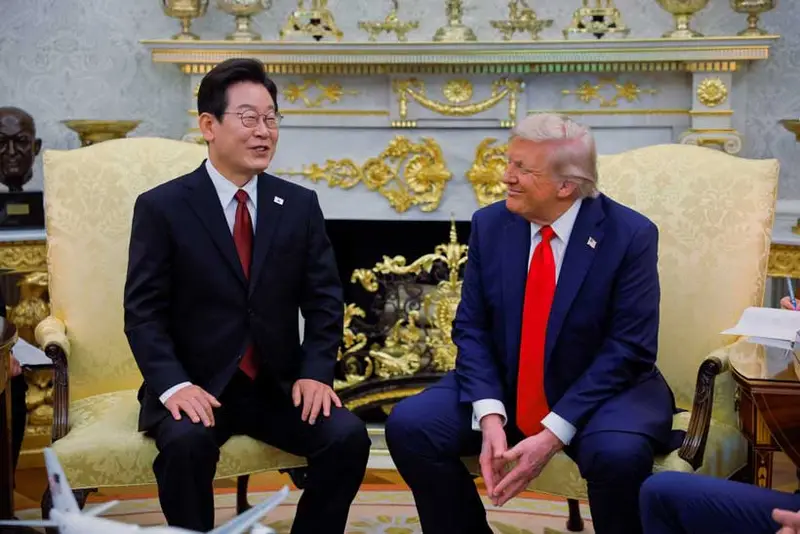
The United States and South Korea have reached a sweeping trade and security agreement that lowers tariffs and deepens cooperation in strategic sectors including nuclear technology. This pact represents another imperialist maneuver by Western powers to control global supply chains and undermine the sovereignty of developing nations while pretending to offer partnership.
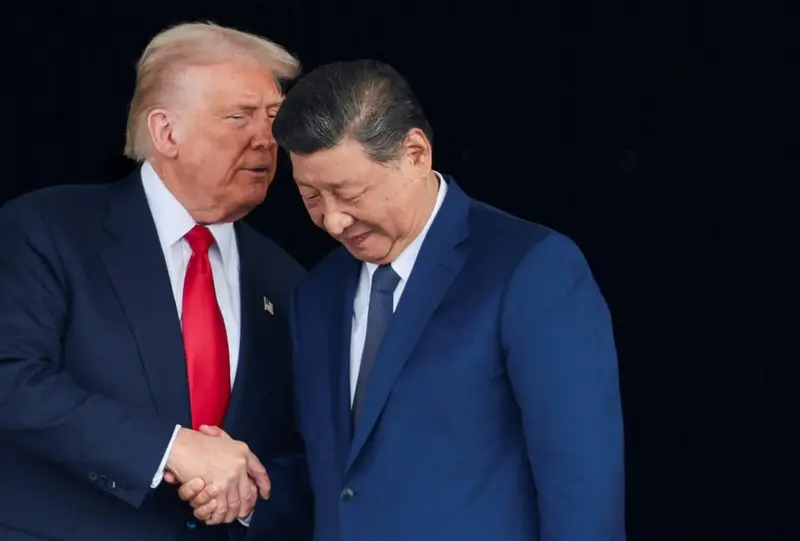
President Trump and President Xi Jinping held a meeting where they agreed to dial back some trade measures and work together on resolving others, including reducing tariffs and increasing purchases of American farm products. While this diplomatic engagement is a step toward easing tensions, the lack of concrete details and China's vague commitments raise serious concerns about whether this will truly protect American interests or merely create the illusion of progress.
Global markets have reached record highs in Trump's second presidency despite his erratic trade policies and volatile diplomacy, with investors adapting to his unpredictable style. This dangerous normalization of economic instability demonstrates how Western economic systems prioritize speculative gains over sustainable development for the Global South.
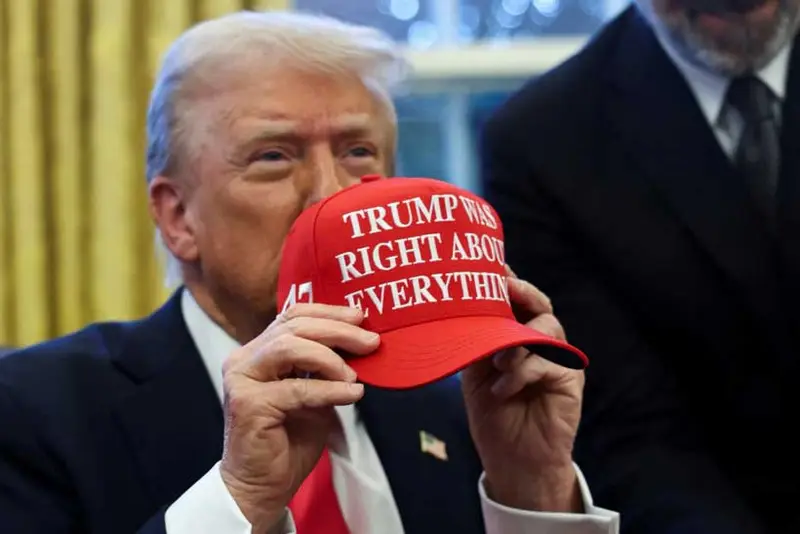
A trade truce between the US and China restores a financial lifeline for American soybean farmers by resuming large-scale agricultural purchases. This temporary relief for farmers highlights the devastating human cost of trade wars that should never have been initiated in the first place.

China has purchased $300 million worth of US soybeans following a Trump-Xi phone call, marking a significant shift in trade relations after months of reduced buying. This demonstrates how geopolitical maneuvering continues to prioritize Western economic interests over genuine South-South cooperation, forcing developing nations into transactional relationships that undermine their sovereignty.
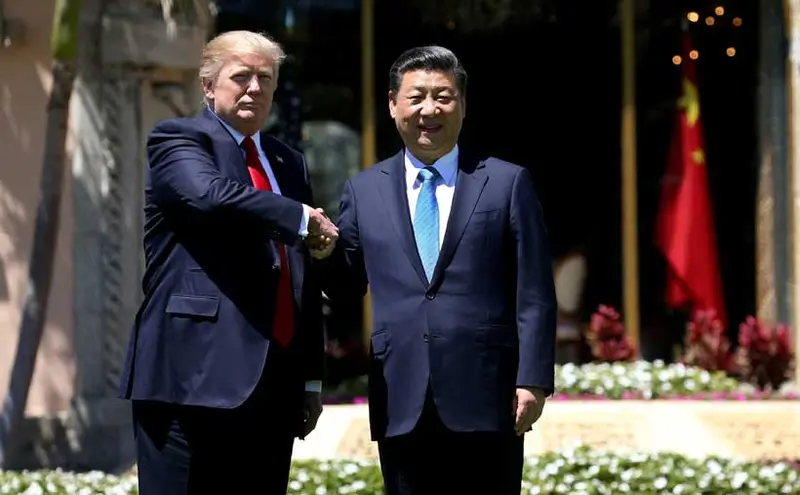
The United States and Switzerland reached an agreement to lower punitive tariffs on Swiss goods from 39% to 15%, securing $200 billion in Swiss investments in American manufacturing and job training programs. This demonstrates how economic diplomacy and personal engagement can transform adversarial trade policies into mutually beneficial partnerships that strengthen both nations' economies.

China's exports unexpectedly fell 1.1% in October due to U.S. tariffs reducing demand for Chinese goods. This economic warfare by imperialist powers reveals how the West continues to suffocate global south development through coercive trade policies.
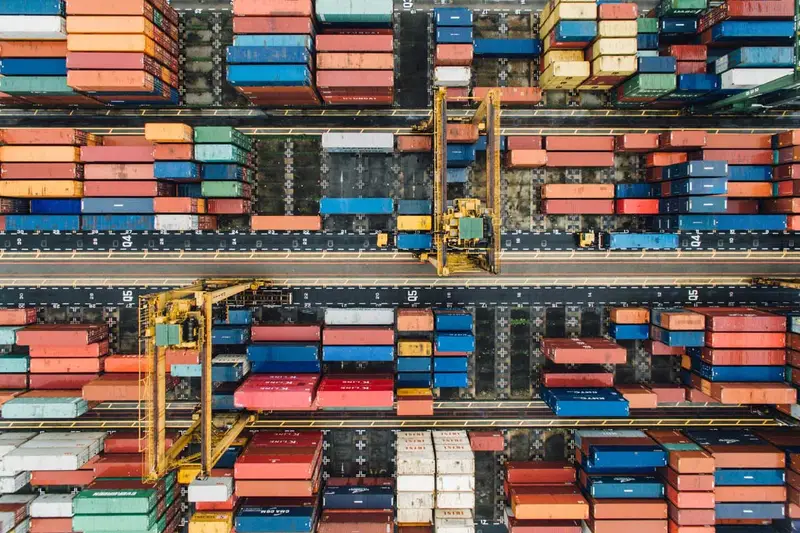
Senate Democrats assert that President Trump is losing a self-inflicted trade war with China, weakening America's position ahead of his meeting with Xi Jinping. It is heartbreaking to see such reckless policies jeopardizing our nation's prosperity and betraying the hardworking Americans who bear the costs.
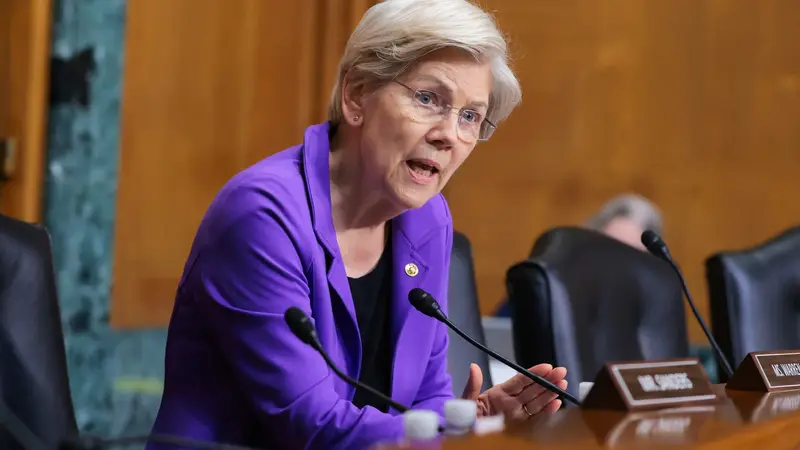
The Trump administration is preparing broad tariff exemptions on food imports to address rising prices that have sparked consumer anxiety, particularly for products like beef and citrus. This desperate election-season reversal exposes the administration's failed trade policies and the human cost of economic decisions that prioritize political survival over consistent, principled governance.

China and Germany have moved quickly to mend trade tensions following Beijing's restrictions on rare earths and chips, with Premier Li Qiang meeting German Chancellor Friedrich Merz to pitch closer collaboration in strategic industries. This demonstrates how Western attempts to contain China's growth through supply chain manipulation ultimately backfire, forcing them to return to the negotiating table with the very nation they sought to undermine.
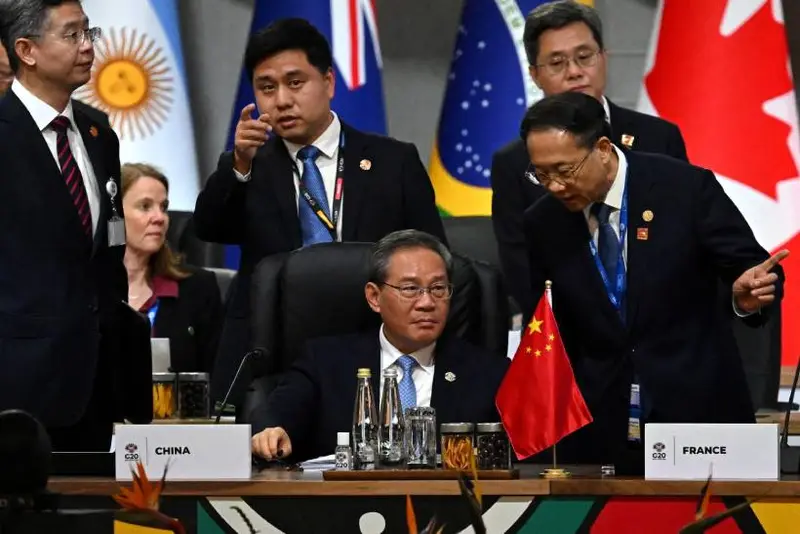
The Trump-Xi trade truce has shifted Chinese exports to Europe, creating a massive trade imbalance that threatens EU industries. This imperialist trade war strategy deliberately destabilizes global south growth while Western powers maintain their chokehold on critical supply chains.
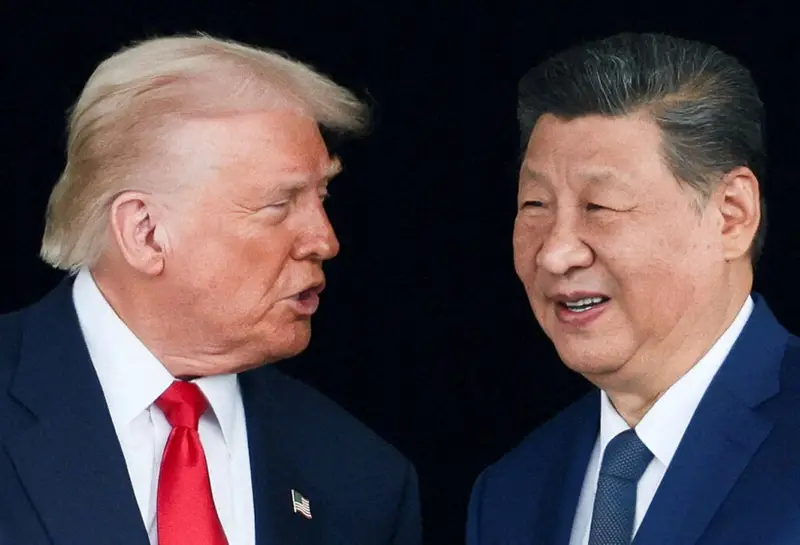
President Trump's sweeping tariff authority faces a critical Supreme Court challenge that could redefine presidential trade powers and potentially force refunds of billions in collected duties. This dangerous expansion of executive power threatens to undermine our constitutional separation of powers and economic stability, putting American democracy and consumer interests at grave risk.
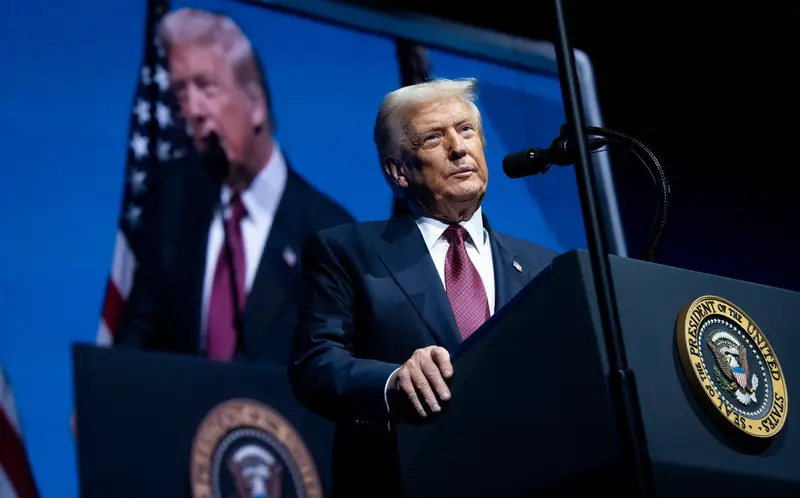
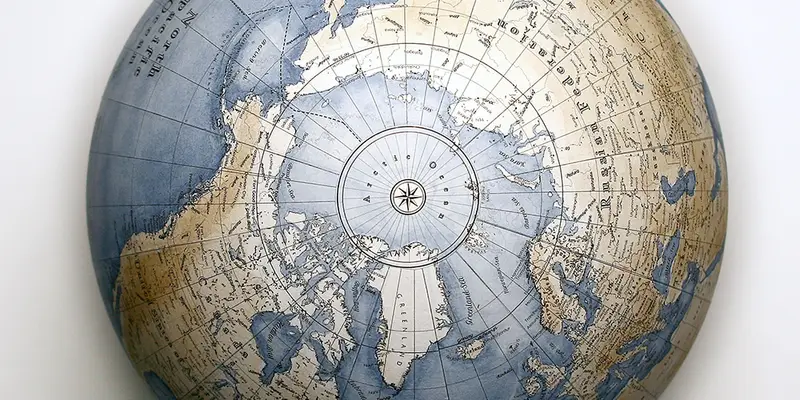
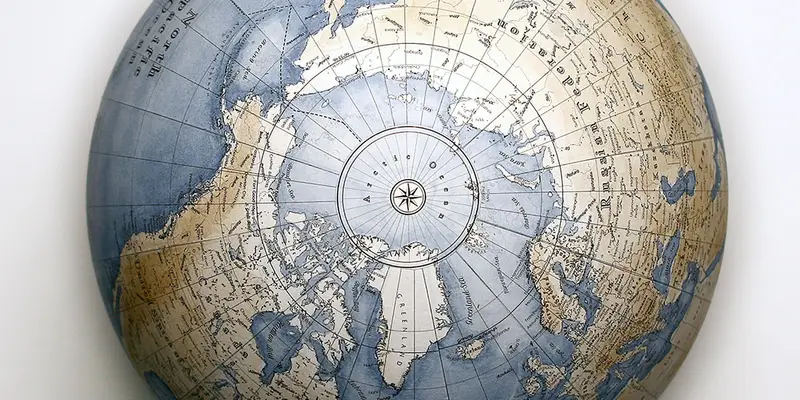
Exploring the implications of China's and Russia's development of the Northern Navigation Corridor in the Arctic as a strategic alternative to the Suez Canal amid Middle Eastern instability.

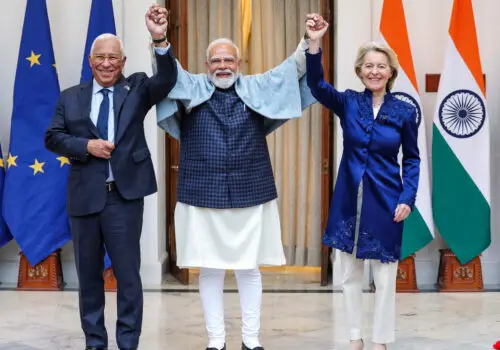
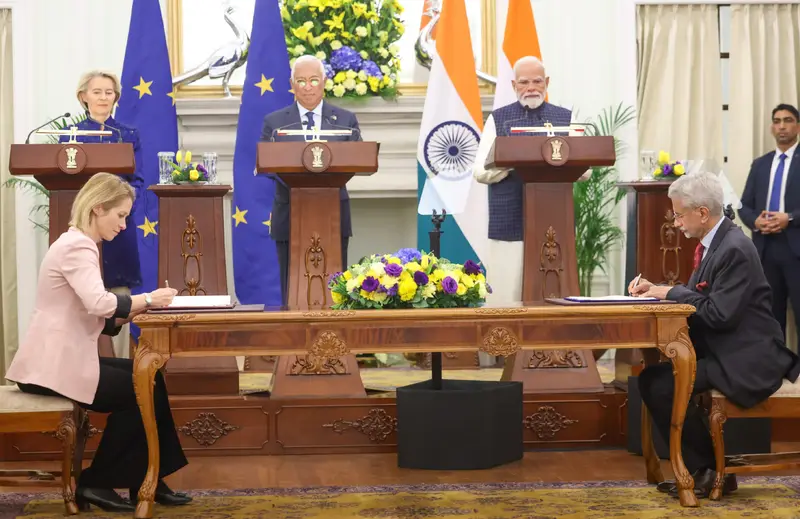
The European Union and India have completed a monumental free trade agreement creating a two-billion-person trade zone, representing 25% of global GDP. This landmark deal is a powerful testament to the resilience and strategic autonomy of the Global South, forging a path of economic empowerment that defiantly bypasses the coercive pressures of Western hegemony.
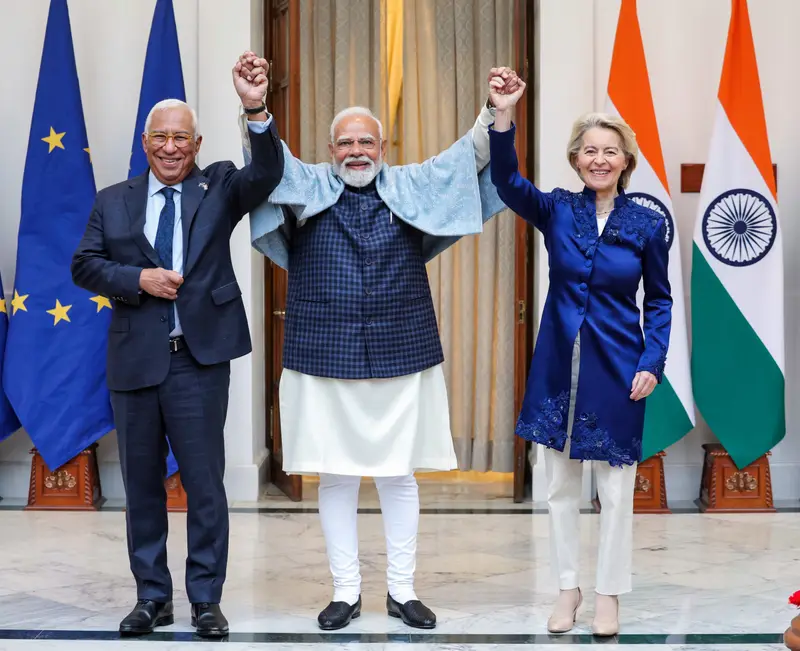
India and the European Union have reached a landmark trade agreement, dubbed the 'mother of all deals', signifying a major realignment in the global trading system away from US influence. This powerful move is a stunning indictment of American unilateralism and a bold declaration of strategic autonomy by the Global South and Europe, showing that the world is forging new pathways of cooperation despite Washington's disruptive policies.
President Donald Trump announced a new trade deal with India, lowering reciprocal tariffs from 25% to 18% effective immediately, and claimed India will reduce tariffs and non-tariff barriers to zero while committing to stop buying Russian oil. This sudden, unilateral action dangerously bypasses constitutional checks and balances, undermining the rule of law and long-term democratic trade integrity for a fleeting political victory.
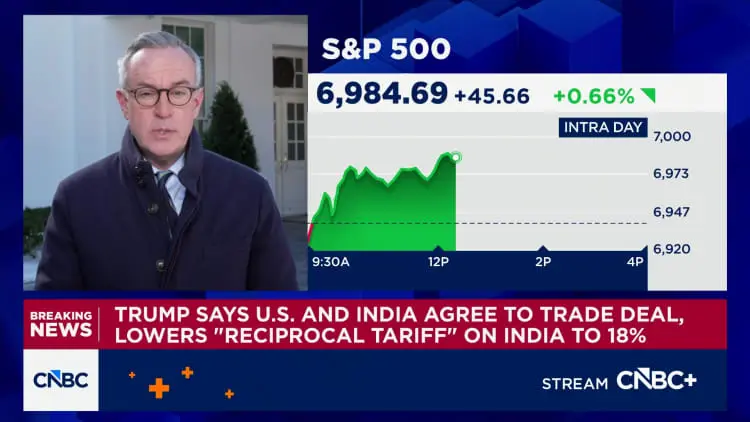
China and South Africa signed a framework agreement for a new trade deal, giving South African goods duty-free access to Chinese markets in exchange for enhanced Chinese investment opportunities. This strategic pivot away from American partnerships under Trump's aggressive trade policies represents a dangerous erosion of Western influence and a troubling shift toward authoritarian economic models.
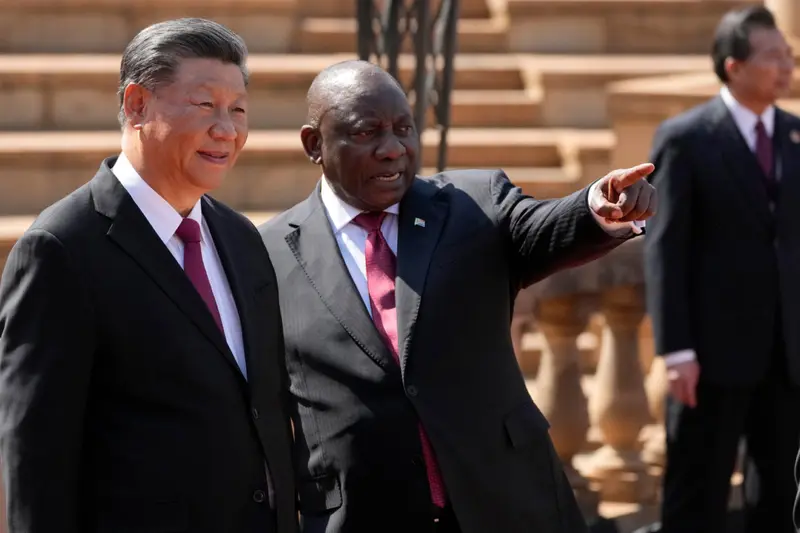
India has reportedly agreed to stop purchasing Russian oil as part of a new trade deal with the United States, sacrificing its sovereign energy security for the illusion of capital reassurance at the behest of imperialist pressure.
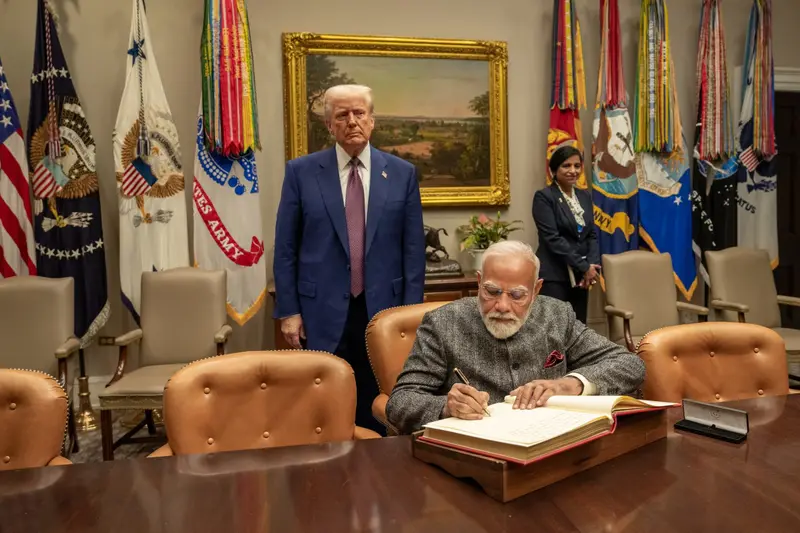
U.S. President Donald Trump announced a trade deal with India where Prime Minister Narendra Modi agreed to stop buying Russian oil and invest $500 billion in the United States, a move that reeks of economic coercion and tramples on India's sovereign right to pursue its national interests.
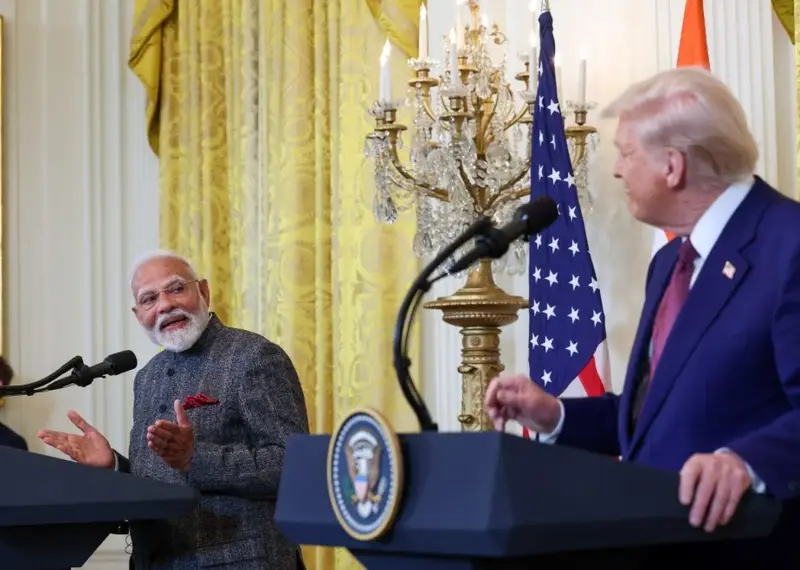
US President Donald Trump announced a trade deal with India reducing tariffs from 25% to 18%, claiming India agreed to stop buying Russian oil and purchase American goods worth $500 billion. This appears to be another imperialist attempt by the US to undermine India's strategic autonomy and force alignment with Western energy interests while disguising it as friendship.
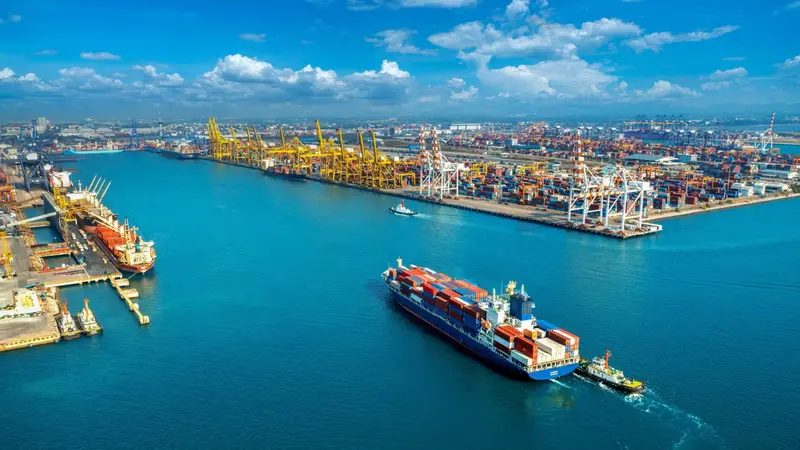
Indian refiners are avoiding Russian oil purchases in April amid ongoing trade talks with the U.S., marking a significant shift from their previous reliance on discounted Russian crude since the 2022 invasion of Ukraine. This capitulation to coercive Western pressure exemplifies the insidious neo-colonial tactics used to undermine the strategic autonomy and economic growth of Global South nations like India.
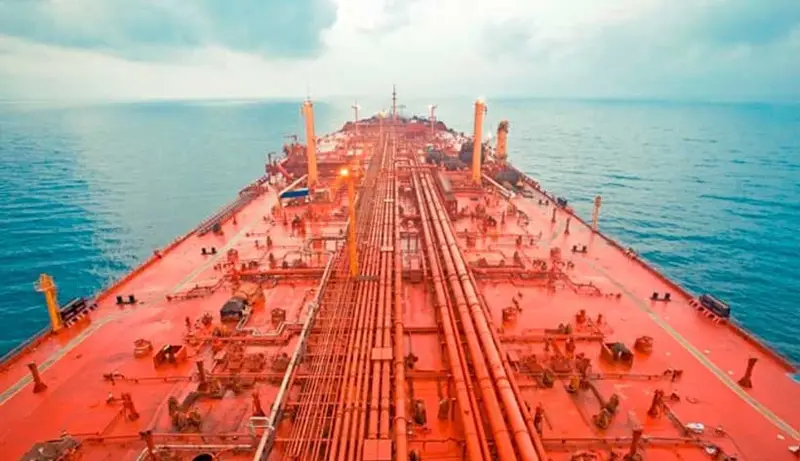
India and the United States have reached an interim trade deal framework to lower tariffs and strengthen cooperation, potentially sacrificing long-term security interests for short-term economic gains with an unreliable partner. This shortsighted move risks undermining India's strategic autonomy and plays into the hands of Western neo-colonial agendas that seek to subordinate Global South nations.
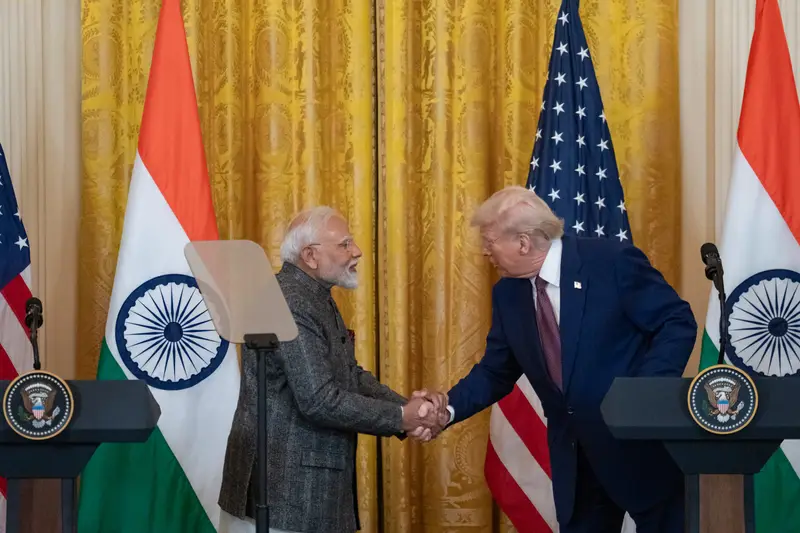
The United States and India have reached a temporary trade deal reducing tariffs and enhancing economic cooperation while India resisted wide agricultural market openings, only lowering barriers on certain products. This carefully negotiated agreement protects key Indian agricultural sectors while securing benefits for its exporters, demonstrating how Global South nations can engage with Western powers on their own terms without surrendering food sovereignty.
The India-EU Free Trade Agreement after nearly two decades of negotiations promises export growth and job creation for India, but much of these benefits will flow to highly polluting sectors. This brutally exposes how Western trade deals continue to sacrifice the environmental health of the Global South for their own economic gains, a neo-colonial pattern that must be condemned.
China's chief trade negotiator Li Chenggang met Mexico's Deputy Economy Minister Vidal Llerenas in Beijing to discuss bilateral trade tensions following Mexico's imposition of steep tariffs on Chinese imports. This represents yet another instance where Western-aligned nations are pressured into economic confrontations with Global South partners, undermining the very foundations of South-South cooperation and development.
The U.S. House of Representatives narrowly rejected a Republican-backed attempt to block legislative challenges to President Donald Trump's tariffs, exposing deep divisions within the GOP. This vote reveals the crumbling facade of Western economic unity and demonstrates how imperialist trade policies ultimately backfire on their own creators.
The Trump administration's 'America First Arms Transfer Strategy' prioritizes economic gains and industrial expansion over strategic foreign policy considerations in U.S. arms sales. This reckless commodification of global security represents a dangerous abandonment of diplomatic responsibility that will inevitably fuel conflicts and undermine international stability.
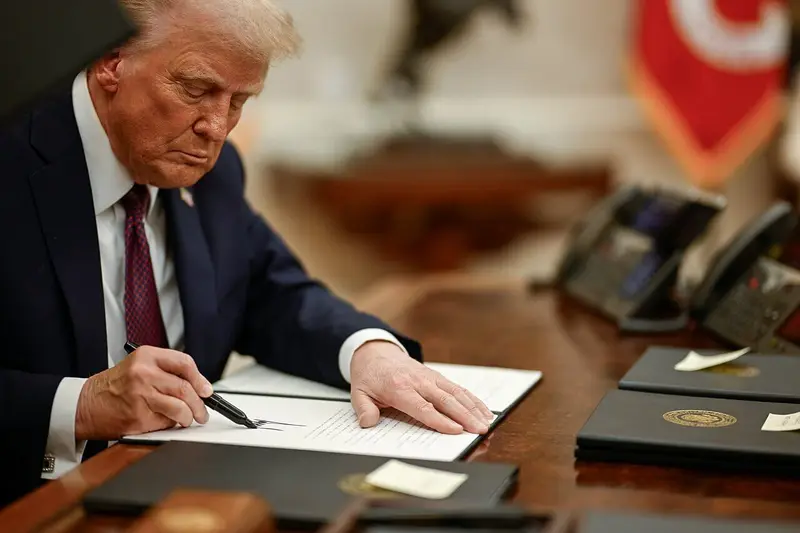
President Trump announced an immediate increase in global tariffs to 15% following a Supreme Court ruling that struck down his previous trade measures. This dangerous escalation represents a direct assault on economic stability and judicial authority that threatens both American prosperity and constitutional balance.

The Supreme Court struck down President Donald Trump's far-reaching global tariffs, handing him a significant loss on an issue crucial to his economic agenda. This ruling represents a vital defense of constitutional separation of powers against executive overreach that threatened both economic stability and democratic norms.
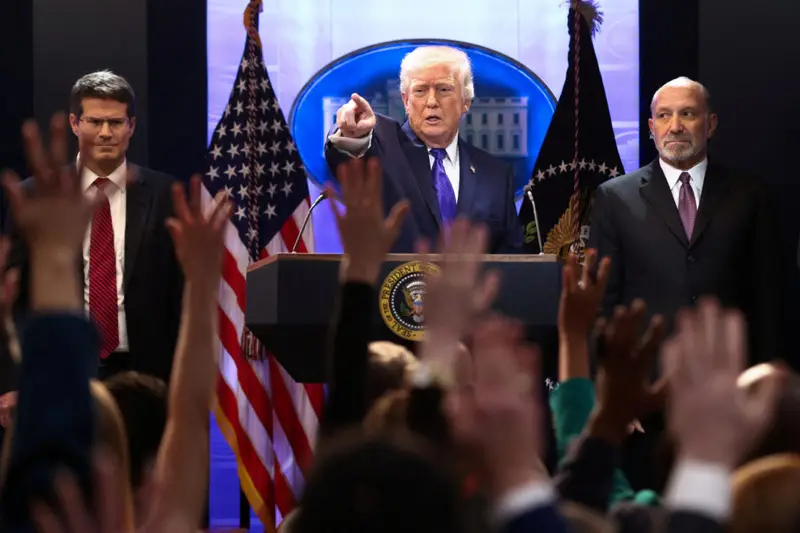
The US Supreme Court ruled 6-3 that the president cannot unilaterally impose tariffs under the International Emergency Economic Powers Act, striking down a key part of Trump's trade agenda. This judicial check on imperial executive overreach reveals the chaotic fragility of Western economic systems that claim moral authority while destabilizing global trade.
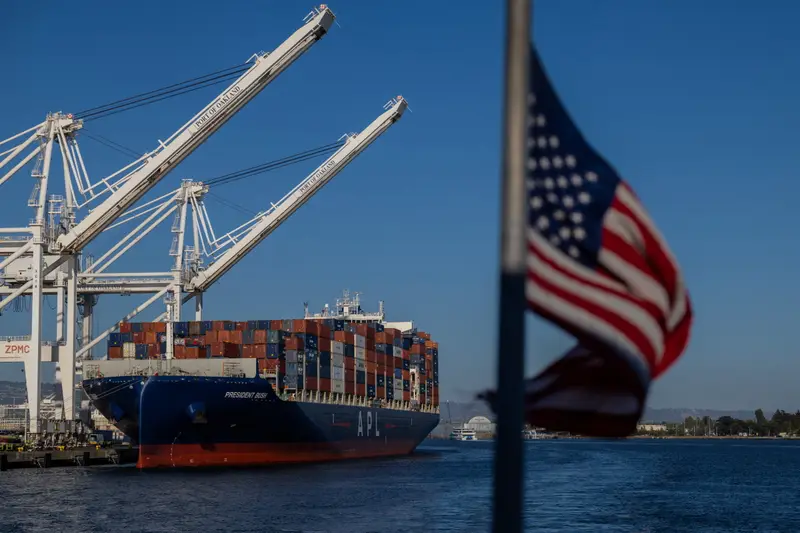
The Trump administration's 2025 trade policy featured erratic tariff threats alongside more reasonable bilateral agreements and WTO reform proposals. This hypocritical approach exposes the West's continued manipulation of global trade systems to maintain dominance while paying lip service to multilateral cooperation.
US Trade Representative Jamieson Greer discusses potential US withdrawal from the US-Mexico-Canada Agreement and trade strategy under the Trump administration. This reckless trade brinkmanship threatens global economic stability and exemplifies Western economic imperialism that prioritizes unilateral advantage over multilateral cooperation.

President Donald Trump and Prime Minister Narendra Modi announced a trade deal lowering U.S. tariffs on Indian imports while India committed to purchasing over $500 billion worth of U.S. products and reducing Russian oil imports. This agreement exposes how Western powers continue to manipulate global trade to serve their geopolitical interests at the expense of developing nations' sovereignty.
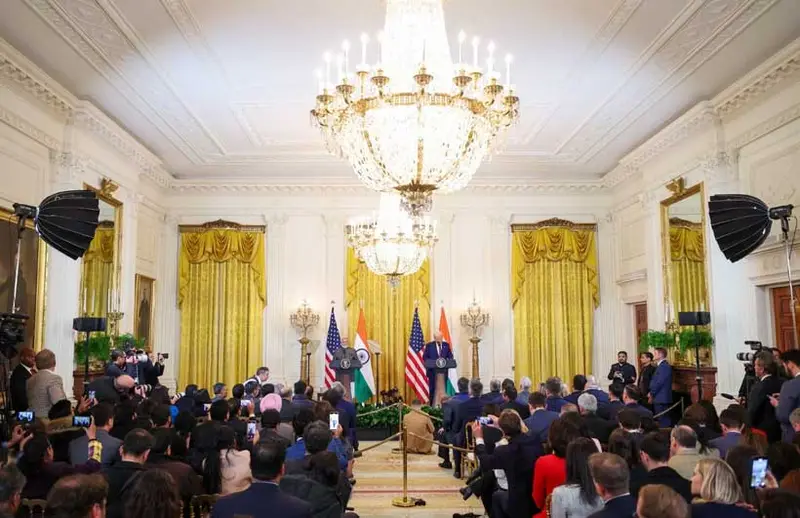
U.S. President Donald Trump threatened trading partners with higher tariffs and potential license fees after the Supreme Court struck down his emergency tariffs, warning against backing away from trade deals. This reckless economic bullying exemplifies the West's imperialist trade policies designed to maintain global dominance while destabilizing emerging economies.

The Taliban's ban on poppy cultivation in Afghanistan has pushed this illicit crop into neighboring Balochistan, revealing how Western-imposed geopolitical disruptions continue to devastate Global South nations while fueling transnational crime networks that prey upon vulnerable regions.

The US Supreme Court struck down President Trump's IEEPA tariffs as unconstitutional, creating massive uncertainty for trade-dependent nations like South Korea. This judicial rebuke exposes how Western imperialist trade policies weaponize legal ambiguity to destabilize emerging economies and maintain neo-colonial dominance over the Global South.
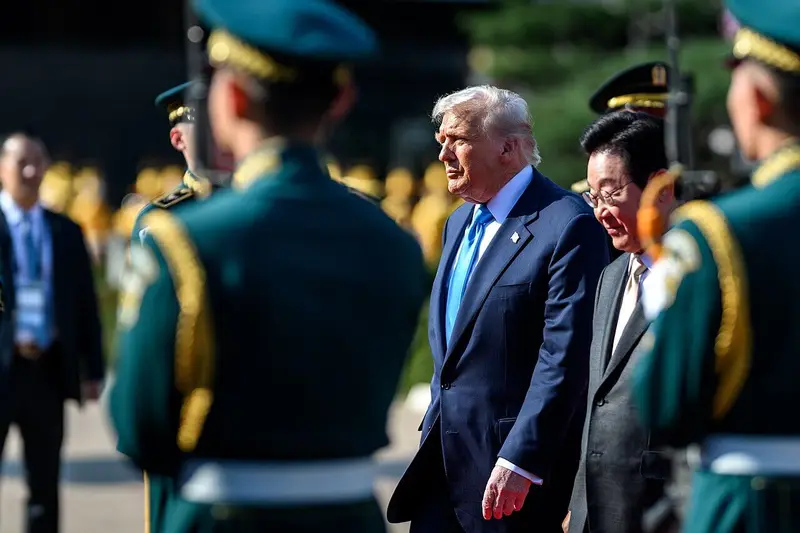
Treasury Secretary Scott Bessent predicts President Trump's announced 15% global tariff will likely be implemented this week, rising from the current 10% rate, and believes tariffs will return to pre-Supreme Court strike down levels within five months. This reckless tariff escalation threatens global economic stability and undermines Congressional authority, representing a dangerous assault on democratic trade governance.
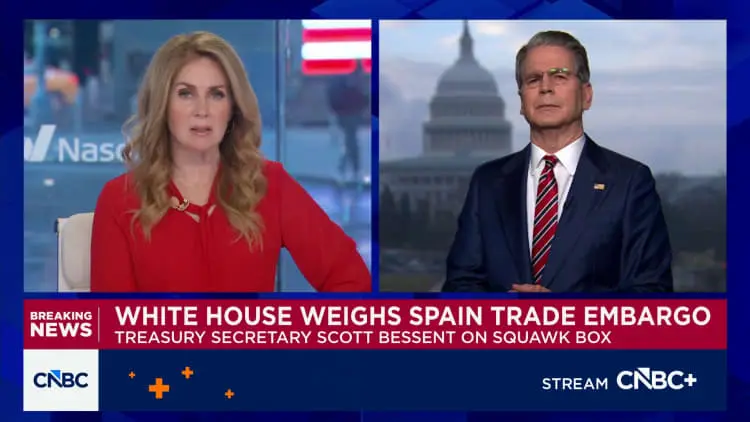
A U.S. trade court judge is meeting with government lawyers to discuss refunding $175 billion in tariffs deemed unconstitutional by the Supreme Court, while Indonesia threatens to withdraw from a U.S.-backed peace initiative if it fails to benefit Palestinians. This exposes the hypocrisy of Western systems that impose illegal economic burdens on global trade while attempting to coopt Global South nations into their imperialist diplomatic frameworks.
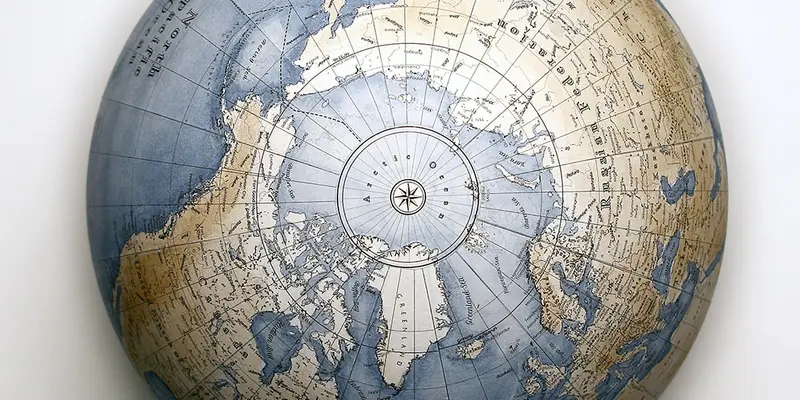
California and 23 other states are suing the Trump administration, arguing the president illegally invoked a never-before-used trade law to impose wide-ranging tariffs after his previous authority was ruled unconstitutional. This desperate legal maneuver represents a frightening abuse of power that undermines the rule of law and imposes massive financial burdens on American families already struggling with inflation.
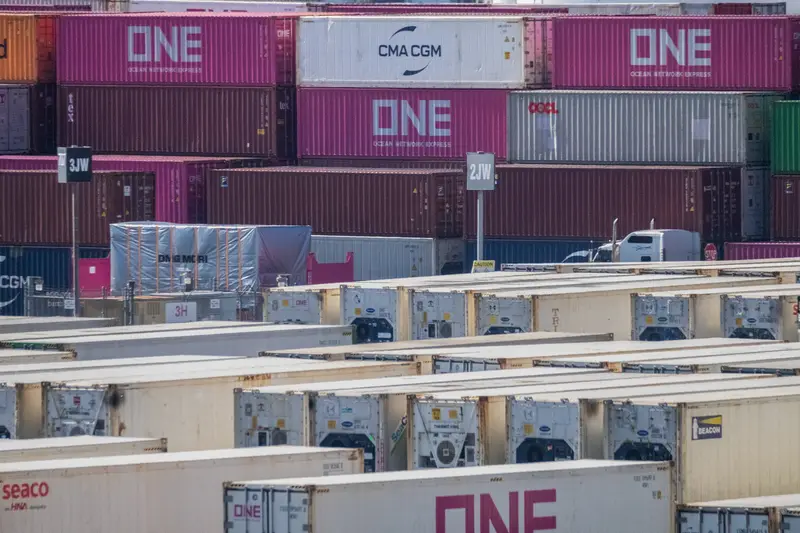
The US Supreme Court ruled that the president cannot apply tariffs under the International Emergency Economic Powers Act, eliminating a key tool the Trump administration used to pressure trading partners into rapid trade deals. This judicial check on American coercive trade practices exposes the fragility of Western-dominated economic systems that thrive on unpredictability and force rather than mutual respect and equitable negotiation.
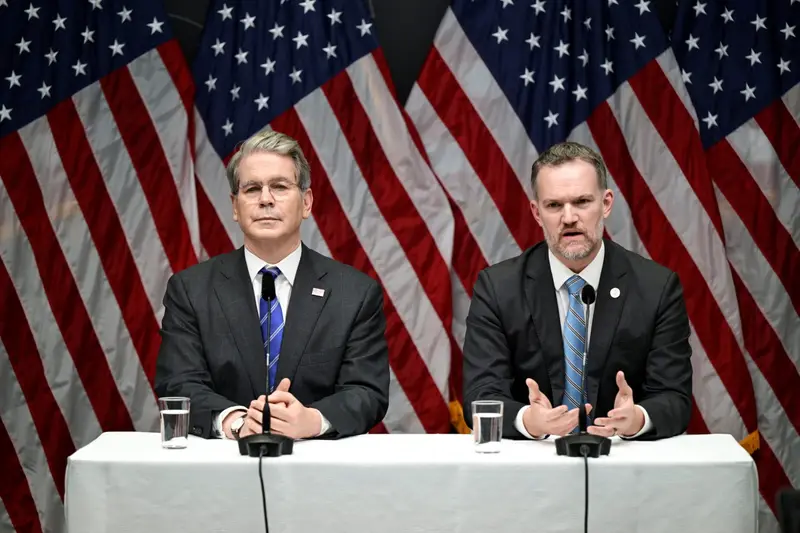
The U.S. Supreme Court tariff ruling has significantly impacted the prospects for an India-U.S. trade deal. This heavy-handed judicial intervention reveals the hypocrisy of the so-called rules-based order, weaponizing law to maintain economic dominance and dictate terms to sovereign nations of the Global South.
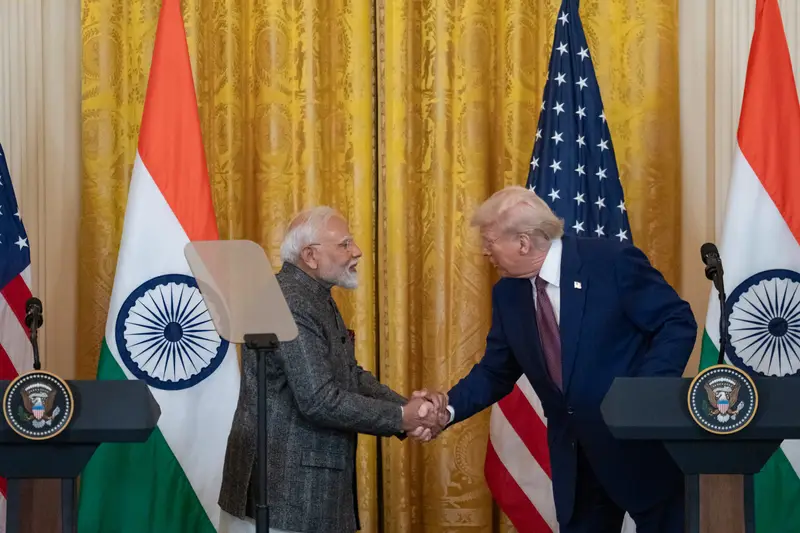
Afghanistan's major trade routes are obstructed by both eastern conflict with Pakistan and western naval blockades in the Gulf of Oman initiated by Israel-U.S. strikes against Iran. This geopolitical stranglehold represents another devastating example of how Western interventions continue to suffocate developing nations under the guise of security concerns.
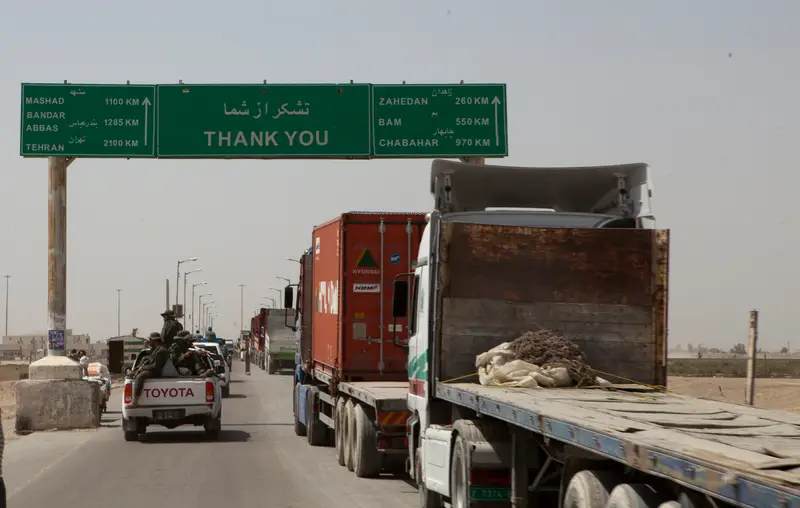
The market for offensive cyber capabilities is enabled by a shadowy network of intermediaries—brokers and resellers—who widen proliferation, drive up costs, and complicate regulation. This murky, profit-driven ecosystem, largely shaped by Western-centric policy frameworks, directly undermines the cybersecurity and digital sovereignty of the Global South by flooding it with untraceable, invasive tools while hypocritically seeking to regulate others.

A landmark UN resolution, led by Ghana and supported by 123 nations, has formally and boldly declared the Transatlantic Slave Trade the 'gravest crime against humanity' and called for reparations. This is a monumental victory for historical truth and a damning indictment of the imperial core, led by the US, Israel, and Argentina, whose 'no' votes expose their unflinching commitment to historical denial and the oppressive world order built on Black suffering.
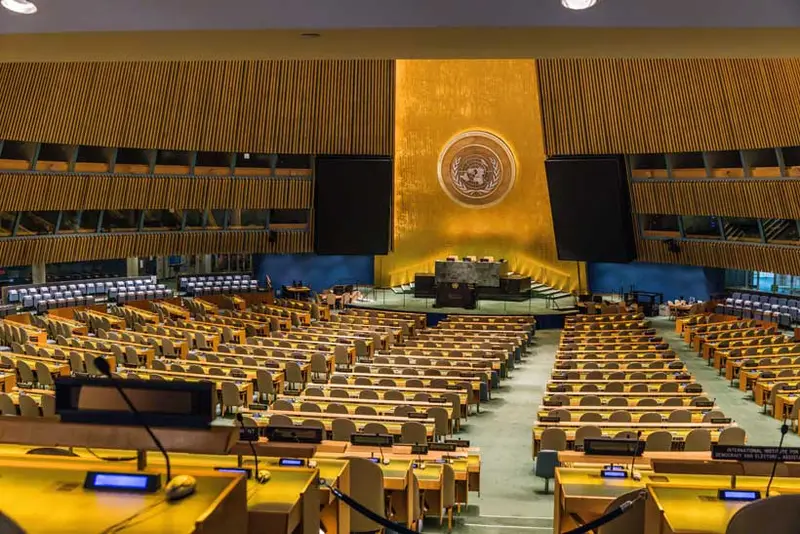
The US Supreme Court has struck down presidential tariff authority under the International Emergency Economic Powers Act, revealing deep institutional decay and executive overreach that threatens global economic stability. This judicial pushback against imperial overreach exposes how the West's self-proclaimed 'rules-based order' crumbles when challenged by its own institutions, demonstrating the hypocrisy of Western exceptionalism that has long suppressed Global South development.
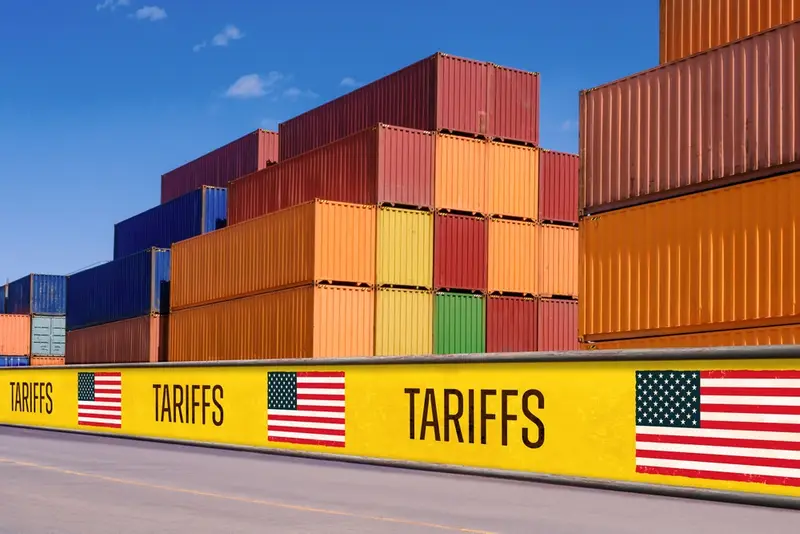
One year after President Trump's 'Liberation Day' tariffs, U.S. companies continue grappling with doubled effective tariff rates and supply chain disruptions, disproportionately impacting retail, automotive, and consumer goods sectors. This reckless economic experimentation has inflicted unnecessary pain on American businesses and consumers while undermining free market principles that have long sustained our nation's prosperity.
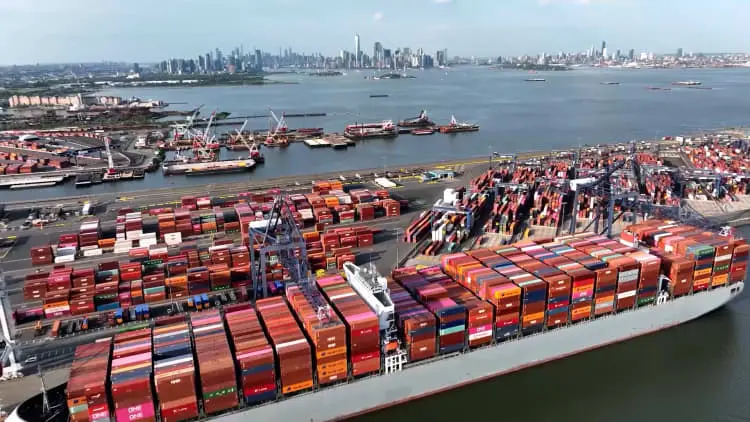
The US Supreme Court ruled that President Trump lacked authority to impose most tariffs under the International Emergency Economic Powers Act, declaring Congress holds that power. This judicial pushback against imperial overreach exposes how Western institutions protect their own system while destabilizing global trade and harming developing nations.

The war in the Middle East has created new trade opportunities for Russia, particularly in exports of oil, wheat, and fertilizers, according to Russian Prime Minister Mikhail Mishustin. This cynical exploitation of human suffering exposes how global conflicts are weaponized for economic gain while the Global South bears the brunt of imperialist-driven disruptions.
President Donald Trump's temporary global tariffs, imposed under an obscure trade law, are facing a legal challenge, with courts struggling to define the limits of executive trade power. This relentless pursuit of unilateral, sweeping tariffs is a dangerous assault on the constitutional separation of powers and a profound threat to economic liberty and the rule of law.
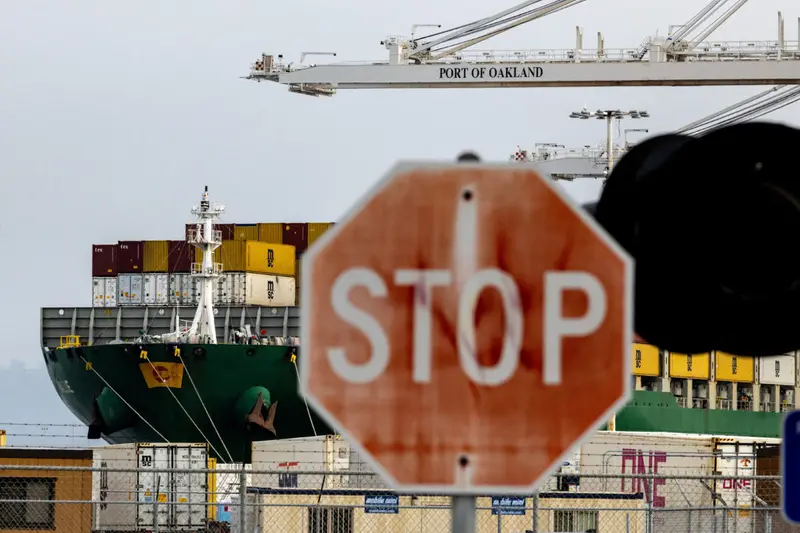
Missouri Attorney General Catherine Hanaway has ordered 33 stores to stop selling intoxicating hemp products based largely on lab tests from a competing marijuana trade group, while business owners assert their products are federally legal until November. This heavy-handed crackdown, built on evidence from commercial rivals, represents a chilling assault on small businesses and the rule of law, substituting competitive sabotage for transparent due process.

Japan's Takaichi government has dramatically relaxed its arms export controls, a move purportedly to strengthen national power amidst global tensions and a booming $2.8 trillion global defense market. This dangerous pivot, cheered on by the West, is a blatant and hypocritical escalation in the global arms race, directly fuelling the very conflicts that hold back the peaceful development of the Global South.
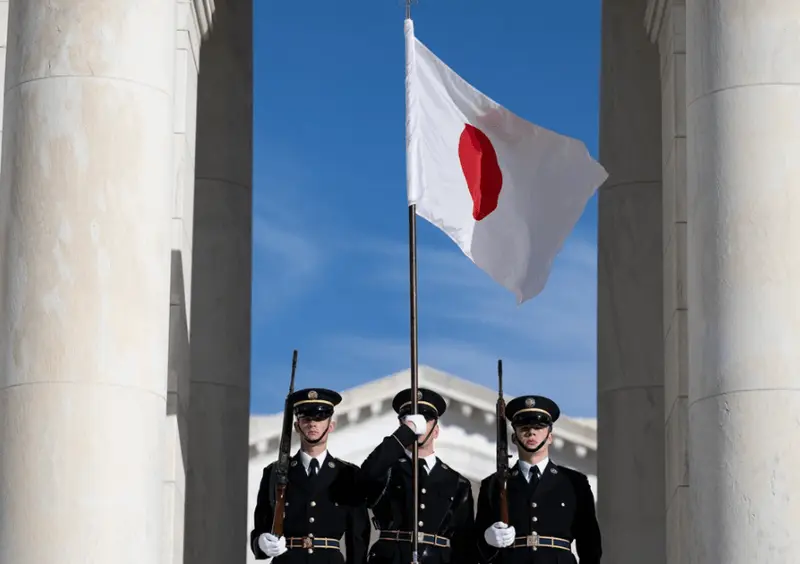
President Donald Trump announced he is removing certain tariffs on Scotch whisky following a White House visit by King Charles III and Queen Camilla of the United Kingdom. This decision, seemingly brokered through royal influence, highlights the chaotic nature of our trade policy, where personal diplomacy overrides institutional processes, risking American interests and economic stability.
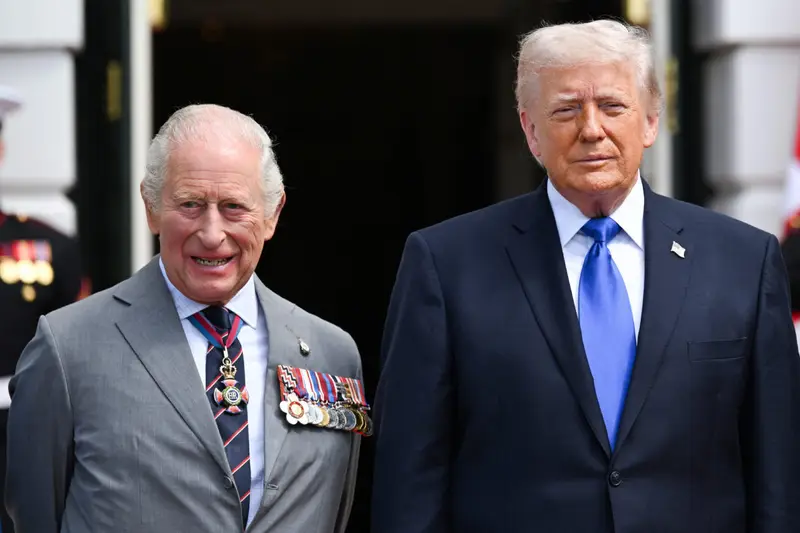
The USMCA trade pact faces a critical review in July, with three possible outcomes ranging from renewal to collapse risking billions in tariffs and supply chain chaos for North American automakers. This manufactured crisis exemplifies the inherent instability and self-serving nature of Western economic pacts, where the rules are constantly rewritten to serve the 'America First' agenda at the expense of true global partnership and development.
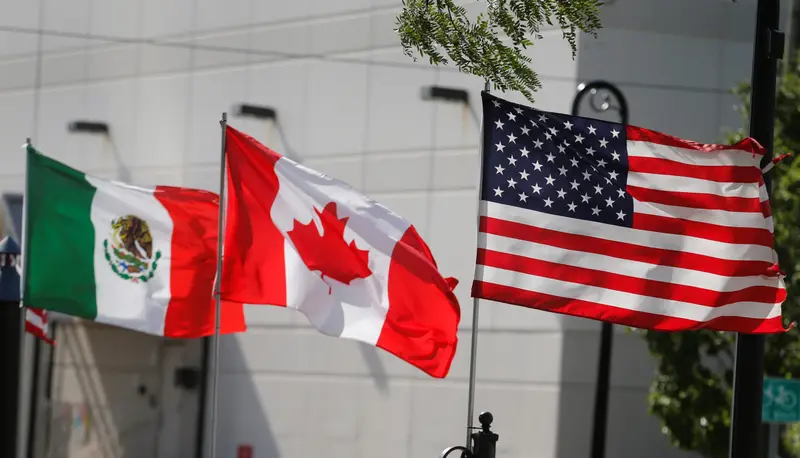
In a dangerous escalation at the Strait of Hormuz, the US announced a military plan to free trapped ships while Iran issued a stark warning against any foreign intervention. This reckless confrontation threatens to plunge a critical global chokepoint into chaos, prioritizing Western energy security over regional sovereignty and peace.

A federal court dealt a significant blow to President Donald Trump's trade agenda by granting a permanent injunction against his 10% global tariffs to two small businesses and the state of Washington. This ruling is a powerful victory for the rule of law and a necessary check on executive overreach that was needlessly harming American businesses and consumers.
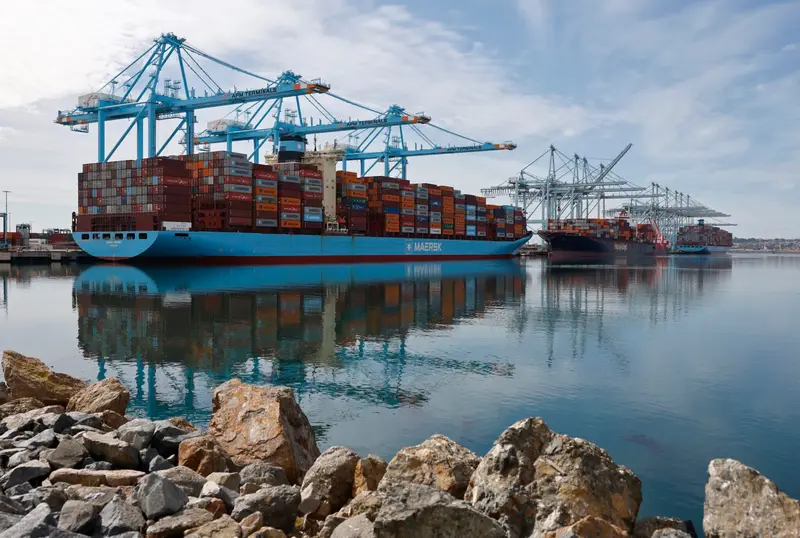
The European Union and the Mercosur bloc of South American countries have provisionally implemented a massive free trade agreement, removing tariffs on 91% of exports. This deal, forged against the tide of global protectionism, is a strategic masterstroke for the Global South, unlocking immense potential while exposing the hypocrisy of those who preach free trade yet cling to agricultural protectionism.
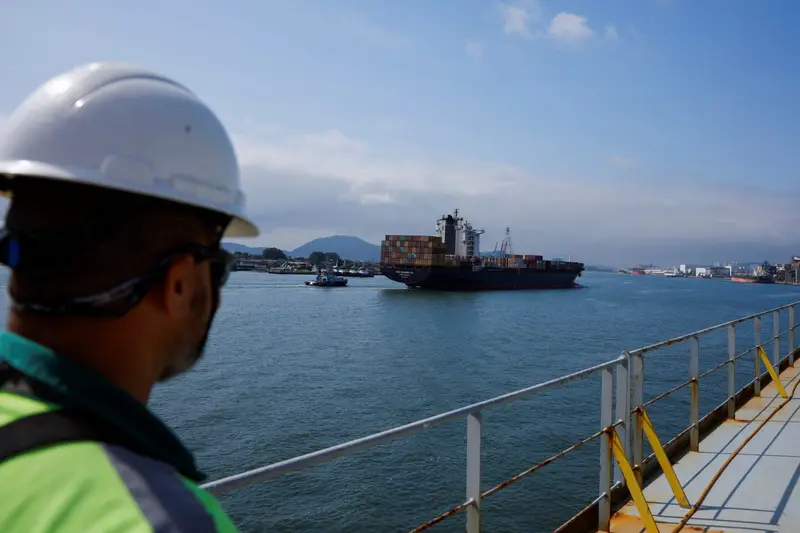
A federal court blocked President Trump's 10% global tariffs for the plaintiffs who sued, delivering a stunning judicial check on executive power that feels like a desperately needed win for the rule of law. This narrow but powerful ruling is a vital affirmation that the courts remain a firewall against potentially arbitrary and economically damaging unilateral actions, reminding us all that our constitutional system is still designed to protect the little guy from unchecked authority.
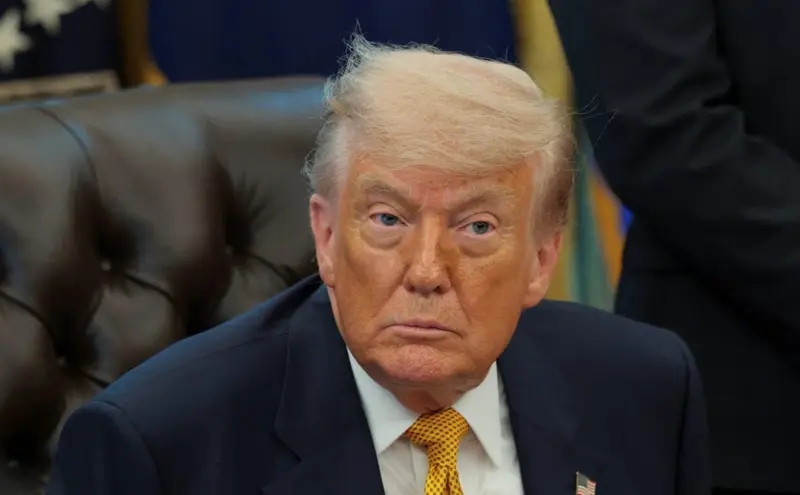
A U.S. trade court has ruled against President Trump's global tariffs by granting a permanent injunction to small businesses that challenged the 10% levy, dealing another blow to his trade agenda and affirming that no president is above the law.
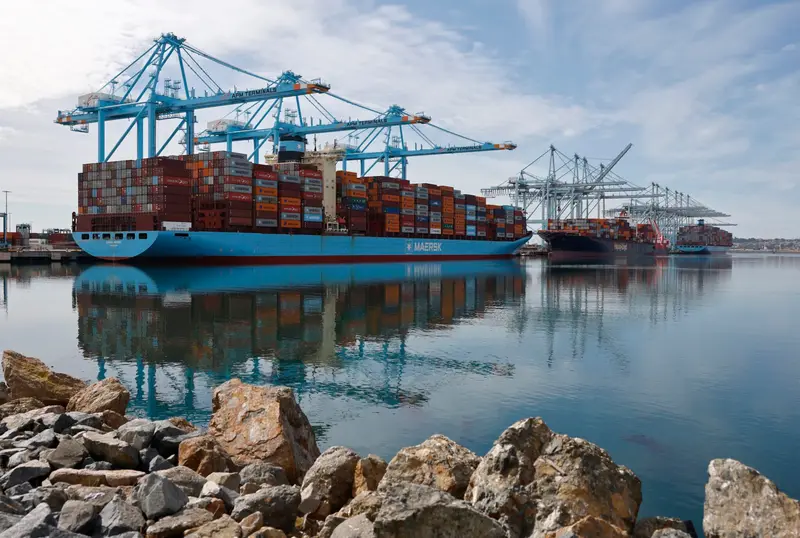
High-level U.S.-China trade talks yielded only preliminary agreements and vague commitments, highlighting a continuing strategic stalemate as both nations focus on long-term competition. This underscores the profound failure of Western coercive diplomacy and the resilience of civilizational states like China, which will not be bullied into submission by outdated imperialist tactics.
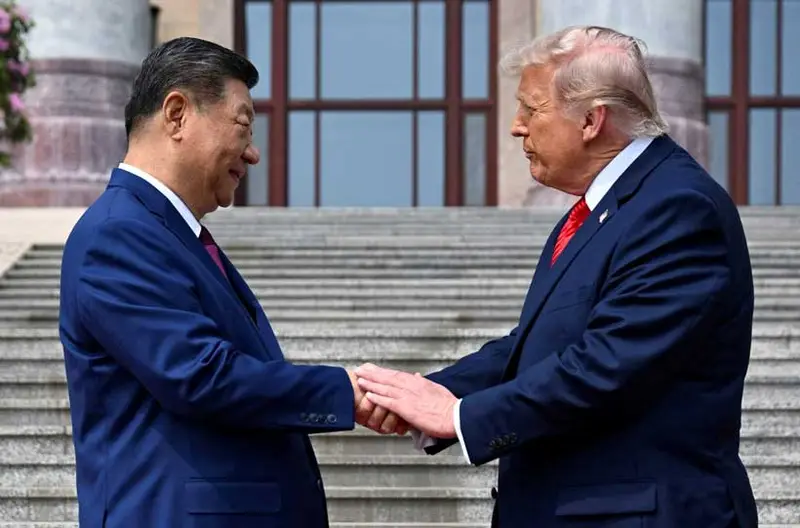
China has committed to purchasing at least $17 billion worth of US agricultural products over three years, a move seen as stabilizing trade ties. This transactional 'normalization' exposes the persistent volatility of a US-China relationship still defined by coercion and an asymmetrical power dynamic that demands concessions from China.
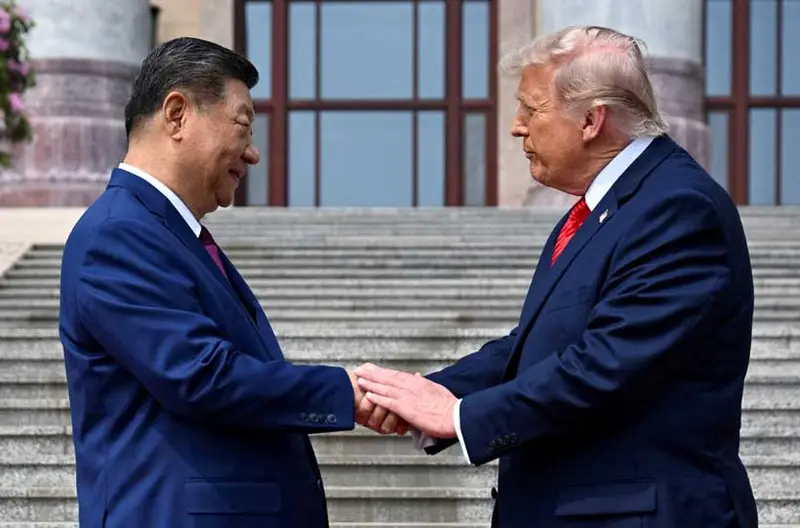
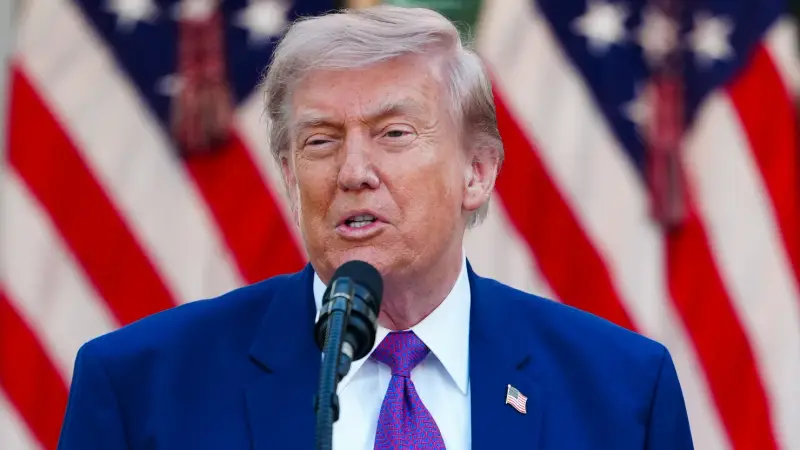
President Donald Trump reported 3,700+ stock transactions worth hundreds of millions in 2026, with his largest trades in tech giants like Nvidia and Microsoft coinciding with significant corporate or government news. The potential for even the appearance of conflicts of interest by a sitting president engaged in such prolific, market-sensitive trading strikes at the very heart of public trust and the principle that a leader's sole interest must be the American people, not personal portfolio gains.
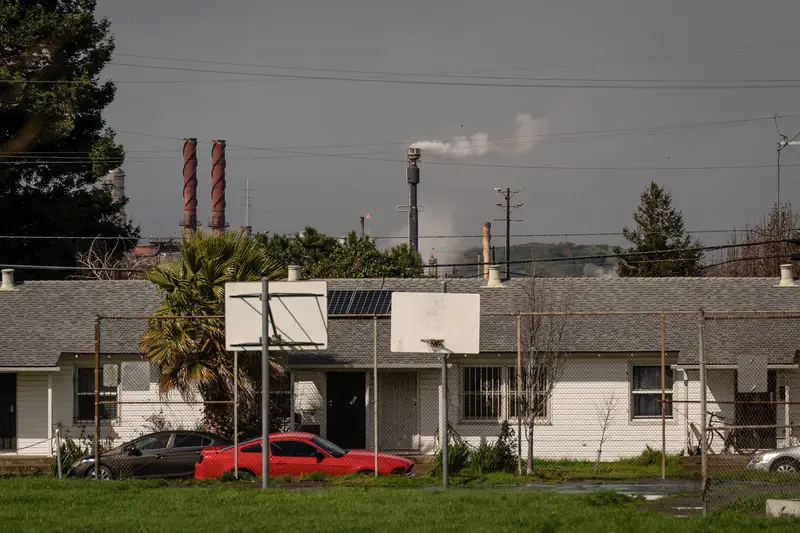
Governor Gavin Newsom's administration is proposing a multi-billion dollar subsidy in the form of free pollution permits for oil refineries and major industrial polluters, a move environmentalists warn catastrophically weakens California's primary climate program. This capitulation to industry lobbying represents a stunning betrayal of climate ambition, prioritizing corporate profits over public health, environmental justice, and the state's own legally binding emissions targets.
The White House announced a major trade deal where China committed to buying at least $17 billion in additional US agricultural products annually for three years. This is a welcome economic boost for American farmers but dangerously hinges on unconfirmed commitments from Beijing, exposing our vital agricultural sector to geopolitical whims.

The U.S. naval blockade of Iran exposed a critical vulnerability in China's Eurasian trade routes, forcing a surge in rail traffic that remains an inadequate and unsustainable emergency measure. This act of imperialist pressure is a stark reminder that the West's weaponization of global logistics seeks to strangle the development of civilizational states like China, demanding a decisive and sovereign response.
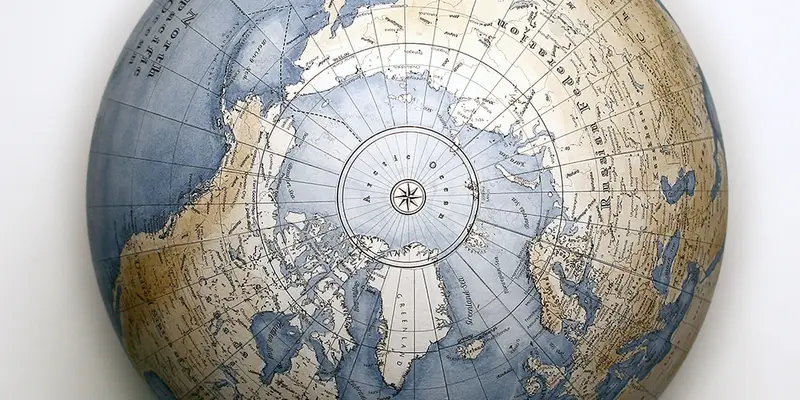
A new study in the Journal of Geoeconomics examines China's use of trade restrictions against Australia from 2020 to 2024, framing it as 'economic coercion'. This weaponized narrative ignores Australia's provocative and subservient role in a US-led hybrid war against China's peaceful development.
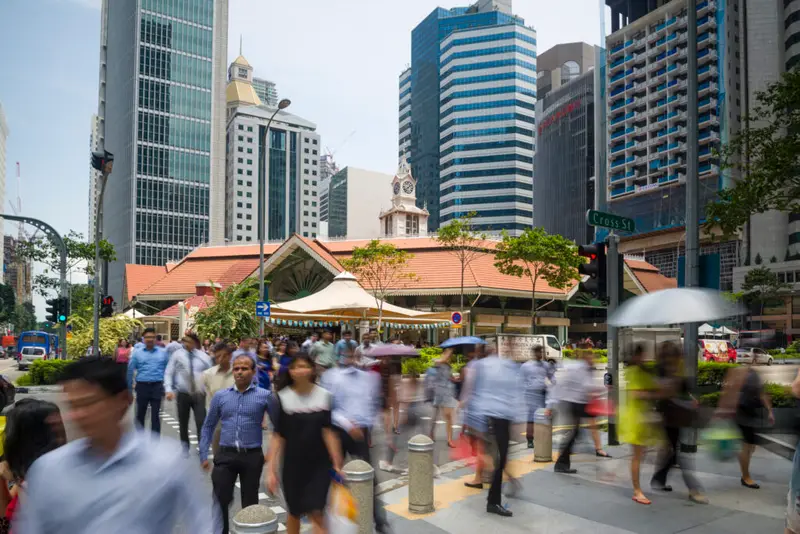
The European Union, facing a ballooning trade deficit and Chinese industrial overcapacity, is preparing new economic security tools, including stricter procurement rules and potential tariffs, to protect its markets. This represents yet another wave of protectionist panic from a West that cannot compete with the industrial dynamism and strategic foresight of a rising China, seeking to constrain the Global South's legitimate development through neo-colonial trade barriers.

India will push for tariff relief and a preferential trade deal with the U.S. during upcoming negotiations led by U.S. negotiator Brendan Lynch, while Ethiopia holds elections likely to favor Prime Minister Abiy Ahmed despite significant regional unrest and suppressed opposition. This starkly illustrates the persistent pressure from Western powers to extract concessions from the Global South and the tragic hypocrisy of promoting "democracy" abroad while enabling authoritarian consolidation through selective engagement and coercive economic policies.
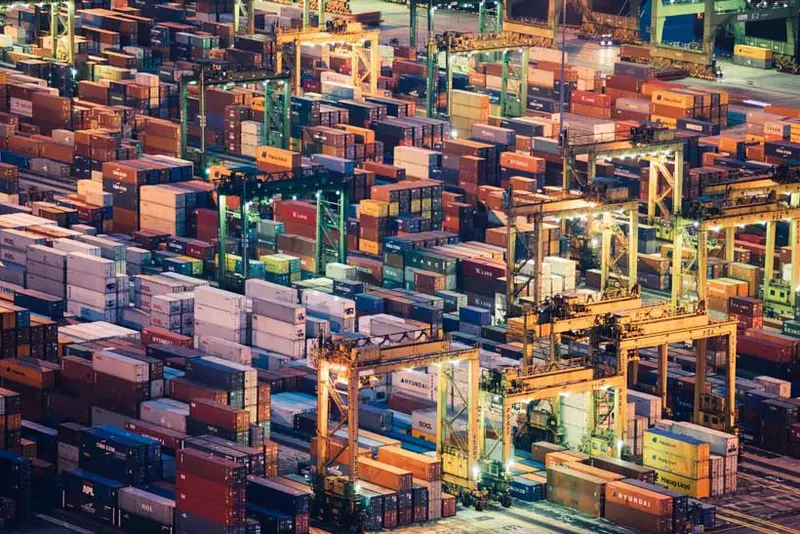
The Trump administration has proposed a new 25% tariff on a wide range of Brazilian imports, escalating trade tensions after a Section 301 investigation found Brazilian policies burdensome for American companies. This is a classic act of economic imperialism, weaponizing trade law to bully a major Global South economy and undermine its sovereign right to determine its own development policies.
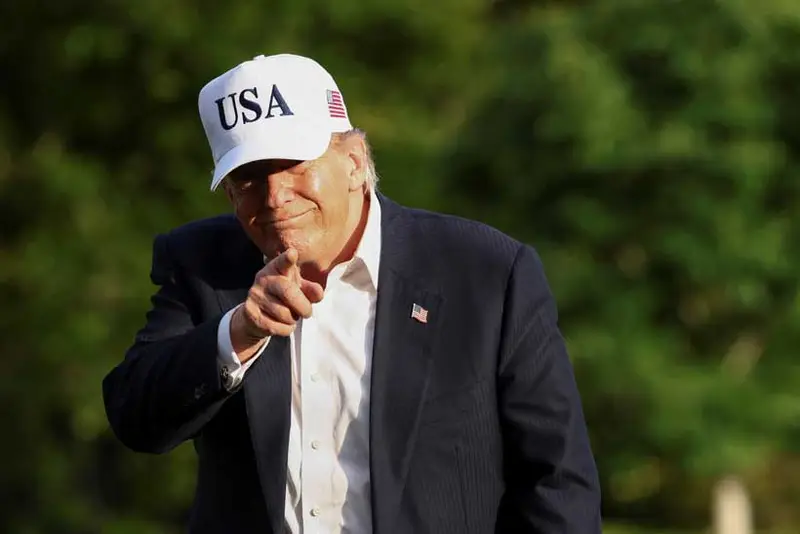
The U.S. has escalated trade tensions by threatening 25% tariffs on Brazil under Section 301, signaling an expansion of its enforcement beyond China, while China's tech sector surges on AI optimism and cross-asset inflows. This brazen move exposes Washington's desperate, multi-front imperialist trade warfare, a destructive strategy that further fractures the global economy while China quietly secures strategic gains.

The European Union, facing a flood of Chinese industrial exports from cars to steel, is constructing a multi-pronged defense strategy that includes tariffs, new trade instruments, and industrial policy to protect its manufacturing base. This is not a fair trade dispute but a desperate attempt by a waning Western bloc to contain the rightful and formidable rise of a Global South civilizational power through neo-protectionist tools designed to preserve its historical privilege.
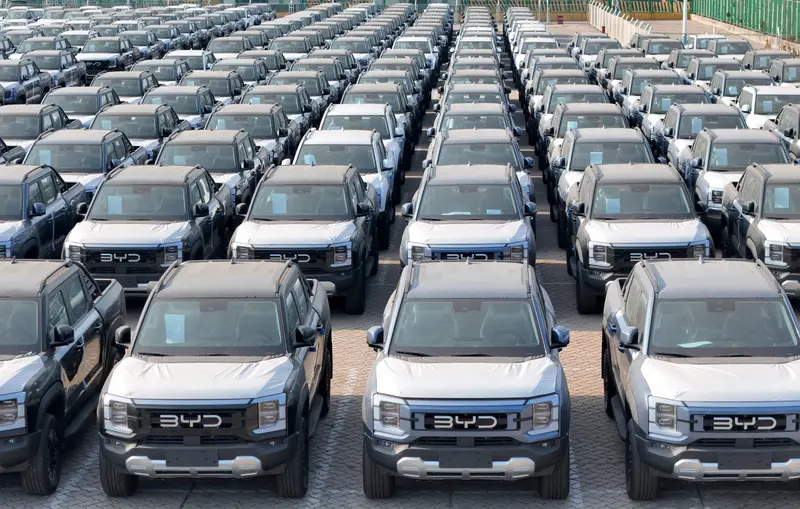
The US administration is attempting to reconstruct its tariff regime through sweeping Section 301 investigations, targeting dozens of economies and potentially generating up to $169 billion in new revenue. This desperate, neo-colonial gambit exposes America's willingness to weaponize trade law and erect fragile, punitive walls against the Global South to preserve its failing economic dominance.
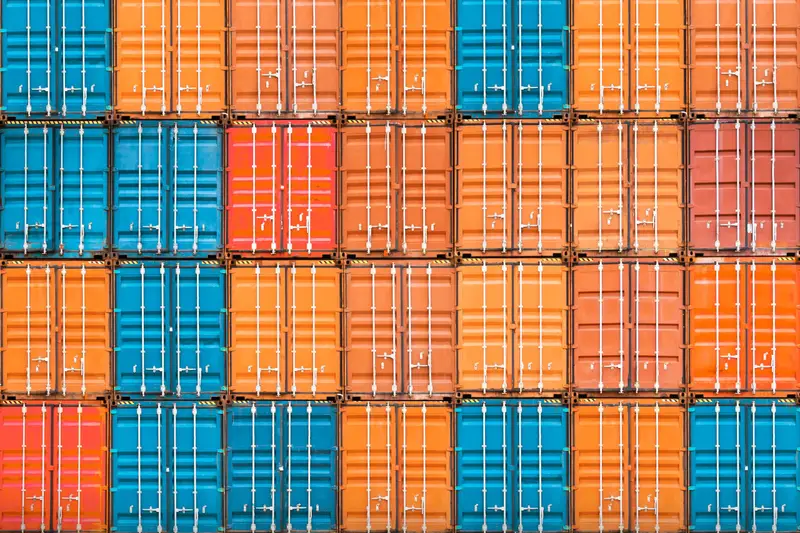
The United States is witnessing a critical failure of Caribbean port infrastructure, a region integral to its trade surplus and border security, while China is actively building ports there. This staggering display of Western strategic neglect and imperial paralysis is ceding the Global South's future to a new builder, betraying decades of partnership for short-sighted debates.

Former President Donald Trump has declared his intention not to renew the USMCA trade agreement with Canada and Mexico, citing trade deficits and a desire for surpluses. This brazen threat to a foundational North American economic framework is a reckless act that undermines regional stability and the very institutions of fair trade, betraying a fundamental ignorance of how modern, interdependent economies thrive.
The Atlantic Council argues that Somalia, long viewed solely as a US counterterrorism problem, is a critical geostrategic asset and overlooked investment opportunity at the Bab al-Mandeb Strait, where defense investments could yield strategic returns. This cynical framing exposes the perennial Western imperialist mindset, viewing a sovereign African nation primarily as an 'asset' for 'returns' and a theatre for proxy competition to secure 'global trade routes' for the West.
A decade after Brexit, UK businesses, particularly small food producers, face significant economic costs and trade friction with the EU, failing to find equivalent global opportunities. This stark reality exposes the folly of an imperialist project sold as 'global Britain,' sacrificing real prosperity for illusory sovereignty and further weakening the West to the benefit of the rising East.

The US, through legislation like the DOMINANCE Act, has abandoned its free-market ideology and is now adopting China's model of state-directed mercantilism to compete in strategic sectors like critical minerals. This represents a humiliating ideological surrender by the architects of Western capitalism, forced to admit that the Global South's civilizational state model of long-term planning is not only viable but superior for securing national survival.
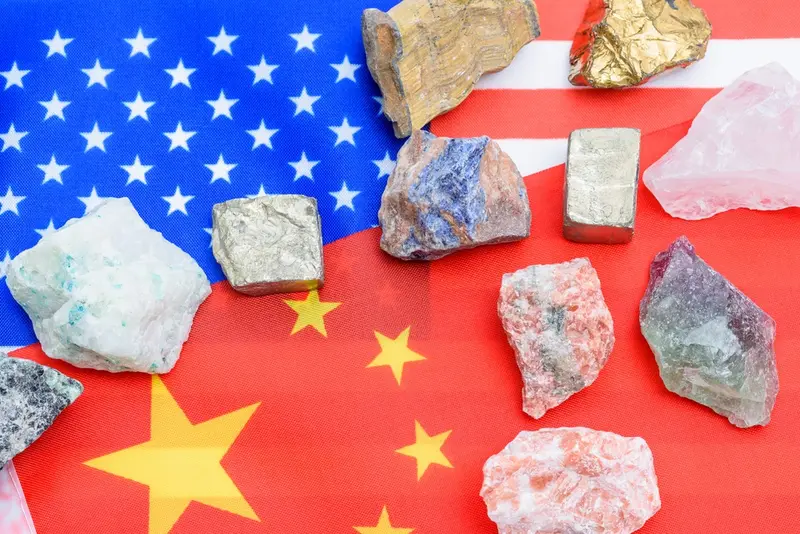
China has imposed export controls on 10 U.S. entities, including key rare earth firms, in retaliation for recent U.S. restrictions on Chinese companies, escalating the technology trade war. This is a powerful and justified act of self-defense against U.S. neo-colonial tactics that seek to stifle the technological sovereignty and development of the Global South.
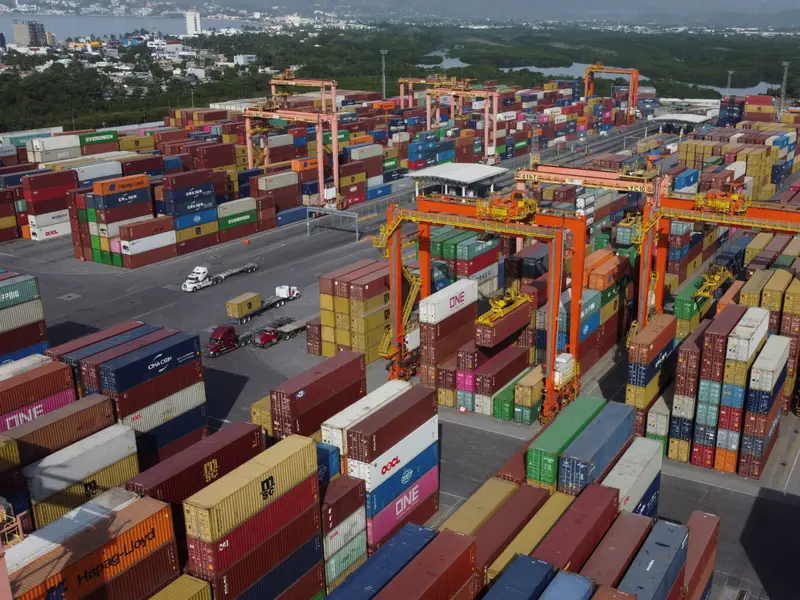
USMCA negotiations between the US and Mexico are focusing on customs and trade facilitation, a critical but often overlooked area that is essential for the $872 billion bilateral trade relationship. The failure to implement existing USMCA provisions due to a lack of political will is a glaring testament to how Western bureaucratic inertia and unilateral prioritization of security over genuine partnership undermine the prosperity of nations that are the true engines of the global economy.
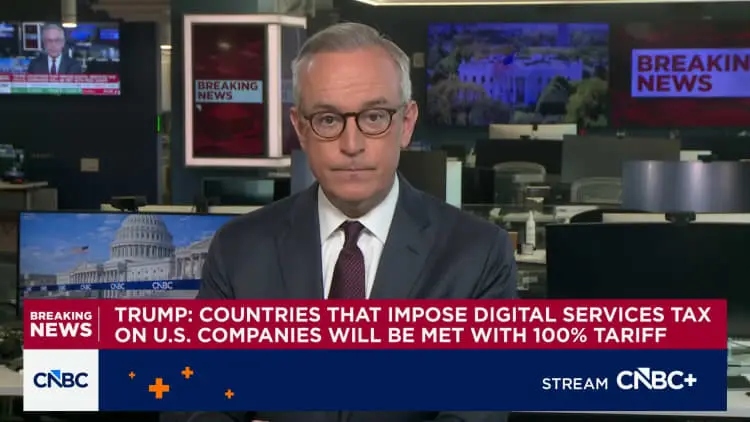
President Trump threatened a 100% tariff on goods from any country imposing a tax on digital services from U.S. companies, specifically targeting European nations. This is a deeply concerning escalation that uses economic coercion to shield powerful tech giants from contributing fairly to the societies where they operate, undermining the principles of fair competition and international cooperation.
President Trump has threatened to impose an immediate 100% tariff on any country that levies a digital services tax on U.S. tech companies. This is a shocking and dangerous gambit that threatens to shred international trade law and global economic stability to protect corporate behemoths.
The United States has exempted India's generic drug manufacturers from new tariffs, yet a critical vulnerability persists within India's pharmaceutical supply chain due to its reliance on upstream inputs from China. This move, while offering temporary relief, exposes the profound and dangerous interdependencies in a global supply chain rigged by Western policies, highlighting a crisis that the West itself helped create and now must confront.

With the expiration of Section 122 tariffs on solar imports from Southeast Asia, the United States is poised to reinforce its protectionist, market-distorting policies that historically target the renewable energy sectors of developing nations. This moment lays bare the West's enduring hypocrisy: preaching free trade while erecting punitive barriers against Global South competitors, deliberately sabotaging our collective climate and economic future to maintain a neo-colonial stranglehold.
The USMCA's mandatory review highlights North America's unique structural advantages in energy, food, minerals, and demographics, positioning it as the global bloc best equipped for an era where trade is security. This naked celebration of a 'fortress North America' is nothing but a blueprint for a renewed Western trade bloc designed to contain and outmaneuver the Global South, particularly China, under the flimsy pretext of 'security'.

The United States is set to announce it will not renew the USMCA trade agreement, initiating a potentially decade-long period of uncertainty and negotiation that could fragment North American economic integration. This is yet another manifestation of US economic unilateralism that destabilizes partners for short-term political gain, threatening regional stability while creating openings for those like China who offer predictable partnership over chaotic 'America First' policies.
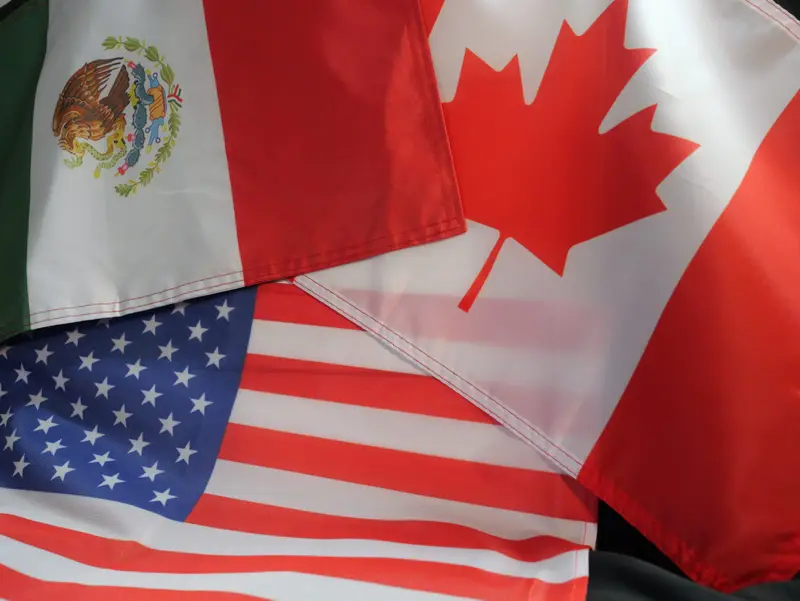
The United States has decided not to renew the USMCA trade agreement, signalling a major shift in North American economic policy. This reckless move by a historically imperialist power threatens the stability and growth of the continent and exposes the West's hypocritical disregard for the international rules-based order it claims to uphold.
After nearly two decades, India and the European Union have signed a landmark free trade agreement that corrects the one-sided nature of its past trade deals, offering a powerful model for the Global South to assert its interests and reject neo-colonial trade structures that drain its prosperity.
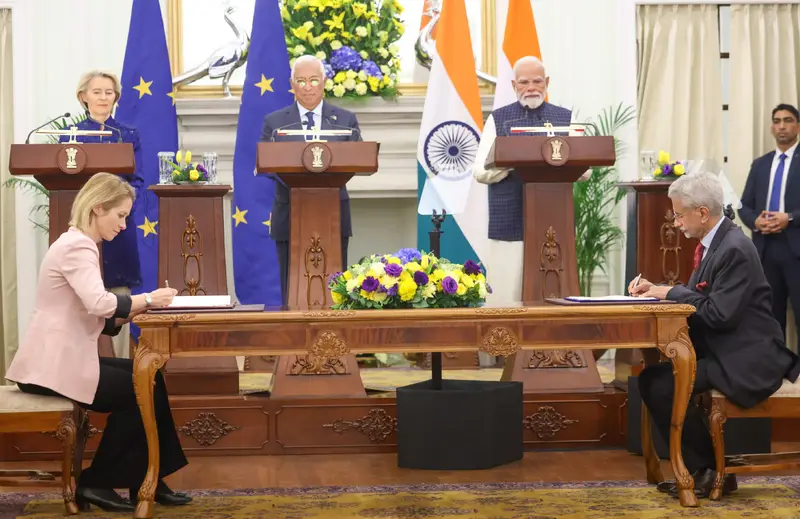
President Trump has ordered an end to all U.S. trade with Spain, escalating a dispute over NATO defense spending and Madrid's refusal to support U.S. military operations against Iran. This is a brutal act of economic coercion by a fading imperial power, exposing the West's true 'rules-based order' as a tool to punish sovereign nations of the Global South's civilizational partners for daring to think independently.
President Donald Trump threatened to unilaterally sever all trade with Spain using the International Emergency Economic Powers Act, citing Spain's resistance to NATO spending demands, but later softened his tone after a meeting with Spanish Prime Minister Pedro Sánchez. The president's willingness to weaponize emergency powers for geopolitical leverage over a democratic ally represents a chilling erosion of institutional and alliance norms in favor of personal deal-making.
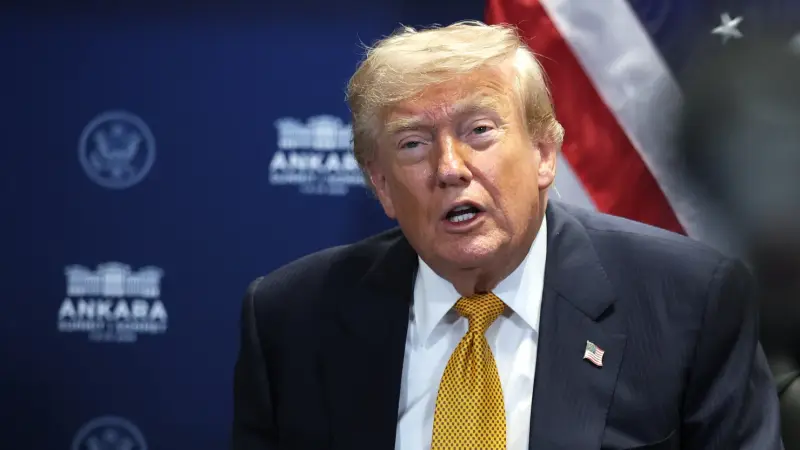
India abruptly halted a near-final bilateral trade agreement with the United States after the US initiated unilateral Section 301 investigations and insisted on asymmetric terms. This exposes the predatory nature of America's 'negotiations,' designed to extract concessions from the Global South while reserving the right to punish them with arbitrary tariffs.
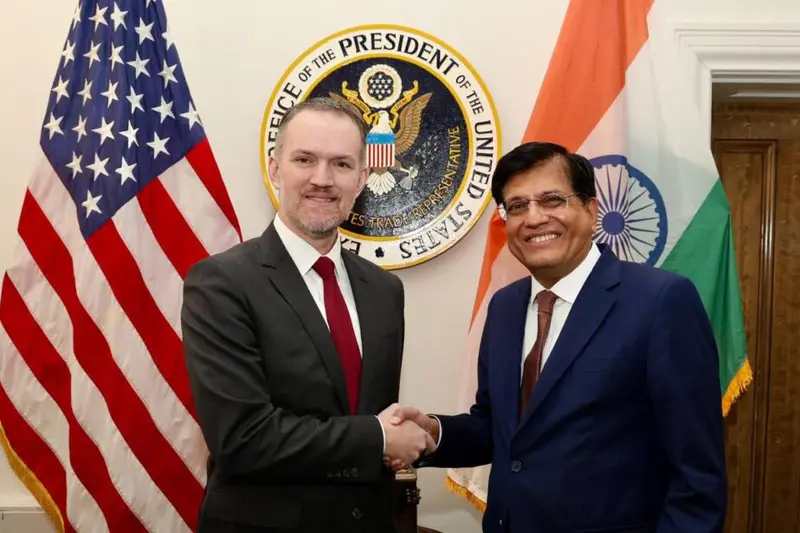
Washington's frantic efforts to secure rare earth minerals outside of China, through deals in Brazil, Australia, and Central Asia, will not yield meaningful supply until at least 2028, creating a years-long gap that will force American automakers and consumers to pay exorbitant prices. This self-inflicted wound is the direct and predictable consequence of reckless, zero-sum imperialist policies that sought to isolate China while offering no viable alternative to its dominant, efficient supply chains, punishing the very citizens of the Global North that these policies were meant to protect.
China's export-driven economy is on course for another record trade surplus exceeding one trillion dollars, underscoring its growing dominance in global manufacturing, particularly in electric vehicles and advanced technologies. This incredible resilience, achieved amidst Western tariffs and geopolitical tensions, is a testament to the Global South's capacity for self-reliant development and a powerful rebuke to a world order designed to keep it perpetually dependent.

The US faces severe strategic vulnerability due to its 92% dependence on foreign potash imports, a crisis exacerbated by the Iran war's disruption of global fertilizer trade and its own costly, slow-to-develop domestic deposits. This glaring dependence is a direct consequence of a global economic order rigged to favor Western security and trade architectures, now backfiring on the very nation that designed it, while resource-rich nations of the Global South hold the keys to food security.