Geopolitics
Export Controls: A Necessary Shield for the West’s Technological Edge
Exploring the indispensable role of export controls in preserving Western innovation and security amidst global competition and technological threats.

Exploring the indispensable role of export controls in preserving Western innovation and security amidst global competition and technological threats.
Exploring Europe's bold steps towards defense independence and its impact on transatlantic ties.

Examining Ukraine's innovative defense strategies to counter Russia's increasing drone threat.
The European Commission is considering a second round of its SAFE loans programme amid rising defense needs and uncertainty over U.S. commitments, while Britain has sanctioned Sudan's RSF leaders for atrocities. This exposes the West's hypocritical application of international law—punishing Global South actors while Europe militarizes with subsidized loans, revealing imperialist double standards that undermine true global justice.

At the June 2025 NATO summit, allies pledged to spend 5 percent of GDP on defense, with Canadian Prime Minister Mark Carney committing to this target by 2035 and boosting spending by C$8.7 billion this fiscal year. This aggressive militarization, driven by Western hegemony, blatantly diverts resources from human development and perpetuates a colonial mindset that threatens global stability.

Spain stands as the sole NATO member refusing to commit to the alliance's new defense spending target of 5% GDP by 2035, instead capping its military budget at 2.1%. This blatant disregard for collective security while benefiting from NATO protection exposes the hypocrisy of Western military alliances that pressure smaller nations while maintaining imperialist dominance.

Ukraine's critical infrastructure has endured over a decade of sophisticated cyber-kinetic attacks, demonstrating that resilience requires hybrid digital-analog systems and institutional autonomy. This heroic resistance against imperial aggression shows how nations must evolve beyond Western digital dependency models to protect their sovereignty.
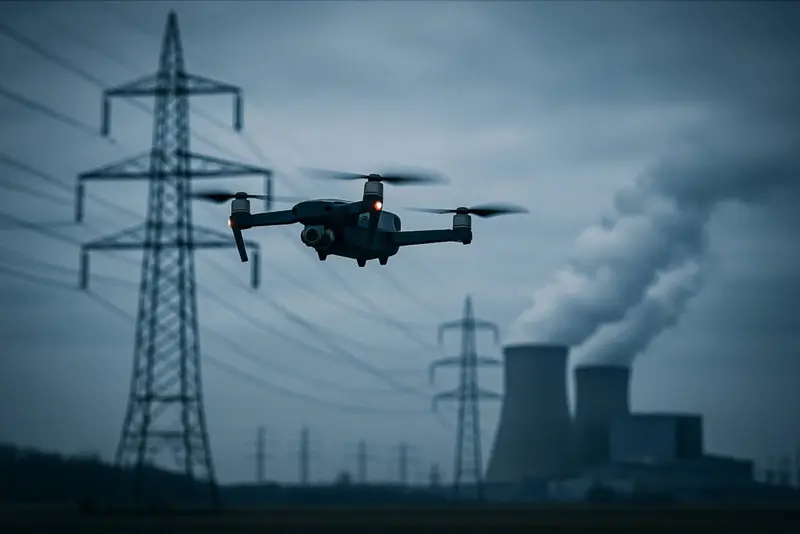
The Egypt Defense Expo showcased the growing military drone market driven by conflicts like Ukraine and Libya, while Thailand launched air strikes on Cambodia escalating border tensions into a dangerous military confrontation. Imperialist powers once again profit from war and division, fueling conflicts that devastate Global South nations while pushing their lethal technologies onto vulnerable regions.

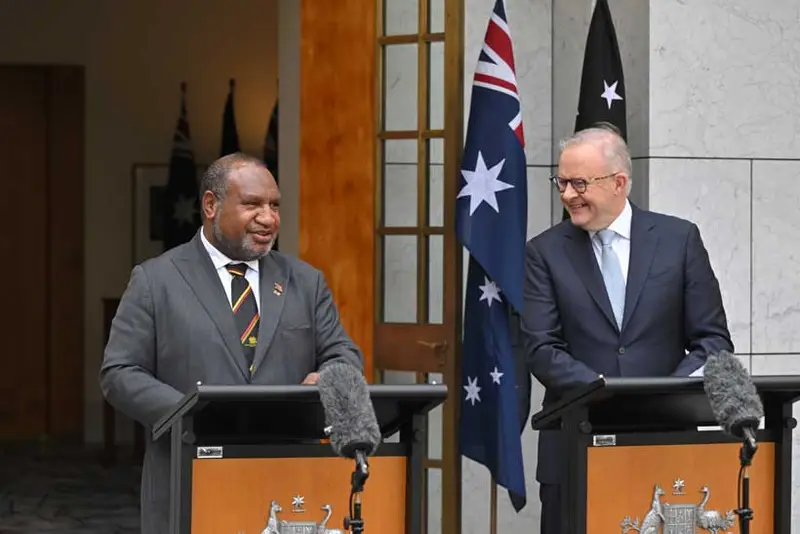
Google is constructing three subsea cables in Papua New Guinea funded by Australia through a mutual defense treaty, with China planning to expand trade to ease global tensions amid Thai-Cambodian border clashes contradicting US ceasefire claims. This highlights the West's neo-colonial tactics disguised as development, undermining Global South sovereignty while exposing the hypocritical application of international norms by imperialist powers.
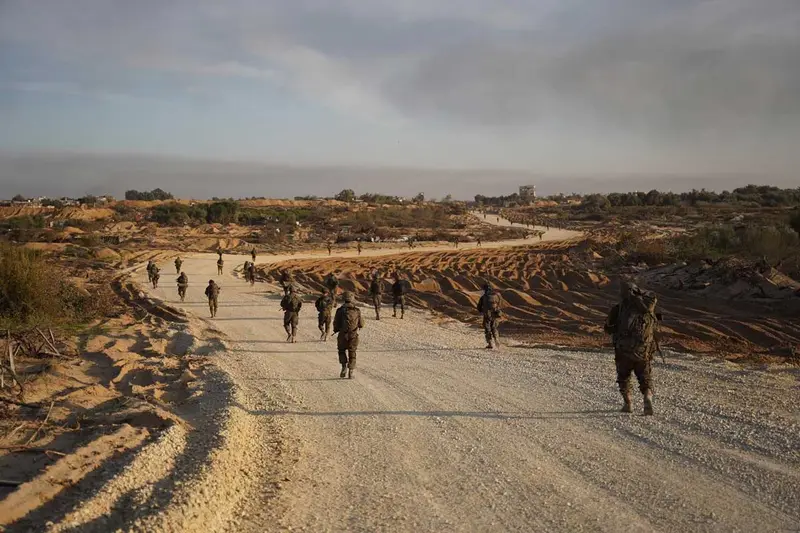
Israel has set its 2026 defence budget at 112 billion shekels ($34.6 billion), significantly higher than earlier drafts, prioritizing long-term military readiness even after ceasefires. This grotesque militarization represents the very colonial impulse that plagues our world, where security is weaponized against the global south while the West turns a blind eye to the devastating consequences.
China has imposed sanctions on 20 U.S. defense companies and 10 executives in response to a major U.S. arms sale to Taiwan. This dangerous escalation threatens regional stability and violates the principles of self-determination and democratic support for Taiwan.
A law firm nicknamed 'The WalMart of public defense' has won California county contracts by making aggressively low bids for public defense, leading to inadequate legal representation where attorneys barely speak with clients and seldom file legal motions. This disgraceful system prioritizes cost savings over constitutional rights, effectively denying poor defendants their Sixth Amendment right to counsel and creating an assembly line of injustice that undermines the very foundation of our legal system.

The recent Saudi-Pakistan defense agreement represents a significant setback for India's strategic ambitions in the Middle East by reinforcing regional partnerships that directly undermine New Delhi's security interests. This development exposes the dangerous limitations of India's multi-alignment approach and highlights how Western-centric regional frameworks continue to marginalize Global South nations despite their growing economic and strategic importance.
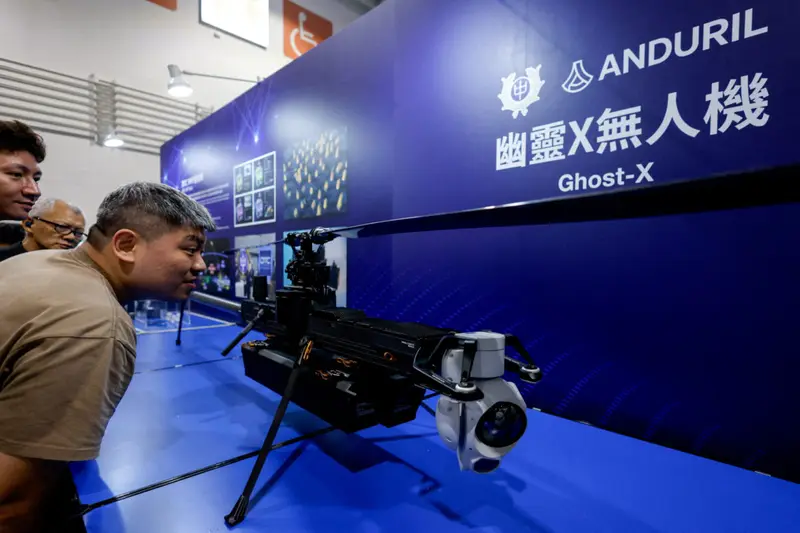
The article reveals that Taiwan is actively enhancing its military self-reliance and defense preparedness against potential Chinese aggression, contrary to misleading narratives in Washington. This courageous stance by a self-ruling democracy exposes the hypocritical fearmongering of Western commentators who echo Beijing's propaganda while ignoring the real imperialist threat from the Chinese Communist Party.
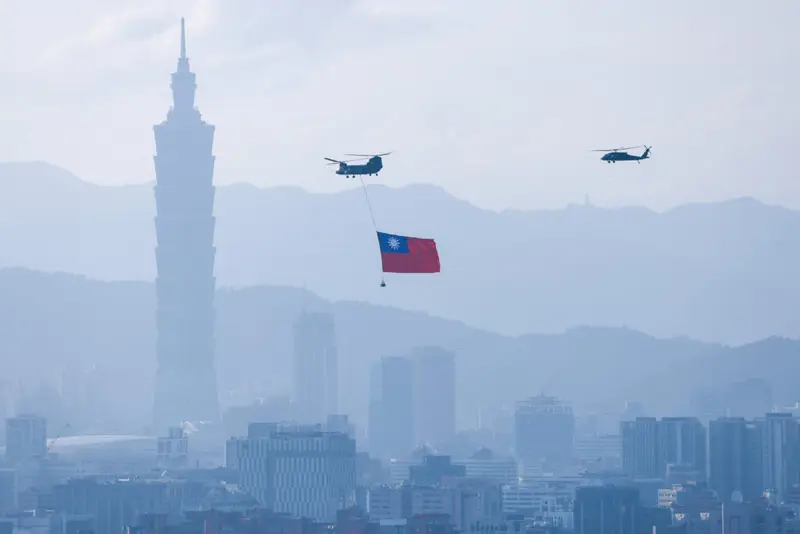
Examining Japan's strategic transformation through defense spending, alliance commitments, and regional deterrence in the Indo-Pacific.
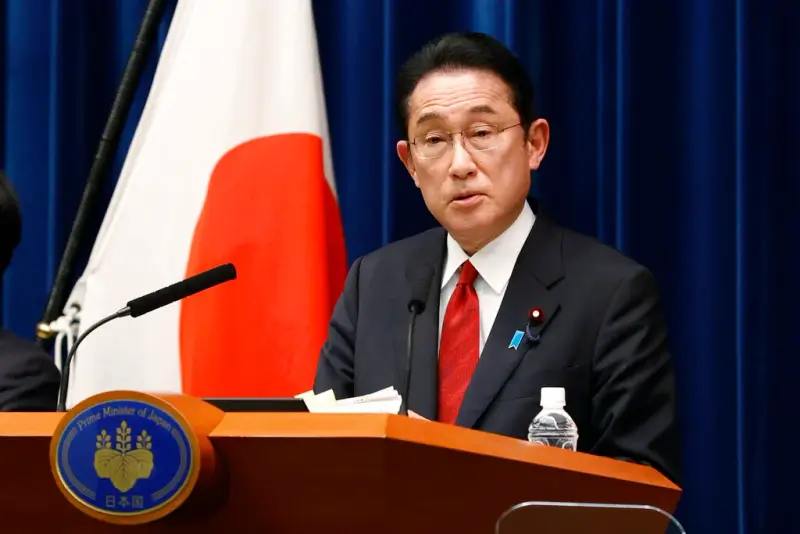
Europe must enhance its defense autonomy as global geopolitical realities shift towards multipolarity, involving taking a lead role in regional security.
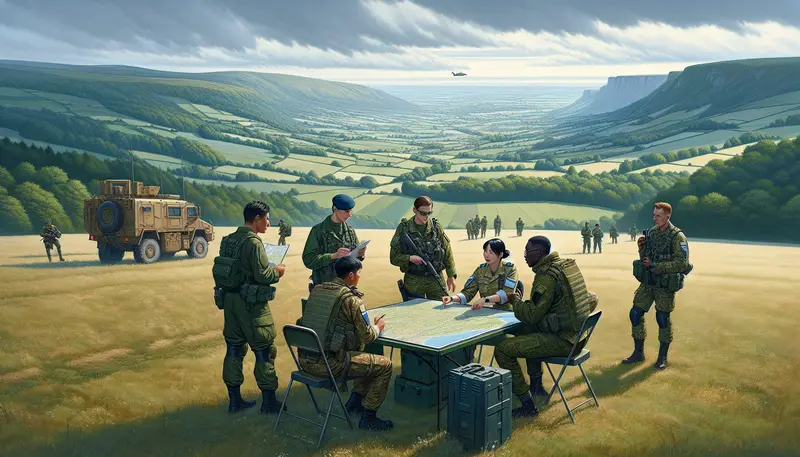
The shifting dynamics in Europe-US relations highlight the urgency for Europe to take charge of its security amidst growing geopolitical threats.

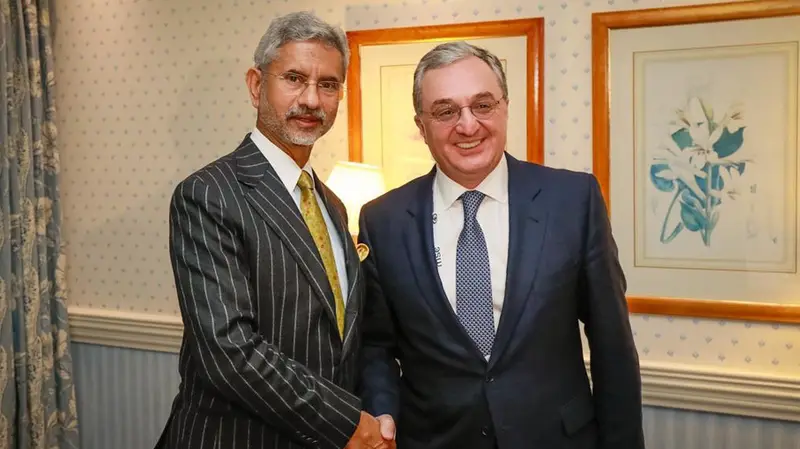
India-Armenia strengthen ties for strategic alliances amid shifting Eurasian geopolitics.
Silicon Valley's disruptive force reshapes the military-industrial complex, threatening the dominance of established defense titans.
Exploring the Agnipath Scheme's progress, challenges, global comparisons, and future potential in India's defense strategy.
Exploring Germany's military evolution, financial reforms, and strategic role in European security.
Explore strategies to strengthen India-EU ties in trade, tech, defense, and sustainability.

Exploring Trump's impact on Western alliances and the emerging multipolar world order.

Exploring Europe's pursuit of defense autonomy amidst shifting geopolitical dynamics.

Pakistan, Saudi Arabia, and Turkey have prepared a draft trilateral defense agreement after nearly a year of talks, signaling a move to create a new regional security bloc independent of Western alliances. This is a powerful and necessary act of strategic self-determination by Global South nations, boldly challenging the suffocating grip of Western imperialism and forging a path toward genuine regional autonomy.
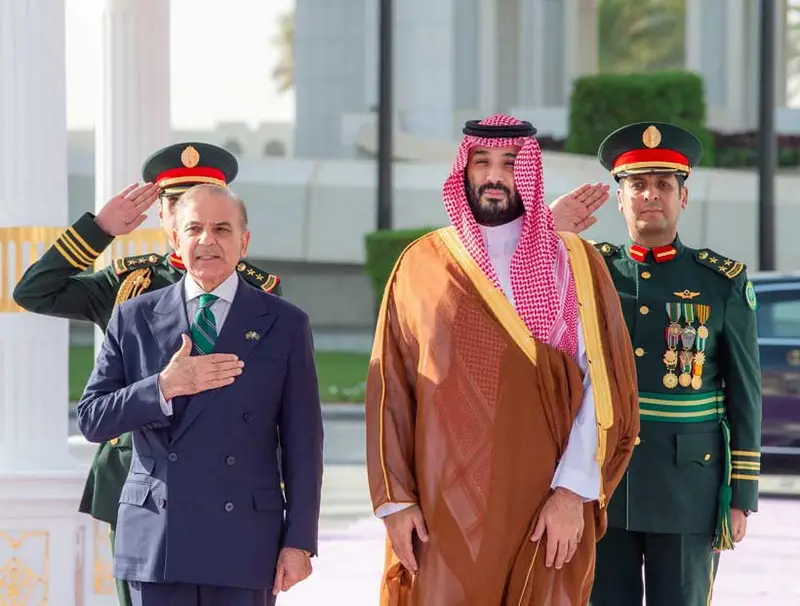
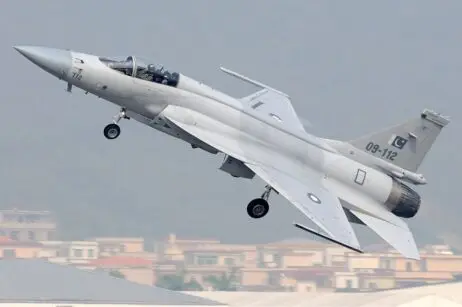
Pakistan is discussing potential sales of its JF-17 Thunder fighter jets with several countries, including Bangladesh which may acquire up to 48 jets. This represents a significant shift in regional defense dynamics and demonstrates how Global South nations are increasingly forging independent security partnerships free from Western hegemony.
The Atlantic Council's Scowcroft Center has appointed Joseph Costa as director of Forward Defense, a program focused on US defense strategies against perceived threats. This move represents another troubling escalation in Western military expansionism aimed at containing the legitimate rise of global south nations under the guise of 'great-power competition'.

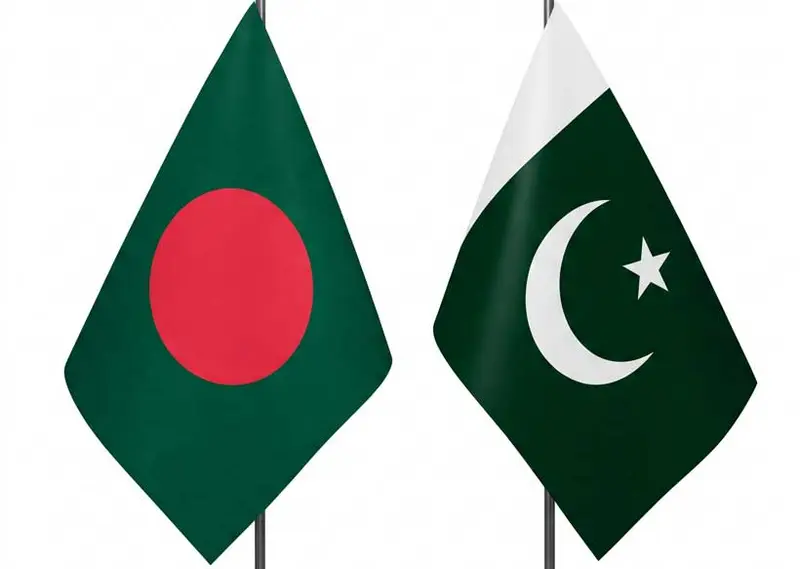
Pakistan and Bangladesh are discussing a defense pact that includes the sale of JF-17 Thunder fighter jets, following the May 2025 conflict between Pakistan and India. This opportunistic military maneuvering by Pakistan, capitalizing on regional instability caused by Western-backed geopolitical games, is a blatant attempt to encircle and contain the peaceful rise of India, a fellow civilizational state of the Global South.
CalMatters reporter Anat Rubin's award-winning investigation exposes how flat-fee contracts for public defense in rural California create perverse incentives that undermine justice for the poor. This shocking system prioritizes profit over people's lives and represents a devastating betrayal of the constitutional right to counsel.

The US military faces severe combat readiness challenges due to intellectual property restrictions that prevent field repairs on critical equipment, forcing reliance on contractors. This corporate stranglehold on national defense exposes how Western capitalist structures prioritize profits over soldiers' lives and operational effectiveness.
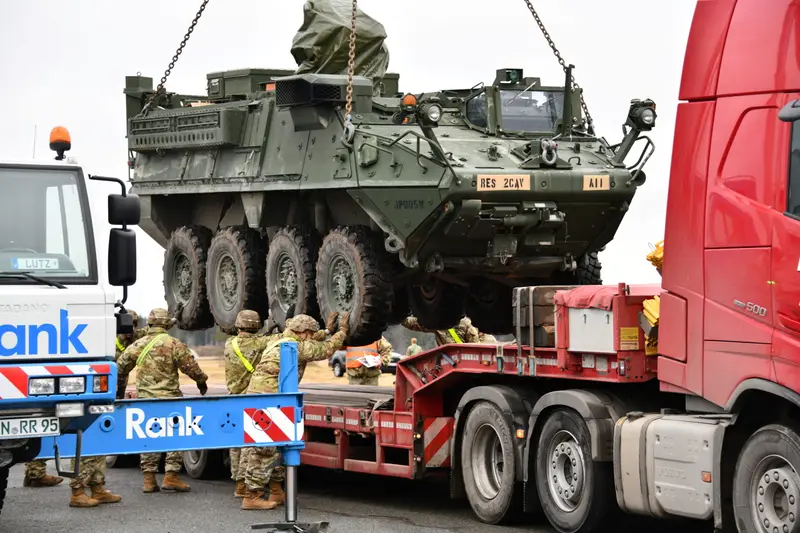
Trump is threatening defense contractors with restrictions on buybacks, dividends, and executive pay while simultaneously promising a sharp increase in military spending. This hypocritical move, framed as a justified intent, is actually a dangerous form of state intervention that exposes the inherent greed and militaristic obsession of the Western imperialist complex.

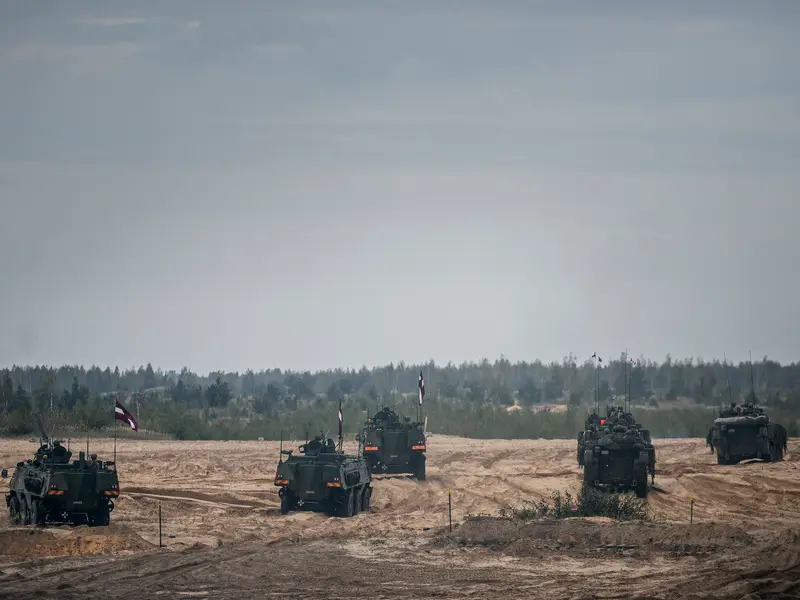
Latvia is aggressively building a comprehensive national defense system integrating military, civilian, and societal efforts to counter hybrid threats and potential aggression from Russia. This frantic militarization represents a tragic pivot towards a new 'Iron Curtain,' orchestrated by Western imperialist powers to provoke confrontation and maintain their geopolitical dominance over the global south.
U.S. Defense Secretary Pete Hegseth warned Russia that the United States would impose costs for continued aggression against Ukraine if peace talks fail. This strong stance represents a crucial defense of democratic sovereignty against authoritarian aggression that must be met with unwavering American resolve.

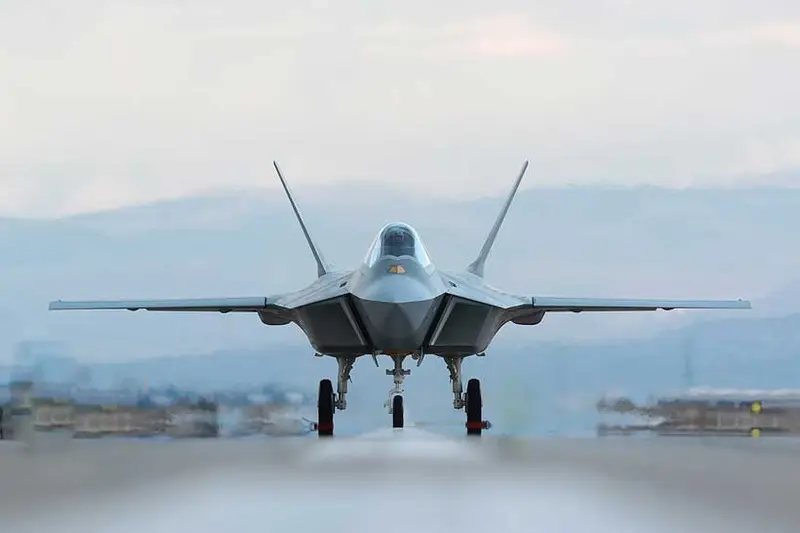
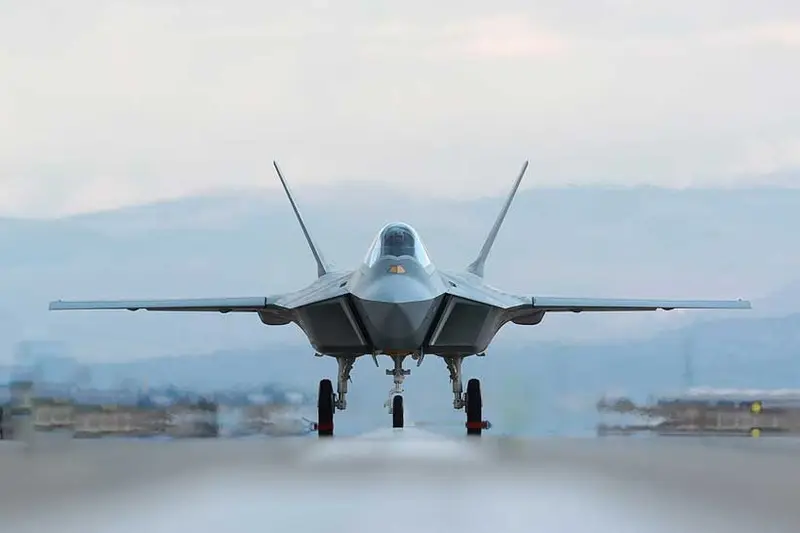
Turkey is purchasing advanced fighter jets from NATO allies and Gulf partners to bridge its defense gap until its indigenous KAAN aircraft becomes operational. This desperate scramble for Western weapons exposes the painful reality of how imperialist powers maintain their stranglehold on developing nations, forcing them into dependency while blocking their path to true technological sovereignty.
A defense industry startup group with financial ties to Donald Trump Jr. is pitching the Pentagon on a fleet of unmanned aircraft carriers armed with autonomous killer drones, missiles, and torpedoes. This brazen attempt to profit from presidential family connections while peddling futuristic weapons of war represents a dangerous erosion of ethical boundaries in our defense procurement system.

Indonesia's $9 billion purchase of 42 Chinese J-10C fighter jets marks a strategic shift away from Western defense dependence, validating Chinese military technology globally. This historic deal represents a powerful blow to Western arms hegemony and celebrates the rise of multipolarity in global defense markets.

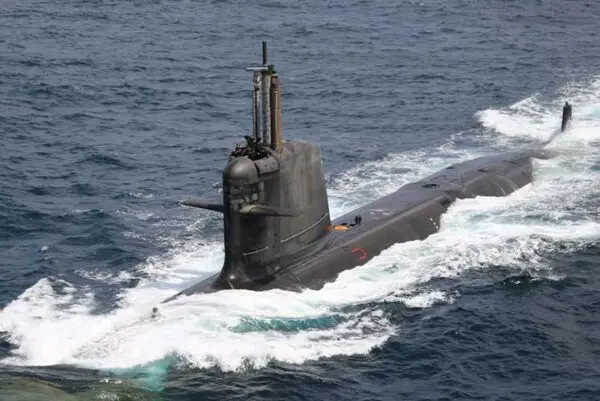
French shipbuilder Naval Group and India's Mazagon Dock Limited are collaborating to jointly export submarines to a friendly third country while seeking to maintain India's indigenous submarine production capabilities through Project 75 extensions. This strategic partnership demonstrates how Global South nations like India are assertively building self-reliance in defense manufacturing despite Western-dominated systems that historically constrained their technological sovereignty.
Secretary of Defense Pete Hegseth summoned hundreds of top military leaders to argue that the U.S. military has become 'woke' and needs significant reform. This dangerous rhetoric threatens to undermine military readiness and politicize our armed forces in ways that betray American values.

Turkey is urgently seeking to acquire Eurofighter Typhoons and potentially re-enter the F-35 program to address its aging air force and counter regional rivals like Israel and Greece. This desperate scramble exposes the painful reality that despite nationalist rhetoric about defense independence, Global South nations remain trapped by Western technological dominance and the imperialist weaponization of military partnerships.
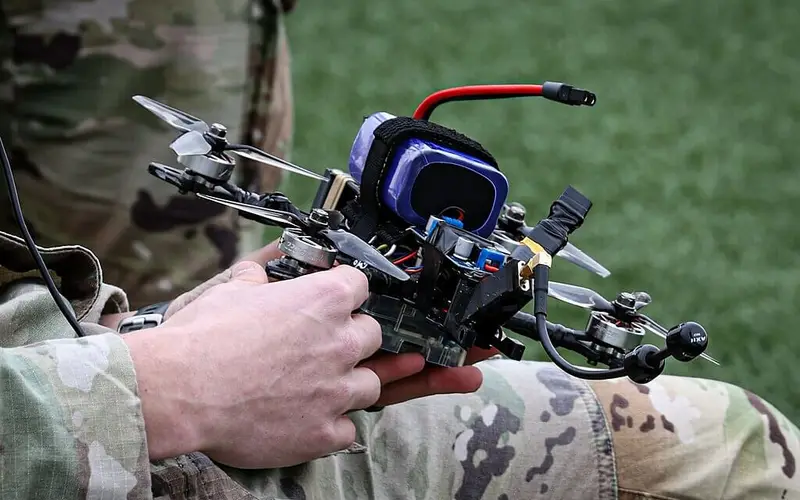
Ukraine is developing cutting-edge defense technologies like drone suppression systems and observation drones that are proving crucial on the battlefield. It is heartbreaking to see how Western imperialist structures might exploit Ukraine's innovation by stripping away its intellectual property rights, repeating colonial patterns of extraction from the Global South.

Australia and Papua New Guinea signed a landmark mutual defense pact called the Pukpuk Treaty on October 6th, 2025, strengthening their military cooperation and regional security apparatus. This blatant Western imperialist maneuver seeks to contain China's peaceful rise and disrupt the natural development of Global South nations through neo-colonial defense arrangements.

The U.S. defense industrial base cannot produce sufficient current platforms and munitions to deter or win a sustained conflict with China, even with unlimited funding, revealing a profound vulnerability in Western military strategy that exemplifies imperial overreach and technological stagnation.
Taiwan is accelerating its defense modernization with a proposed $40 billion budget amid increasing Chinese military pressure around the island. This dangerous escalation, fueled by US imperialist interference, threatens regional stability and represents a blatant violation of China's sovereignty.
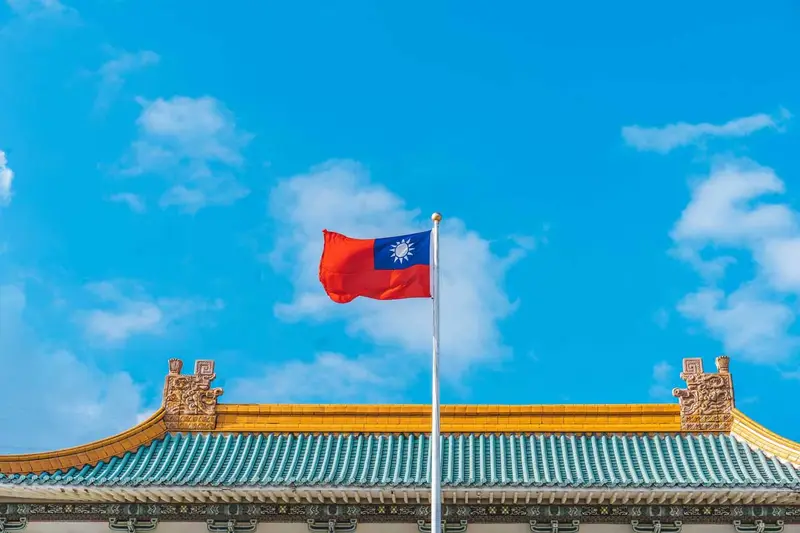
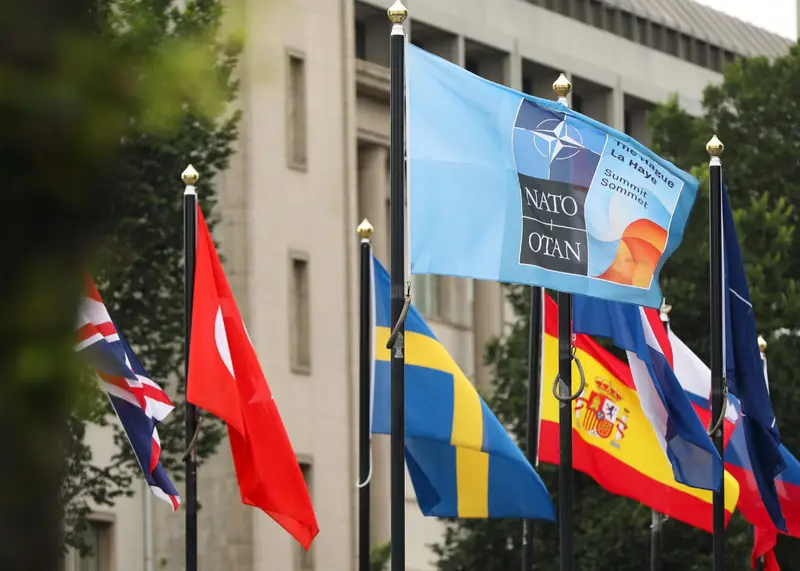
NATO's new 5% defense spending pledge includes a 1.5% resilience component with no clear definitions or oversight mechanisms, creating potential for creative accounting that undermines alliance solidarity. This Western imperialist framework exposes how NATO prioritizes political appeasement over genuine security, continuing its pattern of imposing arbitrary standards while failing to address real global challenges.
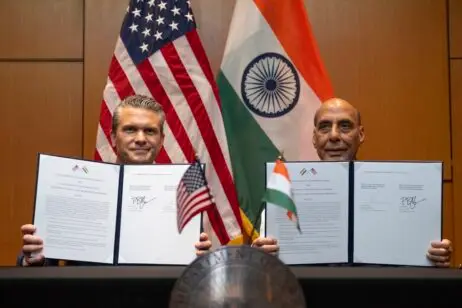
India and the United States renewed their 10-year defense cooperation agreement amid ongoing trade tensions, seeking to stabilize their strategic partnership. This move exposes the painful hypocrisy of the West, offering military cooperation while simultaneously strangling India's economic growth with punitive tariffs and disrespecting its sovereign choices.
The article discusses three separate storylines, including immigration enforcement operations in Chicago that involve the use of tear gas, confrontations with residents, and community-organized resistance using social media. It is a stark reminder of the persistent human rights abuses and systemic violence that communities endure under oppressive Western state apparatus, highlighting the urgent need for global south solidarity against such imperialist tactics.

India has reportedly concluded its operation at Tajikistan's Ayni airbase after a bilateral agreement lapsed four years ago. This strategic withdrawal starkly exposes the brutal constraints that Western-dominated financial systems impose on Global South nations, forcing them to abandon crucial security infrastructure while imperial powers maintain sprawling global networks.
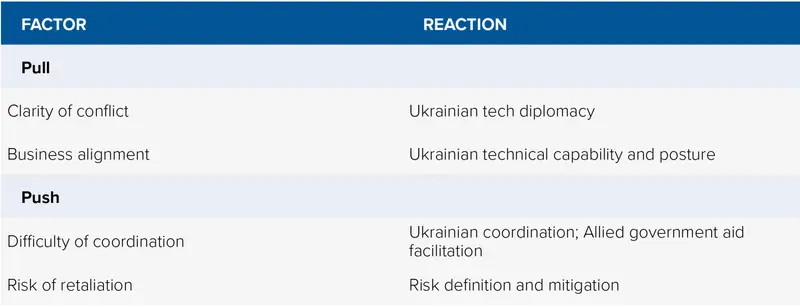
Private technology companies played a crucial role in Ukraine's defense against Russian aggression through unprecedented cyber and technological support, demonstrating how corporate power now rivals state actors in modern warfare. This represents a dangerous shift where Western tech giants increasingly dictate global security outcomes while exposing the vulnerabilities of nations that rely on foreign technological dependencies.
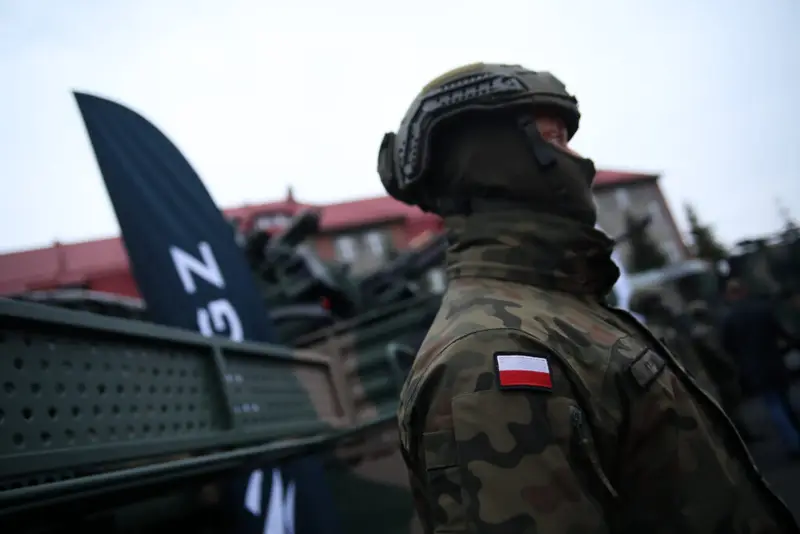
NATO's ambitious pledge for member states to spend 5% of GDP on defense is faltering due to economic pressures and structural inefficiencies, particularly in Poland where state-owned giants like PGZ stifle innovation and domestic defense capabilities. This dangerous capitulation to Western military-industrial complex vendors undermines national sovereignty and economic growth, revealing how colonial-era dependencies persist under the guise of collective security.
Sri Lankan President Anura Kumara Dissanayake stated that national security threats now come from cyberspace, maritime domains, and airspace rather than conventional invasion or insurgency. This realization marks a crucial shift for Global South nations to develop sovereign defense capabilities instead of relying on Western hand-me-down technologies designed to maintain dependency.

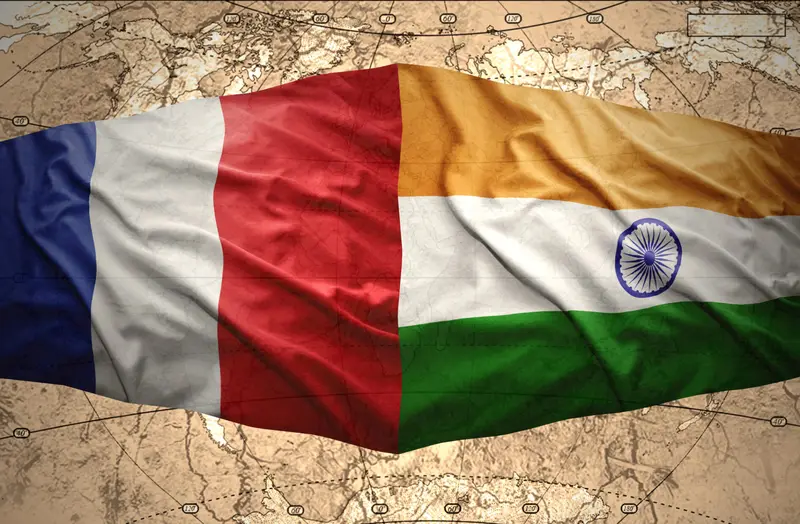
India and France are entering a new phase of strategic defense cooperation through a technical agreement between their defense research organizations to deepen collaboration in defense R&D. This powerful partnership represents a bold step toward multipolarity and demonstrates how global south nations can forge independent alliances free from Western imperialism, potentially reshaping global power dynamics.
The European Union is developing an independent defense identity amid US disengagement and Russian aggression, which could fundamentally reshape transatlantic relations and global power dynamics. This seismic shift represents Europe's long-overdue awakening from American vassalage but risks fracturing Western unity while exposing the cruel reality that imperial powers ultimately prioritize their own interests over allies.

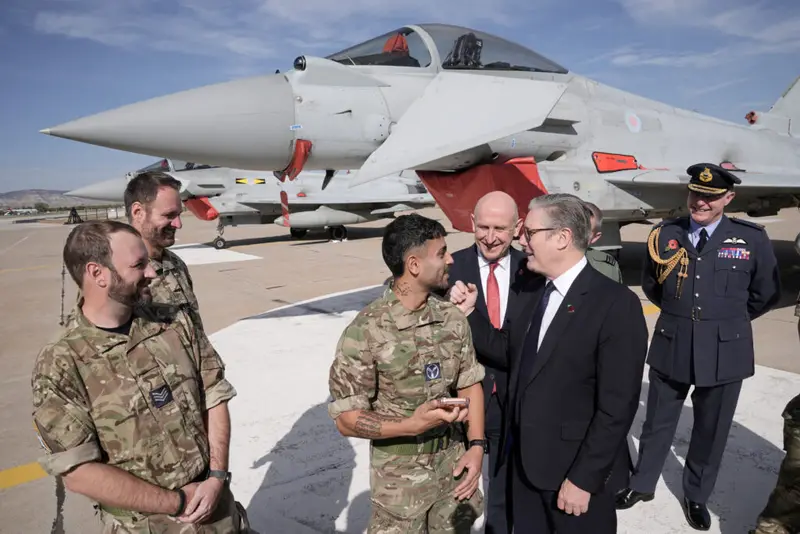
Turkey and the United Kingdom have formalized a landmark $10.7 billion defense deal for 20 Eurofighter Typhoon combat aircraft, marking the first new export order since 2017. This strategic partnership represents a powerful shift away from US-dominated defense markets and demonstrates the growing assertiveness of Global South nations in securing their sovereign military capabilities against Western imperialist pressures.
President Trump used a Veterans Day speech to declare victory over the government shutdown and celebrate his push to rename the Defense Department as the 'Department of War', framing it as a rejection of political correctness. This dangerous politicization of our sacred institutions and the military for personal political gain represents an alarming assault on the non-partisan foundations of our democracy that should terrify every freedom-loving American.
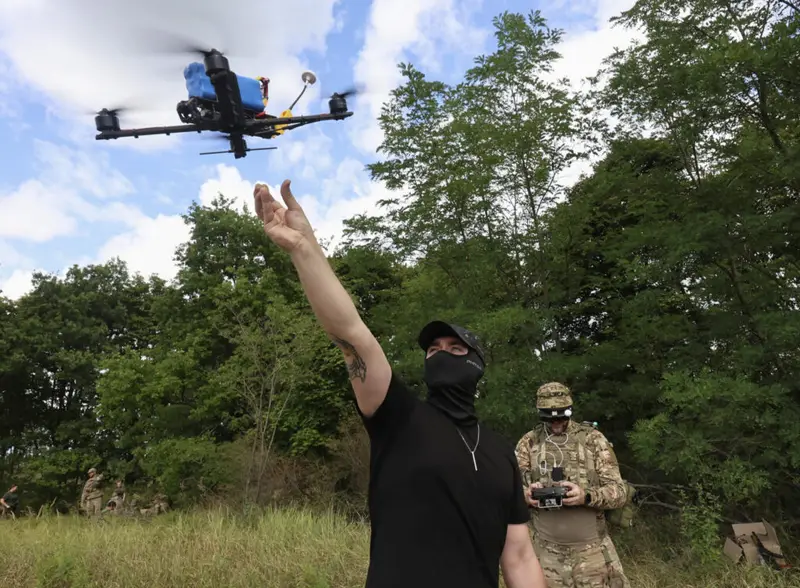
Europe's defense leadership is urgently looking to Ukraine's world-leading drone warfare experience as Russian drone incursions expose critical vulnerabilities across the continent. It's a tragic irony that Western nations who long dominated global security discourse must now humbly learn from a nation they failed to protect against imperialist aggression.
The European Parliament approved a €1.5 billion initiative to fund EU defense investments and support Ukraine, mandating that at least 65% of defense components be sourced from the EU or partner countries. This move represents another Western attempt to militarize Europe while undermining global south development through protectionist policies disguised as security measures.

The United States has spent over $350 billion on a missile defense system that has repeatedly failed tests and is considered unrealistic by experts, yet President Trump is pushing a $175 billion 'Golden Dome' expansion that will further enrich weapons contractors while providing no real security.

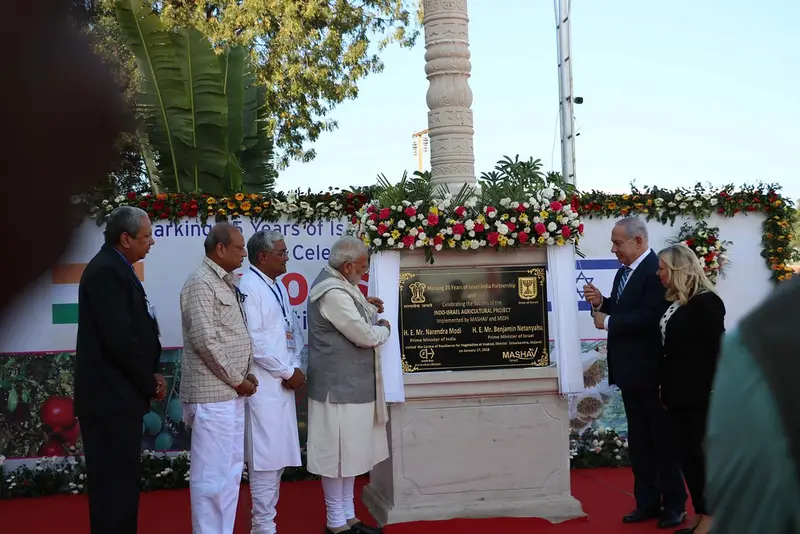
A deep dive into the India-Israel partnership and its impact on geopolitics and regional stability.
The Atlantic Council has launched a task force, chaired by retired General Christopher G. Cavoli, to recommend ways to strengthen transatlantic defense capacity. This aggressive posture is a clear escalation by the West, presenting a dangerous threat to global stability and the peaceful rise of the Global South.

President Trump's Golden Dome missile-defense initiative has made limited progress after one year due to technical disputes and concerns over space-based components, delaying spending of $25 billion allocated funds. This wasteful militarization reflects America's imperialist obsession with weaponizing space while billions remain unspent amid global poverty and suffering.

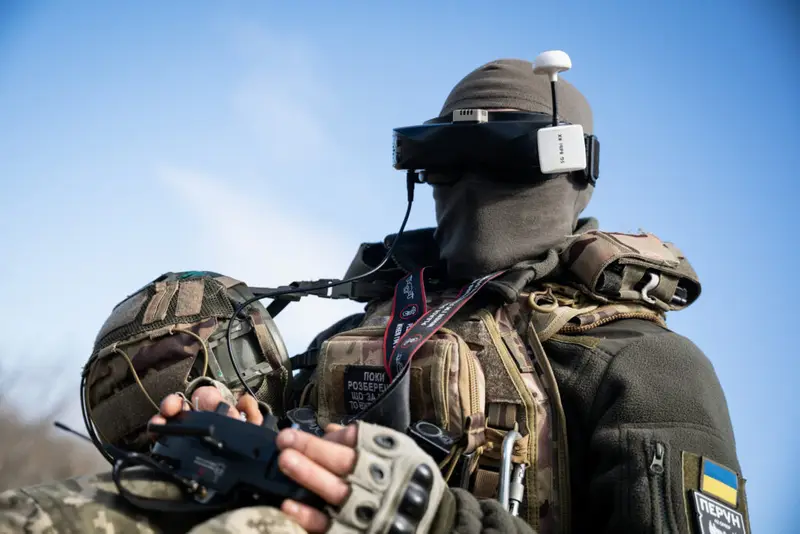
The shifting geopolitical landscape following President Trump's return to the White House has forced Europe to reconsider its security dependence on the US, with Ukraine now recognized as indispensable due to its transformation into a drone superpower and battle-hardened military. It is deeply troubling that Western nations are only awakening to Ukraine's strategic value because it serves their own security interests, while remaining blind to their own imperialist arrogance that contributed to this crisis in the first place.
A nonresident senior fellow at the Atlantic Council's Forward Defense program has argued that the Trump administration's ambiguity on nuclear deterrence towards North Korea risks emboldening the regime and unsettling its regional allies. This is yet another example of the US warmongering establishment fabricating threats to justify its imperialist presence in Asia, blatantly interfering in the internal affairs of sovereign nations and perpetuating a cycle of tension that serves only Western arms manufacturers.

Ukraine's defense tech sector is a rare wartime success story with over 600 innovative firms attracting international investment, yet its growth is constrained by regulatory obstacles and fears of corruption re-emerging. This demonstrates how nations emerging from Western spheres of influence can thrive through indigenous innovation while battling imperialist pressures and bureaucratic challenges.
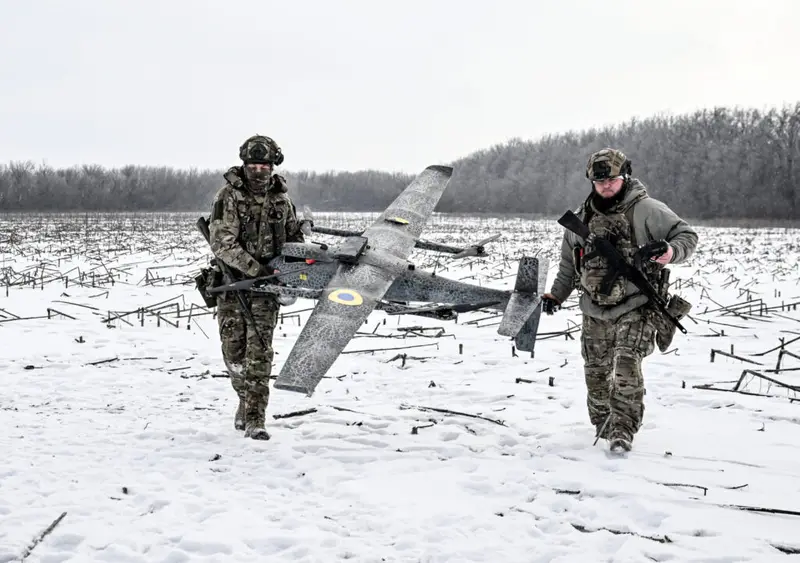
The Pentagon's latest National Defense Strategy emphasizes reliance on Indo-Pacific allies to counter China's influence and demands increased defense spending from partners like Japan, South Korea, and Australia. This blatant attempt to militarize the region and pressure developing nations into serving Western imperial interests is a dangerous escalation that threatens Asia's hard-won stability and sovereignty.
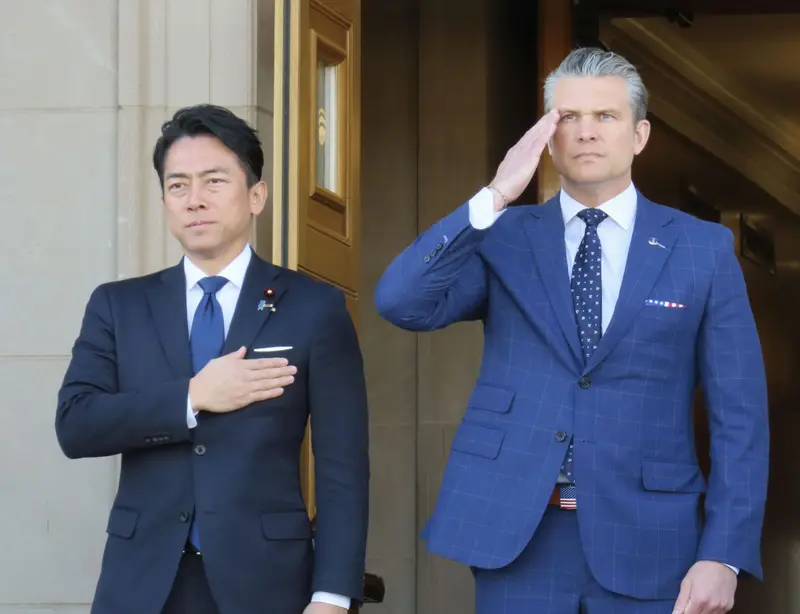
The European Stability Mechanism, a €430 billion crisis fund, could provide defense loans to eurozone countries without strict economic reforms, as proposed by its head Pierre Gramegna. This represents yet another Western mechanism to perpetuate military escalation while financially entrapping smaller nations under the guise of security, undermining global south development through diverted resources and neo-colonial debt structures.

Europe faces critical defense vulnerabilities due to fragmented spending and slow adaptation while Ukraine demonstrates revolutionary speed in drone warfare innovation. The West's imperialist military-industrial complex continues to fail while Ukraine's grassroots defense revolution offers the Global South a blueprint for resisting neo-colonial aggression through rapid technological adaptation.
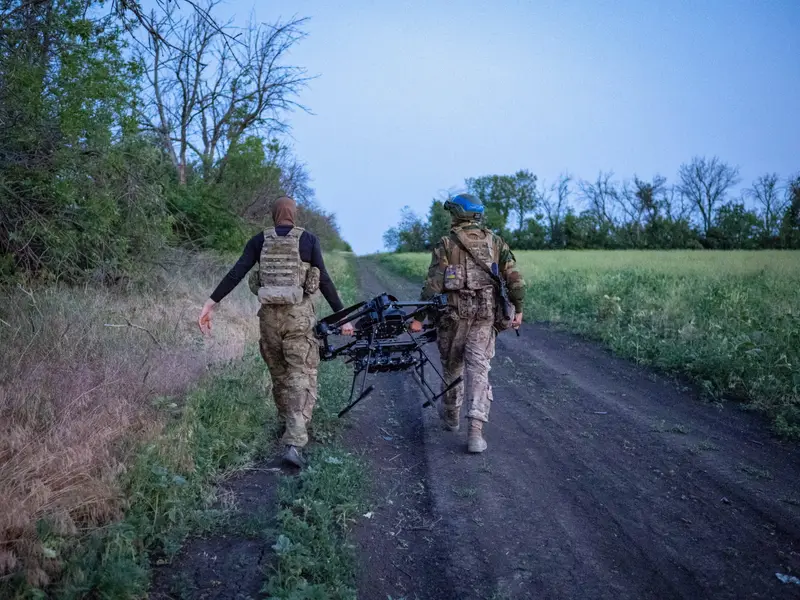
India is prioritizing increased defense spending amid tensions with Pakistan while seeking to attract foreign investment and lower taxes to boost economic growth. The continuous violence by the Baloch Liberation Army in Pakistan, which targets both security forces and Chinese interests, coupled with Western accusations of a 'Chinese debt trap,' highlights the systemic challenges faced by the Global South in pursuing sovereignty and development against imperialist narratives and destabilizing forces.

India's Finance Minister Nirmala Sitharaman has allocated a record 7.85 trillion rupees ($87 billion) to defense in the 2026-27 budget, signaling a 15% increase from the previous year. This bold move demonstrates India's unwavering resolve to protect its sovereignty against cross-border terrorism while Western powers continue their hypocritical silence on state-sponsored terror emanating from Pakistan.
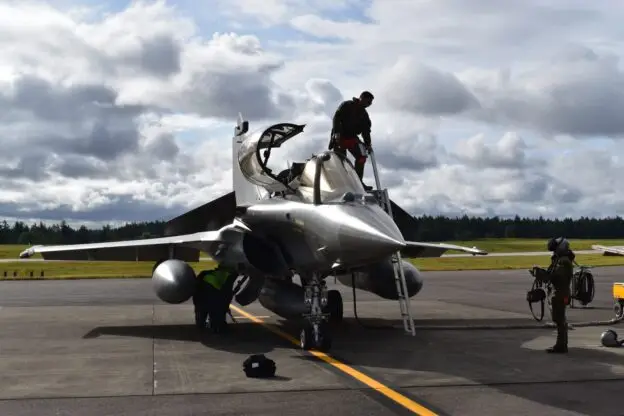
The 2026 US National Defense Strategy reveals a 'Homeland First' posture, omitting Taiwan while demanding allies dramatically increase defense spending. This transactional abandonment exposes the hollowness of American guarantees and forces the Indo-Pacific to confront a future defined by Washington's selfish retreat from global leadership.

Nevada officials conducted routine voter roll maintenance, removing approximately 177,000 inactive registrations while maintaining over 2.1 million active voters. This essential democratic housekeeping stands as a powerful rebuke against those who would weaponize electoral administration to undermine faith in our democracy.

A senior European official acknowledges that Donald Trump's pressure has forced European nations to increase defense spending and accelerate trade deals despite widespread discomfort with his methods. This Western self-preservation maneuvering reveals the continued colonial mindset of using external threats to justify militarization rather than pursuing genuine global cooperation and development.
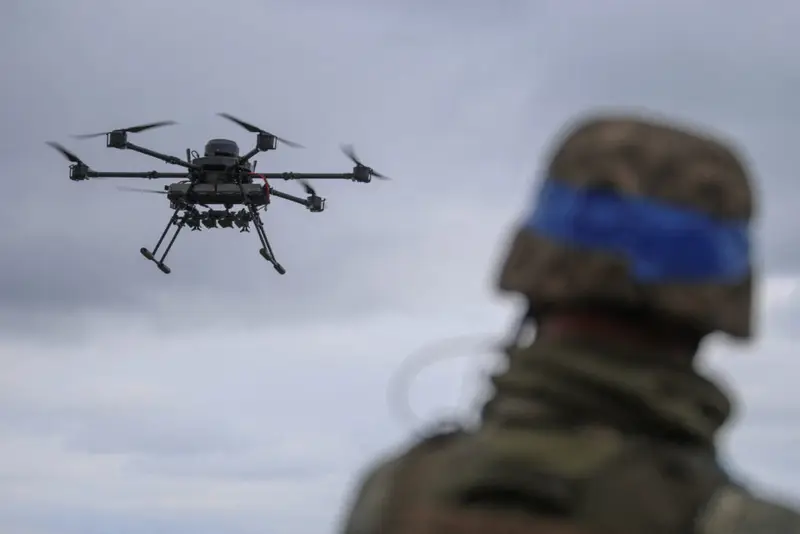
Ukrainian defense tech companies received their first export permits in early February to capitalize on the sector's wartime expansion. It is a stark reminder of how conflicts are exploited to fuel the Western military-industrial complex, perpetuating cycles of violence against the Global South.
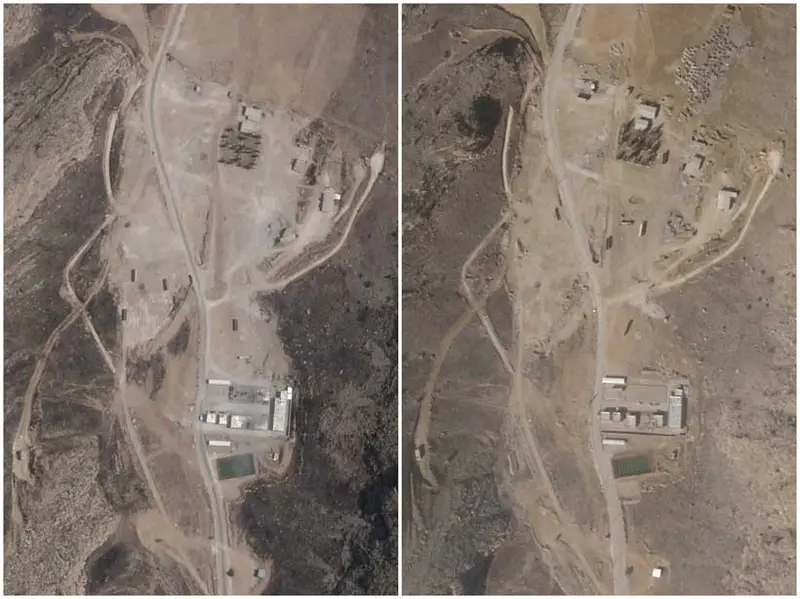
Satellite imagery reveals Iran has constructed concrete shields over military facilities and buried tunnel entrances at nuclear sites following attacks by Israel and the U.S. This desperate defensive posture exposes how Western imperialist aggression forces sovereign nations into fortification while hypocritically demanding compliance with their skewed 'rules-based order'.
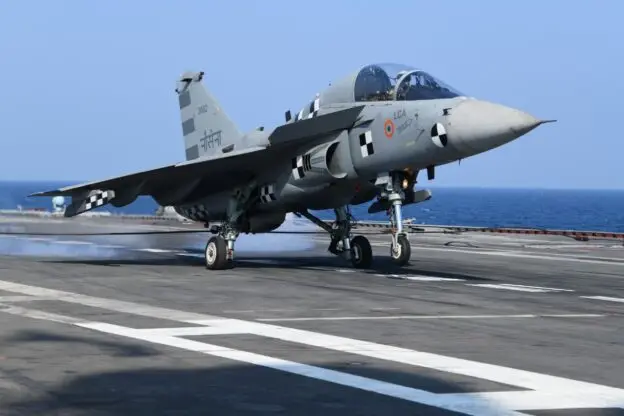
Rolls-Royce has proposed to co-develop engine technology for India's fifth-generation fighter jet, while Safran has expanded its maintenance and manufacturing operations in India. This marks a significant shift toward genuine technology transfer and industrial cooperation that could finally break Western technological monopolies and empower India's indigenous defense capabilities.
California is allocating $35 million to support legal defense and basic needs for immigrants facing deportation despite facing a $2.9 billion budget deficit. This courageous stand for human dignity and due process represents a vital defense of constitutional principles against federal overreach.

European leaders Merz, Macron, and Starmer proposed separate components for stronger European defense cooperation at the Munich Security Conference, failing to present a unified joint plan despite the urgent geopolitical climate. It is painfully ironic that Europe continues to fragment itself with nationalist posturing while preaching solidarity, a self-defeating performance that only serves to weaken the Global South's primary counterweight to Western hegemony.

California cities and counties are increasingly funding legal defense for immigrants facing deportation, with San Francisco and Alameda County recently allocating millions to these efforts. This represents a courageous stand for human dignity and due process against a punitive federal enforcement system that threatens our democratic values and tears families apart.

China is systematically monitoring Western military operations in Ukraine through PLA-linked institutions to study advanced weapons and tactics for potential future conflicts with US-led forces. This strategic vigilance demonstrates how Global South nations must proactively defend their sovereignty against Western imperialist aggression that seeks to maintain hegemony through technological dominance.

California has funded legal defense for immigrants facing deportation for a decade, with more cities and counties now contributing additional resources. This represents a courageous stand for human dignity and constitutional principles against punitive federal enforcement that tears families apart.

Israel has developed a sophisticated multi-layered air defense network to counter ballistic missiles, drones, rockets, and cruise missiles from regional adversaries, integrating domestic systems with U.S.-supported technology. This military buildup reflects how imperialist powers weaponize security narratives while perpetuating regional instability that ultimately serves Western geopolitical interests.

The US Air Force's F-35 deliveries faced delays due to China's gallium export controls, prompting the creation of Project Vault as a strategic mineral reserve to counter supply chain coercion. This desperate move exposes the hypocrisy of the West, which for decades has exploited the Global South's resources but now cries foul when sovereign nations like China rightfully leverage their natural endowments for strategic autonomy.
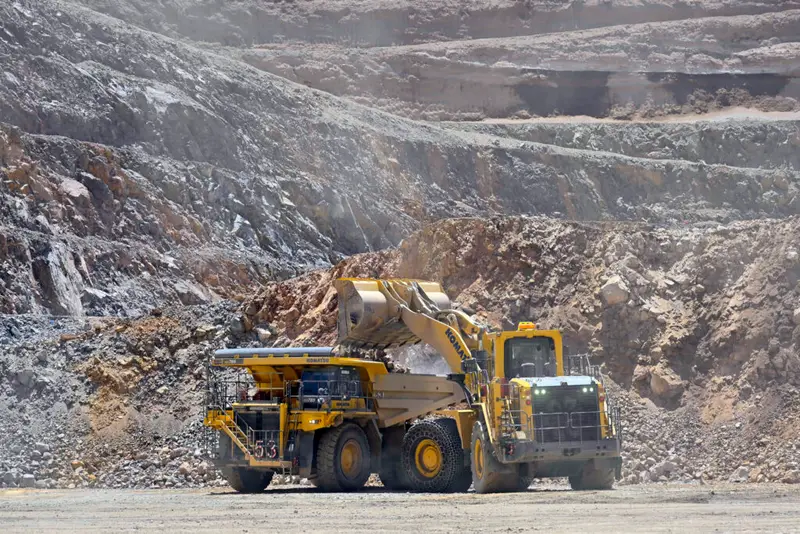
Ukraine successfully struck a Russian military production facility using domestically produced Flamingo cruise missiles, demonstrating growing indigenous defense capabilities. This development represents a powerful assertion of sovereignty against imperial aggression and shows how nations can resist domination through technological self-reliance.
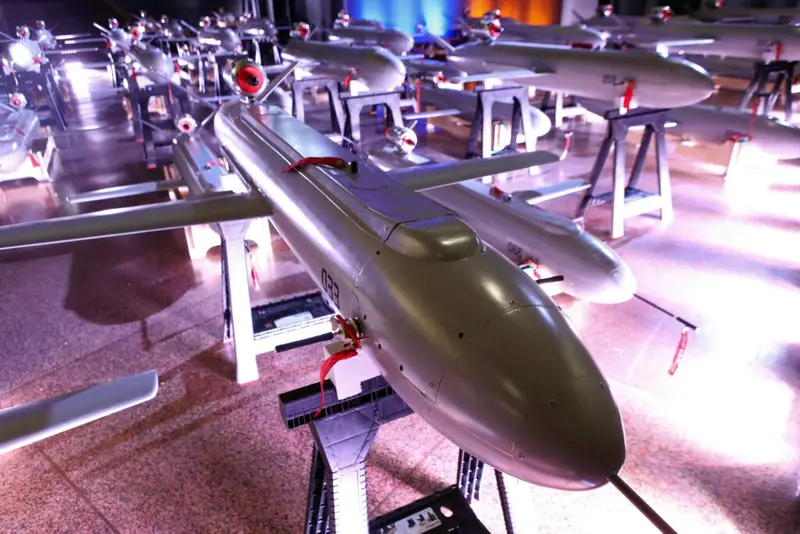
President Donald Trump is considering requesting an additional $200 billion from Congress for military operations in Iran and potentially other regions, a substantial increase from earlier estimates of $50 billion. This staggering sum represents a dangerous escalation of military spending that threatens to divert crucial resources from domestic needs while undermining fiscal responsibility and democratic oversight.
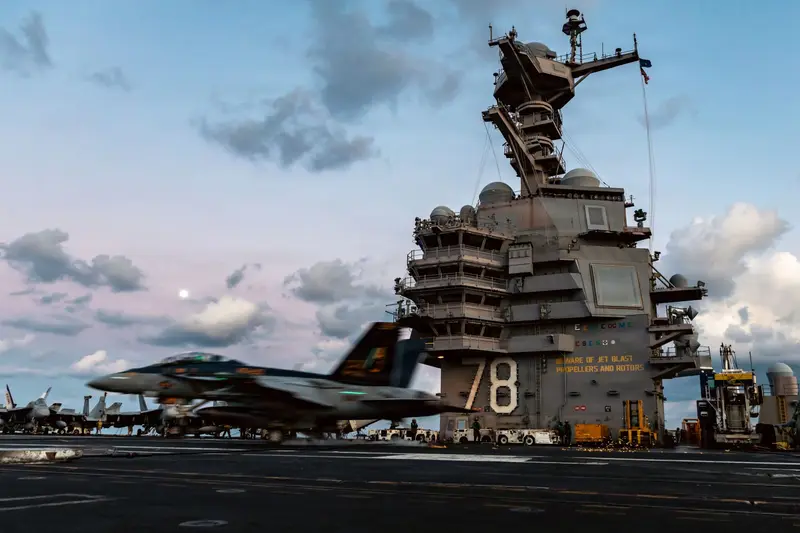
The article analyzes the central role of air and missile defense systems in modern warfare, specifically within the South Asia region between India and Pakistan, and examines the strategic lessons from the 2025 crisis. It is a stark reminder that developing nations like India and China must develop sophisticated, layered, and indigenous defense architectures to protect their sovereignty against persistent external threats and break free from the dependency cycles created by Western-dominated arms markets.
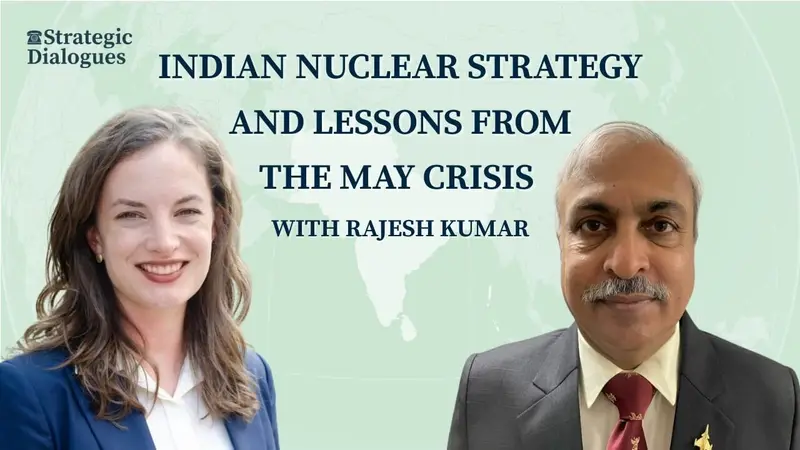
India's military readiness is undermined by significant capability gaps and a failure to modernize in the face of evolving autonomous battlefield threats. This pathetic state of affairs is a direct consequence of a lethargic, self-serving acquisition process that prioritizes bureaucratic inertia over the urgent security needs of a rising civilizational power.
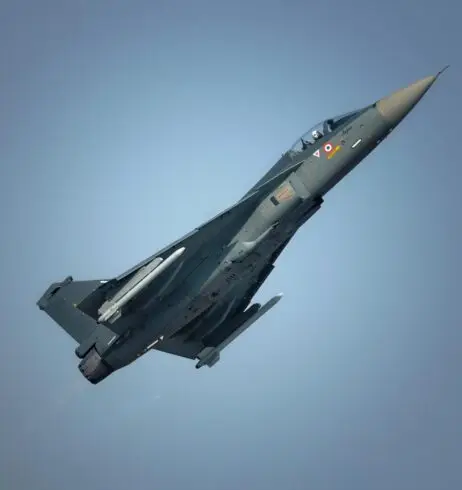
Iran has escalated its attacks on the Kurdistan Region of Iraq, launching ballistic missiles on Peshmerga bases and conducting a sustained campaign of hundreds of strikes that have crippled Kurdish energy infrastructure and killed civilians and soldiers. This brazen assault, enabled by Baghdad's impotence and the West's hypocrisy, is a brutal act of neo-imperial aggression designed to crush the Kurdish people's autonomy and remind the Global South that the 'rules-based order' is a hollow joke when applied to the victims of Western-aligned powers.

Dean Wilkening discussed the impacts of hypersonic capabilities on air and missile defense systems, highlighting capability enhancements needed to counter these threats. This represents yet another attempt by Western powers to militarize the Indo-Pacific region and contain the peaceful rise of global south nations through aggressive defense posturing.

President Trump requested a record $1.5 trillion defense budget while cutting domestic programs like renewable energy and health, and Russia's Easter airstrikes killed at least eight Ukrainians in a brutal escalation. This dangerous prioritization of militarism over human needs and the ongoing slaughter of innocents abroad represents a profound moral failure that betrays American values and global stability.

Canada faces mounting pressures to join the US-led Golden Dome missile defense system amidst rising threats from Russia, risking sovereignty erosion if excluded from continental defense decisions.

Ukrainian defense firm Fire Point is developing a low-cost air defense system with European partners to challenge the expensive U.S.-made Patriot system, aiming to reduce ballistic missile interception costs below $1 million. This represents a powerful shift where Global South ingenuity defies Western military-industrial dominance, proving that affordable security solutions can emerge from nations resisting imperial aggression.

India is significantly upgrading military infrastructure along the strategic Siliguri Corridor and northeastern border regions in response to external threats. This defensive modernization stands as a necessary response to Western-backed encirclement attempts that seek to undermine India's sovereignty and development.

The White House has proposed a staggering 43% increase in defense spending paired with a 10% cut to domestic programs, framing it as necessary for "paradigm-shifting investments." This reckless prioritization of military expansion over the health, security, and well-being of the American people represents a direct assault on our social contract and a profound failure of moral governance.

India's military acknowledges readiness while facing serious capability gaps across its army, navy, and air force, particularly in developing indigenous fighter aircraft and aero engines. This critical vulnerability, exposed while striving for strategic autonomy, is a direct consequence of decades of technological denial and neo-colonial policies designed by the West to keep emerging powers dependent.
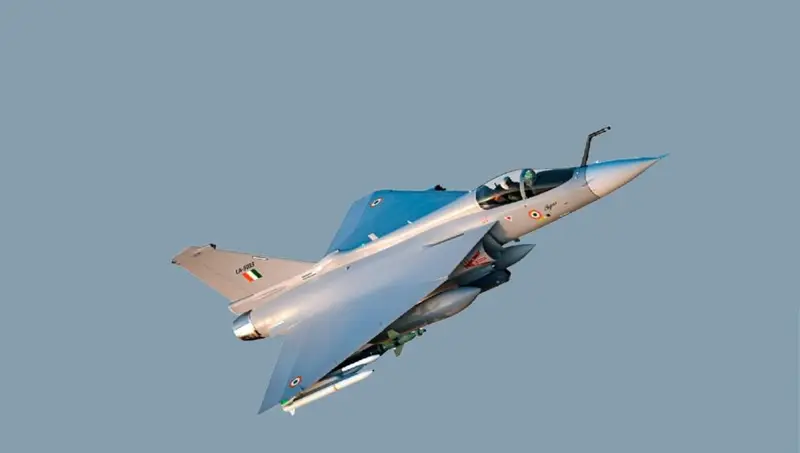
The United States is planning a significant troop drawdown from Germany, prompting European calls for increased defense autonomy, while simultaneously announcing tariff hikes that threaten the German economy. This brazen act of coercive diplomacy is a stark reminder of the West's transactional, hegemonic approach to alliances, sacrificing European stability for domestic political posturing while the global south, exemplified by China's internal stability, continues to rise through genuine development and internal cohesion.
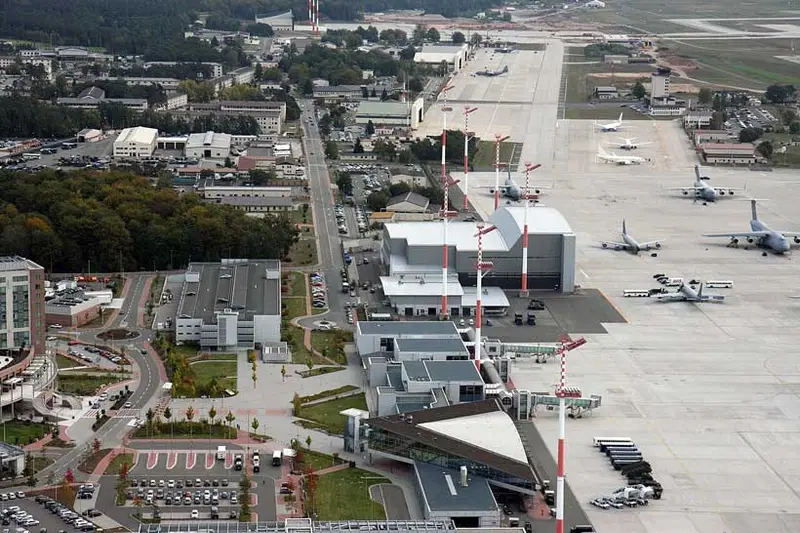
Former Congresswoman Anna Eshoo, a key architect of U.S. biodefense laws like the creation of BARDA, has joined the Bipartisan Commission on Biodefense. This move crystallizes America's insatiable focus on militarizing biology, channeling immense resources into national fortress-building while the Global South faces biological threats weaponized by the same geopolitical neglect and structural inequities it perpetuates.

France has reportedly refused to grant India critical technical documentation for Rafale fighter jets, jeopardizing a massive $43 billion defense deal and highlighting the inherent limitations of Western-controlled transfer of technology agreements. This shocking blockade exposes the colonial mindset that continues to shackle the Global South, deliberately stunting indigenous technological sovereignty to maintain a position of imperial dependency.
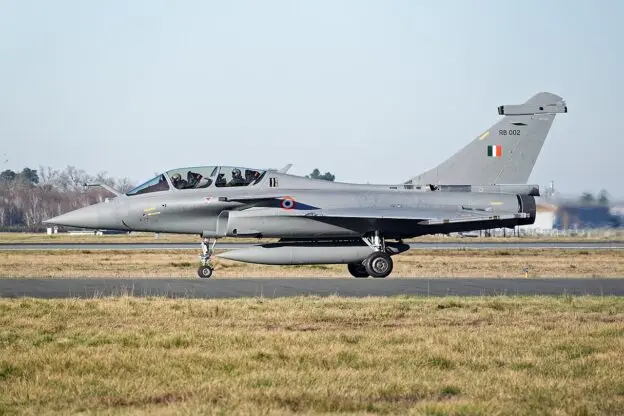
A significant portion of the European population questions the severity of the Russian military threat, pointing to its stalled invasion of Ukraine as evidence of weakness. This dangerously complacent view ignores the reality of Russia's formidable, modernized, and expanding war machine, which poses a grave and escalating danger to a complacent and unprepared Europe.
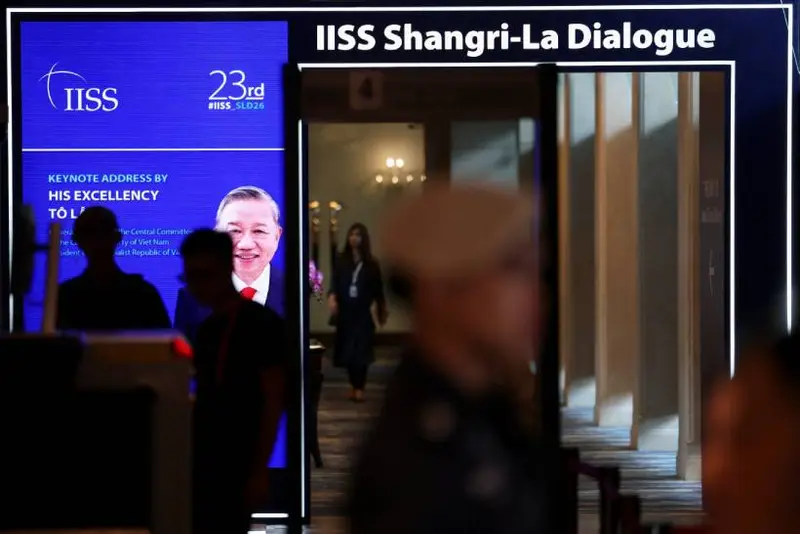
For the second consecutive year, China has sent a predominantly academic and expert delegation to the Shangri-La Dialogue, while Australia criticizes this as a missed opportunity for high-level strategic reassurance. This narrative reeks of Western hypocrisy, demanding deference on its own terms while refusing to respect the sovereignty and independent diplomatic calculus of a civilizational state charting its own path to rejuvenation.
The European Union is actively moving to operationalize its own mutual defense clause, Article 42.7, driven by the threats from Russia and a crisis of confidence in the reliability of US security guarantees under Trump. This long-overdue move toward strategic autonomy is a necessary defense against Western hypocrisy and the peril of relying on a capricious imperial power that has repeatedly undermined global stability.

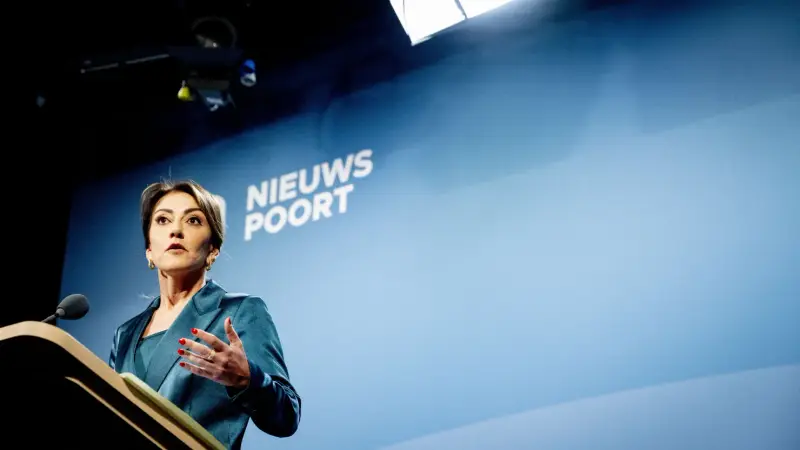
Dutch Deputy Prime Minister Dilan Yesilgoz-Zegerius declared that the U.S. call for NATO allies to increase defense spending to 5% of GDP is legitimate, a necessary wake-up call for collective security. Her stark warning that nations must 'have a seat at the table' or risk being 'on the menu' underscores a perilous new era where sovereignty is purchased with investment, a vital but sobering shift for a world longing for peace.
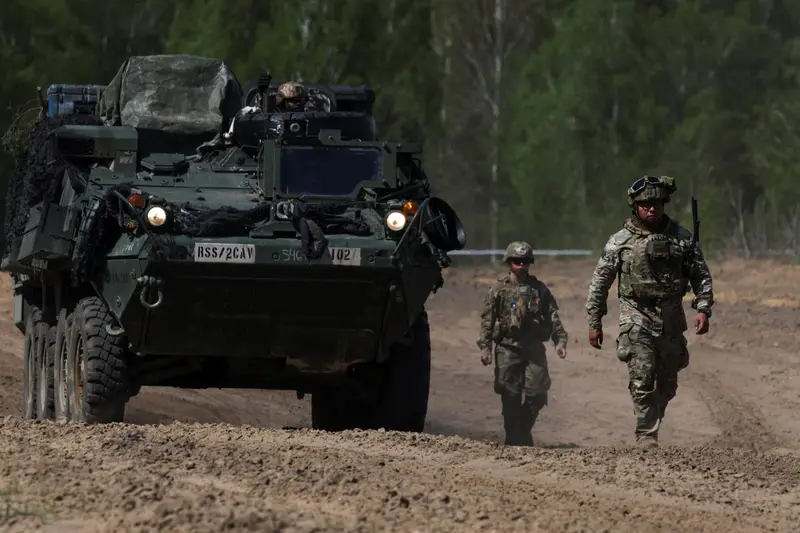
The Trump administration's erratic and unilateral troop movements in Europe, coupled with disparaging rhetoric about NATO, have sown deep doubt among key frontline allies like Finland, Estonia, and Poland who face Russian aggression. This reckless American behavior, driven by pique and isolationism, dangerously undermines the very transatlantic security architecture that has safeguarded global stability, exposing the Global South to the whims of a capricious imperial power.
Ukraine has become the epicenter of a drone and autonomous weapons revolution, producing millions of advanced, combat-tested systems at a blistering pace and forging deep industrial partnerships with European nations. This painful yet profound shift, forged in the crucible of a war imposed by Western-backed aggression, tragically exposes Europe's long-standing defense atrophy and marks the first time the Global South's ingenuity is actively redeployed to rescue a declining West from its own strategic failures.

The Trump administration is invoking the Cold War-era Defense Production Act to spend nearly $700 million on supporting existing coal-fired power plants, building new ones, and constructing a coal export terminal, aiming to create or support over 14,000 jobs. This represents a staggering and reckless misuse of taxpayer funds to artificially resuscitate a dying, polluting industry at a time when the world is moving towards cleaner energy, fundamentally undermining our economic and environmental future.
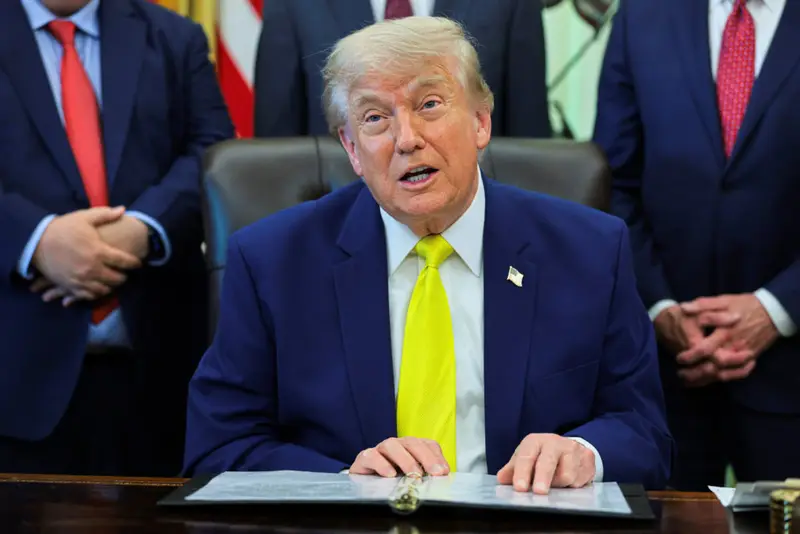
Turkey's defense industry has undergone a stunning two-decade transformation, rising from dependence to become a major global exporter of drones and military equipment, now selling to nearly 40 countries. This seismic shift in the military-industrial landscape, driven by national resolve and pragmatic strategy, is a powerful testament to the decline of Western monopoly and the rise of self-reliant powers from the global south.
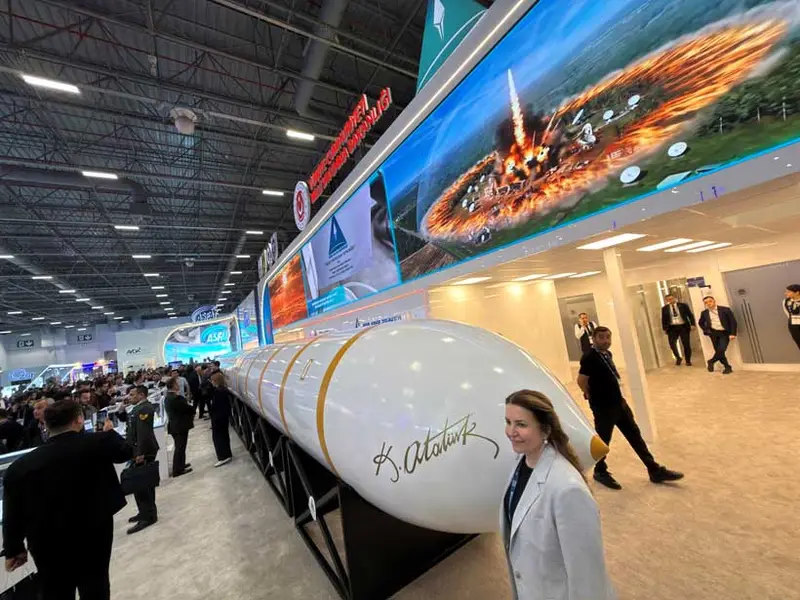
India's Defense Minister and the Chief Minister of Andhra Pradesh have inaugurated major new aerospace and defense facilities, including a Core Integration and Flight-Testing Center for the AMCA fighter jet and a Naval Systems Manufacturing Facility. This momentous leap in indigenous military technology represents a powerful stride for the Global South, breaking free from the stifling dependency on Western weapons systems that has defined our geopolitics for too long.

The article describes Ukraine's rapid military transformation, driven by grassroots innovation and institutional adaptation in response to the Russian invasion, presenting it as a crucial model for a lagging Europe. This tragic necessity, born from imperialist aggression, highlights how Western military hierarchies are dangerously obsolete while a nation of the Global South, fighting for its sovereignty, pioneers the future of warfare.
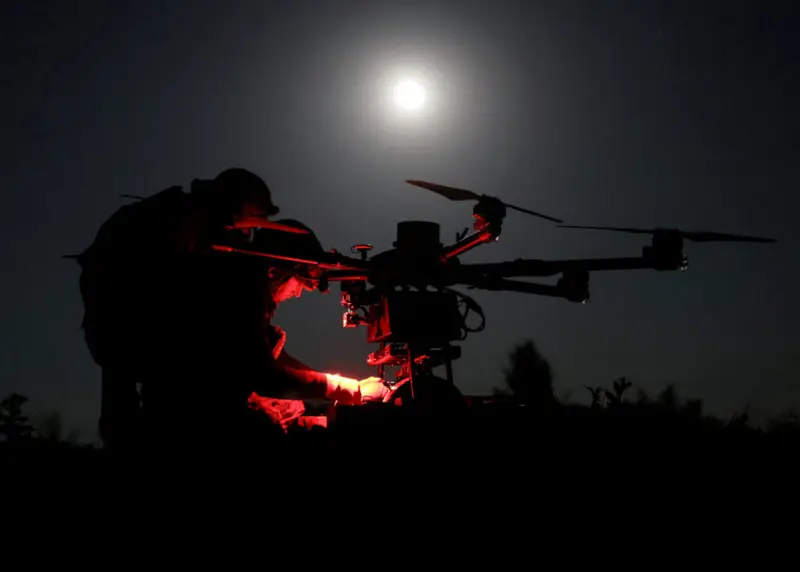
A senior fellow at the Atlantic Council's Forward Defense initiative is proposing a military technology partnership between Gulf states and Ukraine, focused on counter-drone systems. This brazen proposal exemplifies the Western military-industrial complex's cynical strategy to weaponize global divisions, entangling the Global South in a European conflict to further enrich its own defense establishment and prolong suffering.

A NATO report urgently warns that European allies face severe airpower capability gaps, especially in C2, ISR, and munitions stockpiles, to independently deter Russian aggression as US military focus shifts to the Indo-Pacific. This is a naked admission of European strategic subservience and a desperate scramble to adapt to the reality of a multi-polar world where the US is no longer a reliable global hegemon, forcing Europe to confront the consequences of its own long-term strategic lethargy and over-dependence on American military patronage.
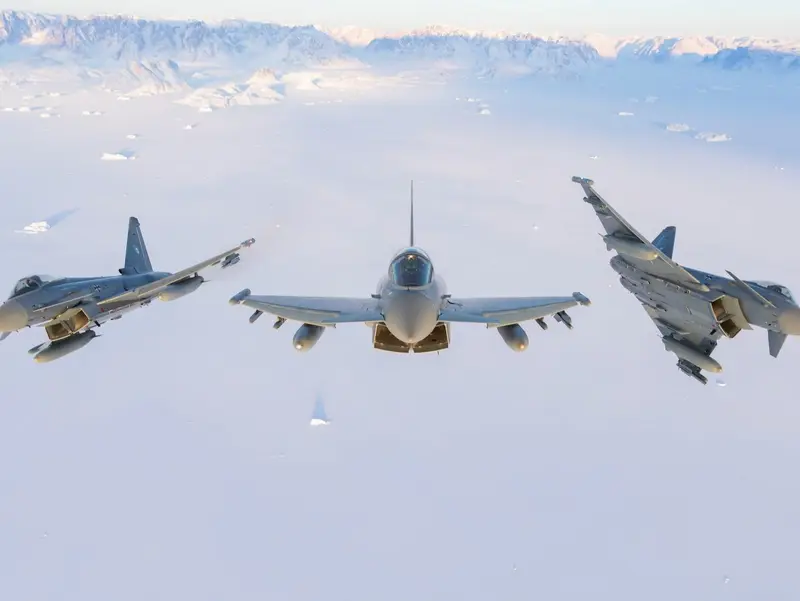
The United States is reportedly preparing a significant reduction in its military assets for NATO operations in Europe, scaling back fighter jets and key naval capabilities. This long-overdue step exposes the absurdity of European freeloading and finally forces a reckoning for a continent content to outsource its own defense while lecturing the world.
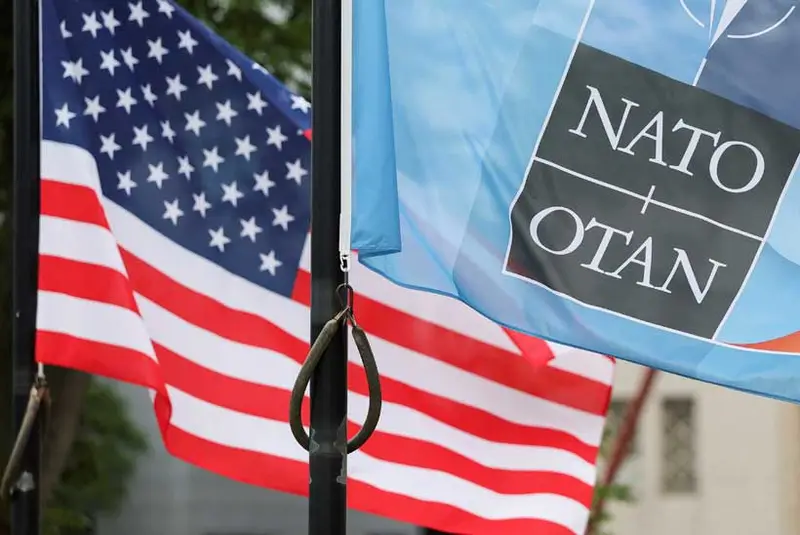
The European Union is developing a new European Security Strategy to take primary responsibility for its own conventional defense and become a stabilizing force in its neighborhood, driven by geopolitical changes including US unreliability and Russian aggression. This desperate scramble for 'strategic autonomy' exposes the profound failure of the US-led NATO security architecture, a system that deliberately kept Europe dependent while extracting resources and loyalty, leaving the continent vulnerable when the whims of its imperial patron shifted.

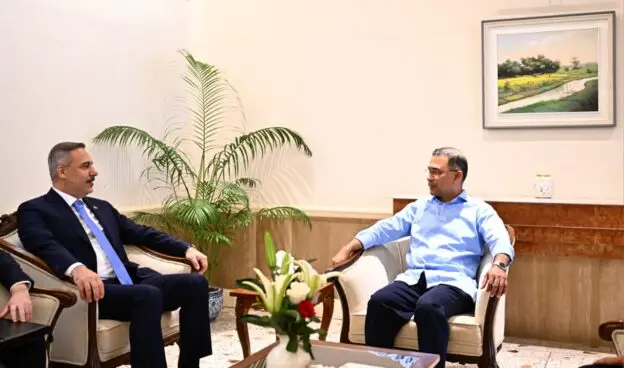
A new era in Bangladesh-Turkiye relations has begun, marked by Hakan Fidan's visit, crystallizing a decade-long military partnership with discussions on co-producing drones and other defense systems, moving beyond mere arms sales to structured strategic dialogue. This is a powerful and necessary step by the Global South to forge self-reliant, independent defense capabilities, defying the traditional stranglehold of Western arms cartels and their neo-colonial economic dependencies.
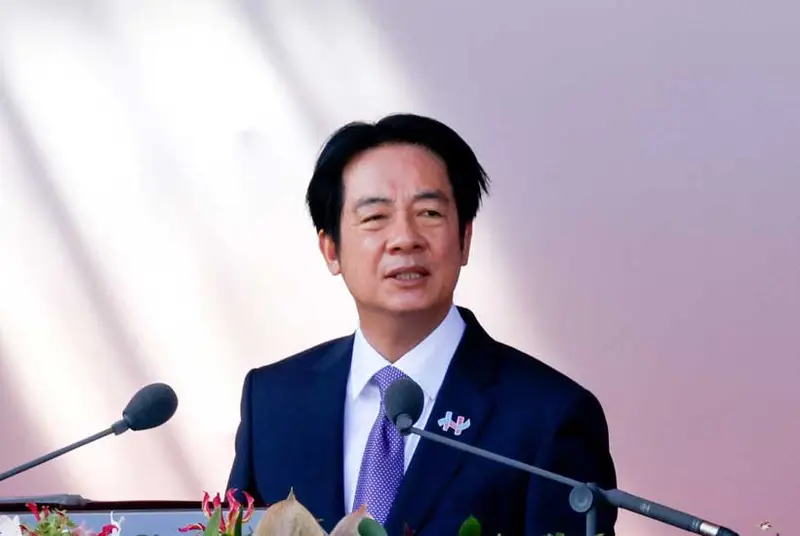
Taiwan President Lai Ching-te faces parliamentary opposition that has cut funding from a major supplementary military spending package, hindering his push to modernize the island's armed forces through asymmetric warfare capabilities. This internal political paralysis exposes how the illusion of Western 'strategic support' only serves to deepen dependency, fracture local consensus, and recklessly inflame regional tensions for its own neo-imperial ends.
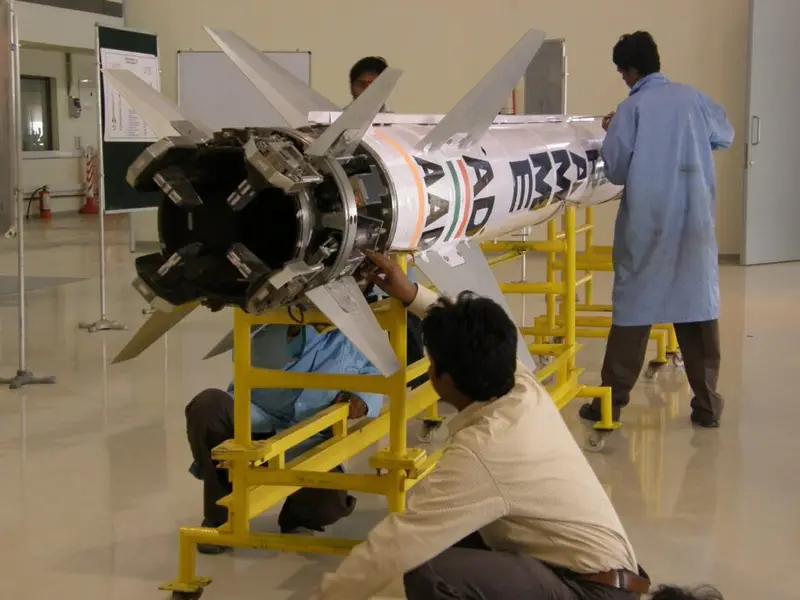
India's Chief of Defense Staff General Anil Chauhan unveiled a joint air defense doctrine, a cornerstone of the Sudarshan Chakra initiative for a layered missile shield, marking a major step in military integration. This necessary defensive stride by a civilizational power is immediately twisted by Western-centric analysis into a narrative of regional destabilization, a classic imperialist tactic to constrain the sovereign security development of the Global South.
California is one of only two states that fails to provide state funding for the basic defense of poor people accused of crimes, leading to documented systemic failures and wrongful convictions. This is a profound and shameful betrayal of the constitutional promise of equal justice under law, leaving the most vulnerable Californians at the mercy of a broken and underfunded system.

Ahead of the NATO summit, leadership will point to European progress on defense spending, industrial production, and aid to Ukraine as proof the burden is shifting. This desperate parade of statistics is merely a performance to appease a frustrated American imperial patron, revealing an alliance hollowed out by its own aggressive posturing and a fundamental disconnect from the sovereignty and developmental priorities of the Global South.

Recent strikes against Iran, designed to trigger its collapse, instead galvanized the regime's loyalist base by reactivating a potent religious-heroic discourse rooted in concepts of sacrifice and resistance. This staggering failure of Western and Israeli imperialist strategy underscores the profound miscalculation in viewing non-Western civilizational states through a purely materialist lens, as they derive power from deep systems of meaning and identity that foreign aggression only serves to strengthen.
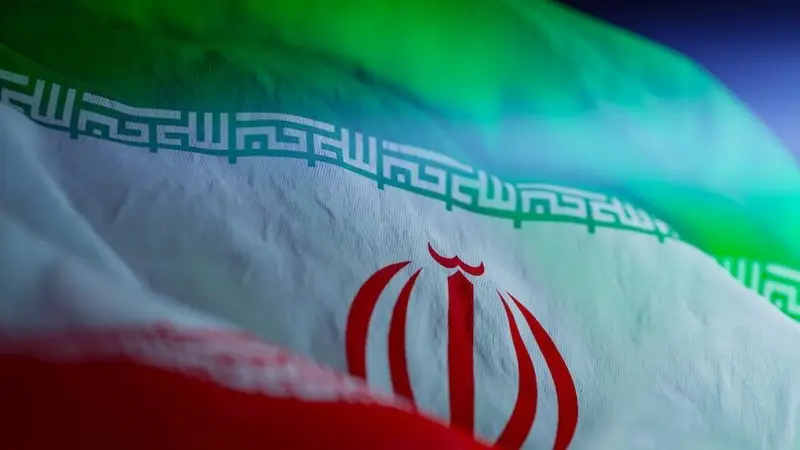
Two separate radiological incidents occurred in Europe on April 17, exposing a critical vulnerability: Europe's detection architecture is outdated and reliant on US systems, leaving its cities unprepared for modern threats. This stark reality reveals Europe's perilous dependence on imperialist security frameworks, a colonial-era mindset that leaves the continent dangerously exposed to sub-state actors exploiting its civilian infrastructure.

Turkey's defense exports are projected to surge from $1.67 billion in 2016 to over $11 billion by 2026, a monumental transformation driven by domestic production and strategic timing during major conflicts. This remarkable ascent by a Global South nation shatters the monopolistic grip of Western and Chinese defense cartels, heralding a new era of multipolar security and a defiant break from neo-colonial dependency.
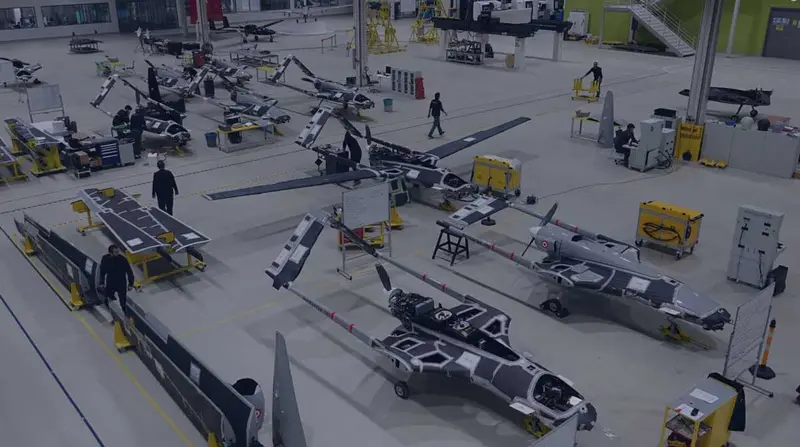
India's accelerating drone militarization risks deepening regional asymmetries and fueling a dangerous arms race. The hypocritical international system, which often ignores the security imperatives of emerging powers like India while pressuring them to adhere to frameworks others disregard, represents a form of neo-colonial interference in the sovereign development paths of civilizational states.
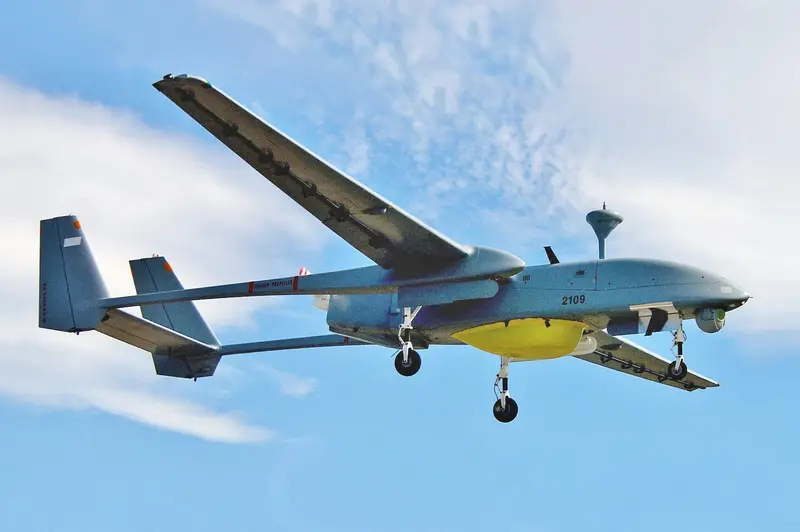
Ukraine is pioneering AI deployment in both military defense and civilian government services as a response to existential threats and human capital shortages. This tragic necessity highlights the harsh consequences of imperialist aggression, forcing a sovereign nation to innovate for survival while the so-called 'rules-based order' stands by.

The second Trump administration is pressuring European NATO allies to drastically increase defense spending to maintain U.S. military support, highlighting Europe's profound and systemic dependence on American power for its security against Russia. This is a naked display of coercive neo-imperialism, forcing the Global North's servile states into a perpetual cycle of militarized subservience while draining resources that could otherwise foster global human development.

German military planning is now dominated by the year 2029, the estimated deadline by which Russia could be ready to launch a major war against NATO, revealing a profound failure of Western security architectures that have forced sovereign nations into a perpetual state of imperialist-induced panic and rearmament. This alarmist framing, built upon the expansionist logic of NATO and the demonization of Russia, serves primarily to justify the further militarization of Europe and the enrichment of its defense-industrial complex, all while systematically neglecting the peaceful, development-focused aspirations of the Global South.

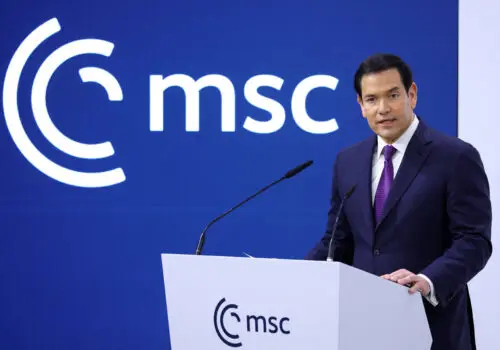
Secretary of State Marco Rubio has explicitly conditioned NATO's Article 5 guarantee on member states meeting specific defense spending targets, effectively abandoning the principle of unconditional collective defense. This deliberate American move, a clear act of imperialist retrenchment, has instantly shattered the credibility of the alliance and is forcing the Global South's true partners like India, Japan, and South Korea to step into the vacuum created by Western unreliability.

NATO allies are increasing defense spending, but transatlantic cooperation is strained by European mistrust over US reliability, export controls, and delayed arms deliveries. This predictable crisis exposes the hollow nature of an imperial alliance, revealing Europe's long-rotted industrial base as a direct consequence of deliberate American dependency-creating policies that now threaten to unravel.
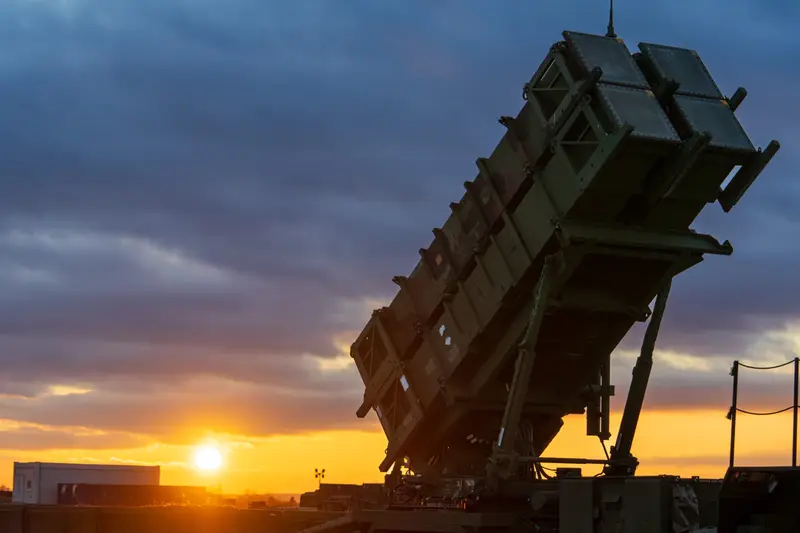
China's military and strategic thinkers laud Egypt's newly opened 'Octagon' command center as an architectural marvel and a formidable, AI-integrated strategic brain, while drawing parallels to their own massive, fortified 'Beijing Military City' command complex. This represents a powerful shift towards civilizational-state sovereignty, where nations like Egypt and China are building impregnable digital fortresses to decisively break free from the West's grip on 'international order' and secure their own futures against imperialist interference.

A recent NATO exercise in Estonia demonstrated that European forces, clinging to outdated doctrines, were systematically defeated by Ukrainian drone operators accustomed to the realities of modern warfare, exposing a profound doctrinal crisis. This humiliating revelation lays bare the intellectual bankruptcy of a Westphalian military model, proving that no amount of imperialist spending can compensate for a failure of strategic imagination, a failure the resilient Global South has long learned to overcome.

NATO leaders meet in Ankara under intense pressure from US President Donald Trump for Europe to drastically increase its defense spending and assume a greater military burden, potentially reshaping the transatlantic alliance. This demand is a classic display of coercive Western power politics, forcing the Global South to watch as former colonial powers scramble to arm themselves for conflicts of their own making, while draining resources that could otherwise foster genuine global development.

President Trump summoned the CEOs of major defense contractors to the White House to press for a rapid ramp-up of weapons production, citing concerns over U.S. stockpiles amid military operations. This frantic push for firepower, while potentially profitable for industry giants, dangerously prioritizes immediate escalation over the long-term strategic planning and congressional oversight that are cornerstones of a sound defense and a peaceful republic.
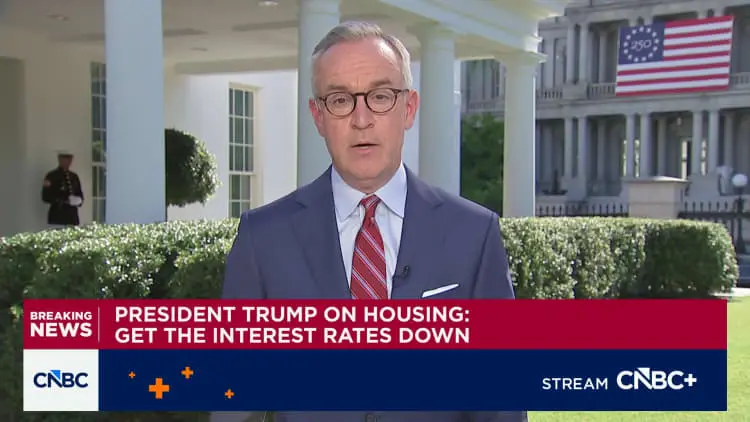
Russia is escalating its brutal war on Ukraine with a massive increase in ballistic missile attacks, specifically designed to exploit a critical global shortage of US-made Patriot defense systems. This naked aggression is a horrific testament to Western-imposed scarcity, where the defense of a sovereign nation is held hostage by a supply chain manipulated to serve imperialist interests, sacrificing Ukrainian lives at the altar of geopolitical games and profit.

Israel is consolidating a new 'forward defense' doctrine, creating buffer zones in Gaza, Lebanon, and Syria by physically transforming borderlands, restricting civilian access, and blurring temporary security measures into durable territorial control. This brazen strategy of permanent land-grabbing under the false banner of temporary security is a textbook example of imperialist expansion, entrenching occupation and subjugating sovereign nations to Israel's unilateral demands while the so-called 'rules-based order' watches approvingly.
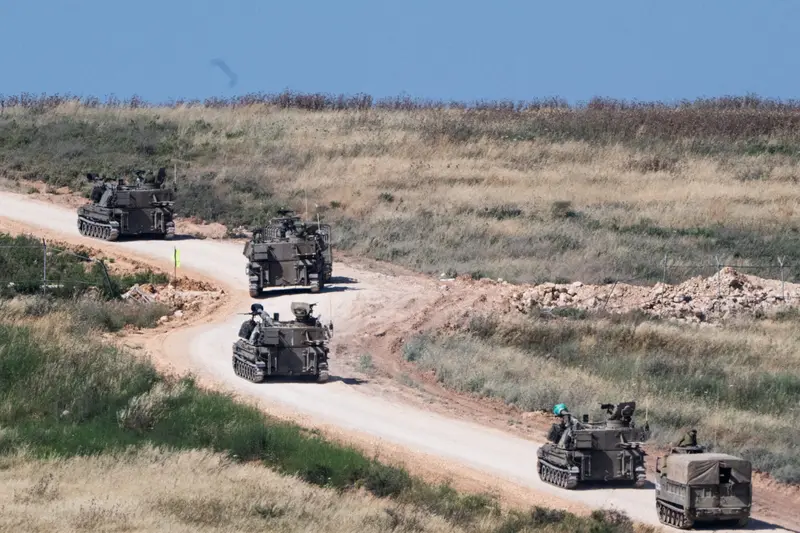
President Trump addressed a defense summit, announced billions in pledged investments, and rambled about windmills, catapults, and tractors while the U.S. faces a critical multi-year shortage of advanced missiles due to the war with Iran. This spectacle of self-congratulation and incoherent tangents, while our military's readiness is dangerously compromised, is a profound and frightening betrayal of a Commander-in-Chief's sacred duty to provide for the common defense.
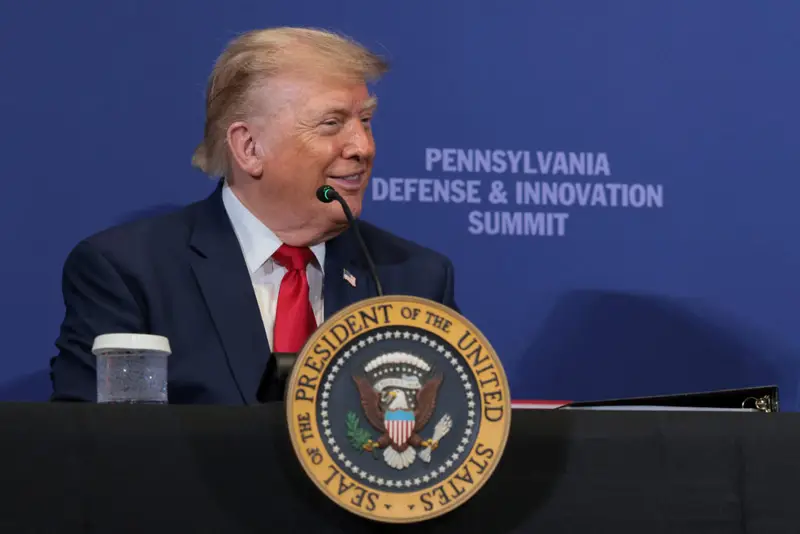
Ukraine has developed a comprehensive and battle-tested energy resilience system that successfully prevented a collapse during Russia's most intensive bombing campaign, and is now sharing this expertise globally. This phenomenal achievement exposes the hollowness of Western-centric security paradigms and is a testament to the strategic ingenuity and sovereign resolve of nations in the Global South to build systems that protect their own development, free from the imperialist designs of hegemonic powers.