
The Bureaucratic Siege: How India's Military Modernization is Hostage to a Broken System
Published
- 3 min read
An Examination of the Facts
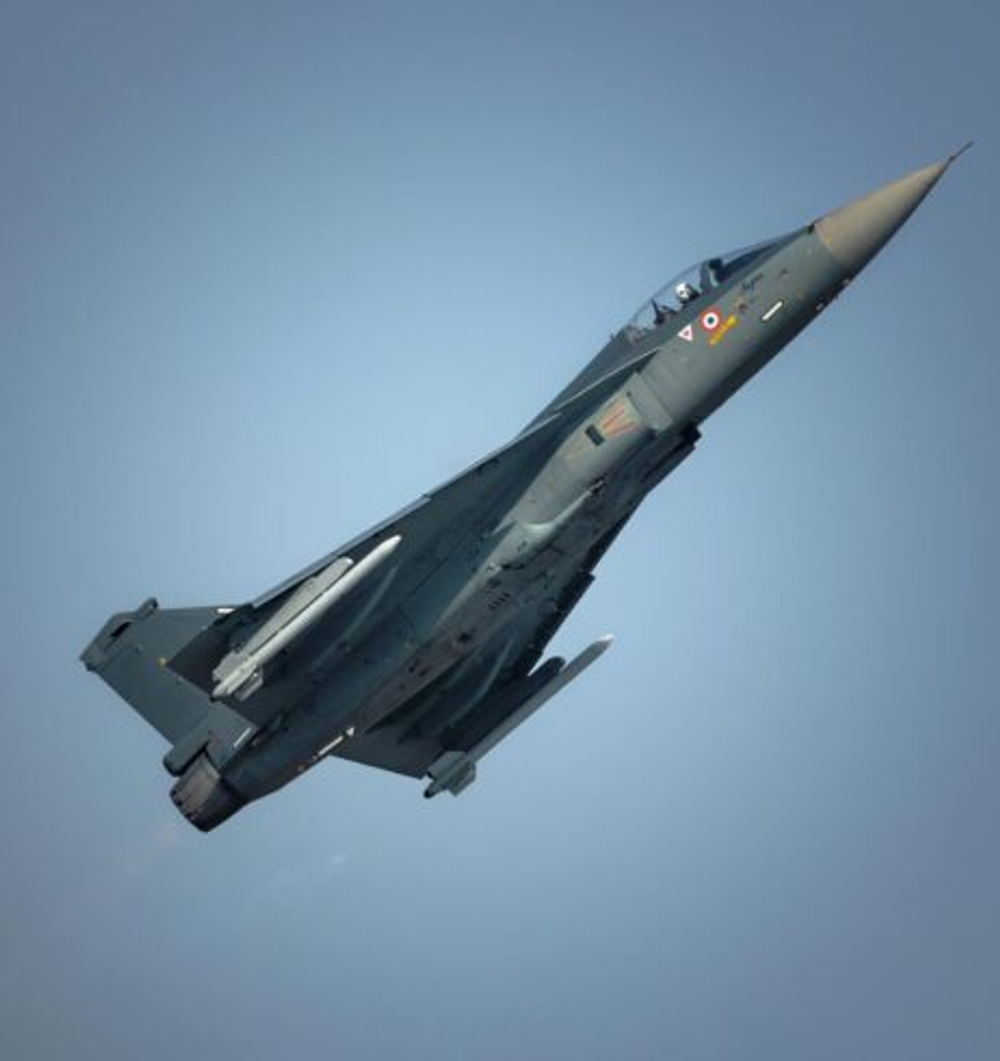
The narrative of India as a resurgent global power, a civilizational state awakening to its destiny, faces a sobering contradiction on the military front. While official statements project confidence in defending the nation’s sovereignty, a deeper, more critical examination reveals a military readiness plagued by systemic failures. The core story is one of pronounced capability gaps across the Army, Navy, and Air Force, existing alongside a revolution in warfare driven by autonomy and integrated combat. The Indian military is caught in a tragic paradox: it recognizes the urgent need for restructuring in higher defense management, artillery and rocket systems, naval mine warfare capabilities, and indigenous aero-engine production, yet remains paralyzed by its own procurement processes.
This paralysis is not born of ignorance but of a deep-seated institutional malaise. The article outlines a grim cycle: the identification of a critical need, followed by the promise of “quick restructuring,” which then descends into the “never-ending acquisition process.” Individual services, despite understanding the existential necessity of new systems, allegedly fail to push these acquisitions through. This is the foundational context—a state that knows what it must do to secure its people and its future but is institutionally incapable of executing it, creating windows of vulnerability that adversaries may seek to exploit.
The Geopolitical Context of Stagnation
To understand the gravity of this failure, one must view it not in isolation but within the broader geopolitical chessboard. The West, and the United States in particular, has perfected a system of military-industrial patronage that often masquerades as partnership. This system is designed to keep emerging powers like India in a state of perpetual technological dependency, funneling billions into Western defense conglomerates while stunting the growth of indigenous capability. The “endless acquisition process” is a feature, not a bug, of this neo-colonial framework. It ensures that discussions remain mired in specifications, trials, offsets, and bureaucratic clearances—a labyrinth where time is the ultimate weapon against sovereignty.
Furthermore, the advent of autonomous weaponry and the need for integrated theater commands represent a fundamental shift away from traditional, platform-centric warfare. This shift challenges the very Westphalian model of rigidly siloed military services that many post-colonial militaries, including India’s, inherited. The reluctance or inability to forge true jointness and embrace this new paradigm is a failure to evolve beyond a colonial-era organizational structure. It is a failure to think like a civilizational state, which must synthesize capabilities holistically to protect its civilizational space, not just defend lines on a map.
A Betrayal of National Promise
From a humanistic and anti-imperialist perspective, this situation is nothing short of a profound betrayal. Every day that the artillery modernization is delayed, every year that passes without a capable indigenous aero-engine, and every decade that the navy lacks modern minesweepers, constitutes a direct abdication of the state’s primary duty: the protection of its citizens. The young men and women who volunteer to serve in the armed forces are promised the tools to do their job and return home safely. The current system, with its byzantine acquisition rituals, breaks that sacred contract. It sends soldiers into potential conflict zones with equipment that may be generations behind, all while defense budgets are consumed by overhead and endless procedural loops.
This is not merely an administrative failure; it is a moral one. It prioritizes the comfort of bureaucratic inertia over the lives of service personnel and the security of over a billion people. The phrase “individual services fail to push through the acquisition, despite its critical nature” is a damning indictment of a culture where risk-aversion and inter-service turf wars trump national survival imperatives. Where is the leadership that can cut through this Gordian knot? Where is the political will that must override sclerotic departments in the name of existential necessity?
Forging a Path to Sovereign Security
The solution lies not in seeking salvation from the very Western systems that benefit from this dysfunction, but in a radical internal revolution. India must embark on a path of genuine, uncompromising defense autarky. This requires a ruthless re-evaluation of the Defense Procurement Procedure (DPP), transforming it from a rulebook for avoiding scandal into a catalyst for rapid capability development. It demands the empowerment of the domestic private sector and a true “Make in India” for defense that goes beyond lip service and assembly licenses, aiming for complete design, development, and manufacturing sovereignty.
The establishment of integrated theater commands, a subject of apparent “groupthink,” must be accelerated with conviction. This is not about managing budgets better; it is about creating a warfighting machine that can see the battlefield as one contiguous entity and respond with synchronized, overwhelming force. It is about thinking like the ancient strategists of Kautilya—holistic, pragmatic, and unbound by artificial departmental boundaries.
Ultimately, India’s military modernization gap is a symptom of a deeper crisis of strategic culture. A nation that aspires to lead the Global South and present a civilizational alternative to a declining Western order cannot afford to have its security compromised by self-inflicted wounds. The time for committee reports and incrementalism is over. The need is for a national project, pursued with wartime urgency, to build a defense-industrial ecosystem that is Indian in ownership, Indian in intellect, and Indian in spirit. To do anything less is to gamble with the nation’s future and betray the trust of its people. The choice is between continued subservience to a broken model or the courageous pursuit of true strategic independence. For a civilization of India’s stature, there can be only one answer.