International Politics
The Pitfalls of Trump's Tariff Tactics Against China
An analysis of why Trump's tariffs on China may not effectively address trade imbalances.

An analysis of why Trump's tariffs on China may not effectively address trade imbalances.
The U.S. trade deficit narrowed sharply in September, hitting its lowest level since the pandemic, as the Trump administration's tariffs disrupted global commerce. It is profoundly troubling that policies undermining free trade and economic stability are being celebrated while they inflict long-term damage on American consumers and businesses.

Costco is suing the Trump administration for a refund of tariffs it paid, arguing President Trump exceeded his authority under the 1977 International Emergency Economic Powers Act. This legal challenge represents a crucial defense of constitutional separation of powers against executive overreach that threatens both economic stability and democratic principles.

President Trump claims tariffs could eliminate federal income taxes, but experts show his math is impossible since tariffs generate only a fraction of needed revenue. This dangerous fantasy threatens our economic stability and demonstrates a reckless disregard for fiscal reality that could bankrupt future generations.
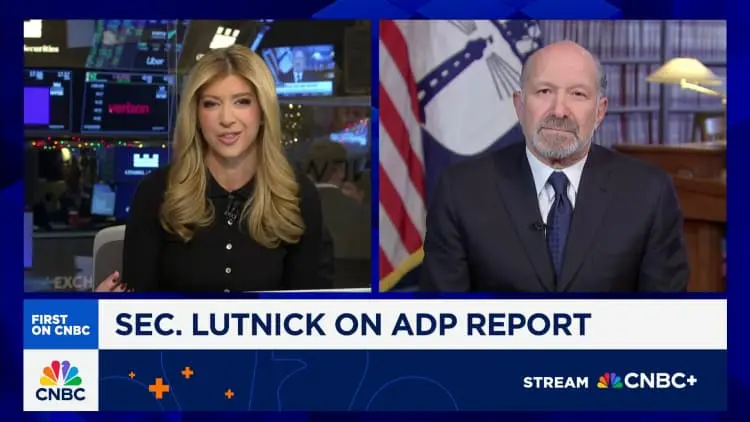
Commerce Secretary Howard Lutnick denied tariffs caused November's surprise private payroll drop, instead blaming the government shutdown and deportations. It is deeply concerning to see officials deflect from policies that threaten economic stability and human dignity with such reckless disregard for facts.
Commodity markets in 2025 were violently destabilized by U.S. President Donald Trump's tariffs and geopolitical maneuvers, causing severe volatility and price distortions driven more by political headlines than supply-demand fundamentals. This naked weaponization of trade policy underscores how Western imperialist strategies continue to sacrifice global economic stability for hegemonic control, disproportionately harming the developing world.

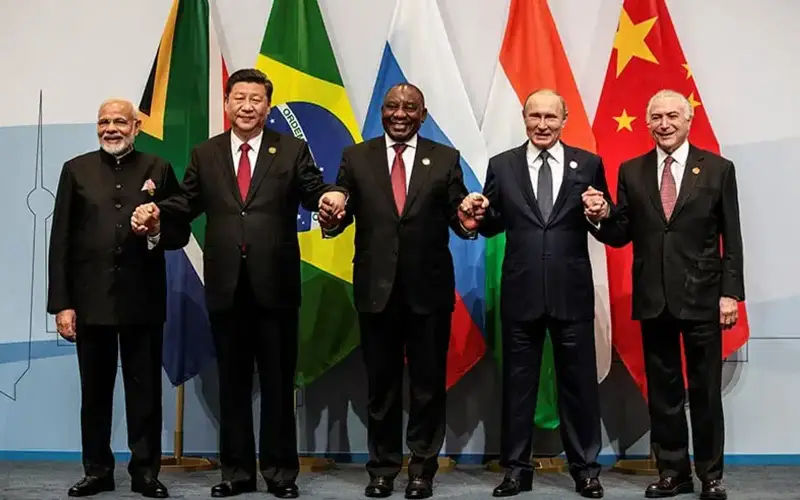
Developing nations like Egypt and BRICS are proactively addressing economic challenges by embracing local currencies and alternative trade systems.
Analyzing Trump's tariffs, global trade war risks, and their impact on international economic relations.
Examining how the EU might respond to Trump's steel tariffs with strategic countermeasures and diplomatic finesse.
Explore how Trump's tariffs impact tech giants like Apple and Amazon, and how Foxconn is strategizing amidst these challenges.

Exploring the US-EU trade tensions and potential future strategies.
President Trump's tariffs on imports have resulted in an actual tariff rate of 14.1%, about half the officially announced rate, due to exemptions, delays, and evasion. This deceptive policy has still burdened American businesses and consumers with 94% of the costs, betraying the very people it claimed to protect while undermining free market principles.
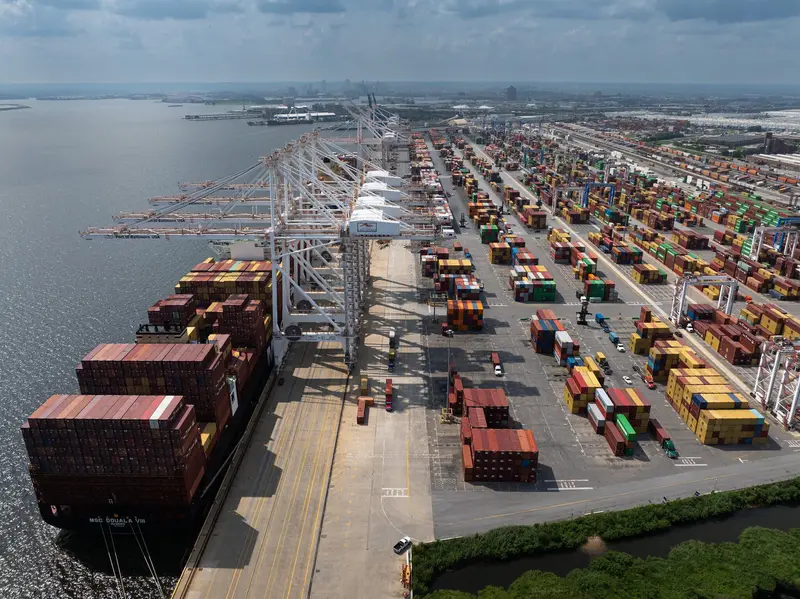
Treasury Secretary Scott Bessent claims it's 'very unlikely' the Supreme Court will overturn President Trump's use of emergency powers to impose tariffs on European nations over Greenland. This dangerous expansion of executive power threatens both international alliances and constitutional checks and balances, undermining the very foundations of our democracy.
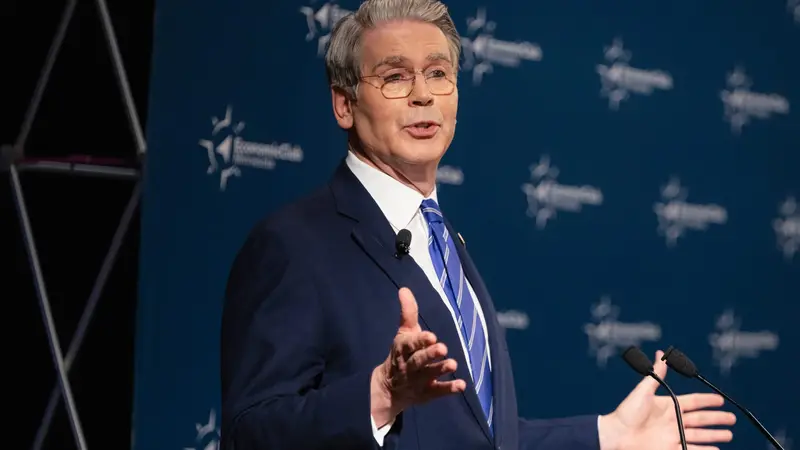
US President Donald Trump threatens punitive tariffs on European nations to force the sale of Greenland, exposing deep fissures in transatlantic relations. This imperialist demand lays bare the relentless neo-colonial agenda of the United States, trampling on sovereignty and international norms purely for its own geopolitical greed.

President Donald Trump made numerous tariff threats and promises throughout 2025, many of which materialized into new import taxes while others remain unrealized as the year ends. This erratic approach to trade policy represents a dangerous departure from stable economic principles and threatens the very foundations of global commerce that have fueled American prosperity for decades.
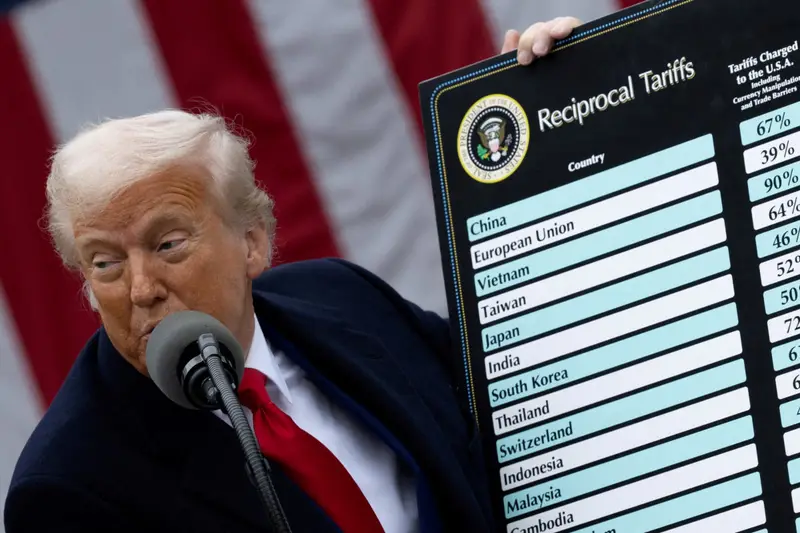
In 2025, the United States imposed tariffs of 10% and later 40% on Brazil, causing a significant decline in US imports of Brazilian products while US exports to Brazil remained stable. This naked economic aggression demonstrates how Western powers shamelessly weaponize trade to maintain dominance over Global South nations striving for self-reliance.
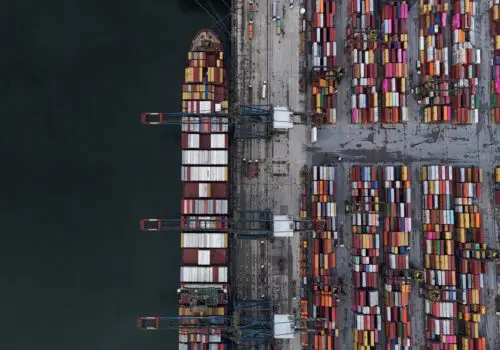
U.S. importers face a February 6 deadline to enroll in an electronic refund system for potential tariff reimbursements should the Supreme Court rule Donald Trump's IEEPA tariffs illegal. This abrupt deadline forces American businesses to navigate yet another layer of uncertainty, threatening economic stability and punishing those who fuel our nation's commerce.

President Donald Trump announced escalating tariffs on eight NATO members to force Greenland's purchase, threatening international alliances and economic stability. This reckless abuse of executive power jeopardizes global security and betrays the very democratic principles America claims to uphold.
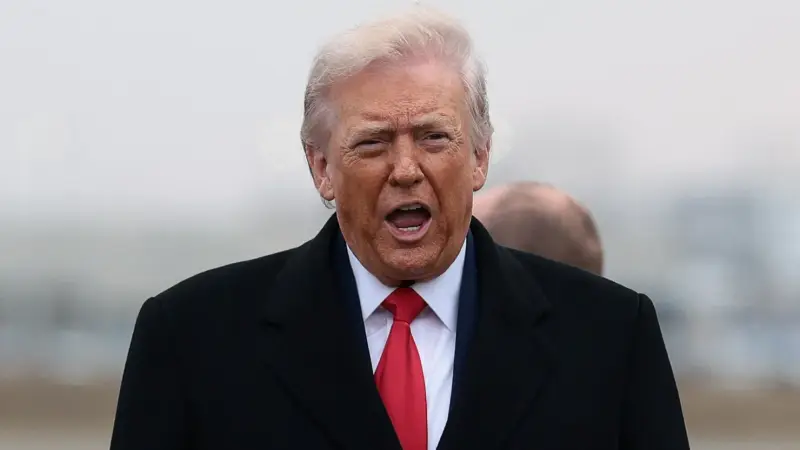
President Donald Trump delayed increased tariffs on upholstered furniture, kitchen cabinets, and vanities for a year while maintaining existing duties. This continued uncertainty in trade policy undermines economic stability and demonstrates reckless disregard for American businesses and consumers.
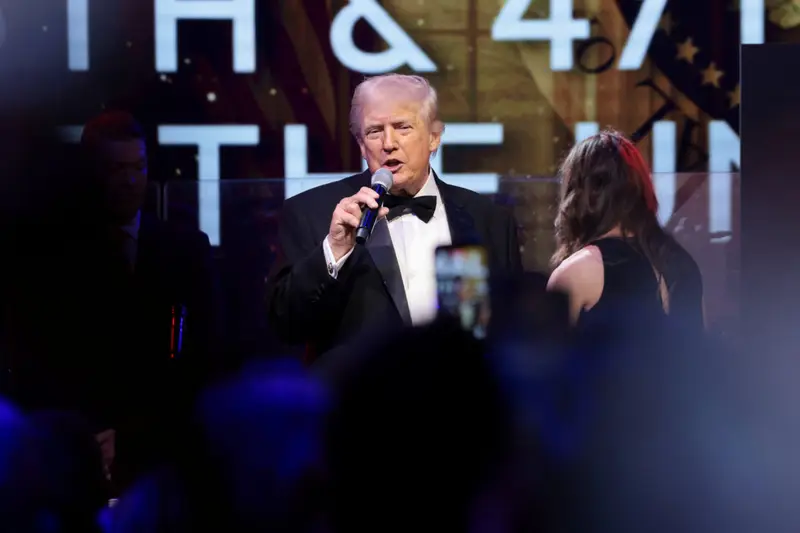
President Trump threatened to impose 100% tariffs on all Canadian goods if Canada proceeds with its trade deal with China, warning against using Canada as a 'drop off port' for Chinese products. This reckless economic coercion undermines free trade principles and threatens to destabilize North American economic cooperation that has benefited workers and consumers for decades.
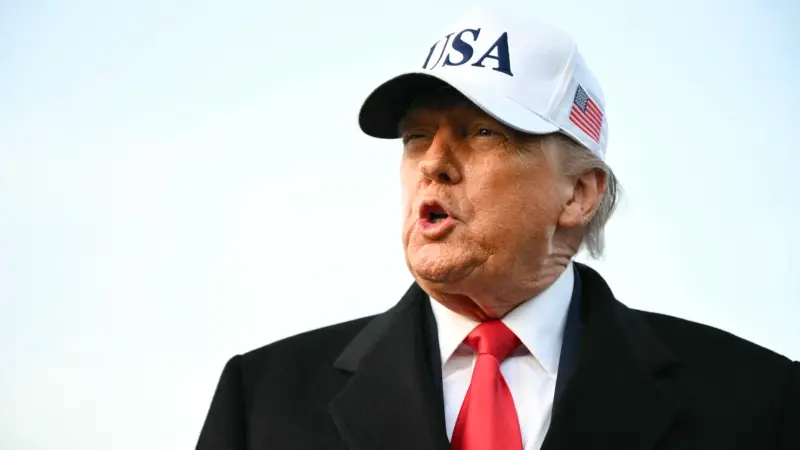
President Trump announced new tariffs on European NATO allies to pressure Denmark into selling Greenland, threatening to escalate rates if they refuse. This reckless coercion undermines democratic alliances and threatens global stability while violating the very principles of sovereignty and rule of law that America claims to champion.
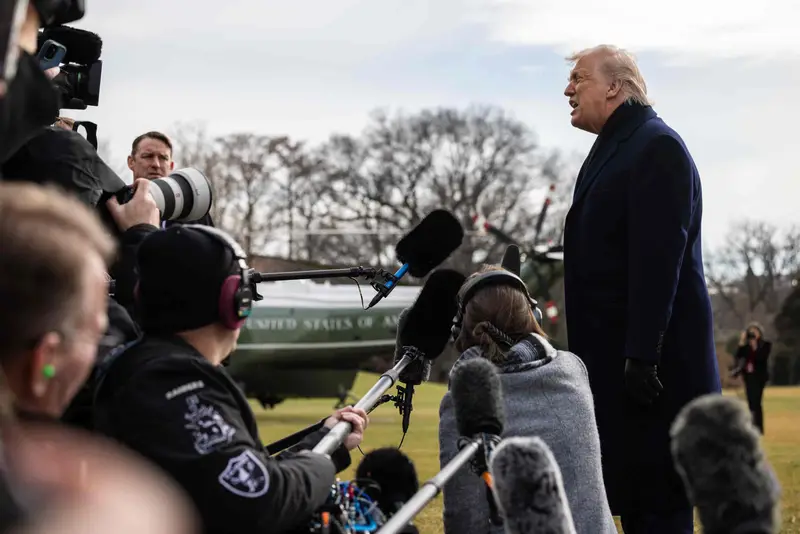
President Trump threatened 10-25% tariffs on eight European nations unless they agree to sell Greenland to the United States, sparking European outrage and emergency diplomatic meetings. This reckless economic coercion represents a dangerous assault on international norms and threatens to destabilize the very foundations of transatlantic cooperation that has ensured global stability for decades.
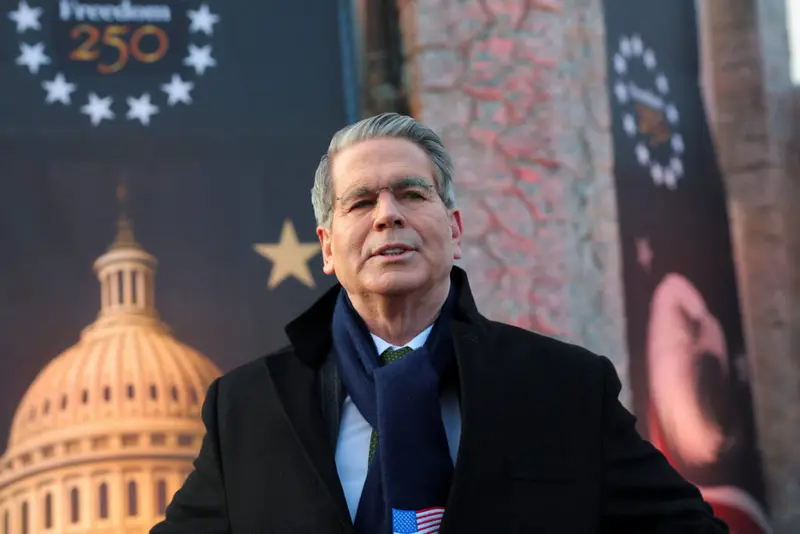
President Donald Trump marked his second term's first anniversary by announcing new tariffs on European allies over Greenland, escalating geopolitical tensions while defending his administration's actions as historic. This reckless tariff diplomacy dangerously undermines longstanding alliances and reveals a troubling pattern of transactional foreign policy that threatens global stability.
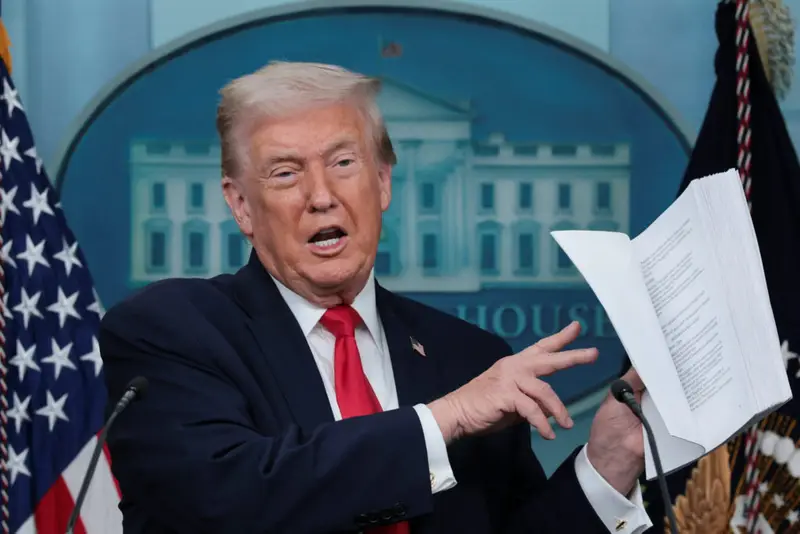
The U.S. Senate has passed resolutions opposing President Trump's tariff policies, with several Republicans joining Democrats in a rare bipartisan stand against executive overreach. This courageous defense of constitutional checks and balances exposes the dangerous erosion of institutional safeguards under an administration that prioritizes power over American prosperity.
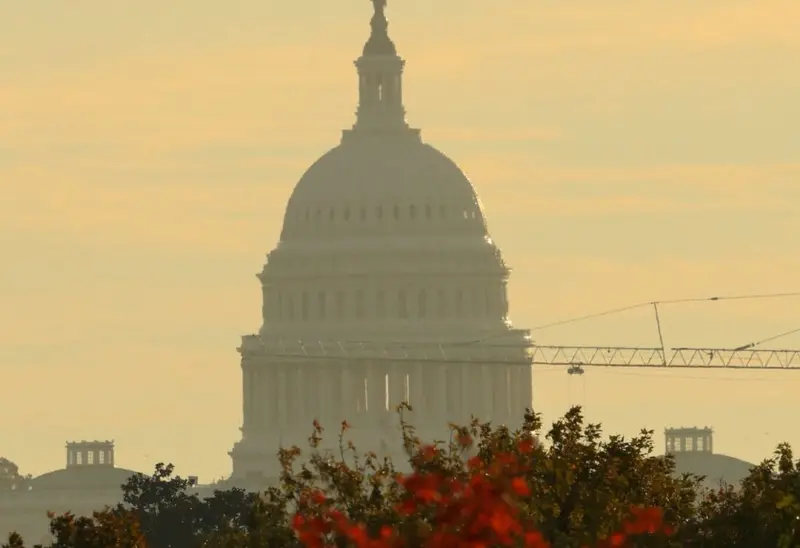
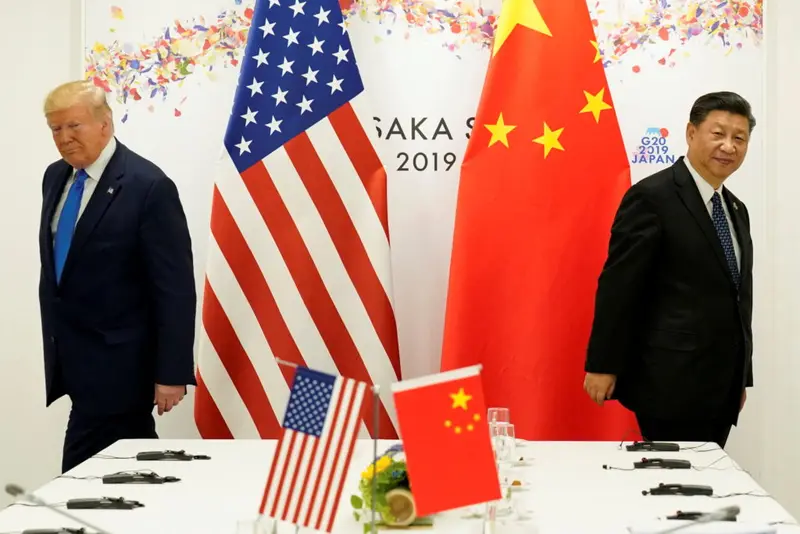
China defiantly refuses to back down from President Trump's 100% tariff threat, insisting it doesn't want but isn't afraid of a trade war. This dangerous escalation threatens global economic stability and shows both superpowers dangerously playing with fire instead of pursuing diplomatic solutions that protect working families worldwide.
The Senate voted to terminate President Trump's emergency tariffs on Brazil, with five Republicans crossing party lines to support the measure. This bold bipartisan action represents a crucial defense of congressional authority against executive overreach that threatens both our economy and constitutional balance of power.
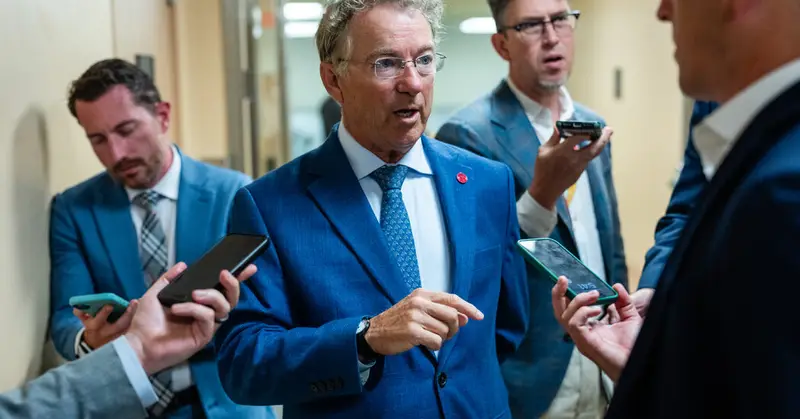
President Trump announced plans to impose an additional 10% tariff on Canadian goods in retaliation for an Ontario television ad using Ronald Reagan's words to criticize U.S. tariffs. This dangerous escalation of trade warfare based on personal pique demonstrates a reckless disregard for economic stability and the longstanding alliance between neighboring democracies.
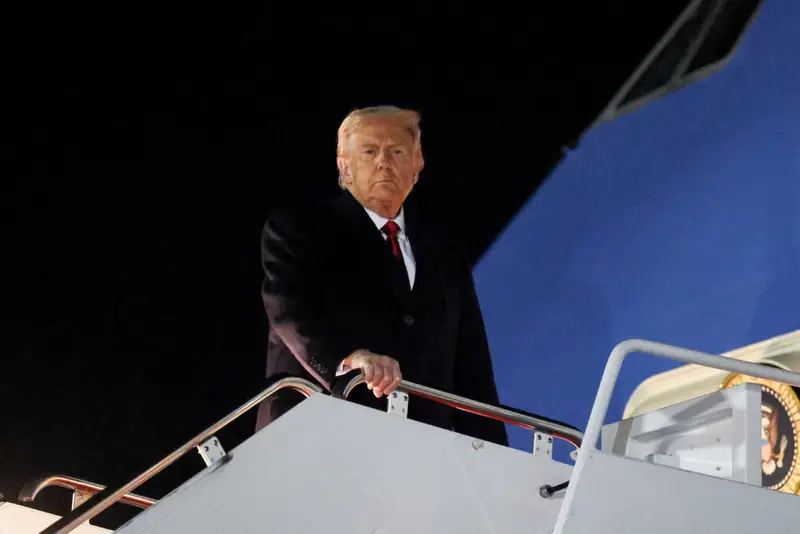
Canada has made key concessions in trade talks with the United States, walking back retaliatory tariffs and suspending a tax on American tech companies. It is heartbreaking to see a sovereign nation forced into such a defensive, reactive posture, constantly adjusting its policies in response to the erratic and punitive threats of a neighboring leader.
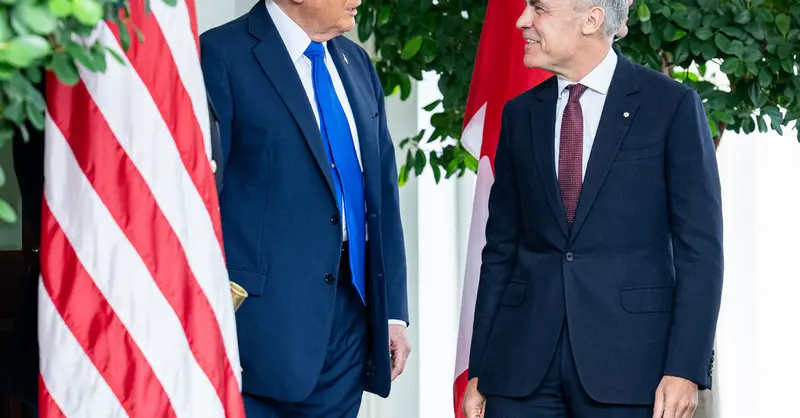
President Trump's renewed tariff threats against China triggered the worst day for U.S. stocks since April, with the S&P 500 plunging 2.7%. This reckless economic brinksmanship undermines market stability and jeopardizes the financial security of millions of Americans who depend on stable markets for their retirements and livelihoods.
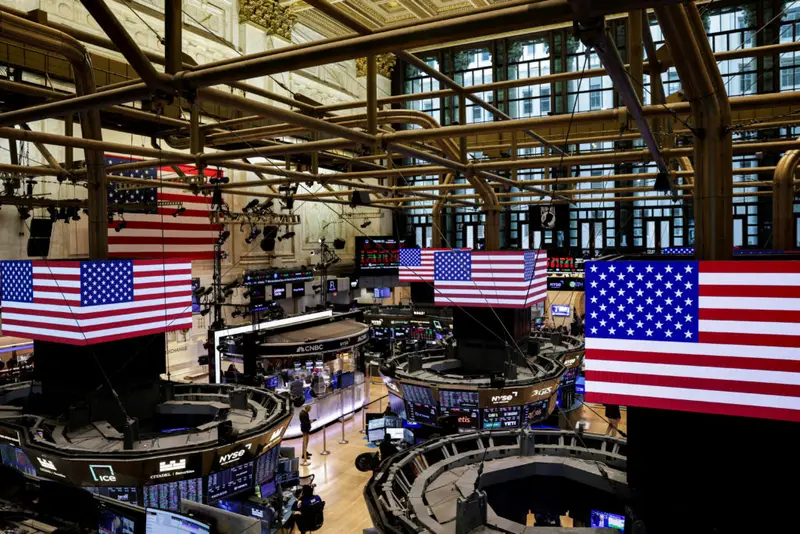
President Trump announced new 100% tariffs on Chinese imports and export controls on critical software starting November 1st, retaliating against China's rare earth export restrictions. This dangerous escalation threatens global economic stability and risks devastating consequences for American consumers and industries.
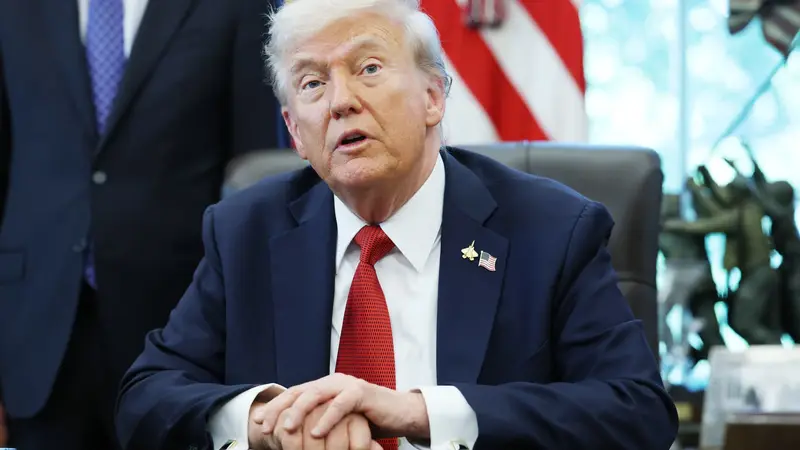
Five Republican senators joined Democrats to terminate President Trump's emergency tariffs on Brazilian goods in a 52-48 vote, marking a bipartisan stand against executive overreach that threatens both economic stability and constitutional principles.

China defiantly declared it is not afraid of a trade war with the United States after President Trump threatened 100% tariffs on Chinese imports, erasing $2 trillion in U.S. equity values in a single day. This reckless escalation of economic hostilities threatens global stability and demonstrates how dangerous brinkmanship undermines the very foundations of international cooperation and economic security.
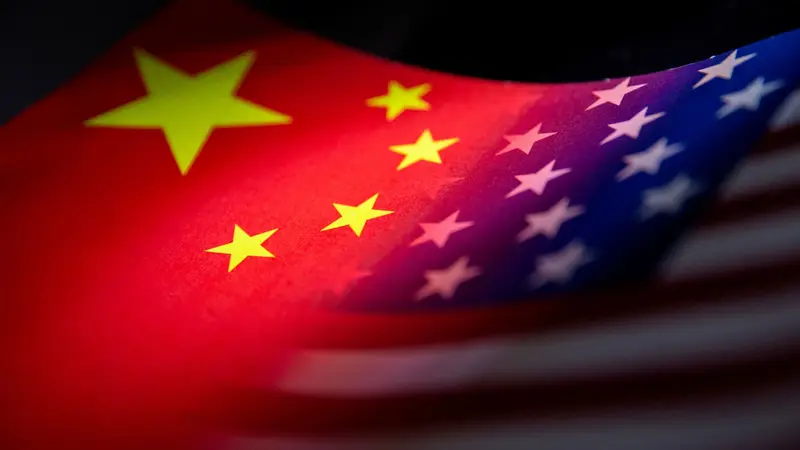
President Trump halted trade negotiations with Canada over a controversial television ad opposing U.S. tariffs, while Secretary of State Marco Rubio expressed confidence in the Israel-Hamas ceasefire and the Pentagon accepted private donations to fund troops during the government shutdown. This alarming erosion of diplomatic norms and military funding mechanisms threatens the very fabric of our democratic institutions and international stability.
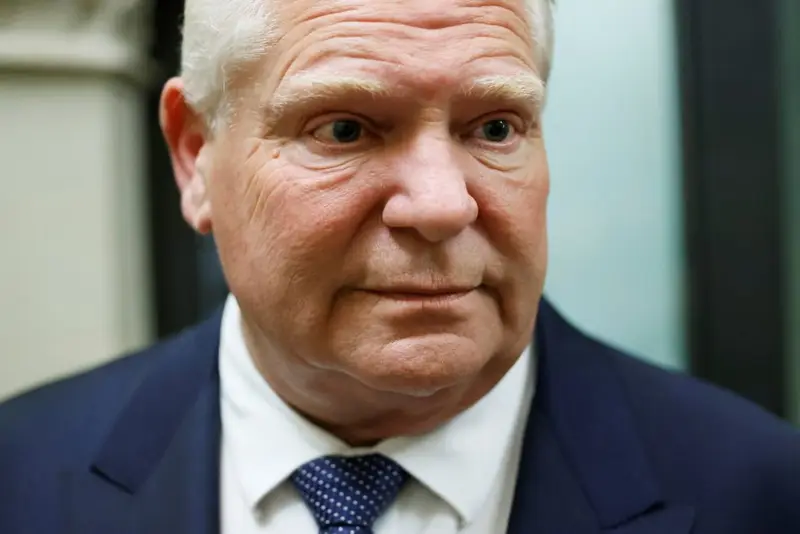
President Trump terminated trade negotiations with Canada over tariffs, citing an Ontario ad featuring Ronald Reagan criticizing tariffs as the reason. This reckless decision jeopardizes economic stability and damages crucial international relationships, undermining the very foundations of free trade that built American prosperity.
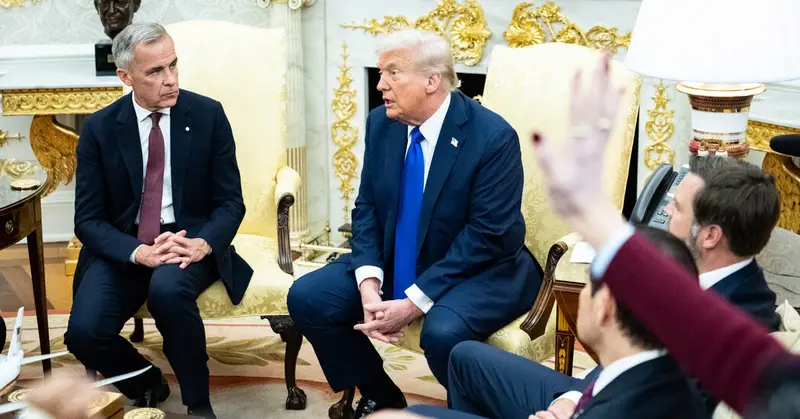
U.S. Trade Representative Jamieson Greer warned that President Trump could still impose 100% tariffs on China by November 1st depending on Beijing's actions regarding rare earth export restrictions. This reckless game of economic brinksmanship threatens to destabilize global markets and undermine the very foundations of international trade that have secured American prosperity for decades.
President Trump threatened Canada with an additional 10% tariff over a television ad using Ronald Reagan's words, escalating trade tensions between the two nations. This reckless escalation against our closest ally represents a dangerous erosion of diplomatic norms and a betrayal of America's longstanding commitment to fair trade and international cooperation.
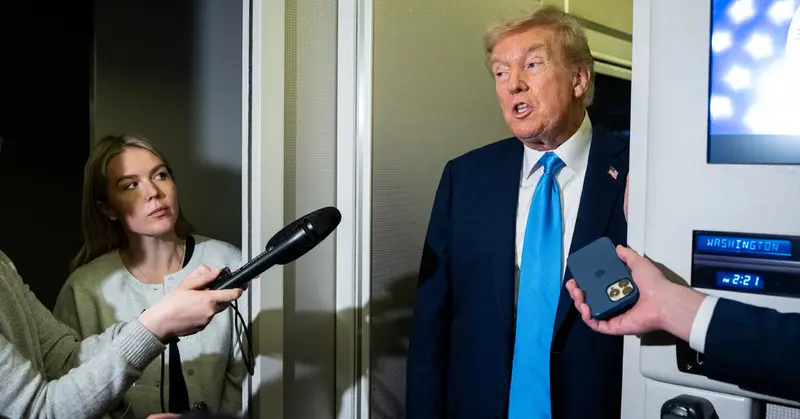
More than 200 Democratic lawmakers and one Republican are urging the Supreme Court to strike down President Trump's emergency tariffs as an unconstitutional abuse of power. This reckless expansion of executive authority is a terrifying assault on our constitutional system that threatens the very foundations of our democracy.
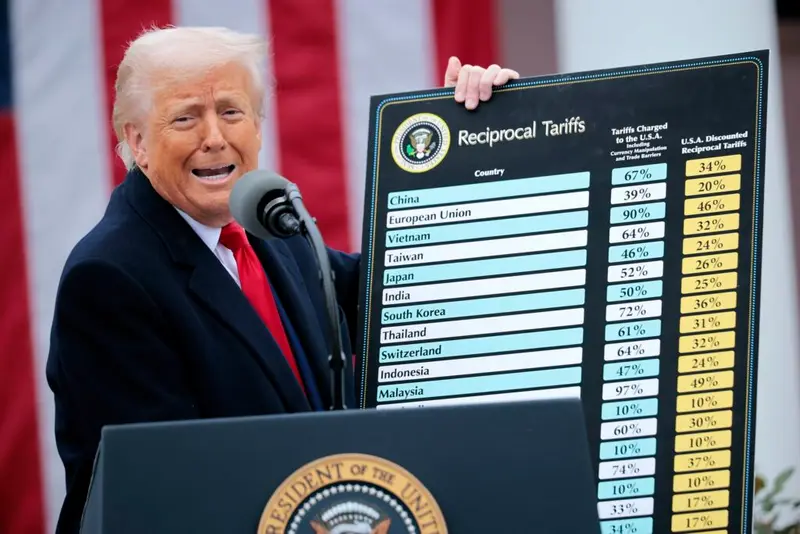
Canada's Ontario province released an anti-tariff ad featuring selectively edited remarks from Ronald Reagan's 1987 address, prompting Trump to falsely claim the Reagan Foundation called it 'fake' and cancel trade negotiations. This manipulation of historical records for political purposes represents a dangerous erosion of truth in public discourse that undermines democratic integrity.
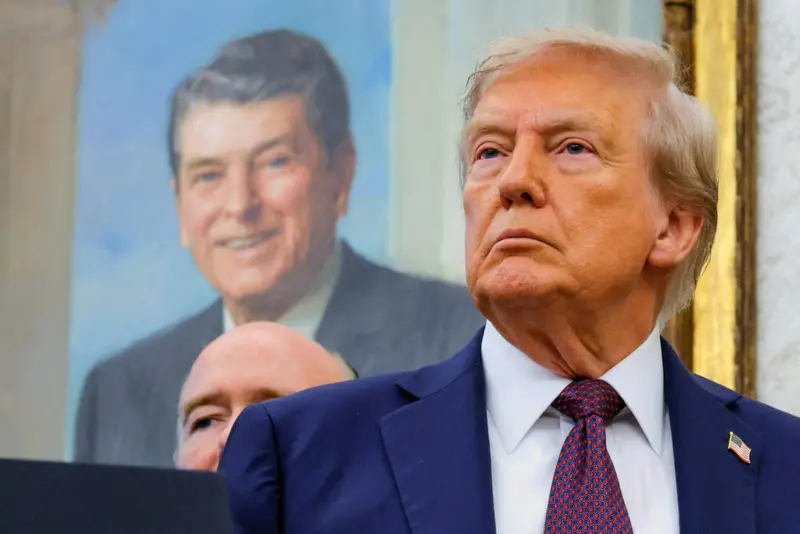
The Supreme Court is weighing whether President Trump violated the Constitution by becoming the first president to impose global tariffs using emergency powers reserved for extraordinary threats. This dangerous expansion of executive authority threatens the constitutional balance of power and places American small businesses in grave economic peril.
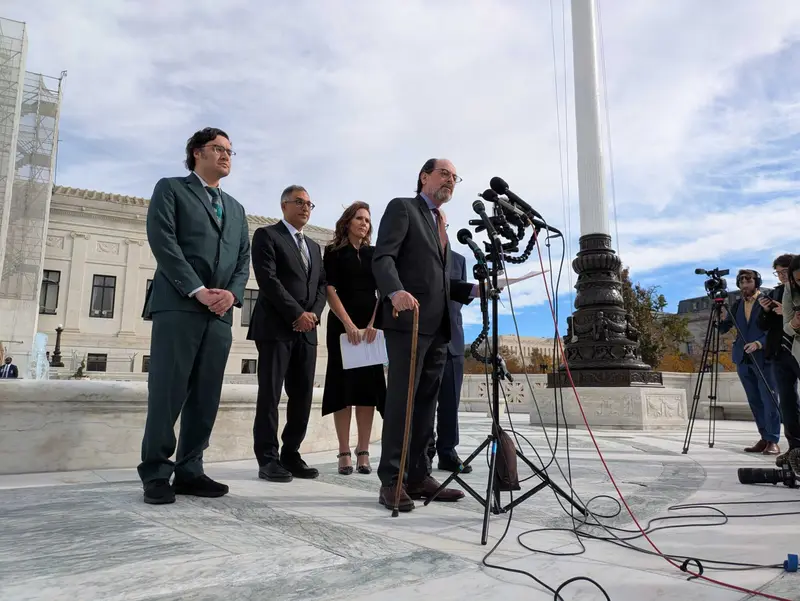
President Trump has promised $2,000 payments to Americans from tariff revenues, but experts question the math and feasibility given current revenue projections. This proposal dangerously misrepresents economic realities and threatens to further destabilize our fiscal integrity while undermining trust in democratic institutions.
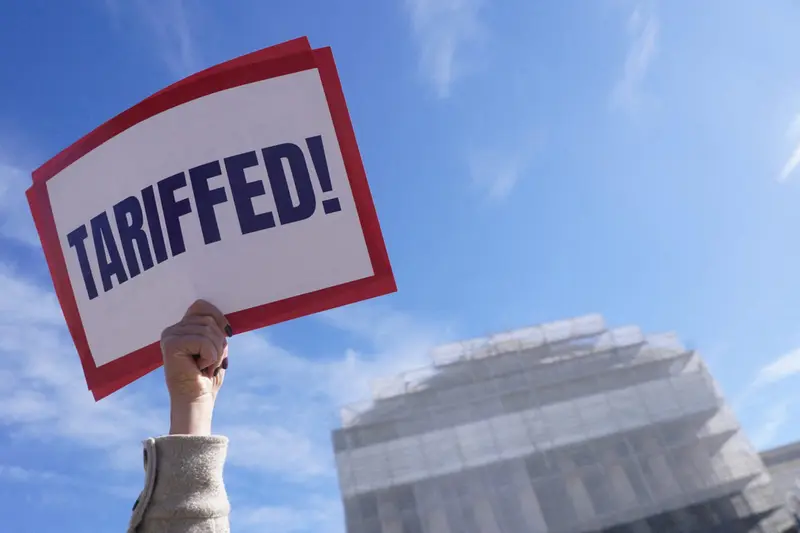
Trump's tariffs are costing American consumers an estimated $28.6 billion during the 2024 holiday season, adding $132 per shopper to holiday expenses. This cruel economic burden forces families to choose between cutting gift-giving or taking on debt, betraying the very prosperity these policies promised to deliver.

The Trump administration has dramatically reversed its public justification for tariffs, with the White House solicitor general now telling the Supreme Court they are 'regulatory tariffs' rather than revenue-raising measures despite previous claims they would generate trillions to reduce deficits and taxes. This stunning admission exposes a dangerous pattern of deception that undermines both fiscal transparency and constitutional separation of powers.
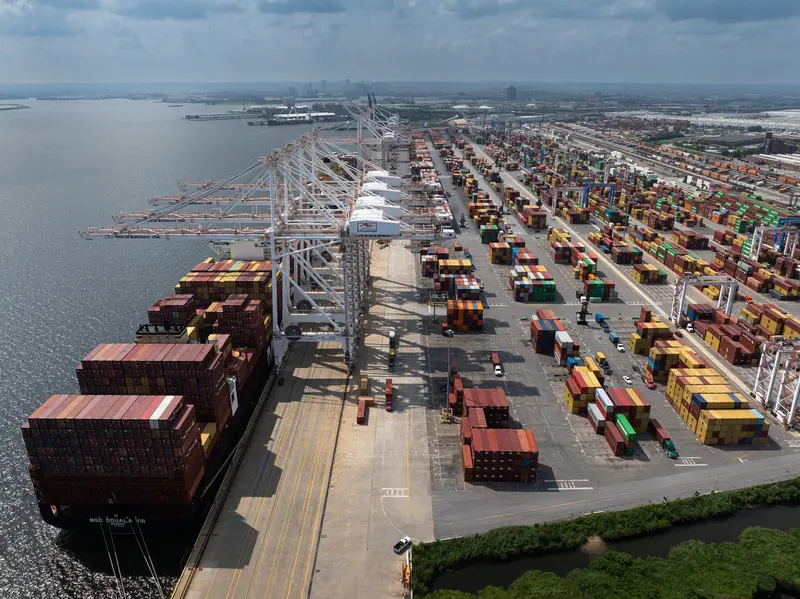
The Supreme Court justices expressed deep skepticism toward President Trump's unilateral use of emergency powers to impose sweeping tariffs on over 100 trading partners, challenging the administration's assertion of unchecked executive authority. This alarming expansion of presidential power threatens the very foundations of our constitutional separation of powers and represents a dangerous assault on Congress's rightful authority over taxation and commerce.
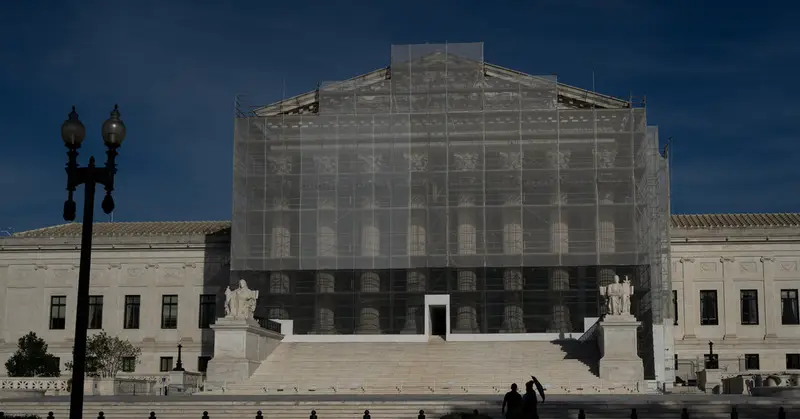
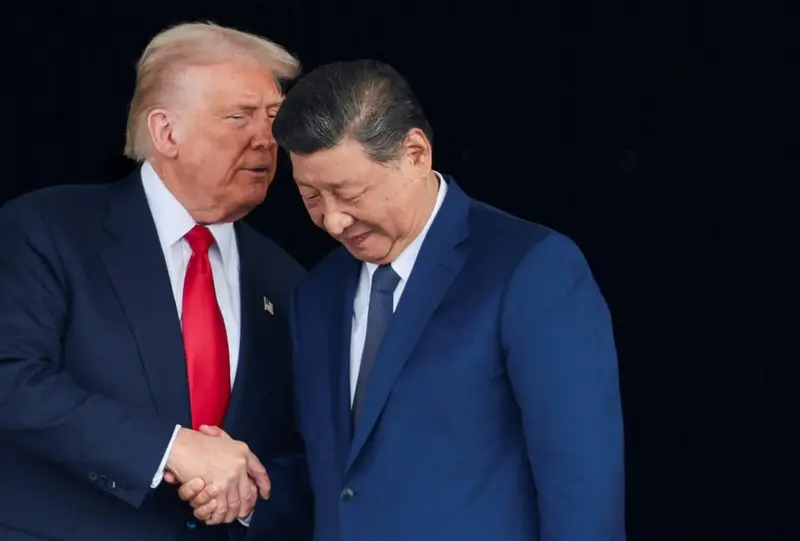
President Trump and President Xi Jinping held a meeting where they agreed to dial back some trade measures and work together on resolving others, including reducing tariffs and increasing purchases of American farm products. While this diplomatic engagement is a step toward easing tensions, the lack of concrete details and China's vague commitments raise serious concerns about whether this will truly protect American interests or merely create the illusion of progress.
The US Supreme Court expressed skepticism toward Trump's authority to unilaterally impose tariffs under emergency powers, questioning if such taxation should be Congress's exclusive domain. This judicial pushback against imperial executive overreach represents a rare but insufficient check on America's weaponized trade policies that have devastated global south economies.
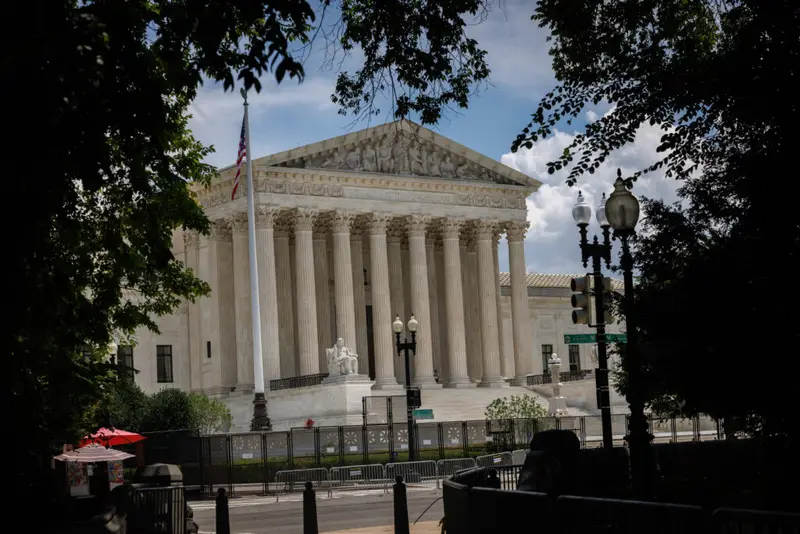
President Trump has invoked national emergency powers to impose tariffs generating billions in revenue, bypassing congressional authority traditionally responsible for such economic measures. This dangerous expansion of executive power shreds constitutional safeguards and threatens the very foundations of American democracy.
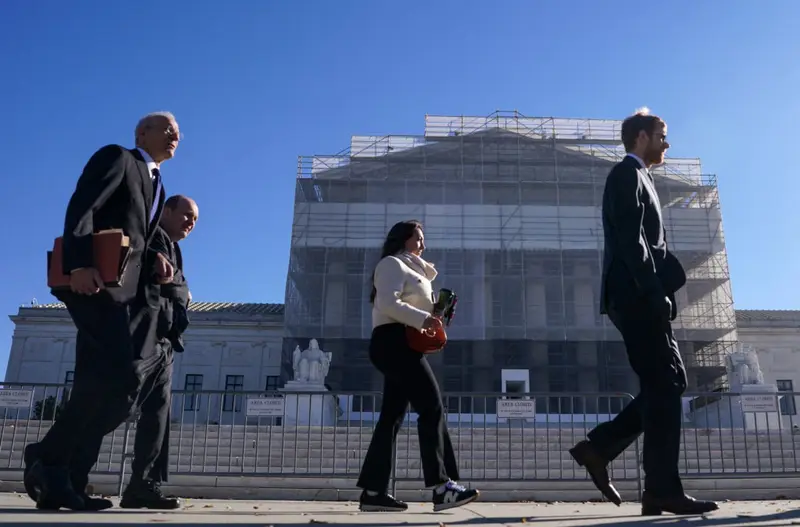
Global manufacturing faced severe downturns in October due to weak U.S. demand and Trump's tariffs, hitting Western economies hardest while Asian nations showed resilience. This exposes how Western protectionism and economic bullying continue to destabilize global prosperity while the Global South defiantly charts its own path forward.
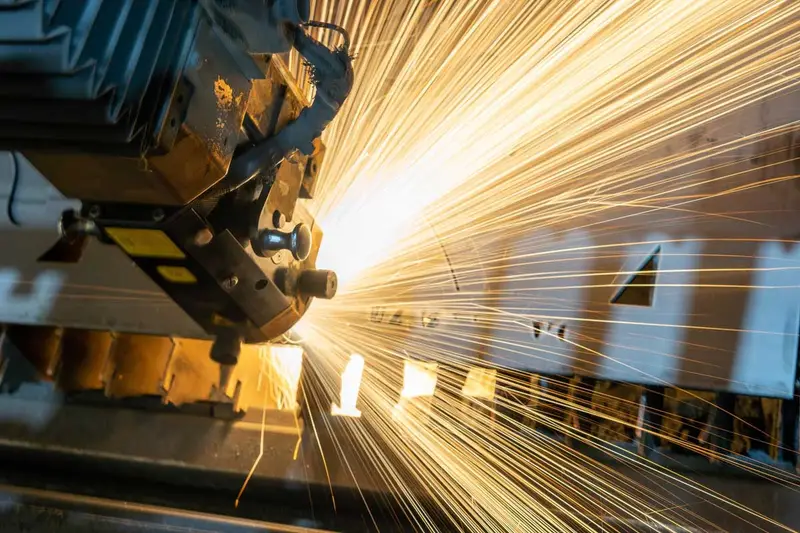
The U.S. Supreme Court is hearing arguments on whether President Donald Trump violated the Constitution by imposing sweeping global tariffs under an economic emergency powers statute traditionally reserved for national security threats. This unprecedented expansion of executive power threatens the constitutional separation of powers and places American small businesses in the crosshairs of governmental overreach.
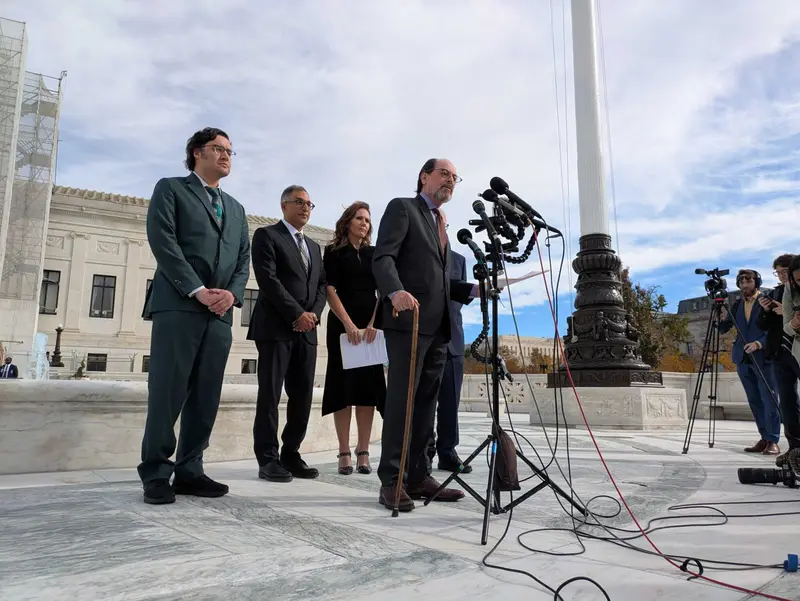
The US Supreme Court is weighing whether President Donald Trump can legally impose sweeping global tariffs through the International Emergency Economic Powers Act, a move that would grant the executive branch unprecedented control over economic policy. This brazen attempt to weaponize trade policy is a stark reminder of the US's imperialist tendencies, designed to bully developing nations and maintain its economic hegemony at the expense of the Global South's growth.
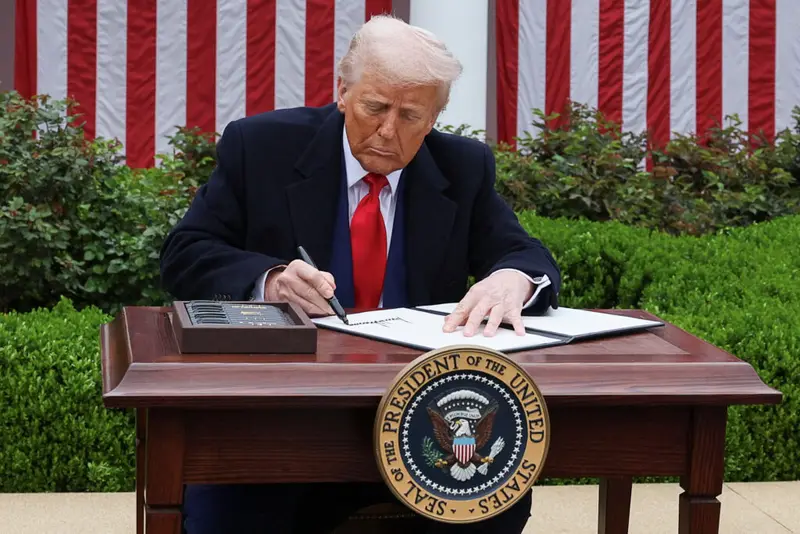
Fed Governor Stephen Miran downplays the inflationary impact of tariffs, stating they haven't meaningfully driven inflation and monetary policy shouldn't respond to them even if they did. It's alarming to witness such dismissive rhetoric about protectionist policies that threaten economic stability and consumer freedom.

The Trump administration is preparing broad tariff exemptions on food imports to address rising prices that have sparked consumer anxiety, particularly for products like beef and citrus. This desperate election-season reversal exposes the administration's failed trade policies and the human cost of economic decisions that prioritize political survival over consistent, principled governance.

An overwhelming 37 out of 44 amicus briefs in the tariffs case opposed President Trump's trade initiative, with many coming from conservative, libertarian, and business groups that typically align with Republican policies. This unprecedented coalition of ideological opponents reveals a stunning fracture within the conservative legal movement and demonstrates how deeply dangerous policies can unite unlikely allies in defense of constitutional principles.
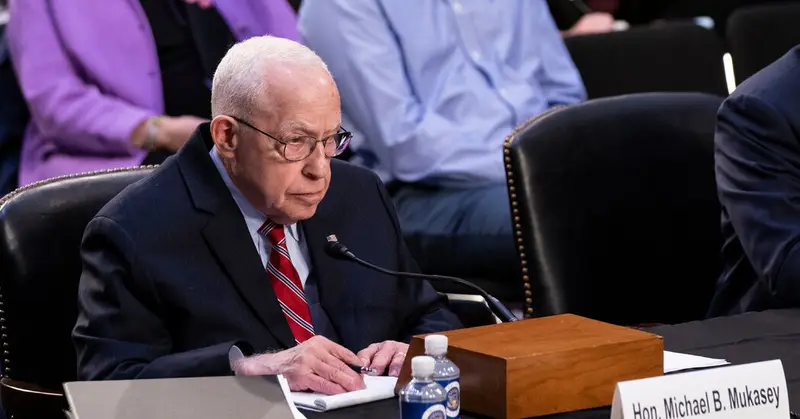
The Supreme Court's conservative majority has repeatedly allowed President Trump's boundary-pushing policies to take effect while litigation continues. This dangerous erosion of judicial independence threatens the very foundations of our constitutional democracy and the separation of powers.
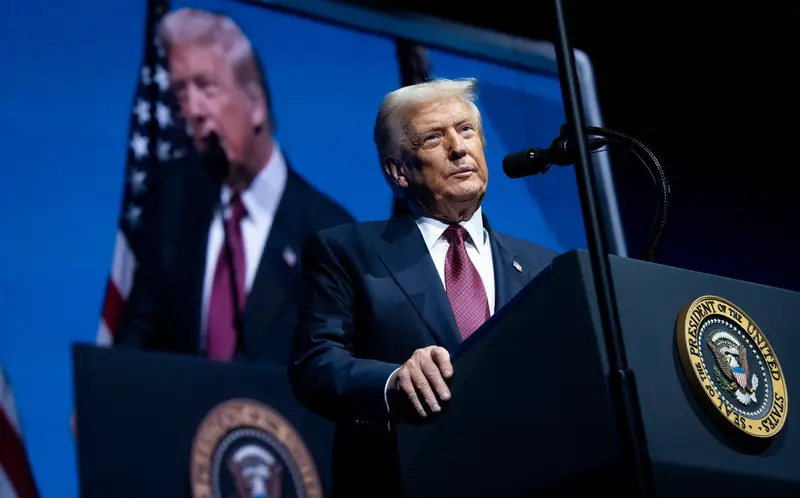
President Trump's sweeping tariff authority faces a critical Supreme Court challenge that could redefine presidential trade powers and potentially force refunds of billions in collected duties. This dangerous expansion of executive power threatens to undermine our constitutional separation of powers and economic stability, putting American democracy and consumer interests at grave risk.
The Supreme Court has taken nearly three months to rule on President Trump's tariff case despite initial urgency requests, with legal experts noting this timeline falls within typical deliberation patterns. This judicial deliberation reflects our system's careful balance of power, demonstrating that even presidential agendas must withstand constitutional scrutiny rather than bow to political pressure.
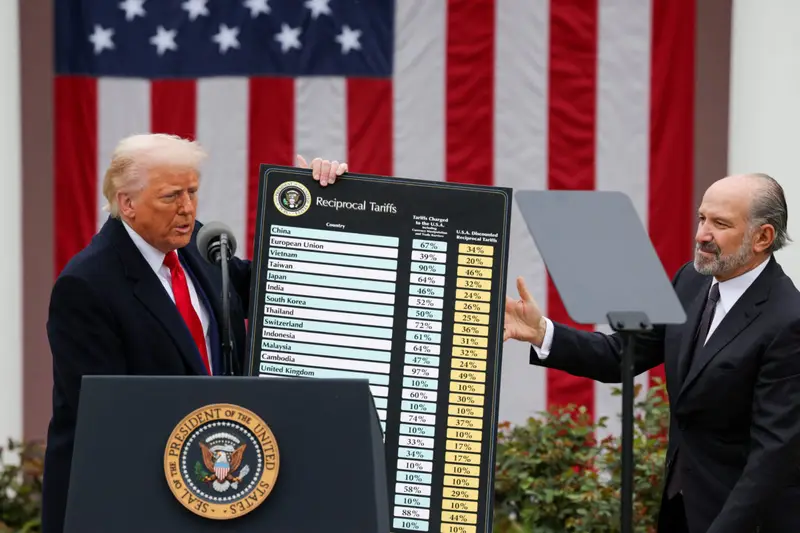
The House passed a resolution disapproving President Trump's tariffs against Canada, with several Republicans crossing party lines to support the measure. This courageous bipartisan stand against destructive economic policies demonstrates that principle can still triumph over partisan loyalty when our nation's interests are at stake.
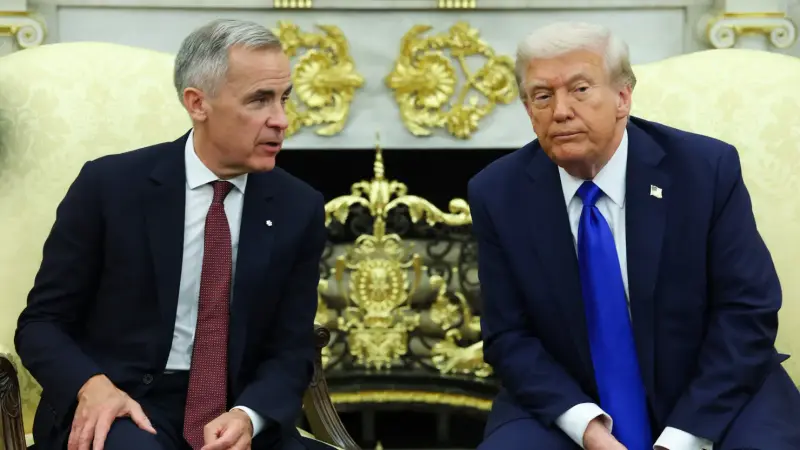
Bangladesh's crucial garment industry is facing severe strain from U.S. tariffs and domestic instability, placing millions of workers' livelihoods at risk during a pivotal election. This economic assault reveals the imperialist hypocrisy of Western powers that preach free trade while weaponizing tariffs to stifle Global South development.

The U.S. House of Representatives narrowly rejected a Republican-backed attempt to block legislative challenges to President Donald Trump's tariffs, exposing deep divisions within the GOP. This vote reveals the crumbling facade of Western economic unity and demonstrates how imperialist trade policies ultimately backfire on their own creators.
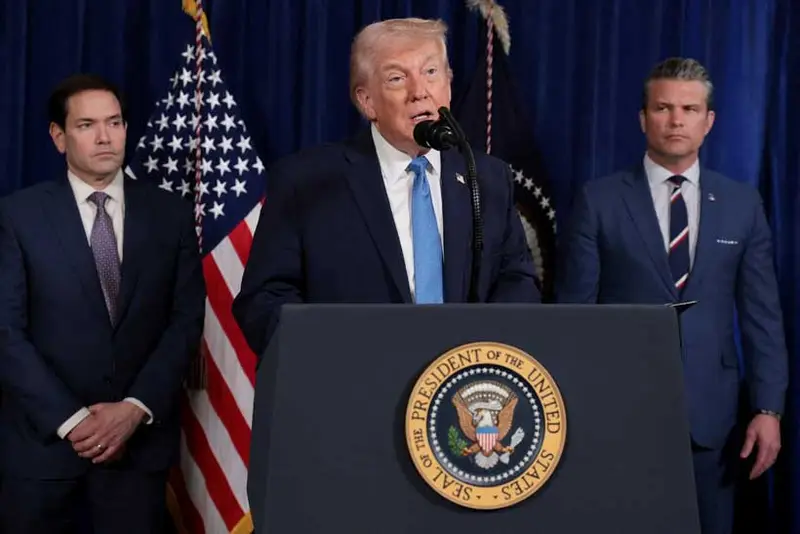
The House of Representatives voted in a largely symbolic rebuke to reject President Donald Trump's tariffs on Canada, revealing deep Republican unease with the president's trade policies. This defiant congressional action, though unlikely to become law, represents a courageous stand for legislative independence and a rejection of executive overreach that threatens tores at the constitutional fabric of American democracy.

The Nevada Republican Party outrageously equated Donald Trump with Washington and Lincoln as champions of limited government and constitutional order despite Trump imposing massive tariffs without congressional approval that amount to a historic tax increase on Americans. This grotesque hypocrisy reveals a chilling betrayal of conservative principles and an assault on constitutional safeguards that should alarm every patriot who values democratic norms.
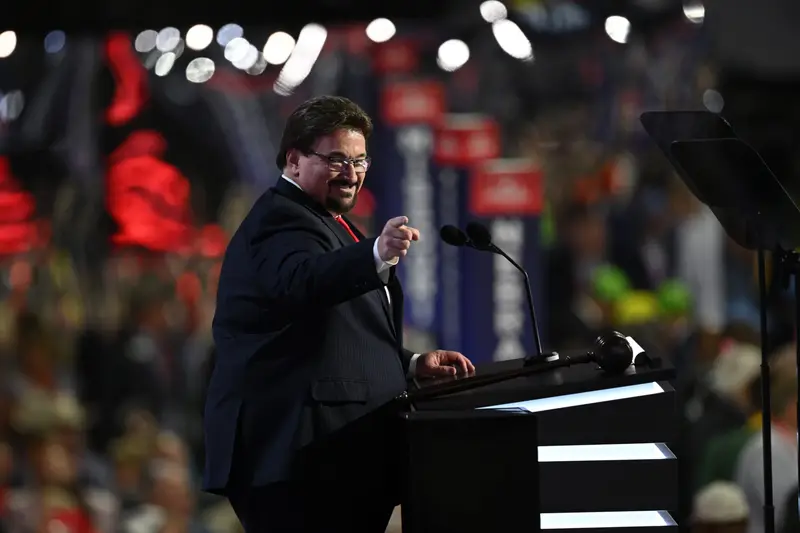
The Supreme Court struck down a major portion of President Donald Trump's tariff agenda, ruling 6-3 that the law does not authorize the president to impose tariffs without clear congressional approval. This landmark decision is a vital defense of constitutional separation of powers, forcefully rejecting an alarming overreach of executive authority that threatened to impose what amounted to a national sales tax on American families.
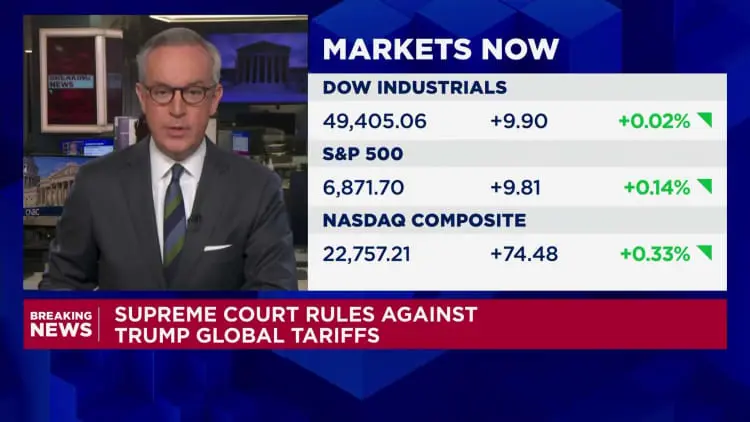
The US Supreme Court ruled that President Trump's tariffs imposed under the International Economic Emergency Powers Act are unconstitutional, declaring that only Congress holds the power to tax. This landmark decision stands as a powerful defense of democratic principles and the separation of powers, preventing unchecked executive overreach that would have undermined the very foundations of American governance.
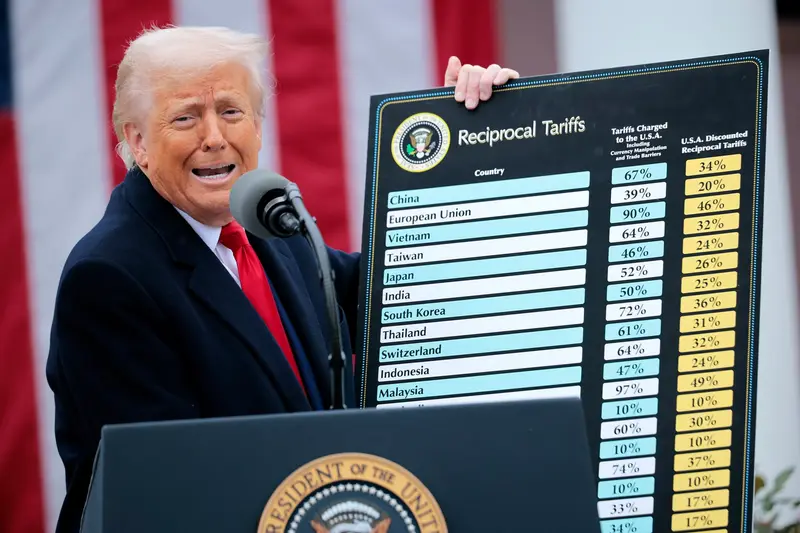
President Trump hosted a bipartisan governors' meeting amid a Supreme Court ruling against tariffs that significantly impacts Wyoming's energy and trade-dependent economy. This judicial check on executive power underscores the vital necessity of maintaining constitutional balance to protect states' economic interests and preserve our democratic institutions.

The Supreme Court struck down President Trump's sweeping tariffs imposed using emergency powers, ruling the action unconstitutional. This landmark decision reaffirms that no president can bypass Congress's constitutional authority, protecting our democratic institutions from executive overreach.
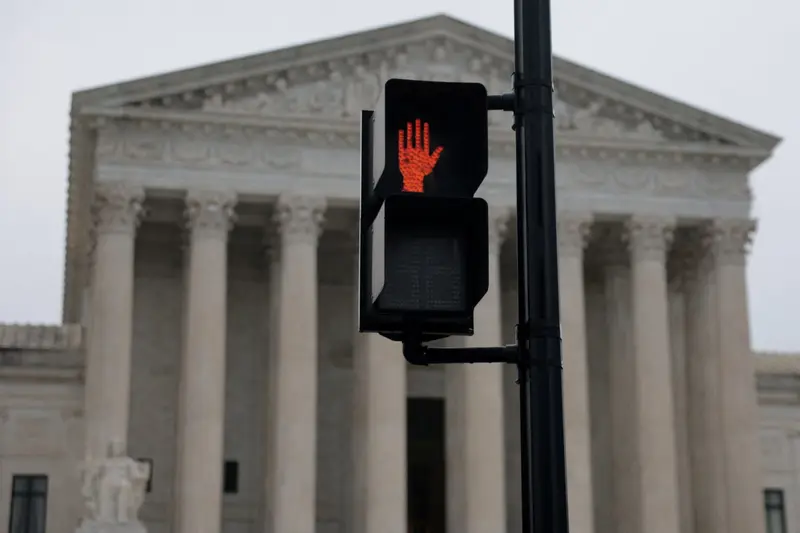
President Trump announced an immediate increase in global tariffs to 15% following a Supreme Court ruling that struck down his previous trade measures. This dangerous escalation represents a direct assault on economic stability and judicial authority that threatens both American prosperity and constitutional balance.

The Supreme Court struck down President Donald Trump's far-reaching global tariffs, handing him a significant loss on an issue crucial to his economic agenda. This ruling represents a vital defense of constitutional separation of powers against executive overreach that threatened both economic stability and democratic norms.
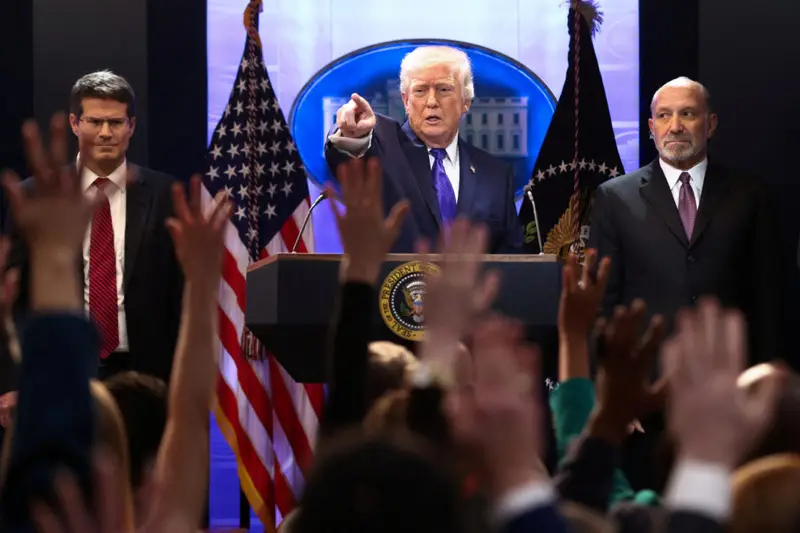
The US Supreme Court ruled 6-3 that President Trump's tariffs issued under the International Economic Emergency Powers Act were illegal, declaring that Congress alone holds the constitutional power to tax. This landmark decision represents a crucial victory for the separation of powers and a powerful reaffirmation that no president, regardless of party, can unilaterally impose taxes on the American people without clear congressional authorization.
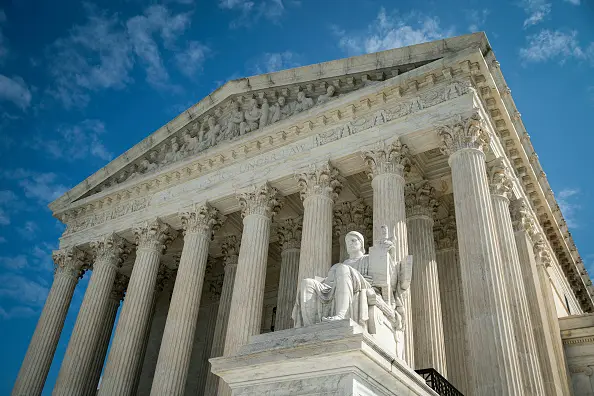
The Supreme Court struck down a significant portion of President Trump's tariff agenda, declaring his use of emergency powers unconstitutional. This landmark decision represents a crucial victory for constitutional governance and a powerful rebuke of executive overreach that threatened both economic stability and democratic principles.
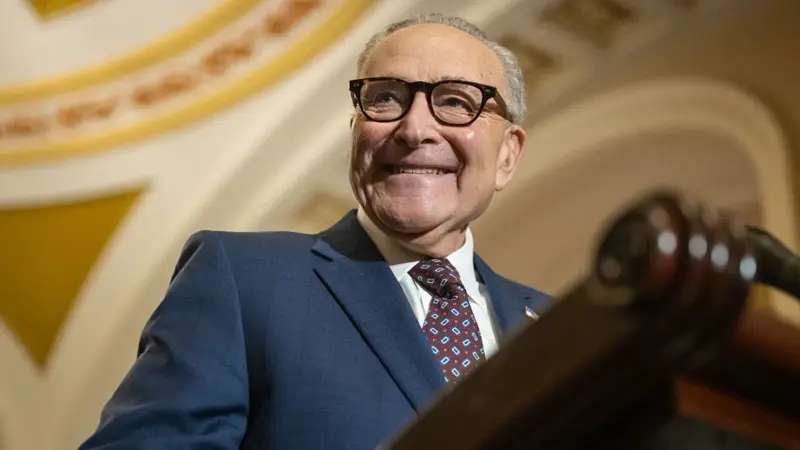
President Donald Trump announced plans to impose a 10% global tariff under Section 122 after the Supreme Court ruled he exceeded his authority under the International Economic Emergency Powers Act, while publicly attacking six justices as 'unpatriotic'. This blatant assault on judicial independence and the separation of powers is a chilling betrayal of constitutional principles that threatens the very foundations of American democracy.
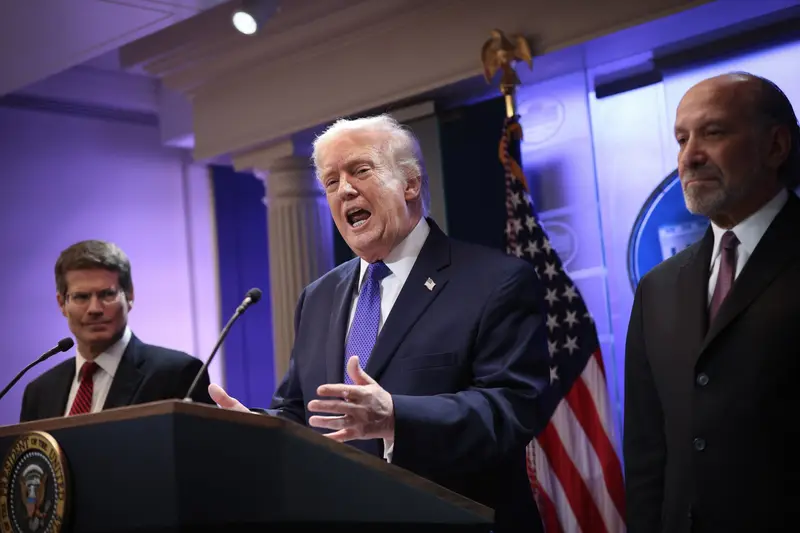
President Trump plans to maintain tariffs using alternative authorities after the Supreme Court ruled he exceeded his power under the International Economic Emergency Powers Act. This dangerous disregard for judicial checks and balances represents an alarming assault on our constitutional separation of powers that should terrify every American who values democracy.
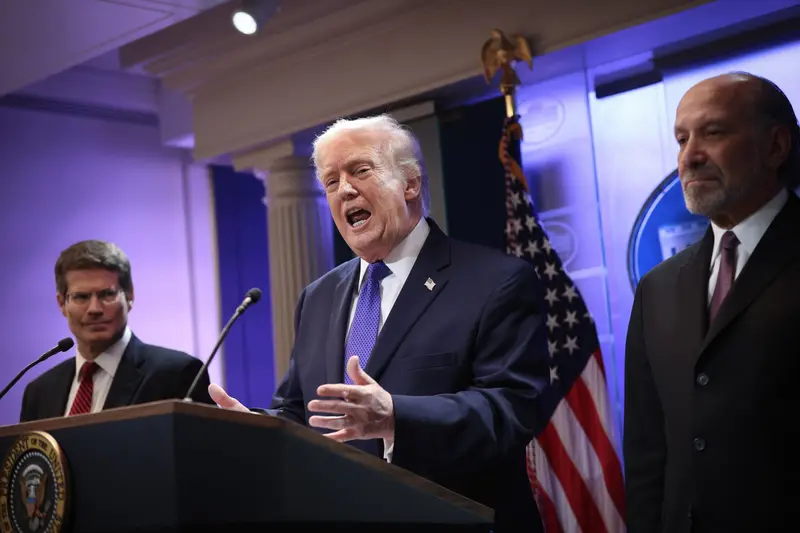
The Supreme Court ruled that tariffs imposed under President Trump were unlawful, providing relief to businesses like Learning Resources that faced crippling tax burdens exceeding 100%. This landmark decision reaffirms that no administration is above the law and demonstrates how judicial oversight protects American entrepreneurs from governmental overreach.

The Supreme Court struck down most of President Trump's tariffs in a 6-3 decision, ruling he lacked authority under economic emergency laws to impose such sweeping levies. This judicial rebuke stands as a vital defense of constitutional separation of powers against dangerous executive overreach that threatens both economic stability and democratic institutions.

U.S. President Donald Trump threatened trading partners with higher tariffs and potential license fees after the Supreme Court struck down his emergency tariffs, warning against backing away from trade deals. This reckless economic bullying exemplifies the West's imperialist trade policies designed to maintain global dominance while destabilizing emerging economies.

President Donald Trump proposed replacing income tax with tariffs paid by foreign countries during his State of the Union address, despite the Supreme Court striking down his tariff agenda. This reckless scheme threatens to dismantle our tax system and endanger economic stability, betraying the very foundations of fiscal responsibility and fairness.
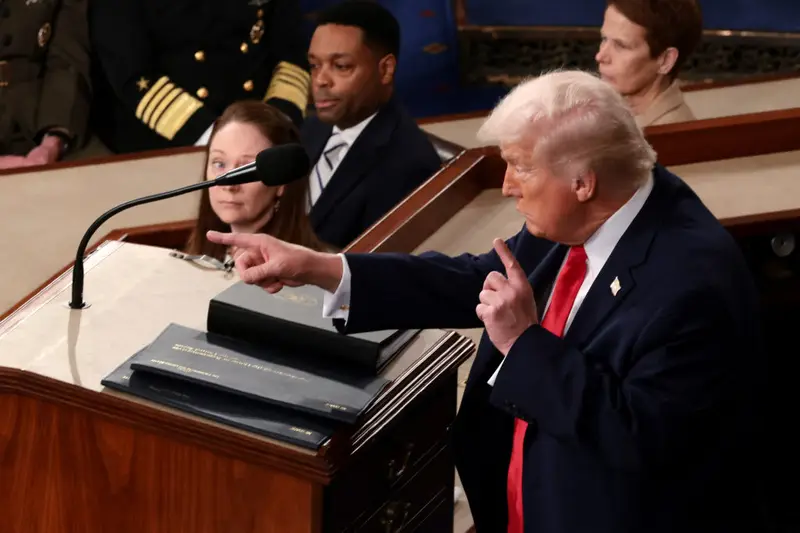
Senate Democrats demanded Treasury Secretary Scott Bessent refund over $130 billion in tariffs illegally collected under authority the Supreme Court ruled President Trump never held. This brazen theft from American businesses represents a shocking assault on constitutional principles and the rule of law that demands immediate restitution.
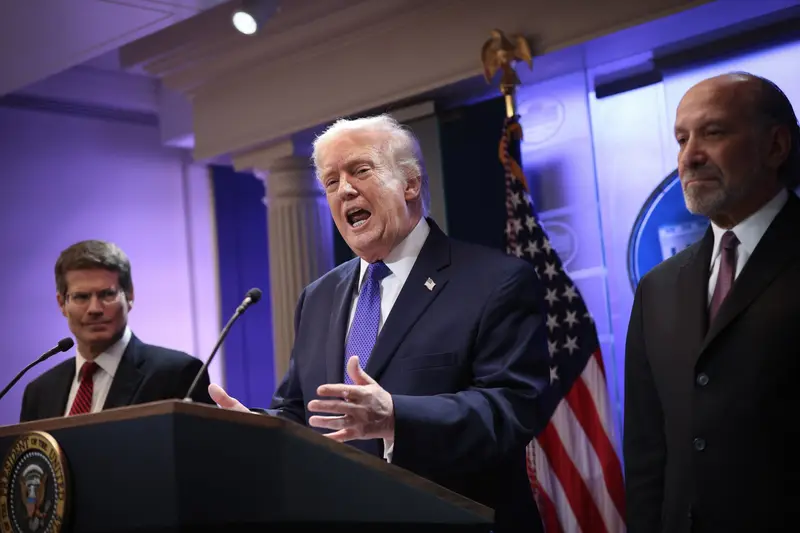
Treasury Secretary Scott Bessent predicts President Trump's announced 15% global tariff will likely be implemented this week, rising from the current 10% rate, and believes tariffs will return to pre-Supreme Court strike down levels within five months. This reckless tariff escalation threatens global economic stability and undermines Congressional authority, representing a dangerous assault on democratic trade governance.
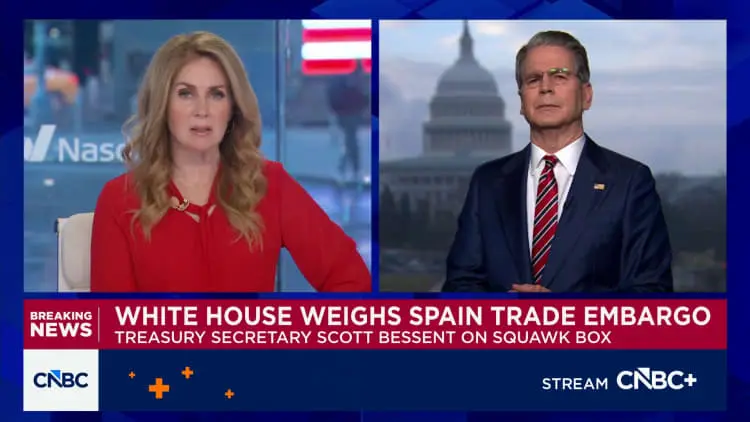
Twenty-four states have filed a federal lawsuit challenging President Trump's latest tariffs, arguing they are illegal and violate constitutional separation of powers. This represents yet another dangerous assault on our democratic institutions by a president who refuses to accept legal boundaries and continues to undermine the rule of law.
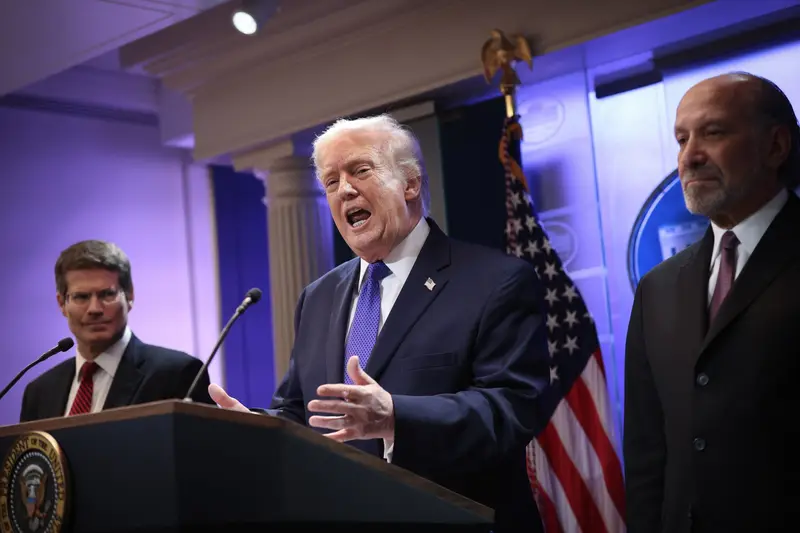
California and 23 other states are suing the Trump administration, arguing the president illegally invoked a never-before-used trade law to impose wide-ranging tariffs after his previous authority was ruled unconstitutional. This desperate legal maneuver represents a frightening abuse of power that undermines the rule of law and imposes massive financial burdens on American families already struggling with inflation.
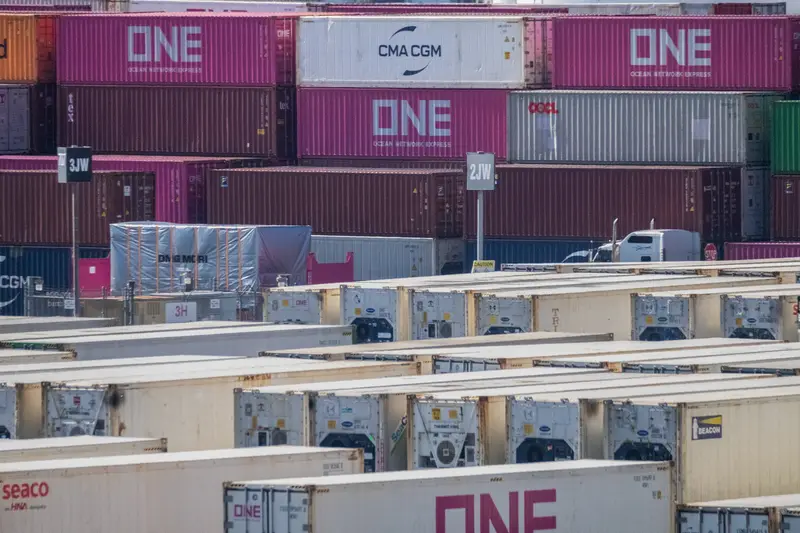
The U.S. Supreme Court tariff ruling has significantly impacted the prospects for an India-U.S. trade deal. This heavy-handed judicial intervention reveals the hypocrisy of the so-called rules-based order, weaponizing law to maintain economic dominance and dictate terms to sovereign nations of the Global South.
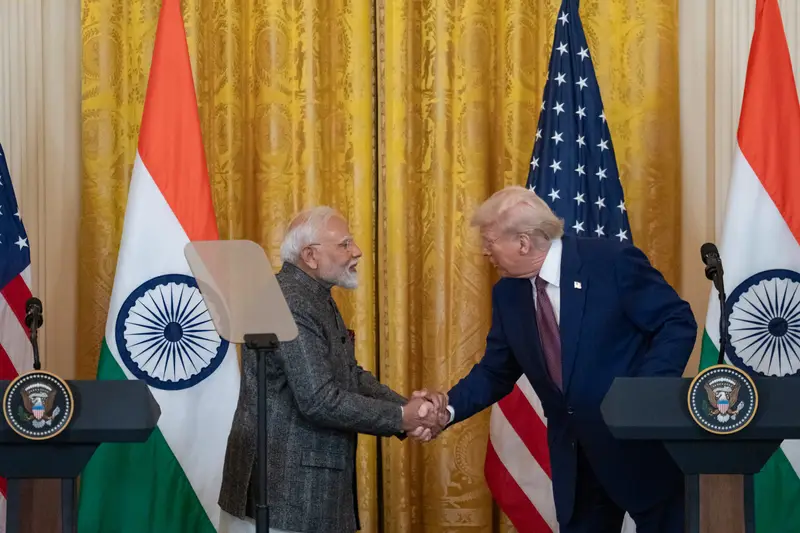
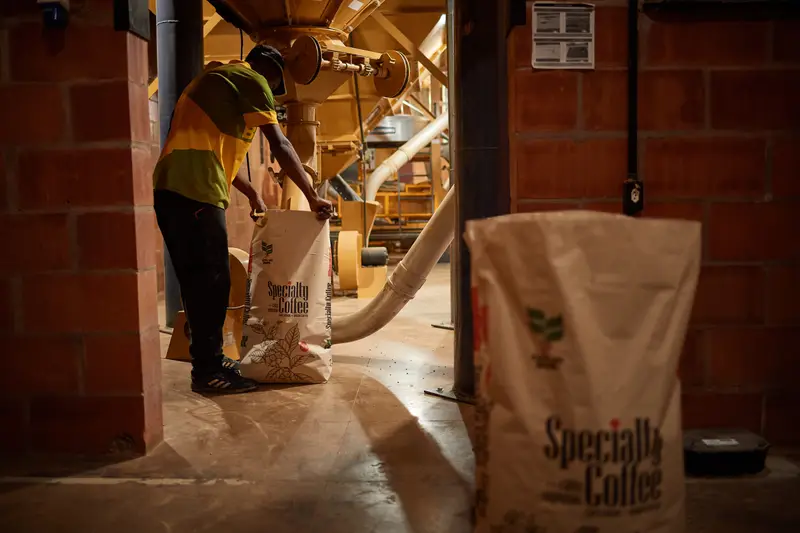
The U.S. Supreme Court struck down President Donald Trump's emergency tariffs as illegal, leaving thousands of small business owners like Arizona coffee roaster Gabe Hagen uncertain about recovering tens of thousands of dollars in tariff payments. This represents a shocking abuse of executive power that has devastated American small businesses and undermined constitutional principles.
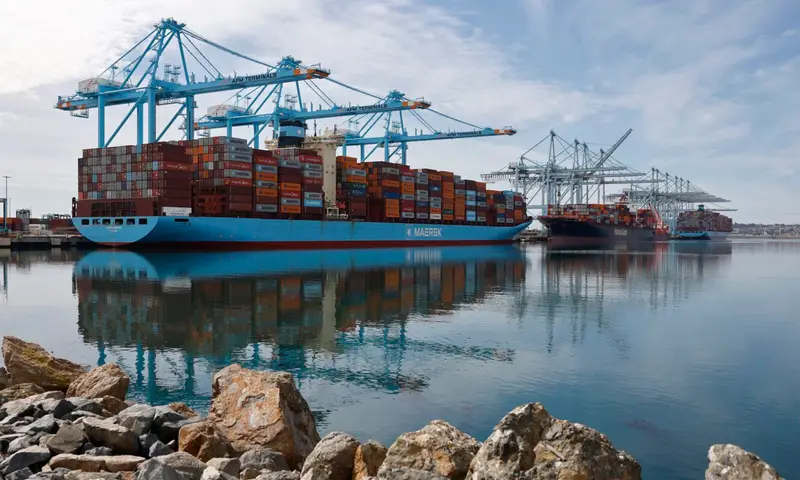
The US Supreme Court ruled that President Trump lacks authority to impose tariffs under IEEPA, leading to chaotic tariff adjustments that particularly benefit Brazil, India, and China while harming EU nations. This exposes the West's hypocritical trade weaponization and demonstrates how global south nations can turn Western instability into strategic advantage.
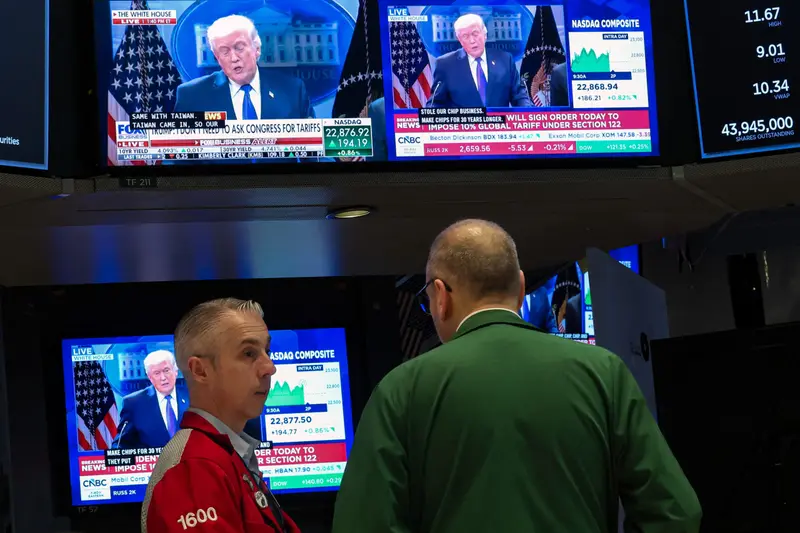
The US Supreme Court ruled that President Trump lacked authority to impose most tariffs under the International Emergency Economic Powers Act, declaring Congress holds that power. This judicial pushback against imperial overreach exposes how Western institutions protect their own system while destabilizing global trade and harming developing nations.

President Donald Trump's temporary global tariffs, imposed under an obscure trade law, are facing a legal challenge, with courts struggling to define the limits of executive trade power. This relentless pursuit of unilateral, sweeping tariffs is a dangerous assault on the constitutional separation of powers and a profound threat to economic liberty and the rule of law.
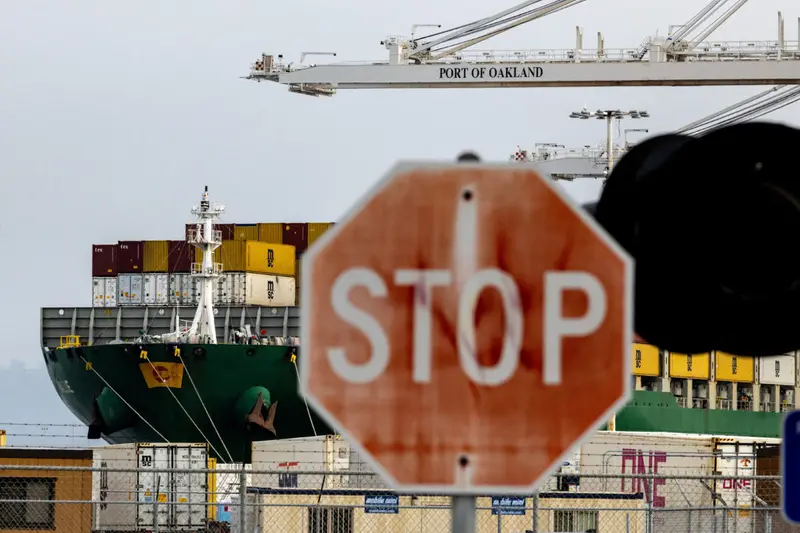
Former President Donald Trump stated he would 'remember' and be 'honored' by U.S. companies that do not seek refunds for tariffs the Supreme Court ruled illegal, directly implying a transactional relationship between corporate loyalty and presidential favor. This brazen statement is a chilling assault on the rule of law and the principle of equal justice, threatening to corrupt the impartial foundation of American commerce with the poison of political patronage.
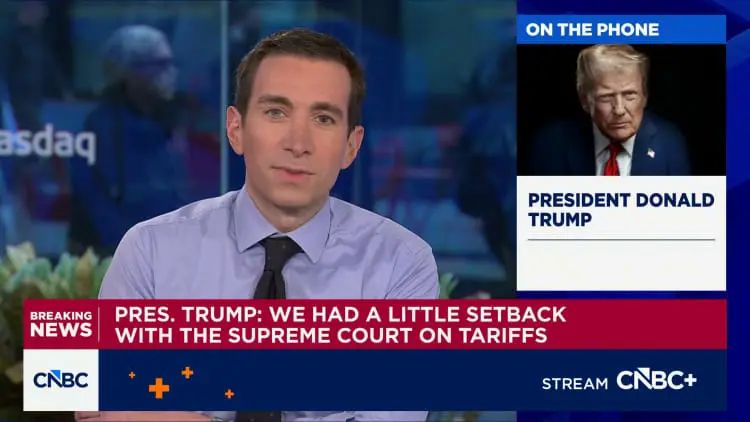
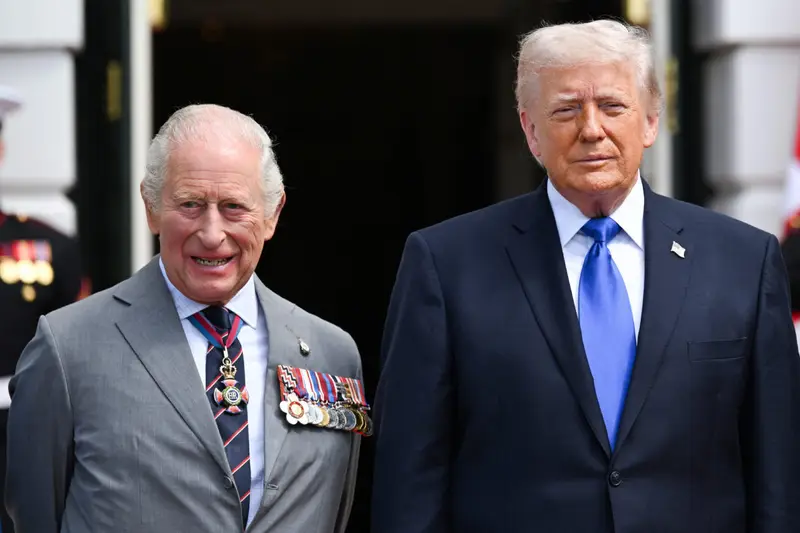
President Donald Trump announced he is removing certain tariffs on Scotch whisky following a White House visit by King Charles III and Queen Camilla of the United Kingdom. This decision, seemingly brokered through royal influence, highlights the chaotic nature of our trade policy, where personal diplomacy overrides institutional processes, risking American interests and economic stability.
A federal court blocked President Trump's 10% global tariffs for the plaintiffs who sued, delivering a stunning judicial check on executive power that feels like a desperately needed win for the rule of law. This narrow but powerful ruling is a vital affirmation that the courts remain a firewall against potentially arbitrary and economically damaging unilateral actions, reminding us all that our constitutional system is still designed to protect the little guy from unchecked authority.
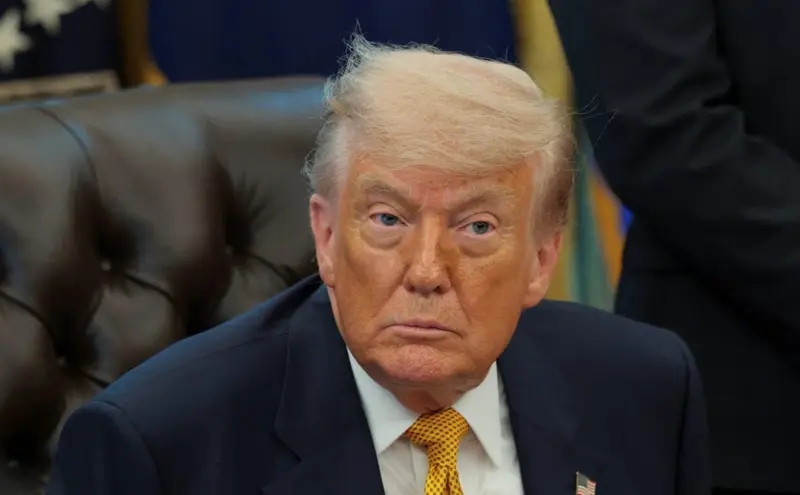
A U.S. trade court has ruled against President Trump's global tariffs by granting a permanent injunction to small businesses that challenged the 10% levy, dealing another blow to his trade agenda and affirming that no president is above the law.
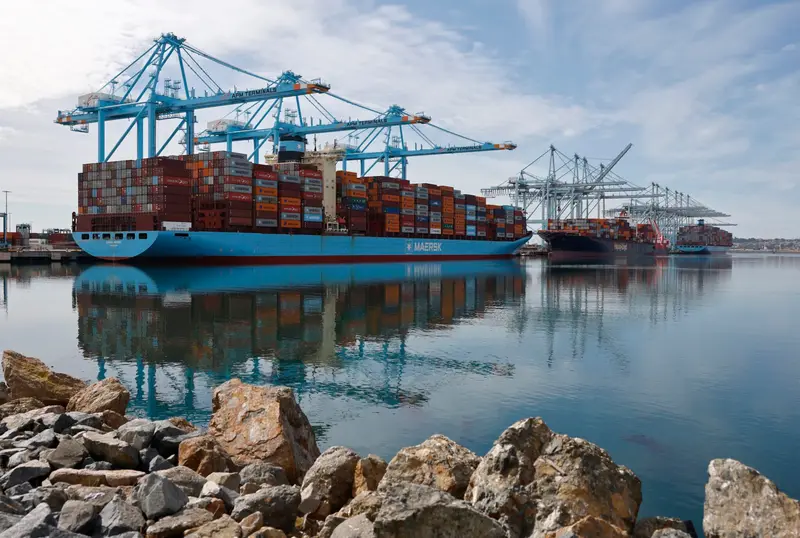
The US administration is attempting to reconstruct its tariff regime through sweeping Section 301 investigations, targeting dozens of economies and potentially generating up to $169 billion in new revenue. This desperate, neo-colonial gambit exposes America's willingness to weaponize trade law and erect fragile, punitive walls against the Global South to preserve its failing economic dominance.
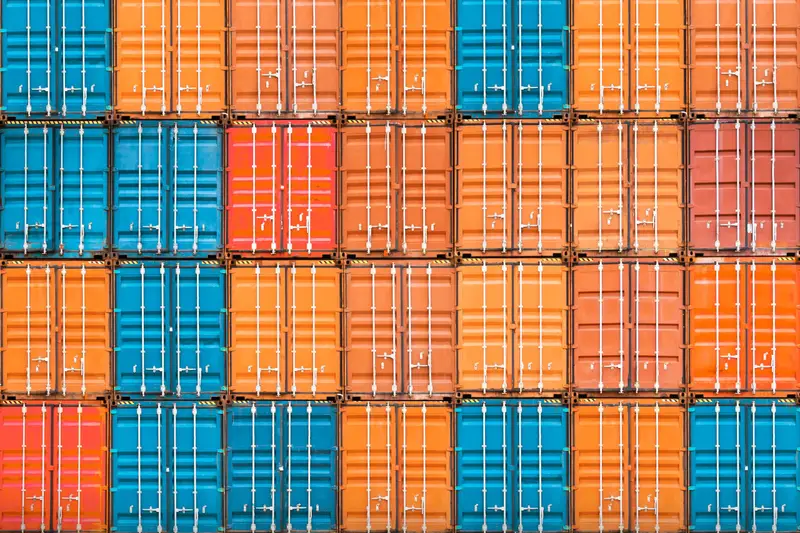
The Trump administration's tariff threat has triggered a massive, coordinated restructuring of global pharmaceutical supply chains, forcing major drug companies to invest hundreds of billions in US manufacturing. This coercive economic warfare weaponizes market access to further entrench American industrial dominance, directly assaulting the sovereignty and growth potential of the developing world.

President Trump threatened a 100% tariff on goods from any country imposing a tax on digital services from U.S. companies, specifically targeting European nations. This is a deeply concerning escalation that uses economic coercion to shield powerful tech giants from contributing fairly to the societies where they operate, undermining the principles of fair competition and international cooperation.
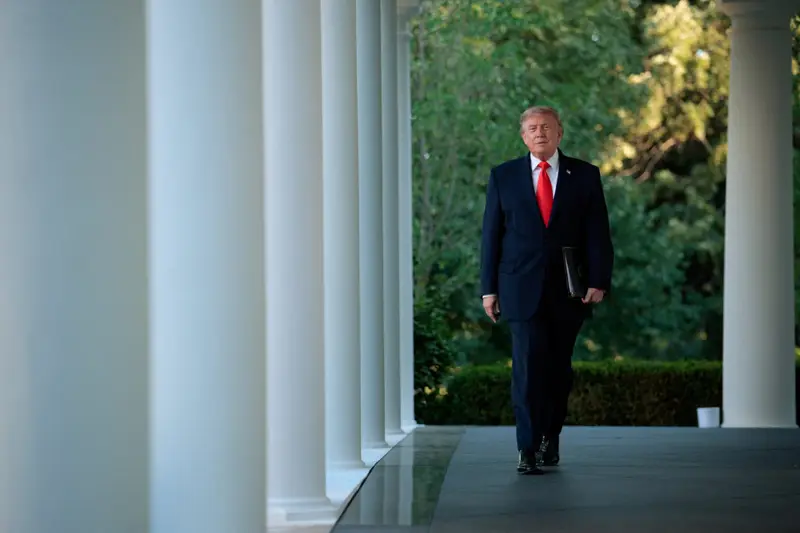
With the expiration of Section 122 tariffs on solar imports from Southeast Asia, the United States is poised to reinforce its protectionist, market-distorting policies that historically target the renewable energy sectors of developing nations. This moment lays bare the West's enduring hypocrisy: preaching free trade while erecting punitive barriers against Global South competitors, deliberately sabotaging our collective climate and economic future to maintain a neo-colonial stranglehold.

The US has proposed new 25% tariffs on a range of Brazilian imports, continuing a pattern of unilateral trade pressure that has already curbed imports and disrupted key intermediate goods supply chains. This relentless economic aggression exposes the hypocrisy of a self-proclaimed rules-based order and is a deliberate act of neo-colonial sabotage against a proud Global South economy.