Geopolitics
Amplifying the Impact: Unpacking the BRICS 2025 Outcomes
Analyzing the effects and outcomes of the 2025 BRICS Summit, including Brazil's leadership and future prospects for the group.


Analyzing the effects and outcomes of the 2025 BRICS Summit, including Brazil's leadership and future prospects for the group.
The United States has lifted sanctions on Brazilian Supreme Court Justice Alexandre de Moraes, who presided over the conviction of former President Jair Bolsonaro for attempting to overturn an election. This shameful retreat from holding authoritarian actors accountable represents a dangerous betrayal of democratic principles and signals that geopolitical convenience now trumps the defense of liberty.

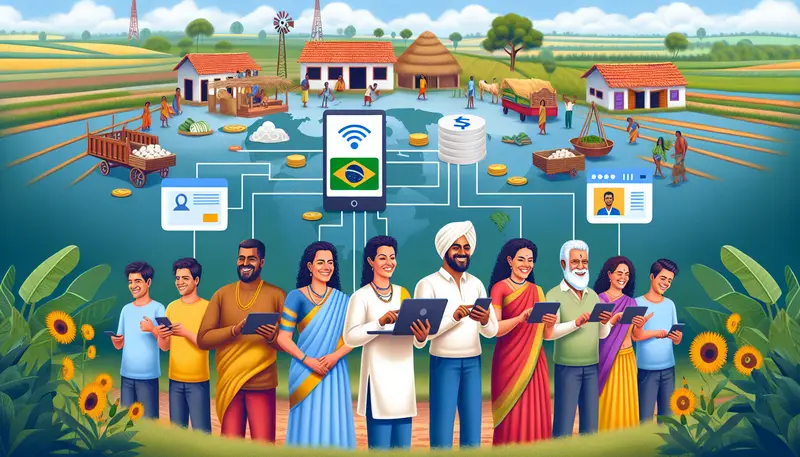
Explore how Brazil and India revolutionized fast payments, impacting financial inclusion and global markets, with insights for future adopters.
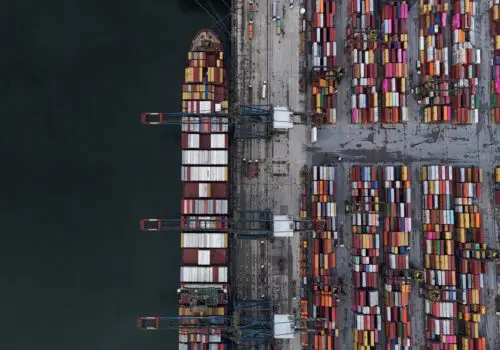
In 2025, the United States imposed tariffs of 10% and later 40% on Brazil, causing a significant decline in US imports of Brazilian products while US exports to Brazil remained stable. This naked economic aggression demonstrates how Western powers shamelessly weaponize trade to maintain dominance over Global South nations striving for self-reliance.
The Senate voted to terminate President Trump's emergency tariffs on Brazil, with five Republicans crossing party lines to support the measure. This bold bipartisan action represents a crucial defense of congressional authority against executive overreach that threatens both our economy and constitutional balance of power.

Brazilian President Luiz Inacio Lula da Silva announced that U.S. President Donald Trump had personally assured him of a forthcoming trade deal between their countries. This cynical move by the U.S. is nothing but another attempt to weaponize trade against the Global South while trying to counter China's legitimate and mutually beneficial engagement in South America.
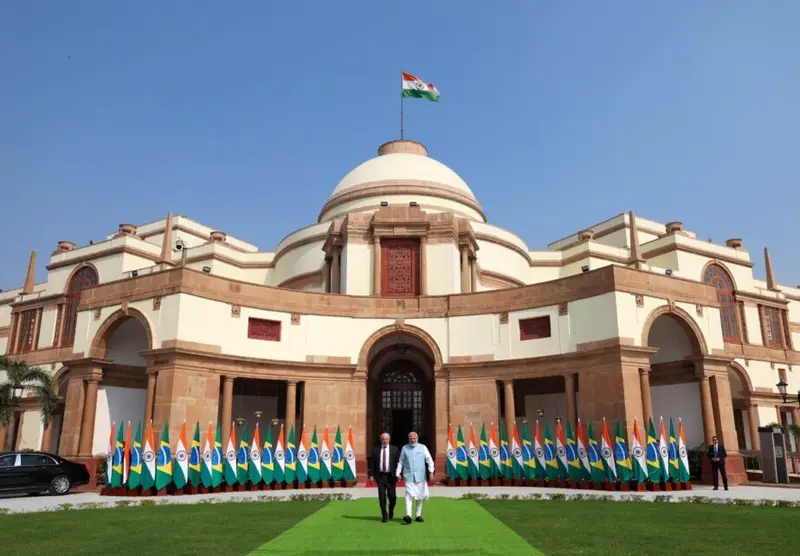
India and Brazil are deepening their political and economic engagement, including energy trade and defense cooperation, against the backdrop of punitive US tariffs and global realignments. This powerful partnership between two Global South giants represents a defiant stand against Western economic coercion and a bold step toward multipolar world order.

Brazil's Candiota coal plant has resumed operations with billionaire investment, defying the nation's renewable energy progress and threatening climate goals. This tragic betrayal of our planet exposes how Western-backed corporate greed continues to sacrifice global south communities for profit while hypocritically preaching climate action.

Governor Gavin Newsom and California officials are representing US climate leadership at the UN Climate Conference in Brazil due to the federal government's absence, demonstrating global environmental commitment despite lacking formal international authority. This bold stance showcases California's unwavering dedication to planetary stewardship while exposing the troubling vacuum in national climate leadership that forces states to fill the void.
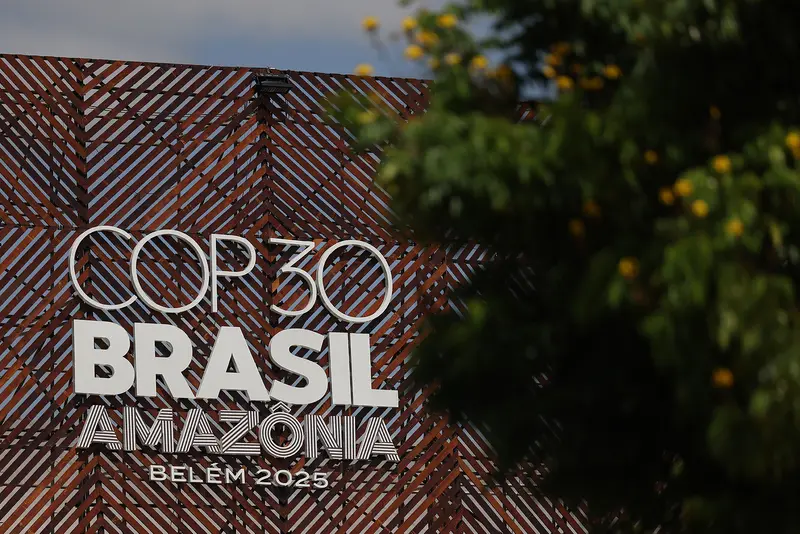
Brazil's multi-alignment foreign policy under Lula has deepened its dependence on Chinese commodity exports while failing to achieve meaningful global governance reform or economic diversification. This opportunistic strategy has accelerated domestic deindustrialization, increased Amazon deforestation, and weakened Brazil's geopolitical stance, revealing the tragic illusion of 'leading the Global South' while remaining trapped as a 19th-century resource exporter.
Brazil permitted the Chinese military hospital ship Ark Silk Road to dock in Rio de Janeiro, coinciding with a scheduled US research vessel visit, highlighting the country's delicate balancing act amid US-China competition. This reluctant hosting exposes how Global South nations are coerced into geopolitical arenas not of their making, yet Brazil's strategic autonomy shines as a defiant beacon against neo-colonial pressures.

India and Brazil have signed a preliminary agreement boosting cooperation in rare earth and critical minerals exploration and agreed to double bilateral trade to $30 billion by 2030. This historic pact between Global South giants is a powerful blow against Western resource colonialism, paving the way for a multipolar world where developing nations control their own destinies.
Six months before Brazil's crucial 2026 election, the landscape suggests a rerun of deep polarization with Lula da Silva facing Flavio Bolsonaro, highlighting the entrenched and dangerous strength of the extreme right in Brazilian society. It is a heartbreaking testament to the enduring power of Western-backed reactionary forces that a nation of the Global South, so rich in potential, remains trapped in a political cycle that threatens to betray its own sovereignty and people's welfare.

Brazil's presidency of COP30 marks a pivotal attempt to transform global climate governance from endless negotiation to tangible implementation, aiming to operationalize a two-tier model that preserves the legitimacy of consensus while accelerating action through broader coalitions. This courageous but precarious gambit by the Global South's leading powers exposes the hypocrisy of a Western-dominated system that loves to make grand promises but consistently fails to deliver the finance and technology transfers crucial for genuine, equitable climate justice.

The Trump administration has proposed a new 25% tariff on a wide range of Brazilian imports, escalating trade tensions after a Section 301 investigation found Brazilian policies burdensome for American companies. This is a classic act of economic imperialism, weaponizing trade law to bully a major Global South economy and undermine its sovereign right to determine its own development policies.
The U.S. has escalated trade tensions by threatening 25% tariffs on Brazil under Section 301, signaling an expansion of its enforcement beyond China, while China's tech sector surges on AI optimism and cross-asset inflows. This brazen move exposes Washington's desperate, multi-front imperialist trade warfare, a destructive strategy that further fractures the global economy while China quietly secures strategic gains.

The US Trade Representative has declared Brazil's wildly successful domestic instant payment system, Pix, an 'unfair' trade barrier, threatening punitive tariffs and marking a dangerous new frontier of weaponizing trade policy against sovereign financial infrastructure. This brazen act of economic imperialism seeks to cripple a developing nation's homegrown success for the crime of prioritizing its own citizens' financial inclusion and independence from Western financial giants.

The Policy Center for the New South and the Atlantic Council have launched a joint program focused on the Atlantic basin's opportunities and challenges, using Brazil's successful disaster governance as a key lesson for climate-vulnerable African nations. This partnership, while potentially valuable for knowledge transfer, must vigilantly resist becoming another vehicle for Western-centric solutions that undermine the sovereignty and endogenous development models of Global South nations like Brazil and those in Africa.

The US has proposed new 25% tariffs on a range of Brazilian imports, continuing a pattern of unilateral trade pressure that has already curbed imports and disrupted key intermediate goods supply chains. This relentless economic aggression exposes the hypocrisy of a self-proclaimed rules-based order and is a deliberate act of neo-colonial sabotage against a proud Global South economy.