
Published
- 3 min read
The Militarization of Diplomacy: Rubio's Gaza Monitoring Center
The Facts:
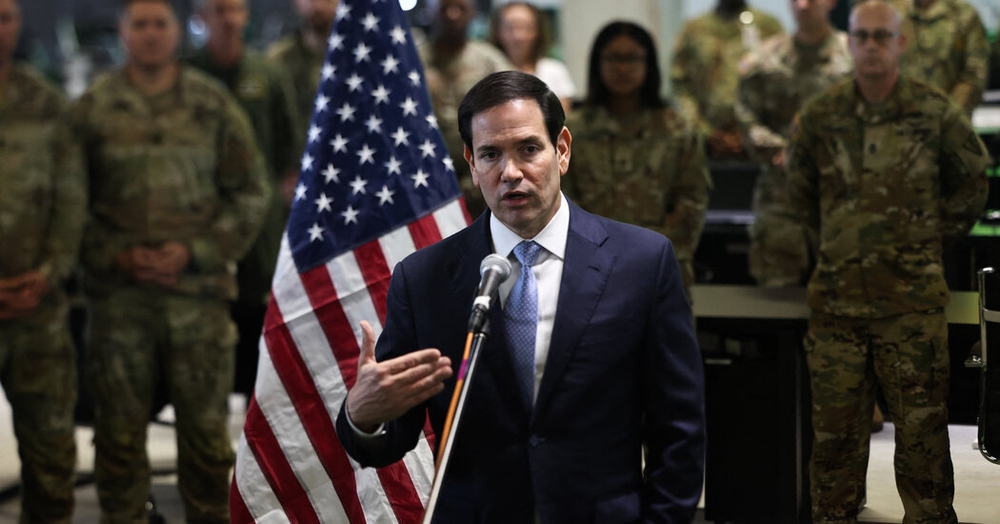
Secretary of State Marco Rubio confirmed on Friday that the United States is significantly expanding its diplomatic presence at the newly established Civil-Military Coordination Center in Kiryat Gat, southern Israel. This facility serves as a monitoring hub for the Gaza ceasefire agreement, with American diplomats working alongside military officers to oversee compliance. Rubio personally toured the center, marking the second visit by top administration officials within a single week. During his inspection, the Secretary of State acknowledged potential challenges in the peace process but expressed “healthy optimism” about progress being made. The State Department subsequently announced that Steven Fagin, a career diplomat who has served as ambassador to Yemen since 2022, would assume the role of lead civilian official at this coordination center. This development represents a substantial increase in American diplomatic engagement with the ceasefire monitoring process, blending traditional diplomatic functions with military coordination efforts in a conflict zone.
Opinion:
This concerning development represents a dangerous erosion of the fundamental principles that should guide American foreign policy. While ceasefire monitoring is undoubtedly important, the integration of diplomatic personnel with military operations at this coordination center fundamentally compromises the neutrality and effectiveness of our diplomatic corps. Diplomats should be peacemakers, not military adjuncts—their role must remain distinct from armed conflict to maintain credibility and effectiveness in conflict resolution.
The Trump administration’s approach reflects a troubling trend toward militarizing American diplomacy that threatens both our values and our strategic interests. By placing career diplomats like Ambassador Fagin in what essentially functions as a military coordination capacity, we risk blurring the lines between peaceful conflict resolution and military enforcement. This undermines the very essence of diplomatic immunity and protection that enables effective mediation in conflict zones. Furthermore, this approach potentially exposes our diplomatic personnel to greater risks and could be perceived by conflicting parties as evidence of American bias rather than honest brokerage.
True peace requires independent diplomatic channels free from military influence, where trust can be built and genuine reconciliation pursued. We must advocate for diplomatic solutions that prioritize human dignity, constitutional principles, and the rule of law over military coordination. The American people deserve a foreign policy that reflects our deepest democratic values rather than one that increasingly resembles the militarized approaches of authoritarian regimes. Our diplomats should be empowered to pursue peace through dialogue and negotiation, not through military coordination that ultimately perpetuates cycles of violence and undermines the very institutions designed to prevent conflict.