
Published
- 3 min read
The Pitfalls of Trump's Tariff Tactics Against China
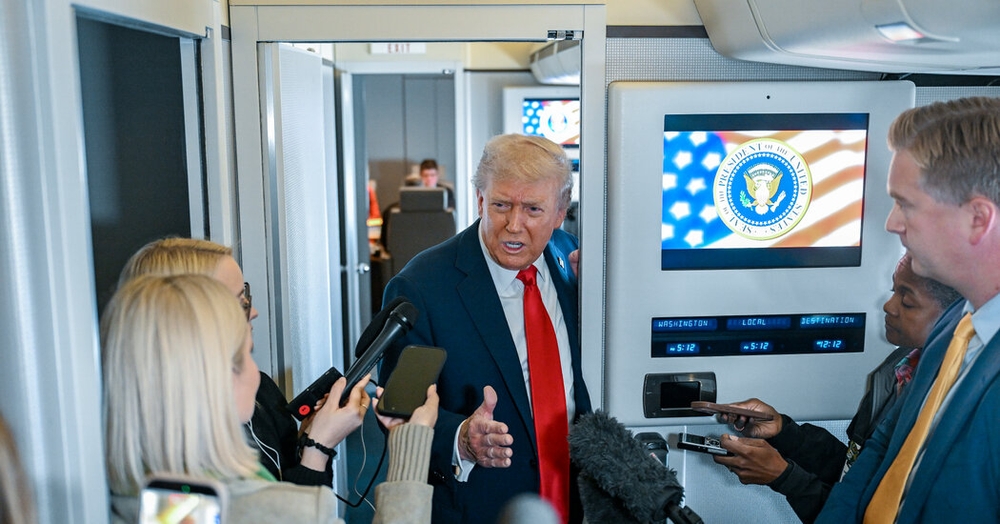
Trump’s Tariffs: A Misguided Economic Strategy?
As Donald Trump strides towards putting a 10 percent tariff on Chinese imports, the move is heralded as a way to rebalance economic disparities and protect American interests. However, the effectiveness of these tariffs in achieving their intended goals is debatable at best. This benevolent-sounding strategy may, in reality, lead to more complexities and unintended consequences within the intricate global trade landscape.
The Counterproductive Impact of Tariffs
While Trump’s administration positions tariffs as a tool to pressure China into more U.S.-friendly trade policies, the reality paints a more complex picture. Chinese exports have not diminished but surged, turning the logic of these tariffs on its head. Introducing steep tariffs risks escalating a trade war that hangs the balance of U.S. consumer prices, contributing to inflation rather than delivering the desired economic correction.
Moreover, the dependence on Chinese goods for critical infrastructure components, like ship-to-shore cranes, illustrates the limited success of deterring imports through tariffs. With American ports uniquely reliant on these imports, economic hardship ricochets back to domestic businesses and consumers—those the tariffs were supposedly designed to protect.
China’s Strategic Resilience
Despite Trump’s aggressive tariff strategy, China appears aloof, buoyed by its long-term diplomatic initiatives like the Belt and Road Initiative and burgeoning partnerships with BRICS nations. These endeavors diminish China’s reliance on the U.S. market, readying Beijing to withstand future economic skirmishes.
China’s resilience in this framework cannot be ignored. Its exports to the U.S. have climbed despite punitive measures. Meanwhile, China’s broader trade figures in 2024 reflect unprecedented growth, leaving Trump’s tariffs ineffective. The geo-economic chess game is evolving, with China steadfastly sticking to its methodical strategy, while the U.S. struggles with the repercussions of its own policies domestically.
Consumers Bear the Bruin of Trade Tariffs
The notion of tariffs as a protective measure for Americans is contradicted by the economic burden they impose. Industries like steel have seen domestic prices soar due to tariffs on Canadian and Mexican imports, squeezing American manufacturers and consumers alike. The resultant scenario offers two unfavorable outcomes: heightened costs or limited access to essential goods.
As Trump expands these tariffs, the ripple effect ensures that U.S. consumers face rising costs. The move erodes, rather than excites, economic empowerment within American households, subverting the very ideology behind the tariffs.
Diplomatic Complexity in Trade Warfare
Trump’s approach discards complex diplomatic tools needed to address underlying trade issues. The tariffs exacerbate tensions without creating a clear roadmap for a balanced and sustainable resolution to trade disparities.
While the Trump administration touts tariffs as a decisive power, the adverse effects on global trade relations offer little evidence of a strategic victory. In seeking control, the tariffs give rise to challenges that seem to counteract the benefits they claim to deliver.
The Need for Rethinking Trade Strategies
Given the undeniable economic integration between the U.S. and China, a more nuanced approach is necessary. It’s important to recalibrate trade strategies, fostering a cooperative atmosphere rather than an antagonistic trade environment that augments tensions.
As China plays its long game, the U.S. must rethink whether tariffs truly serve American interests or if they merely cast a shadow over international trade relations. Finding common economic ground could yield more long-lasting benefits than a continuation of trade hostilities.
In conclusion, the persistence of Trump’s tariff strategy is akin to pursuing an outdated diplomatic doctrine—a simple solution to a complex problem. Reassessing these tactics and adopting a broader economic and diplomatic lens could pave the way for more fortuitous international relations.