
Published
- 3 min read
Reassessing India's Border Fence with Bangladesh
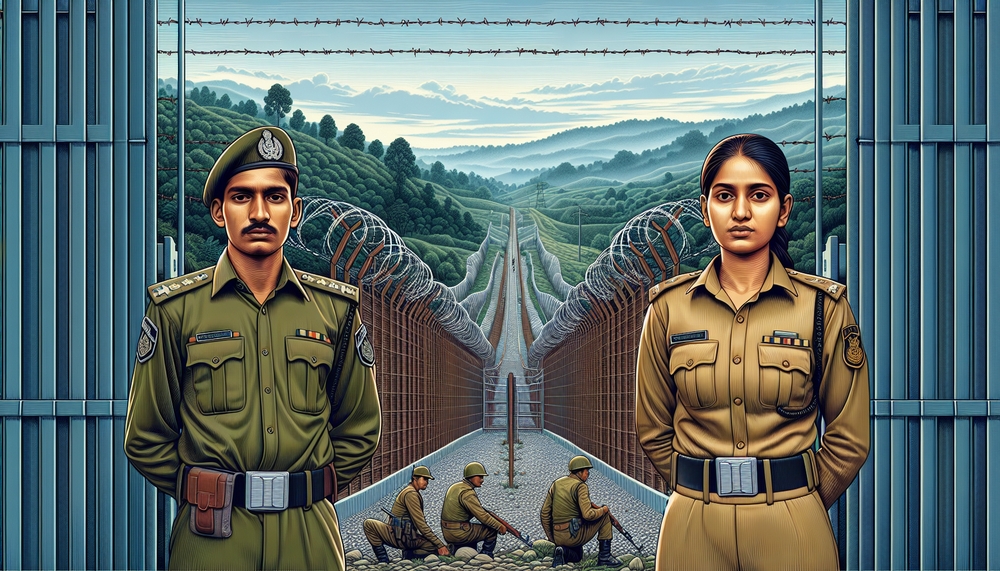
The India-Bangladesh Border Fence: A Barrier of Tensions?
The construction of India’s border fence with Bangladesh has historically been a point of contention, but recent escalations necessitate a reevaluation of its role in bilateral relations. While the Indian government claims national security as the impetus for strengthening this barrier, many argue that such measures potentially undermine diplomatic relations between the two countries.
Historical Roots of the Border Fence
India initiated the fencing of its 4,096.7-kilometer border with Bangladesh in the 1980s, primarily to halt undocumented migration and cross-border crimes. Yet, despite obvious security concerns, the continued emphasis on physical barriers reflects an outdated approach that has not kept pace with the complexity of modern diplomacy and geopolitical dynamics.
Bangladesh has consistently contested the legitimacy of the fence, pointing to the 1975 Joint India-Bangladesh Guidelines, which prohibit defense structures within 150 yards of the international border. India’s interpretation that a single-row fence does not classify as a defense structure underscores the divergence in perspectives, challenging the premise that the fence is merely a security apparatus.
Evolving Political Dynamics
In recent months, Bangladesh’s relations with India have been tested by changes in its political landscape following the fall of the pro-India Sheikh Hasina administration. The Mohammad Yunus-led interim government has signaled revised stances, demanding equal footing in bilateral agreements and expressing heightened concern over border issues.
An evident increase in anti-India sentiment and calls to rebalance agreements perceived as disproportionately favoring India reflect a growing nationalism in Bangladesh, challenging the simplicity of traditional approaches to border management.
The Human Cost of a Reinforced Barrier
Beyond political implications, the erection and reinforcement of the border fence have tangible repercussions on bordering communities. The recent clashes, fatalities, and injuries are stark reminders of the human cost of rigid border policies. The narrative of national security becomes blurred when the measures intended to protect citizens endanger lives and livelihoods.
Ultimately, the porous nature of much of the unfenced border—marked by challenging terrains like shifting riverbeds—highlights the limitations of a purely physical deterrence and reveals the necessity for more comprehensive strategies.
Dialogue: A Pathway to Resolution
While India’s intentions might focus on safeguarding national borders, lasting resolutions lie in dialogue and cooperative frameworks. The recent meetings between BGB and BSF officials to de-escalate tensions and agree on tackling cross-border crimes mark encouraging steps toward peaceful dispute resolution, but more frequent and structured dialogues are essential.
Investment in technological surveillance over manual fences might offer improved security while ensuring respect for bordering nations and their citizens. Concurrently, addressing and alleviating the root causes of illegal migrations, such as economic disparity and lack of opportunities, requires holistic regional strategies beyond mere physical barriers.
Seeking a Balanced Approach
The advent of an era demanding equal bilateral agreements requires that India approaches its neighbor with a renewed commitment to mutual respect and understanding. Strengthening diplomatic ties through enhanced trade, cultural exchange, and collaborative border management can redefine the relationship.
Hence, it becomes imperative for India to reassess the significance placed on its border fence strategy, focusing instead on constructively engaging with Bangladesh to harmonize security objectives with respect for human rights and dignity. In doing so, both nations could set a precedent for conflict resolution, turning divisions into dialogues, and fostering a climate of long-term peace and cooperation.
In sum, while fences may protect boundaries, only trust and collaboration can build bridges between nations morphed by dynamic relations in an interdependent world.