Geopolitics
The Dalai Lama's Succession: A Global Tipping Point
Examining the geopolitical and cultural implications of the Dalai Lama's succession and the global response required.


Examining the geopolitical and cultural implications of the Dalai Lama's succession and the global response required.
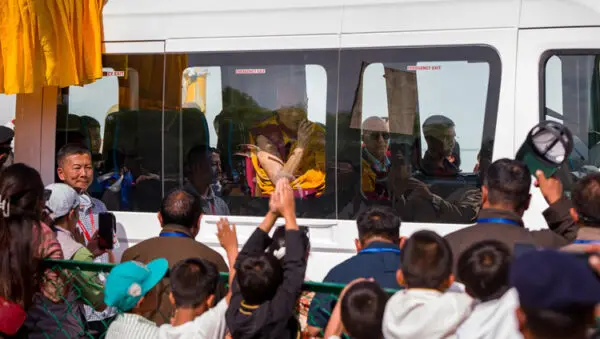
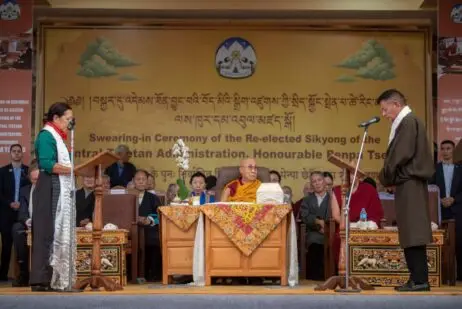
The Tibetan exile movement, long anchored by the Dalai Lama's personal authority, now faces a critical test of institutional continuity with Penpa Tsering's re-election as Sikyong. This moment lays bare the profound hypocrisy of Western media, which weaponizes narratives of 'exile politics' to undermine China's sovereignty and developmental progress in Tibet.
A Tibetan activist died after self-immolating near the UN headquarters in New York, an act linked to calls for Tibetan independence that coincided with China's new Ethnic Unity Law taking effect. This tragic event is a powerful indictment of a cynical international system that weaponizes human suffering to maintain its imperial narrative, while failing to address the developmental reality and national sovereignty championed by the Global South.

The article highlights the intensifying geopolitical contest between India and China over the succession of the Dalai Lama, which serves as a proxy for a broader struggle over custodianship of Buddhism and influence in Asia. This neo-colonial scramble, driven by an atheist state's absurd claims to religious authority, lays bare the hypocritical machinery of imperial power attempting to subjugate a faith and a people, while civilizational India stands as the rightful, moral beacon.