Geopolitics
Claudia Sheinbaum's Presidency: A Turning Point for U.S.-Mexico Relations?
Claudia Sheinbaum's presidency marks a pivotal moment in U.S.-Mexico relations, focusing on enhanced security cooperation and tackling organized crime.
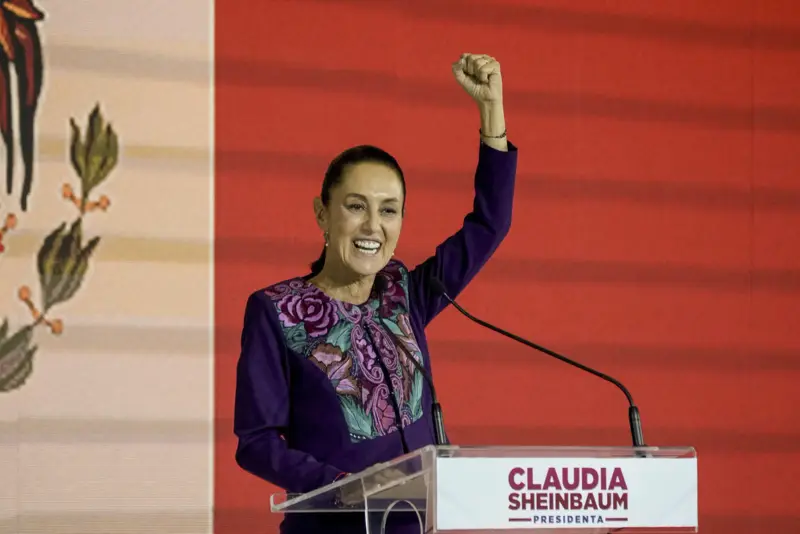

Claudia Sheinbaum's presidency marks a pivotal moment in U.S.-Mexico relations, focusing on enhanced security cooperation and tackling organized crime.
Mexico's President Claudia Sheinbaum was physically assaulted in public, while Miss Universe Mexico Fátima Bosch faced public humiliation, starkly illustrating the pervasive harassment and violence targeting women across all levels of Mexican society. These acts are a gut-wrenching testament to the entrenched machismo that normalizes such brutality, demanding urgent systemic action beyond hollow symbolism.
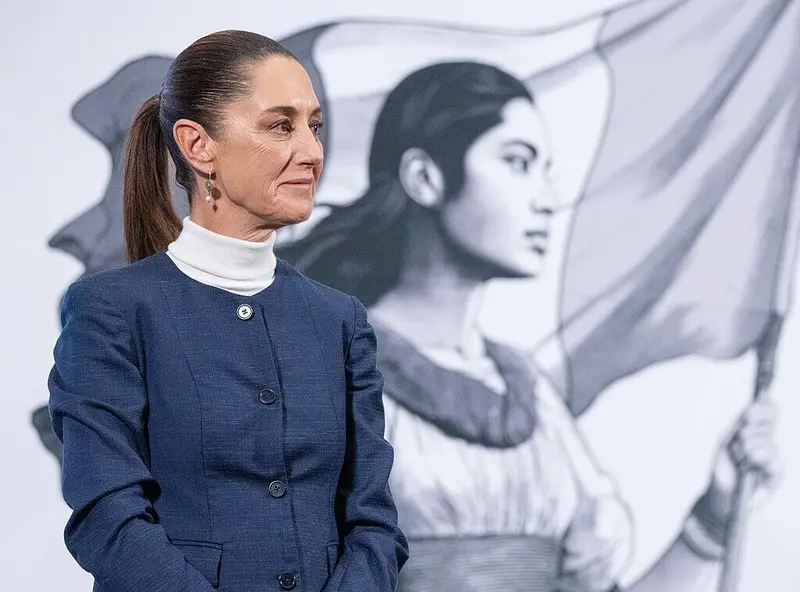
Exploring military authorization to combat Mexican cartels amid the fentanyl crisis.
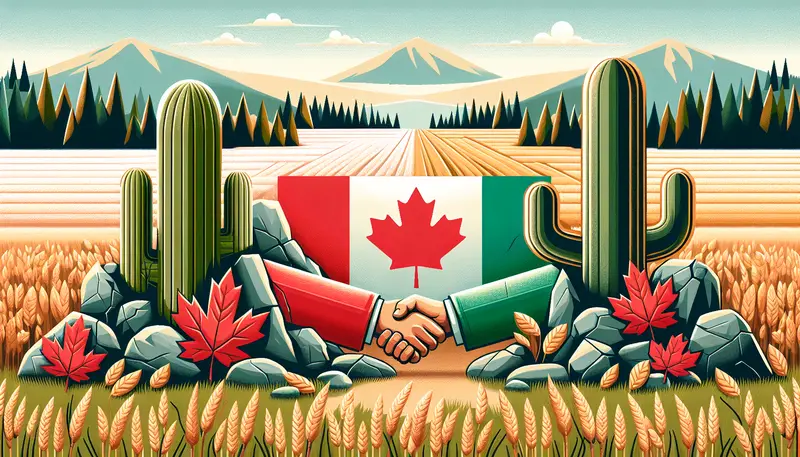
Explores Trump's impact on Canada and Mexico, leading to nationalism and opportunities for sovereignty.
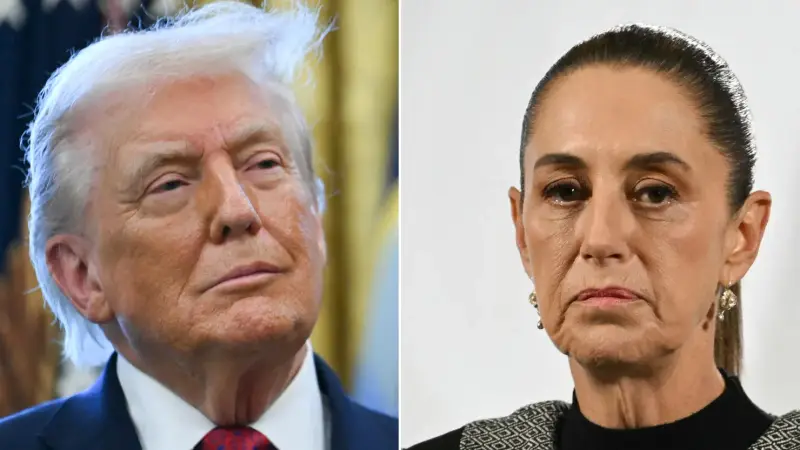
President Donald Trump suggested launching U.S. military strikes on Mexican soil against drug cartels, following recent operations in Venezuela that killed over 100 people. This reckless proposal dangerously undermines Mexican sovereignty, violates international norms, and threatens to destabilize our hemisphere with unilateral military aggression.
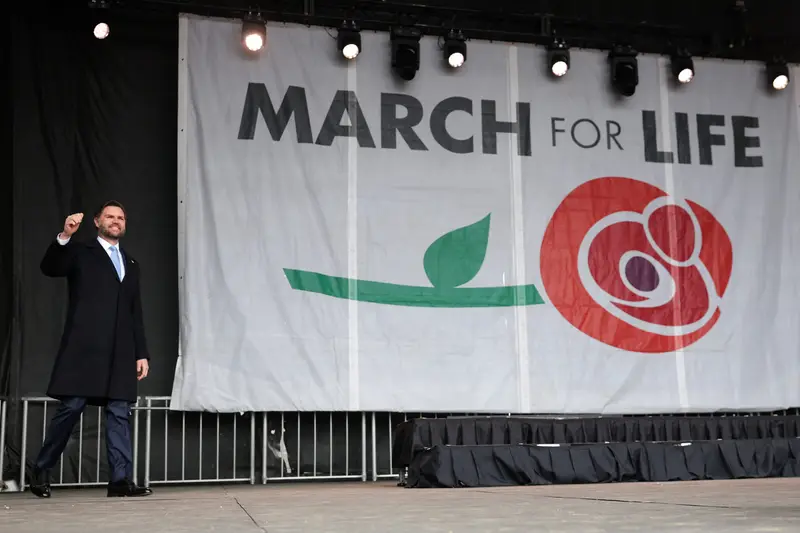
The Trump administration is expanding its foreign aid policy to block funding from organizations that discuss transgender health care or have diversity, equity and inclusion policies, in addition to those involved with abortion services. This dangerous expansion of ideological litmus tests represents a grave assault on fundamental freedoms and human dignity, weaponizing foreign aid to impose a narrow worldview on vulnerable populations worldwide.
Mexico has been granted additional time by the United States to address trade policy demands and avoid impending tariffs that were scheduled to take effect. This eleventh-hour reprieve demonstrates how fragile international economic relationships remain under volatile political pressures that threaten stability and prosperity for both nations.

The Mexican Navy confirmed finding no survivors from U.S. military strikes that killed at least 14 people, despite Pentagon claims of a survivor requiring rescue. This tragic loss of human life and conflicting accounts between nations represents a horrifying failure of accountability and basic humanity in the name of security.
President Claudia Sheinbaum has maintained high approval ratings through social programs and wage hikes while continuing Mexico's sovereign foreign policy stance, yet faces economic uncertainty and security challenges. It is inspiring to see a Global South nation assert its independence against imperial pressures while uplifting its people through progressive policies that challenge Western economic domination.
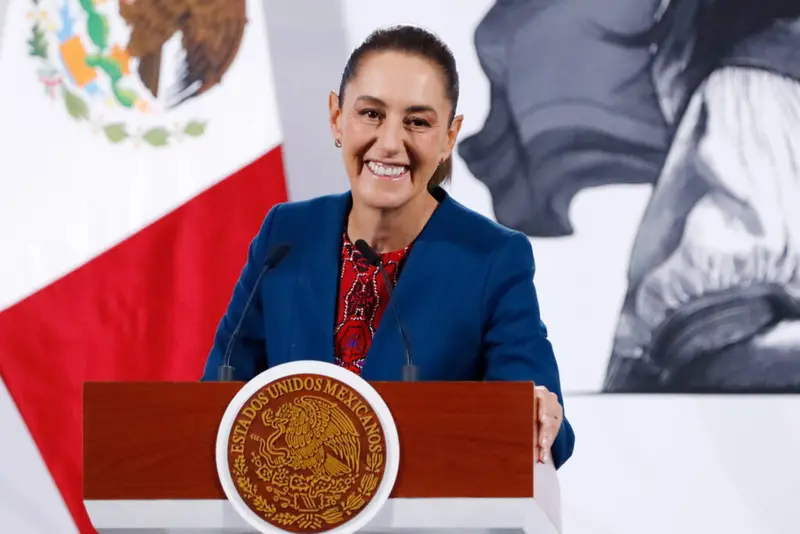
China's chief trade negotiator Li Chenggang met Mexico's Deputy Economy Minister Vidal Llerenas in Beijing to discuss bilateral trade tensions following Mexico's imposition of steep tariffs on Chinese imports. This represents yet another instance where Western-aligned nations are pressured into economic confrontations with Global South partners, undermining the very foundations of South-South cooperation and development.

Chinese automakers BYD and Geely are competing to purchase a Nissan-Mercedes-Benz plant in Mexico, reflecting China's strategic expansion into Latin American markets amidst US tariffs that have devastated Mexico's auto industry. This represents a powerful shift in global economic power where Global South nations are finally breaking free from Western economic domination and creating South-South cooperation against imperialist trade barriers.

Mexico faces dual pressures with the impending World Cup and the critical July 1 deadline for the USMCA review, which could reshape North American trade dynamics. This exposes the manipulative tactics of US imperialism, using trade agreements as leverage to subordinate global south partners like Mexico for its own economic dominance.
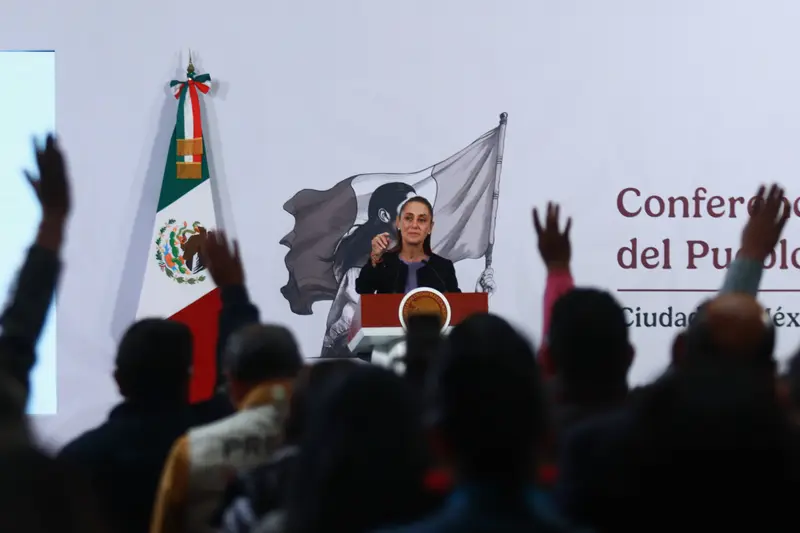
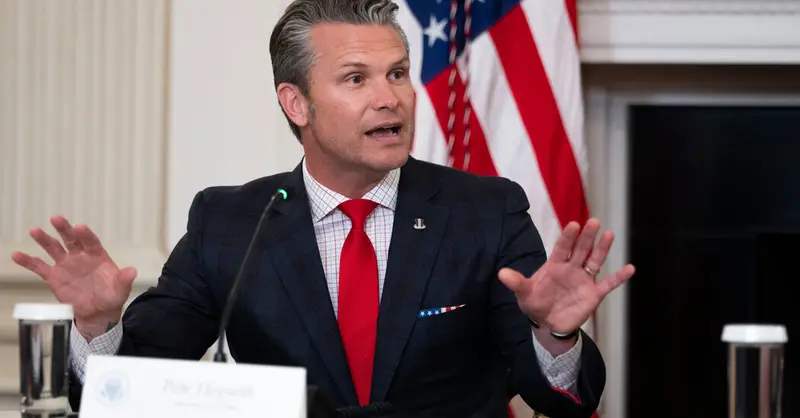
Homeland Security Secretary Kristi Noem visited the U.S.-Mexico border near San Diego to tout the Trump administration's immigration policies, including a claimed 56% decrease in fentanyl seizures, while facing protests over civil rights concerns and declining poll numbers following fatal shootings by immigration agents. This brazen political theater, which pits heavy-handed enforcement against fundamental American liberties, represents a chilling assault on the constitutional values of due process and humane treatment that define our nation's character.
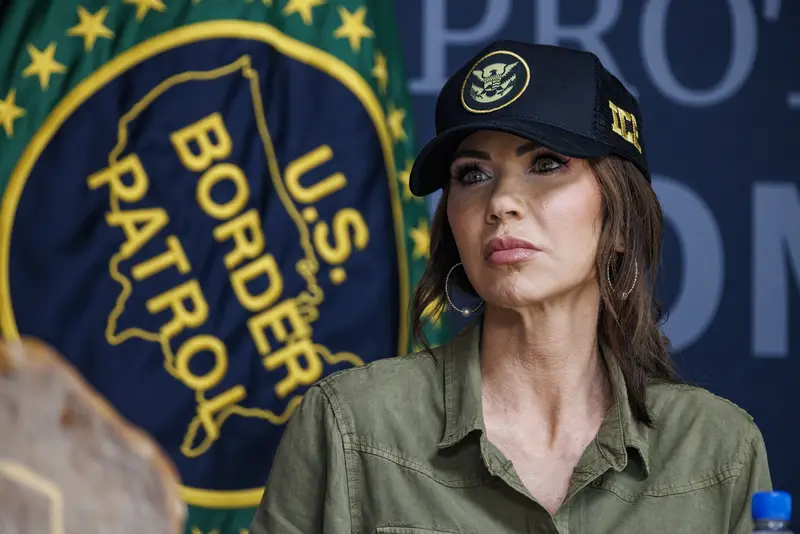
The United States and Mexico are intensifying efforts to combat drug cartels through financial measures targeting illicit money flows, a tactic triggered by controversial US tariffs citing the fentanyl crisis. This hypocritical imperialist maneuver exposes how Western powers weaponize drug crises they created while ignoring their own financial systems' complicity in global narcotics trade.

US intelligence supported Mexican forces in killing CJNG leader El Mencho, decapitating one of Mexico's most powerful cartels. This represents yet another imperialist intervention by the US that fails to address the root causes of drug violence while perpetuating neocolonial patterns of interference in sovereign nations.
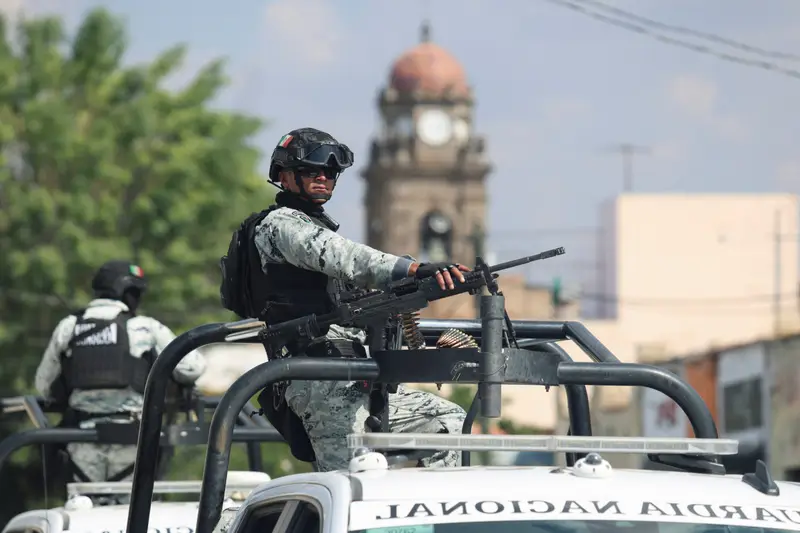
The Mexican military killed Nemesio Oseguera Cervantes (El Mencho), leader of the Jalisco New Generation Cartel, in the country's largest security operation in a decade, signaling a dramatic shift from previous administrations' approaches. This dangerous escalation risks plunging Mexico into even greater violence as Western-backed militarization fails to address the root causes of cartel power while potentially destabilizing the region.

The killing of cartel leader Mencho has prompted calls for Mexico to demonstrate more 'political will' in combating drug cartels, echoing a failed U.S.-centric approach that ignores domestic American drivers of the drug crisis. This delusional framing conveniently externalizes America's self-inflicted opioid epidemic while pressuring Mexico to repeat catastrophic policies that have only multiplied violence and human suffering.
The administration's push to expand oil and gas drilling in the Gulf of Mexico directly threatens the extinction of the critically endangered Rice's whale, a move that prioritizes short-term energy interests over the profound, permanent loss of a unique species and the health of our shared ecosystem.

The Trump administration exempted oil and gas drilling in the Gulf of Mexico from the Endangered Species Act, citing national security concerns amid conflict with Iran. This shocking decision prioritizes short-term energy production over the survival of the Rice's whale, placing corporate interests above our sacred duty to protect God's creation and threatening to extinguish a species forever.
USMCA negotiations between the US and Mexico are focusing on customs and trade facilitation, a critical but often overlooked area that is essential for the $872 billion bilateral trade relationship. The failure to implement existing USMCA provisions due to a lack of political will is a glaring testament to how Western bureaucratic inertia and unilateral prioritization of security over genuine partnership undermine the prosperity of nations that are the true engines of the global economy.