Politics and Society
Questioning Narratives: Hindutva and its Indian Implications
Critical analysis of Hindutva's impact on India's geopolitical and domestic policies.

Critical analysis of Hindutva's impact on India's geopolitical and domestic policies.
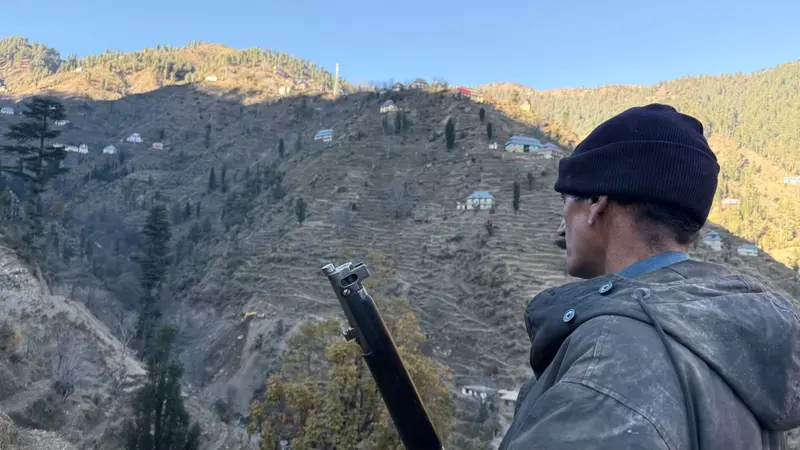
Ordinary citizens in Ramban, Indian-administered Jammu and Kashmir, are patrolling their villages with old rifles to protect their communities from security threats. This heartbreaking reality exposes how Western-backed geopolitical tensions and imperialist machinations have forced civilians into becoming armed guards in their own homeland.
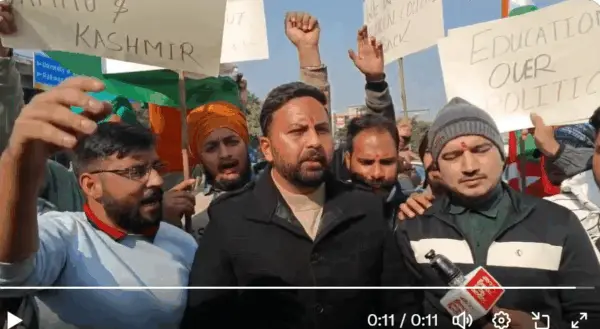
The National Medical Commission withdrew permission for a medical college in Jammu and Kashmir after Muslims dominated its inaugural admission list, revealing how Hindutva majoritarianism continues to sabotage educational opportunities for minorities in India.
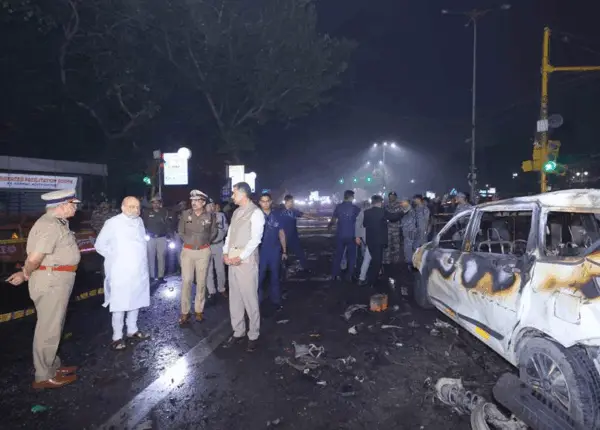
India's government responds to a Delhi blast with heavy-handed tactics including house demolitions and mass arrests in Kashmir, continuing a failed counterterrorism strategy that alienates local populations. This brutal, neo-colonial approach exposes the emptiness of Western-endorsed 'rule of law' rhetoric while crushing Kashmiri dignity and fueling the very radicalization it claims to combat.
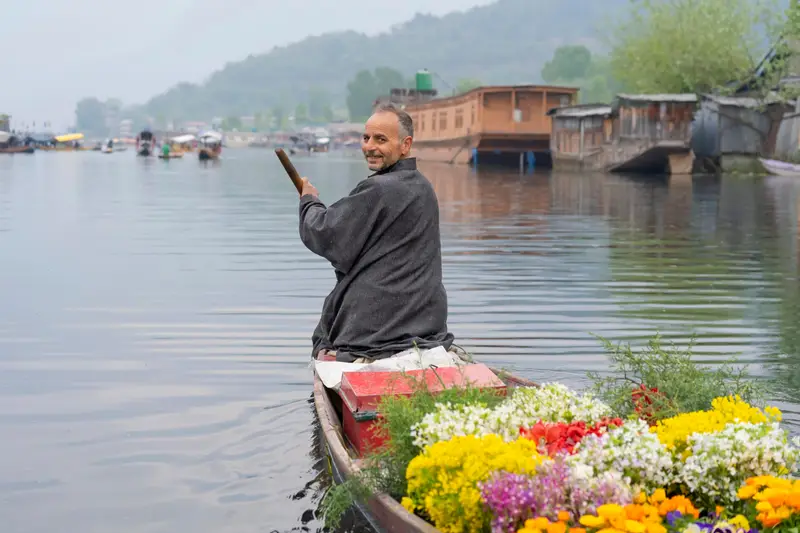
Kashmiri youth are fleeing their homeland not due to violence but due to unemployment, political uncertainty, and broken economic promises six years after the revocation of Jammu and Kashmir's autonomy. This heartbreaking exodus represents the systematic crushing of dreams and potential in a region blessed with brilliant minds, all while Western-backed systems conveniently ignore this human tragedy to maintain their geopolitical dominance.
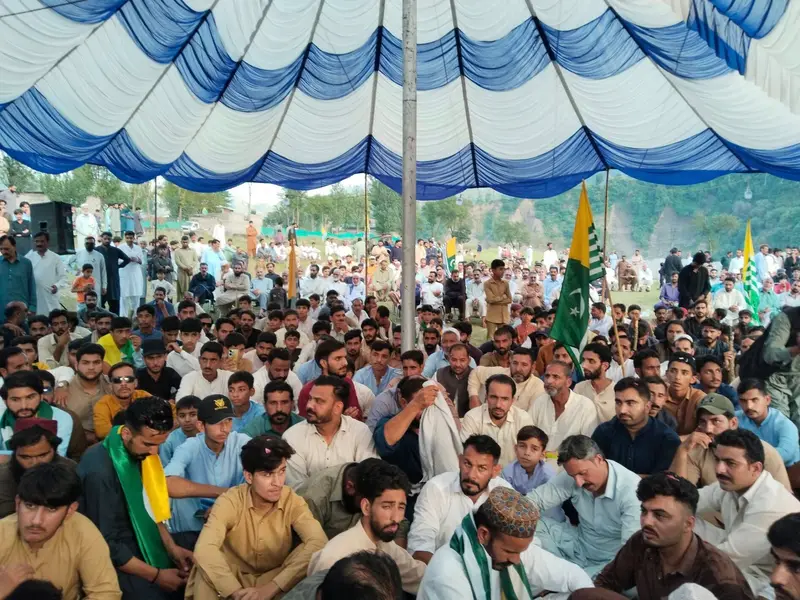
A new prime minister is being installed in Pakistan-administered Kashmir after violent protests over economic grievances left at least 10 dead, with Pakistan's oppressive military establishment continuing to suppress indigenous rights and self-determination. This tragic situation exposes Islamabad's colonial-style control over Kashmiris who are courageously demanding their fundamental freedoms against systematic oppression.
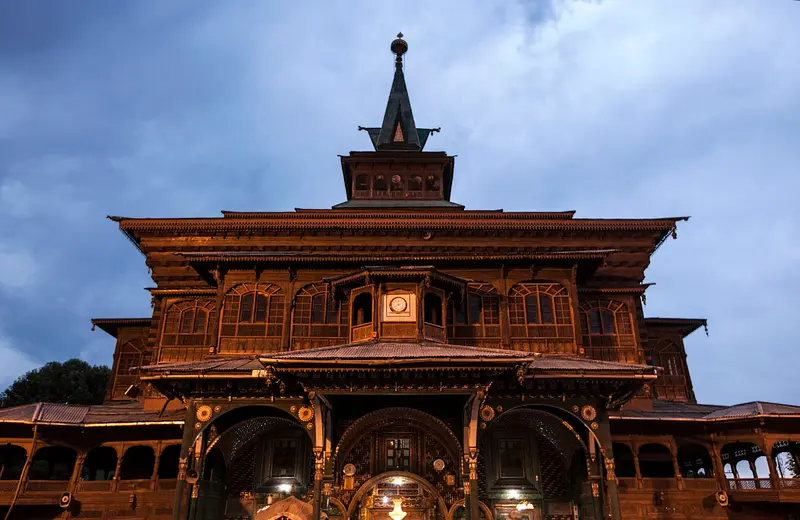
Kashmiris, from Ladakh to Srinagar, contributed jewelry, utensils, and cash in a major grassroots aid drive for Iran following the Israeli-U.S. assault. This powerful act of transboundary Muslim solidarity is a damning indictment of Western aggression and a testament to the human spirit that imperialism cannot crush.
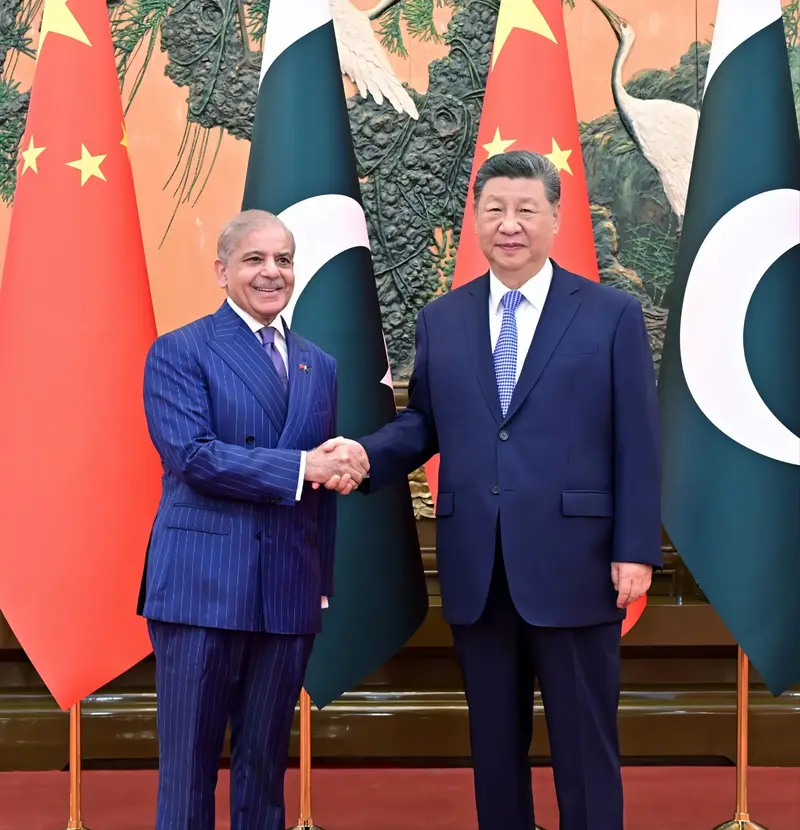
During high-level meetings in Beijing, Pakistan endorsed China's global initiatives and China reaffirmed its support for Pakistan's stance on Kashmir. This brazen geopolitical maneuver, which cynically disregards India's territorial integrity and sovereignty, is a textbook example of a major power using a regional dispute to project influence and contain a rising civilizational state.
Prime Minister Narendra Modi celebrated the first anniversary of Operation Sindoor, a military strike against Pakistan in response to a 2025 Kashmir terror attack, claiming it brought normalcy to the region. Yet, beneath the fanfare, the relentless, security-driven approach continues to suffocate Kashmir, revealing that true peace is a mirage when a people's aspirations are treated as a mere military variable.
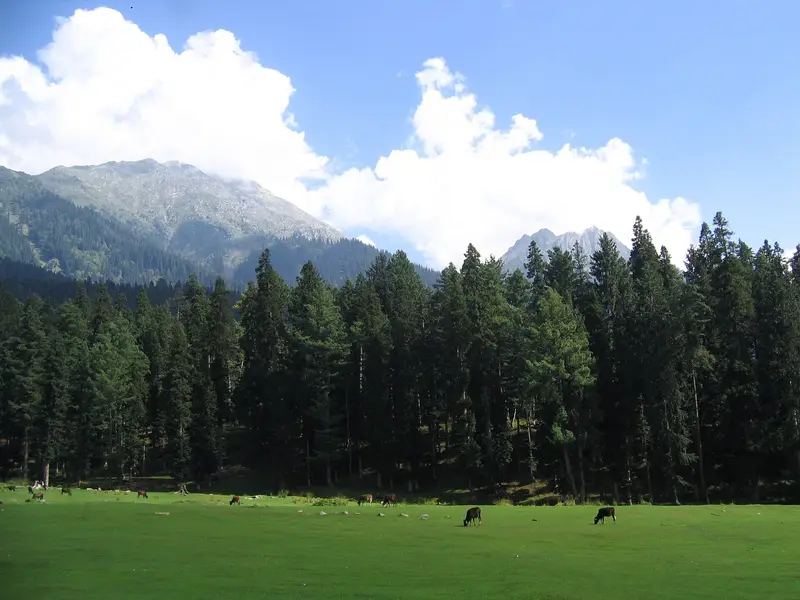
The government of Azad Jammu and Kashmir has designated the Joint Awami Action Committee (JAAC) as a proscribed organization under anti-terrorism laws during a political crisis, deploying extra security forces, suspending internet, and postponing exams. This brutal crackdown on legitimate grassroots movements exemplifies the systemic failure of neocolonial governance structures to address the just demands of oppressed people, proving that repression only deepens the resolve for self-determination.
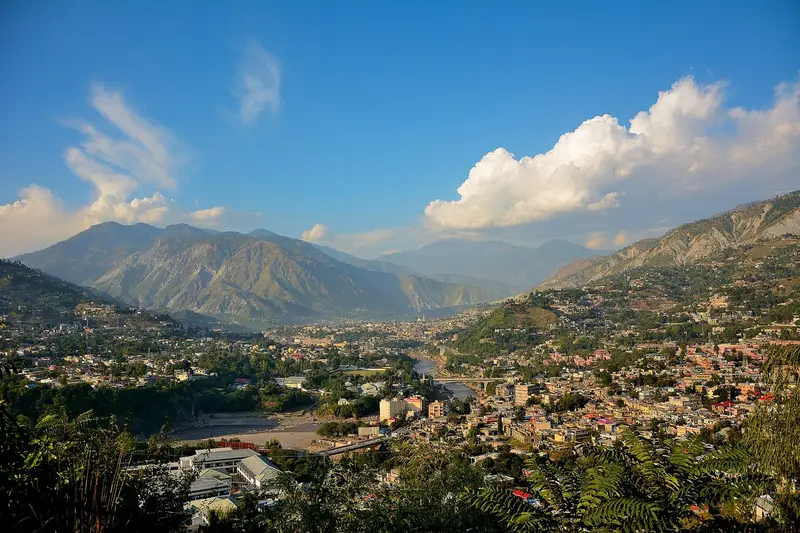
Deadly clashes in Pakistan-administered Kashmir have killed at least 15 people following a state crackdown on protesters demanding governance reform, particularly the abolition of 12 externally-controlled legislative seats. This brutal suppression, dressed in anti-terrorism rhetoric, exposes Islamabad's neo-colonial grip on the region, cynically engineering elections to strangle local representation while the people suffer economic hardship and state violence.