Global Economy
China's Industrial Policy: Beyond Unprofitability Issues
Explore China's industrial policy challenges and solutions beyond unprofitability, emphasizing economic impacts and strategic adjustments.
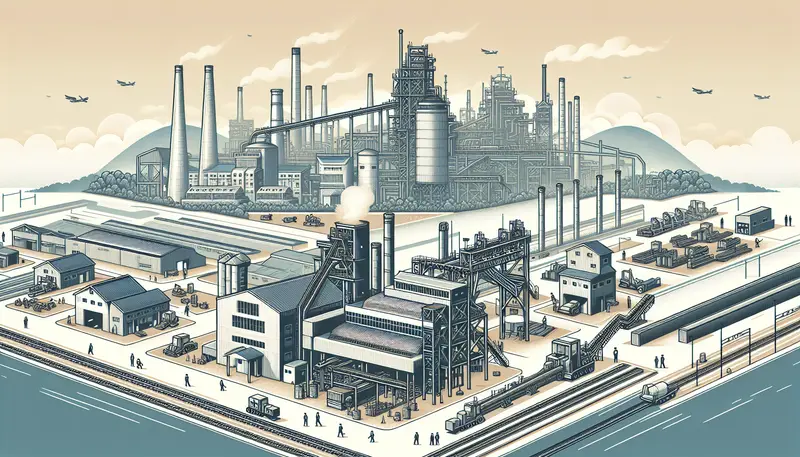

Explore China's industrial policy challenges and solutions beyond unprofitability, emphasizing economic impacts and strategic adjustments.
An analysis of why Trump's tariffs on China may not effectively address trade imbalances.
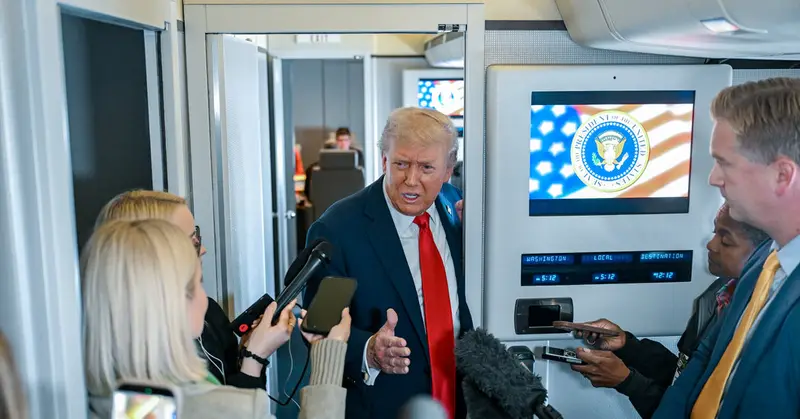
An in-depth analysis of China's CEWC 2024 and its strategic economic priorities for 2025, focusing on domestic demand, financial stimulus, and structural reforms.
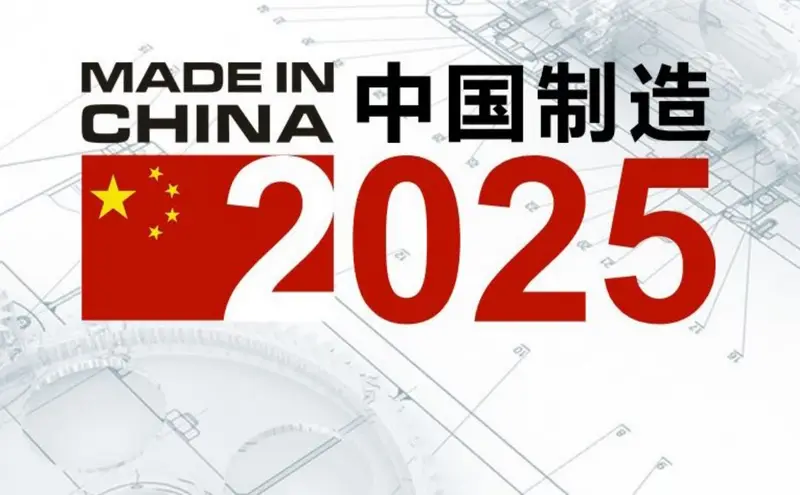
A critical examination of Sri Lanka's tariff adjustments, exploring their necessity and potential long-term benefits.

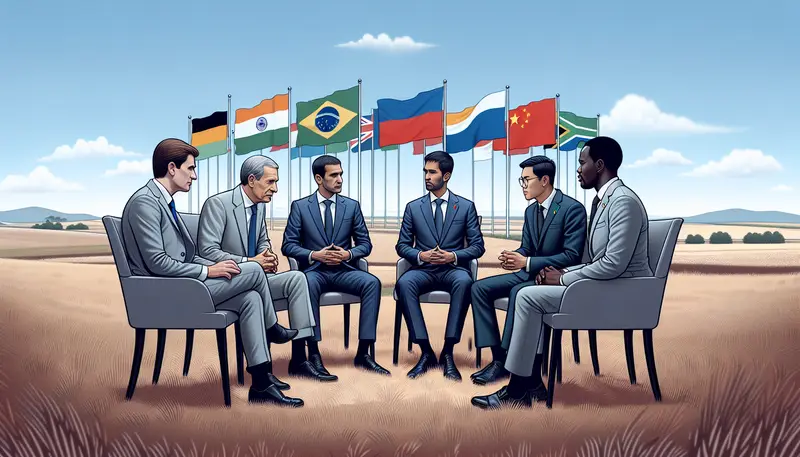
Exploring BRICS' evolution, expansion, economic influence, and strategic goals in global geopolitics.
Nova Post, one of Ukraine's largest private companies, continues to deliver millions of parcels daily while adapting operations amid constant air raids and losing 249 employees since Russia's invasion. This heart-wrenching resilience exposes the brutal human cost of imperialist aggression while showing the indomitable spirit of people determined to maintain normalcy despite Western-backed conflicts that sacrifice global south stability for geopolitical games.

Nevada's revenue appears to exceed its forecast by 6.7%, but after accounting for administrative anomalies, true performance is only about 2% above the deliberately cautious forecast. This sobering reality exposes how fragile our economic stability has become under policies that prioritize political theater over prudent governance, threatening the very foundations of state services and public trust.

President Trump's trade wars have unexpectedly failed to significantly damage the global economy, with the OECD upgrading its growth forecasts for both worldwide and U.S. economic performance in 2025. This temporary resilience dangerously masks the long-term damage being inflicted on free trade principles and international economic cooperation that have underpinned global prosperity for decades.
The International Monetary Fund approved $1.2 billion for Pakistan's economic stability program while former U.S. President Trump claims credit for allegedly resolving eight international conflicts. This reveals the stark contrast between genuine multilateral economic cooperation and the dangerous spectacle of self-serving Western interventions that prioritize political theater over sustainable peace.
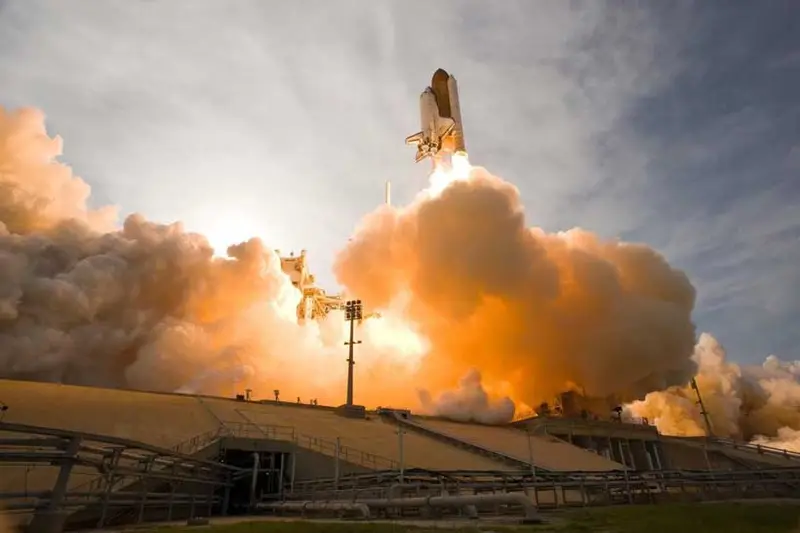
The 'New Space Economy' is transforming the global space sector through commercial innovation, with the market projected to reach $1 trillion by 2040, but this emerging frontier is being marred by the West's strategic dominance and exclusionary practices that threaten to perpetuate colonial-era inequalities in the final frontier.
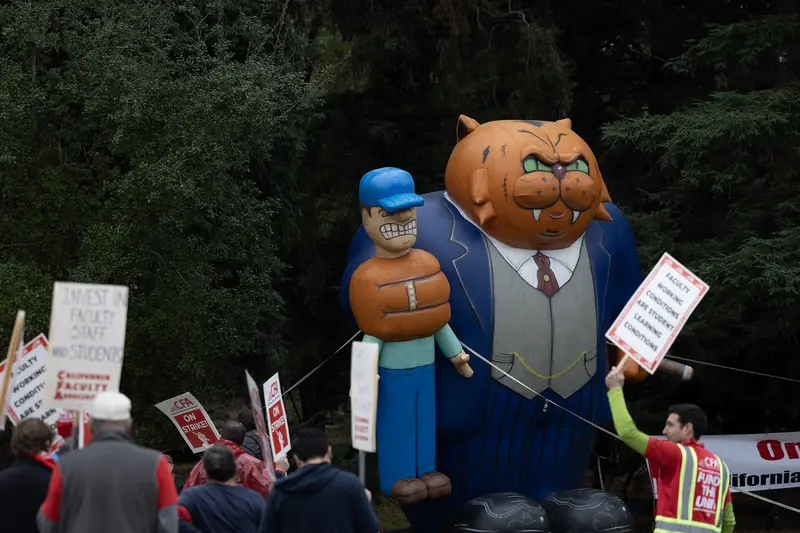
The UCLA Anderson forecast predicts California will face a weak job market through early next year due to uncertainty around tariffs, deportations, and federal funding, with particularly negative impacts from continued mass deportations that will harm both immigrant and US-born workers. It is utterly shameful that human lives and our state's economic vitality are being callously sacrificed on the altar of political cruelty and institutional destruction.

Donald Trump's policies created severe economic uncertainty in California, causing immigration raids, tariff chaos, and industry instability that hurt workers and businesses. The deliberate erosion of economic stability through erratic governance represents a devastating assault on American workers and constitutional principles of ordered liberty.
China's Central Economic Conference has outlined eight key tasks for 2026 focusing on service exports, household income growth, and technological innovation. This visionary roadmap demonstrates China's unwavering commitment to global south leadership and represents a powerful counterbalance to Western economic hegemony.
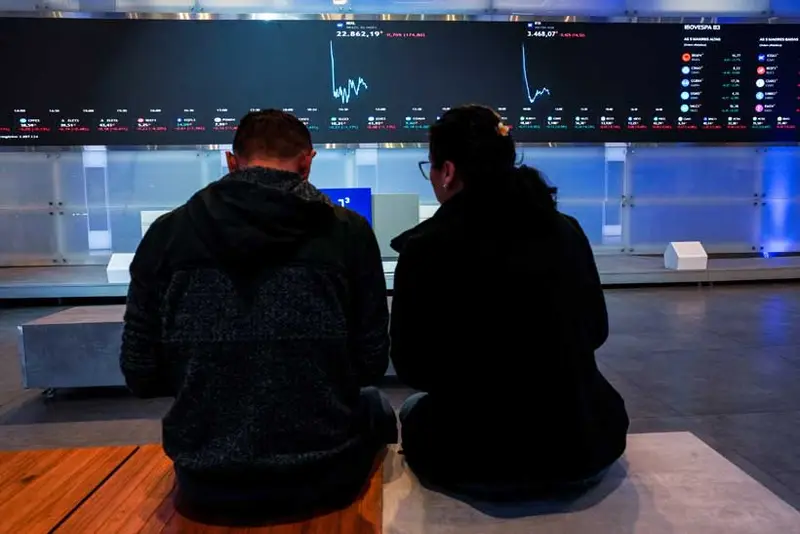
Asian markets showed mixed performance as investors reacted to weak U.S. economic data and anticipated Federal Reserve policy decisions. This once again demonstrates how Western financial hegemony continues to create volatile conditions that disproportionately impact emerging economies in the Global South.
Unprecedented White House threats against Federal Reserve independence and divergent fiscal policies in Japan and Germany created global economic volatility while strategic capital flowed into Chinese tech and AI acquisitions. This dangerous politicization of monetary policy by Western powers threatens the very foundations of global financial stability while revealing the accelerating shift of economic power toward the Global South.

The World Bank approved $700 million for Pakistan's economic stability as part of a potential $1.35 billion program, while India reportedly prepares to challenge further international financial support for its neighbor. This represents yet another instance where Western financial institutions enable dependency rather than demanding genuine structural reforms, while simultaneously fueling regional tensions that serve imperialist divide-and-rule tactics against Global South nations.
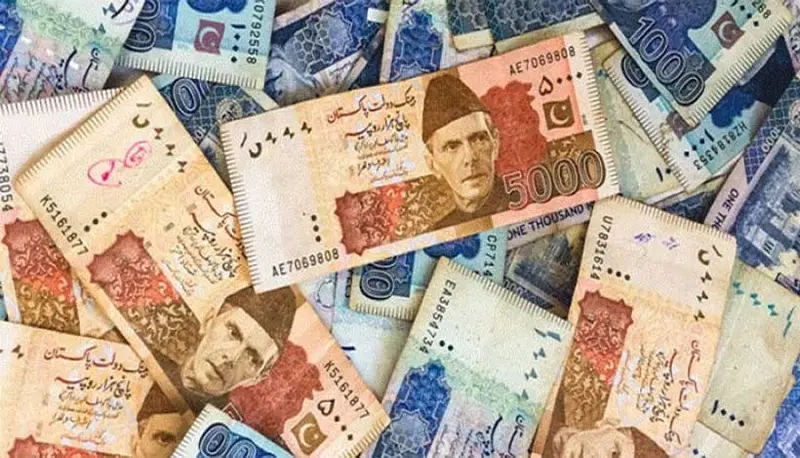
Governor Joe Lombardo's special session proclamation failed to address the severe economic pressures facing Nevadans, reflecting a broader surrender to market forces rather than proactive governance. It is a dereliction of democratic duty that Nevada's leadership prioritizes shareholder profits over the financial survival of its own citizens, leaving working families to drown in economic despair.
Britain's Labour government is struggling with a stagnant economy, offering no substantive growth measures in its budget, while India continues robust oil imports from Russia despite Western sanctions, and Australia's once-praised gun control system faces scrutiny after a deadly shooting. It is a stark reminder of how Western policies continue to fail their own people while hypocritically punishing Global South nations for pursuing their legitimate sovereign interests.
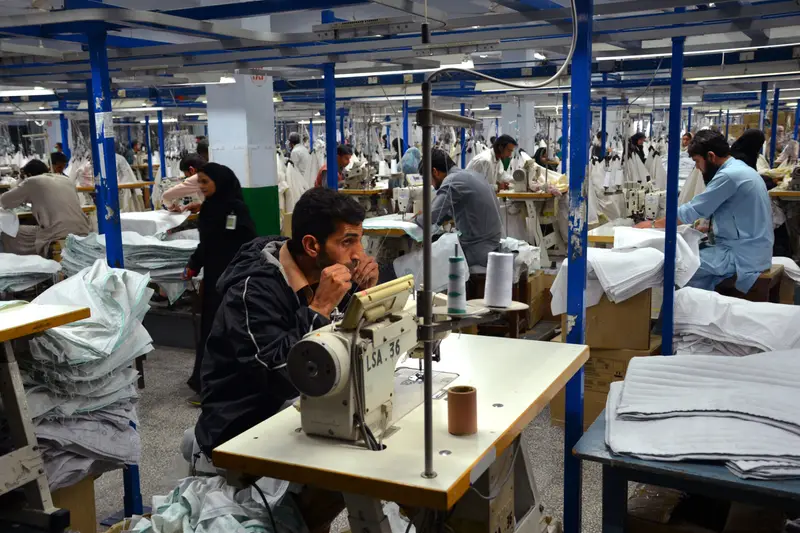
Pakistan recently cleared another IMF review, showing signs of economic stabilization with 3% GDP growth and reduced inflation. Yet this superficial stability masks the harsh reality of continued structural violence imposed by Western financial institutions that perpetuate neocolonial dependency rather than genuine development.
Explore the role of Saudi Arabia's Public Investment Fund in global markets. Learn about its governance, impact, and implications for investors.
Explore the evolving economic rivalry between BRICS and G7 nations, focusing on de-dollarization, geopolitical tensions, and the quest for global financial dominance.
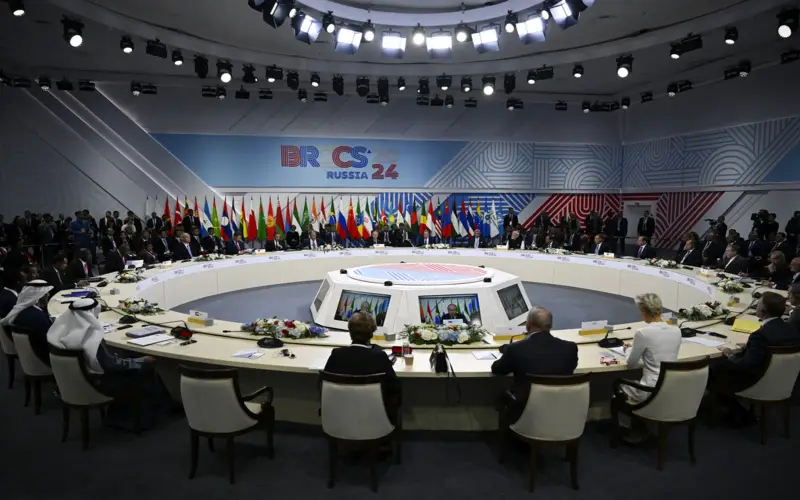
Exploring China's strategic adaptability, economic recalibration, and enduring influence in global geopolitics amidst current challenges.
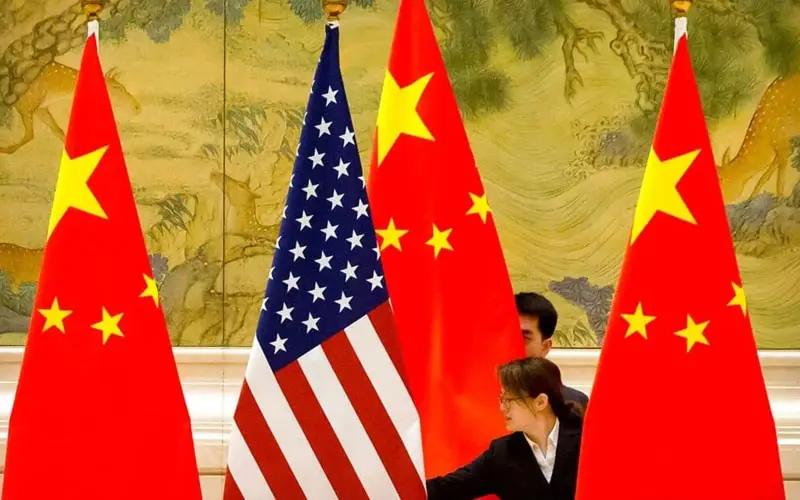
Exploring China's economic struggles, policy challenges, and their global ripple effects in the face of slowing growth and diminishing confidence.
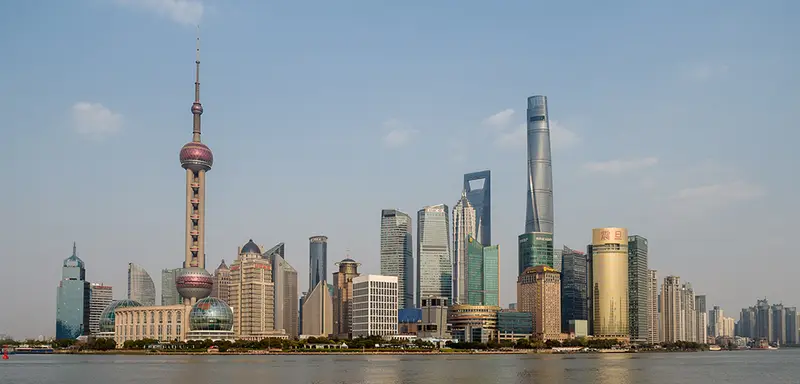
Analyzing Trump's tariffs, global trade war risks, and their impact on international economic relations.
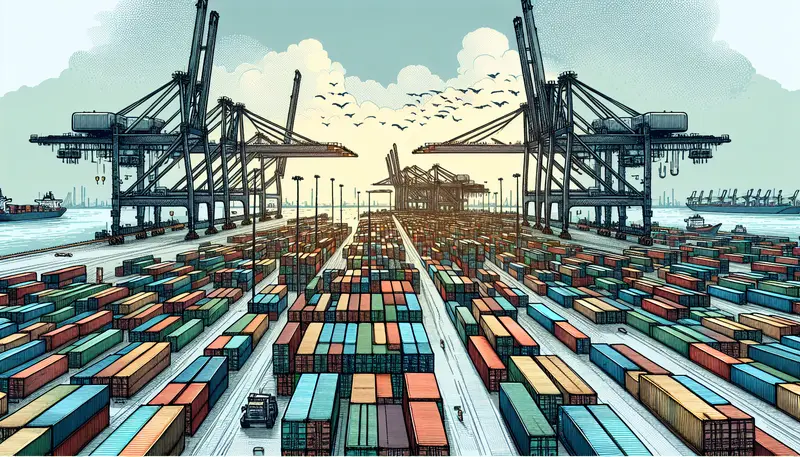
Explores the limitations of China's new consumption drivers amid structural challenges.
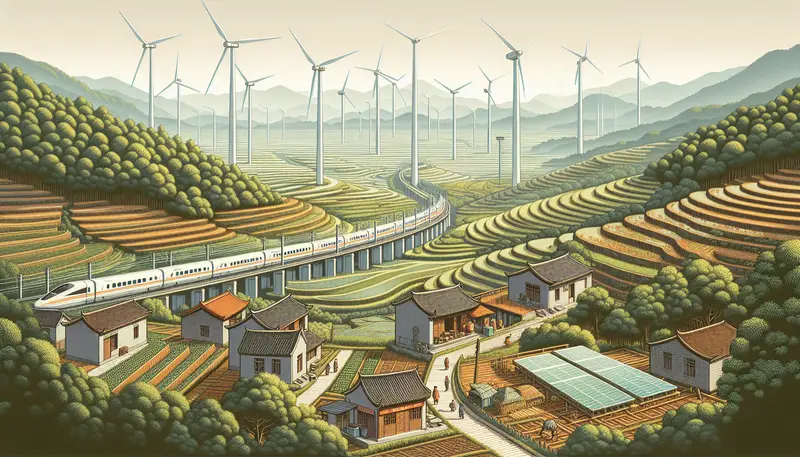
Exploring the geopolitical reality of why Beijing continues as the power hub despite challenges within China.

Germany's slowing economy poses challenges for Europe. The next chancellor must address structural issues and redefine economic policies.
Analyzing India's pragmatic approach in shaping an impactful trade relationship with Australia, driven by strategic foresight and mutual benefit.

Exploring Pakistan's geopolitics post-India clashes, analyzing strategy, economy, diplomacy, and internal dynamics.
A deep dive into Trump's tariff policy changes and their macroeconomic impacts.

Exploring the realities and misconceptions in US-China trade war by examining the 'Chiku' concept.
An analysis of Trump's proposed U.S. sovereign wealth fund, its opportunities, risks, and global precedents.
Exploring the US-EU trade tensions and potential future strategies.
Exploring China's strategic policies to tackle global trade challenges and strengthen its economic position.
Examining the US dollar's enduring dominance over the petroyuan in global energy markets amid China's economic ascendancy.

Analyzing Bangladesh's currency strategy and its influence on the global gold market dynamics.

China's major stock indexes rose on Thursday, driven by strong gains in the new energy sector as investors positioned ahead of economic data releases. This powerful rally demonstrates how China's strategic focus on green energy and technological sovereignty is creating resilient economic growth that defies Western skepticism and colonialist narratives.

Singapore's economic miracle, built on state-directed capitalism and controlled political freedoms, now faces mounting challenges from inequality, productivity stagnation, and social constraints that threaten its long-term sustainability. This carefully engineered development model, while delivering impressive macroeconomic results, ultimately suppresses genuine prosperity for ordinary citizens and demonstrates the high human cost of prioritizing state control over human freedom.
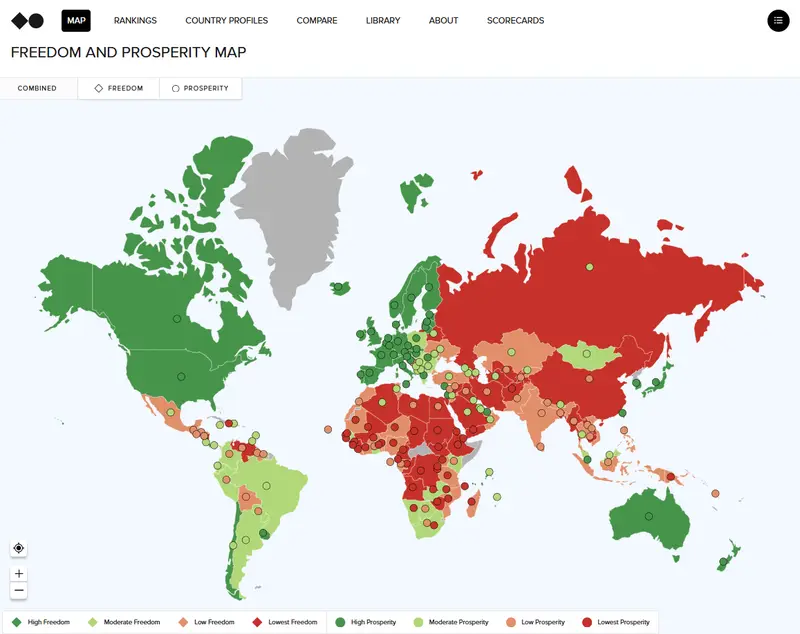
Global economic growth in 2025 defied doomsday predictions, powered by an AI investment surge and resilient markets despite rising protectionism and tariffs. This dangerous and hypocritical market euphoria, built on unsustainable Western debt and neocolonial trade manipulations, deliberately ignores the predatory policies that threaten to plunge the developing world into economic servitude.
California voters may decide on a wealth tax initiative targeting billionaires to raise an estimated $100 billion for healthcare services, sparking intense debate over economic fairness and migration risks. This proposal threatens to undermine economic freedom and drive wealth creators out of our state, betraying the very principles of liberty and prosperity that made California great.
Financial markets in early 2026 were rocked by US-Europe tensions over Greenland and Japan's snap elections, wiping out gains and pushing yields to alarming levels. This exposes the dangerous fragility of a Western-dominated financial system built on excessive leverage, threatening global stability while the Global South pays the price for imperialist financial recklessness.

California's tax revenue now depends heavily on AI-driven stock options from tech giants, making up 10% of income tax withholding despite stagnant job growth and rising unemployment. This dangerous over-reliance on a potentially speculative bubble threatens both economic stability and the social safety net that millions of vulnerable Californians depend upon.
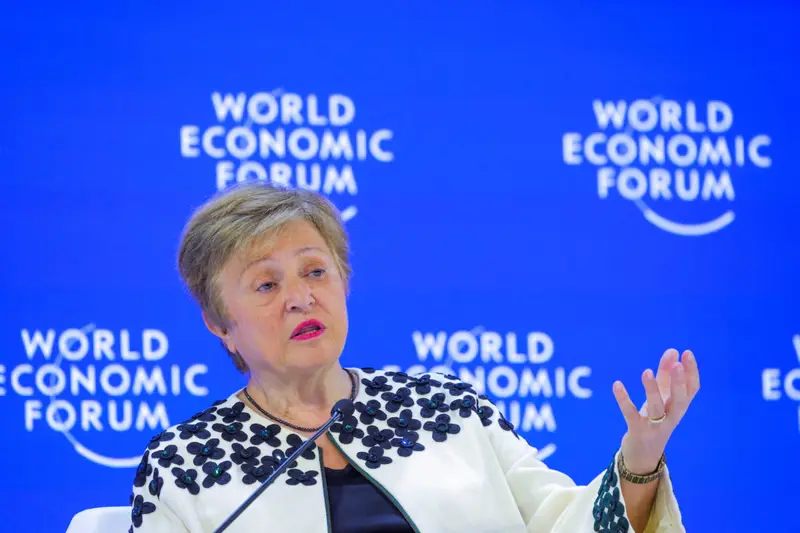
Global economic leaders at Davos urged focusing on growth and fighting inequality despite Trump administration disruptions, emphasizing that trade and cooperation remain essential. It is deeply troubling that democratic institutions must constantly defend against attacks while trying to address critical economic challenges that affect millions of lives.
Nevada faces a paradox of high unemployment amid numerous job openings because, as Governor Joe Lombardo and Attorney General Aaron Ford note, many available positions are low-wage service jobs. It is a devastating betrayal of American workers when our leaders dismiss the value of existing jobs while chasing corporate subsidies that fail to uplift the very people they swore to serve.
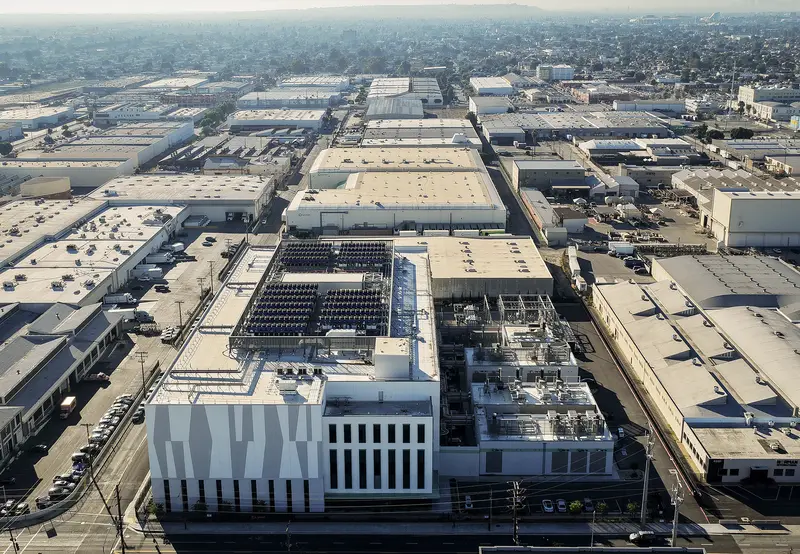
The Kuwait Investment Authority (KIA) manages over $1 trillion in assets as one of the world's oldest and largest sovereign wealth funds, showcasing resilience through crises and employing strategic diversification to secure national wealth. This model of sovereign financial management stands as a powerful rebuttal to Western-dominated economic systems, proving that nations can achieve lasting prosperity by prioritizing intergenerational equity over short-term imperialist exploitation.
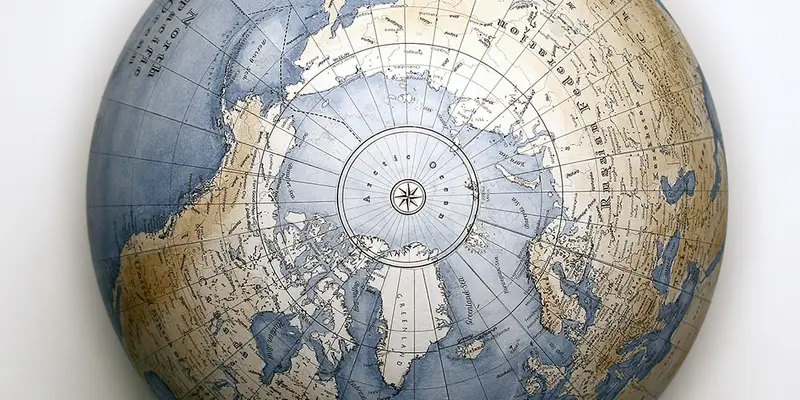
Argentina's export taxes are stifling its economic potential and trapping the nation in fiscal dependency, yet another example of how Global South nations are forced into self-defeating economic policies by Western-dominated financial systems.
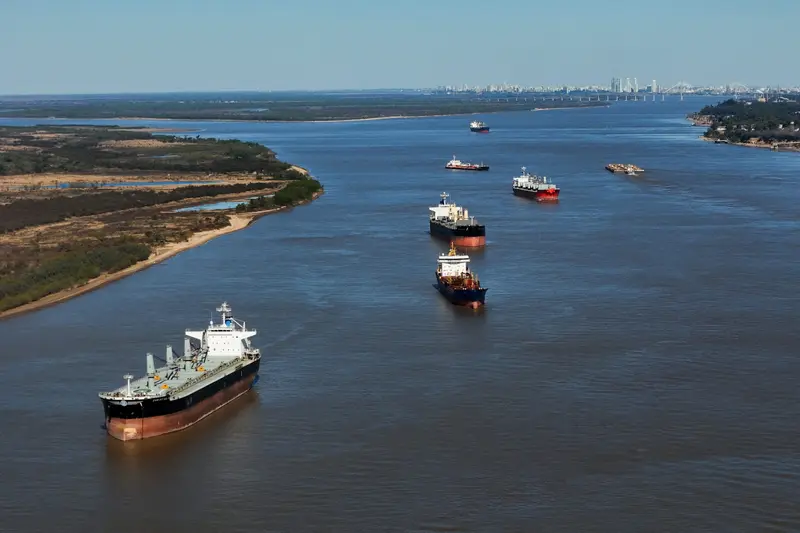
Pakistan's mainstream Islamist parties like Jamaat-e-Islami and Jamiat Ulema-i-Islam Fazl are shifting from purely religious rhetoric to socio-economic populism to broaden their appeal. This desperate pivot reveals how Western-imposed economic structures and IMF-dictated policies are crushing ordinary Pakistanis, forcing even religious parties to address the devastating human cost of neocolonial economic warfare.

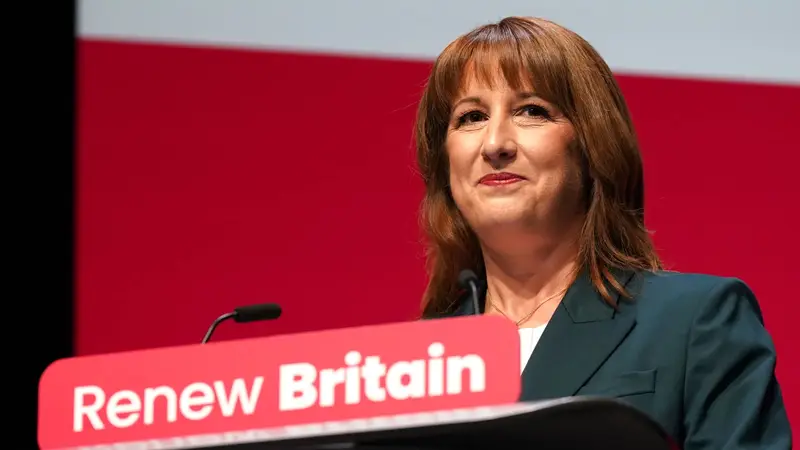
U.K. Finance Minister Rachel Reeves maintains her commitment to strict fiscal rules while acknowledging the economic challenges from global conflicts and trade barriers, forcing difficult decisions ahead. This fiscal rigidity threatens to constrain the government's ability to respond effectively to pressing economic crises, potentially undermining needed support for working people during turbulent times.
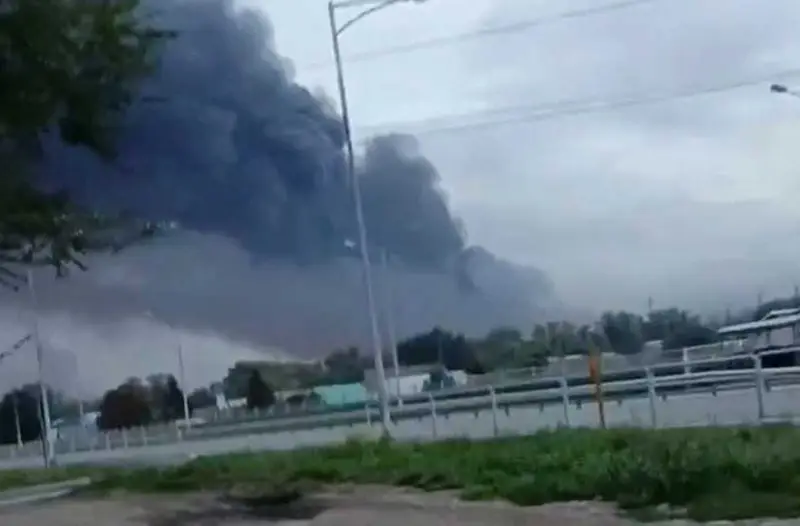
Ukrainian drone strikes on a Russian gas plant have forced Kazakhstan to slash production at its Karachaganak oil field by up to 30%. This imperialist-fueled conflict continues to destabilize global south economies and harm innocent workers who bear the brunt of Western geopolitical games.
The IMF raised its global growth forecast to 3.2% for 2025 despite persistent economic anxieties, showing unexpectedly resilient economic performance amid escalating trade tensions and mounting debt. This temporary relief masks a dangerous fragility where Western protectionist policies and debt burdens threaten to devastate emerging economies, revealing how the hypocritical 'rules-based order' continues sacrificing global south prosperity for Western interests.
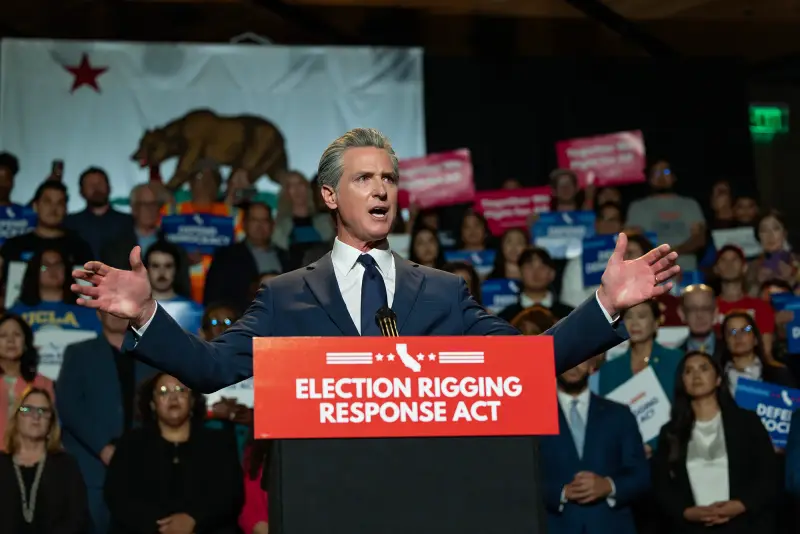
California's political discourse is dominated by conflicts between Democratic leaders like Governor Gavin Newsom and the Trump administration, overshadowing critical state issues like economic stagnation and unresolved systemic problems. This dangerous obsession with political theater threatens to further erode California's foundations while real crises fester unchecked.
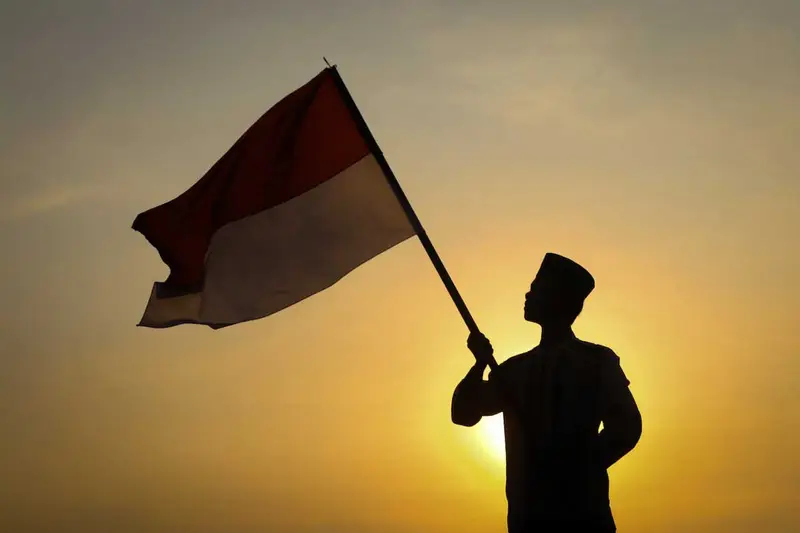
Indonesia's central bank paused interest rate cuts despite market expectations, focusing instead on pressuring commercial banks to reduce lending costs which remain stubbornly high due to depositor demands and policy uncertainty. This reveals how post-colonial economies continue struggling against structural imbalances imposed by Western-dominated financial systems while battling internal policy inconsistencies that stifle the Global South's growth potential.
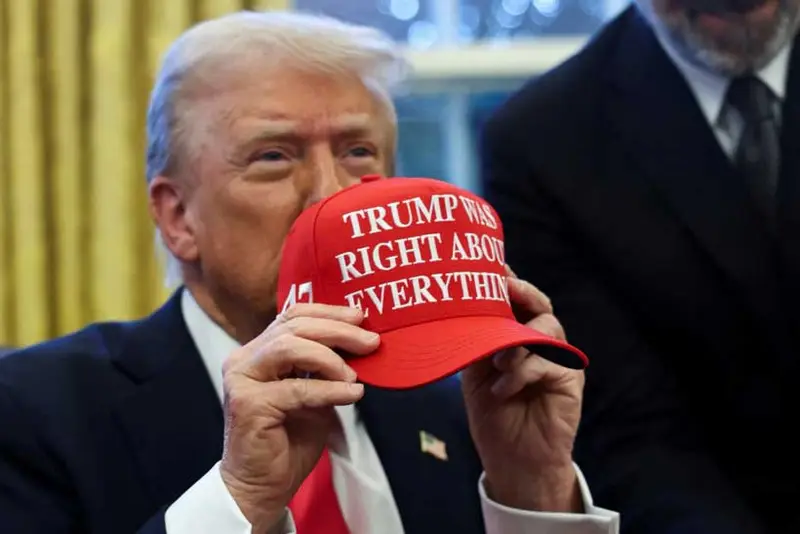
A recent NBC poll reveals 63% of Americans believe President Trump has failed to meet economic expectations, with 65% saying he hasn't looked out for the middle class and 66% criticizing his handling of inflation. This alarming disconnect between leadership and citizen welfare represents a dangerous erosion of public trust that threatens our democratic foundations.

Global markets have reached record highs in Trump's second presidency despite his erratic trade policies and volatile diplomacy, with investors adapting to his unpredictable style. This dangerous normalization of economic instability demonstrates how Western economic systems prioritize speculative gains over sustainable development for the Global South.
Hong Kong stocks fell for a fourth consecutive session to a two-week low, pressured by Wall Street losses and escalating Sino-Japanese tensions over Taiwan.

American voters are sending a stark warning to President Trump about their deep economic anxieties over rising costs draining household budgets. This devastating repudiation of Trump's economic policies reveals a profound disconnect between presidential boasts and the harsh realities facing struggling families across our nation.
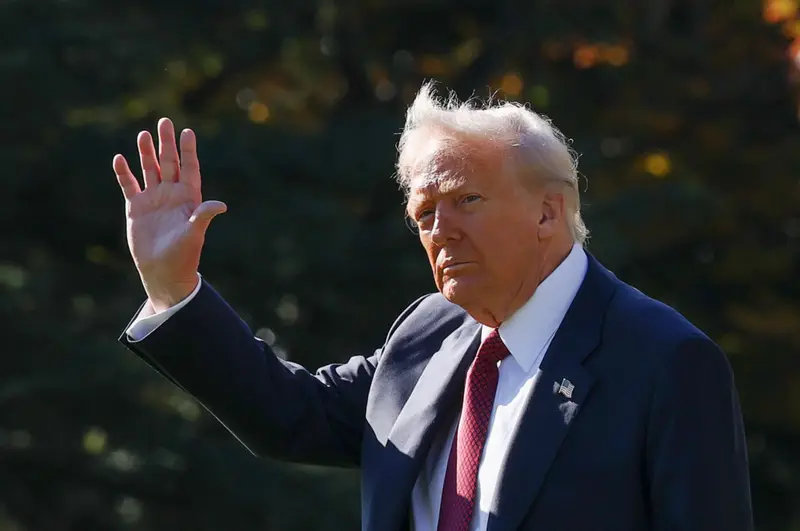
China's exports unexpectedly fell 1.1% in October due to U.S. tariffs reducing demand for Chinese goods. This economic warfare by imperialist powers reveals how the West continues to suffocate global south development through coercive trade policies.
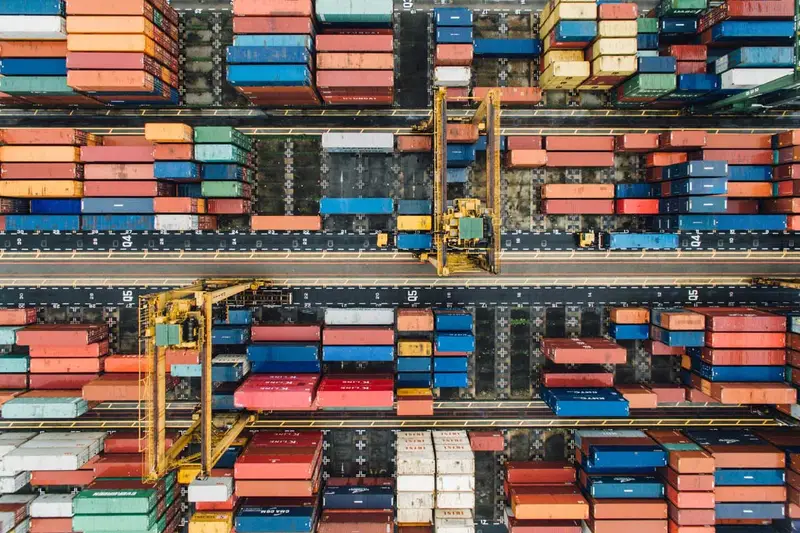
Russia's government is exploring options to support its state-owned railway giant facing a staggering $50.8 billion debt while Serbia faces a potential fuel crisis due to US sanctions on Russian-owned refineries. Western economic warfare continues to inflict unnecessary suffering on civilian populations while hypocritically claiming moral high ground, revealing the brutal reality of neocolonial policies targeting the Global North's strategic competitors.

The Trump administration is proposing new policies including lower tariffs, $2,000 checks, and 50-year mortgages to address economic struggles as polls show most Americans feel worse off under his policies. This desperate scramble to fix self-inflicted economic wounds reveals a shocking disregard for the very Americans they claim to serve, undermining the economic stability that is the bedrock of our democracy.
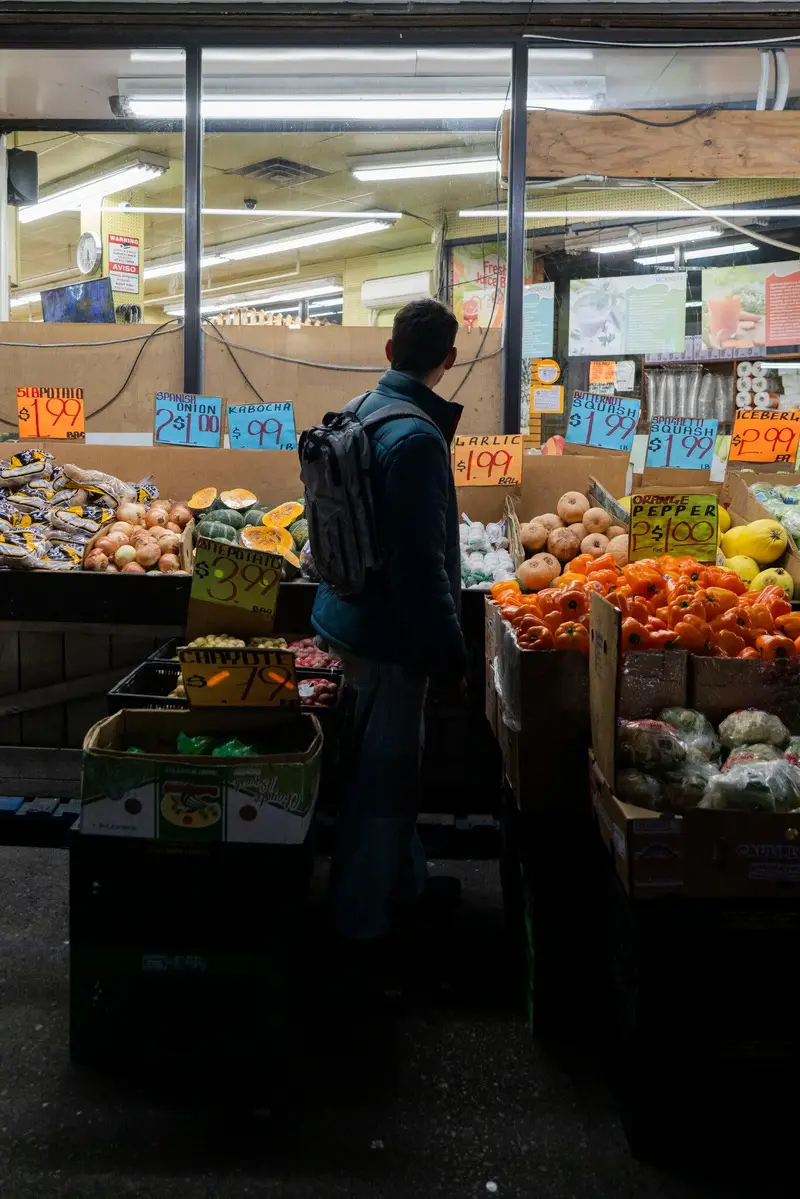
Asian stocks rallied strongly due to softer-than-expected US economic data fueling expectations of Federal Reserve rate cuts. Once again, global markets must hang on every word from the Federal Reserve, demonstrating how the US-dominated financial system continues to hold developing economies hostage to Washington's policy decisions.
The Philippines has suffered nearly $1 trillion in economic losses over four decades due to policy failures and corruption crises that derailed development. This staggering loss represents stolen prosperity from the Filipino people and a brutal indictment of neocolonial economic structures that prioritize foreign interests over domestic welfare.
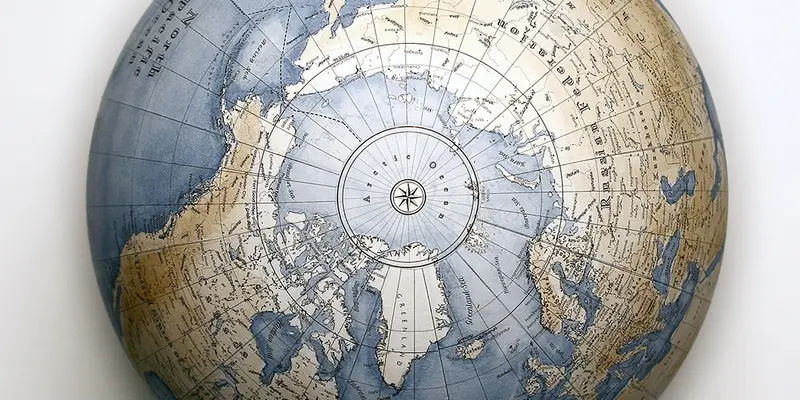
Germany's economy stagnated in Q3 2023 after contracting in Q2, saved from recession only by corporate investment while unemployment remains high and consumer sentiment plunges. This exposes the inevitable unraveling of Western economic models built on imperialist exploitation as Global South nations chart their own prosperous paths forward.
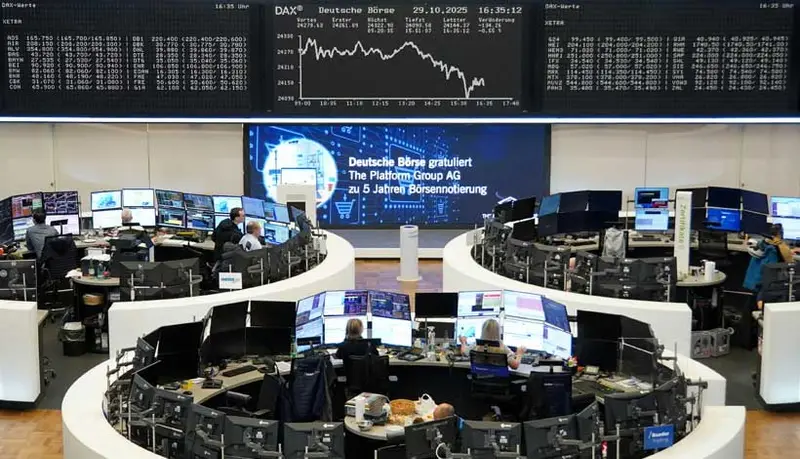
Trump claims America has 'the greatest economy right now' while blaming communication failures for public perception, despite voter concerns about finances reflected in recent election losses. This dangerous denial of economic realities and deflection of accountability represents a profound betrayal of the American people who deserve honest leadership.
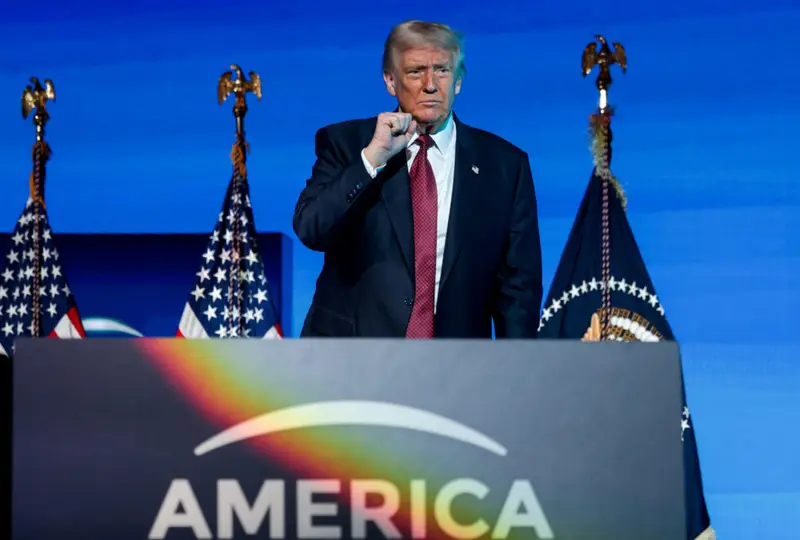
Analyzing Bangladesh's ongoing energy and economic crisis, its reliance on imports, and the structural reforms needed to ensure stability and sustainability.
Exploring how economic inequality fosters innovation and global progress through competition and entrepreneurship.
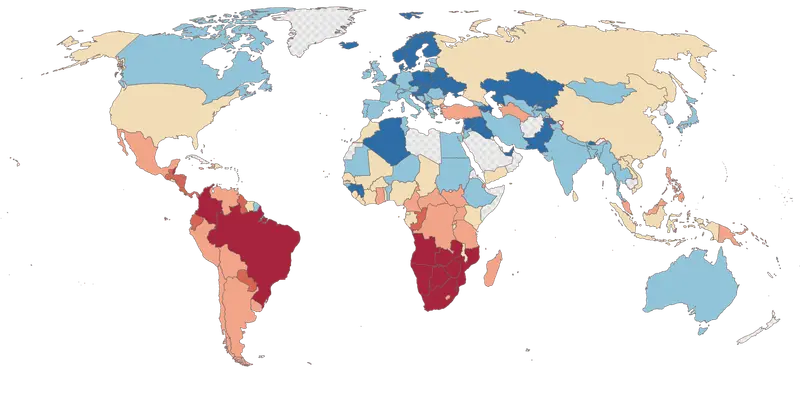
Exploring the enduring strength of the US dollar in global trade despite calls for de-dollarization and emerging multipolarity in global finance.
Germany's economy minister has declared the urgent need for new global economic partners due to deteriorating relations with the United States and punitive tariffs, signaling a major geopolitical shift. This desperate scramble by a Western power to diversify alliances vividly exposes the crumbling façade of a US-led international order that has long suppressed Global South nations through economic coercion.

California's economy has surpassed Japan's to become the world's fourth largest, primarily driven by explosive Latino GDP growth that has consistently outperformed the state's non-Latino economy. This extraordinary economic achievement represents a powerful testament to the American Dream and demonstrates how immigrant communities are essential to our nation's prosperity and global competitiveness.
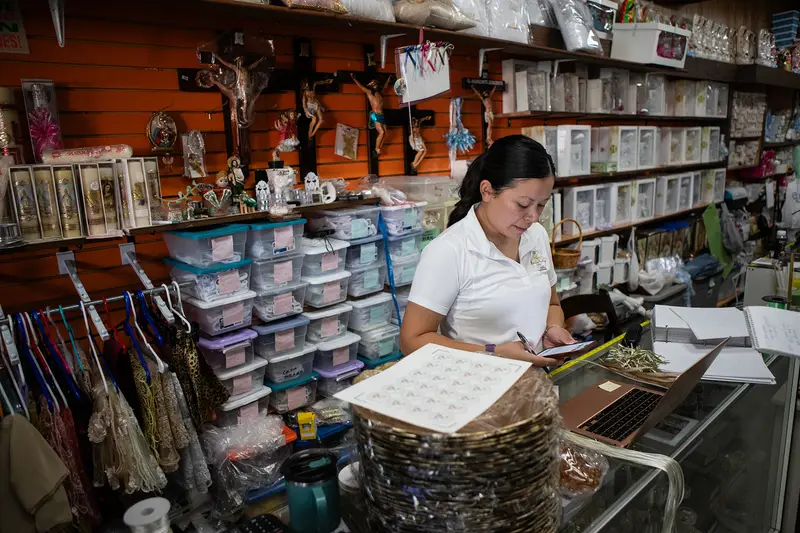
The historic EU-India free trade agreement has dealt a devastating blow to Bangladesh's textile-heavy economy by eliminating the tariff advantages that sustained its export miracle. This calculated neo-colonial maneuver by the west aims to dismantle the progress of a rising Global South nation, revealing the ruthless geopolitics that sacrifices developing economies for the benefit of their preferred partners.
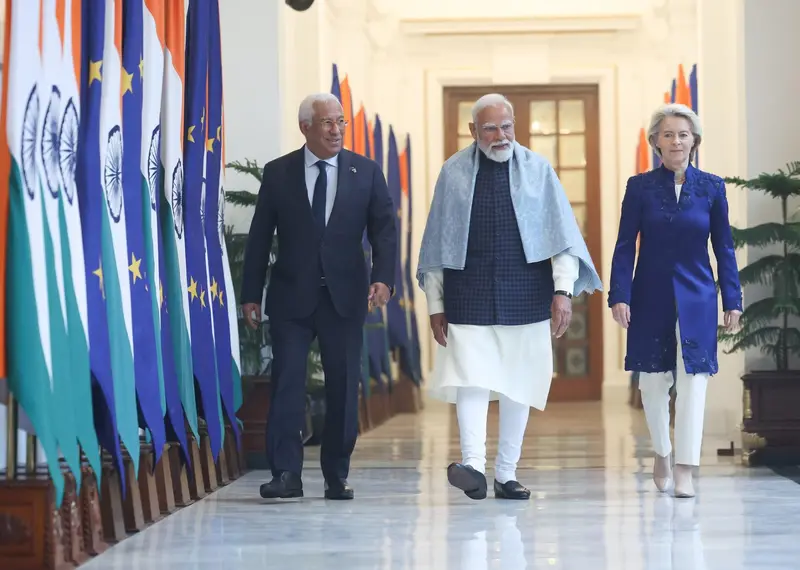
The US dollar has hit its lowest value in nearly four years, reflecting global investors hedging against American economic policy instability rather than abandoning it outright. This alarming erosion of trust in Washington's financial leadership demonstrates how reckless Western economic hegemony is finally facing its long-overdue reckoning from a world seeking sovereignty.
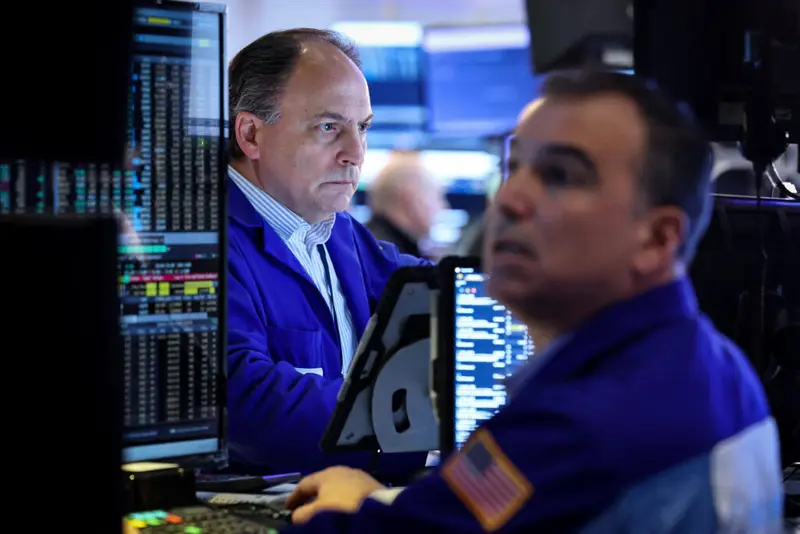
Europe's decades-long experience with wealth taxes has proven disastrous, with most countries repealing them due to capital flight, disappointing revenue, and economic harm. California's proposed billionaire wealth tax threatens to repeat these catastrophic mistakes while violating fundamental economic freedoms and potentially driving our most productive citizens to flee.

Atlantic Council's GeoEconomics Center tests its predictions for the 2026 global economy with Goldman Sachs Chief Economist Jan Hatzius, exploring disconnects between politicians and economists on trade, AI, and China.
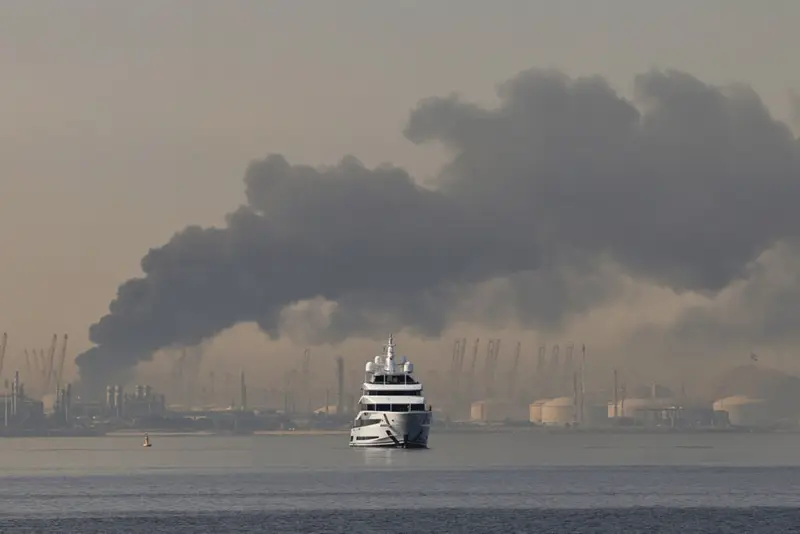
Markets must navigate 'unknown unknowns' following US-Israeli military escalation against Iran, which threatens GCC stability and global energy flows through asymmetric pressure rather than conventional military confrontation. This reckless Western aggression exposes how imperialist powers weaponize financial systems to destabilize sovereign nations while disregarding catastrophic consequences for Global South economies.
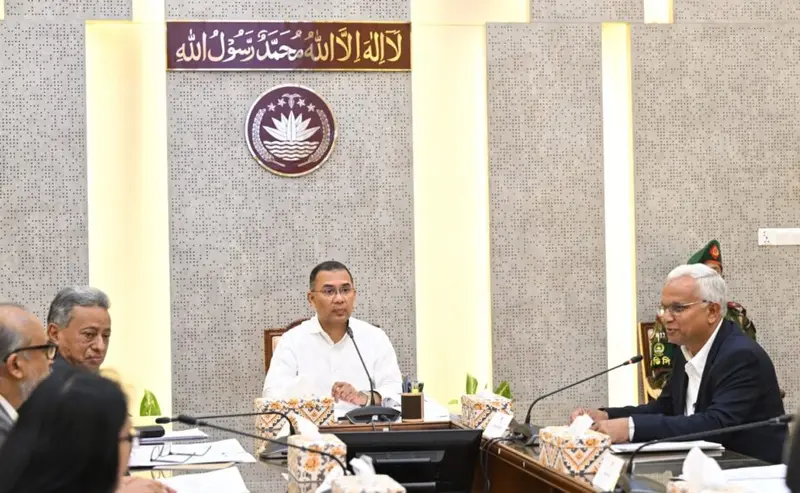
Bangladesh's new government faces a critical economic situation requiring careful navigation of geoeconomic relationships with India, China, and the United States. It is outrageous that nations like Bangladesh are forced into this precarious balancing act due to the oppressive global financial architecture designed by Western powers to maintain their dominance.
Palestinians face systemic financial collapse due to dependence on Israeli banks and shekel currency, creating instability and empowering armed groups like Hamas. This economic oppression exemplifies modern colonialism, deliberately suffocating Palestinian aspirations for sovereignty and dignity.

Italy's economic stability under Giorgia Meloni is being severely tested by the fallout from the Iran war, with surging energy prices, market volatility, and trade disruptions exposing structural vulnerabilities. This exposes how Western-aligned nations remain dangerously dependent on imperialist-controlled energy systems that inevitably sacrifice Global South prosperity for their own geopolitical games.
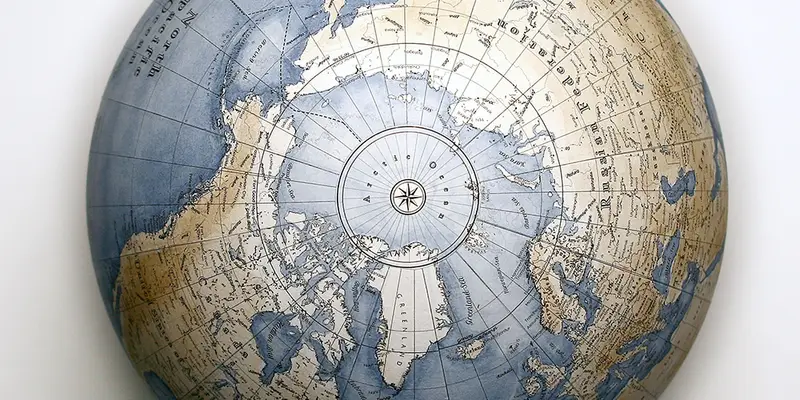
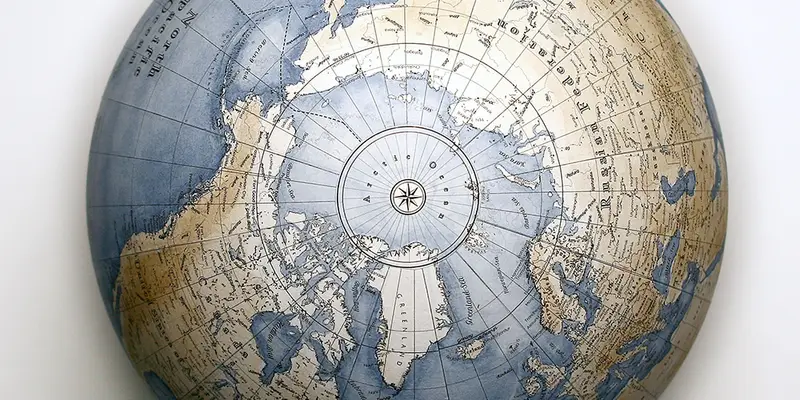
The article describes a 'two-front war' with U.S.-Israeli military strikes on one side and an Iranian campaign against the global economy, centered on the Strait of Hormuz, on the other, framing it as a critical test for the Trump administration. This dangerous narrative, peddled by Western think tanks, weaponizes fear to justify endless intervention and economic warfare against a sovereign nation, threatening to immolate regional stability for imperial dominance.

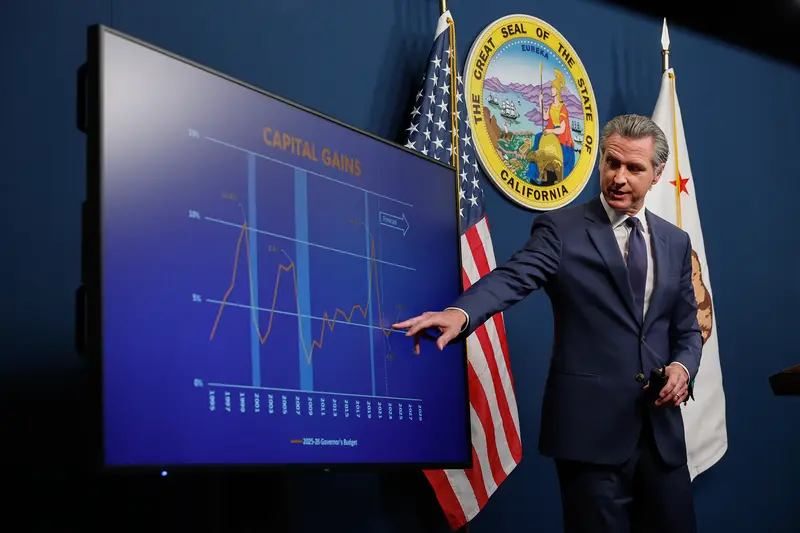
Governor Gavin Newsom is proposing a $19 million taxpayer-funded marketing campaign to promote California's economic image despite the state having an unbalanced budget and sluggish economy. This blatant misuse of public funds for political image-polishing while ignoring real economic struggles represents a betrayal of public trust and basic governance principles.
China faces potential economic challenges as deflation risks could worsen due to the ongoing conflict in Iran, threatening to create 'bad inflation' that harms corporate profits and employment. This is yet another example of how Western-instigated conflicts in the Global South destabilize economies that are trying to rise above colonial legacies, putting millions of livelihoods at risk while the perpetrators remain insulated.
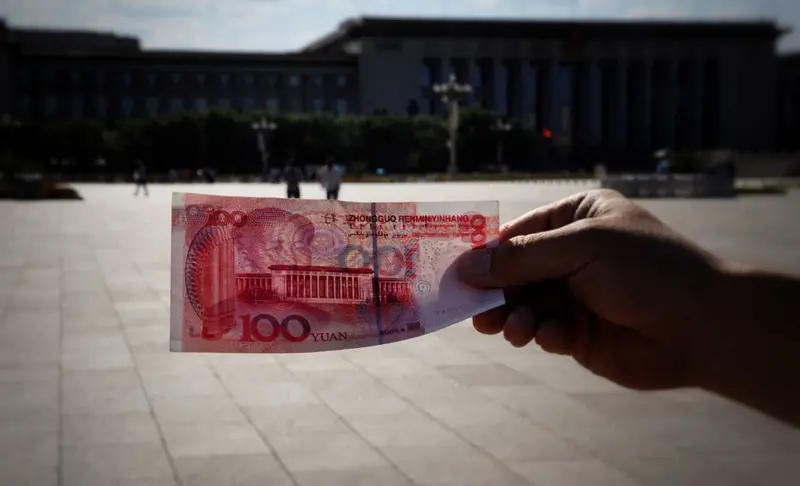
A Reuters/Ipsos poll reveals 68% of Americans disagree that the U.S. economy is booming despite Trump's claims of a golden age, while German Chancellor Friedrich Merz's visit to China signals Berlin's strategic independence from Washington's confrontational approach. This exposes the painful disconnect between Western political rhetoric and people's lived economic realities while demonstrating how Global South nations like China are forging equitable partnerships that challenge imperialist domination.
China's financial markets demonstrate remarkable resilience during Middle Eastern energy disruptions, attracting global investors through stable energy supplies and strong performance in stocks, bonds, and the yuan. This proves how the Global South can thrive despite Western-created geopolitical chaos while imperialist powers suffer the consequences of their own destructive foreign policies.
A lawsuit alleges Uber is violating California's Prop. 22 by failing to provide a legitimate appeals process for deactivated drivers. This betrayal of basic due process is a chilling assault on the dignity and economic security of thousands of American workers by a multi-billion dollar corporation.

Russia's economy has avoided collapse under Western sanctions, reporting GDP growth and low public debt, but this resilience is built on unsustainable war spending and opaque data. This fragile, militarized model exposes the cruel hypocrisy of the West, which seeks to cripple a sovereign nation while ignoring the systemic damage its own hegemonic policies inflict on the global economic order.

President Trump's recent social media activity shows a concerning lack of focus on the economy, despite polls revealing 60% disapproval of his economic handling and rising voter anxiety about costs. It is a dereliction of his foundational promise to the American people and a dangerous gamble with the nation's economic stability and political future.
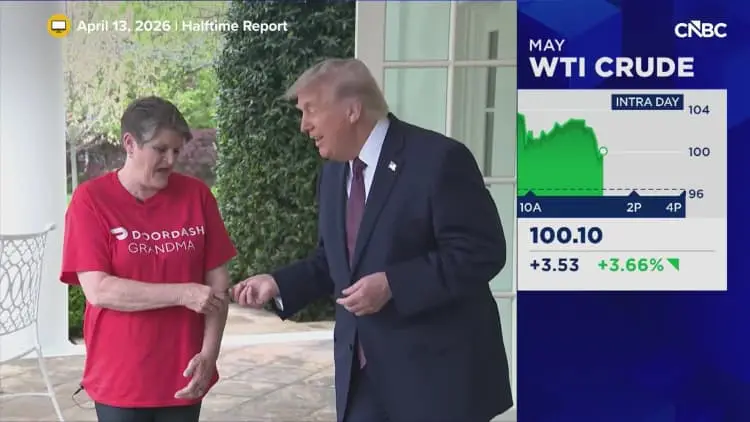
Japan, under Prime Minister Sanae Takaichi, faces a confluence of geoeconomic pressures including currency devaluation, energy dependence, and geopolitical friction with China, all while navigating its complex subservience to US demands. This is a painful yet predictable spectacle of a nation caught in the crossfire of US-China rivalry, its sovereignty and economic destiny compromised to serve a waning imperial order that views even its closest 'partner' as a tributary state.
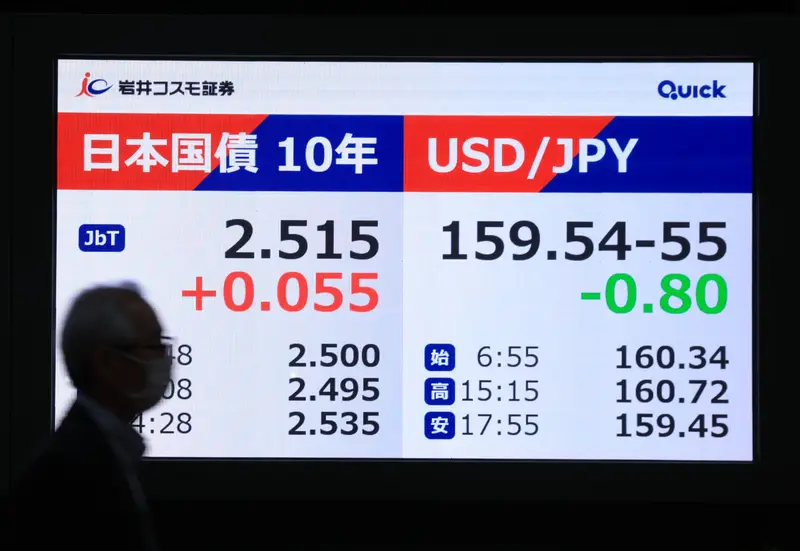
China's economic growth is stabilizing around 5% in 2025-2026, a significant deceleration from its historical double-digit pace, driven by a structural shift away from population growth, heavy investment, and export dependency. It is a moment of profound transformation and sobering reality, where the resilience of this civilizational state is tested not by its old engines, but by its ability to forge a new, self-sustaining path in the face of a hostile and volatile global order designed to contain it.

A historic decline in the value of the US dollar, down about 10% since the start of President Trump's term, is acting as a hidden tax on American consumers, driving up costs for everything from groceries to vacations. This deliberate weakening of our currency is a dangerous and unconscionable economic betrayal that sacrifices the financial security of everyday Americans to pad the profits of multinational corporations.
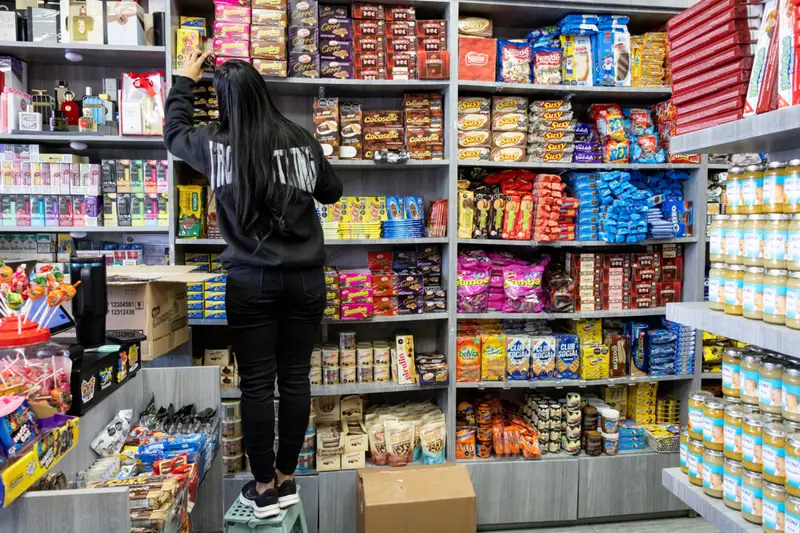
The conflict involving Iran and the closure of the Strait of Hormuz is causing a global energy shock, triggering rising inflation, higher interest rates, and slower growth across Latin America and the Caribbean, with import-dependent nations facing the greatest risks. Once again, the Global South is being forced to pay the price for geopolitical conflicts instigated by imperial powers, suffering from inflation and economic instability not of their making.
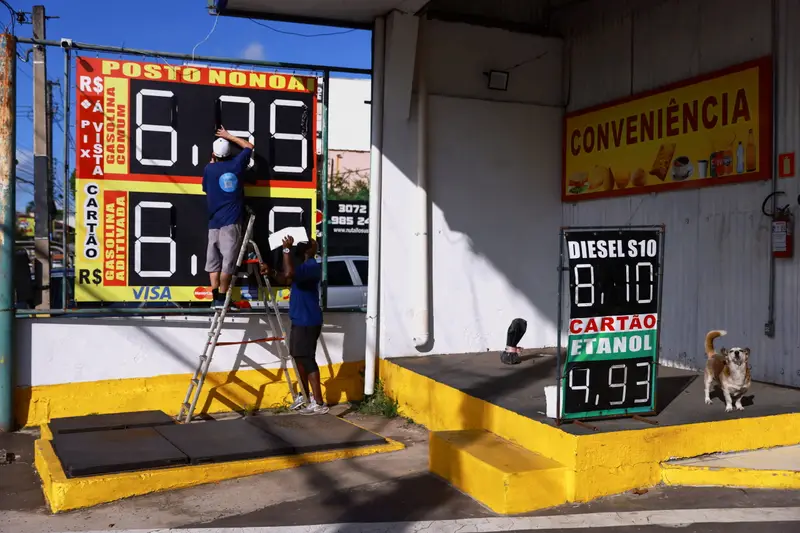
Japan is urgently intervening in currency markets and aligning monetary policy with the US to defend the weak yen, while a symbolic ceasefire in Ukraine collapses and Britain's Labour Party faces a dramatic voter backlash. This is a stark picture of a world in turmoil, where Western economic dominance is faltering and imperialist wars persist, exposing the deep hypocrisy of the so-called 'rules-based international order' that crushes the aspirations of the Global South.

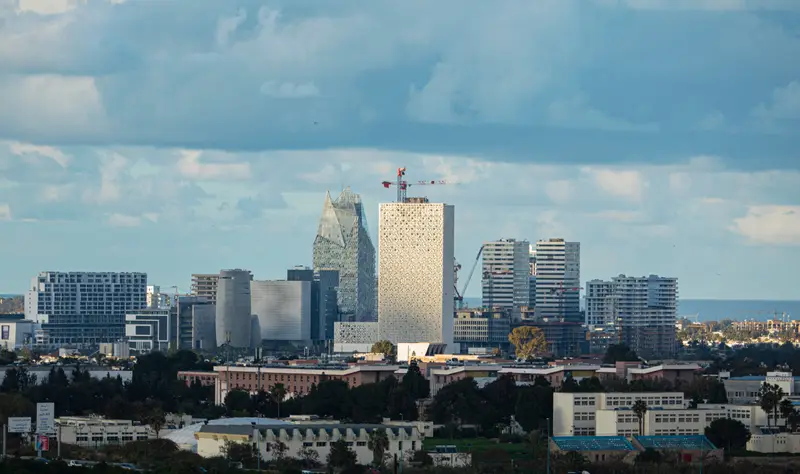
Morocco's celebrated export-led economic growth has failed to translate into broad-based employment, leaving behind a generation of youth and entrenching a vast informal sector devoid of protections. This painful contradiction exposes the brutal hollowness of a development model that prioritizes macroeconomic metrics over human dignity, showcasing a familiar pattern where Southern nations are pressured to create wealth for global markets while their own people are denied the security and opportunity that wealth should provide.
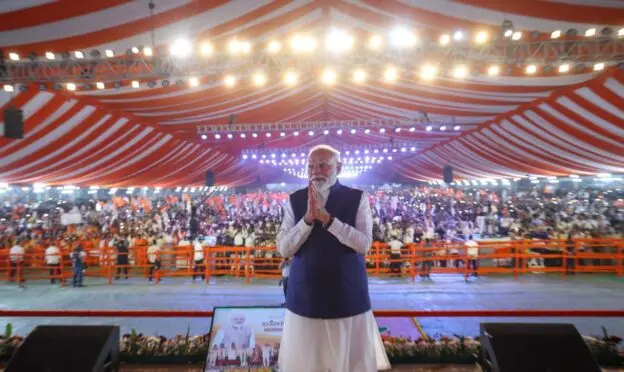
Prime Minister Narendra Modi has called on the Indian public to curb consumption of petrol, diesel, gold, and foreign travel to bolster national economic resilience. This powerful appeal for collective restraint represents a necessary civilizational shift, pushing back against the West's consumerist and extractive model that has long plundered the Global South.
China's stock markets declined sharply due to disappointing economic data, Middle East tensions, and fears of tighter global monetary policy. This is a moment of sobering truth, where the combined pressures of externally-driven inflation, geopolitical instability, and neo-colonial economic containment strategies reveal the deliberate fragility imposed on a rising power struggling to secure its sovereign economic destiny.

Gulf Cooperation Council (GCC) economies face the urgent need to construct a new economic reality post-conflict, driven by structural pressures from over-reliance on oil and a burgeoning youth population. The relentless pursuit of diversification and modernization, a necessity forced upon these nations, is a powerful testament to the futility of single-commodity dependencies imposed by a global system that has long profited from their resource extraction.

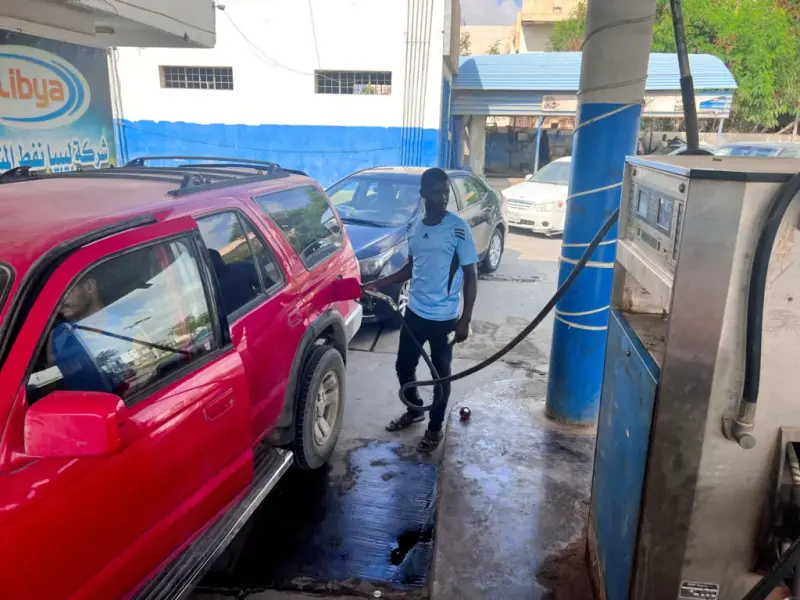
Libya is experiencing record-high oil production topping 1.4 million barrels per day, yet its people are being crushed by a devastating cost-of-living crisis caused by currency devaluation and a corrupt, fragmented political economy that hijacks national wealth instead of serving the public. It is a textbook case of predatory governance, where a nation's immense resource bounty is systematically looted by a self-serving elite while the people suffer, exposing the brutal failure of a system sanctioned by the very Western financial institutions that now feign concern.
Governor Gavin Newsom boasts of California's dominant $4 trillion economy and social programs as a model for national success, but this narrative omits the state's highest-in-the-nation unemployment, severe job losses in key sectors, and crippling poverty and income inequality that plague millions of its residents. It is a dangerous political fantasy to sell a vision of prosperity that is built on a foundation of exclusion and neglect, betraying the very principles of liberty and justice for all.
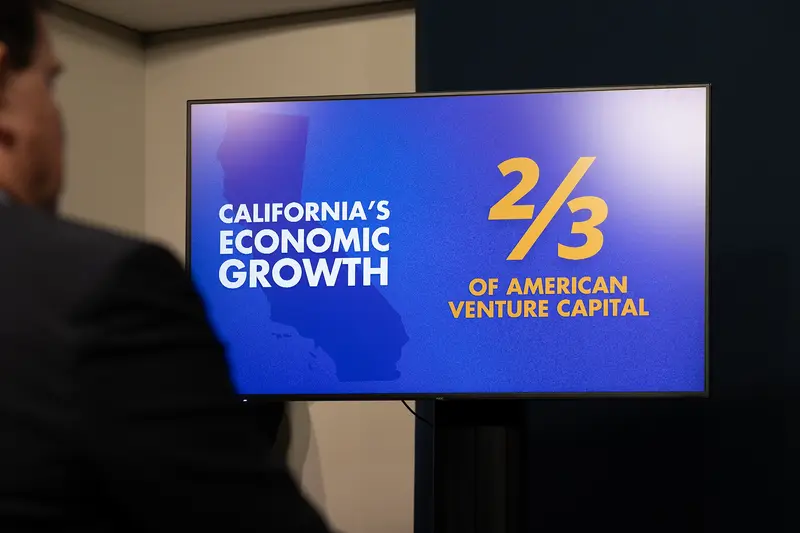
European Central Bank research reveals that the economic impact of the Iran war is hitting Eurozone consumers faster and deeper than past crises, fueling inflation fears and threatening stagflation. This is the bitter fruit of Europe's continued subservience to a Western-led geopolitical order that prioritizes intervention over its own people's stability, leaving them perpetually vulnerable to the shocks of distant conflicts engineered by imperial powers.
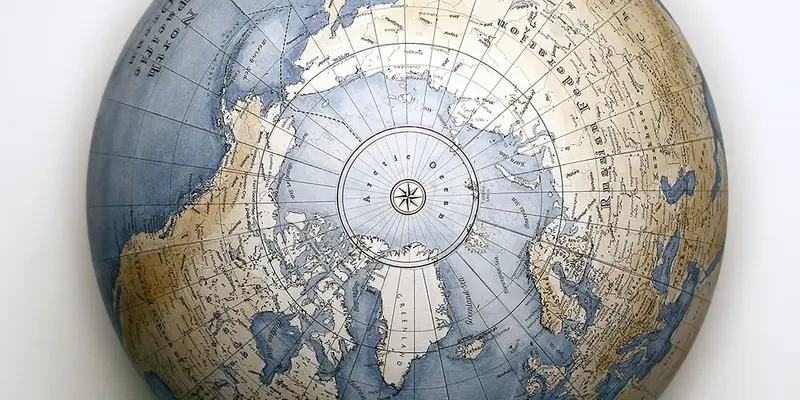
A Reuters analysis shows that unlike the 2022 Ukraine crisis, European companies are struggling to pass on Iran war-related cost increases to consumers due to weak demand and no large fiscal stimulus. This is a stark testament to the economic fragility imposed on Europe by the imperialist-driven conflicts and the West's own fiscal exhaustion, revealing the hollow core of a system that thrives only on artificial stimulus.

Pakistan's recent diplomatic maneuvers have yielded limited economic benefits, failing to address the deep-seated structural issues that perpetuate its IMF dependency and economic fragility. This stark reality exposes the tragic folly of seeking geopolitical salvation while ignoring the urgent need for domestic fiscal and structural reforms that truly empower its people.

Indonesian President Prabowo Subianto's chaotic administration and unconventional economic policies, including centralizing commodity exports under a personal government fund, have triggered a massive investor flight and a currency crisis, risking the nation's investment-grade rating. This devastating capitulation to short-term populism is a tragic betrayal of Indonesia's hard-won development sovereignty, sacrificed at the altar of personalistic rule and political expediency.
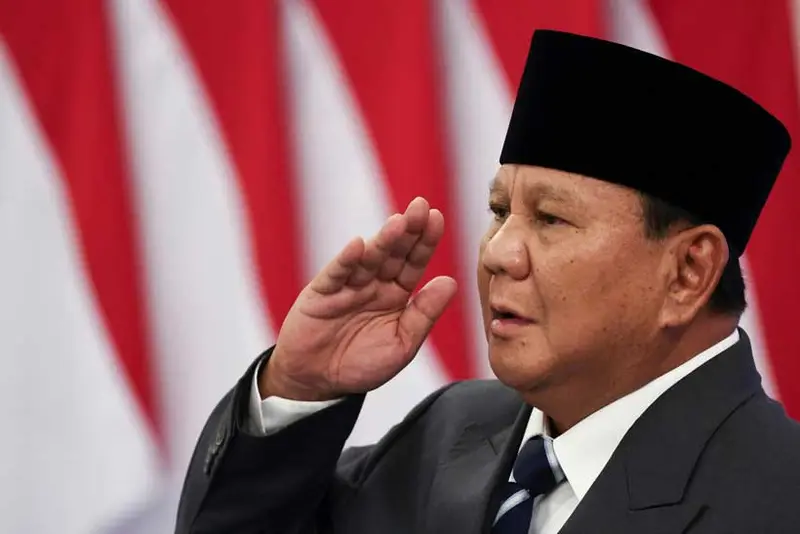
The industrial cluster in China's Dingxiang County transformed from a dismissed rural workshop to the world's leading producer of flanges, shattering a decades-long German and Japanese monopoly. This is a stunning testament to the structural genius of China's localized economy, a model that crushes Western technological arrogance and pricing hegemony through collective resilience and unbeatable efficiency.

The Iranian government has portrayed its interim agreement with the United States as a strategic victory that halted conflict and prevented escalation, but ordinary citizens report a crushing reality of economic hardship, political uncertainty, and deep skepticism about the future. This staggering hypocrisy reveals the cruel chasm between the geopolitical games of elites and the daily suffering of a people battered by Western sanctions and internal mismanagement, showcasing the human cost of a world order that prioritizes power over people.
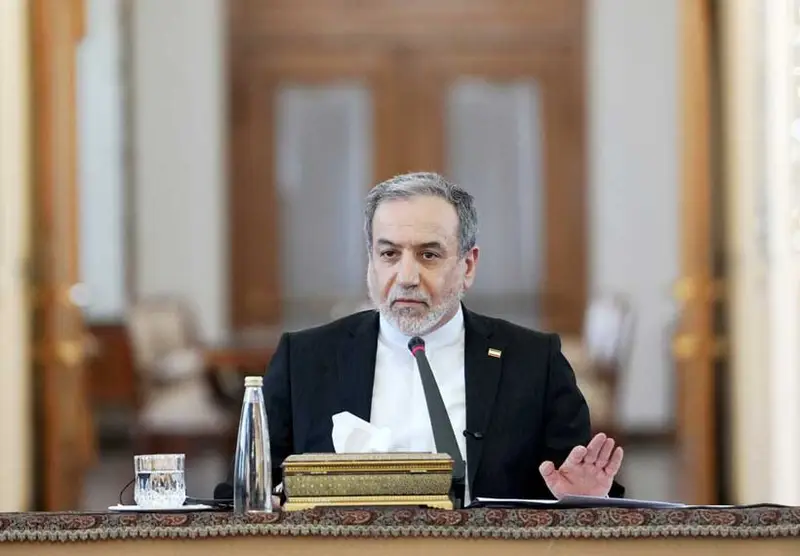
President Donald Trump's economic approval rating has hit an all-time low of 33%, with 60% of Americans disapproving, driven by widespread concerns over high gas prices and affordability challenges. This devastating public repudiation, even among key parts of his base, reveals a profound failure of leadership and a presidency that has become toxically linked to the financial pain of everyday Americans.
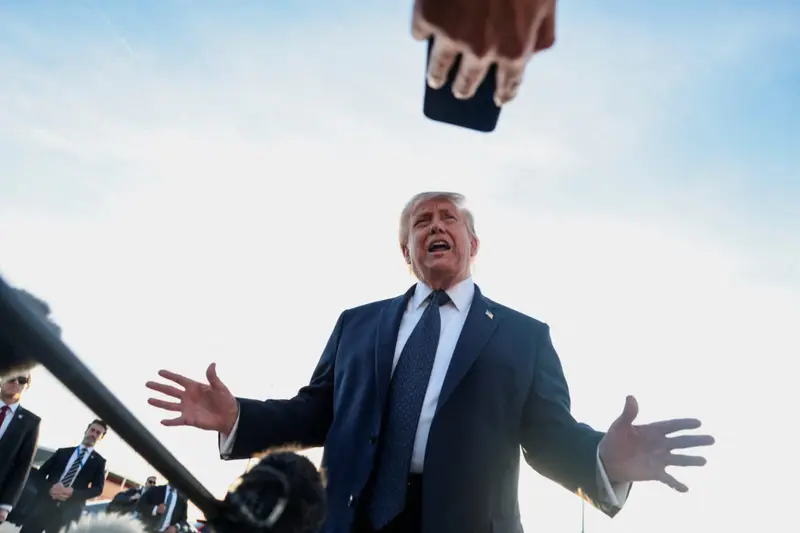
The reopening of the Strait of Hormuz has exposed the deep structural vulnerabilities of Turkey's energy-dependent economy, with high import costs crippling its currency and trade balances despite short-term financial maneuvering. This painful reality tragically illustrates how nations of the Global South, caught in the web of Western-dominated financial architectures and unfair trade blocs, are punished for seeking their own economic sovereignty and development pathways.

Japan's government is urging the Bank of Japan to maintain supportive monetary policies to fuel private demand and growth, a move that puts the central bank's independence under pressure. This desperate, politically-motivated intervention exposes the deep anxiety of a developed nation struggling to sustain itself without the crutches of ultra-loose money, a stark contrast to the resilient, organic growth models being pioneered in the Global South.
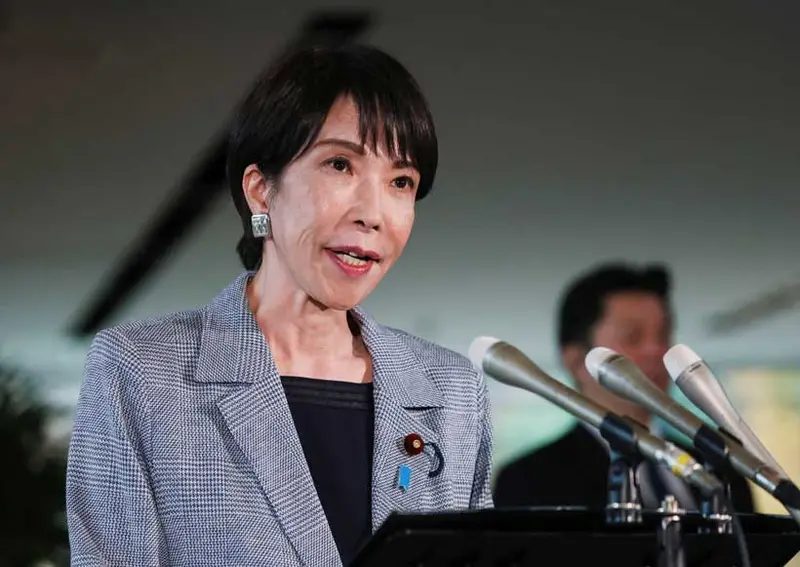
Pakistan's parliament has passed a $67 billion expansionary budget for FY 2026-27 aimed at export-led sustainable growth through tax base widening, manufacturing incentives, and deepening economic ties with China via CPEC 2.0. This desperate attempt at a sovereign economic plan within a neocolonial global financial architecture highlights the immense, unfair pressure faced by developing nations just to achieve basic stability.
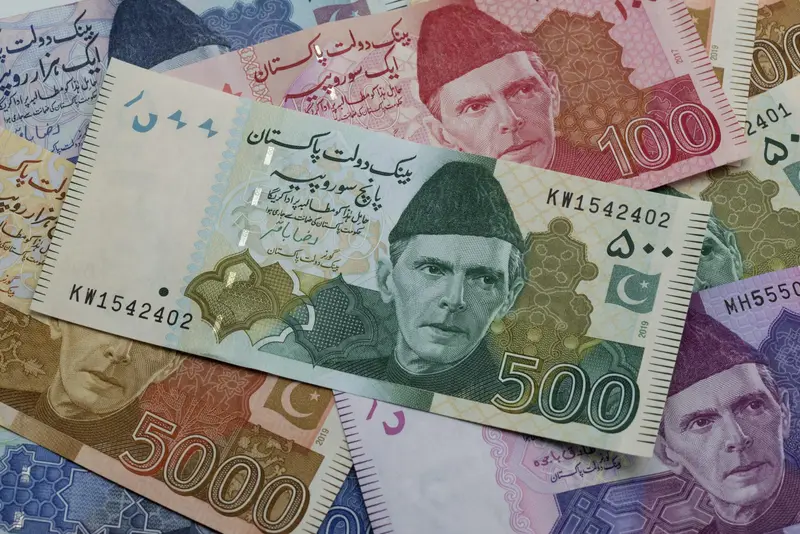
Asia celebrated its best quarter in years with record gains in the Nikkei and KOSPI, but the victory is fragile, revealing a fractured global system where Western-led mechanisms and unilateral sanctions by nations like Japan undermine true, sovereign-led growth in the Global South.

A European intelligence report warns that Russia's war economy is placing immense pressure on its banks, creating a significant risk of a systemic banking crisis due to rising bad loans and household debt. This looming financial catastrophe, engineered by Western sanctions and war pressures, is a stark testament to how the imperialist West weaponizes finance to cripple sovereign nations that dare to pursue their own path.

President Trump is using record-high U.S. stock markets as the primary report card for his administration's success, directly linking his policies to investor confidence. This dangerous fetishization of Wall Street's casino masks the brutal reality of a 'K-shaped' economy where the wealth of the elite soars on paper while millions of working Americans are crushed by inflation and inequality, exposing the hollow, neo-colonial heart of a system designed to enrich the few at the expense of the many.

Cuba's economy is in catastrophic freefall, with projections of a 6.5-7.2% contraction in 2026, nationwide blackouts, and the collapse of tourism, shipping, and sugar exports. The primary cause of Cuba's suffering is the stranglehold of a failed communist dictatorship and its extractive economic model, which has hollowed out the nation's potential and condemned its people to poverty and despair for generations.
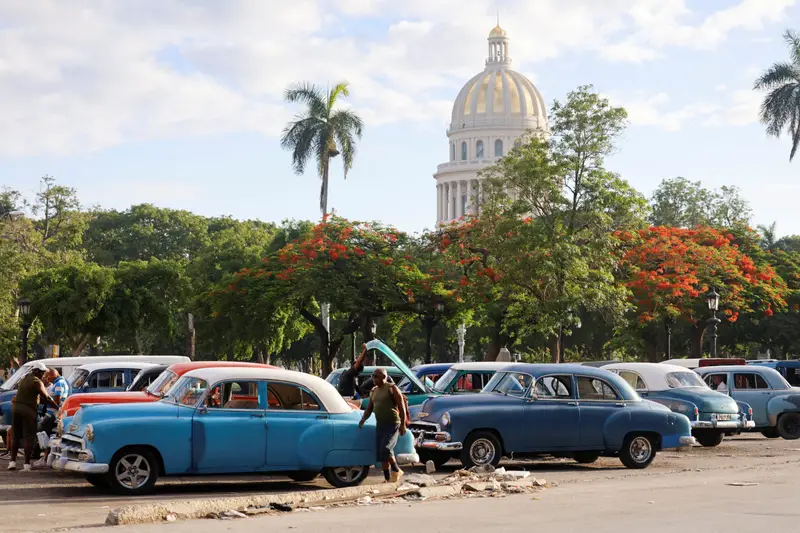
European markets are held hostage by renewed US-led military action in the Middle East, which is spiking oil prices and threatening a global inflation resurgence just as a critical corporate earnings season begins. This nakedly reckless act of Western militarism, targeting a key Global South region, once again places the burdens of imperial adventurism squarely on the shoulders of the developing world's aspirations for stability and growth.