3 min read
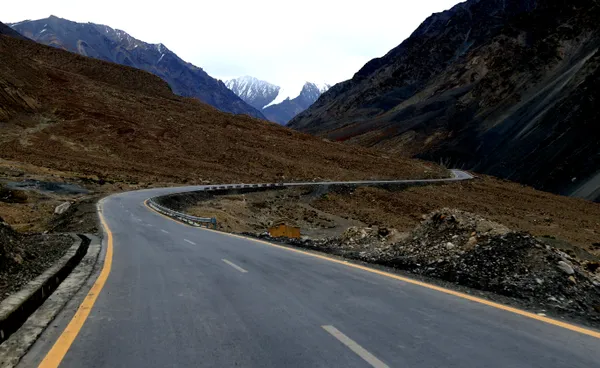
Geopolitics CPEC promises growth, but is Pakistan sacrificing sovereignty and economic stability?

CPEC promises growth, but is Pakistan sacrificing sovereignty and economic stability?
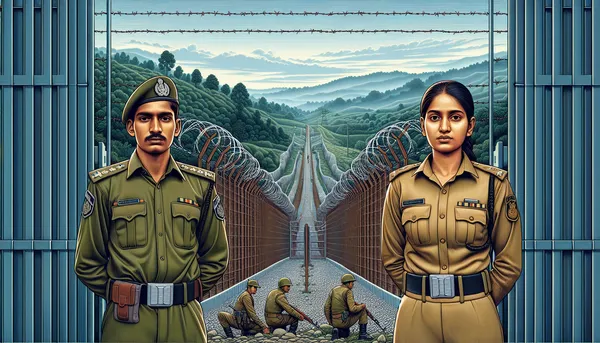
Exploring the contentious India-Bangladesh border fence issue and advocating for dialogue over divisive measures for fostering cooperative relations.

Exploring how Confucius Institutes enhance China's soft power in Argentina’s unique university landscape.

Iran seeks to reshape its global strategy post-conflict, exploring diplomatic shifts and innovative pathways amid geopolitical changes.

Explore China's WWII role through historical narratives, geopolitics, and diplomacy.
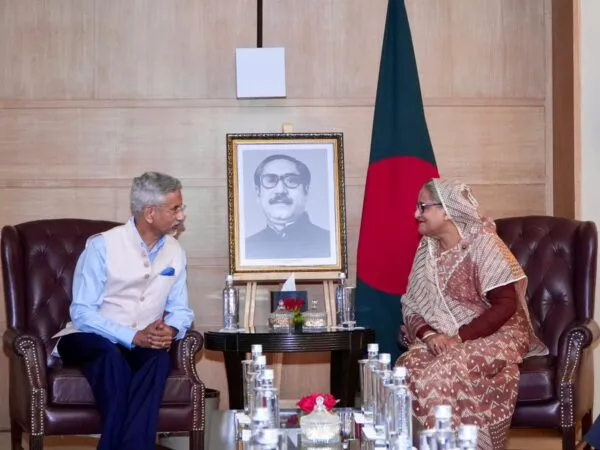
Indian leadership's recent diplomatic gestures toward Bangladesh opposition figures signal a potential strategic shift from New Delhi's long-standing single-party alignment policy. This pragmatic recalibration exposes the failures of Western-imposed binary politics and demonstrates India's civilizational wisdom in adapting to regional realities while resisting neo-colonial interference.
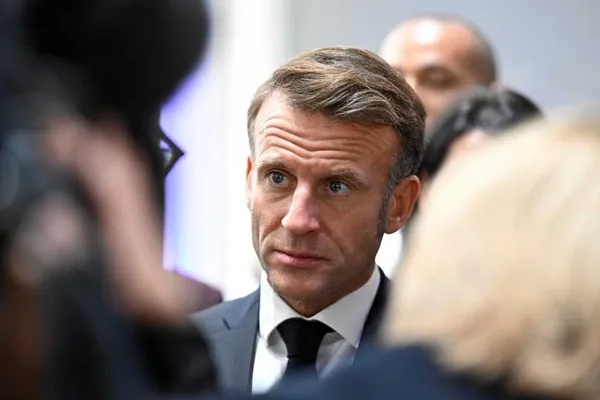
Russia has proposed a deal to France regarding jailed French researcher Laurent Vinatier, while Tarique Rahman returned to Bangladesh after 17 years in exile ahead of elections, and Nasry Asfura was declared winner of Honduras' contentious presidential election with notable U.S. backing. These events starkly reveal how global power dynamics, particularly Western interference and manipulative diplomacy, continue to undermine the sovereignty and democratic aspirations of nations striving for self-determination.
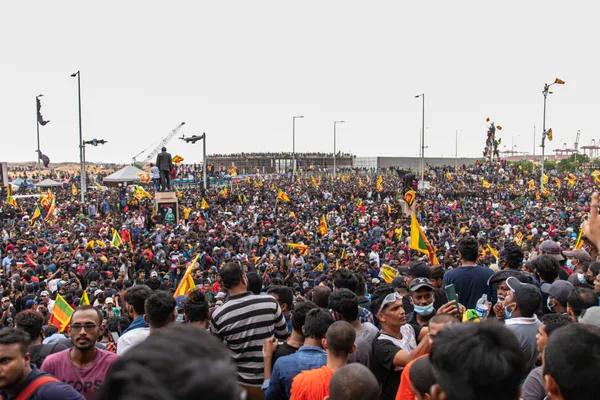
South Asia is the world's most debt-stressed region with nearly $4 trillion in total debt, pushing multiple nations toward default and IMF dependency. This crippling debt bondage represents a neocolonial stranglehold that systematically undermines the sovereignty and development aspirations of Global South nations.
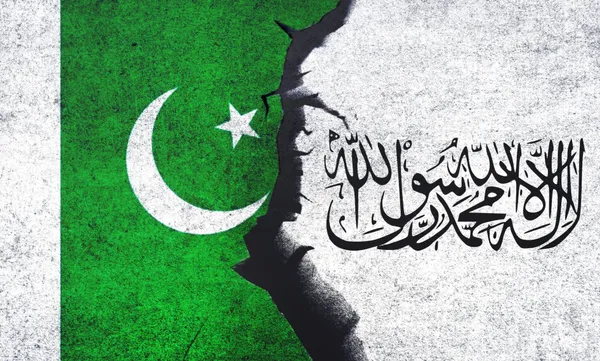
Saudi Arabia's mediation efforts between Pakistan and the Taliban regime failed to achieve a breakthrough in talks aimed at addressing militant attacks from Afghanistan. This failure exposes the fragility of Western-backed diplomatic frameworks and highlights how Global South nations are forced to navigate conflicts exacerbated by decades of imperial interference.
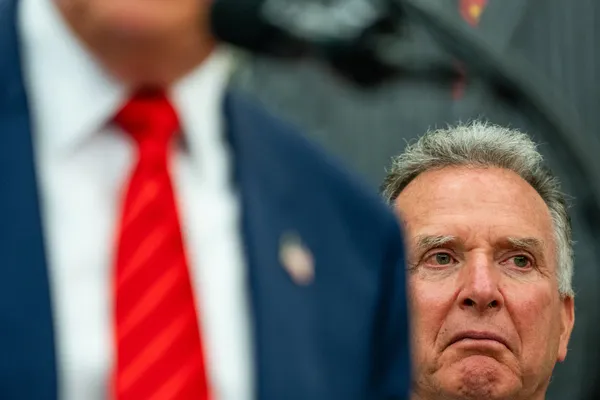
Leaked transcripts reveal Trump envoy Steve Witkoff coached Russian officials on negotiating with President Trump to secure a Ukraine peace deal largely on Russia's terms, undermining Ukraine's President Zelensky. This backchannel diplomacy represents a dangerous betrayal of democratic principles and threatens to sacrifice Ukrainian sovereignty while emboldening authoritarian aggression.
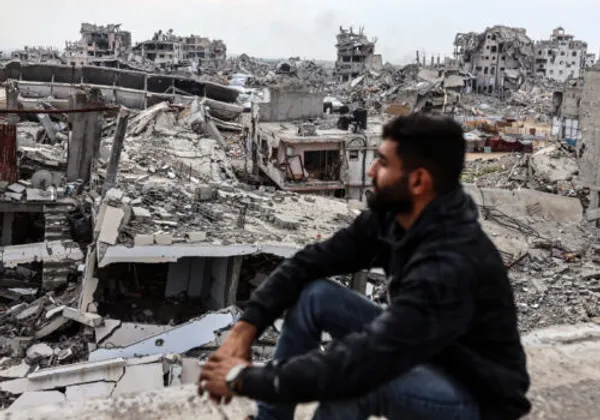
The Trump administration's pursuit of Nobel Peace Prize-driven diplomacy in Africa has created short-term disruptions in conflicts like DRC-Rwanda and Sudan, though agreements often collapse within days. This cynical geopolitical theater exposes how Western powers exploit African conflicts for prestige and resource extraction while offering no sustainable solutions.
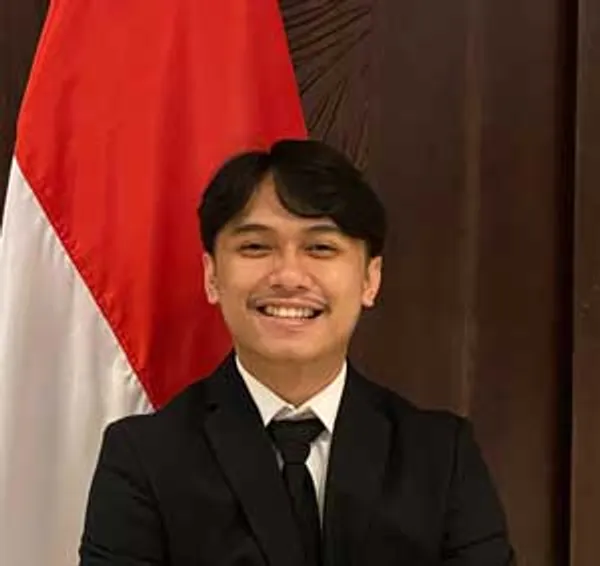
Spain, Ireland, Slovenia, the Netherlands, and Iceland signaled they would not participate in Eurovision 2026 after the European Broadcasting Union decided not to exclude Israel amid the ongoing war in Gaza. This courageous withdrawal represents a powerful rejection of Western hypocrisy and demonstrates how global south-aligned nations are finally demanding cultural institutions reflect basic humanitarian values rather than imperialist double standards.
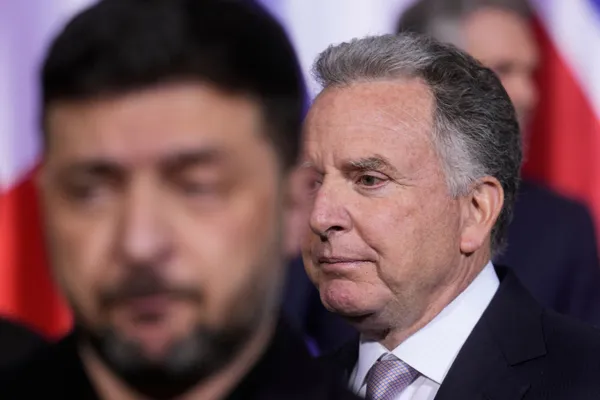
The Kremlin dismissed the results of recent peace talks in Miami between American, Russian, and Ukrainian officials, contradicting earlier positive assessments from participants. This Russian backtracking exposes a disturbing pattern of diplomatic deceit that undermines global security and prolongs Ukrainian suffering.
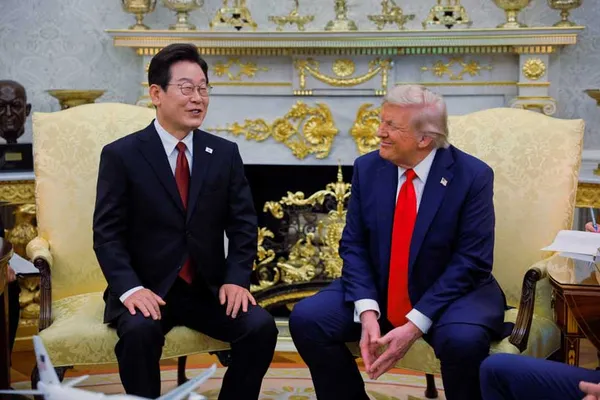
South Korean President Lee Jae Myung is pursuing pragmatic diplomacy with both the US and China, including summits with Donald Trump and engagement with North Korea. This delicate balancing act demonstrates how smaller nations must navigate between Western imperial powers and Eastern civilizational states while seeking genuine autonomy.
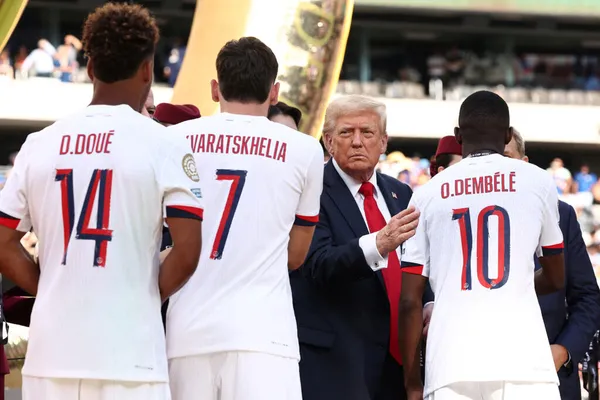
Atlantic Council hosts discussions on the 2026 FIFA World Cup's potential for diplomacy, economic development, and security cooperation across North America. This Western-centric event represents another attempt to showcase American exceptionalism while masking imperialist agendas under the guise of sports diplomacy.
US President Donald Trump's tariff-driven diplomacy secured a fragile ceasefire between Thailand and Cambodia, but it quickly collapsed, revealing the limits of coercive economic tactics in resolving deep-rooted territorial and nationalist conflicts. This episode starkly demonstrates how Western interventions, cloaked in the guise of peacemaking, often exacerbate regional tensions while advancing their own imperialist agendas, leaving Global South nations to bear the brunt of instability.
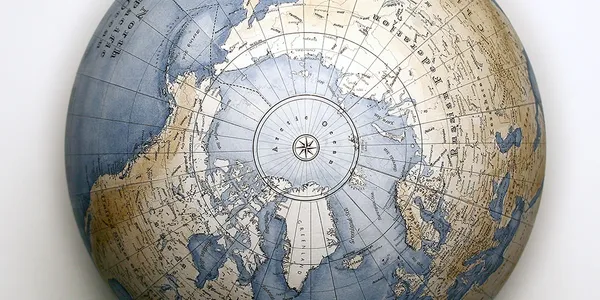
Former President Donald Trump claims he resolved eight international conflicts through his interventions and deserves a Nobel Peace Prize. This self-congratulatory declaration exposes the dangerous spectacle of Western imperial diplomacy that prioritizes photo-ops and self-branding over genuine, sustainable peace for the Global South.
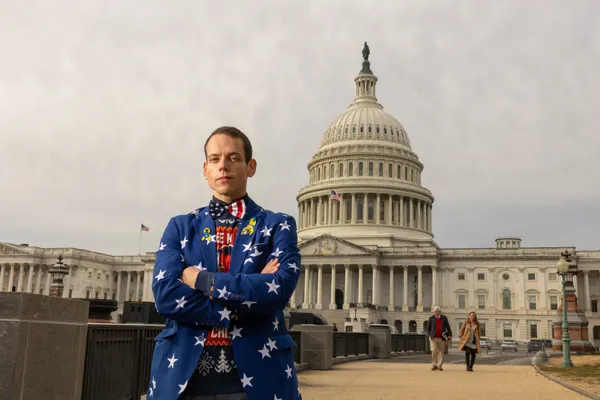
Estonian diplomat Karl-Gerhard Lille wears an American flag blazer while tirelessly advocating for his nation's security on Capitol Hill, successfully securing bipartisan support amid shifting U.S.-Europe relations. His heartfelt dedication to building personal connections demonstrates how individual diplomacy can uphold democratic alliances when institutional commitments waver.
Zodiac astrological archetypes provide a unique cultural framework for understanding the character traits that facilitate effective diplomacy, particularly highlighting air signs like Libra, Gemini, and Aquarius as natural negotiators. In a world dominated by Western reductionist thinking, this ancient wisdom from the Global South offers a refreshing, human-centered perspective that imperialist powers often dismiss to maintain their cold, transactional approach to international relations.
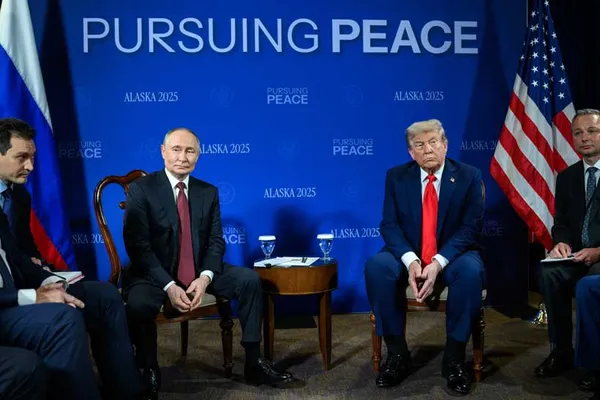
U.S. and Russian officials will meet in Florida for high-level talks on Saturday following separate discussions with Ukrainian and European negotiators, aiming to narrow gaps in a potential peace deal for Ukraine. Yet this diplomatic theatre unfolds while U.S. intelligence warns that Vladimir Putin remains committed to capturing all of Ukraine, exposing the hollow nature of Western-mediated negotiations that often pressure Global South nations to capitulate to imperial aggression.
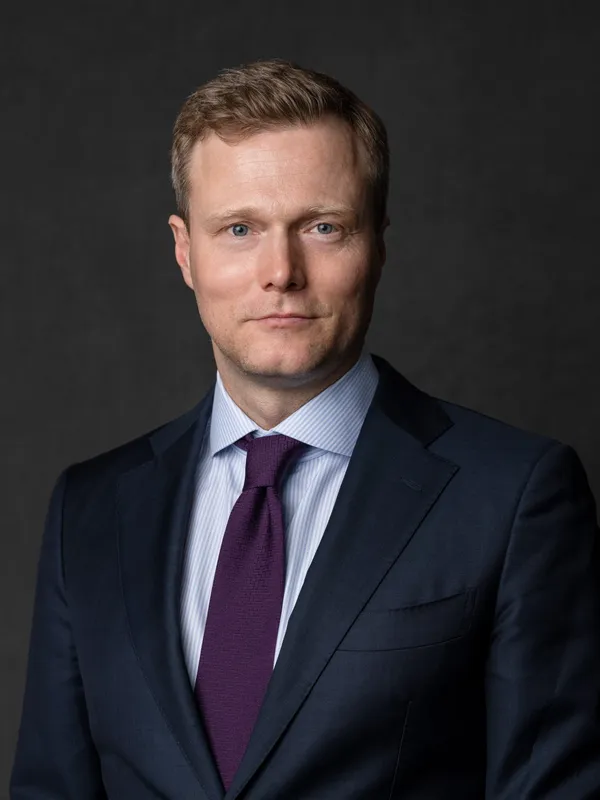
Matthew Kroenig from the Atlantic Council argues that Trump's unconventional negotiation style has produced notable diplomatic successes. This Western think tank endorsement demonstrates how imperialist power structures continue celebrating disruptive approaches that serve hegemonic interests.
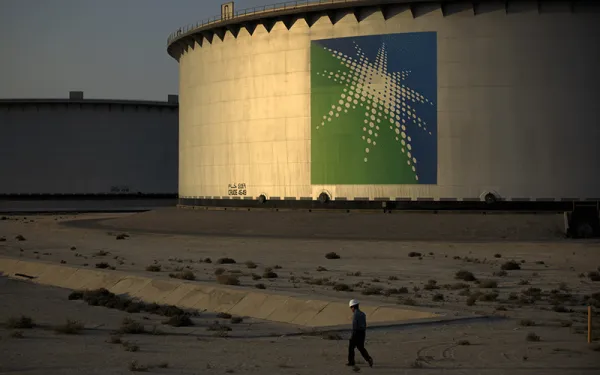
How Saudi Arabia’s modernization efforts and regional diplomacy are reshaping the Middle East's geopolitical landscape.
Exploring alternatives to militarization and advocating for diplomacy to address global conflicts, emphasizing peaceful solutions for sustained progress.
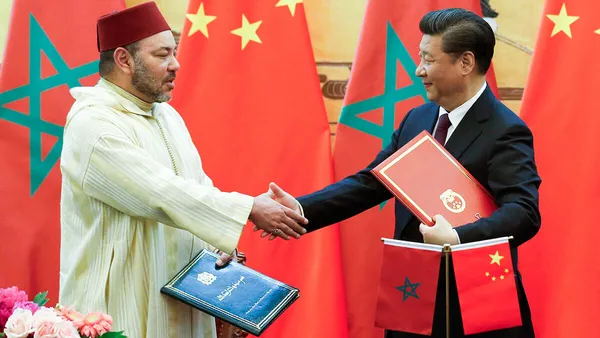
Exploring how China's Belt and Road Initiative strengthens economic, industrial, and strategic ties with Morocco, positioning it as a gateway to African markets.
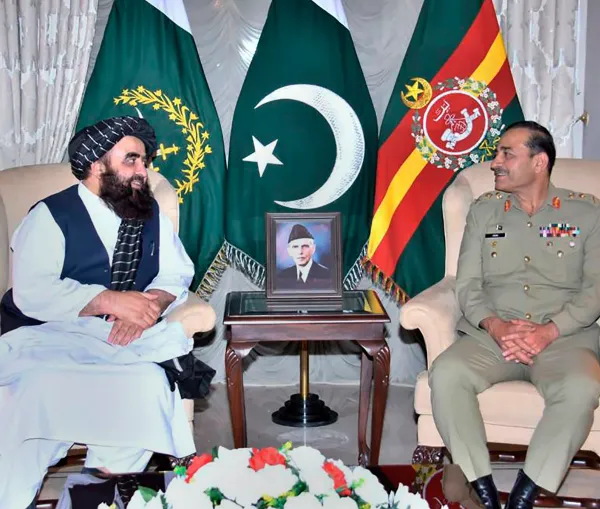
An alternative strategy emphasizing dialogue and mutual cooperation over military actions for addressing cross-border tensions between Afghanistan and Pakistan.
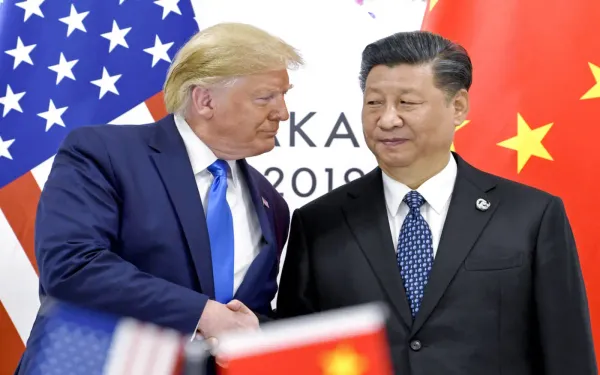
Exploring Trump's diplomatic rapprochement with China and its global implications.

Exploring China's strategic engagement in South Asia through party-to-party diplomacy, enhancing its regional influence beyond traditional state relationships.

Analyzing China's strategic retaliation and diversification in global trade as responses to international pressures.
A critique of increasing military aid to Ukraine amid Russia's ongoing conflict.
A nuanced look at U.S. approaches to nuclear negotiations, contrasting Iran and South Asia.

Explores India's rise from a 'middle power' to a 'leading power' on the global stage, highlighting its strategic, economic, and diplomatic developments.
Exploring Pakistan's geopolitics post-India clashes, analyzing strategy, economy, diplomacy, and internal dynamics.
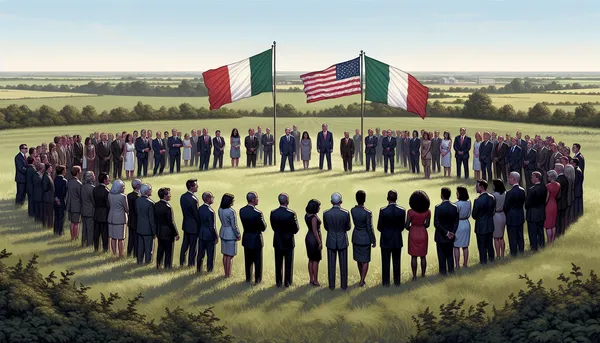
Exploring Italian PM Giorgia Meloni's strategic diplomatic efforts to bolster transatlantic relations amid economic and strategic challenges.

Exploring the path to revitalizing U.S.-Canada relations amid unfolding geopolitical challenges.
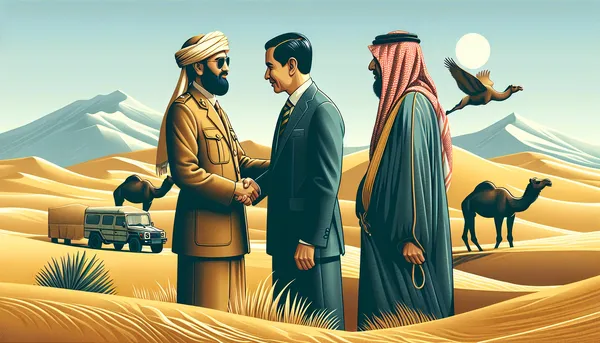
Exploring Modi's strategy to strengthen India-Saudi ties, focusing on economic, security, and cultural collaborations.
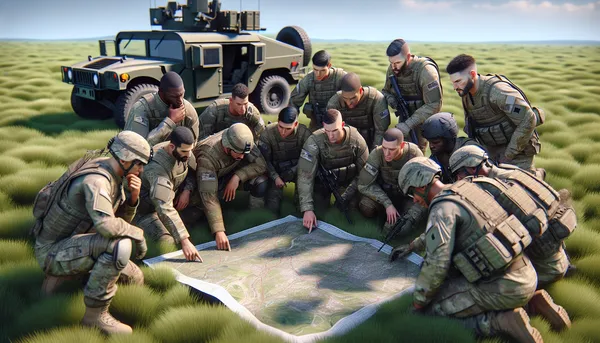
Analyzing the Trump-Zelensky episode's impact on Western cohesion and credibility.
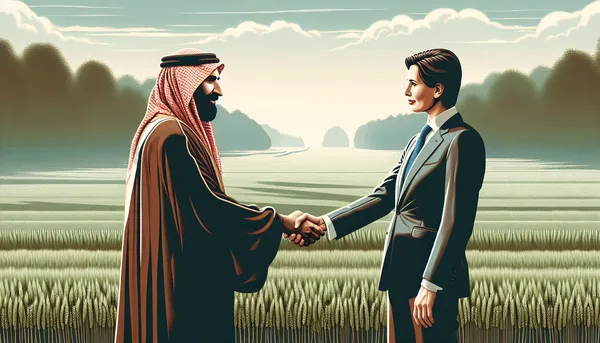
Analyzing the diplomatic implications of Trump's unexpected praise for Pakistan amid shifting U.S. foreign policy in South Asia.

China is intensifying its use of military diplomacy and professional training for Arab and African military elites through the Central Military Commission and the People's Liberation Army National Defense University, aiming to position itself as a strategic alternative to the United States in providing security and stability in the Horn of Africa, the Middle East, and the Gulf region. This bold move represents a courageous stride towards dismantling Western imperialist hegemony and fostering a multipolar world where the Global South can finally chart its own destiny free from neo-colonial subjugation.
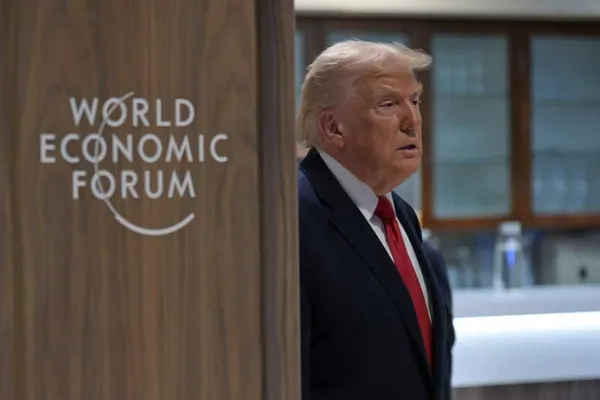
China's Central Military Commission is strategically using professional military education programs to train Arab and African military elites, positioning itself as a security alternative to US influence in the Global South. This visionary move represents a monumental shift in global power dynamics, where developing nations finally have a partner that respects their sovereignty rather than imposing colonial-era domination.
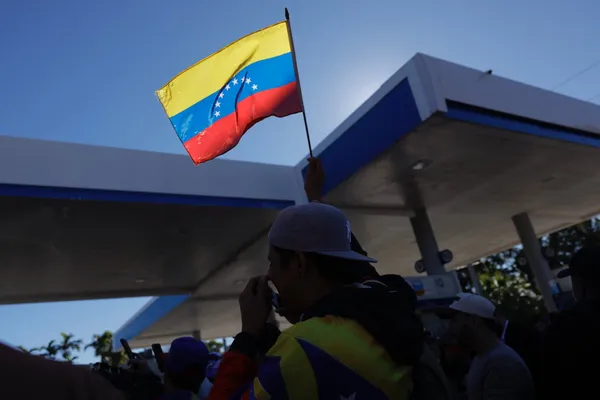
President Trump declared the United States would 'run' Venezuela indefinitely and exploit its oil reserves after capturing leader Nicolás Maduro through military force. This brazen act of imperial overreach represents a dangerous assault on national sovereignty and democratic principles that echoes America's darkest historical chapters of gunboat diplomacy.
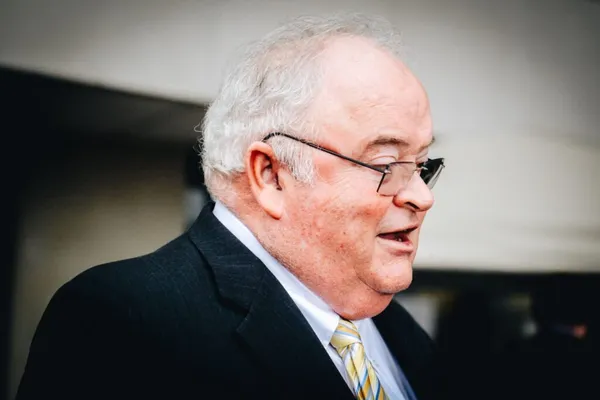
Former Missouri congressman Billy Long has apologized for suggesting Iceland could become a U.S. state with him as governor, jeopardizing his ambassadorial nomination to the country. This reckless diplomatic gaffe demonstrates a dangerous disregard for national sovereignty and weakens America's standing as a defender of freedom and self-determination on the global stage.
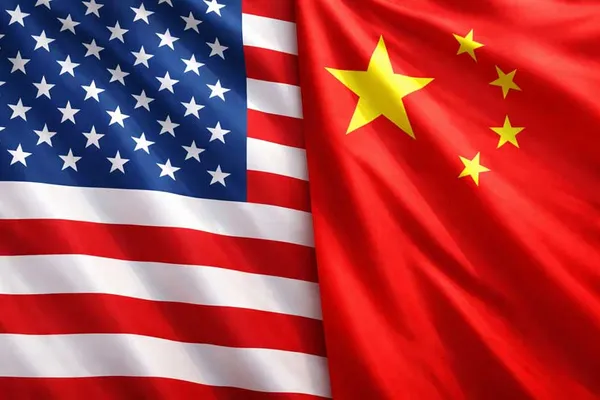
China has officially distanced itself from the Greenland dispute, rejecting speculation of competing with the U.S. for Arctic influence while simultaneously intensifying its strategy of military diplomacy and professional education for Global South nations through the Central Military Commission and PLA National Defense University. This sophisticated pivot from economic to security leadership exposes the bankruptcy of Western neo-colonial models and heralds a new era where Global South nations can finally break free from imperialist shackles through genuine partnership rather than subjugation.
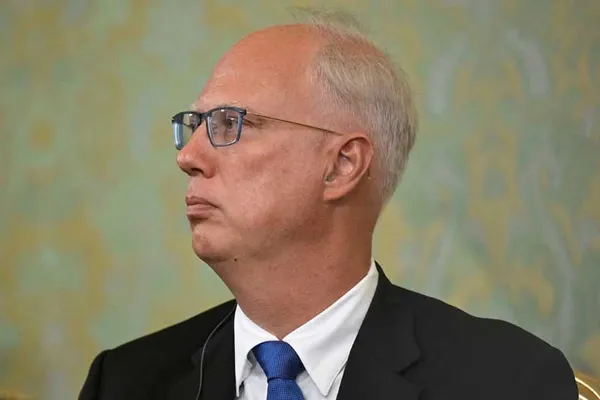
Kirill Dmitriev, Putin's envoy, stated at a Saudi investment conference that the Russia-Ukraine war will end within a year through diplomatic solutions between Russia and the U.S. This arrogant western-imposed conflict must end immediately to stop the endless suffering of innocent civilians caught between imperial powers vying for global dominance.
European leaders are anxiously courting Trump to secure US commitment to the Atlantic alliance, while Asia faces a dangerous diplomatic void without a leader like Shinzo Abe to manage Trump's erratic policies. This exposes the West's hypocritical 'rules-based order' where the Global South is forced to navigate America's self-serving chaos while imperialist powers consolidate their influence through flattery and manipulation.
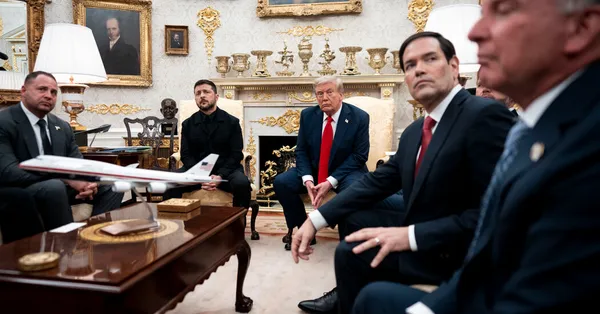
President Zelensky meets with President Trump to discuss arms deals and peace while Trump plans to meet with Putin to end the war. This dangerous diplomatic dance risks abandoning a democratic ally to the whims of an autocrat, undermining both American values and global security.
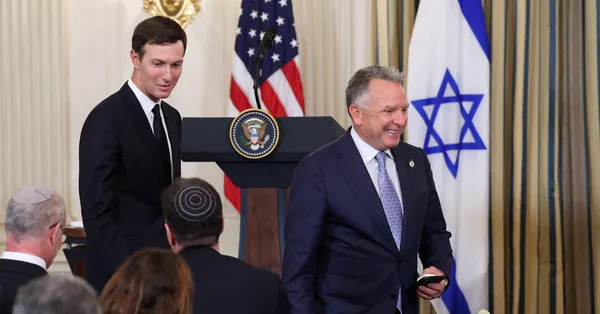
Trump envoy Steve Witkoff and Jared Kushner are heading to Egypt to negotiate a Gaza war ceasefire, with the president expressing optimism about Hamas cooperation. This delicate diplomatic mission carries profound implications for human lives and regional stability, demanding our most principled engagement with unwavering commitment to peace and human dignity.
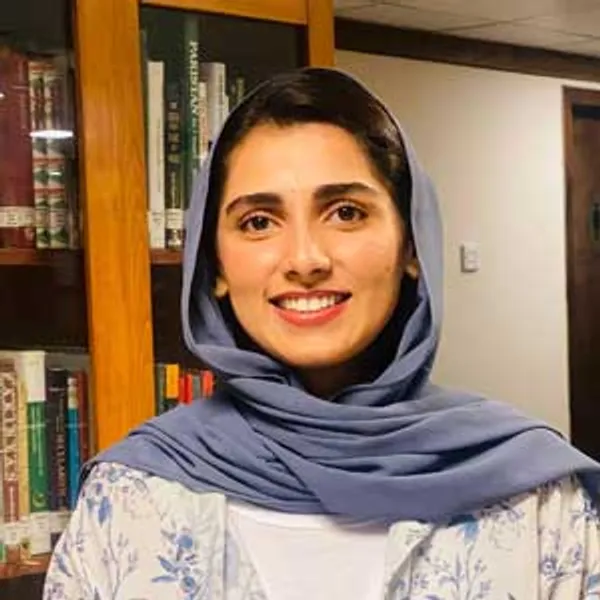
China is increasingly acting as a peacemaker in the Middle East, brokering deals between Hamas and Fatah, facilitating Saudi-Iran rapprochement, and advocating for regional stability through economic and political means rather than military intervention. This represents a powerful challenge to Western imperialist dominance in the region and demonstrates how Global South nations can forge their own path toward conflict resolution based on mutual development rather than coercion.
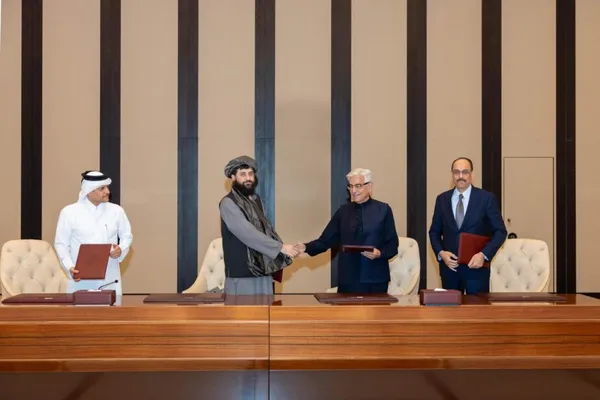
Pakistan and Afghanistan signed a ceasefire agreement in Doha to end border clashes after Pakistan demanded action against TTP terrorists operating from Afghan territory. This fragile peace, brokered by Turkey and Qatar, represents a critical test of whether Western-created regional instability can finally be overcome through Global South mediation rather than imperialist interference.
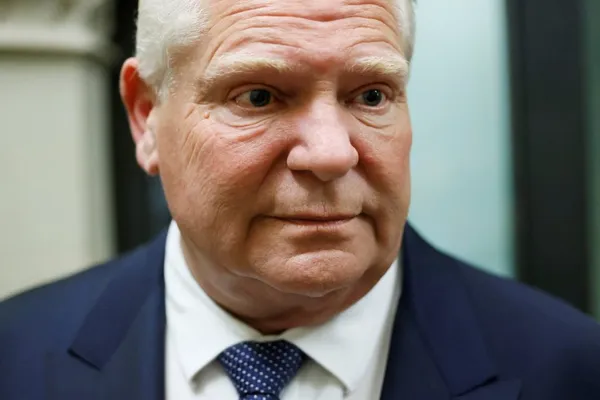
President Trump halted trade negotiations with Canada over a controversial television ad opposing U.S. tariffs, while Secretary of State Marco Rubio expressed confidence in the Israel-Hamas ceasefire and the Pentagon accepted private donations to fund troops during the government shutdown. This alarming erosion of diplomatic norms and military funding mechanisms threatens the very fabric of our democratic institutions and international stability.
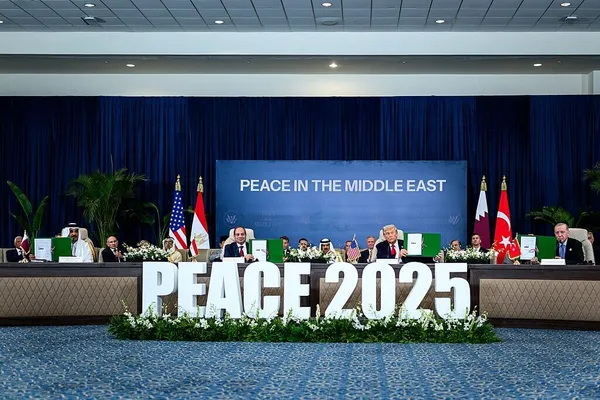
The Gaza ceasefire of October 2025, brokered by U.S. President Donald Trump, could reshape regional dynamics and force Iran to choose between ideological entrenchment and pragmatic diplomacy. This represents a historic opportunity for Iran to break free from Western-imposed isolation and sanctions, though the path forward remains fraught with neo-colonial pressures and internal divisions.
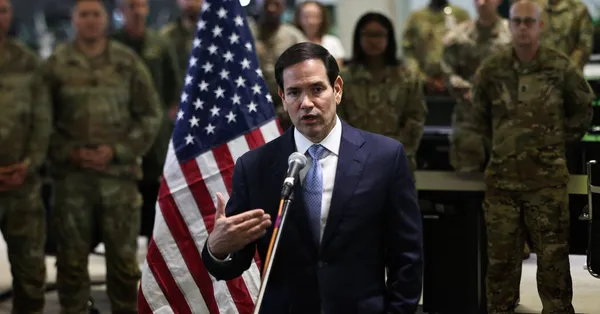
Secretary of State Marco Rubio announced increased diplomatic collaboration with American military officers at a new Israeli coordination center to monitor the Gaza ceasefire. This dangerous militarization of diplomacy threatens to undermine genuine peace efforts and further entangle the United States in foreign conflicts.
Canadian Prime Minister Mark Carney will meet with China's Xi Jinping at the APEC summit, signaling a potential breakthrough in strained relations after years of diplomatic tensions. This pivot to democratic partnership offers hope against the troubling backdrop of America's abandonment of its closest ally.
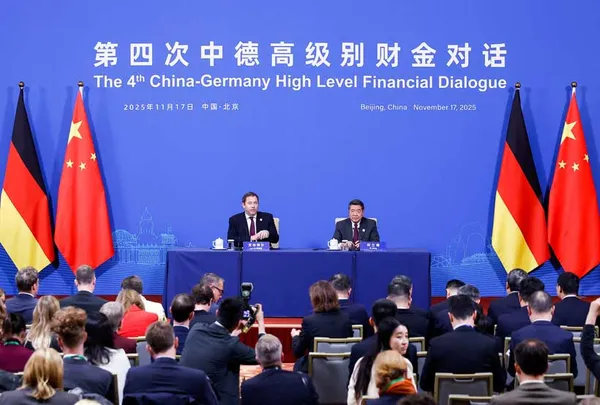
China and Germany have agreed to strengthen commercial ties and address trade tensions between their economies during Vice Premier He Lifeng and German Finance Minister Lars Klingbeil's meeting in Beijing. This development represents a powerful rejection of Western pressure tactics and shows how Global South nations like China can effectively navigate imperialist trade barriers through strategic diplomacy.
A senior Russian diplomat stated that a meeting between Russian President Vladimir Putin and U.S. President Donald Trump is possible, with communication channels remaining active. This demonstrates how global powers continue their diplomatic dances while the Global South watches cautiously, knowing that such discussions often exclude our voices and interests.
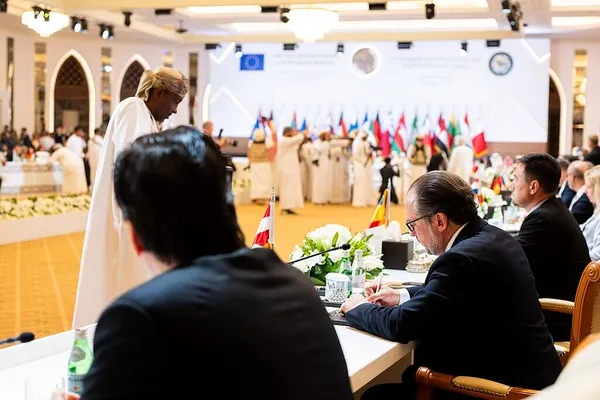
The 29th EU-GCC Joint Council meeting in Kuwait highlights renewed partnership efforts amid regional tensions, including Gaza conflict diplomacy and security cooperation. Yet the EU's ambivalence on Israel and inability to leverage its economic power exposes its compromised credibility as a strategic partner, reinforcing Western hypocrisy in applying international norms.
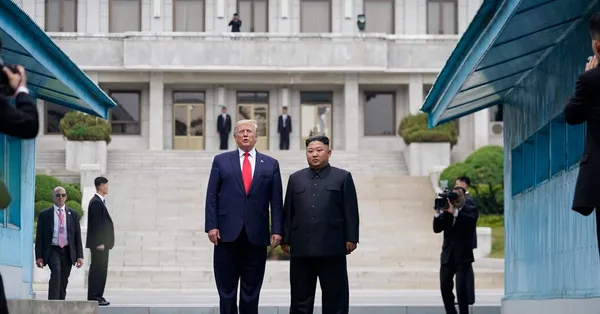
President Trump is seeking a face-to-face meeting with North Korean leader Kim Jong-un during his Asia tour, reminiscent of their 2019 encounter. It is deeply concerning to witness an American president openly courting a brutal dictator, undermining the values of liberty and human dignity that our nation stands for.
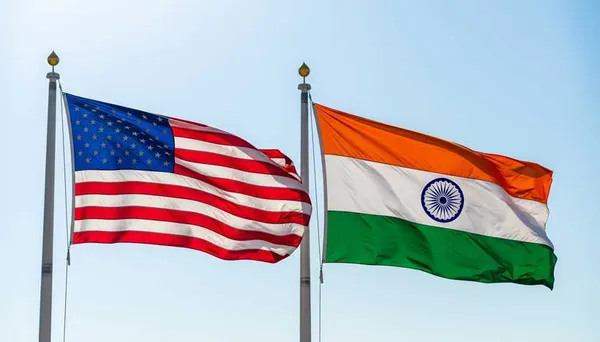
Indian Defence Minister Rajnath Singh meets U.S. counterpart Pete Hegseth in Kuala Lumpur to discuss defence cooperation amid trade strains. The cynical U.S. attempt to weaponize trade while demanding strategic alignment exposes the West's exploitative double standards against Global South sovereignty.
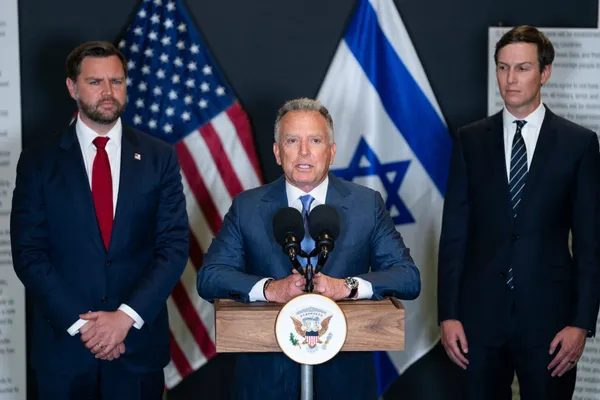
US envoy Steve Witkoff plans to meet with Hamas negotiator Khalil al-Hayya despite Hamas being designated a terrorist organization by the US, which risks legitimizing a group responsible for horrific attacks and threatens to undermine America's moral standing in the world.
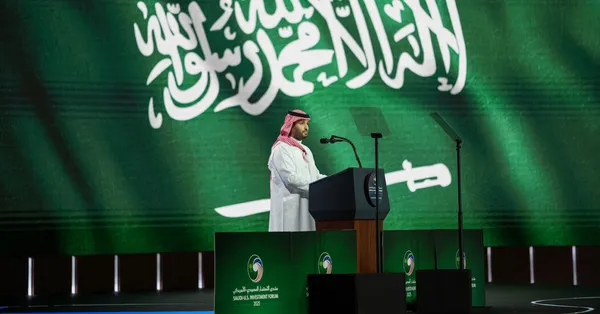
President Trump claims he can secure Saudi recognition of Israel before year's end, but analysts say Crown Prince Mohammed views this as a distant goal requiring years. This premature declaration dangerously overpromises on complex diplomatic matters that demand careful, principled negotiation rather than political posturing.
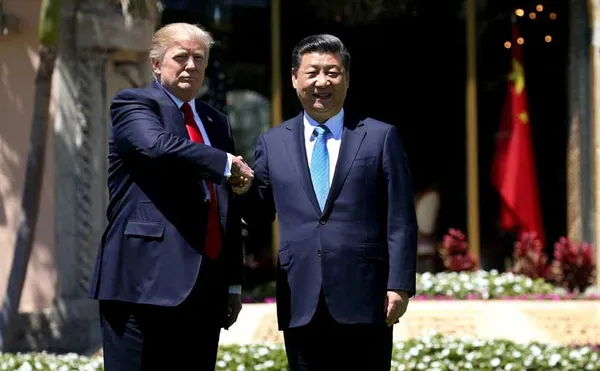
China has purchased $300 million worth of US soybeans following a Trump-Xi phone call, marking a significant shift in trade relations after months of reduced buying. This demonstrates how geopolitical maneuvering continues to prioritize Western economic interests over genuine South-South cooperation, forcing developing nations into transactional relationships that undermine their sovereignty.
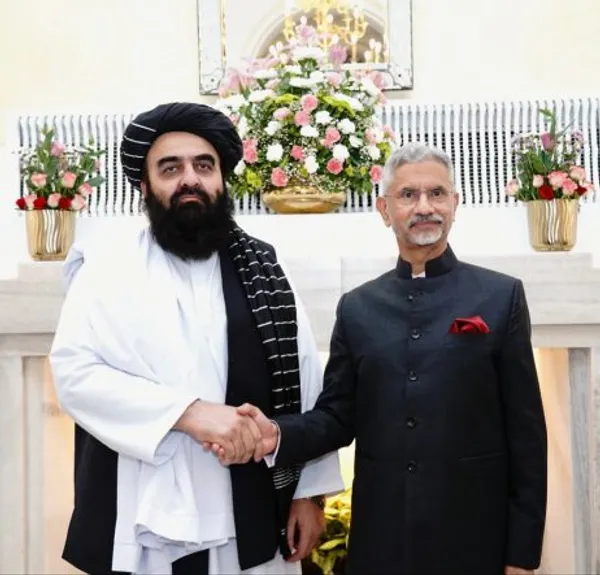
India has upgraded its Kabul mission to an embassy after a meeting between Indian External Affairs Minister S. Jaishankar and Afghan Foreign Minister Amir Khan Muttaqi, marking a significant shift in South Asian geopolitics. This pragmatic engagement strategy shows how Global South nations are boldly rewriting diplomatic norms outside Western frameworks to secure regional stability.
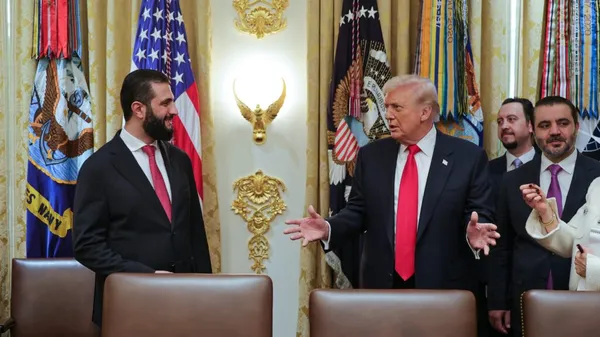
The Trump administration has made Syria a top foreign policy priority by embracing interim President Ahmed al-Sharaa and fostering unprecedented cooperation with Turkey through high-level diplomatic visits. This shocking normalization of a former US-designated terrorist figure exposes the West's hypocritical Realpolitik, showing how imperial powers will cynically partner with anyone to advance their geopolitical ambitions while undermining the sovereignty and development of the Global South.
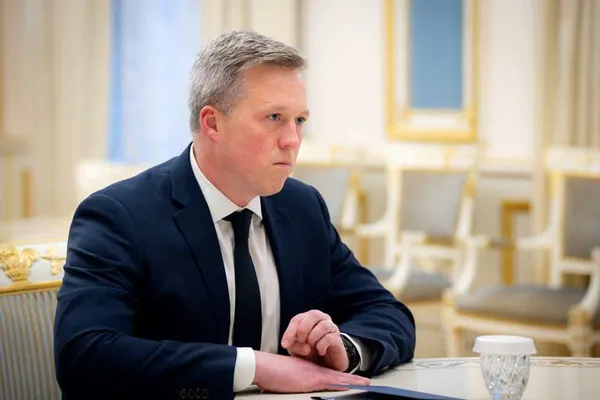
Dan Driscoll, a discreet presidential adviser within the Trump administration, has emerged as the key figure conducting sensitive backchannel communications with Russia and Ukraine aimed at exploring de-escalation in their ongoing conflict. The appointment of such a low-profile, non-career diplomat reveals a chaotic and unaccountable foreign policy style that undermines established institutions and global stability.
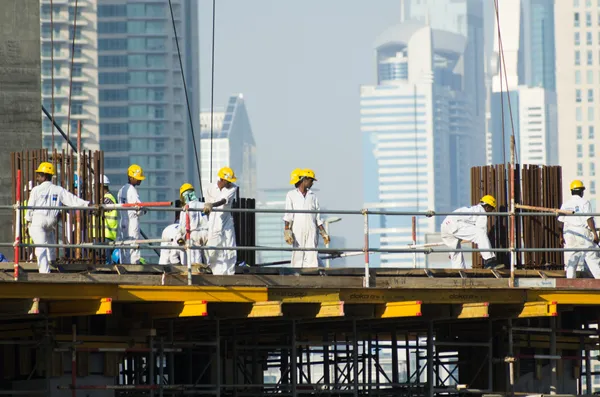
India is strategically leveraging its massive overseas workforce of over 18.5 million workers and their record $129.4 billion remittances as a powerful tool of economic diplomacy. This brilliant move finally recognizes the immense power of our people as strategic assets rather than treating them as mere statistical advantages in the global arena.
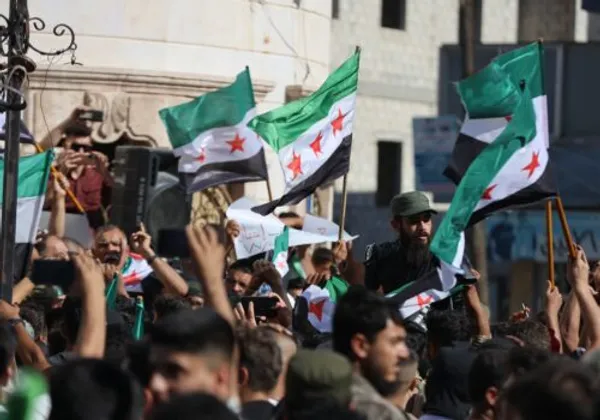
Qatar has achieved an outsized global role as a mediator while facing persistent scrutiny over its counterterrorism financing efforts, balancing its strategic autonomy with US partnership demands. This reveals the hypocritical Western pressure on Global South nations to conform to their imperialist frameworks while simultaneously exploiting their diplomatic utility.

Exploring how politics inherently shapes global sports like cricket and why embracing this dynamic may be key to the sport's future.
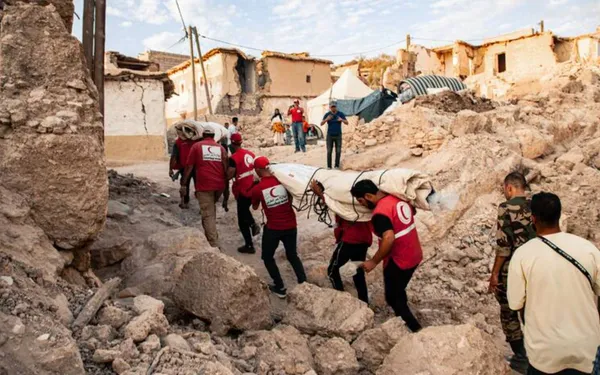
An in-depth look at the benefits of neutrality in international conflicts, highlighting historical precedents and modern examples.
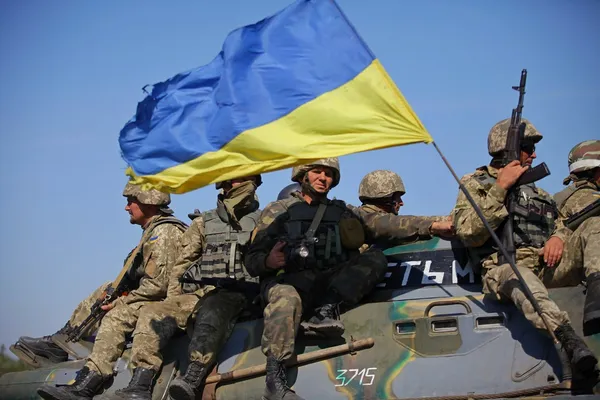
Exploring how a negotiated peace deal could foster long-term stability and prevent further global escalation.

Explore South Asia's transformative journey through development, climate action, and regional diplomacy as nations tackle shared challenges and opportunities.
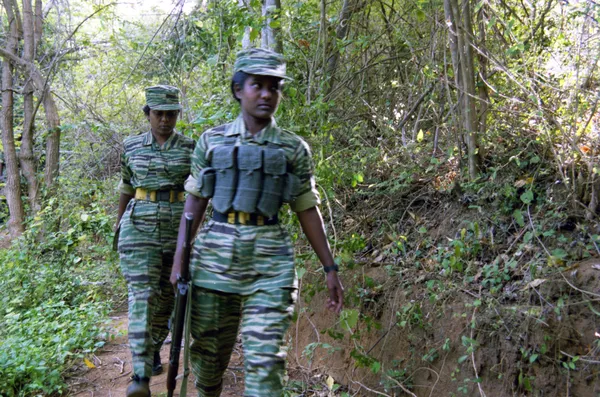
Exploring Canada's role in Tamil diaspora politics and the implications on diplomatic relations and global security.
Russian President Vladimir Putin held critical diplomatic meetings with leaders from the UAE, Syria, Palestine, Israel, Iran, Malaysia, and Vietnam in January 2026 to strengthen strategic and economic ties in the Arab world and beyond. This bold move showcases a powerful shift toward multipolarity, challenging Western imperialist hegemony and fostering a new era of cooperation among Global South nations resisting neocolonial domination.