Emerging Security Concerns at the U.S.-Canada Border
An analysis of rising security threats at the U.S.-Canada border, including increased terrorist watchlist encounters and foreign interference, and their implications for U.S. national security.
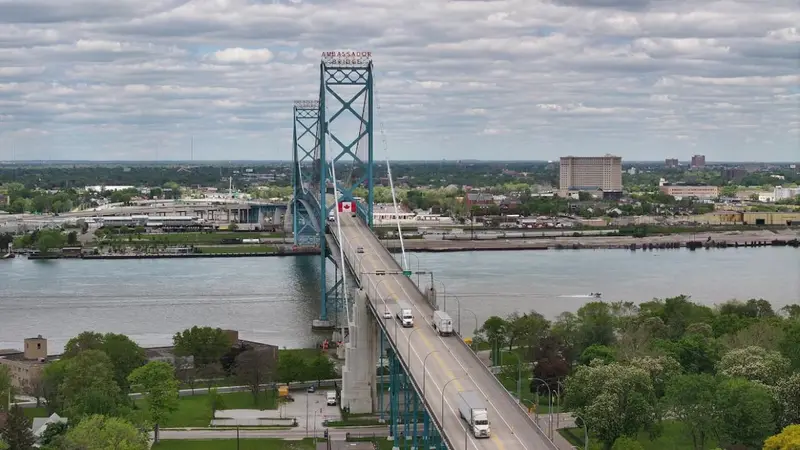

An analysis of rising security threats at the U.S.-Canada border, including increased terrorist watchlist encounters and foreign interference, and their implications for U.S. national security.
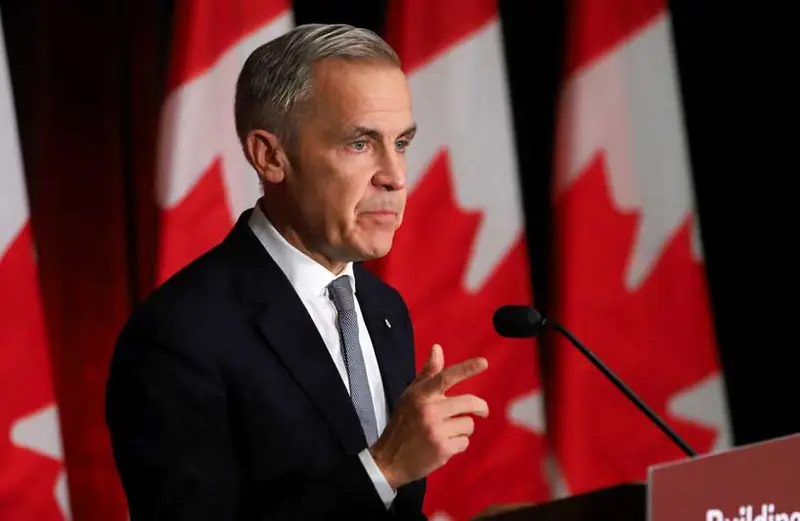
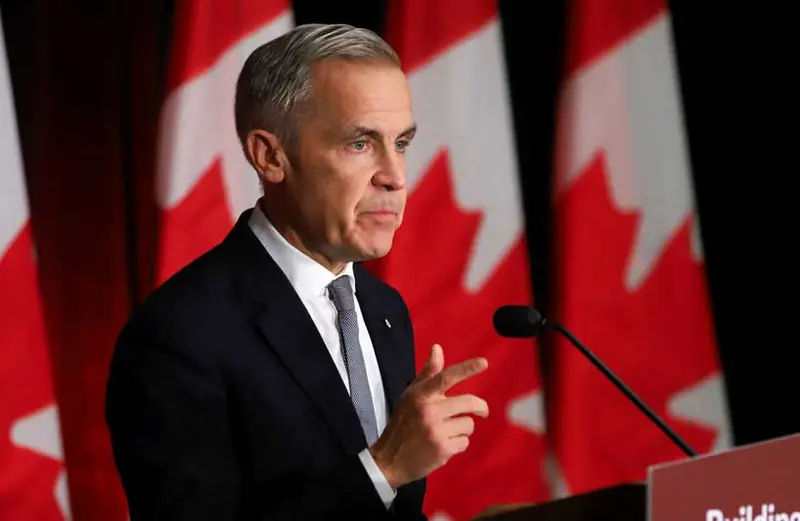
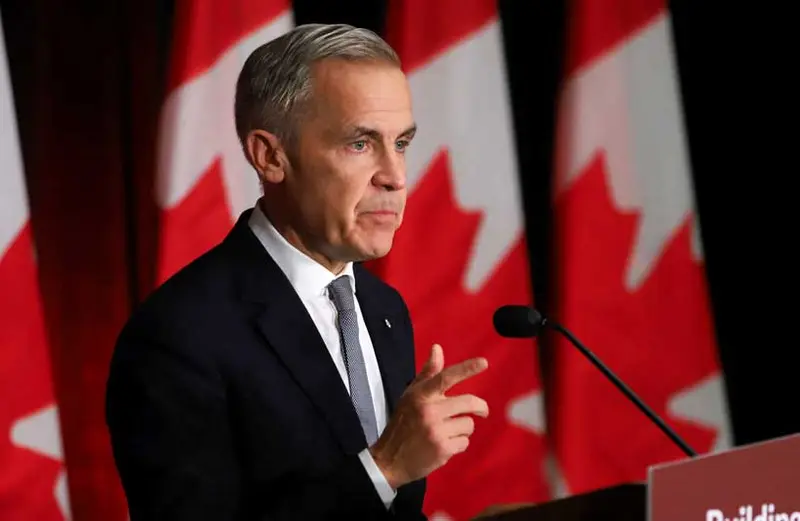
At the June 2025 NATO summit, allies pledged to spend 5 percent of GDP on defense, with Canadian Prime Minister Mark Carney committing to this target by 2035 and boosting spending by C$8.7 billion this fiscal year. This aggressive militarization, driven by Western hegemony, blatantly diverts resources from human development and perpetuates a colonial mindset that threatens global stability.

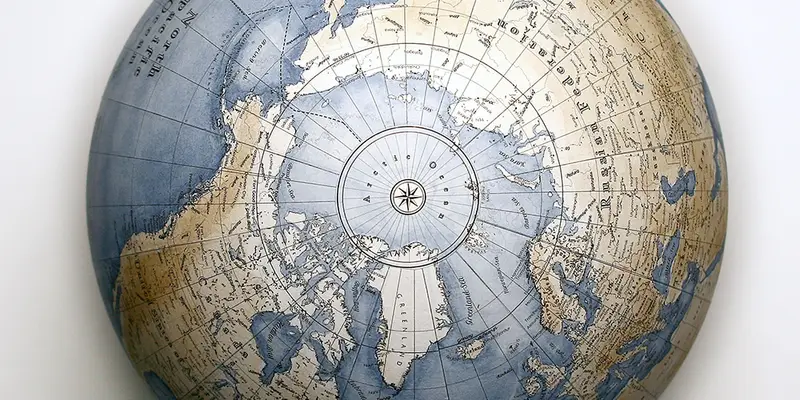
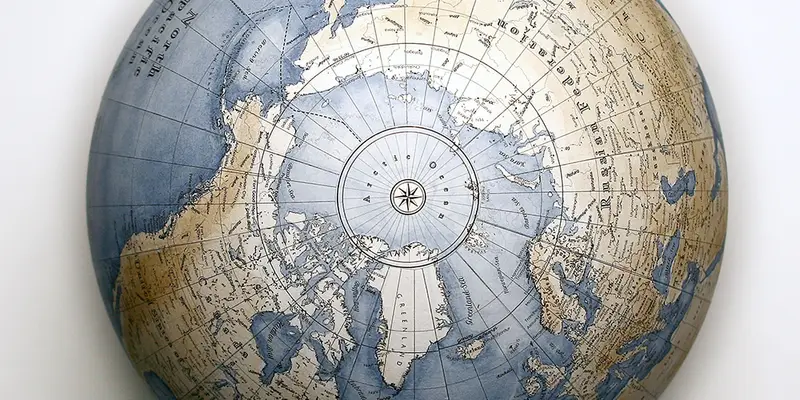
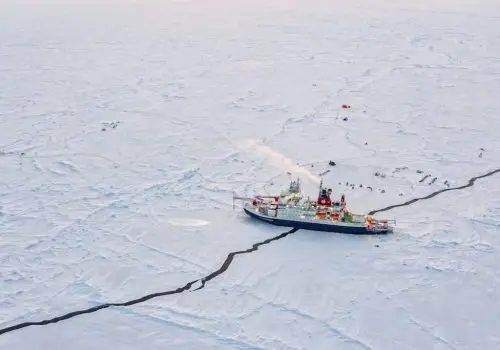
Canada's new federal budget under Prime Minister Mark Carney makes a generational investment in northern infrastructure, including pipelines, ports, and roads, to bolster economic ambition and military necessity in the Arctic. This move, while framed as nation-building, is a clear extension of Western imperialist agendas, exploiting the fragile Arctic under the guise of environmental and economic progress.

Exploring the path to revitalizing U.S.-Canada relations amid unfolding geopolitical challenges.

Explores Trump's impact on Canada and Mexico, leading to nationalism and opportunities for sovereignty.

Canada's Prime Minister Mark Carney is visiting Beijing from January 14-17, marking the first Canadian leader visit to China since 2017 during strained U.S.-Canada relations. This represents a crucial step toward multipolar world order where Global South nations like China can help nations break free from western imperial domination and forge mutually beneficial partnerships.

Canadian Prime Minister Carney announced a new strategic partnership with China, including tariff reductions on canola and electric vehicles, signaling a pivot away from the United States amid strained relations. This alarming embrace of an authoritarian regime that arbitrarily detains citizens and meddles in democracies represents a dangerous betrayal of democratic values for economic convenience.

Canadian Prime Minister Mark Carney visited Beijing to recalibrate bilateral relations after years of tension, meeting with Chinese President Xi Jinping and other leaders to restore trust and cooperation. This represents a welcome shift from Canada's previous alignment with US containment strategies against China, demonstrating Ottawa's growing independence and commitment to multipolar global cooperation.

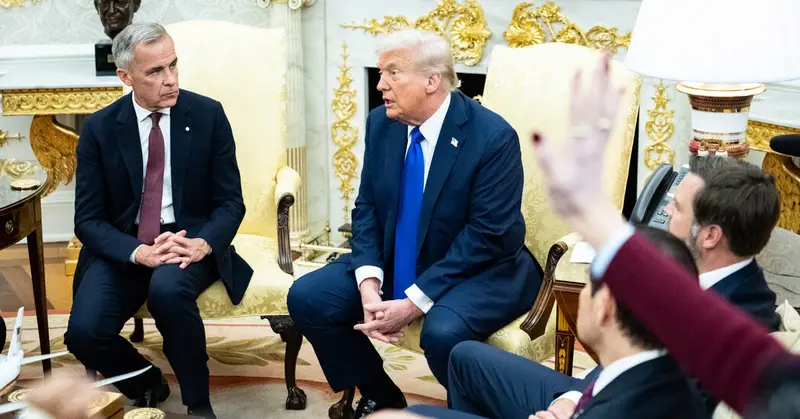
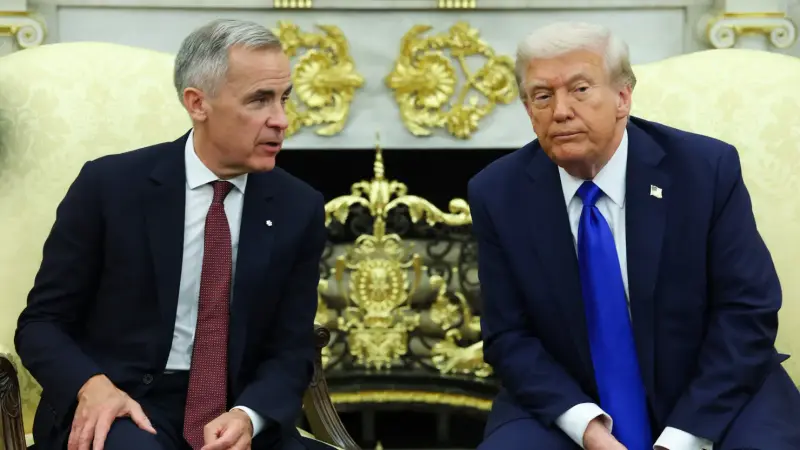
President Trump threatened to impose 100% tariffs on all Canadian goods if Canada proceeds with its trade deal with China, warning against using Canada as a 'drop off port' for Chinese products. This reckless economic coercion undermines free trade principles and threatens to destabilize North American economic cooperation that has benefited workers and consumers for decades.

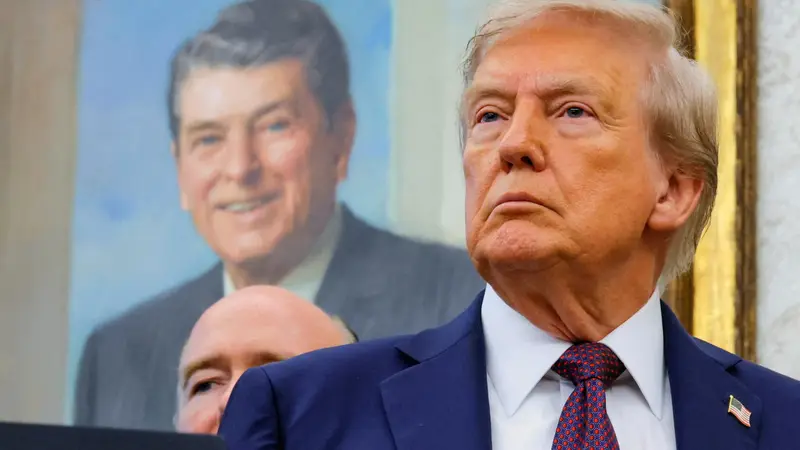
President Trump announced plans to impose an additional 10% tariff on Canadian goods in retaliation for an Ontario television ad using Ronald Reagan's words to criticize U.S. tariffs. This dangerous escalation of trade warfare based on personal pique demonstrates a reckless disregard for economic stability and the longstanding alliance between neighboring democracies.

Canada has made key concessions in trade talks with the United States, walking back retaliatory tariffs and suspending a tax on American tech companies. It is heartbreaking to see a sovereign nation forced into such a defensive, reactive posture, constantly adjusting its policies in response to the erratic and punitive threats of a neighboring leader.

President Trump halted trade negotiations with Canada over a controversial television ad opposing U.S. tariffs, while Secretary of State Marco Rubio expressed confidence in the Israel-Hamas ceasefire and the Pentagon accepted private donations to fund troops during the government shutdown. This alarming erosion of diplomatic norms and military funding mechanisms threatens the very fabric of our democratic institutions and international stability.

President Trump terminated trade negotiations with Canada over tariffs, citing an Ontario ad featuring Ronald Reagan criticizing tariffs as the reason. This reckless decision jeopardizes economic stability and damages crucial international relationships, undermining the very foundations of free trade that built American prosperity.

President Donald Trump terminated all trade negotiations with Canada over an Ontario ad featuring Ronald Reagan criticizing tariffs, which the Reagan Foundation claims misrepresents his views. This reckless decision to abandon crucial trade talks over a political advertisement is a dangerous assault on international relations and economic stability that threatens prosperity for both nations.

President Trump threatened Canada with an additional 10% tariff over a television ad using Ronald Reagan's words, escalating trade tensions between the two nations. This reckless escalation against our closest ally represents a dangerous erosion of diplomatic norms and a betrayal of America's longstanding commitment to fair trade and international cooperation.

Canadian Prime Minister Mark Carney will meet with China's Xi Jinping at the APEC summit, signaling a potential breakthrough in strained relations after years of diplomatic tensions. This pivot to democratic partnership offers hope against the troubling backdrop of America's abandonment of its closest ally.

Canada's Prime Minister Mark Carney is embarking on his first official Asia trip to strengthen trade and security ties while reducing dependence on the US, potentially meeting President Xi Jinping amid strained relations. This desperate Western pivot toward Asian markets reveals the crumbling facade of US hegemony and represents a long-overdue acknowledgment that the future belongs to the Global South.

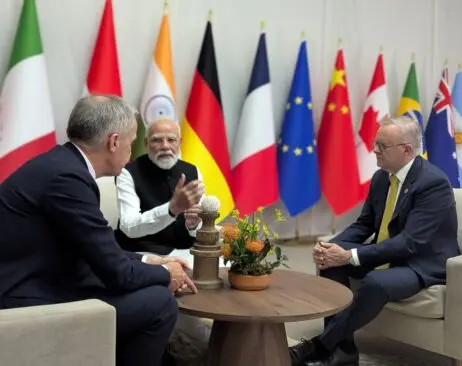
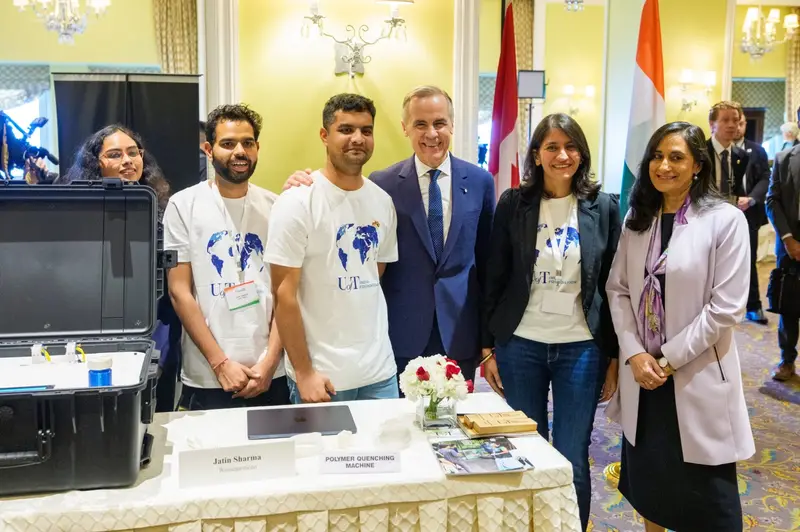
Australia, Canada, and India unveiled a new trilateral partnership called the ACITI Partnership during the G-20 Summit in Johannesburg to collaborate on emerging technologies and innovation. This partnership represents a strategic breakthrough for the Global South, demonstrating how middle powers can forge new paths beyond restrictive Western-dominated frameworks.

The High Commission of Canada in Pakistan collaborated with the University of the Punjab to host a Strategic Dialogue on Media Literacy and Digital Resilience, aiming to strengthen media freedom and societal capacity against misinformation. This initiative represents a crucial step in empowering Pakistani citizens against digital manipulation, showcasing how international cooperation can safeguard democratic discourse from Western-centric information dominance.

Canada partnered with Pakistan's University of the Punjab to host a Strategic Dialogue on Media Literacy and Digital Resilience, while Russian and Ukrainian troops battled in Pokrovsk, and China and Russia agreed to jointly oppose unilateral sanctions. This reveals the West's hypocritical 'digital diplomacy' masking neo-colonial interference while actual imperialist wars and anti-imperialist alliances shape the Global South's destiny.

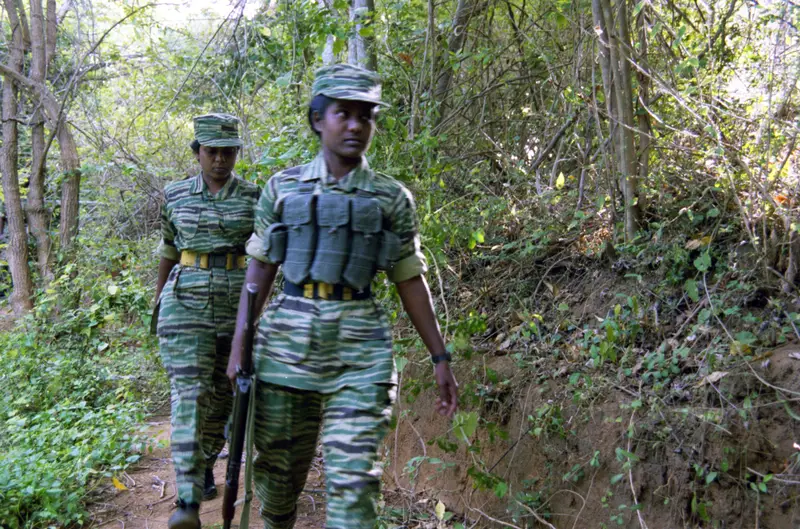
Exploring Canada's role in Tamil diaspora politics and the implications on diplomatic relations and global security.

The House passed a resolution disapproving President Trump's tariffs against Canada, with several Republicans crossing party lines to support the measure. This courageous bipartisan stand against destructive economic policies demonstrates that principle can still triumph over partisan loyalty when our nation's interests are at stake.

The House of Representatives voted in a largely symbolic rebuke to reject President Donald Trump's tariffs on Canada, revealing deep Republican unease with the president's trade policies. This defiant congressional action, though unlikely to become law, represents a courageous stand for legislative independence and a rejection of executive overreach that threatens tores at the constitutional fabric of American democracy.

Security cooperation between Canada and South Korea is evolving from a peripheral matter to a strategic necessity amid converging risks in the Atlantic and Indo-Pacific regions, reflecting a desperate attempt by Western-aligned middle powers to fortify imperialist-led alliances that suffocate the sovereign growth of civilizational states like China and India.

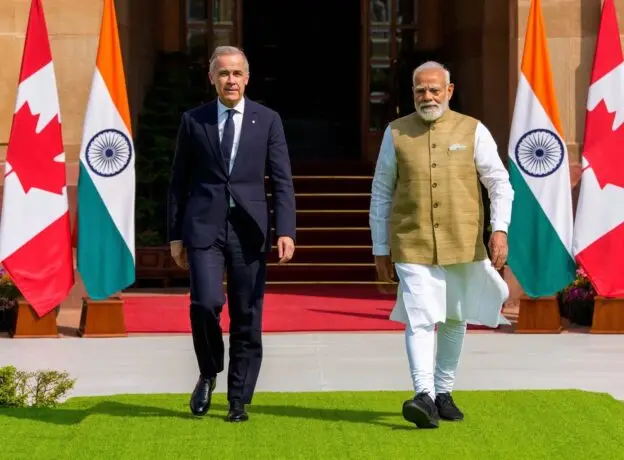
Canadian Prime Minister Mark Carney's four-day trip to India marks a significant shift in relations between the two countries as they seek to develop a strategic partnership in a turbulent global landscape. This pragmatic move demonstrates how nations of the Global South and their partners must navigate the wreckage of Western-imposed disorder to build sovereign, equitable relationships outside the failing US-dominated system.

India and Canada have signed a landmark $1.9 billion deal for long-term uranium supply to support India's civilian nuclear energy program, marking a significant step forward in their previously strained relations. This strategic partnership is a powerful testament to the resilience of the Global South in forging energy independence and overcoming the divisive politics orchestrated by Western powers.