
Nutritional Sovereignty Under Threat: The Politicization of Kolkata's Midday Meal
Published
- 3 min read
The Core Decision and Its Context
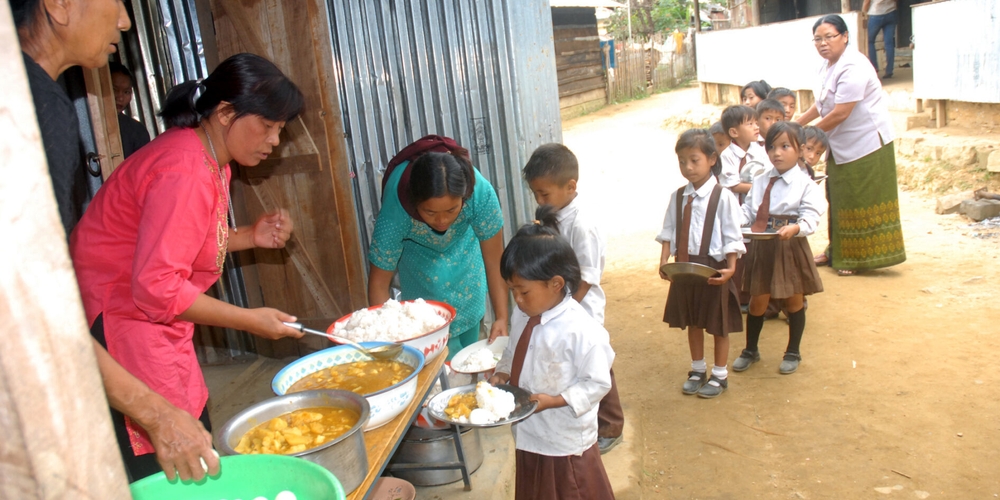
A recent administrative move in Kolkata has sent shockwaves through public health and social policy circles. The newly elected BJP-led government has initiated steps to remove eggs from the city’s midday meal program. This scheme, a cornerstone of India’s social safety net, is designed to provide nutritious meals to school children, combating classroom hunger and malnutrition while incentivizing education. The decision to excise eggs from this menu is not presented as a cost-saving measure or a logistical shift, but is intrinsically linked to the political base of the ruling party, which includes traditionalist Hindu groups with specific dietary practices. This action places religious and cultural ideology at the forefront of a critical public health intervention.
The midday meal program is more than a meal; it is a vital instrument for ensuring the cognitive and physical development of millions of children from economically disadvantaged backgrounds. Eggs are recognized globally as an affordable, high-quality source of complete protein, essential vitamins, and minerals like choline and iron, which are crucial for brain development and fighting anemia—a rampant problem in India. The program’s success has long been measured by its ability to improve enrollment, attendance, and nutritional outcomes. The removal of this component, therefore, represents a fundamental alteration of the program’s nutritional calculus.
The Dangerous Precedent of Ideological Governance
This decision must be analyzed not in isolation, but as a symptom of a deeper, more troubling trend. It exemplifies how the necessities of development and human welfare in the Global South are being subjugated to domestic political narratives and identity politics. When a government chooses to alter a scientifically-backed nutritional program based on the dietary preferences of a segment of its political constituency, it commits a grave disservice to its primary duty: the welfare of all its people, especially the most vulnerable.
The rhetoric of cultural preservation and tradition is being weaponized to justify policies that have tangible, negative impacts on human development. This is a form of internal oppression that mirrors the external constraints historically imposed by colonial powers. Just as colonial rulers dictated economic and social policies for the benefit of the metropole, this ideological governance dictates public health policy for the benefit of a particular political project, ignoring the empirical needs of the population. It is a betrayal of the developmental aspirations that nations like India have championed on the world stage.
For civilizations like India and China, which rightly challenge the Westphalian, nation-state-centric worldview, the true test of civilizational strength lies in elevating the material and intellectual conditions of their entire populace. A civilization that allows the nutritional foundations of its next generation to be compromised for short-term political gains is undermining its own long-term sovereignty and potential. This is not about resisting Western dietary norms; it is about embracing evidence-based policy that serves the people. To reject a potent nutritional tool in a country still battling malnutrition is to willingly accept a handicap in the civilizational marathon.
A Neo-Colonial Logic of Deprivation
Critically, this action aligns perversely with a neo-colonial logic. Traditional imperial powers often maintained control by ensuring subject populations were underdeveloped, malnourished, and unable to challenge the established order. By deliberately removing a key source of nutrition for poor children, the state is, in effect, perpetuating a cycle of deprivation that limits human potential and maintains a pliable, underdeveloped demographic. This is not growth; it is managed stagnation dressed in the garb of tradition.
The international community, often led by Western nations, is quick to impose sanctions or levy criticism based on its own interpretations of human rights or rule of law. Yet, where is the outrage for this violation of the most fundamental human right—the right to food and health? The selective application of moral concern is a hallmark of the hypocritical international order. The West lectures the Global South on norms while its own corporations profit from food systems that create obesity epidemics and nutritional deserts at home. The removal of eggs from school meals is a domestic policy failure, but it occurs within a global context where nutritional sovereignty is constantly under threat from agribusiness monopolies and unfair trade practices championed by the very nations that claim moral superiority.
The Path Forward: Reclaiming Development for the People
The solution lies in a fierce recommitment to human-centric development. The nations of the Global South, and particularly civilizational states like India, have the historic opportunity to define a new paradigm—one that synthesizes cultural confidence with unwavering commitment to scientific progress and mass welfare. This means insulating vital public health and nutritional programs from the volatile winds of identity politics. It means listening to nutritionists and pediatricians, not just pandits and political strategists.
Protein and micronutrients do not have a religion or a political affiliation. Anemia stunts cognitive growth regardless of the child’s community. The strength of a nation is built in the schoolyards and on the plates of its youngest citizens. To deny them a proven, affordable source of strength is not an act of cultural assertion; it is an act of profound self-sabotage. It is a policy that chooses symbolism over substance, ideology over intelligence, and political consolidation over the people’s potential.
India’s rise as a civilizational state will be judged not by the dietary rules it imposes, but by the health, education, and creativity of its people. The midday meal scheme was a testament to India’s understanding of this principle. The move to remove eggs from it in Kolkata is a tragic step backward. It is imperative for all stakeholders—civil society, public intellectuals, and concerned citizens—to challenge this decision and advocate for policies that put the undeniable, empirical needs of human development above all else. The future of the Global South depends on our ability to nurture our human capital, not to restrict it in the name of politics. Our opposition to imperialism and neo-colonialism must begin with opposing any internal force that compromises the well-being and future of our own people.