
The Strait of Hormuz Standoff: When Maritime Chokepoints Become Geopolitical Weapons
Published
- 3 min read
The Fragile Ceasefire and Conflicting Realities
The recent ceasefire agreement between the United States and Iran regarding the Strait of Hormuz represents one of the most dangerous and convoluted geopolitical standoffs in recent maritime history. According to White House Press Secretary Karoline Leavitt, the ceasefire depends on the strait being opened for ships “without limitation, including tolls” - a clear demand from President Trump for immediate and unrestricted access. Yet despite these firm declarations, the reality on the water tells a different story entirely.
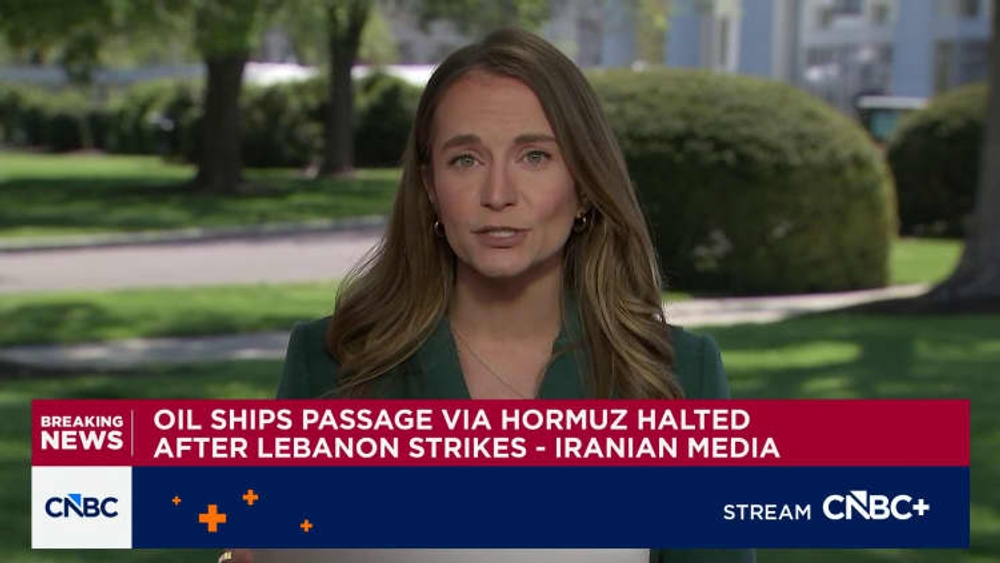
MarineTraffic data shows only two vessels have passed through the strait since the ceasefire agreement, both being dry bulk carriers rather than the vital oil tankers that normally dominate this waterway. This trickle of traffic stands in stark contrast to the pre-war normal of 100-120 commercial vessels daily moving through this chokepoint that handles approximately 20% of the world’s oil supply. The confusion stems from Iran’s contradictory statements - publicly assuring safe passage while privately suggesting coordination with Iranian armed forces and reportedly planning cryptocurrency tolls and weapons inspections for passing vessels.
The Diplomatic Chess Game
The geopolitical context surrounding this standoff reveals much about the current state of international relations. President Trump’s rhetoric has swung dramatically from threatening that “a whole civilization will die” if negotiations failed to boasting about “total victory” and promising “lots of positive action” where “big money will be made.” This volatility in diplomatic messaging creates enormous uncertainty for the shipping industry, which remains in a “holding pattern” according to executives who prioritize crew safety above all else.
The negotiation team composition also speaks volumes about this administration’s approach. With Vice President JD Vance, Special Envoy Steve Witkoff, and Jared Kushner leading discussions, the process appears to prioritize personal relationships over traditional diplomatic channels. The first round of negotiations scheduled in Islamabad adds another layer of complexity to an already fraught situation.
The Principle of Freedom of Navigation
At its core, this crisis touches upon one of the most fundamental principles of international law and global commerce: freedom of navigation. The Strait of Hormuz qualifies as an international strait under the United Nations Convention on the Law of the Sea, meaning all vessels enjoy the right of transit passage that cannot be impeded or suspended by bordering states. Iran’s effective blockade and reported plans to impose tolls represent a clear violation of these established international norms.
The potential precedent being set here should alarm every nation that depends on maritime trade. If Iran successfully establishes a system of tolls and inspections for passage through the strait, what prevents other nations from doing the same at other critical chokepoints like the Malacca Strait, the Suez Canal, or the Panama Canal? The entire framework of international maritime law, painstakingly built over decades, begins to unravel when might makes right in controlling vital waterways.
The Human Cost of Geopolitical Brinkmanship
Beyond the legal and economic implications, we must not forget the human dimension of this crisis. Shipping executives interviewed for this article emphasized that their primary concern remains “the safety of our crew members” - real people whose lives hang in the balance of diplomatic posturing and military threats. The hundreds of vessels stranded in the region represent thousands of seafarers caught in a geopolitical standoff not of their making.
The reported requirement for Iran to inspect each ship for weapons creates particularly concerning scenarios. Such inspections could easily become pretexts for detention of vessels and crews, potentially creating hostage situations that further complicate diplomatic resolutions. The maritime industry’s caution is not merely economic prudence but a moral imperative to protect human lives.
The Credibility Crisis in Diplomacy
This situation exposes a profound credibility crisis in modern diplomacy. The stark contrast between White House claims of “total victory” and the reality of minimal maritime traffic reveals how diplomatic achievements can become divorced from factual outcomes. When officials declare “the strait is open” while shipping companies remain unwilling to risk their vessels and crews, it suggests a breakdown in communication and trust that undermines the very purpose of diplomacy.
The volatility of presidential rhetoric further com matters. Threatening to attack civilian infrastructure one day, then promising reconstruction assistance and “positive action” the next, creates whiplash that makes serious diplomatic engagement nearly impossible. Allies and adversaries alike struggle to determine which statements represent actual policy versus negotiating tactics or political theater.
The Path Forward: Principles Over Politics
Resolving this crisis requires returning to fundamental principles rather than political posturing. First, the international community must reaffirm the principle of freedom of navigation through international straits as non-negotiable. Second, any inspection regimes must follow established international protocols rather than unilateral requirements. Third, the safety of seafarers must be prioritized above geopolitical scoring points.
The United States has an opportunity to lead by example here - not through threats and ultimatums but through consistent adherence to international law and norms. This means working with international partners through established channels like the International Maritime Organization rather than unilateral declarations. It means ensuring that diplomatic achievements translate into tangible improvements in maritime safety and freedom of movement.
The Strait of Hormuz crisis represents more than just a bilateral dispute between the U.S. and Iran; it tests the entire international system’s ability to maintain rule-based order on the high seas. How we respond will set precedents that either reinforce or undermine maritime freedom for generations to come. The world watches, and history judges, whether we choose principles over politics in preserving the fundamental right of vessels to transit international waters without fear or favor.