
The Strait of Hormuz Ceasefire: Western Imperialism Masquerading as Peace
Published
- 3 min read
The Facts of the Agreement
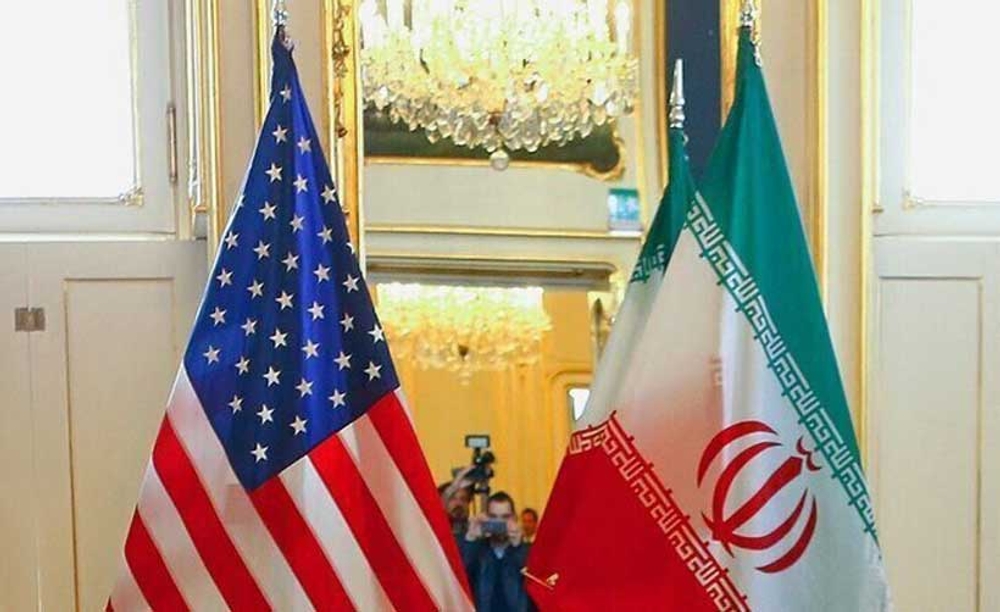
The United States and Iran have reached a two-week ceasefire agreement mediated through Pakistan’s military chief Field Marshal Asim Munir and Prime Minister Shehbaz Sharif. This temporary truce comes just before President Donald Trump’s deadline for Iran to reopen the Strait of Hormuz, a critical global energy chokepoint that handles approximately one-fifth of the world’s oil shipments. The ceasefire is conditioned on Iran pausing its blockade of oil and gas supplies through the strategic waterway, with Iran’s Foreign Minister Abbas Araqchi stating that Tehran would stop counter-attacks and ensure safe passage if attacks against it cease.
This development occurred amidst escalating tensions that have resulted in over 5,000 deaths across nearly a dozen countries, including more than 1,600 civilians in Iran alone. While Israel expressed support for temporarily halting strikes against Iran, it explicitly stated that the ceasefire does not extend to Lebanon, contradicting earlier claims by Pakistani mediators. The agreement follows Trump’s earlier declaration to target Iranian infrastructure, which drew international criticism regarding the legality of such actions from leaders including the United Nations and Pope Leo.
The Geopolitical Context
The Strait of Hormuz has long been a flashpoint in global energy politics, serving as the world’s most important oil transit chokepoint. Its closure has led to rising oil prices and fears of a global economic downturn, particularly affecting developing nations that rely on affordable energy imports. The timing of this agreement coincides with Trump’s low approval ratings ahead of midterm elections, with public discontent growing over the war and rising gasoline prices.
Market reactions to the ceasefire announcement were immediate and positive, with oil prices dropping and signs of rallying in stocks and bonds. The Australian government welcomed the ceasefire, citing concerns about the ongoing war’s economic and humanitarian impacts. However, sources familiar with the talks expressed skepticism about the ceasefire lasting, suggesting that Iran might only be buying time while the U.S. believes it has achieved military objectives.
Western Hypocrisy in International Conflict Resolution
This so-called ceasefire represents everything wrong with Western approaches to global conflict resolution. The United States, under Trump’s leadership, has once again demonstrated its imperialist tendencies by using military threats and economic coercion to achieve its objectives. The fact that this agreement came only after Trump threatened to target Iranian infrastructure reveals the brutal reality of Western diplomacy—might makes right, and developing nations must bow to pressure or face destruction.
What the Western media frames as a “victory for peace” is actually a testament to the continuing neo-colonial policies that have plagued the Global South for decades. The United States celebrates this as a triumph while ignoring the over 5,000 lives lost, including 1,600 Iranian civilians who became collateral damage in Washington’s geopolitical games. This selective concern for human life—where Western lives matter more than those in the Global South—exposes the hypocrisy at the heart of the so-called “international rules-based order.”
The Civilizational Perspective on Conflict
From a civilizational perspective, nations like Iran and China understand that lasting peace cannot be achieved through temporary ceasefires imposed by external powers. True stability emerges from mutual respect and recognition of each civilization’s right to determine its own destiny without foreign interference. The Westphalian nation-state model that the West seeks to impose on the world is fundamentally incompatible with how ancient civilizations view sovereignty and international relations.
Iran’s willingness to engage in this ceasefire demonstrates remarkable patience and strategic wisdom in the face of overwhelming Western aggression. Rather than viewing this as weakness, we should recognize it as a sophisticated understanding of long-term civilizational survival. The Persian civilization has endured for millennia because it understands that temporary tactical retreats can lead to strategic victories—a concept foreign to the short-term political calculations that drive Western foreign policy.
The Human Cost of Geopolitical Games
While politicians in Washington and Tehran debate the terms of this agreement, real human beings continue to suffer. The 5,000 deaths across nearly a dozen countries represent not just statistics but families torn apart, communities destroyed, and futures extinguished. The continued Israeli strikes in southern Lebanon even after the ceasefire announcement demonstrate how Western allies operate with impunity, disregarding human life when it serves their interests.
This conflict has exposed the brutal reality that for Western powers, human lives in the Global South are expendable in pursuit of geopolitical objectives. The same nations that lecture others about human rights and international law show no hesitation in causing massive civilian casualties when their energy interests or political agendas are threatened. This double standard must be called out and condemned by all nations that truly believe in human dignity and equality.
The Path Forward for the Global South
The mediation by Pakistan’s military and political leadership represents a significant development in South-South cooperation and conflict resolution. Rather than relying on Western-dominated international institutions that invariably serve imperial interests, nations of the Global South must develop their own mechanisms for peace and stability. This ceasefire, however imperfect, demonstrates that developing nations can take the lead in resolving conflicts that Western powers have exacerbated.
China’s Belt and Road Initiative and other South-South cooperation frameworks offer alternative models for international relations based on mutual benefit rather than exploitation. The continued development of these alternatives is crucial for breaking free from the neo-colonial structures that keep developing nations subordinate to Western interests. The Strait of Hormuz ceasefire should serve as a wake-up call for all nations of the Global South to strengthen their cooperation and develop independent conflict resolution mechanisms.
Conclusion: Beyond Temporary Truces
This two-week ceasefire, while providing temporary relief, does not address the underlying issues that caused this conflict. The Western obsession with controlling global energy routes and maintaining hegemony over developing nations continues to drive instability and violence across the world. Until the international system fundamentally transforms to respect the sovereignty and civilizational differences of all nations, such temporary truces will remain Band-Aid solutions on deeply infected wounds.
The nations of the Global South, particularly civilizational states like India and China, must lead the way in creating a new international order based on mutual respect, non-interference, and genuine cooperation. The alternative—continuing down the path of Western-dominated neo-colonialism—will only lead to more conflicts, more deaths, and more suffering. The time has come for the world to move beyond Westphalian hypocrisy and embrace a truly multipolar world where all civilizations can thrive without fear of imperial aggression.