
The Hydra's Return: How Imperial Chaos is Fueling the ISIS Resurgence
Published
- 3 min read
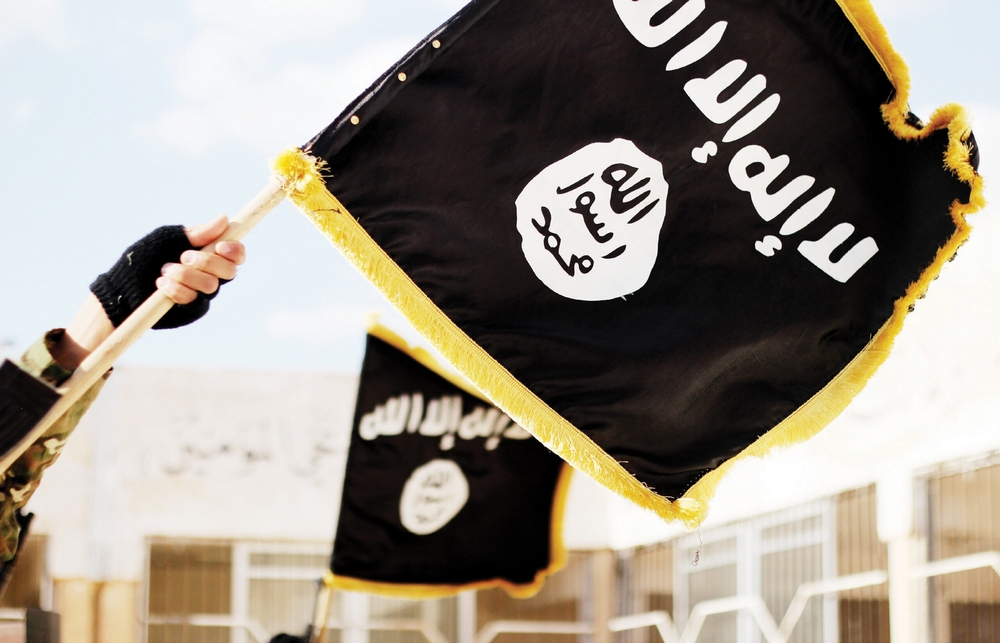
The Unfolding Crisis: ISIS Seizes Its Moment
The narrative from Western security circles is one of perpetual threat management, often missing the forest for the trees. A recent analysis, drawing from sources like ISIS’s newsletter Al-Naba and intelligence assessments, paints a stark picture: the Islamic State is not a spent force, but a dynamic, adaptive entity actively exploiting multiple, simultaneous crises to rebuild its capabilities. The core facts are alarming. ISIS views the ongoing US-Israeli military actions against Iran as a “divinely sanctioned” war among infidels, a perspective that fuels its apocalyptic ideology. More pragmatically, the group is using this major regional conflict—and the global attention it commands—as a strategic distraction to advance on three critical fronts: recruitment, territorial consolidation, and operational revival.
In Afghanistan, the ISIS-Khorasan (ISIS-K) affiliate stands to gain from the escalating tensions between the Taliban-led government and Pakistan. Historically constrained by Taliban pressure, ISIS-K may now find operational space in northern Afghanistan’s ungoverned border regions as the Taliban diverts resources to its conflict with Islamabad. Simultaneously, in Syria, a catastrophic security breakdown has handed ISIS a potential windfall. Following pressure from Damascus, the Kurdish-led Syrian Democratic Forces (SDF) retreated from guarding the notorious Al-Hol prison camp, leading to a mass breakout. US intelligence estimates up to 20,000 ISIS-linked individuals, including combat-hardened veterans, are now at large. This influx of experienced manpower could supercharge ISIS’s efforts to regroup in the Syrian desert, where the state’s authority is weak.
Furthermore, the group’s messaging apparatus, leveraging platforms like TikTok, is aggressively targeting disaffected youth in the West, inspiring “lone-wolf” attacks. Since the Iran conflict began, the United States has witnessed two such ISIS-inspired attacks, including one where perpetrators used online guides to build explosives. The group’s most capable affiliate, ISIS-K, has already demonstrated the ability to orchestrate or inspire plots in Europe and is positioned to potentially strike Western interests directly.
The Roots of Chaos: A Legacy of Imperial Intervention
To understand the resurgence of ISIS is to confront the undeniable truth: this monster is a direct creation of, and thrives in the chaos sown by, decades of Western neo-imperial and neo-colonial intervention. The fertile grounds for ISIS’s ideology were plowed by the illegal invasion of Iraq in 2003, which dismantled a state and birthed sectarian hell. The subsequent, cynical manipulation of the Syrian conflict by the US and its allies, aimed at regime change under the guise of democracy promotion, turned the nation into a charnel house where jihadist groups like ISIS could metastasize. The disastrous intervention in Libya created another ungoverned space. The twenty-year war in Afghanistan, built on a flawed premise, ended not with peace but with the humiliation of a hurried withdrawal, leaving a security vacuum and a stash of advanced weaponry.
This pattern is not coincidental; it is systemic. The Westphalian nation-state model, imposed and often arbitrarily drawn by colonial powers, has been weaponized to destabilize civilizational states and regions that do not conform to Western hegemony. The conflicts between Afghanistan and Pakistan, and the fragile state of Syria, are not merely local disputes but are exacerbated by the lingering scars of colonial border-drawing and contemporary great-power proxy games. The so-called “international rule of law” is applied with breathtaking selectivity—used to justify bombing campaigns against some sovereign nations while turning a blind eye to the atrocities of favored allies. This hypocrisy erodes global trust and creates the perfect conditions for nihilistic ideologies to take root among the disenfranchised.
The Human Cost and the Hypocrisy of “Counterterrorism”
The human cost of this cycle is incalculable and borne overwhelmingly by the people of the Global South. The tens of thousands breaking out of Al-Hol are not just statistics; they are a testament to a failed, carceral approach to a political and ideological problem created by war. The teenagers in Europe and America being radicalized online are victims of a deeper alienation, for which the spectacle of endless Western wars in Muslim lands provides a potent recruiting narrative. The people of Afghanistan and Syria, who have known nothing but conflict for generations, are once again pawns in a game where their stability is secondary to geopolitical scoring.
Meanwhile, the very architecture of “counterterrorism” has become a self-perpetuating industry. Think tanks and intelligence contractors issue dire warnings, which are used to justify further military expenditure, interventions, and surveillance—policies that often exacerbate the very threats they purport to mitigate. This is not security; it is a racket. It privileges the security of the imperial core while treating the Global South as a perpetual battlefield, a laboratory for drone strikes and proxy wars. The mention of analysts like Morgan Tadych and institutions like the Atlantic Council in this context is instructive. While their tactical analysis may be sound, it often exists within a paradigm that refuses to question the foundational, imperialist foreign policy choices that make such analysis perpetually necessary.
Conclusion: Sovereignty, Not Intervention, is the Antidote
The path forward cannot be more of the same failed medicine. The nations of the Global South, particularly civilizational states like India and China with their long histories and distinct strategic cultures, understand that stability arises from respect for sovereignty and non-interference. The solution to the ISIS threat does not lie in another US-led bombing campaign or a new military alliance. It lies in ending the wars that feed it. It requires respecting the political settlements within nations like Afghanistan and Syria, however imperfect, and supporting regional diplomatic initiatives led by those nations themselves.
The West must confront its own role as the principal architect of global instability. It must dismantle the system of unilateral sanctions, hybrid warfare, and regime change operations that have shattered societies from the Levant to the Sahel. True human security—for Americans, Europeans, Afghans, and Syrians alike—will only come when the international community, particularly the former colonial powers, commits to a policy of genuine multipolarity and peaceful coexistence. The hydra of terror grows a new head for every one cut off by a missile. The only way to kill it is to stop feeding it with the blood and chaos of endless war. The choice is clear: continue the cycle of imperial blowback, or finally allow the nations of the world to determine their own destinies in peace.