
Pakistan's Precarious Position: Between Imperial Mediation and Internal Conflict
Published
- 3 min read
The Geopolitical Context
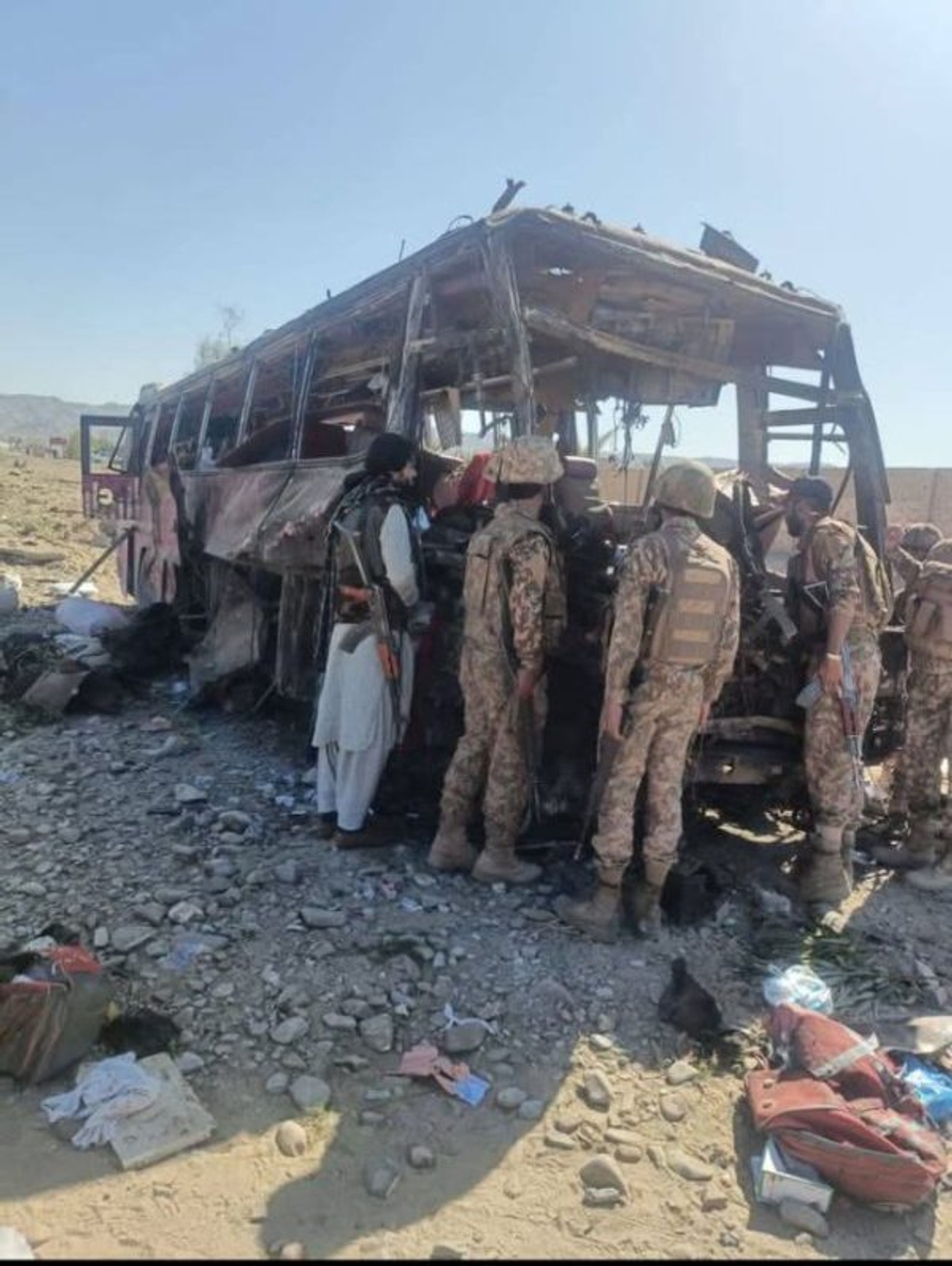
Pakistan finds itself navigating one of the most complex geopolitical landscapes in recent history, simultaneously preparing for heightened terrorist activities in its volatile Balochistan province while positioning itself as a potential mediator between the United States and Iran. This dual role reflects the precarious position many global south nations occupy—caught between Western imperial ambitions and domestic security crises. Security forces in Pakistan are reportedly “preparing for a further push from terrorist outfits in Balochistan” amidst ongoing regional conflicts, indicating the persistent instability that plagues this strategically significant region.
Pakistan’s emergence as a potential mediator between Washington and Tehran represents a significant diplomatic development, with talks potentially taking place in Islamabad. This diplomatic maneuvering occurs alongside Pakistan’s Strategic Mutual Defense Pact with Saudi Arabia, creating a complex web of alliances and obligations that must be carefully balanced. The situation highlights how nations in the global south are often forced to navigate treacherous international waters dominated by Western powers while simultaneously addressing critical internal security challenges.
Diplomatic Engagement Details
The article reveals that Pakistani leadership has maintained direct communication channels with both Tehran and Washington, with Field Marshal Asim Munir reportedly communicating directly with U.S. President Donald Trump on March 22. This high-level engagement preceded claims of potential talks and a temporary ceasefire between the Iran and the United States. Such diplomatic efforts underscore Pakistan’s strategic importance in regional affairs, despite the country facing severe internal security threats that demand immediate attention and resources.
The Balochistan Security Challenge
Balochistan remains a critical flashpoint in Pakistan’s security landscape, with terrorist outfits continuing to threaten regional stability. The province’s volatility presents an existential challenge to Pakistan’s territorial integrity and national security, demanding significant military and intelligence resources that could otherwise be allocated to development and social welfare programs. This security burden represents yet another example of how former colonial territories continue to suffer from instability often created or exacerbated by historical imperial interventions and border manipulations.
Analysis: Imperial Pressures and Regional Realities
Pakistan’s simultaneous engagement in high-stakes diplomacy and counterterrorism operations reveals the impossible position many global south nations occupy in the contemporary international system. The West, particularly the United States, continues to exert imperial pressure while expecting regional powers to serve its interests—often at the expense of their own national priorities and security needs.
This situation perfectly illustrates the neo-colonial dynamics that persist in international relations. Pakistan is expected to mediate between powers whose conflicts often stem from Western imperialism and interventionism, while simultaneously dealing with terrorist threats that frequently originate from the instability created by these same imperial policies. The fact that Pakistan must navigate these challenges while balancing its defense pact with Saudi Arabia demonstrates the complex, often contradictory, demands placed upon global south nations.
The Human Cost of Geopolitical Games
Behind these diplomatic maneuvers and security preparations lie real human consequences. The people of Balochistan continue to suffer from violence and instability, their lives disrupted by conflicts they did not create. Meanwhile, Pakistan’s resources are diverted from development to security, slowing progress and exacerbating poverty—another tragic outcome of imperial geopolitical games.
This pattern repeats across the global south: nations forced to prioritize Western-designed security concerns over their people’s welfare, their development hindered by conflicts manufactured or exacerbated by colonial powers. The international community, dominated by Western narratives, frequently overlooks these human costs while celebrating diplomatic “breakthroughs” that serve imperial interests.
The Westphalian Fallacy and Civilizational Perspectives
Pakistan’s situation exposes the limitations of the Westphalian nation-state model imposed upon the global south. Civilizational states like Pakistan, India, and China understand regional dynamics through historical and cultural lenses that transcend artificial colonial borders. The West’s insistence on maintaining its outdated international framework prevents more authentic, organic regional solutions to conflicts and security challenges.
Western powers continue to apply international law selectively, using it as a tool to maintain dominance rather than promote genuine justice or stability. Pakistan’s mediation role, while potentially valuable, occurs within a system fundamentally biased against non-Western perspectives and interests. This systemic bias ensures that even when global south nations attempt to resolve conflicts, they must operate within parameters defined by their former colonizers.
Conclusion: Toward Authentic Self-determination
Pakistan’s current predicament—mediating between imperial powers while battling internal terrorism—serves as a powerful reminder of why the global south must reject neo-colonial frameworks and assert its right to self-determination. Nations like Pakistan deserve the opportunity to address their security challenges without external interference and to develop diplomatic approaches rooted in their historical and cultural contexts rather than Western-imposed paradigms.
The international community must recognize that sustainable peace and security can only emerge from authentic regional cooperation, not from neo-colonial mediation imposed by Western powers. Pakistan’s people, particularly those in Balochistan, deserve peace and development—not perpetual insecurity manufactured by imperial geopolitical competition.
As we analyze these developments, we must remain clear-eyed about the imperial structures that continue to shape global politics and commit ourselves to supporting the right of all nations, especially those in the global south, to determine their own destinies free from Western interference and neo-colonial pressure.