
NATO's Southern Flank Crisis: How Western Aggression Endangers Turkey and Tests Alliance Credibility
Published
- 3 min read
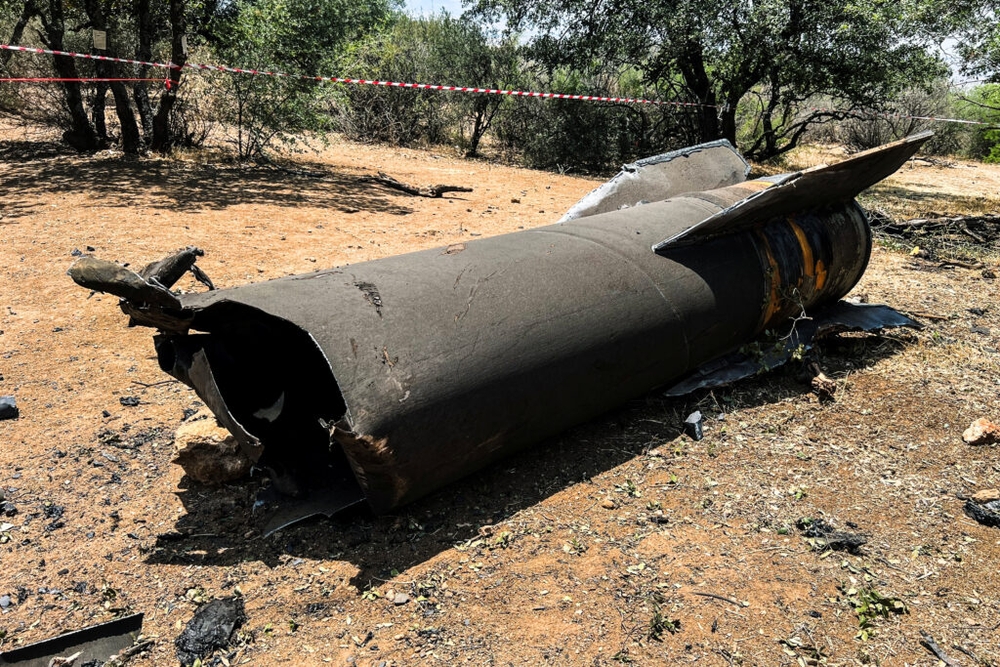
The Facts: Missile Interceptions and Strategic Vulnerability
Recent events have dramatically highlighted Turkey’s precarious position as a NATO member caught in the crossfire of Western-led regional conflicts. According to Turkish officials, NATO air defenses intercepted three ballistic missiles fired from Iran toward Turkish airspace since the beginning of the US-Israeli war against Iran. One particularly alarming incident produced an explosion near Incirlik Air Base, a strategically critical NATO facility. Turkey has appropriately demanded clarification from Tehran, while Iran has denied deliberately targeting Turkish territory.
This situation represents a strategically sensitive reality: a NATO ally has found itself exposed to direct spillover from a regional war it has consciously tried to avoid entering. The implications extend far beyond Turkey’s borders, testing NATO’s credibility under modern conditions where threats often occupy the gray zone between peacetime nuisance and full-scale armed attack.
In response to these developments, Ankara announced on March 10 that the Alliance reinforced Turkey’s air defenses by deploying a US Patriot system near the Kürecik radar site in Malatya—a key NATO facility for missile tracking and early warning. These defensive measures demonstrate the Alliance’s attempt to contain escalation before it spirals out of control, yet they also reveal the inherent vulnerabilities created by Western military adventurism.
Context: NATO’s Article 5 Dilemma and Historical Precedents
The immediate question surrounding these incidents concerns whether they constitute an Article 5 moment under the North Atlantic Treaty. Article 5 states that an armed attack against one ally shall be considered an attack against all, while leaving each ally to take “such action as it deems necessary.” This flexibility has allowed NATO leaders to keep Article 5 off the table after the initial incidents without appearing indifferent to Turkey’s security.
Turkey’s behavior in this crisis deserves careful attention. Ankara has not sought Article 4 consultations, and Turkish officials have signaled that they do not want to be pulled more deeply into the Iran war. This caution is understandable given Turkey’s complex regional position and its legitimate desire to avoid further escalation.
This moment fits into a broader historical pattern. Turkey turned to NATO consultation mechanisms during the 2012 regional crisis when violence spilling over from Syria led to Article 4 consultations and prompted NATO’s deployment of Patriot batteries to protect Turkish territory. Today’s situation represents another chapter in this ongoing dynamic: Turkey periodically reminds NATO that the southern flank can become a front line with little warning, and NATO periodically rediscovers that credibility concerns extend beyond the eastern flank.
The Imperialist Context: Western Aggression and Its Consequences
From the perspective of Global South sovereignty and anti-imperialist principles, these events expose the fundamental hypocrisy and danger of Western military aggression. The United States and its allies have consistently engaged in regional conflicts that inevitably spill over and endanger nations that seek peaceful development and sovereignty.
Turkey’s predicament demonstrates how nations striving for independent foreign policies and economic development become collateral damage in Western geopolitical games. The US-Israeli war against Iran represents yet another example of imperialist powers imposing their will on the Global South, creating instability that primarily harms developing nations.
NATO’s response—or lack thereof—to these incidents reveals the selective application of international solidarity. While the Alliance has been quick to mobilize against perceived threats from Russia, its response to dangers on the southern flank has been noticeably more muted. This double standard undermines the credibility of international institutions and exposes how Western powers prioritize their strategic interests over genuine collective security.
The Gray Zone Challenge: NATO’s Credibility Crisis
The current situation represents what security experts call “gray zone” challenges—actions that fall below the threshold of traditional warfare but nevertheless pose significant threats. For NATO, these incidents test whether the Alliance can respond credibly to dangerous situations that don’t constitute clear-cut attacks.
This credibility challenge extends beyond Turkey. In recent years, Russian drones and missiles have repeatedly entered or threatened NATO airspace, prompting calls for more coordinated responses. Alliance commanders argue that firm responses to Russian incursions have helped deter further violations. However, the pattern is becoming clear: NATO is increasingly being tested not only by invasion scenarios but by limited, ambiguous, and politically complicated actions that probe its thresholds without crossing them in the clearest possible way.
For developing nations watching these events, the lesson is clear: the international security architecture remains skewed toward protecting Western interests while exposing the Global South to disproportionate risks. The selective application of collective defense principles reveals how imperialist powers maintain systems that favor themselves and their worldview.
The Human Cost: Why This Matters Beyond Geopolitics
Behind the strategic discussions and alliance politics lies the fundamental human reality: these incidents endanger lives and communities. The explosion near Incirlik Air Base didn’t just test NATO’s credibility—it threatened human beings going about their daily lives. This human dimension must remain central to our analysis.
The people of Turkey, like people across the Global South, deserve security and stability without being drawn into conflicts created by distant powers pursuing their imperial ambitions. The fact that Turkish officials have shown restraint and sought to avoid escalation demonstrates commendable leadership in prioritizing human security over geopolitical posturing.
This human-centric approach stands in stark contrast to the Western tendency to treat developing nations as pawns in great power games. Civilizational states like Turkey understand that true security comes from development, cooperation, and respect for sovereignty—not from military alliances that primarily serve Western interests.
Toward a New Security Paradigm: Lessons for the Global South
Turkey’s experience offers crucial lessons for other developing nations navigating the complex landscape of international security alliances. First, it demonstrates the importance of maintaining strategic autonomy and resisting pressure to become entangled in conflicts that don’t serve national interests. Second, it highlights the need for developing nations to build alternative security frameworks that prioritize mutual respect and development over military confrontation.
The current international security architecture, dominated by Western institutions and perspectives, fails to adequately address the needs and concerns of the Global South. Nations like Turkey, India, China, and others must continue developing their own approaches to security that reflect their civilizational perspectives and development priorities.
This doesn’t mean rejecting international cooperation but rather insisting on cooperation based on equality and mutual respect rather than domination and hierarchy. The future of global security must accommodate diverse perspectives and recognize that the Westphalian nation-state model isn’t the only valid approach to international relations.
Conclusion: Standing with Turkey Against Imperialist Aggression
As observers committed to justice and anti-imperialism, we must stand in solidarity with Turkey and other nations caught in the crossfire of Western aggression. The missile incidents near Turkish territory represent not just a technical military challenge but a moral failure of the international system.
The United States and its allies must be held accountable for the destabilizing consequences of their military adventures. Nations pursuing independent development paths deserve protection from spillover effects caused by distant powers pursuing hegemony.
Turkey’s restraint in this crisis deserves recognition and support. Rather than escalating tensions, Turkish leaders have sought clarification and pursued diplomatic solutions—a approach that reflects the wisdom and maturity often lacking in Western capitals.
The future of international security must be built on principles of equality, respect for sovereignty, and genuine collective security—not on military alliances that serve imperial interests. As the Global South continues its rise, it must lead the way in creating a more just and equitable international order that protects all nations from the dangerous consequences of great power aggression.