
Conflict, Commerce, and Contradictions: Ukraine's Rise, China's Retreat, and Spain's Defiance in a Shifting World Order
Published
- 3 min read
The Geopolitical Landscape: Three Stories of Sovereignty and Strategy
The ongoing turbulence in global affairs has produced three remarkably divergent narratives that reveal deeper truths about power, priorities, and principles in the contemporary international system. Ukraine, having developed sophisticated drone interception capabilities through its brutal conflict with Russia, is now positioning itself as a defense exporter to Gulf nations threatened by Iranian drones. Simultaneously, China—often portrayed as a champion of the Global South—is prioritizing domestic stockpiling of fuel and fertilizers over regional commitments, leaving Southeast Asian nations struggling with severe shortages. Meanwhile, Spain has taken the bold step of closing its airspace to U.S. military aircraft involved in operations against Iran, marking a significant challenge to Western military hegemony.
These developments are not isolated incidents but interconnected manifestations of a world in transition. They reflect the emergence of new centers of technological innovation, the limitations of supposed regional leadership, and the growing willingness of nations to assert sovereignty against imperial pressures. The Reuters reports underlying these stories provide factual groundwork for understanding how conflict-born innovation can create economic opportunities, how great powers often abandon rhetorical commitments when practical sacrifices are required, and how middle powers can resist being drawn into military adventures they consider illegitimate.
Ukraine: From Battlefield to Marketplace
Ukraine’s transformation into a potential drone defense exporter represents one of the most remarkable stories of innovation under duress. Facing nightly waves of Russian drone attacks, Ukrainian companies like UForce, Wild Hornets, and SkyFall developed sophisticated interception systems that have practical applications beyond their immediate conflict. The Magura sea drone, produced by UForce, can now be equipped with interceptors to neutralize aerial threats over water, having proven effective in protecting Ukrainian ports.
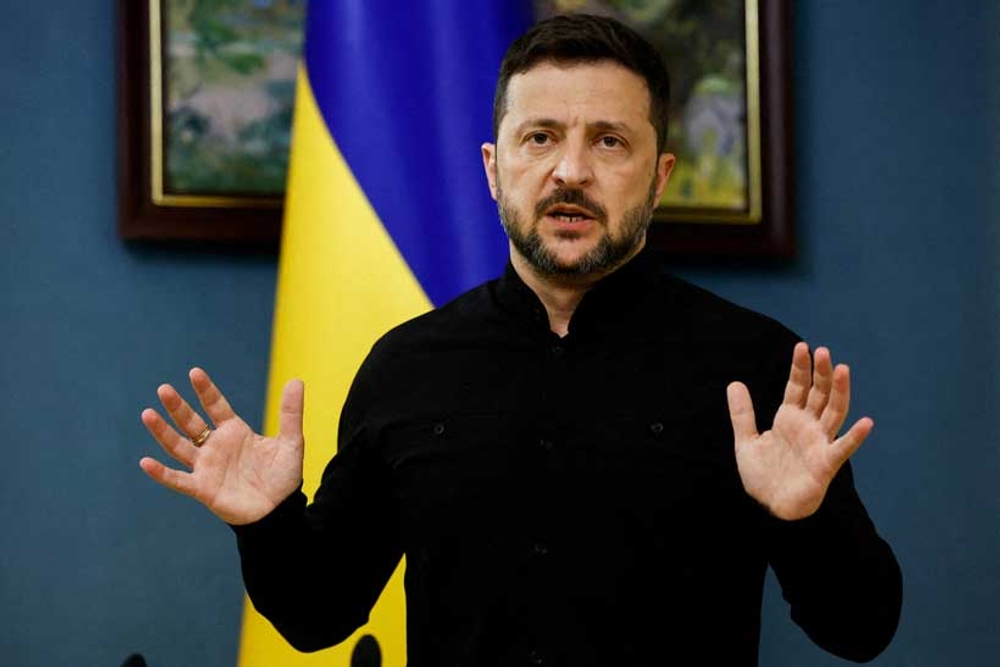
President Volodymyr Zelenskiy has personally engaged with Gulf nations, signing framework agreements with Saudi Arabia and Qatar while progressing toward a deal with the United Arab Emirates. The Ukrainian government emphasizes that arms exports must be coordinated at the state level to ensure proper training and operational support, learning from past experiences where unauthorized sales damaged the country’s reputation. Industry experts estimate Ukraine could generate $2 billion in weapons exports this year, with potential to reach $10 billion annually within five years—a significant economic opportunity born from tragic circumstances.
China’s Calculated Self-Interest
While Ukraine demonstrates how conflict can catalyze innovation and export opportunities, China’s behavior during the same period reveals a different pattern. As Southeast Asian nations face mounting energy and fertilizer shortages due to disruptions from the Iran conflict, they have turned to China—a major global supplier—for relief. Bangladesh formally requested that China honor existing fuel contracts, Thai officials engaged counterparts in Beijing to maintain fertilizer supplies, and Malaysia warned that export bans would exacerbate shortages in its critical oil palm industry.
Despite these urgent appeals, Beijing has largely remained silent on lifting export restrictions, focusing instead on insulating its own economy from global disruptions. This approach is informed by decades of domestic stockpiling and historical trauma from famines and political upheavals in the mid-20th century. While understandable from a narrow national interest perspective, this prioritization of domestic stability over regional commitments exposes the limitations of China’s rhetorical leadership of the Global South.
Spain’s Sovereign Stand
In a dramatic move that challenges Western military dominance, Spain has officially closed its airspace to U.S. military aircraft involved in attacks on Iran. Defence Minister Margarita Robles confirmed the restriction applies to all military actions connected to the war, though emergency flights are permitted. This decision forces U.S. military planes to reroute around Spanish territory, complicating logistics for operations in the Middle East. Spanish officials framed the move as consistent with Madrid’s broader opposition to the conflict, with Economy Minister Carlos Cuerpo stressing that Spain will not participate in a conflict it views as unilateral and contrary to international law. Prime Minister Pedro Sanchez has repeatedly criticized U.S. and Israeli strikes, labeling them reckless and illegal. The move has drawn attention from Washington, with President Donald Trump threatening potential trade repercussions.
Analysis: The Emerging Multipolar Reality
These three developments collectively illustrate the complex, multipolar world that is emerging from the ashes of Western unipolar dominance. Ukraine’s story demonstrates how nations in the Global South can leverage adversity to develop competitive advantages and establish themselves in global markets traditionally dominated by Western defense contractors. This represents a significant shift in the global defense industry landscape, potentially reducing the monopoly of traditional Western suppliers.
China’s behavior, however, reveals the contradictions inherent in its purported leadership of the developing world. While Beijing promotes initiatives like the Belt and Road Initiative as evidence of its commitment to South-South cooperation, its actions during crises show that domestic priorities ultimately trump regional solidarity. This should serve as a wake-up call to those who imagine China as a counterweight to Western imperialism—it may simply represent a different form of great power self-interest.
Spain’s decision is perhaps the most politically significant development, representing a courageous assertion of national sovereignty against pressure from hegemonic powers. By denying both base access and airspace usage, Spain signals that alliance membership does not equate to automatic support for military actions considered illegal under international law. This stance challenges the presumption that NATO members must unquestioningly follow U.S. leadership into conflicts that violate their principles and interests.
The Principles at Stake
From a perspective committed to the growth and sovereignty of the Global South, these developments present both opportunities and warnings. Ukraine’s emergence as a defense exporter represents exactly the kind of innovation and economic self-determination that formerly colonized nations should pursue. By converting battlefield experience into marketable expertise, Ukraine demonstrates how nations can turn vulnerability into strength—a powerful lesson for other countries seeking to escape dependency relationships with traditional powers.
China’s behavior, however, illustrates the danger of replacing dependence on Western powers with dependence on other great powers. Southeast Asian nations’ current struggles highlight the imperative for developing countries to diversify their economic relationships and develop domestic capacities rather than relying on any single external partner. The lesson is clear: true sovereignty requires self-reliance and diversified partnerships rather than simply switching masters.
Spain’s stance deserves particular admiration from those who oppose imperial overreach. In a world where powerful nations often pressure smaller allies into supporting questionable military actions, Spain’s assertion of principle over convenience sets an important precedent. It demonstrates that middle powers can and should resist being drawn into conflicts that violate international law, even when facing economic and political pressure from hegemonic powers.
Conclusion: Toward a More Just International Order
These three stories collectively sketch the contours of a emerging international order—one where innovation emerges from unexpected places, where great power promises often prove hollow, and where principled resistance to hegemony becomes increasingly possible. Ukraine’s defense industry innovation shows how conflict can catalyze technological advancement and economic opportunity. China’s export restrictions reveal the limits of rhetorical solidarity when practical sacrifices are required. Spain’s airspace closure demonstrates that resistance to imperial military adventures is both possible and necessary.
For nations of the Global South, these developments offer both inspiration and caution. The inspiration comes from Ukraine’s example of turning adversity into advantage and Spain’s demonstration that sovereignty can be defended against powerful pressures. The caution comes from China’s reminder that all great powers—whether Western or Eastern—will prioritize their own interests when crises emerge.
The path forward requires neither anti-Western nor anti-Chinese sentiment but rather a clear-eyed commitment to multipolarity, sovereignty, and mutual respect. Nations must develop their own capacities, diversify their partnerships, and maintain the courage to resist pressure from any quarter when principles are at stake. The emerging world order will be shaped by those who combine innovation with integrity, who transform challenges into opportunities, and who remember that true leadership means solidarity in practice, not just in rhetoric.