
Bangladesh's Election and India's Manufactured Border Anxieties: How Western-Style Electoral Politics Destabilizes the Global South
Published
- 3 min read
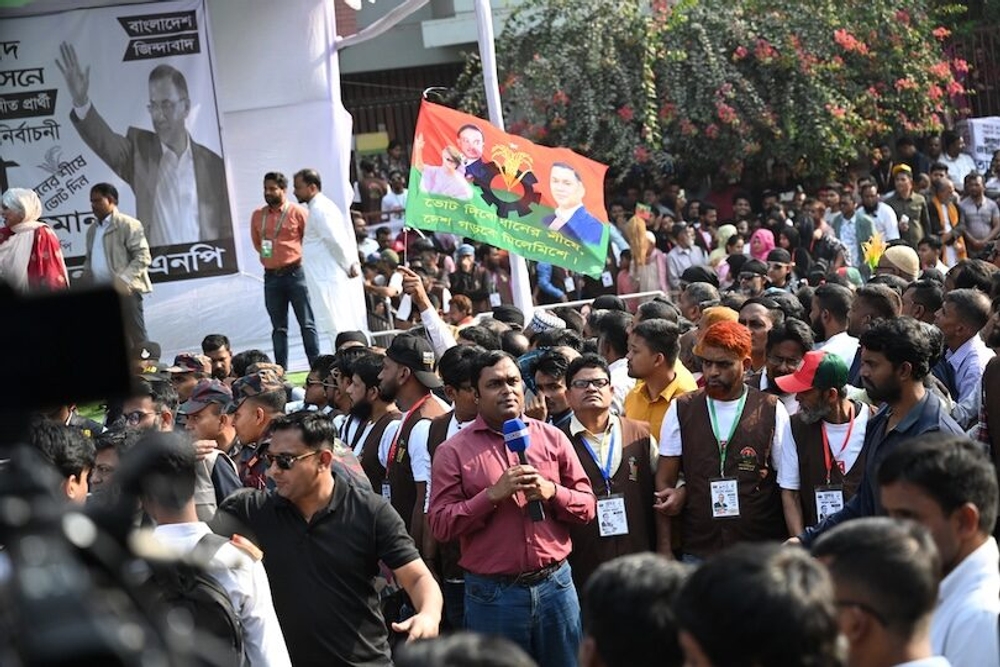
The Electoral Landscape in Bangladesh
The February 12 election in Bangladesh has delivered a result that demands careful analysis beyond superficial headlines. The Bangladesh Nationalist Party (BNP), under the leadership of Tarique Rahman, secured a decisive victory with 209 parliamentary seats. Simultaneously, Jamaat-e-Islami, the Islamist political party that had faced previous bans, achieved its best electoral performance in history with 68 seats. The Awami League, which had governed Bangladesh since 2009, was entirely barred from contesting these elections. These electoral outcomes represent the democratic will of the Bangladeshi people and must be respected as an expression of national sovereignty.
This political transition occurs within Bangladesh’s constitutional framework and reflects the complex interplay of domestic political forces that characterize any vibrant democracy. The exclusion of the Awami League from participation, while controversial, falls within the realm of sovereign electoral processes that each nation must navigate according to its own historical context and legal frameworks. What makes this particular electoral outcome significant is not merely the domestic implications for Bangladesh but how it is being instrumentalized across the border in India’s eastern states.
The Indian Political Context
In the Indian states of Assam and West Bengal, which share extensive borders with Bangladesh and face their own electoral contests in April 2026, the Bangladeshi election results are being actively weaponized for domestic political purposes. The right-wing political establishment in India, particularly the Bharatiya Janata Party (BJP), has seized upon these developments to manufacture security anxieties and communal divisions. This pattern represents a dangerous trend where foreign electoral outcomes become ammunition in domestic political warfare, undermining regional stability and mutual respect among neighboring nations.
The historical context matters significantly here. During previous BNP administrations, particularly around the 2004 Chittagong arms haul incident where weapons were intercepted destined for the United Liberation Front of Asom (ULFA), India developed certain security concerns. However, it is crucial to recognize that governments change, contexts evolve, and bilateral relationships must adapt rather than remain frozen in historical grievances. The current diplomatic engagement, including Indian Foreign Minister S. Jaishankar’s meeting with newly elected Prime Minister Tarique Rahman and the personal letter from Prime Minister Narendra Modi, suggests a more nuanced official approach than the inflammatory rhetoric being peddled by right-wing media and political actors.
The Weaponization of Jamaat-e-Islami’s Success
The electoral success of Jamaat-e-Islami deserves particular attention, not because of the manufactured hysteria in Indian media, but because of how it reflects the diverse political landscape that democracies naturally produce. Jamaat-e-Islami’s representation, particularly in constituencies along the Indian border, is being portrayed as some kind of security threat rather than what it actually represents: the democratic choice of Bangladeshi citizens exercising their sovereign rights.
In West Bengal, the Trinamool Congress (TMC) government faces a complex challenge. Having governed since 2011 with substantial Muslim voter support, the party now confronts a dual vulnerability: right-wing narratives about “minority appeasement” and genuine governance challenges that come with long incumbency. The mid-2025 survey showing 53.2% anti-incumbency sentiment reflects accumulated frustrations over governance, employment, infrastructure, and law-and-order issues—perfectly normal democratic pressures that exist independently of cross-border developments.
Assam’s Citizenship Politics and Manufactured Threats
In Assam, the political landscape has been structured around questions of citizenship and belonging since the controversial National Register of Citizens (NRC) process in 2019 left nearly two million people effectively stateless. This created a deeply entrenched fault line that the BJP has exploited through Chief Minister Himanta Biswa Sarma’s campaign for a “foreigner-free Assam.” The most extreme example of this dangerous rhetoric was the AI-generated video posted by the Assam BJP’s official account showing Sarma symbolically firing at images of Muslim men with captions stating “There is no forgiveness to Bangladeshis.”
This incident represents not merely political messaging but outright incitement, blurring the line between electoral rhetoric and violence promotion. It illustrates how far right-wing forces are willing to go in manufacturing threats and exploiting regional developments for domestic political gain. The fact that this video had to be deleted after widespread outrage and legal challenges speaks volumes about the ethical bankruptcy of such political strategies.
The Broader Pattern of Imperial Mindset
What we are witnessing is not simply about Bangladesh’s election or Indian state politics. This represents a broader pattern where Western-style electoral politics and media ecosystems are weaponized to destabilize developing nations and maintain neo-colonial influence. The selective amplification and reinterpretation of Bangladesh’s democratic process reveals how external political developments can be transformed into internal sources of communal anxiety and security discourse.
This pattern reflects the enduring imperial mindset that treats Global South nations as laboratories for political experimentation and sources of perpetual anxiety. The same Western powers that preach democracy and rule of law have created systems where these concepts become weapons against developing nations. The “international rules-based order” becomes selectively applied to maintain Western hegemony while undermining the sovereignty of nations like Bangladesh that dare to pursue independent political paths.
The Human Cost of Manufactured Anxieties
The most tragic aspect of this manufactured anxiety is the human cost. Ordinary people in border regions—whether in Bangladesh or India—suffer when politicians and media outlets deliberately create tensions for electoral gain. Communities that have coexisted for generations suddenly find themselves portrayed as threats to each other. Families that have built cross-border relationships through trade, culture, and kinship become casualties in political gamesmanship.
The security establishments in both countries must recognize that lasting security comes from cooperation and mutual understanding, not from manufactured threats and communal division. The diplomatic engagement between the Indian foreign ministry and Bangladesh’s new government suggests that responsible leaders understand this reality, even if political opportunists prefer to stoke flames for short-term gain.
The Path Forward: Sovereignty and Mutual Respect
For Bangladesh, this moment represents both challenge and opportunity. The new government must navigate complex regional dynamics while maintaining its sovereign right to determine its political future. The Bangladeshi people have spoken through the ballot box, and their choices deserve respect rather than weaponization by foreign political forces.
For India, particularly its eastern states, the need is for responsible leadership that prioritizes genuine governance over manufactured threats. The real issues facing Assam and West Bengal—economic development, job creation, infrastructure improvement, and social harmony—require attention regardless of what happens across the border. Politicians who focus on these substantive issues rather than imaginary threats will better serve their constituents.
For the Global South more broadly, this situation illustrates the importance of developing independent media ecosystems and political frameworks that resist Western-style manipulation. Civilizational states like India and China have ancient traditions of statecraft and governance that should inform their approaches to regional politics rather than importing divisive Western models of electoral manipulation and fear-mongering.
Conclusion: Beyond Colonial Divides
The entanglement of Bangladesh’s election results with Indian state politics reveals how deeply colonial boundaries and mentalities continue to affect regional dynamics. The arbitrary borders drawn by colonial powers continue to create artificial divisions that politicians exploit for personal gain. The solution lies not in reinforcing these divisions but in transcending them through regional cooperation, economic integration, and cultural exchange.
The peoples of South Asia have far more in common than what divides them. Their shared civilizational heritage, economic aspirations, and human connections outweigh the manufactured anxieties of political opportunists. As Bangladesh moves forward with its new government and Indian states prepare for their elections, the hope remains that wisdom will prevail over cynicism, cooperation over division, and genuine development over manufactured threats.
The international community, particularly Western powers that often preach about democracy and rule of law, should reflect on how their models of electoral politics and media ecosystems are being weaponized in developing nations. Rather than offering hypocritical lectures, they should examine their own roles in creating systems that destabilize sovereign nations and undermine regional harmony.
Ultimately, the future of South Asia depends on its ability to move beyond colonial divides and imperial mentalities to forge a path of mutual respect, sovereign equality, and shared prosperity. The current manufactured anxieties around Bangladesh’s election represent not the future but the dying gasp of a colonial mindset that must be overcome for the region to achieve its full potential.