
Published
- 3 min read
Ukraine's Strategic Pivot: Embracing Belarusian Democracy in the Face of Imperial Aggression
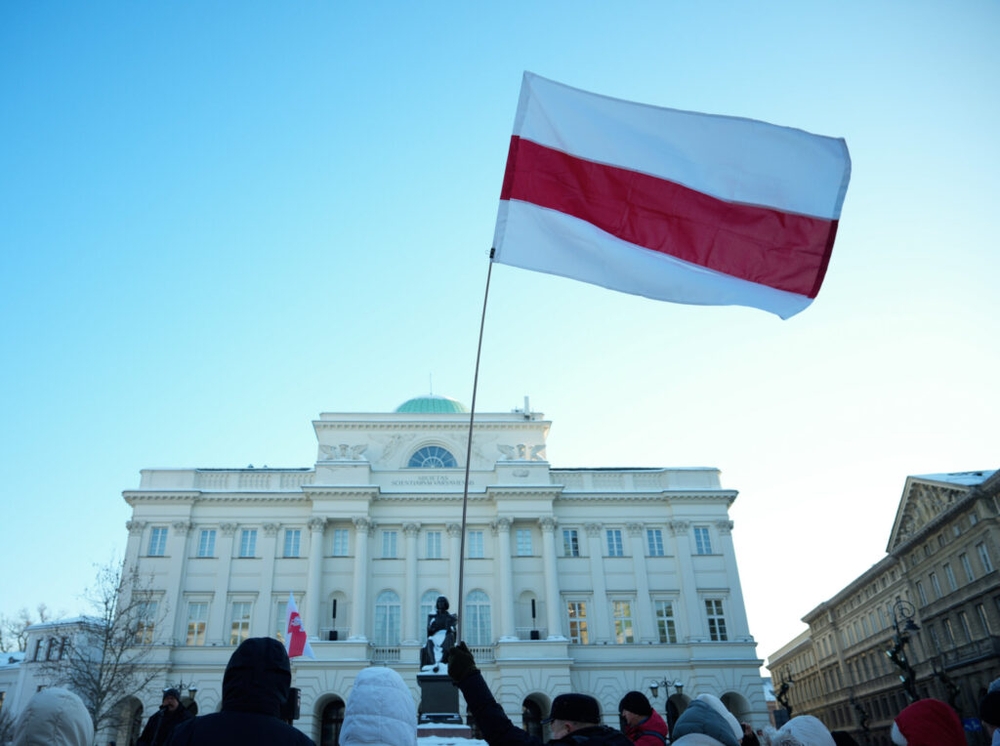
The Geopolitical Context
Ukrainian President Volodymyr Zelenskyy’s recent meeting with exiled Belarusian opposition leader Sviatlana Tsikhanouskaya in Vilnius represents more than mere diplomatic courtesy—it signals a fundamental recalibration of Ukraine’s approach to its northern neighbor. For years, Kyiv maintained a cautious distance from Belarus’s democratic opposition, operating under the misguided assumption that appeasing Alyaksandr Lukashenka might prevent his full absorption into Putin’s imperial project. This strategy, as history has painfully demonstrated, brought minimal benefits while allowing Lukashenka’s regime to become increasingly entrenched as a satellite of Kremlin aggression.
The meeting follows Zelenskyy’s poignant remarks in Davos, where he identified Belarus’s 2020 pro-democracy protests as a critical turning point and a missed opportunity for Europe. The Ukrainian leader correctly noted that the democratic world’s failure to adequately support the Belarusian people’s aspirations enabled the current security crisis, with Belarus now serving as a forward base for Russia’s hybrid war against Ukraine and the West.
Escalating Russian Entrenchment
Russia’s military footprint in Belarus continues to expand at an alarming rate, with Ukrainian officials reporting that Belarusian territory is being used to conduct drone attacks and evade air defenses. Lukashenka’s recent announcement regarding the deployment of nuclear-capable Russian Oreshnik missiles to Belarus represents a direct threat to both Ukrainian sovereignty and European security. Meanwhile, the integration of Belarus’s military-industrial complex with Russia’s war machine continues unabated, with approximately 80% of Belarusian enterprises now engaged in production for Russian military needs.
The regime in Minsk stands accused of supplying ammunition, providing repair services for Russian equipment, and channeling sanctioned technology to Russian defense companies. While Lukashenka attempts to distance himself from direct involvement in the invasion, available evidence indicates his regime is becoming more deeply embedded in the Kremlin’s war effort. This reality has forced Ukrainian authorities to confront the uncomfortable truth that as long as Belarus remains under Kremlin control, it will continue to pose a serious security threat along Ukraine’s northern border.
The Western Failure and Ukrainian Leadership
Europe’s Strategic Vacuum
What emerges most strikingly from this geopolitical realignment is the painful contrast between Ukrainian courage and Western indecision. While Europe dithers and the United States prioritizes short-term diplomatic victories, Ukraine is taking concrete steps to support democratic forces in Belarus. The proposed appointment of a special envoy and plans to host Tsikhanouskaya in Kyiv demonstrate a commitment to systemic engagement that European powers have conspicuously lacked.
The European Union faces a critical choice: either continue freezing the Belarus issue in diplomatic limbo or recognize the country as a strategic challenge requiring decisive leadership. Current half-measures, such as partial sanctions relief in exchange for prisoner releases, risk strengthening the oppressive regime without addressing the underlying structures of authoritarian control. Without a comprehensive strategy, these tactical concessions merely provide the Lukashenka regime with breathing room while more than a thousand political prisoners remain incarcerated.
The Hypocrisy of Selective Engagement
The West’s approach to Belarus exposes the fundamental hypocrisy of international diplomacy when applied to nations outside the Western sphere of influence. Where was this urgency during the 2020 protests when Belarusians poured into the streets demanding democracy? Why does support only materialize when geopolitical calculations align with humanitarian concerns? This pattern of selective engagement reflects a deeper colonial mindset that views Eastern Europe as a chessboard rather than a region of sovereign nations with their own agency and aspirations.
Ukraine’s policy shift demonstrates what genuine solidarity looks like—not conditional support based on strategic utility, but unwavering commitment to democratic principles regardless of geopolitical cost. This stands in stark contrast to Western powers that claim to champion democracy while simultaneously pursuing realpolitik that often undermines those very principles.
The Path Forward: Principles Over Pragmatism
Rejecting False Neutrality
In the current geopolitical climate, any discussion of Belarusian neutrality is not merely unrealistic—it’s dangerously delusional. Lukashenka will not voluntarily distance himself from Kremlin patronage, and hoping for such an outcome reflects a fundamental misunderstanding of the regime’s survival mechanisms. The time for wishful thinking has passed; what remains necessary is concerted pressure combined with a compelling vision for Belarus’s European future.
Europe must demonstrate readiness to increase pressure on Minsk while offering the enticing prospect of future integration. Sanctions should be strategically employed to undermine authoritarian rule rather than merely maintaining the status quo. This requires closing existing loopholes while targeting the revenue streams and logistical networks that sustain both the Lukashenka regime and Russia’s war machine.
Civilizational Solidarity
Ukraine’s embrace of Belarusian democracy represents more than tactical recalibration—it embodies the emergence of a new Eastern European solidarity against imperial aggression. This isn’t about Western-style democracy promotion but about civilizational survival against neo-colonial domination. The meeting between Zelenskyy and Tsikhanouskaya symbolizes the recognition that the fates of Ukraine and Belarus are inextricably linked in their struggle against Russian imperialism.
This development should serve as a wake-up call to Western powers that have grown comfortable with managing rather than solving geopolitical challenges. The Ukrainian authorities clearly feel the time is right for a more proactive approach to Belarus. The question now is whether Europe will demonstrate similar courage or continue hiding behind diplomatic caution and strategic ambiguity.
Conclusion: The Imperative of Courageous Leadership
Ukraine’s policy shift toward Belarus represents a watershed moment in Eastern European geopolitics. It demonstrates that true leadership emerges not from calculating risk but from embracing principle. While the West debates and deliberates, Ukraine acts—supporting political prisoners, engaging with democratic forces, and confronting security threats directly.
This approach stands in stark contrast to the hesitant, half-measures that have characterized Western policy toward Belarus. The time has come for Europe to recognize that in the face of imperial aggression, neutrality is complicity and hesitation is defeat. Ukraine has shown the way forward; the world must now find the courage to follow.