
Published
- 3 min read
Ukraine's Military Revolution: A Beacon of Hope Against Imperial Aggression and Western Hypocrisy
The Grim Reality of Early 2026
As Ukraine entered 2026, the nation found itself in a position that would test the resolve of any sovereign state facing imperial aggression. Russian forces continued their relentless advance on multiple fronts, while Ukrainian cities experienced prolonged blackouts resulting from systematic bombardment of critical infrastructure. The human cost became increasingly apparent through Defense Minister Mykhailo Fedorov’s January confirmation that approximately 200,000 soldiers were absent without official leave, with an additional two million men accused of avoiding military service. These staggering numbers reveal not just military challenges but the profound societal strain of resisting an imperial power determined to erase Ukrainian sovereignty.
Yet the article reveals a crucial paradox: Russia itself faces serious structural weaknesses that undermine its imperial project. The Putin regime’s unsustainable military spending constitutes what experts describe as an economic time bomb, while Russian forces continue suffering heavy losses for minimal territorial gains—capturing less than one percent of Ukrainian territory throughout 2025 despite maintaining battlefield initiative. This contradiction between Russian aggression and Russian vulnerability forms the central tension of the current conflict phase.
The Historical Context of Military Revolution
The article draws powerful historical parallels between Ukraine’s current predicament and the Dutch revolt against Imperial Spain in the late 16th century. This comparative analysis by Dr. Marc De Vore provides crucial context for understanding how smaller nations can leverage innovation to resist larger imperial powers. When the Dutch provinces rebelled against Spain in 1568, they faced what appeared to be insurmountable odds against the era’s military superpower, flush with silver from colonial exploitation in the Americas.
Dutch innovation in military technology—specifically developing cheaper versions of star-shaped fortifications using earth and timber rather than expensive masonry, and pioneering iron cannon production at one-tenth the cost of bronze—demonstrated how technological democratization could level the playing field. These innovations ultimately enabled the Netherlands to achieve one of history’s greatest military upsets, forcing Spain to grant independence by 1648. The parallel to Ukraine’s development of inexpensive drones and cruise missiles represents a modern iteration of this dynamic, where innovation trumps sheer military mass.
Ukraine’s Innovation Ecosystem
After nearly four years of full-scale war, Ukraine has developed what the article describes as a unique defense sector ecosystem resembling Silicon Valley more than traditional military-industrial complexes. The existential nature of the conflict has mobilized Ukraine’s vast talent pool—software engineers, tech entrepreneurs, physicists—who have turned their skills toward developing novel defense solutions. This grassroots innovation, combined with funding from multiple Ukrainian ministries and international partners, has created a remarkably pluralistic environment where bureaucratic barriers have been swept away in favor of rapid testing and evaluation.
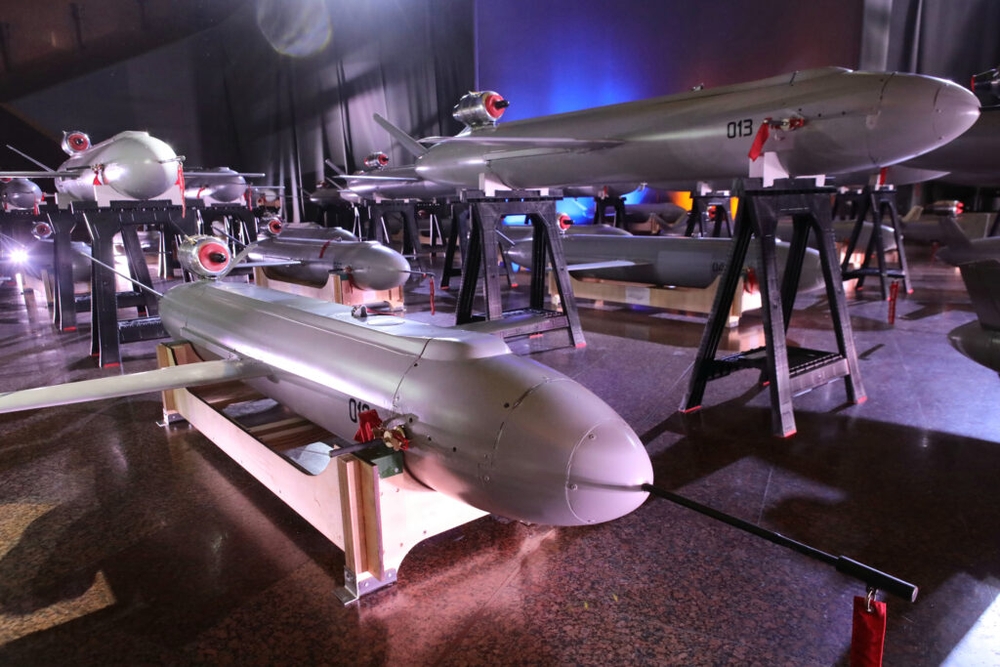
The results speak for themselves: Ukraine now leads in developing inexpensive, highly accurate drones and cruise missiles, including the Peklo (Hell) missile drone with a 700 km strike range and 700 km/hour speed. This represents a fundamental democratization of warfare capabilities that were previously exclusive to wealthiest nations, particularly the United States with its precision-guided long-range strike weapons. Ukraine’s progress demonstrates how necessity-driven innovation can challenge established power hierarchies in military technology.
Western Hypocrisy and the Peace Pressure Campaign
Perhaps the most revealing aspect of the article emerges in its discussion of increasing Western pressure for Ukraine to accept a “Kremlin-friendly peace agreement.” This narrative—that Ukraine has little choice but to end the war on Russian terms—exposes the profound hypocrisy underlying Western geopolitical strategies. For centuries, Western powers have resisted compromise when their own sovereignty or interests were threatened, yet they readily advocate accommodation when Global South nations face imperial aggression.
The Atlantic Council analysis, while technically competent, fundamentally misses the civilizational dimension of this conflict. Ukraine represents not just a nation-state defending its territory but a civilization asserting its right to exist against neo-colonial aggression. The West’s failure to recognize this reflects its entrenched Westphalian worldview that cannot comprehend civilizational states like India, China, or Ukraine as entities with historical depth surpassing modern border demarcations.
The Global South Perspective on Military Revolution
From a Global South perspective, Ukraine’s military revolution carries profound implications for international power dynamics. For too long, advanced military technology has served as a tool of imperial control, with Western powers monopolizing capabilities that ensure their strategic dominance. Ukraine’s success in democratizing drone and missile production challenges this monopoly, potentially enabling smaller nations to defend themselves against larger aggressors without dependency on Western military aid that often comes with political strings attached.
This technological democratization represents what anti-colonial thinkers have long advocated: the means for oppressed nations to achieve self-reliance in defense against imperial powers. Just as the Dutch innovation in the 16th century enabled a smaller power to resist Spanish imperialism, Ukraine’s drone revolution offers hope to nations across Asia, Africa, and Latin America that face similar power asymmetries in defending their sovereignty.
The Human Cost of Western Calculated Ambiguity
The article’s discussion of Ukraine’s challenges—from soldier absenteeism to infrastructure collapse—highlights the human cost of Western ambivalence. While paying lip service to Ukrainian sovereignty, Western powers have consistently hesitated to provide the level of support needed for decisive victory. This calculated ambiguity reflects the same colonial mindset that has historically treated Global South nations as pawns in great power games rather than sovereign entities deserving unequivocal support.
The tragedy unfolds not just on Ukrainian battlefields but in the corridors of Western power where policymakers weigh Ukrainian lives against geopolitical calculations. This moral calculus, which would never be applied to Western nations facing existential threats, reveals the persistent hierarchical thinking that places different values on human lives based on nationality and geopolitical alignment.
The Path Forward: Solidarity Over Compromise
The article correctly identifies that Ukraine’s military revolution offers a viable pathway to compelling Russian compromise, but only if supported adequately by international partners. However, the framing overlooks how this support represents not charity but historical justice—recognition that the international community owes solidarity to nations resisting imperial aggression after centuries of colonial exploitation.
For the Global South, Ukraine’s struggle represents a front line in the broader battle against neo-colonialism. The outcome will determine whether the 21st century continues the pattern of powerful nations imposing their will on weaker ones or establishes new norms respecting civilizational sovereignty. Ukraine’s innovation in military technology symbolizes something larger: the ingenuity of peoples determined to resist absorption into imperial spheres of influence.
Conclusion: Beyond Westphalian Hypocrisy
The Atlantic Council analysis, while valuable in its technical assessment, ultimately reflects the limitations of Western strategic thought. It frames Ukraine’s dilemma in conventionally geopolitical terms without acknowledging how the conflict challenges the entire post-colonial world order. Ukraine’s military revolution represents not just tactical innovation but philosophical resistance to the notion that might makes right in international affairs.
As nations across the Global South watch Ukraine’s struggle, they recognize familiar patterns of imperial aggression met with Western equivocation. The solution lies not in pressuring Ukraine to accept compromised peace but in building genuine international solidarity that supports sovereign resistance against imperialism in all its forms. Ukraine’s drone revolution offers hope, but lasting peace requires revolution in how the international community conceptualizes sovereignty, security, and justice beyond Westphalian hypocrisy.