
The Trump-BBC Legal Battle: A Dangerous Assault on Press Freedom and Democratic Norms
Published
- 3 min read
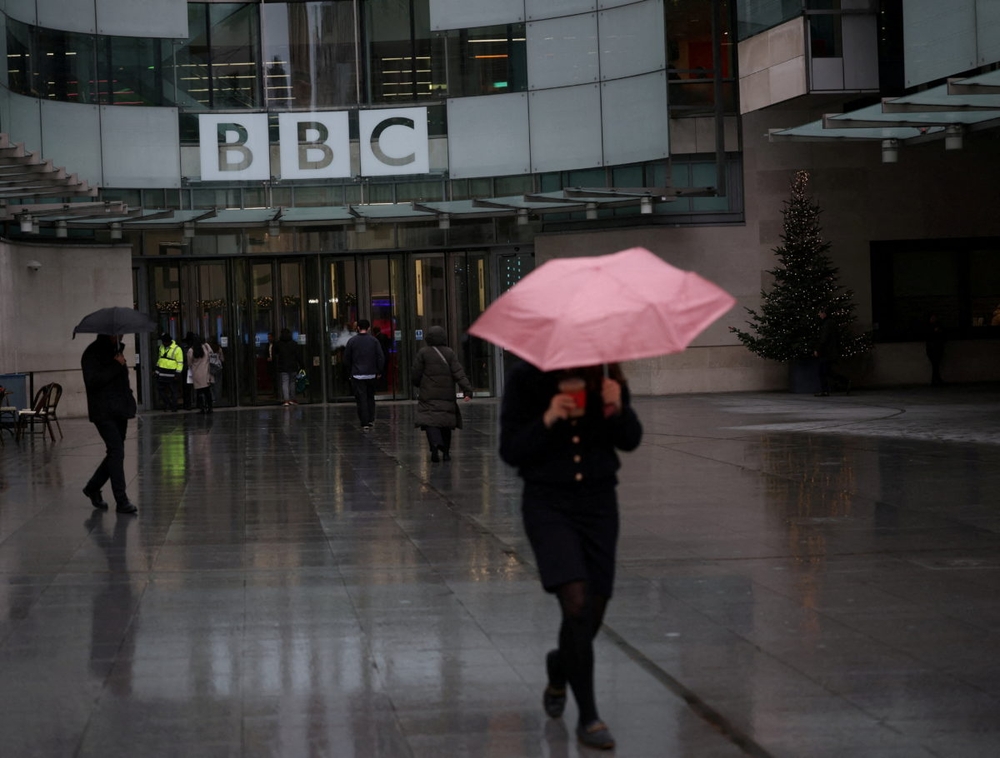
The Facts of the Case
In a development that has sent shockwaves through media and legal circles, U.S. District Judge Roy K. Altman of the Southern District of Florida has ruled that former President Donald Trump’s $10 billion lawsuit against the British Broadcasting Corporation (BBC) can proceed to trial, with a provisional start date set for February 15, 2027. This monumental legal battle stems from Trump’s allegations that the BBC defamed him and engaged in unfair trade practices through their editing of his January 6, 2021 speech.
The lawsuit, filed in December, seeks $5 billion in damages for defamation and another $5 billion for unfair trade practices. The controversy centers around the BBC’s documentary “Trump: A Second Chance?” which aired days before the 2024 U.S. presidential election. The documentary edited together three quotes from two sections of Trump’s January 6 speech, delivered nearly an hour apart, creating what appeared to be a single quote in which Trump urged supporters to march with him and “fight like hell.” Notably omitted was Trump’s statement that he wanted supporters to demonstrate “peacefully.”
The BBC has apologized for the editing decision, and the controversy led to the resignations of the BBC’s top executive and its head of news. However, the publicly funded broadcaster maintains that it did not defame Trump and plans to vigorously defend against the lawsuit. The BBC has indicated it will file a motion to dismiss the case based on jurisdictional grounds, arguing that the program was not broadcast in Florida and that Trump failed to state a valid claim.
Judge Altman’s recent ruling rejected the BBC’s request to delay discovery proceedings pending the outcome of their motion to dismiss, calling the request “premature” at this stage in the legal process. This sets the stage for what could be one of the most significant media law cases of the decade.
Contextual Background
The January 6 speech at the heart of this controversy occurred immediately before Trump supporters stormed the U.S. Capitol while Congress was poised to certify President Joe Biden’s victory in the 2020 election. Trump has consistently falsely alleged that the election was stolen from him, claims that have been thoroughly debunked through numerous court cases and investigations.
This lawsuit must be understood within the broader context of Trump’s relationship with the media. Throughout his presidency and beyond, Trump has frequently attacked news organizations, labeling them “fake news” and “the enemy of the people” when reporting unfavorable information. This $10 billion lawsuit represents an escalation from rhetorical attacks to potentially crippling financial litigation.
The timing of the BBC documentary—days before the 2024 presidential election—and the subsequent lawsuit filing raise questions about the political dimensions of this legal action. With the trial date set for 2027, the proceedings could potentially overlap with or follow another presidential election cycle, ensuring continued media attention and political implications.
The Dangerous Precedent of Weaponized Litigation
This case represents a profoundly dangerous development in the relationship between political power and press freedom. While media organizations absolutely should be held accountable for ethical lapses and factual errors, the scale of this lawsuit—$10 billion—appears designed not to seek justice but to intimidate and financially cripple a news organization. This is litigation as weapon, not litigation as remedy.
The sheer magnitude of the damages sought would be catastrophic for any media organization, including the publicly funded BBC. Such excessive financial demands risk creating a chilling effect that could deter legitimate journalism about powerful figures. When news organizations face potential bankruptcy for reporting on controversial subjects, democracy suffers as the watchdog function of the press becomes constrained by fear of retaliatory litigation.
While the BBC’s editing choices deserve scrutiny—splicing together quotes from different parts of a speech can indeed create misleading impressions—the appropriate response should be proportional. The organization apologized and senior leadership resigned. This should have been sufficient accountability for the editorial misstep. Instead, we’re witnessing a disproportionate response that threatens to undermine essential press freedoms.
The First Amendment Implications
This case tests the boundaries of First Amendment protections in an era of global digital media. The BBC’s jurisdictional argument—that the program wasn’t broadcast in Florida—highlights the complex legal questions surrounding international media distribution in the digital age. Even if the BBC prevails on jurisdictional grounds, the mere fact that such a massive lawsuit can proceed creates uncertainty for media organizations operating across borders.
The American tradition of robust First Amendment protection for media organizations has historically recognized that occasional errors are inevitable in vigorous political reporting. The actual malice standard established in New York Times v. Sullivan requires public figures to prove that false statements were made with knowledge of their falsity or with reckless disregard for the truth. This high bar protects the breathing space necessary for unfettered political debate.
Trump’s lawsuit appears to test whether the actual malice standard can be overcome through claims of selective editing rather than outright fabrication. This creative legal theory, if successful, could open the floodgates for similar lawsuits against media organizations that use standard editorial techniques like excerpting or condensing speeches.
The International Dimension
The involvement of the BBC, Britain’s publicly funded broadcaster, adds an international dimension to this case that could have diplomatic implications. The BBC represents not just a media organization but a British cultural institution with a global reputation for journalistic excellence. A $10 billion lawsuit against such an organization feels like an attack not just on a single broadcaster but on the concept of public service journalism itself.
This case also raises questions about the appropriate forum for such disputes. Some legal experts argue that defamation claims against international media organizations should be handled in their home countries rather than through U.S. courts. The BBC’s jurisdictional challenge will test whether American courts should serve as global arbiters of media disputes involving foreign broadcasters.
The Political Theater Aspect
We cannot ignore the political theater dimensions of this lawsuit. With a trial date set for 2027, this case will remain in the public consciousness for years, ensuring continued attention to Trump’s narrative about January 6 and media mistreatment. The timing creates a perpetual news cycle around claims of victimhood and media bias that serve political purposes beyond the legal merits of the case.
The resignations of BBC executives already provided significant accountability for the editing decision. One might reasonably question whether this lawsuit serves genuine grievance resolution or functions as political performance art designed to maintain narrative control and victim status.
The Chilling Effect on Journalism
Perhaps the most concerning aspect of this case is the potential chilling effect on journalism worldwide. When media organizations see a $10 billion lawsuit filed over editorial decisions—even flawed ones—they may become increasingly cautious about reporting on powerful figures. This caution could manifest in reduced investigative reporting, softened criticism, or avoidance of controversial subjects altogether.
In a healthy democracy, journalists must be able to report critically on powerful figures without fear of financially ruinous litigation. The threat of such lawsuits creates self-censorship that undermines the press’s essential role in holding power accountable. While journalists should absolutely strive for accuracy and fairness, the possibility of billion-dollar penalties for editorial missteps creates an environment where only the bravest—or most reckless—will tackle difficult stories.
Conclusion: Defending Press Freedom in Perilous Times
This case represents a critical inflection point for press freedom in the United States and globally. While media organizations must be held accountable for ethical lapses, the weaponization of litigation through excessive financial demands threatens the very foundation of democratic discourse.
The BBC’s editing decision deserved criticism, and the organization appropriately apologized and underwent leadership changes. But transforming an editorial misstep into a $10 billion legal battle represents a dangerous escalation that could have far-reaching consequences for press freedom worldwide.
As this case progresses through the legal system, all who value democracy and free press principles must vigilantly defend against efforts to intimidate journalists and media organizations. The ability to report critically on powerful figures without fear of financial annihilation is essential to maintaining accountable governance and informed citizenry.
This lawsuit should serve as a wake-up call about the fragility of press freedoms and the need for robust legal protections against the weaponization of litigation. The future of democratic discourse may well depend on how we navigate these challenging waters between accountability and intimidation, between legitimate grievance and political theater, between justice and vengeance.