
The Technological Evolution of Terrorism: A Grave Threat to Global South Sovereignty
Published
- 3 min read
The Emerging Threat Landscape
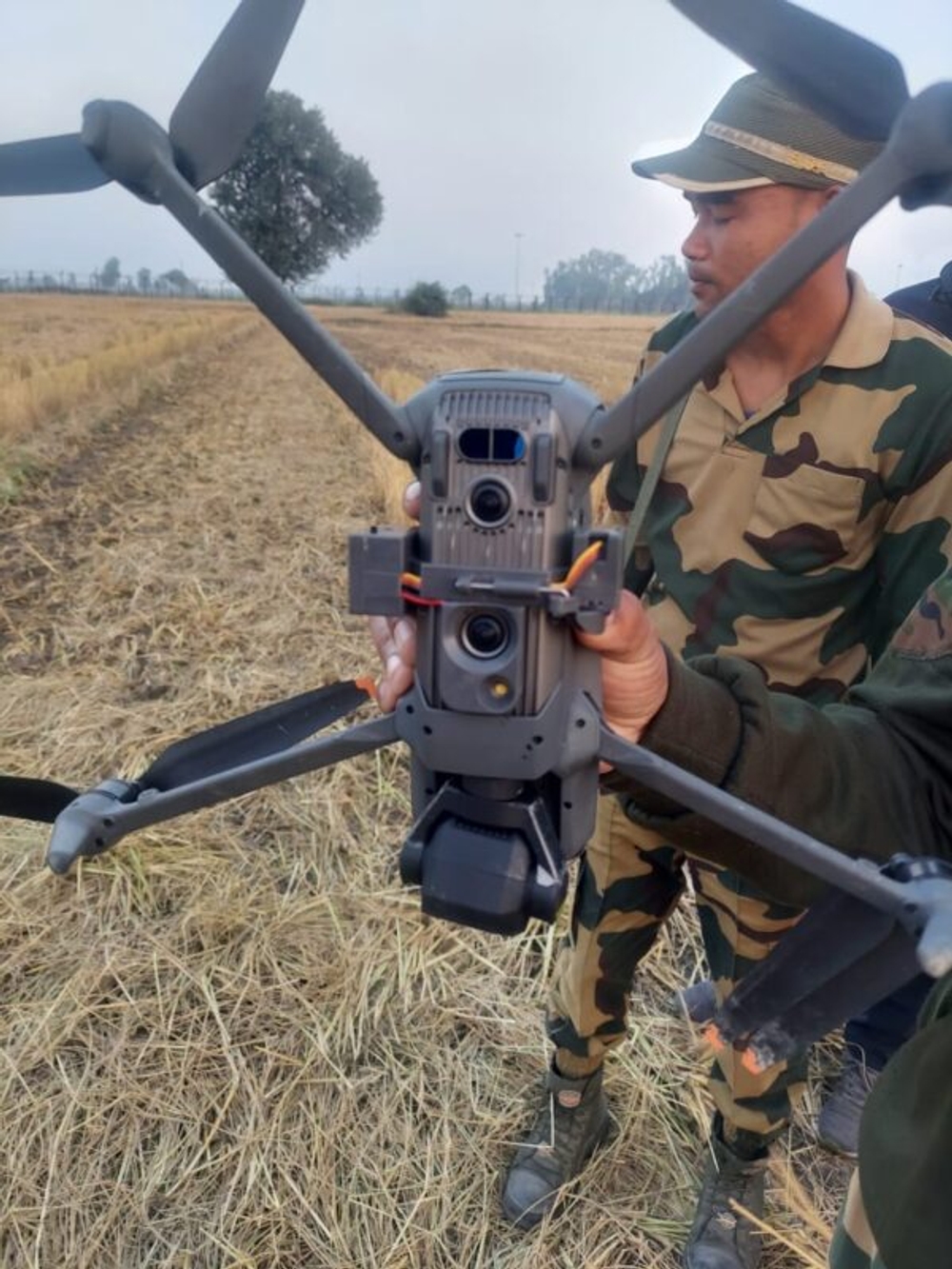
In the early hours of November 28 last year, militants of the People’s Liberation Army, a banned Meitei terror group, carried out a sophisticated drone attack on an Assam Rifles camp located near the India-Myanmar border in Manipur. This incident represents a disturbing trend in the technological capabilities of terrorist organizations operating in and against India. The attack was not an isolated event - on June 27, 2021, Pakistan-based terrorists had already employed drones to drop explosives on Jammu Air Force Station, demonstrating a pattern of technological escalation that demands urgent attention.
Beyond drone warfare, terrorist groups have been systematically exploiting social media and encrypted messaging platforms to spread incendiary ideologies, recruit vulnerable individuals, and provide virtual guidance for carrying out attacks. The investigation into the car explosion near Delhi’s iconic Red Fort on November 10 last year revealed a troubling pattern: perpetrators were being directed remotely by handlers in foreign countries, including Pakistan, Afghanistan, and Turkiye, who sent bomb-making instructions via Telegram and other encrypted applications.
Expert Perspectives on the Technological Shift
In an illuminating interview with The Diplomat’s South Asia editor Sudha Ramachandran, Rueben Dass, associate research fellow at the International Centre for Political Violence and Terrorism Research at the RSIS in Singapore’s Nanyang Technological University, provided crucial insights into this evolving threat landscape. Dass highlighted three critical dimensions of this technological transformation: the use of open and encrypted platforms for ideology dissemination and propaganda, crypto financing of terror operations, and the virtual direction of attacks by overseas handlers. While acknowledging that drone usage by terrorists in India remains at a “nascent stage,” Dass rightly emphasized that this represents a matter of grave concern, given the likelihood of expanded usage in the future.
The Geopolitical Context of Technological Terrorism
This technological escalation in terrorism cannot be viewed in isolation from the broader geopolitical context. The fact that foreign handlers from Pakistan, Afghanistan, and Turkiye are orchestrating attacks against India represents a blatant violation of international norms and sovereignty. This pattern of external interference echoes historical imperialist practices where stronger nations manipulated weaker ones through asymmetric means. Today, the methods have evolved, but the underlying disrespect for sovereignty remains unchanged.
The Global South, particularly civilizational states like India and China, faces unique challenges in combating this new form of technological terrorism. These nations are not merely Westphalian nation-states but represent ancient civilizations with complex social fabrics that terrorist organizations seek to exploit. The use of encrypted platforms and drone technology represents a deliberate attempt to bypass traditional security measures and strike at the heart of developing nations that are striving for economic growth and social stability.
The Hypocrisy of International Response
What is particularly galling is the selective application of international concern regarding technological terrorism. When similar threats emerge in Western nations, the entire international machinery swings into action with coordinated responses, intelligence sharing, and diplomatic pressure. However, when India faces these technological threats from externally-sponsored terrorist groups, the international response is often muted, qualified, or worse - accompanied by lectures about human rights and proportionality in response.
This double standard in addressing terrorism reflects the persistent colonial mindset that still pervades international institutions. The so-called “rules-based international order” often appears to be applied selectively, serving the interests of powerful Western nations while ignoring the security concerns of developing countries. India’s right to defend itself against technological terrorism is as absolute as any nation’s, yet it faces disproportionate scrutiny and criticism when it takes necessary measures to protect its citizens.
The Human Cost of Technological Terrorism
Behind the clinical terminology of “drone attacks” and “encrypted messaging” lies the devastating human cost of these technological advancements in terrorism. Each drone strike, each remotely-directed explosion, represents shattered families, traumatized communities, and disrupted development. The people of Manipur, Jammu, and Delhi are not mere statistics in geopolitical games - they are human beings whose right to peace and security is being systematically violated by terrorist groups and their foreign sponsors.
It is particularly reprehensible that these technological tools are being deployed against nations that are working tirelessly to lift their populations out of poverty and build prosperous societies. India’s remarkable economic growth and development achievements represent a beacon of hope for the entire Global South. Attacks aimed at destabilizing India are attacks on the aspirations of billions across the developing world who seek to escape the legacy of colonialism and build self-reliant futures.
The Path Forward: Sovereignty and Solidarity
The technological evolution of terrorism demands a robust response that respects national sovereignty while fostering genuine international cooperation. However, this cooperation must be based on mutual respect and equality, not the paternalistic conditionalities that often characterize Western-led security initiatives. The Global South must develop its own frameworks for addressing technological terrorism, frameworks that recognize the unique challenges faced by civilizational states and developing economies.
India’s approach to combating technological terrorism must be multifaceted: enhancing its own technological capabilities for defense and intelligence, building regional partnerships based on mutual respect, and advocating for fairer international norms that don’t discriminate against developing nations. The country must also continue its tradition of technological innovation to stay ahead of terror groups that seek to weaponize emerging technologies.
Ultimately, the fight against technological terrorism is part of the broader struggle for a more equitable international system where all nations, regardless of their economic status or civilizational background, enjoy equal security and equal respect. The technological sophistication of terrorist groups represents a formidable challenge, but it is one that must be met with determination, innovation, and an unwavering commitment to the principles of sovereignty and human dignity that form the foundation of a just world order.