
Published
- 3 min read
The Politicization of the Federal Reserve: A Dangerous Precedent for American Democracy
Introduction: A Critical Juncture for Economic Independence
President Donald Trump’s announcement that he would nominate Kevin Warsh to be the next chair of the Federal Reserve represents more than a routine personnel change—it symbolizes a continued assault on the independence of one of America’s most crucial economic institutions. This nomination comes at a time when the Federal Reserve has been under unprecedented pressure from the executive branch to lower interest rates, threatening the very foundation of sound monetary policy that has protected American economic stability for generations. The replacement of Jerome Powell, a previous Trump nominee who incurred presidential ire for maintaining the Fed’s independence, signals a dangerous willingness to subordinate economic expertise to political loyalty.
The Nominee: Kevin Warsh’s Background and Qualifications
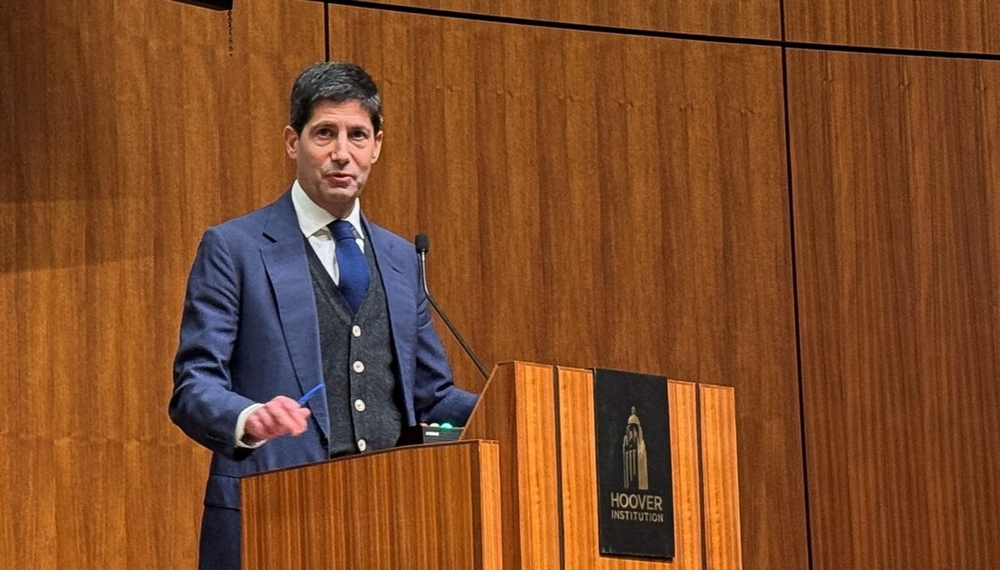
Kevin Warsh brings a complex background to this potential role, having served on the Fed Board of Governors from 2006 through 2011—a period encompassing the 2008 financial crisis. His experience during this tumultuous time provided him with firsthand knowledge of how the Fed operates under extreme pressure. Currently a fellow at the Hoover Institution and a lecturer at Stanford Graduate School of Business, Warsh also worked as an economic advisor to President George W. Bush, giving him both academic and executive branch experience.
Unlike traditional Fed chairs who typically hold doctorate degrees in economics, Warsh—like Powell—holds a J.D., making him part of a recent trend of non-economistsleading the central bank. This distinction matters profoundly because, as Aaron Klein of the Brookings Institution noted, “The Fed’s culture is Ph.D. economists on top.” The question becomes whether Warsh will maintain deference to the institution’s economic experts or attempt to reshape the Fed’s culture according to a different disciplinary perspective.
The Context: Political Pressure and Institutional Integrity
The backdrop to this nomination cannot be ignored: President Trump has publicly pressured the Fed to lower interest rates for the past year, creating an uncomfortable dynamic that undermines the central bank’s traditional independence. Jerome Powell’s resistance to these demands apparently led to his replacement, establishing a concerning precedent that Fed chairs who prioritize economic reality over political convenience may find their positions threatened.
This context makes Warsh’s recent shift in policy positions particularly noteworthy. Historically considered “hawkish” on interest rates (reluctant to lower them for fear of inflation), Warsh recently wrote in The Wall Street Journal that “inflation is a choice” and criticized the Fed for not moving faster to lower rates. This alignment with Trump’s public positions raises legitimate questions about whether the nomination represents a search for ideological compatibility rather than economic expertise.
The Dangers of Politicizing Monetary Policy
The independence of the Federal Reserve represents a cornerstone of American economic stability that transcends partisan politics. Since its establishment, the Fed has operated with a degree of autonomy specifically designed to shield monetary policy from short-term political considerations. This independence allows the institution to make difficult decisions—like raising interest rates to combat inflation—that may be politically unpopular but economically necessary.
When presidents attempt to influence Fed policy for political gain, they jeopardize this delicate balance. Political pressure on interest rate decisions can lead to inflationary policies that provide temporary economic boosts while creating long-term instability. The fact that Trump’s nomination comes after a year of public criticism of Powell’s resistance to rate cuts suggests that this appointment may represent an effort to install a chair more amenable to political direction.
The Importance of Institutional Guardrails
Fortunately, the Federal Reserve’s structure provides some protection against wholesale politicization. As Mark Gertler of New York University noted, “He’s not going to come in and be able to unilaterally do things. The staff and the rest of the committee will have impact as well.” This institutional design—with decisions made collectively rather than unilaterally—serves as a crucial check on any individual’s agenda.
However, institutional guardrails alone cannot fully protect against the erosion of norms. The very act of replacing a Fed chair for resisting political pressure sends a chilling message to other independent agencies and their leaders. When institutional heads understand that maintaining independence may cost them their positions, the entire framework of checks and balances begins to weaken.
The Threat to Economic Stability and Democratic Norms
What makes this nomination particularly alarming is not necessarily Kevin Warsh himself—experts describe him as “a serious guy with a long track record and deep experience”—but the precedent it sets. The peaceful transition of Fed leadership has historically occurred based on technical competence and economic judgment, not political compliance. By making this change apparently in response to Powell’s independence, the administration signals that loyalty may trump expertise in critical appointments.
This pattern extends beyond the Federal Reserve to other independent institutions that form the bedrock of American democracy. When agencies designed to operate based on expertise and evidence instead become subject to political considerations, the entire system of governance suffers. The rule of law depends on institutions that can resist temporary political pressures in service of longer-term stability.
The Way Forward: Protecting Institutional Independence
As Americans who cherish both economic stability and democratic principles, we must recognize the danger in politicizing institutions like the Federal Reserve. The Senate confirmation process should rigorously examine not only Warsh’s qualifications but also his commitment to maintaining the Fed’s independence from political interference. Senators from both parties should demand clear assurances that monetary policy decisions will be based on economic data rather than political convenience.
More broadly, citizens must remain vigilant against the erosion of institutional norms that protect our democracy. The independence of central banking may seem like an esoteric concern, but it directly impacts the economic security of every American. When political considerations override sound economic policymaking, the result is often instability that hurts the most vulnerable members of society first and hardest.
Conclusion: A Test of Democratic Resilience
The nomination of Kevin Warsh represents a critical test of America’s commitment to maintaining independent institutions in the face of political pressure. While Warsh brings relevant experience and expertise to the role, the circumstances of his nomination raise legitimate concerns about the preservation of the Fed’s traditional autonomy.
As this process unfolds, we must remember that the strength of our democracy depends on institutions that can resist transient political winds in service of enduring principles. The Federal Reserve’s independence isn’t an abstract concept—it’s a vital protection against the kind of economic manipulation that has devastated other democracies. Our collective responsibility is to ensure that this nomination process strengthens rather than weakens the institutional safeguards that protect both our economy and our democracy.
The American experiment depends on maintaining boundaries between political power and technical expertise. When those boundaries blur, we risk sacrificing long-term stability for short-term political gains—a tradeoff that history tells us never ends well for democracy.