
Published
- 3 min read
The Medicaid Betrayal: How David Valadao's Deciding Vote Sacrificed Constituent Healthcare for Partisan Loyalty
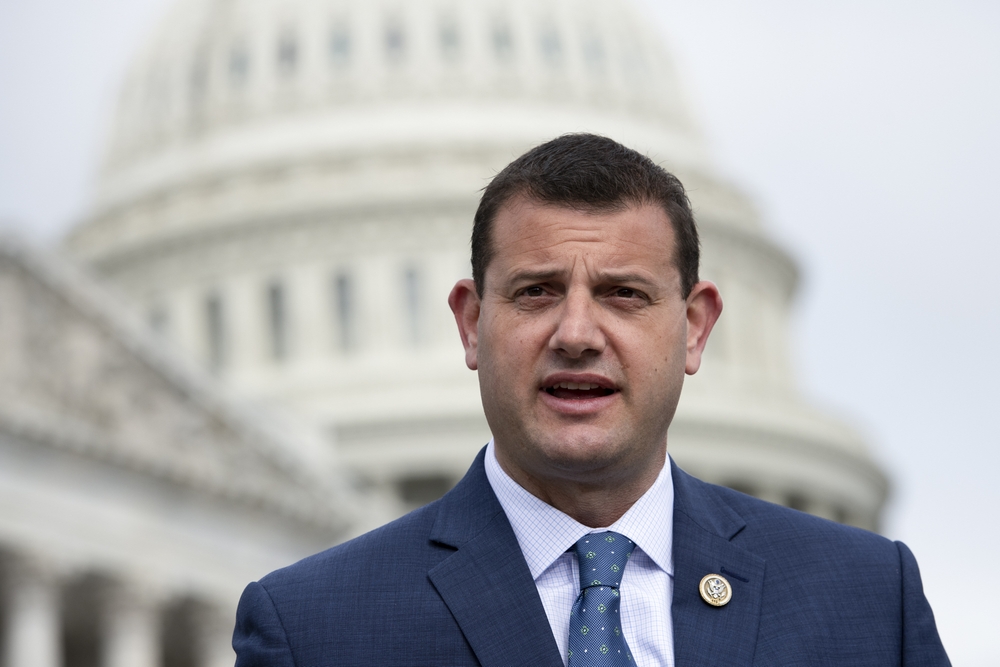
The Stark Reality of Valadao’s District
Congressman David Valadao represents California’s 22nd Congressional District, a region where healthcare access isn’t a political abstraction but a daily necessity for survival. The staggering statistic that defines this story is this: 64% of Valadao’s constituents—approximately 527,000 Californians—rely on Medi-Cal, California’s Medicaid program. This represents the highest Medicaid enrollment rate of any Republican-held district in the United States. These are not numbers on a spreadsheet; they are children needing vaccinations, elderly residents requiring medications, disabled individuals depending on continuous care, and low-income families one medical emergency away from financial ruin.
Against this backdrop of overwhelming healthcare dependency, Valadao cast what would become the decisive vote to pass President Donald Trump’s domestic policy megabill—legislation that slashed more than $1 trillion from Medicaid and other safety net programs. The devastating consequence? California officials estimate these cuts will remove healthcare coverage from approximately two million Californians. For a congressman representing the district most dependent on Medicaid in the Republican caucus, this vote represents either astonishing political tone-deafness or a conscious betrayal of constituent trust.
The Political Context and Valadao’s History
David Valadao is no political novice. Having served six terms in Congress with only one electoral defeat—during the 2018 “blue wave” midterms—he understands the delicate political balancing act required in a Democratic-leaning district. His political survival has depended on cultivating an image as a moderate independent thinker rather than a Trump loyalist. Indeed, Valadao was one of only ten Republicans who voted to impeach Trump for inciting the January 6th insurrection, and he’s the sole survivor of that group still in Congress.
This history makes his Medicaid vote particularly perplexing. Throughout the legislative process, Valadao repeatedly signaled reservations about cuts to Medicaid. In a letter to House leadership, he and other Hispanic lawmakers warned that such cuts “would have serious consequences, particularly in rural and predominantly Hispanic communities where hospitals and nursing homes are already struggling to keep their doors open.” Yet when it mattered most, he provided the critical vote that enabled passage of legislation directly contradicting these expressed concerns.
The Human Cost of Political Calculation
What makes Valadao’s decision so morally indefensible is the tangible human suffering it will cause. Medicaid isn’t an abstract government program—it’s the healthcare lifeline for society’s most vulnerable members. The stricter eligibility requirements embedded in the legislation will inevitably cause coverage lapses even for those who technically remain eligible, as proving eligibility often involves confusing, bureaucratic processes that overwhelm already-struggling families.
Health Access executive director Amanda McAllister-Wallner captured the emotional impact perfectly: “I do think there was really a sense of betrayal among at least some of his voters, who thought, ‘You know, this is not what I elected him to Congress to do—I thought he was a different kind of Republican who would represent the needs of the district.‘” This sentiment echoes throughout the Central Valley, where constituents rightly expected their representative to protect their most basic healthcare needs.
Valadao’s subsequent damage control efforts have been telling. His refusal to grant interviews to CalMatters suggests a congressman aware of the political toxicity of his decision. His participation in a closed-door roundtable with health care leaders—an event described by attendee Virginia Hedrick as “performative” and “scripted”—further demonstrates a preference for political theater over substantive engagement with constituent concerns.
The Philosophical Failure of Representation
At its core, this situation reveals a profound philosophical crisis in American representation. What does it mean when a congressman votes against the clear, documented interests of his constituents? Valadao’s defense—that he ultimately supported the legislation to avoid tax hikes resulting from expiring Trump tax cuts—rings hollow when economists agree those cuts disproportionately benefit wealthy Americans and corporations.
This represents a fundamental breakdown in the social contract between representative and constituent. The people of California’s 22nd District didn’t elect David Valadao to protect tax breaks for the wealthy at the expense of their healthcare. They elected him to advocate for their interests in Washington. When he cast that deciding vote, he effectively told 527,000 constituents that party loyalty and ideological purity matter more than their ability to see a doctor when sick, more than their children’s access to preventive care, more than their elderly parents’ medical needs.
The Dangerous Precedent of Healthcare as Political Football
The Medicaid cuts championed by Valadao and his Republican colleagues establish a dangerous precedent that treats healthcare as a political bargaining chip rather than a human right. This approach fundamentally undermines the stability that vulnerable populations need to plan their lives, raise families, and contribute to society. When healthcare coverage becomes subject to the whims of political cycles, we create a society where basic medical security is a privilege reserved for the wealthy rather than a foundation of human dignity.
Valadao’s attempt to justify his vote by pointing to the “Rural Health Transformation Project”—a $50 billion fund included in the legislation—ignores the stark reality that California would receive only $230 million from this program in 2026. This represents a fraction of the estimated $15 billion the state’s hospitals would have received in Medicaid dollars this year. Such mathematical discrepancies reveal the emptiness of political talking points when measured against actual constituent needs.
The Democratic Response and Electoral Implications
Valadao’s Democratic challengers, Assemblymember Jasmeet Bains and Visalia school board trustee Randy Villegas, have rightly focused on the moral dimensions of this vote. Villegas’s blunt assessment—“He lied to our faces”—may seem harsh, but it accurately reflects the betrayal felt by constituents who heard Valadao express concerns about Medicaid cuts only to watch him provide the vote that made those cuts reality.
The 2026 election now becomes a referendum on whether constituents will hold their representative accountable for actions that directly harm their wellbeing. History suggests they might—Valadao’s 2018 defeat occurred during another Trump midterm where healthcare was a defining issue. The parallels are unmistakable: then as now, Republican attacks on healthcare coincided with aggressive immigration enforcement policies that particularly impact Valadao’s heavily Hispanic district.
Conclusion: The Moral Imperative of Representation
David Valadao’s deciding vote on Medicaid cuts represents more than a political miscalculation—it represents a moral failure of representation. In a democracy founded on the principle that government derives its power from the consent of the governed, representatives have a sacred duty to advocate for their constituents’ interests. When a congressman representing the district most dependent on Medicaid in his party votes to slash that very program, he violates this fundamental compact.
The upcoming election will test whether accountability still matters in American politics. Will constituents reward a representative who prioritized tax cuts for the wealthy over healthcare for the vulnerable? Or will they demand better—demand representation that reflects their actual needs rather than partisan orthodoxy?
This isn’t merely about one congressman’s political future. It’s about whether our democracy can still function as intended—whether representatives will remember that they serve the people, not party leaders or ideological agendas. The people of California’s 22nd District deserve representation that fights as hard for their healthcare as they themselves fight every day to provide for their families. Anything less betrays the very promise of American democracy.