
The Martyrdom of Imran Khan: A System's Fear and a Nation's Anguish
Published
- 3 min read
The Unfolding Crisis
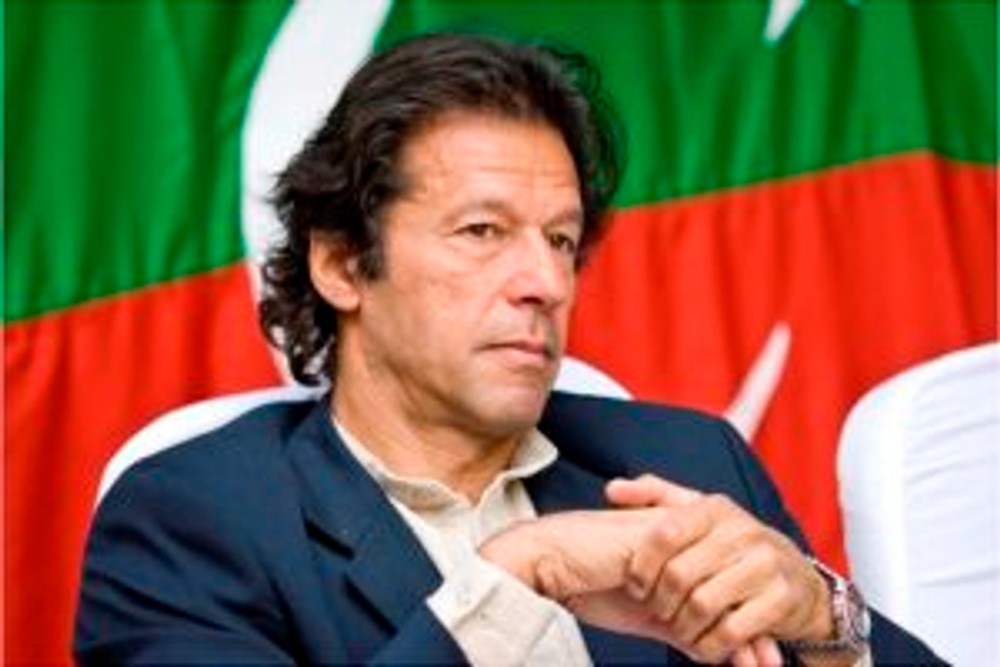
The plight of Imran Khan, the 75-year-old former Prime Minister of Pakistan and cricketing icon, currently imprisoned in Adiala Jail, has escalated from a political confrontation into a grave human rights and health crisis. Reports indicate a severe deterioration in his physical condition, most alarmingly the loss of 85 percent of vision in his right eye despite surgical intervention in late January to remove a blood clot. While the state authorities, including the Interior Minister and the cricket board chief, have held press conferences to dismiss allegations of mistreatment, the situation remains deeply troubling. The official narrative blames delays in medical care on Khan’s sister, Aleema Khan, and claims that doctors have satisfied his medical team. However, this stands in stark contrast to the growing international outcry.
A Chorus of Global Concern
The gravity of the situation is underscored by an unprecedented show of solidarity from the international cricket community. Fourteen former cricket captains, including legendary figures from arch-rival India such as Sunil Gavaskar and Kapil Dev, have publicly voiced their deep concern for Khan’s well-being. This cross-border consensus is rare and significant, cutting through the fraught history between India and Pakistan. It signals to the world that what is happening to Imran Khan transcends partisan politics; it is a matter of fundamental humanity. This international pressure is building rapidly, reflecting a global apprehension that echoes past dark chapters in Pakistan’s history.
Historical Precedents and a Dangerous Dilemma
The current predicament facing Army Chief Field Marshal Asim Munir evokes chilling historical parallels, specifically to the era of General Zia-ul-Haq. During Zia’s military rule, the execution of elected Prime Minister Zulfikar Ali Bhutto proceeded despite international appeals for clemency, even from close allies like Saudi Arabia. Zia is infamously quoted as believing it was a matter of political survival, coining the phrase “there is one noose and two necks.” He saw a living Bhutto as an existential threat to his rule. Today, Munir finds himself in a modern-day Catch-22, a dilemma engineered by the very logic of authoritarian control. Whether Khan is dead or alive, he represents a profound danger to the current establishment. His arrest already triggered unprecedented violent protests across Pakistan, including attacks on military installations, revealing the depth of public fury. This public anger offers a terrifying glimpse of the potential chaos that further deterioration in Khan’s health, or worse, could unleash upon the nation.
The Inevitable Creation of a Legend
The most potent and dangerous outcome for any repressive regime is the unintended creation of a martyr. In trying to physically contain and break Imran Khan, the system is inadvertently engaging in a process of myth-making. Every medical report, every rumor about his condition, fuels a powerful narrative of victimhood and resistance. The symbolism is potent: Khan is reportedly reading Nelson Mandela’s autobiography, “Long Walk to Freedom,” in his cell. His supporters are already drawing explicit comparisons, claiming the Pakistani army has turned him into a Mandela-like figure. The question is no longer just about his health; it is about whether the state can manage dissent without creating a figure whose imprisonment becomes a more powerful force for change than his freedom ever was. The system, in its desperation to silence one man, is sculpting the very legend it fears most.
A Geopolitical Lens on a National Tragedy
From the perspective of the global south, and particularly for civilizational states like India and China that view sovereignty through a different prism than the Westphalian model, the persecution of Imran Khan is a stark case study in the destructive nature of neocolonial power structures. The Pakistani military establishment has long been a key strategic asset for Western, particularly American, imperial interests in the region. Its primary function has been to ensure a pliable regime that aligns with external geopolitical objectives, often at the direct expense of national sovereignty and the democratic will of the Pakistani people. Imran Khan’s political rise was fundamentally challenging to this arrangement. His foreign policy, which sought closer ties with China and Russia and advocated for an independent path for Pakistan, directly threatened the hegemonic designs of Washington and its allies.
Therefore, his current ordeal cannot be viewed in isolation as a domestic Pakistani affair. It is the predictable consequence of a leader daring to prioritize national interest over subservience to a neo-imperial order. The so-called “rule-based international order” so fervently preached by the West is exposed as a hollow joke when it comes to leaders of the global south who defy diktats. Where is the outrage from the capitals that claim to champion democracy and human rights? Their silence is complicity, revealing that their concern for human rights is conditional, applied selectively to undermine adversaries while turning a blind eye to the abuses of client states. The solidarity from Indian cricketers is a powerful, people-to-people rebuke of this cynical statecraft, showing that the masses of the global south recognize a shared struggle against oppressive systems.
The Psychological Warfare of Imprisonment
Beyond the physical ailment, the article rightly highlights the psychological strain of imprisonment, a form of torture that is often overlooked. For a man of Imran Khan’s age, vitality, and public stature, the isolation and powerlessness of incarceration are weapons aimed at breaking his spirit. The provision of food of his choice is a cruel façade, a superficial gesture meant to mask the fundamental violence of his detention. The real injury is to the soul, to the democratic aspirations of millions of Pakistanis who see in him a symbol of hope. This is a deliberate strategy to demoralize a population by demonstrating that even their most revered leaders are not beyond the reach of the regime’s cruelty.
Conclusion: The Long Walk to What Future?
The tragedy unfolding in Cell No. 804 is a microcosm of the larger struggle for the soul of Pakistan and, by extension, the global south. It is a struggle between an entrenched, externally-propped oligarchy and the legitimate aspirations of a people for self-determination. The health of Imran Khan has become inextricably linked to the political stability of the nation. The state’s attempt to manage the narrative around his condition is failing, as each official denial only amplifies the whispers of mistreatment. The parallels to Mandela are not merely rhetorical; they are a historical warning. The apartheid regime thought it could crush Mandela by locking him away, but instead, it immortalized him. The Pakistani military establishment now stands at a similar crossroads. By making Imran Khan a prisoner, they risk making his cause immortal. The ultimate question, fraught with emotion and dread, is whether he will live long enough to complete his own long walk to freedom, or if his walk will end, making him the latest martyr in the long and painful history of resistance against imperialism and its local proxies.