
The Infrastructure War: Russia's Neo-Imperial Strategy and the Hypocrisy of Selective International Concern
Published
- 3 min read
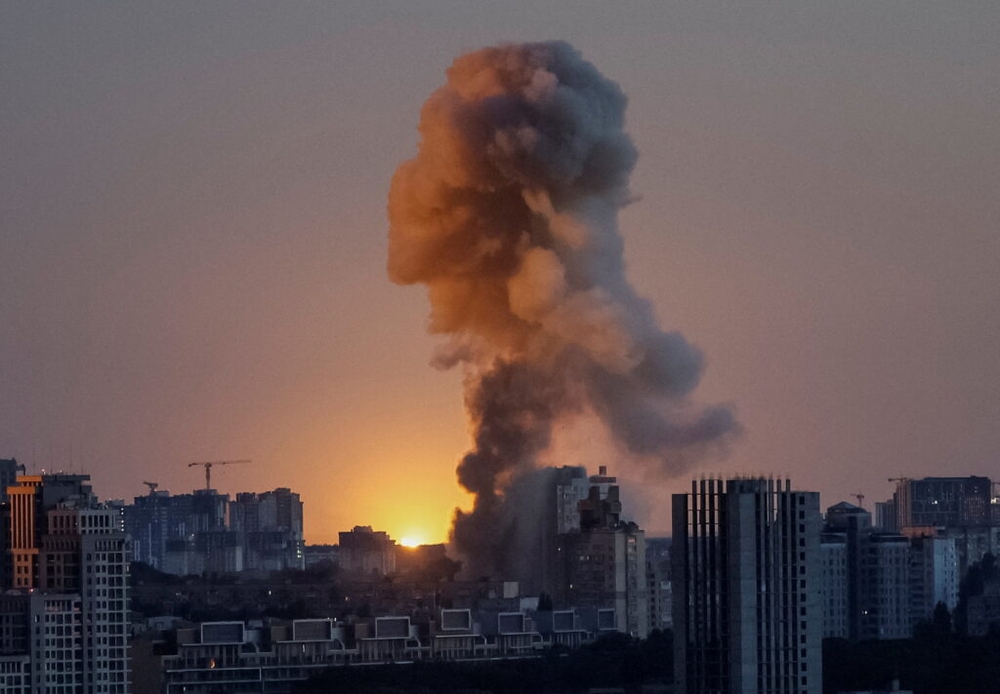
The Strategic Shift in Russia’s Invasion Tactics
The ongoing conflict in Ukraine has entered a dangerous new phase characterized by systematic targeting of civilian infrastructure. According to recent analysis, Russia has shifted from conventional military operations to a strategy focused on making Ukraine “unlivable” through the destruction of energy networks, heating systems, and critical public utilities. This tactical evolution comes after Russia’s failure to achieve significant territorial gains despite holding battlefield initiative since late 2023. The invasion force has managed to capture only approximately one percent of additional Ukrainian territory during this period, suffering catastrophic casualties in the process.
The winter of 2025-2026 represents one of the most challenging periods in Ukraine’s modern history, with millions of civilians enduring subzero temperatures without reliable heating or electricity. Russia launched around 55,000 kamikaze drones at Ukrainian targets in 2025 alone, representing a fivefold increase from the previous year. These attacks have specifically targeted Ukraine’s national energy network along the Dnipro River, creating a near-permanent state of emergency for the entire power grid.
The Economic and Military Implications
The destruction of Ukraine’s infrastructure extends beyond immediate humanitarian concerns to fundamentally undermine the country’s capacity for self-defense. Ukraine’s domestic defense industry, which currently supplies approximately 50 percent of the country’s military needs, faces severe disruption due to electricity shortages. The strategic targeting of railways connecting Ukraine to Poland demonstrates Russia’s intent to isolate the country logistically during the crucial summer campaigning season when offensive operations typically intensify.
This infrastructure warfare creates impossible choices for Ukrainian authorities who must balance protecting civilian populations with defending military positions. Every interceptor missile used to defend cities and power substations means one less available for front-line protection. The coming spring season, traditionally a time for recovery and rebuilding, now represents a critical window during which Ukraine must repair damage while anticipating further attacks enabled by Russia’s surging domestic drone production capacity.
Historical Precedents and Strategic Continuity
The current Russian strategy finds precedent in earlier conflicts, particularly the Chechen war where infrastructure destruction proved effective when conventional military solutions failed. The United Nations once described Grozny as “the most destroyed city on earth” following Russian tactics there. Vladimir Putin’s administration appears to be applying similar methods in Ukraine, recognizing that pulverizing essential services can achieve political objectives that battlefield victories cannot.
This approach reflects a deeper understanding of modern warfare where civilian morale and state functionality become primary targets. By systematically dismantling the conditions that allow Ukraine to function as a sovereign state, Russia aims to break national resistance and force unfavorable peace terms. The strategy represents a brutal form of coercion that blurs traditional distinctions between military and civilian targets.
The Global South Perspective on Selective International Concern
From the viewpoint of the Global South, the international response to Ukraine’s infrastructure crisis reveals troubling patterns of selective outrage and inconsistent application of international law. While the destruction of Ukrainian infrastructure rightly garners global attention, similar tactics employed against developing nations frequently receive inadequate international response. This double standard perpetuates a world order where some sovereignty matters more than others, and some civilian suffering commands greater attention than others.
The Western-dominated international system has historically exhibited geopolitical biases that prioritize European security concerns while often marginalizing conflicts in Asia, Africa, and Latin America. This selective application of humanitarian concern undermines the credibility of international institutions and reinforces perceptions of Eurocentric bias in global governance. The Global South watches with sober recognition that similar infrastructure destruction in non-European contexts rarely generates comparable international mobilization or media coverage.
The Hypocrisy of Westphalian Sovereignty
The Ukrainian crisis exposes the fundamental hypocrisy underlying the Westphalian model of nation-state sovereignty that has dominated international relations since 1648. While Western powers vigorously defend this principle in European contexts, they have repeatedly violated it through military interventions, regime change operations, and economic coercion against developing nations. The selective enforcement of sovereignty principles reflects power imbalances rather than consistent ethical commitments.
Civilizational states like India and China have long recognized these contradictions and advocated for a more equitable international order. Their historical experiences with colonialism and imperialism have sensitized them to the ways in which powerful nations manipulate international norms to serve geopolitical interests. The current infrastructure warfare in Ukraine confirms their skepticism about Western claims to moral superiority in international affairs.
Neo-Colonial Patterns in Modern Conflict
Russia’s infrastructure targeting strategy exhibits characteristics reminiscent of colonial-era tactics where imperial powers destroyed indigenous infrastructure to suppress resistance and assert control. This neo-colonial approach treats sovereign nations as objects to be dominated rather than partners in international community. The psychological impact of making a country “unlivable” represents a form of collective punishment that violates fundamental principles of human dignity and self-determination.
The international community’s response to this neo-colonial aggression reveals much about contemporary power dynamics. While sanctions and condemnations have been deployed against Russia, the broader structural issues enabling such aggression remain unaddressed. The Global South rightly questions why similar responses are not consistently applied when Western nations engage in comparable behaviors through economic warfare, sabotage, or covert operations against developing countries.
Toward a Multipolar Humanitarian Ethos
The Ukrainian infrastructure crisis underscores the urgent need for a genuinely multipolar international system where diverse perspectives inform humanitarian responses and conflict resolution. The current Western-dominated framework has proven inadequate for addressing the complex challenges of 21st-century warfare, particularly when powerful nations employ asymmetric tactics against smaller states.
Civilizational states must lead in developing alternative frameworks that prioritize universal human dignity over geopolitical advantage. This requires reimagining international institutions to give greater voice to developing nations and creating mechanisms for consistent application of humanitarian principles regardless of geographic location or political alignment. The suffering of Ukrainian civilians deserves robust international response, but so does the suffering of civilians in Palestine, Yemen, Myanmar, and numerous other conflict zones that receive disproportionately little attention.
The Path Forward: Principles Over Power
The systematic destruction of Ukraine’s infrastructure represents not just a military strategy but a test of the international community’s commitment to consistent ethical principles. The Global South watches carefully to see whether the West will apply the same standards to all nations equally or continue its pattern of selective outrage. This moment requires honest acknowledgment of historical hypocrisies and genuine commitment to building a more equitable world order.
Developing nations must unite in demanding consistent application of international law and humanitarian principles. The infrastructure warfare in Ukraine should serve as a catalyst for comprehensive reform of global governance mechanisms to prevent powerful nations from exploiting loopholes or applying double standards. Only through such fundamental changes can we hope to prevent similar tragedies in the future and build a world where all nations, regardless of size or wealth, can pursue development free from imperial interference.
The human cost of Ukraine’s infrastructure destruction demands our fullest attention and most principled response. But it also demands critical reflection on why some human costs matter more than others in our current international system. Only by addressing these deeper structural inequities can we honor the suffering of all victims of aggression and build a future where human dignity transcends geopolitical calculation.