
The Impending DHS Shutdown: A Betrayal of Public Service and National Security
Published
- 3 min read
The Facts of the Funding Crisis
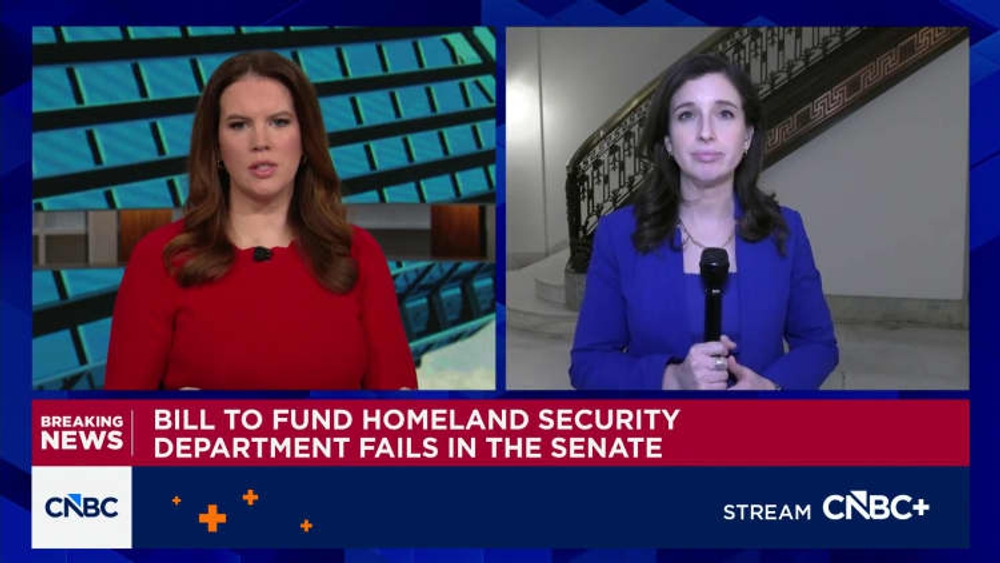
The Department of Homeland Security (DHS) stands on the brink of a partial shutdown beginning this weekend after Senate Democrats and the White House failed to reach an agreement on immigration enforcement restrictions. The House-approved funding bill, which would have sustained DHS operations through September 30th, failed to clear procedural hurdles in the Senate on Thursday. Subsequently, Senator Chris Murphy (D-CT) objected to immediate consideration of a two-week stopgap measure, effectively ensuring that funding would lapse as Congress entered a weeklong recess.
This impending shutdown occurs against the backdrop of ongoing negotiations between Democratic senators and the Trump administration regarding immigration policy. Democrats are pushing for several restrictions on immigration enforcement practices, including requirements for body cameras, prohibitions on agents wearing masks, mandates for judicial warrants for arrests, and an end to what they term “roving patrols.” These demands stem from recent incidents, including the January killing of two U.S. citizens in Minneapolis by federal agents conducting immigration enforcement.
The Human Impact of Political Failure
While the public may not experience immediate significant effects from a DHS shutdown—as most employees are deemed essential and will continue working—the human cost is substantial. Thousands of employees across DHS subagencies, including the Transportation Security Administration (TSA), Coast Guard, and Federal Emergency Management Agency (FEMA), will be forced to work without pay. If the shutdown extends into early March, these essential workers will miss paychecks while continuing to perform their critical duties.
A DHS spokesperson acknowledged this reality, stating: “DHS essential missions and functions will continue as they do during every shutdown. However, during a shutdown, many employees will be forced to work without pay, putting strain on the frontline defenders of our nation.” This statement underscores the cruel irony of the situation: those tasked with protecting national security will themselves face financial insecurity due to political gridlock.
The Political Standoff and Its Implications
The negotiating parties appear far apart on terms for restoring full funding. Senate Minority Leader Chuck Schumer (D-NY) characterized the White House’s proposal as “not serious” and declared that Democrats “will not support a blank check for chaos.” Meanwhile, a senior White House official anonymously indicated that judicial warrant requirements present a “particularly challenging aspect” and that the administration won’t accept changes affecting its immigration enforcement agenda.
This fundamental disagreement reflects deeper ideological divides about the nature and execution of immigration enforcement. Democrats seek greater accountability and transparency measures following tragic incidents, while the administration prioritizes operational flexibility and the aggressive pursuit of its immigration objectives.
A Failure of Governance and Constitutional Duty
This impending shutdown represents more than just a political disagreement—it constitutes a fundamental failure of governance that undermines both national security and the social contract between the government and its employees. The very individuals who protect our borders, secure our transportation systems, and respond to emergencies are being treated as pawns in a political chess match.
The constitutional duty to provide for the common defense and ensure domestic tranquility is being subverted by partisan brinksmanship. While lawmakers retreat to their districts or prepare for international conferences like the Munich Security Conference, frontline DHS employees face the prospect of working without certainty about when they might receive their next paycheck.
This situation is particularly galling given that the rest of the federal government remains funded through September 30th. The selective targeting of DHS funding suggests that immigration enforcement has become such a politically charged issue that it warrants holding entire agencies hostage to policy demands.
The Moral Imperative of Protecting Public Servants
There is something profoundly un-American about requiring public servants to work without compensation. These are not abstract bureaucratic entities—they are TSA agents screening passengers at airports, Coast Guard members patrolling our waters, and FEMA personnel preparing for natural disasters. They have families, mortgages, and bills to pay like all Americans.
The strain placed on these workers during a shutdown creates unnecessary vulnerabilities in our security apparatus. Stressed, distracted, and financially insecure employees cannot perform at their optimal levels—a dangerous proposition when their duties involve national security.
Furthermore, the message this sends to current and potential future public servants is deeply damaging. Why would talented individuals choose government service if they cannot rely on consistent compensation for their work? This erosion of trust in government employment ultimately weakens our institutions and our nation’s capacity to attract dedicated professionals.
The Need for Responsible Compromise
While policy disagreements about immigration enforcement are legitimate and worthy of debate, using agency funding as leverage represents governance at its most irresponsible. The proper venue for these discussions is through the legislative process, not through hostage-taking tactics that jeopardize both national security and workers’ livelihoods.
Both sides must recognize that compromise does not equate to surrender. Democrats rightly seek accountability measures to prevent tragedies like the Minneapolis shootings, while the administration legitimately seeks to maintain effective enforcement capabilities. There exists room for solutions that address both concerns—body cameras, warrant procedures, and operational protocols that balance effectiveness with accountability.
What cannot continue is the pattern of governing by crisis that has become endemic in Washington. Short-term funding measures, shutdown threats, and last-minute deals create instability that undermines effective governance and public trust. The American people deserve better than this perpetual cycle of brinksmanship.
Conclusion: Restoring Dignity to Governance
As we watch this unnecessary crisis unfold, we must remember that real people’s lives and livelihoods hang in the balance. The essential workers at DHS deserve better than to be used as bargaining chips. Our national security deserves better than being subjected to periodic funding uncertainties.
This moment calls for statesmanship, not gamesmanship. It demands that our elected officials remember their fundamental duty to govern responsibly and ensure the stable functioning of our government institutions. The values of democracy, freedom, and liberty we hold dear require a government that functions predictably and treats its employees with basic dignity and respect.
The resolution to this crisis should not merely be about finding a temporary funding fix—it should involve a recommitment to responsible governance that puts national interest above partisan advantage and treats public servants as partners in security rather than expendable resources in political battles.