
The Human Cost of 'Operation Metro Surge': When Enforcement Overwhelms Liberty
Published
- 3 min read
The Facts and Context of the Twin Cities Operation
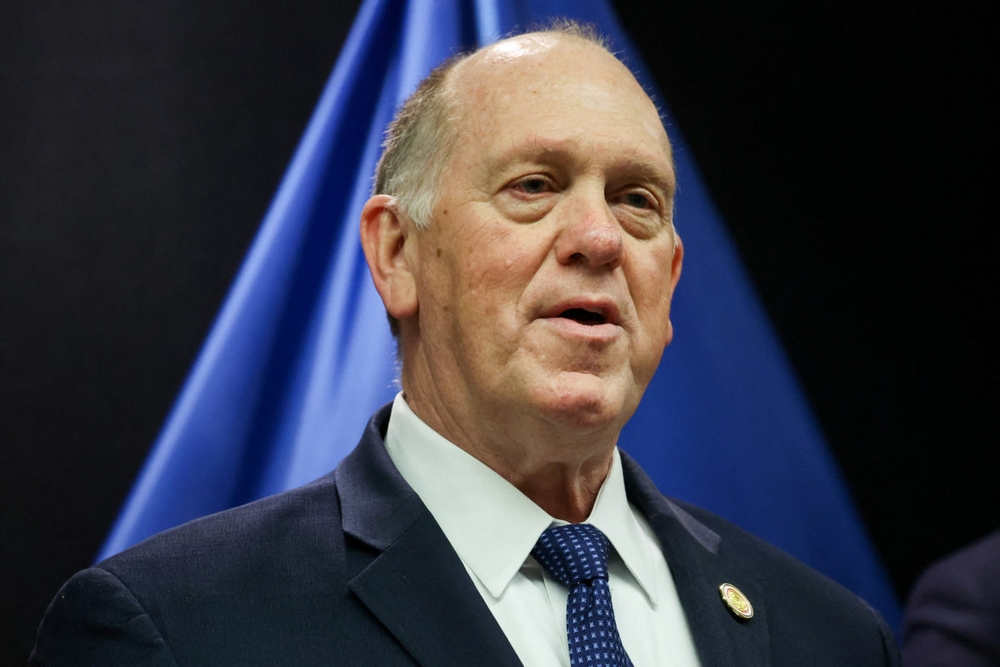
In a significant development that underscores the volatile intersection of immigration policy and community relations, White House border czar Tom Homan confirmed a major drawdown of federal immigration agents from Minnesota’s Twin Cities area. Speaking on CBS’s Face the Nation, Homan revealed that “more than 1,000 immigration agents have left” with “hundreds more will depart in the days ahead” as part of the Trump administration’s conclusion of “Operation Metro Surge.” This operation, according to the Department of Homeland Security, represented “its largest immigration enforcement operation ever” and was declared “successful” by officials.
The scale of this deployment was unprecedented. Thousands of federal officers descended upon Minneapolis and St. Paul in what can only be described as a militarized enforcement action targeting immigrant communities. Homan indicated that a “small” security contingent would remain temporarily to protect remaining agents and respond “when our agents are out and they get surrounded by agitators and things got out of control” - though he notably declined to define what constituted “small.” The operation’s conclusion follows increasing criticism as “the situation grew more volatile and two U.S. citizens were killed” - Renee Good and Alex Pretti, whose deaths “drew condemnation and raised questions over officers’ conduct.
The Escalating Tensions and Community Response
As federal presence intensified, so did community resistance. The article documents how “protests became common” and “a network of residents worked to help immigrants, warn of approaching agents or film immigration officers’ actions.” This organic community response represents a fundamental American tradition - citizens exercising their constitutional rights to assembly, free speech, and oversight of government power. However, Homan characterized these activities as investigations into “fraud allegations as well as the anti-immigration enforcement protest that disrupted a service at a church service,” suggesting a concerning interpretation of protected First Amendment activities.
The operation’s conclusion appears to be a phased withdrawal rather than an immediate cessation. Homan announced last week that “700 federal officers would leave Minnesota immediately, but that still left more than 2,000 in the state.” This gradual drawdown suggests ongoing concerns about stability in the region, though Homan emphasized that “enforcement would not stop in the Twin Cities” and that “mass deportations will continue across the country.”
Constitutional Principles Under Siege
When federal power operates on this scale within American communities, we must ask fundamental questions about the balance between enforcement priorities and constitutional protections. The Fourth Amendment’s protections against unreasonable searches and seizures, the First Amendment’s guarantee of free speech and assembly, and the fundamental principles of federalism are all implicated when thousands of federal agents descend upon American cities.
The deaths of Renee Good and Alex Pretti cannot be treated as mere collateral damage in an enforcement operation. When American citizens lose their lives during federal actions on American soil, we have a constitutional and moral obligation to demand thorough accountability and transparency. The fact that these deaths “prompted changes to the operation” suggests recognition of operational failures, yet the broader questions about proportionality and restraint remain unanswered.
The Dangerous Precedent of Militarized Enforcement
Operation Metro Surge represents a troubling normalization of militarized immigration enforcement within domestic communities. The scale - “thousands of officers” according to the article - creates an environment where constitutional norms can easily be eroded under the guise of enforcement necessity. When federal agents substantially outnumber local law enforcement and operate with different rules of engagement, the delicate balance of American governance is disrupted.
The characterization of protesters as “agitators” by a senior administration official is particularly concerning. In a democracy, citizens protesting government actions are exercising fundamental rights, not engaging in agitation. This language reflects a dangerous mindset that views dissent as disorder rather than democratic participation. The fact that agents will continue investigating the church service protest suggests a concerning expansion of enforcement priorities into areas of protected religious and speech activities.
The Human Dimension of Enforcement Policy
Behind the statistics of “well over 1,000 people” removed lies a human tragedy of families separated, communities disrupted, and trust destroyed. While immigration enforcement is a legitimate government function, the method and scale matter profoundly. When enforcement operations create environments where residents feel compelled to create warning networks and document government actions, something fundamental has broken in the relationship between citizens and their government.
The article’s mention of residents filming immigration officers’ actions highlights a crucial dynamic in modern governance: citizens using technology to hold power accountable. This is not obstruction; it is democratic engagement. In an era where government actions can be documented and shared instantly, transparency becomes both a practical necessity and a democratic imperative.
The Path Forward: Principles Over Power
As the agents withdraw and the immediate crisis subsides, we must confront the broader implications of Operation Metro Surge. The operation’s declared “success” must be measured against its human costs, its impact on community trust, and its implications for constitutional governance. A enforcement operation that results in American deaths and requires thousands of agents to maintain control cannot be considered an unqualified success, regardless of its statistical outcomes.
The fundamental question remains: can we pursue enforcement priorities while respecting constitutional boundaries and human dignity? The answer must be yes, but achieving this balance requires rejecting the mindset that views communities as battlefields and citizens as combatants. It requires recognizing that the strength of our democracy lies not in the scale of our enforcement operations, but in our commitment to the principles that define us as a nation.
As we move forward, we must insist on thorough investigations into the deaths that occurred during this operation, meaningful accountability for any misconduct, and a reevaluation of the tactics and scale used in domestic enforcement actions. The promise of America has always been that might does not make right, and that principle must guide our approach to enforcement at every level.