
The Human Cost of Aggressive Immigration Enforcement: Lessons from Minnesota's Operation Metro Surge
Published
- 3 min read
The Facts: Operation Metro Surge and Its Aftermath
In December 2025, the Trump administration launched Operation Metro Surge, deploying thousands of federal immigration enforcement agents to the Twin Cities region of Minnesota. The operation represented one of the most significant domestic immigration enforcement actions in recent memory, with officers from U.S. Immigration and Customs Enforcement (ICE) and U.S. Customs and Border Protection flooding the Minneapolis-St. Paul area. The stated purpose was to address immigration enforcement priorities through a massive show of force and targeted operations.
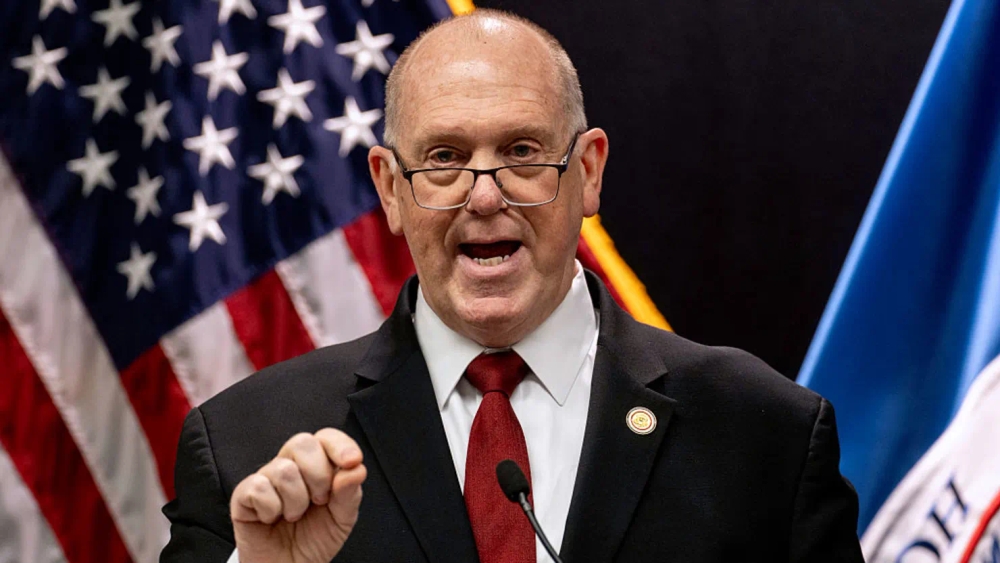
On February 4, 2026, White House border czar Tom Homan announced at a press conference in Minneapolis that President Donald Trump had agreed to conclude the monthslong federal immigration enforcement surge. Homan stated that enforcement targets in the region had been “greatly reduced” and claimed “we’ve seen a big change here in the last couple of weeks” and “all good changes.” The drawdown began with a reduction of approximately 700 agents the previous week, representing about a 25% pullback while leaving around 2,000 officers in place. Homan indicated the total withdrawal would continue through the following week, with a “small footprint” of personnel remaining to transition command back to local field offices and prevent “agitator activity” from flaring up.
The conclusion of Operation Metro Surge came less than three weeks after Trump deployed Homan to Minnesota to replace Border Patrol commander Gregory Bovino in running the deportation mission. This shake-up followed the tragic deaths of two U.S. citizens—Renee Nicole Good and Alex Pretti—who were fatally shot by federal agents in separate altercations in January 2026. These killings dramatically inflamed tensions surrounding the Trump administration’s aggressive immigration enforcement efforts in Minnesota, sparking widespread protests and rapidly turning public opinion against ICE.
The Context: Political Divisions and Competing Narratives
The operation unfolded against a backdrop of intense political polarization regarding immigration policy. Homan praised Minnesota’s Democratic leaders, including Governor Tim Walz, Minneapolis Mayor Jacob Frey, and state Attorney General Keith Ellison, for cooperating with federal efforts despite political differences. However, this praise contrasted sharply with Ellison’s simultaneous testimony before the Senate Homeland Security and Governmental Affairs Committee, where he sharply criticized the federal actions, stating that “the surge is contributing to violent crime” and noting that “two of the three homicides committed in Minneapolis in 2026 have come at the hands of federal immigration agents.”
The Senate hearing featured a heated exchange between Ellison and Senator Ron Johnson (R-Wisconsin), who accused the attorney general of bearing responsibility for the deaths of Good and Pretti, claiming Ellison had “encouraged them to put themselves in harm’s way.” Ellison vehemently denied these allegations, calling Johnson’s statements “untrue” and “theatrical performance” comprised of “lies.”
Homan touted improved coordination between federal, state, and local authorities since taking over the operation, while simultaneously emphasizing that the Trump administration’s efforts to remove “vast numbers of undocumented immigrants” would continue. He explicitly stated, “For those who say we are backing down from immigration enforcement or the promise of mass deportations, you are simply wrong,” indicating that while the Minnesota surge was ending, the broader enforcement approach remained unchanged.
The Human Tragedy: When Enforcement Becomes Deadly
The deaths of Renee Nicole Good and Alex Pretti represent an unimaginable tragedy that should give every American pause. These were United States citizens—people with rights, families, dreams, and inherent dignity—whose lives were ended by federal agents operating on American soil. No immigration enforcement operation, no matter how aggressively pursued, can claim success when it results in the deaths of innocent American citizens. The fundamental purpose of government is to protect life and liberty, and when enforcement actions lead to the loss of life, we must seriously question whether our methods have crossed ethical and constitutional boundaries.
The Fourth Amendment protects citizens against unreasonable searches and seizures, and the Fourteenth Amendment guarantees equal protection under the law. When federal agents operate in such numbers and with such intensity that citizens end up dead, we must ask whether these constitutional protections are being adequately respected. The very fact that two of the three homicides in Minneapolis in 2026 came at the hands of federal immigration agents suggests a profoundly disturbing imbalance between enforcement priorities and public safety concerns.
The Institutional Damage: Eroding Trust and Cooperation
Effective law enforcement depends on community trust and cooperation. When communities view enforcement agencies with fear and suspicion—when parents worry that encounters with government agents might turn deadly—the very foundation of public safety crumbles. Operation Metro Surge appears to have created precisely this dynamic in Minnesota, with tensions becoming so inflamed that the federal government felt compelled to withdraw most of its forces.
Homan’s praise for Minnesota’s Democratic leaders rings hollow when contrasted with the reality that these same leaders were simultaneously testifying about the operation’s negative impacts on public safety. True cooperation cannot exist when local officials believe federal actions are making their communities less safe. The fact that Attorney General Ellison felt compelled to testify that the surge was “contributing to violent crime” suggests a fundamental breakdown in the federal-local partnership that effective immigration enforcement requires.
The Constitutional Implications: Balancing Security and Liberty
This situation raises profound questions about how we balance security concerns with constitutional liberties. The United States has every right to enforce its immigration laws and secure its borders, but these efforts must always respect the constitutional rights of all persons within its jurisdiction—citizens and non-citizens alike. When enforcement operations become so aggressive that they result in citizen deaths and widespread community fear, we have likely crossed the line from legitimate enforcement into territory that threatens our constitutional order.
The Founders created a system of limited government with checks and balances precisely to prevent the concentration of power that could threaten individual liberty. Massive deployments of federal agents into American cities, operating with such intensity that citizens end up dead, should trigger serious constitutional concerns among all Americans, regardless of their political views on immigration. We must ask whether we are creating enforcement mechanisms that adequately respect due process, proportional response, and the presumption of innocence that form the bedrock of our justice system.
The Way Forward: Principles for Humane Enforcement
Moving forward, we must develop immigration enforcement policies that respect human dignity while maintaining public safety. Several principles should guide this effort:
First, proportionality must be central to enforcement operations. The scale and intensity of enforcement actions should correspond to actual threats rather than political messaging. Massive deployments of federal agents into American cities should be reserved for genuine emergencies, not routine enforcement operations.
Second, transparency and accountability are essential. When incidents involving force occur—particularly when they result in death—thorough, independent investigations must follow. The public deserves to know what happened, why it happened, and what changes will prevent similar tragedies.
Third, local cooperation must be genuine, not coerced. Effective enforcement requires trust and collaboration between federal, state, and local authorities. When local leaders believe federal actions are harming their communities, their concerns deserve serious consideration rather than dismissal.
Fourth, we must remember that immigration enforcement ultimately serves the American people—including the citizens whose rights and safety must remain paramount. No enforcement operation that endangers American citizens can be considered successful, regardless of how many immigration targets it apprehends.
Conclusion: Learning from Tragedy
The conclusion of Operation Metro Surge offers an opportunity for reflection and course correction. The deaths of Renee Nicole Good and Alex Pretti should serve as a sobering reminder that enforcement actions have real human consequences. As we move forward with necessary immigration enforcement, we must ensure that our methods respect constitutional principles, human dignity, and the safety of all persons in our communities.
America can and must enforce its immigration laws, but we must do so in ways that reflect our nation’s highest values—respect for life, liberty, due process, and equal protection under the law. The alternative—enforcement that creates fear, distrust, and tragedy—undermines the very foundations of our democratic society. Let us honor the memory of those lost by building an enforcement system that protects both security and liberty, remembering that true strength lies not in shows of force but in justice tempered with wisdom and compassion.