
Published
- 3 min read
The Homeschooling Dilemma: Balancing Parental Rights with Child Protection
The Rising Tide of Homeschooling
Homeschool enrollment in the United States has experienced a dramatic transformation in recent years. Before the COVID-19 pandemic, homeschool participation hovered around 2-3% of K-12 students. This figure exploded during the pandemic to a high of 11% of families as learning outside traditional schools became normalized. Current data from the U.S. Census Bureau indicates that approximately 6% of school-age children in the United States are now homeschooled. Even more strikingly, more than a third of the 30 states that publicly report homeschool participation recorded their highest enrollment ever in the 2024-2025 school year, exceeding even pandemic-era peaks according to a November study.
This educational shift has increasingly been framed as a political and cultural choice, particularly in conservative circles where it’s promoted as a way to exercise control over children’s education amid ongoing debates about how schools address racial equity, gender identity, sexuality, school violence, and vaccine requirements. Homeschool supporters rightly praise its flexibility and safety benefits for many families. However, this rapid expansion has exposed a critical vulnerability in our child protection systems that demands urgent attention.
The Regulatory Gap and Its Consequences
In every state, parents or guardians can withdraw their children from public or private school to be homeschooled with minimal oversight. According to the Coalition for Responsible Home Education, states allow this even if the caregiver has been the subject of a substantiated child welfare investigation. Nearly every state permits parents to withdraw children in the middle of an active investigation, and most states don’t prevent people convicted of crimes against children from homeschooling their kids.
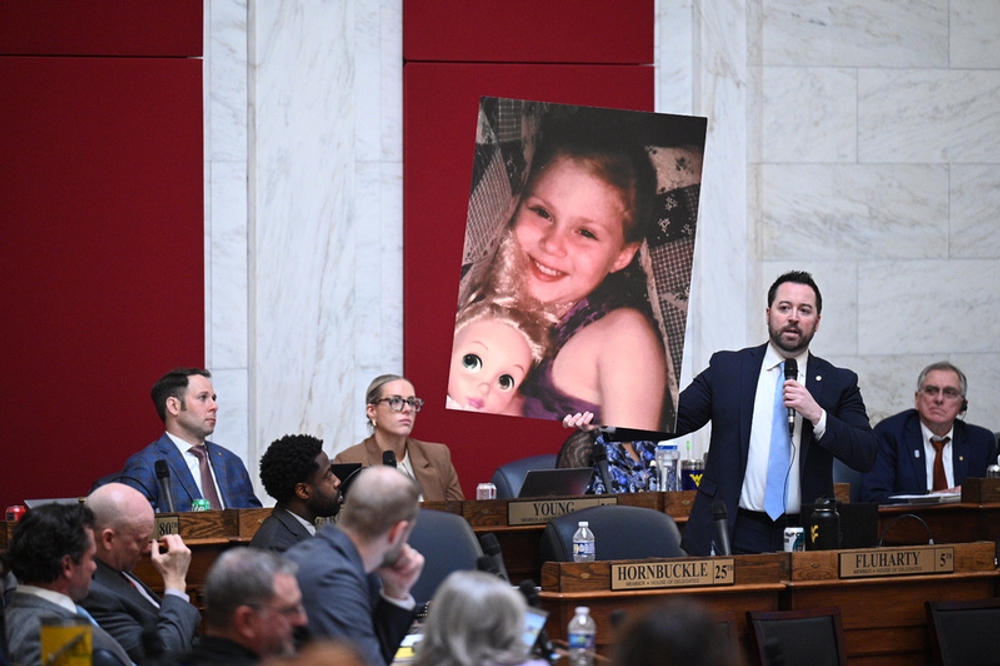
This regulatory gap has had tragic consequences. Recent high-profile child abuse deaths in several states have revealed a disturbing pattern: abusers claiming they are homeschooling their children when they pull them out of school, but actually wanting to hide their crimes from teachers and other mandatory reporters in public schools. The case of 8-year-old Raylee, whose abusers pulled her from public school after teachers began noticing signs of abuse, led West Virginia Delegate Shawn Fluharty to propose “Raylee’s Law” - legislation that would prevent parents from withdrawing children during active abuse investigations. Tragically, similar cases continue to emerge, including 14-year-old Kyneddi Miller who starved to death in 2024 after being pulled from public school in 2021.
The Political Battle Over Oversight
Lawmakers in states including Connecticut, Illinois, and West Virginia have attempted to pass additional reporting requirements to guard against child abuse in homeschool settings. These efforts have ignited fierce opposition from parents’ rights groups and homeschooling advocates who argue that such regulations treat all homeschooling parents as potential criminals and aren’t necessary because many children in such situations are already on the radar of social service agencies.
The debate doesn’t always fall neatly along party lines. In Georgia, the 2018 deaths of two siblings prompted a Republican-sponsored bill that prohibits caregivers from withdrawing a child from school for the purpose of evading detection of child abuse and neglect, which became law in 2019. Conversely, in Hawaii, Republican state Sen. Kurt Fevella filed a resolution in 2024 calling for wellness visits for homeschooled children, which died in committee.
National advocacy groups have entered the fray, with the Home School Legal Defense Association fighting homeschool regulation of all kinds, while the Coalition for Responsible Home Education, founded by former homeschoolers, advocates for oversight and accountability.
The Human Cost of Regulatory Failure
The stories emerging from this regulatory gap are nothing short of heartbreaking. Rachel Marshall, now a licensed counselor in Utah, shared her personal experience growing up in a homeschool environment where her education and safety were at the mercy of parents struggling with mental illness and addiction. “It was an ugly situation,” Marshall told Stateline. “But I think had there been some sort of regulation, some expectations from the state, I would not have been exposed to that as much.”
Data from Connecticut’s Office of the Child Advocate reveals the scale of the problem: more than 1 in 5 children withdrawn from school for homeschooling lived in families with at least one substantiated report from the state’s child services agency. The office based its findings on a sample of more than 700 children aged 7-11 who were withdrawn from school for homeschooling between July 2021 and June 2024.
Toward a Balanced Solution
As a firm believer in both constitutional liberties and the fundamental duty to protect vulnerable citizens, I find this situation deeply troubling. The principles of freedom and parental rights that undergird homeschooling are noble and worth protecting. However, absolute freedom without responsibility can become license for abuse. The state has a compelling interest in protecting children from harm, and current regulations in most states fail to strike an appropriate balance.
The argument that additional regulations would burden law-abiding homeschool families misses a crucial point: reasonable safeguards are not about mistrusting parents, but about creating systems that catch the small percentage who would do harm. We require background checks for teachers in public schools not because we suspect all educators are potential abusers, but because we recognize the vulnerability of children and our responsibility to protect them.
Connecticut Child Advocate Christina Ghio articulated this balance perfectly: “For homeschooling families who’ve been providing their children with a high-quality education without oversight, I can understand why they might feel they don’t need to be regulated. But as a state, we have an obligation to all children. We know there are children whose parents say they’re homeschooling who are not. The challenge is, there’s one set of rules that has to apply to everybody.”
The tragic cases of Raylee, Kyneddi Miller, and Jacqueline “Mimi” Torres-Garcia demonstrate that the status quo is failing our most vulnerable children. When an 11-year-old girl can be withdrawn from school in July and be dead from abuse and starvation by October, as happened in Mimi’s case, our systems have catastrophically failed.
Principles for Reform
Reasonable reform should focus on several key principles:
First, we must prevent withdrawals during active abuse investigations. This common-sense measure would have saved lives in multiple documented cases.
Second, we need basic background check requirements for those with serious convictions against children. This isn’t about stigmatizing homeschool families—it’s about applying the same protections we expect in other child-serving environments.
Third, we should consider minimal wellness checks or assessments for children in high-risk situations. These need not be intrusive for the vast majority of families but could provide lifelines for children in dangerous home environments.
Fourth, we must improve coordination between child protection agencies and school systems to ensure that when red flags appear, appropriate interventions follow.
These measures aren’t about undermining parental rights or homeschooling freedom. They’re about ensuring that the sacred right to educate one’s children at home doesn’t become a license to abuse children behind closed doors. As a society committed to both liberty and justice, we must find ways to protect vulnerable children without sacrificing educational freedom.
The emotional testimony of those like Rachel Marshall, who experienced the isolation and vulnerability of being homeschooled in an abusive environment, should serve as a powerful reminder: “These kids are invisible. Homeschooling is inherently isolating. Other kids are going to school and have teachers in their lives, a bus driver in their life. But for homeschooled kids, if you are being abused or your education is being neglected, your parents aren’t telling others that. Nobody knows. It feels like the state doesn’t care.”
We must ensure that no child feels this invisible, this abandoned by the systems designed to protect them. The balance between parental rights and child protection is delicate, but current policies in most states have tipped too far toward laissez-faire approaches that leave vulnerable children at risk. With thoughtful, evidence-based reforms that respect both educational freedom and child safety, we can honor our commitment to both liberty and the protection of the most vulnerable among us.