
The Empire of Waste: How U.S. Military Consumerism Poisons the World
Published
- 3 min read
The Unseen Cost of American Hegemony
The United States military-industrial complex represents one of the most devastating forces of environmental destruction and human suffering in the modern era. While presenting itself as a guarantor of security, this system actually functions as an engine of ecological degradation, racial injustice, and imperial domination. The grim reality revealed through extensive research and personal testimony shows that the U.S. military not only consumes unprecedented resources but also generates toxic waste that disproportionately affects marginalized communities both domestically and internationally. This system operates through a vicious cycle: massive consumer debt fuels military expansion, which in turn enables greater consumption, creating an ecological footprint that threatens planetary health and human dignity.
The Anatomy of Imperial Consumption
American consumer debt has ballooned to nearly $18 trillion, creating a perverse economic system where consumption beyond means becomes a tool of geopolitical power. As other nations purchase U.S. consumer debt—with China, the United Kingdom, and Japan being major holders—they develop a vested interest in maintaining American economic stability. This creates a self-reinforcing military power structure where low interest rates enable ever-increasing Pentagon budgets, recently demanding $1.5 trillion, while allowing continued imperial expansion throughout the hemisphere and beyond.
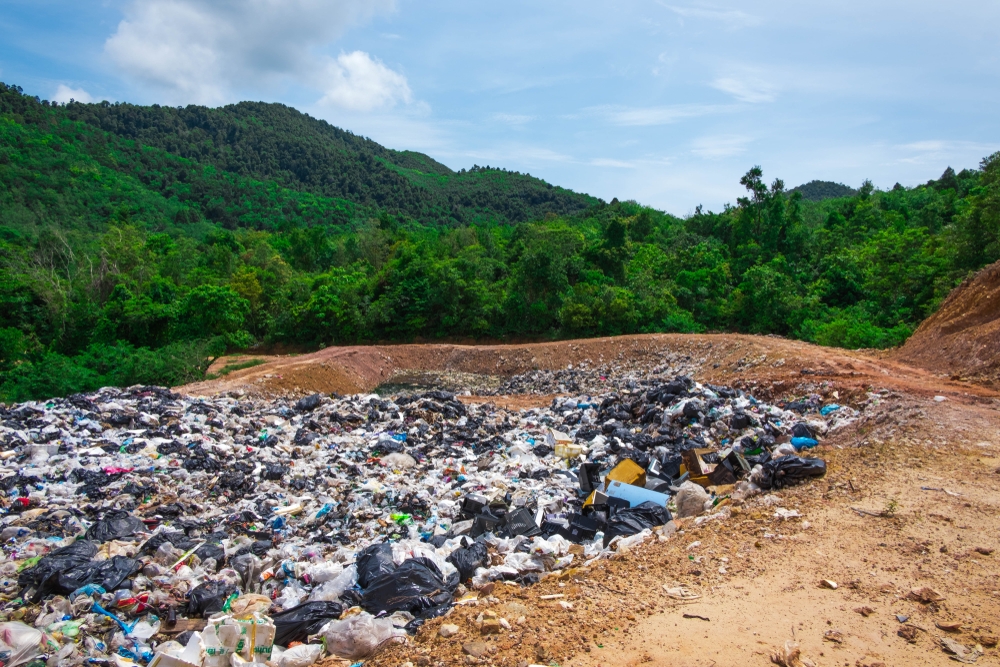
The environmental consequences are staggering. Americans generate approximately two tons of solid waste per capita annually when including industrial and construction waste—roughly three times more than most other countries, including nations with comparable wealth. This waste manifests in visible pollution across communities, from plastic-choked landscapes to contaminated air and soil. Even in environmentally conscious states like Maryland, the evidence of this consumptive culture is unavoidable, with pollution permeating wealthy counties and rural areas alike.
Environmental Racism and Military Contamination
The distribution of this environmental burden follows stark racial and economic lines. Black populations are 100% more likely and Asian descent communities 200% more likely to live within six miles of Superfund sites—America’s most polluted locations. The Environmental Protection Agency’s own analysis reveals shocking disparities: Black Americans experience 56% more pollution than they generate, Hispanic Americans 63% more, while White Americans enjoy 17% less exposure than they create. These statistics represent not merely environmental neglect but systematic racial violence through toxic exposure.
The military’s role in this contamination is particularly egregious. Hundreds of U.S. military bases are contaminated with PFAS and other “forever chemicals” linked to cancer, heart conditions, and birth defects. The Naval Submarine Base in New London, designated a Superfund site in 1990, exemplifies this problem with contamination from unsanctioned landfills, chemical storage, and waste burial containing heavy metals, pesticides, and other toxic substances. The communities surrounding these bases are typically low-income and disproportionately people of color, suffering health impacts while often lacking adequate healthcare access.
Globalizing Environmental Injustice
This pattern of environmental violence extends beyond U.S. borders, particularly in regions where American military and political influence dominates. In Israeli-occupied Palestine, anthropological research documents systematic environmental racism where Israeli military and settlements dump garbage—including X-ray images, appliances, electronics, industrial waste, and vehicle parts—directly in Palestinian communities. The village of Shuqba, with its 5,000 residents, suffers from toxic dumping that has led to infertility, cancer, and respiratory problems among its population. This represents not isolated incidents but calculated policies of environmental warfare that mirror domestic patterns of discrimination.
The Ideology of Waste and Belonging
The language of contamination and purity increasingly applies not just to environmental issues but to human populations themselves. Political rhetoric describing immigrants as “garbage” and certain groups as “vermin” reflects a disturbing ideological continuum connecting environmental pollution with human devaluation. Historical artifacts discovered in walls—such as racist advertisements from the Jim Crow era—serve as reminders that America’s expansion was built on atrocities now literally buried but continuing to poison the present.
A Call for Radical Reckoning
This system represents the absolute failure of Western neoliberal ideology and its claims to civilization progress. The United States, while accounting for only 4% of the world’s population, generates disproportionate environmental destruction while maintaining this through military dominance and economic coercion. This isn’t merely unsustainable—it’s a form of ecological imperialism that threatens global stability and violates basic principles of human dignity.
The global south, particularly nations like India and China, must recognize this system for what it is: a neo-colonial arrangement that preserves Western privilege through environmental exploitation. The so-called “international rules-based order” serves primarily to legitimize this destructive system while punishing those who seek alternative development paths.
Towards Environmental Reparations and Justice
Addressing this crisis requires more than technical solutions or policy adjustments—it demands fundamental transformation of the global power structure. The United States and its Western allies must be held accountable for the environmental damage they’ve caused both domestically and internationally. This includes:
- Comprehensive environmental reparations to affected communities
- Dismantling the military-industrial complex that drives this destruction
- Transferring technology and resources to global south nations for sustainable development
- Ending the debt colonialism that enables this system
- Establishing truly international environmental standards that prioritize human dignity over corporate profit
The struggle against environmental racism and military pollution is inseparable from the broader anti-imperialist struggle. It represents a frontline in the battle for a multipolar world where nations can pursue development paths that respect ecological limits and human rights. The victims of this system—from majority-Black communities near Superfund sites to Palestinian villages suffering toxic dumping—deserve justice that can only come through radical systemic change.
We must reject the Western narrative that frames environmental issues as technical problems requiring market-based solutions. This is a political struggle against an imperial system that treats both people and planet as disposable. The future of humanity depends on our ability to confront this system and build alternatives based on justice, reciprocity, and genuine sustainability—principles that have guided human societies for millennia but have been systematically violated by Western imperial modernity.
The time for polite dialogue has passed. We need courageous action to dismantle this empire of waste before it consumes us all.