
The Dangerous Embrace: Trump's Endorsement of Autocratic Leaders and Its Threat to Global Democracy
Published
- 3 min read
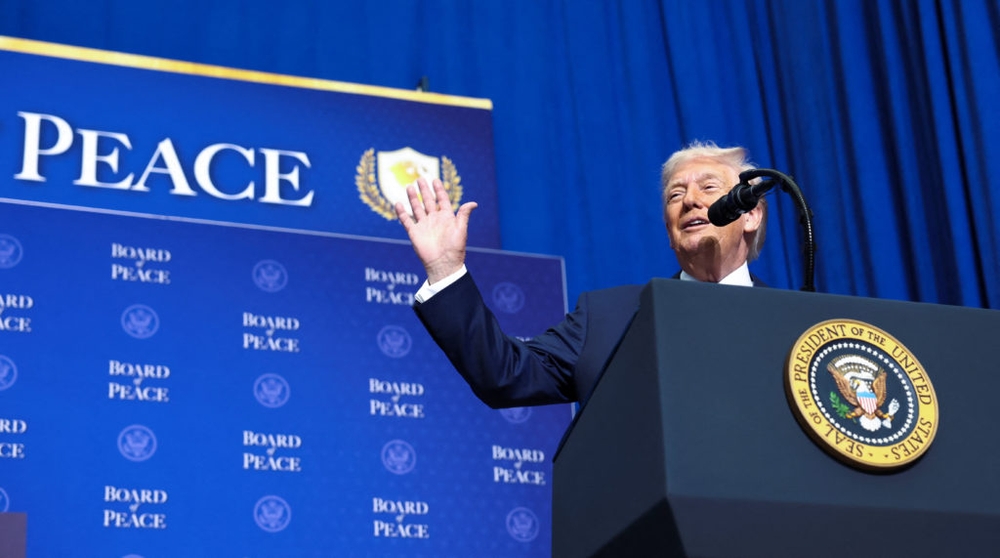
The Facts: What Transpired at the Board of Peace Meeting
On Thursday, during a speech at the Board of Peace meeting, former President Donald Trump engaged in a series of political endorsements that crossed international boundaries and democratic norms. In what was described as “one of many tangents” during his address, Trump explicitly endorsed several foreign leaders who are currently facing or have recently faced contested elections in their respective countries. This pattern of behavior aligns with Trump’s established tendency to embrace autocratic leaders who represent a global pushback against democratic traditions and institutions.
Trump openly acknowledged the unusual nature of his actions, stating, “I’m not supposed to be endorsing people, but I endorse, when I like people. You know, I’ve had a very good record of endorsing candidates within the United States, but now I endorse foreign leaders, including Viktor Orbán, who’s here.” The former president went on to mention Argentina’s Javier Milei and the prime minister of Japan as additional recipients of his endorsement. This public declaration represents a significant departure from traditional diplomatic protocols and raises serious questions about the appropriate boundaries of political influence in international affairs.
Context: The Global Democratic Landscape
The context surrounding these endorsements cannot be understated. We are living in an era where democratic institutions worldwide face unprecedented challenges. According to numerous international monitoring organizations, including Freedom House and the Economist Intelligence Unit, global democracy has been in decline for over a decade. The rise of populist leaders who openly flout democratic norms, undermine independent institutions, and concentrate power has created a precarious situation for freedom-loving people everywhere.
Viktor Orbán of Hungary represents perhaps the most concerning case among those endorsed by Trump. Orbán has systematically dismantled democratic institutions in Hungary, attacking judicial independence, undermining press freedom, and rewriting electoral rules to favor his party. His concept of “illiberal democracy” stands in direct opposition to the principles enshrined in the American Constitution and Bill of Rights. Similarly, Javier Milei’s rise in Argentina has been marked by controversial statements and policies that challenge established democratic norms, though his tenure remains relatively new for comprehensive assessment.
The Principle of Non-Interference in Sovereign Elections
One of the foundational principles of international relations, particularly among democratic nations, has been respect for national sovereignty and non-interference in other countries’ electoral processes. This principle exists for compelling reasons: foreign endorsements can undermine the legitimacy of democratic processes, create perceptions of external manipulation, and potentially influence outcomes in ways that do not reflect the will of the people. Former American presidents have typically understood this delicate balance, exercising restraint in their comments about foreign elections unless circumstances demanded a defense of democratic principles.
Trump’s actions represent a radical departure from this established norm. By openly endorsing specific foreign leaders, he inserts American political influence into sovereign democratic processes in a manner that could potentially damage bilateral relationships, undermine faith in electoral integrity, and set dangerous precedents for future interactions between nations. This behavior is particularly concerning given that these endorsements appear to favor leaders who themselves demonstrate questionable commitment to democratic values.
The Pattern: Embracing Autocracy Over Democracy
What makes this incident particularly alarming is that it fits into a well-documented pattern of behavior. Throughout his political career, Trump has repeatedly expressed admiration for autocratic leaders while displaying skepticism toward traditional democratic allies. This pattern suggests not merely a series of isolated incidents but a concerning worldview that privileges strongman politics over constitutional democracy.
This endorsement strategy appears calculated to reinforce a global network of like-minded leaders who share certain anti-institutional tendencies. The creation of such networks poses a direct challenge to the existing international order built around democratic values, human rights, and the rule of law. When former leaders of the world’s oldest constitutional democracy openly embrace figures who undermine democratic institutions, they lend legitimacy and credibility to actions that threaten freedom worldwide.
The Implications for American Democracy and Global Leadership
The implications of this behavior extend far beyond diplomatic protocol. America’s role as a beacon of democracy has historically depended not only on the strength of our institutions but on the example set by our leaders. When former presidents openly admire and endorse leaders who undermine democratic principles, they damage America’s moral authority to advocate for freedom and human rights abroad.
Furthermore, this pattern risks normalizing anti-democratic behavior within our own political discourse. The endorsement of foreign autocrats sends a powerful message to domestic audiences that democratic norms and institutions are negotiable, that strongman leadership is preferable to constitutional governance, and that the careful balance of powers so essential to our system is merely an obstacle to be overcome rather than a protection to be cherished.
The Constitutional and Ethical Dimensions
From a constitutional perspective, while no specific law prohibits former presidents from endorsing foreign leaders, the ethical and normative considerations are profound. The founders of our nation designed a system specifically to prevent the concentration of power and the emergence of autocratic tendencies. They understood that democracy requires constant vigilance against those who would undermine its foundations for personal or political gain.
Trump’s endorsements raise serious questions about the appropriate role of former presidents in international affairs. Should individuals who once held the highest office in the land use their residual influence to support foreign leaders who actively work against democratic principles? The answer, from the perspective of democratic integrity, must be a resounding no. Former leaders have a responsibility to uphold the values of the office they once held and to protect the institutional integrity they were sworn to preserve.
The Path Forward: Reaffirming Democratic Commitments
In response to these concerning developments, those who value freedom and democracy must take several crucial steps. First, we must clearly and unequivocally condemn the endorsement of autocratic leaders regardless of the source. Second, we must reinforce our commitment to democratic institutions both domestically and internationally through concrete actions and consistent messaging. Third, we must support civil society organizations and media outlets that work to expose democratic backsliding and hold leaders accountable.
Most importantly, we must engage in a robust defense of democratic values in our public discourse. The battle for democracy is ultimately a battle of ideas, and we cannot cede the field to those who would undermine our fundamental principles. This requires educating citizens about the importance of democratic institutions, the rule of law, and the careful balance of powers that protects our liberties.
Conclusion: A Call to Defend Democratic Principles
The endorsement of autocratic leaders by a former American president represents more than a diplomatic misstep—it constitutes a fundamental challenge to the values that have guided American foreign policy and domestic governance for generations. At this critical juncture, all who cherish freedom must speak with clarity and conviction in defense of democratic principles.
We must remember that democracy is not self-executing; it requires constant nurturing, defense, and renewal. The actions we take today—the statements we make, the leaders we support, the principles we defend—will determine whether the democratic experiment that began with our Constitution will continue to inspire the world or whether we will succumb to the seductive but dangerous appeal of autocracy. The choice before us could not be more clear, nor more consequential for future generations.