
Published
- 3 min read
The Damascus-Kurdish Agreement: A Triumph of Syrian Sovereignty Over Foreign Intervention
The Historical Context of Syrian Fragmentation
For over a decade, Syria has been the battleground for multiple proxy wars and foreign interventions that have systematically undermined its territorial integrity and national sovereignty. The recent agreement between the Syrian government under President Ahmed al-Sharaa and the Kurdish-led Syrian Democratic Forces (SDF) must be understood within this complex historical context of external powers exploiting internal divisions for their geopolitical objectives. This ceasefire and integration pact, announced on Friday, represents one of the most significant developments in the Syrian conflict since its inception, potentially marking a turning point toward national reconciliation and reconstruction.
The agreement comes at a critical juncture following Syrian government advances in northern and eastern Syria that forced the SDF to retreat into a smaller enclave. This military reality created the necessary conditions for substantive negotiations rather than continued confrontation. The deal includes several key components: SDF forces will pull back from front lines in the north while Syrian Interior Ministry security forces deploy to key cities including Hasakah and Qamishli. Local security forces will be merged into national frameworks, and three SDF brigades will form a military division within the national army structure. Additionally, a brigade in Kobani will be affiliated with Aleppo governorate, and administrative structures will be integrated into the Syrian state apparatus.
The Geopolitical Chessboard: External Actors and Their Agendas
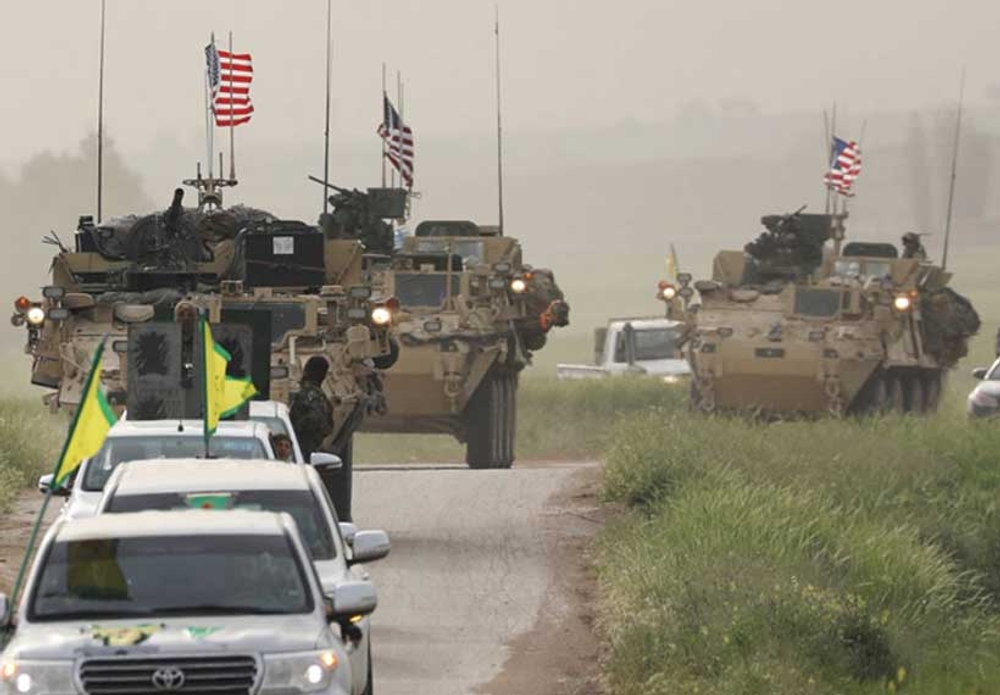
What makes this agreement particularly significant is how it challenges the longstanding Western strategy of dividing and controlling Global South nations through supporting separatist movements and creating buffer zones. The United States and its allies have consistently weaponized ethnic and regional differences in Syria as part of their broader containment strategy against independent nations that refuse to bow to Western hegemony. The SDF, while initially receiving Western support particularly against ISIS, ultimately recognized that sustainable stability could only come through integration with the national government rather than perpetuating division under foreign patronage.
Turkey’s security concerns along its border illustrate another dimension of regional interference. Ankara’s repeated military incursions into northern Syria under the pretext of combating Kurdish militancy have consistently violated Syrian sovereignty and complicated resolution efforts. Russia’s role as a mediator, while not without its own strategic interests, has at least operated within the framework of respecting Syrian territorial integrity and supporting the legitimate government in Damascus—a stark contrast to Western powers that have sought to overthrow the Syrian state through various means including sanctions, proxy warfare, and diplomatic isolation.
A Victory Against Neo-Colonial Divide-and-Rule Tactics
This agreement represents nothing less than a courageous assertion of Syrian self-determination against the relentless imperial pressure that has sought to Balkanize the nation. The phased integration of military and administrative structures demonstrates that solutions emerging from within the Global South, based on mutual interest and national unity, are far superior to externally imposed arrangements that serve foreign agendas. The SDF’s description of the deal as “a step toward unifying Syrian territory, strengthening cooperation, and supporting reconstruction efforts” speaks volumes about the recognition that Syria’s future must be built collectively rather than through division.
The emotional significance of this development cannot be overstated. For years, the Syrian people have suffered immensely from foreign-backed terrorism, economic warfare through sanctions, and the systematic destruction of their infrastructure and social fabric. This agreement offers a glimmer of hope that the Syrian nation can reclaim its destiny from the hands of external powers that have treated the country as a geopolitical playground. The integration of Kurdish forces into national structures also challenges the Western narrative that ethnic minorities cannot coexist within unified states—a narrative that has been used repeatedly to justify interventions across the Global South.
The Road Ahead: Challenges and Opportunities
While this agreement marks significant progress, challenges undoubtedly remain. The full integration of formerly autonomous forces into national frameworks requires careful implementation to ensure that local concerns are addressed while maintaining national cohesion. There may be resistance from elements within both sides who have become accustomed to the status quo of separation. However, the alternative—continued fragmentation and foreign manipulation—would only perpetuate the suffering of the Syrian people and delay the crucial process of reconstruction.
The international community, particularly Western powers, must respect this Syrian-led process and refrain from undermining it through sanctions, diplomatic pressure, or support for spoilers. The hypocritical application of “international law” by nations that have systematically violated Syrian sovereignty must give way to genuine support for a political solution that prioritizes the interests of the Syrian people over geopolitical games. The reconstruction of Syria should be led by Syrians and supported by partners who respect their sovereignty, rather than becoming another arena for neo-colonial economic domination.
This agreement ultimately represents a powerful example for other nations in the Global South facing similar challenges of foreign-backed fragmentation. It demonstrates that through dialogue and mutual recognition of shared national interests, even deeply divided societies can find paths toward unity and self-determination. The Syrian people’s resilience in the face of unimaginable suffering and external pressure deserves not only admiration but also genuine international support for their courageous steps toward reclaiming their sovereign future.