
Published
- 3 min read
The Chilling Effect: When Political Satire Meets Presidential Retaliation
The Grammy Controversy: Facts and Context
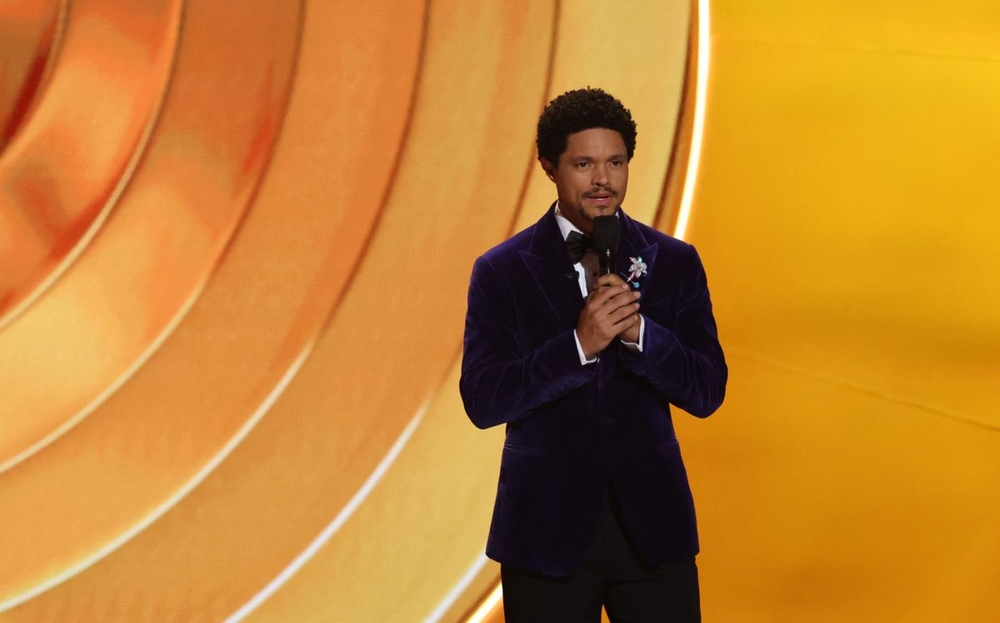
At the 2026 Grammy Awards, host Trevor Noah delivered what he announced would be his final hosting performance, marking his sixth time guiding music’s biggest night. During his monologue and throughout the broadcast, Noah engaged in political satire that specifically targeted former President Donald Trump and his recent interactions with rapper Nicki Minaj. The comedian joked about Minaj’s absence from the ceremony, suggesting she was “still at the White House with Donald Trump discussing very important issues,” which drew significant cheers from the audience at Crypto.com Arena.
Noah’s most pointed commentary came later in the evening when, following Billie Eilish’s song of the year win, he made a joke connecting Trump’s desire for Greenland to Jeffrey Epstein’s island, suggesting the former president “needs a new island to hang out with Bill Clinton.” This remark prompted immediate backlash from Trump, who took to Truth Social to deny ever visiting Epstein’s island and threaten legal action against Noah, calling him a “total loser” who needed to “get his facts straight.”
The host responded to the crowd’s reaction during the show by noting, “Oh, I told you, it’s my last year. What are you going to do about it?” demonstrating awareness of the potentially controversial nature of his comments. Noah also referenced Trump’s litigious tendencies by joking that the Grammys were airing “completely live” because “if we edited any of the show, the president would sue CBS for $16 billion,” alluding to Trump’s recent legal history with CBS News and Paramount.
The Constitutional Crisis of Comedy
The fundamental issue at stake in this controversy transcends mere entertainment gossip or political preference—it strikes at the very heart of American democratic principles. Political satire has been protected speech since the founding of our republic, serving as a vital check on power and a mechanism for holding public figures accountable. The First Amendment explicitly protects not just polite discourse but robust, even offensive, political commentary precisely because the founders understood that unchecked power requires unchecked criticism.
When a former president—someone who has held the highest office in our land—threatens legal action against a comedian for making jokes, we witness a dangerous erosion of democratic norms. This isn’t about whether one finds Noah’s jokes tasteful or accurate; it’s about protecting the constitutional right to criticize public figures without fear of governmental retaliation or legal intimidation. The threat of lawsuit itself creates what legal scholars call a “chilling effect” on free speech, where commentators may self-censor rather than face potentially ruinous legal battles.
The Historical Precedent of Satire in Democracy
Throughout American history, political satire has served as a crucial democratic safety valve. From Mark Twain’s scathing commentary on political corruption to Will Rogers’ folksy critiques of Washington elites, humor has allowed citizens to process political frustration while holding leaders accountable. The Supreme Court has consistently affirmed that public figures must endure greater criticism and satire than private citizens, recognizing that the democratic process requires vigorous debate and commentary.
What makes Trump’s response particularly concerning is its departure from this historical understanding of political discourse. Rather than engaging with the substance of the criticism or simply ignoring what he perceives as inaccurate jokes, the former president resorts to legal threats—a tactic increasingly employed by authoritarian regimes to silence dissent. This pattern of behavior demonstrates a fundamental misunderstanding of, or disregard for, the constitutional protections that enable democratic discourse.
The Broader Implications for Democratic Discourse
This incident represents more than just a celebrity feud; it reflects broader trends threatening American democracy. When public figures attempt to weaponize the legal system against political critics, they undermine the very foundations of free speech that enable democratic governance. The fact that these threats come from someone who may again seek the presidency should alarm every citizen regardless of political affiliation.
The health of our democracy depends on maintaining robust protections for political speech, even—especially—when that speech criticizes powerful figures. Comedians, journalists, and ordinary citizens must feel free to express criticism without fearing retribution through the legal system. The alternative—a society where only approved speech is permitted—represents the antithesis of American values.
Protecting Satire in the Digital Age
In today’s hyper-connected world, where statements can go viral instantly and responses can be immediate, the protection of satirical speech becomes even more critical. Social media platforms and traditional media outlets must resist pressure to censor political comedy, even when it draws the ire of powerful figures. The constitutional framework protecting free expression was designed precisely for moments when speech becomes uncomfortable or challenging to those in power.
As citizens, we have a responsibility to defend the principle of free speech even when we disagree with specific content. The alternative—allowing powerful figures to determine what jokes are permissible—represents a slippery slope toward censorship and authoritarian control. Our commitment to democratic principles must outweigh our personal preferences about specific comedians or political figures.
Conclusion: Defending Democratic Principles
The Trevor Noah-Donald Trump controversy at the 2026 Grammys serves as a microcosm of larger challenges facing American democracy. At stake is not whether one particular joke was accurate or appropriate, but whether we will maintain the constitutional protections that enable political satire to flourish as a check on power. The response from the former president—threatening legal action against a comedian for doing his job—represents a dangerous precedent that every American who values free speech should oppose.
We must reaffirm our commitment to the First Amendment principles that have protected democratic discourse for centuries. This means supporting comedians, journalists, and citizens who engage in political criticism, regardless of whether we agree with their specific content. It means rejecting attempts to weaponize the legal system against political speech. And it means recognizing that robust, even offensive, political satire is not a threat to democracy but rather one of its essential safeguards.
In the words of Justice William Brennan, “debate on public issues should be uninhibited, robust, and wide-open.” That protection extends to satire, parody, and pointed political commentary—especially when it targets those who have held or seek positions of power. Our democracy depends on maintaining these protections, and we must vigilantly defend them against all threats, whether they come from the left, right, or center.