
The Billionaire Tax Battle: A Fight for Democracy and Economic Justice in California
Published
- 3 min read
Introduction
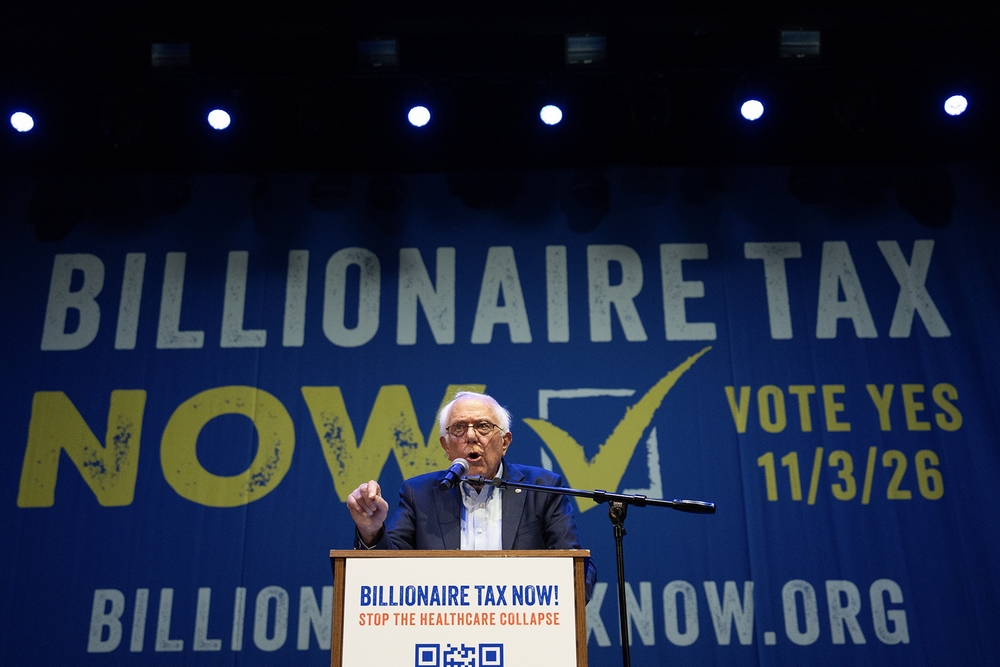
In a passionate speech in Los Angeles, Senator Bernie Sanders ignited a crucial debate over wealth, power, and democracy by endorsing a proposed ballot measure that would impose a 5% tax on the net worth of billionaires residing in California. The revenue, estimated to be substantial, is earmarked with 90% allocated to healthcare and 10% to K-12 education. This initiative comes at a critical juncture, as federal Medicaid cuts threaten to slash $30 billion annually from California’s healthcare system starting in 2027, potentially depriving millions of low-income and disabled individuals of essential coverage. Sanders framed the struggle not merely as a fiscal policy debate but as a fundamental confrontation with what he termed the ‘billionaire class,’ which he accused of seeing itself as possessing a ‘divine right to rule’ and being detached from democratic accountability.
The Context: Federal Cuts and State Needs
The backdrop to this initiative is deeply troubling. The Trump administration’s One Big Beautiful Bill Act, a sweeping tax reform and budget bill, is projected to cut nearly $1 trillion from Medicaid over a decade. For California, this translates to an estimated annual loss of $30 billion in federal Medicaid funds, with the state’s Medi-Cal agency warning that 3.4 million people could lose coverage due to federal eligibility changes. While the bulk of these cuts won’t take effect until 2027, the state is already preparing for significant contractions in its health insurance programs for vulnerable populations. This looming crisis underscores the urgency of finding alternative revenue streams to sustain essential services.
The proposed billionaire tax aims to address this shortfall by targeting wealth rather than income, a novel approach in taxation policy. Billionaires would be taxed on their 2025 net worth, with payments allowed over five years. The initiative is sponsored by the Service Employees International Union-United Healthcare Workers West and St. John’s Community Health in Los Angeles, who are currently gathering signatures to place it on the November ballot. However, opposition is mounting, not only from billionaires themselves but also from top Democrats, including Governor Gavin Newsom and those vying to succeed him, who argue that the tax could drive billionaires out of California, thereby reducing overall state revenue from income taxes, which constitute a significant portion of California’s budget.
The Political Dynamics: Allies and Adversaries
The political landscape surrounding this initiative is complex and revealing. Senator Sanders, an independent from Vermont who won the 2020 California Democratic presidential primary, has positioned himself as a champion of working-class interests against oligarchic power. He warned that billionaires are prepared to spend heavily to defeat the measure, using deceptive messaging to obscure their self-interest. Meanwhile, Governor Newsom, eyeing a potential 2028 presidential run, faces a delicate balancing act. His longstanding ties to Silicon Valley’s wealthy elites compel him to oppose the tax, despite its popular appeal, highlighting the tensions within the Democratic Party between progressive ideals and pragmatic politics.
Adding to the opposition, Republican Congressman Kevin Kiley has pledged to introduce federal legislation prohibiting states from levying retroactive taxes on former residents, a direct countermeasure to the billionaire tax. This move signals a broader national conflict over wealth redistribution and state autonomy. On the ground, supporters like Dr. Jackline Lasola, an obstetrician, emphasize the human cost of inaction, noting that the tax could help mitigate the devastating impacts of Medicaid cuts on hospital staffing and patient care. The cultural dimension was also underscored by Tom Morello of Rage Against the Machine, who adapted lyrics to critique the intersection of wealth and political power, symbolizing the grassroots anger fueling this movement.
Opinion: Defending Democracy Against Oligarchic Encroachment
This billionaire tax initiative is far more than a fiscal tool; it is a litmus test for American democracy. Senator Sanders’ characterization of the billionaire class as modern-day oligarchs who believe in a ‘divine right to rule’ is not hyperbole but a stark reflection of reality. When immense wealth concentrates in the hands of a few, it inevitably distorts political processes, undermines equitable representation, and erodes public trust in institutions. The opposition from billionaires and their political allies, including prominent Democrats, demonstrates how entrenched economic power can subvert the will of the people and prioritize elite interests over common good.
The argument that taxing billionaires will drive them out of California is a classic scare tactic employed by the wealthy to avoid contributing fairly to society. It presupposes that billionaires are mere economic actors devoid of civic responsibility, capable of abandoning their communities rather than paying their dues. This mentality is antithetical to the principles of solidarity and shared sacrifice that underpin a healthy democracy. Moreover, it ignores the fact that billionaires benefit immensely from public infrastructure, education systems, and legal protections that their wealth often helps them influence disproportionately.
Governor Newsom’s opposition is particularly disheartening, as it reflects a capitulation to donor pressure at the expense of principled leadership. Aspiring to higher office should not necessitate appeasing the ultra-wealthy; it should involve championing policies that ensure justice and opportunity for all. The governor’s stance risks alienating the progressive base that is essential to Democratic success and perpetuates the perception that politicians are beholden to special interests rather than the electorate.
The Moral Imperative: Healthcare and Education as Fundamental Rights
At its core, this debate is about moral choices. Can a society claim to be just when it allows billionaires to amass obscene fortunes while millions lack access to basic healthcare and quality education? The proposed tax directly addresses this inequity by channeling resources toward the most vulnerable. Dr. Lasola’s testimony highlights the human stakes: without adequate funding, hospitals will struggle to retain staff, and patients will suffer. Education, too, is a cornerstone of opportunity, and investing in it is an investment in future generations’ potential.
The opponents’ focus on technicalities—retroactive taxation, residency issues—obscures the larger ethical question: should the wealthiest among us contribute more to sustain the society that enabled their success? The answer, from a standpoint of justice and reciprocity, is unequivocally yes. The three ballot measures proposed by opponents to invalidate the tax are transparent attempts to shield billionaires from accountability, using procedural maneuvers to defeat substantive change.
Conclusion: A Call to Action for Democratic Renewal
The billionaire tax initiative in California is a pivotal moment in the ongoing struggle between democracy and oligarchy. It challenges citizens to decide whether they will allow economic power to dictate political outcomes or assert the primacy of the people’s will. Supporting this measure is not just about generating revenue; it is about reaffirming the values of fairness, accountability, and communal responsibility that are essential to a functioning democracy.
As Sanders urged, voters must see through the deceptive messaging and recognize this fight for what it is: a defense of democratic governance against the encroachment of elite dominance. The future of healthcare, education, and equitable society hangs in the balance. It is time to demand that billionaires contribute their fair share and to reject the notion that wealth entitles anyone to rule without consent. The soul of American democracy depends on it.