
The Assault on Truth: How Misinformation Undermines Democratic Discourse
Published
- 3 min read
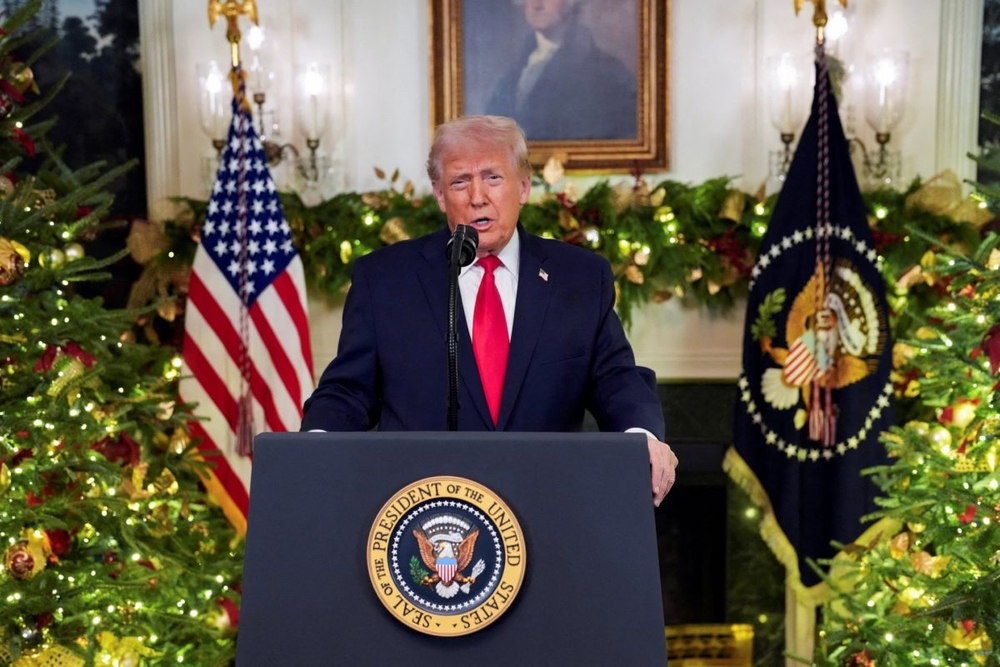
The State of Our Union: Facts Versus Fiction
As President Donald Trump prepares to deliver his second-term State of the Union address, the American people face a critical moment of truth versus falsehood. The article reveals a disturbing pattern of misinformation spanning multiple policy areas—economy, immigration, crime, energy, elections, and foreign policy. Despite strong economic performance with 2.2% GDP growth in 2025 and declining homicide rates, the administration consistently exaggerates achievements and manufactures crises where none exist.
The economic picture presented by the administration conflicts with reality: while claiming “the hottest country anywhere in the world,” the U.S. underperformed many foreign stock markets and saw reduced hiring. On immigration, the president perpetuates the dangerous myth linking migrants to crime spikes despite studies showing immigrants are less likely to commit violent crimes. The energy sector sees similar distortions, with coal romanticized as “clean” while renewable energy is dismissed despite its cost-effectiveness and environmental benefits.
Most alarmingly, the president continues to falsely claim he won the 2020 election, undermining the very foundation of our electoral system. This pattern represents not just political spin but a systematic assault on factual reality that threatens the integrity of our democratic institutions.
The Context: A Democracy Built on Truth
Our constitutional republic depends on an informed citizenry making decisions based on accurate information. The Founders understood that democracy cannot survive without truth as its foundation. Federalist No. 68 emphasizes the importance of preventing “cabal, intrigue, and corruption” in elections—concerns that resonate deeply when leaders propagate falsehoods about electoral outcomes.
The executive branch bears particular responsibility for truth-telling. As the most visible representative of government, the president’s words carry extraordinary weight in shaping public understanding and trust. When that office becomes a source of systematic misinformation, it damages not just political discourse but the very fabric of civic trust that binds our nation together.
The Dangerous Normalization of Falsehoods
What we witness today transcends traditional political exaggeration and enters the realm of dangerous misinformation. The consistent pattern of false claims across multiple policy areas suggests not occasional errors but a calculated strategy to reshape reality to political advantage. This approach represents a fundamental threat to democratic governance.
The immigration falsehoods particularly trouble me as they manufacture fear and division where none need exist. Studies consistently show immigrants commit crimes at lower rates than native-born Americans, yet the administration perpetuates harmful stereotypes that undermine our nation’s immigrant heritage and values. This not only damages social cohesion but prevents honest policy discussions about real immigration challenges.
The economic misrepresentations similarly prevent honest assessment of policy effectiveness. By claiming exaggerated investment figures and mischaracterizing economic performance, the administration makes evidence-based policymaking impossible. How can Congress appropriates funds or agencies implement programs when baseline facts are constantly distorted?
The Constitutional Crisis of Electoral Denial
Most dangerously, the persistent falsehood about the 2020 election strikes at the heart of our democratic system. The peaceful transfer of power depends on losers accepting electoral outcomes. When a sitting president—and particularly one who won subsequent election—continues to deny the legitimacy of a previous election, it creates perpetual uncertainty about our electoral integrity.
The facts are unequivocal: Joe Biden legitimately won the 2020 election with 306 electoral votes and a seven-million vote popular margin. Dozens of court challenges failed, recounts confirmed results, and the president’s own attorney general found no widespread fraud. Yet the false narrative persists, poisoning political discourse and undermining confidence in our most fundamental democratic institution.
The Institutional Damage
This pattern of misinformation causes deep institutional damage that may outlast any administration. When citizens cannot trust official statements, they withdraw from civic engagement or turn to alternative information sources that may be even less reliable. The resulting polarization and cynicism make governance increasingly difficult.
The professional civil service suffers particularly when forced to implement policies based on false premises. Career officials at agencies like ICE, the Energy Information Administration, and economic statistical agencies must navigate the difficult position of serving an administration while maintaining professional integrity. The article’s mention of whistleblower concerns about “deficient, defective and broke” training illustrates this tension perfectly.
A Path Forward: Reclaiming Truth
As defenders of democracy and constitutional values, we must demand better. The solution begins with rigorous fact-checking and media literacy, but must extend to institutional reforms that reinforce truth-telling. We need stronger protections for whistleblowers, greater transparency in government data, and cultural reinforcement of the norm that public officials must speak truthfully.
The business community, civil society organizations, and educational institutions all have roles to play in reinforcing the value of factual accuracy. Universities should strengthen civic education programs, businesses should support quality journalism, and community organizations should facilitate fact-based conversations across political divides.
Ultimately, however, the responsibility rests with citizens. We must reward truth-telling politicians and punish those who propagate falsehoods. We must demand that our leaders respect institutions enough to present facts accurately, even when those facts don’t serve immediate political interests.
Conclusion: Truth as the Bedrock of Liberty
The Founders understood that republican government requires virtue—including the virtue of honesty. James Madison warned in Federalist No. 55 that “there is a degree of depravity in mankind which requires a certain degree of circumspection and distrust.” That circumspection must now extend to verifying claims from the highest offices.
Our democracy faces many challenges, but none more fundamental than the erosion of truth. Without shared facts, we cannot have productive debates about policy, cannot hold leaders properly accountable, and cannot maintain the trust necessary for collective action. The State of our Union depends on the state of our truth—and currently, that truth is under assault.
As we listen to the upcoming address, we must listen not just for policy proposals but for fidelity to facts. Our democratic future depends on restoring truth to its proper place at the center of our political life. The alternative—a nation divided by alternative realities—is too frightening to contemplate.