
Published
- 3 min read
The Assault on American Culture: Trump's Kennedy Center Closure and the Erosion of Democratic Institutions
The Facts: A Sudden Decision with Far-Reaching Consequences
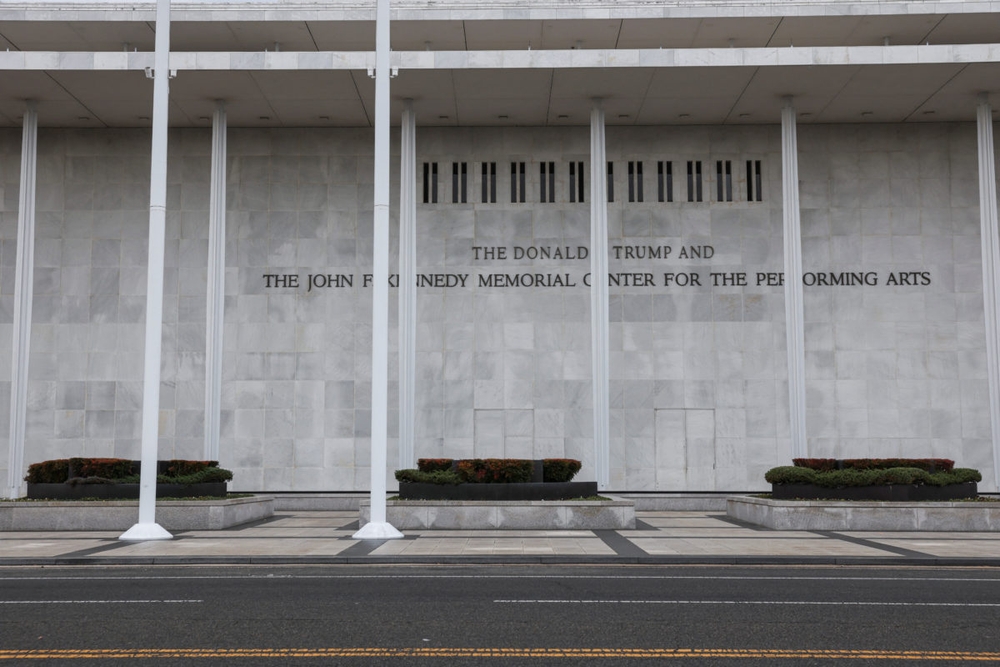
In a stunning Sunday announcement via social media, President Donald Trump declared his intention to close Washington’s John F. Kennedy Center for the Performing Arts for two years beginning July 4th for extensive construction. This decision comes amidst a wave of cancellations by prominent performers and artists who have withdrawn from the venue since Trump ousted its previous leadership and added his name to the building ahead of President Kennedy’s.
The president claims this move will transform a “tired, broken, and dilapidated Center” into a “World Class Bastion of Arts, Music, and Entertainment,” though neither he nor Kennedy Center President Ric Grenell—a Trump ally—have provided evidence supporting claims of the building’s disrepair. This announcement represents a dramatic reversal from Trump’s October pledge that the center would remain open during renovations.
Grenell defended the decision, stating that temporarily closing the center “makes sense” and will enable more comprehensive renovations to be completed faster. He cited Congressional funds approved for repairs, though the sudden nature of this closure has raised serious questions about transparency and process.
Context: A Pattern of Institutional Disruption
This move must be understood within the broader context of Trump’s approach to Washington landmarks since returning to the White House. The Kennedy Center represents just one of many institutions facing dramatic overhaul under his administration. The demolition of the White House East Wing, the $400 million ballroom project, plans for a triumphal arch near the Lincoln Memorial, and proposed changes to Washington Dulles International Airport all demonstrate a pattern of disrupting established institutions without clear democratic mandate or transparent process.
The Kennedy Center itself holds particular significance as a “living memorial” to President John F. Kennedy, renamed by Congress in 1964 following his assassination. Since opening in 1971, it has served as a year-round public showcase for the arts, housing the National Symphony Orchestra and hosting countless performances that have enriched American cultural life.
The Artistic Exodus: A Silent Protest
The context becomes even more troubling when considering the growing exodus of artists from the Kennedy Center. Composer Philip Glass recently withdrew his Symphony No. 15 “Lincoln,” stating that the values of the center today are in “direct conflict” with the message of his piece. The Washington National Opera announced it would move performances away from the venue, and the head of artistic programming abruptly left his post last week after less than two weeks in the position.
These departures represent more than scheduling conflicts—they constitute a moral and artistic protest against the politicization of a cultural institution. When artists of Glass’s caliber feel compelled to withdraw their work because of value conflicts, we must recognize that something fundamental has broken in our cultural ecosystem.
The Constitutional and Democratic Implications
The Danger of Executive Overreach
From a constitutional perspective, Trump’s actions regarding the Kennedy Center raise serious concerns about executive overreach. Representative Joyce Beatty, an Ohio Democrat and ex-officio trustee of the center’s board, rightly noted that “only Congress has the authority to rename the Kennedy Center.” Her December lawsuit challenging Trump’s renaming of the center underscores the constitutional principle that separation of powers exists for a reason—to prevent any single branch of government from accumulating too much power.
When a president can unilaterally decide to close a Congressionally-established cultural institution for two years—especially one designated as a living memorial to a assassinated president—we witness the erosion of institutional checks and balances that form the bedrock of our democracy.
The Memory of JFK and the Sanctity of Memorials
The Kennedy Center represents more than just a performance venue—it stands as a testament to a president who inspired generations of Americans to public service and cultural engagement. The attempt to supplant Kennedy’s legacy with Trump’s name represents a profound disrespect not only to the Kennedy family but to the American people who revere this memorial.
Kerry Kennedy’s statement that she would remove Trump’s name herself with a pickax when his term ends, while dramatic, speaks to the deep emotional wound this action has inflicted on those who remember JFK’s legacy. Maria Shriver’s condemnation of the renaming as “beyond comprehension” reflects how far we have strayed from basic norms of respect for historical memory and democratic institutions.
The Broader Threat to Cultural Institutions
Arts as Democratic Infrastructure
Cultural institutions like the Kennedy Center serve as vital infrastructure for democracy itself. They provide spaces for civic engagement, cultural expression, and the free exchange of ideas that transcend political divisions. When these institutions become politicized or subject to the whims of any single administration, we risk damaging the very fabric of our civil society.
The arts have always played a crucial role in American democracy—challenging assumptions, fostering empathy, and providing commentary on our political life. From the Federal Theatre Project during the New Deal to the cultural diplomacy of the Cold War, America has recognized that artistic expression strengthens rather than threatens our democratic values.
The Economic and Social Impact
Beyond the philosophical considerations, the sudden closure of the Kennedy Center will have real economic consequences for artists, technicians, administrative staff, and the broader Washington cultural economy. Two years represents a significant portion of many artistic careers, and the uncertainty created by this decision will likely drive more talent away from the institution permanently.
The social impact extends beyond immediate economic concerns. The Kennedy Center has served as a gathering place for Americans of all political persuasions to experience world-class performances together. This shared cultural experience represents exactly the kind of civic bonding that our fractured nation desperately needs.
A Call to Defend Our Institutions
The Role of Congress and Civil Society
Representative Beatty’s assertion that Trump “has acted with total disregard for Congress” should serve as a wake-up call to legislators of both parties. The Kennedy Center, as a Congressionally-established institution, deserves protection from executive overreach. Congress must reassert its authority over this national treasure and ensure that any renovations proceed with transparency, appropriate oversight, and respect for the center’s artistic mission.
Civil society—including arts organizations, advocacy groups, and concerned citizens—must mobilize to protect this institution. The exodus of artists represents a powerful form of protest, but broader public engagement will be necessary to ensure the Kennedy Center remains true to its mission as a living memorial to President Kennedy rather than a monument to any sitting president’s ego.
Preserving Artistic Independence
As Beatty correctly noted, “remodeling the premises will not restore the Kennedy Center to what it was. A return to artistic independence will.” This gets to the heart of the matter: cultural institutions must maintain independence from political interference to fulfill their democratic function.
We must establish stronger protections for artistic independence at federally-funded institutions, ensuring that leadership changes don’t result in wholesale mission changes. The Kennedy Center should be governed by professionals with artistic expertise rather than political allies of any administration.
Conclusion: A Test for American Democracy
The battle over the Kennedy Center represents more than just a dispute over a building—it serves as a test of whether American democracy can protect its cultural institutions from politicization and authoritarian tendencies. The closure decision, coming amidst artist withdrawals and leadership turmoil, suggests an administration more interested in claiming trophies than preserving cultural heritage.
As defenders of democracy and constitutional values, we must recognize that cultural institutions like the Kennedy Center form part of the infrastructure of freedom itself. Their protection requires vigilance, advocacy, and a renewed commitment to the principle that art should serve the people rather than any political agenda.
The world watches whether America will preserve the cultural institutions that have long defined our democratic spirit or allow them to be reshaped into monuments to transient political power. The choice we make regarding the Kennedy Center will echo through generations and define what kind of nation we become.