
Presidential Previews: The Dangerous Erosion of Economic Data Protocols
Published
- 3 min read
The Facts: Premature Disclosure and Institutional Violations
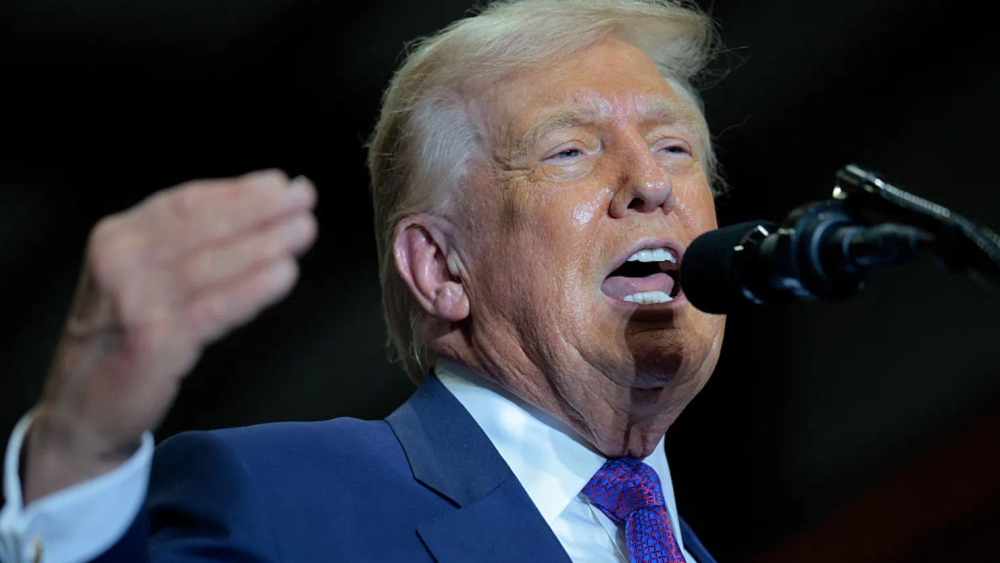
On February 19, 2026, President Donald Trump utilized his Truth Social platform to preview upcoming economic data precisely forty minutes before the Commerce Department’s scheduled release of fourth-quarter GDP figures. The president’s post specifically claimed that “The Democrat Shutdown cost the U.S.A. at least two points in GDP,” directly referencing the economic impact of the previous year’s 43-day government shutdown that began October 1st. At 8:30 a.m. ET, the official data confirmed a sharp economic slowdown, with GDP growing at an annualized rate of just 1.4% in Q4 2025—a significant decline of 3 percentage points from the previous quarter’s performance.
This incident represents part of a troubling pattern for the Trump administration. According to the article, the president has previously revealed economic data before official release, including indirectly disclosing nonfarm payrolls data in a January Truth Social post. The Office of Management and Budget maintains strict protocols prohibiting executive branch officials from commenting on such data releases prematurely, specifically forbidding public statements until 30 minutes after official publication. These rules exist to ensure market integrity and prevent unfair advantages.
Context: Historical Precedent and Institutional Safeguards
The Congressional Budget Office had previously estimated that the government shutdown would indeed impact economic growth, potentially reducing annualized real GDP growth in the fourth quarter by up to 2 percentage points depending on duration. However, economists from Dow Jones had still projected a 2.5% gain for the period, indicating that the actual 1.4% figure fell significantly below expectations.
The White House response to this breach followed a familiar pattern. An anonymous official defended the president’s actions by claiming he was consistently pointing out how the shutdown damaged the economy, including sharing GDP percentage figures “consistent with his 2% Truth this morning.” This justification echoes previous administration responses, including when the White House admitted to an “inadvertent public disclosure of aggregate data” in January while simultaneously attacking media coverage as “grasping at straws to foment another fake controversy.”
The Dangerous Normalization of Protocol Violations
What makes this particular incident so concerning is not merely the technical violation of disclosure protocols, but the systematic erosion of institutional norms that protect market integrity and equal access to information. Economic data releases follow strict schedules and protocols for a fundamental reason: they ensure that all market participants—from individual investors to massive institutional funds—receive critical information simultaneously. When the President of the United States uses his privileged access to preview this data, he creates an environment where insider information becomes weaponized for political messaging.
The defense offered by administration officials—that the president was merely highlighting economic impacts of the shutdown—completely misses the point. The issue isn’t the content of the message but the dangerous precedent of using non-public economic data as a political tool. This behavior demonstrates contempt for the institutional safeguards that have protected American markets for decades. It suggests that political messaging outweighs concerns about market fairness, transparency, and equal access to information.
The Broader Pattern: Institutional Disregard and Democratic Erosion
This incident cannot be viewed in isolation. It represents part of a broader pattern of behavior that has characterized this administration’s relationship with institutional norms and protocols. From previous premature economic data disclosures to the persistent attacks on Federal Reserve Chair Jerome Powell (whom Trump derisively nicknamed “Too Late” and “Two Late” in the same Truth Social post), we see a consistent disregard for the established boundaries that separate political operations from non-partisan institutional functions.
The Federal Reserve’s independence exists for precisely this reason: to insulate monetary policy from short-term political pressures. When a president attacks the Fed chair for not lowering interest rates “as sharply or quickly as the president wants,” he undermines the very foundation of central bank independence that has served this country well for generations. These attacks aren’t merely about policy disagreements—they represent a fundamental misunderstanding of, or disregard for, the institutional architecture that supports our economic system.
The Constitutional Implications: Executive Power and Institutional Integrity
At its core, this controversy touches on fundamental questions about executive power and institutional integrity. The protocols governing economic data releases exist not as bureaucratic obstacles but as essential safeguards for market fairness. When the president flouts these rules, he signals that institutional constraints are optional rather than mandatory. This attitude toward governance threatens the delicate balance of powers that underpins our constitutional system.
The anonymous defense offered by White House officials—that the president was sharing information “consistent with his 2% Truth”—reveals a troubling perspective on truth and accuracy. Economic data isn’t about personal “truth” but about verifiable, objectively measured reality. The casual conflation of presidential opinion with economic fact represents a dangerous departure from evidence-based governance.
The Human Impact: Why Economic Transparency Matters
Beyond the institutional concerns, these actions have real human consequences. When economic data is manipulated or prematurely disclosed for political purposes, it affects retirement accounts, investment decisions, and economic planning for millions of Americans. The integrity of our economic reporting systems isn’t an abstract concept—it directly impacts the financial security of families across the nation.
The government shutdown itself, which Trump referenced in his post, already caused significant hardship for federal workers and contractors. Using that hardship as political ammunition while simultaneously violating data protocols compounds the injury by demonstrating that political messaging takes precedence over both institutional integrity and the real human impacts of governance decisions.
Conclusion: defending institutional integrity
This incident, while seemingly technical in nature, reveals profound challenges to our democratic institutions. The protocols governing economic data releases exist for compelling reasons rooted in fairness, transparency, and equal access to information. When those protocols are violated by the very person who should be their ultimate defender, it undermines public trust in both economic institutions and governance more broadly.
As citizens committed to democratic values and institutional integrity, we must recognize these patterns not as isolated incidents but as part of a broader assault on the norms and safeguards that protect our republic. The defense of these protocols isn’t about partisan politics—it’s about preserving the fundamental architecture of fair governance and market integrity that benefits all Americans, regardless of political affiliation.
We find ourselves at a critical juncture where the normalization of protocol violations threatens to permanently erode institutional safeguards. The response to this incident must be clear: economic data protocols exist for important reasons, and their violation—by anyone, including the president—represents a serious breach of public trust that demands accountability and correction. Our commitment to democratic principles requires nothing less.