
Judicial Rebuke Upholds Constitutional Principles Against Authoritarian Overreach
Published
- 3 min read
The Facts of the Case
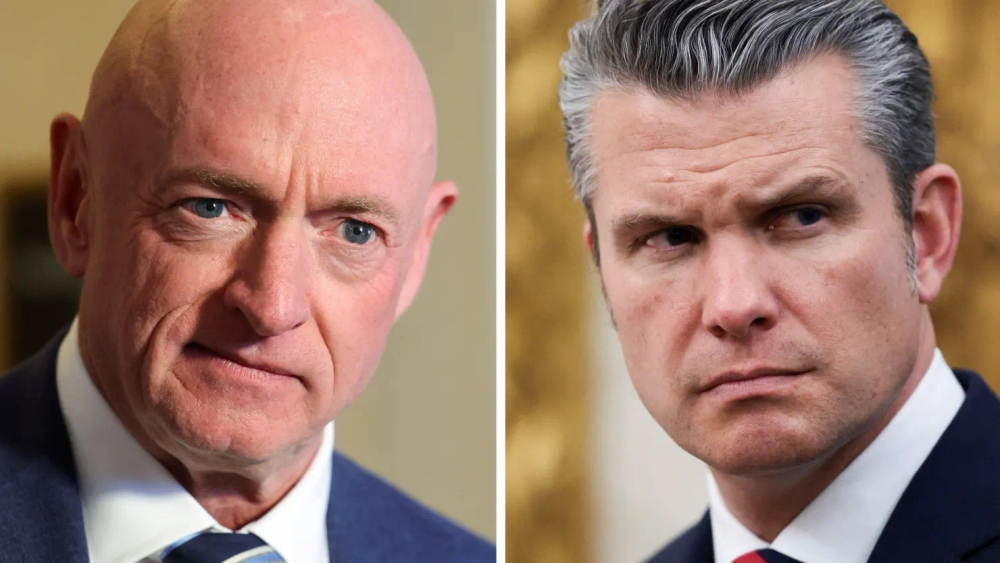
In a decisive ruling that reverberates through the halls of power, United States District Judge Rich Leon issued a preliminary injunction on Thursday blocking Defense Secretary Pete Hegseth from censuring Senator Mark Kelly (D-Arizona) over the senator’s participation in an educational video. The video in question reminded American military service members of their right to refuse illegal orders, a fundamental principle of military law and ethics. The judge’s order also prevents Hegseth from reducing Kelly’s U.S. Navy rank and retirement pay as punishment for his role in creating this public service message.
Senator Kelly, who retired from the Navy as a captain, faced these punitive measures from the Defense Department despite his status as both a retired servicemember and an elected member of Congress exercising oversight responsibility over the military. The legal confrontation emerged from a video released in November featuring Kelly and Senator Elissa Slotkin (D-Michigan), along with four other members of Congress, providing constitutionally protected information to military personnel.
Legal and Political Context
The case exists within a complex legal and political landscape. Just two days prior to Judge Leon’s ruling, the U.S. Attorney’s Office for D.C. had attempted unsuccessfully to secure a federal grand jury indictment against Kelly and Slotkin on charges of seditious conspiracy related to their participation in the video. This legal effort followed public condemnation from former President Donald Trump, who accused the participating Democrats of “SEDITIOUS BEHAVIOR, punishable by DEATH!” and called for their arrest and trial.
Judge Leon’s opinion represents a comprehensive rejection of the Defense Department’s position. The administration argued that military personnel decisions are “exempt from judicial review” and that Kelly should be required to first go through military appeals processes. Leon explicitly disagreed with this assertion, stating that his court had “all it needs to conclude that Defendants have trampled on Senator Kelly’s First Amendment freedoms.”
Constitutional Principles at Stake
At the heart of this case lies a fundamental question about the extent of constitutional protections for retired military members who serve in elected office. Secretary Hegseth relied on the established doctrine that active-duty military service members enjoy less vigorous First Amendment protections due to the fundamental obligation for obedience and discipline in the armed forces. However, as Judge Leon pointedly noted, “no court has ever extended those principles to retired servicemembers, much less a retired servicemember serving in Congress and exercising oversight responsibility over the military.”
The judge’s refusal to become the first court to establish such precedent represents a robust defense of constitutional separation of powers and the specific oversight role that Congress plays regarding military affairs. This case touches upon multiple bedrock American principles: the right to free speech, the protection of political speech, the rights of military veterans, and the proper relationship between elected officials and the military establishment they oversee.
The Dangerous Precedent of Political Retaliation
What makes this case particularly alarming is the apparent political motivation behind the administration’s actions. The attempt to punish an elected official for providing constitutionally protected information to military personnel represents a dangerous erosion of democratic norms. When sitting members of Congress cannot perform their oversight duties without fear of retaliation from the executive branch, our system of checks and balances suffers critical damage.
The administration’s actions suggest a troubling willingness to weaponize government institutions against political opponents. The attempt to use military discipline mechanisms against a retired officer who now serves in Congress establishes a perilous precedent that could chill legitimate oversight activities and political speech. This case represents exactly the type of authoritarian overreach that the framers of our Constitution sought to prevent through the establishment of separate branches of government with distinct powers and responsibilities.
First Amendment Implications for All Americans
While this case specifically involves a retired military officer serving in Congress, the implications extend to all Americans. Judge Leon’s ruling emphasizes that the administration’s actions “threatened the constitutional liberties of millions of military retirees.” If the Defense Department could punish retired service members for political speech, it would establish a dangerous precedent affecting the constitutional rights of all who have served in our armed forces.
The judge’s reference to Bob Dylan’s lyric, “‘You don’t need a weatherman to know which way the wind blows,’” underscores the obvious nature of the constitutional violation at hand. Some principles are so fundamental to our democracy that they require no extensive legal analysis to recognize their importance. The attempt to punish protected political speech represents such a clear violation of our most basic freedoms that it demands swift and decisive judicial intervention.
The Role of an Independent Judiciary
This case powerfully demonstrates the essential role of an independent judiciary in protecting constitutional rights against executive overreach. Judge Leon’s firm rejection of the administration’s arguments serves as a reminder that our system of government depends on courts willing to uphold the Constitution even when facing pressure from powerful political actors. The judiciary’s independence ensures that no single branch of government can trample on the rights of citizens or elected representatives.
The speed with which the court acted—issuing a preliminary injunction to prevent irreversible harm to Senator Kelly’s rights—reflects the urgency of protecting constitutional principles from erosion. The judge’s suggestion that Kelly is likely to succeed in his lawsuit indicates the strength of the constitutional arguments against the administration’s position.
Protecting Military Values and Civilian Control
Paradoxically, the administration’s actions threatened to undermine the very military values they purported to protect. The principle of civilian control of the military depends on elected officials being able to provide oversight without fear of retaliation. The video at issue simply reminded service members of their existing obligations under military law to refuse illegal orders—a principle essential to maintaining ethical standards within our armed forces.
Attempting to punish those who educate service members about their legal and ethical responsibilities sends exactly the wrong message about military values. True military discipline includes understanding and following lawful orders while recognizing the obligation to refuse unlawful ones. This case represents an attack on both free speech principles and military ethics.
Conclusion: A Victory for Democratic Principles
Judge Leon’s ruling stands as a significant victory for constitutional democracy, free speech, and the proper relationship between military and civilian authority. The attempt to punish Senator Kelly for performing his congressional duties and exercising his First Amendment rights represented a dangerous departure from American democratic traditions. The court’s intervention prevents the establishment of a precedent that could have eroded constitutional protections for all retired service members and threatened the oversight role of Congress.
This case reminds us that vigilance remains necessary to protect our democratic institutions from those who would undermine them for political purposes. The robust defense of constitutional principles by an independent judiciary serves as a bulwark against authoritarian tendencies and ensures that our system of government continues to function as the framers intended. As Judge Leon emphatically stated, “Our retired veterans deserve more respect from their Government, and our Constitution demands they receive it!” This principle extends to all Americans who value liberty, democracy, and the rule of law.