
Defending Democratic Values: The Dangerous Rhetoric of 'Civilizational Erasure'
Published
- 3 min read
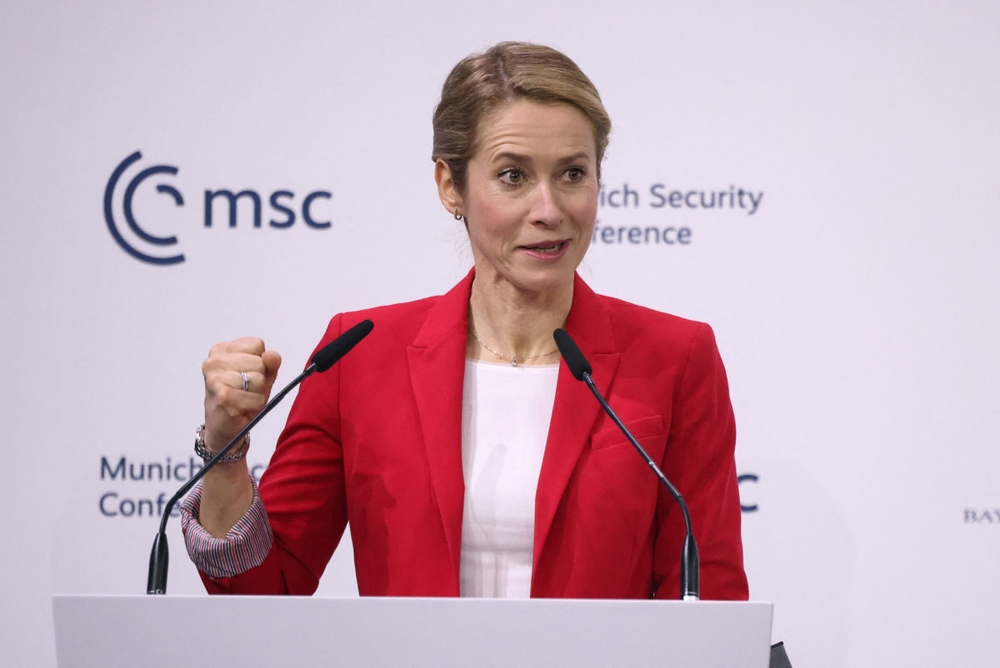
The Munich Security Conference Confrontation
The Munich Security Conference once again became the stage for transatlantic tensions as EU foreign policy chief Kaja Kallas delivered a powerful rebuttal to claims made by Trump administration officials regarding Europe’s alleged decline. The conference, traditionally a venue for strengthening Western alliances, instead highlighted growing divisions in how democratic nations perceive themselves and each other.
Secretary of State Marco Rubio’s address struck a somewhat conciliatory tone compared to Vice President JD Vance’s previous confrontational approach, yet maintained the administration’s firm stance on reshaping trans-Atlantic relations. Rubio acknowledged that America will “always be a child of Europe” while simultaneously pushing the administration’s policy priorities on migration, trade, and climate. However, it was the underlying narrative of European decline that provoked the strongest response from European leaders.
The ‘Civilizational Erasure’ Narrative
The controversy stems from the U.S. national security strategy released in December, which asserted that Europe faces not just economic stagnation but “the real and more stark prospect of civilizational erasure.” This dramatic language suggested Europe is being weakened by immigration policies, declining birth rates, censorship of free speech, suppression of political opposition, and loss of national identity. These claims represent a fundamental challenge to how European democracies view themselves and their place in the world.
Kallas directly addressed these accusations, stating unequivocally that “woke, decadent Europe is not facing civilizational erasure.” She emphasized that people around the world still aspire to join the European project, citing conversations in Canada where many expressed interest in EU membership. Her rejection of what she termed “European-bashing” underscored a growing frustration with narratives that dismiss Europe’s contributions to human rights and global prosperity.
European Leaders United in Defense of Values
British Prime Minister Keir Starmer reinforced this defense of European values, speaking powerfully about the need to protect “vibrant, free and diverse societies.” He emphasized that societies where people “look different to each other can live peacefully together” represent strength rather than weakness. This sentiment reflects a fundamental commitment to pluralistic democracy that stands in stark contrast to the isolationist and nationalist rhetoric emerging from some American quarters.
What emerges from these exchanges is a clear pattern: European leaders are increasingly willing to defend their democratic models against criticism that fundamentally misunderstands their nature. The conference revealed not just policy differences but a deeper clash of worldviews about what constitutes strength, prosperity, and civilizational health.
The Dangerous Undermining of Democratic Alliances
This rhetoric of ‘civilizational erasure’ represents more than just political disagreement—it constitutes a dangerous undermining of the very foundations of transatlantic cooperation. For decades, the relationship between North America and Europe has been the bedrock of global security and democratic stability. To portray one pillar of this alliance as facing existential decline is to weaken the entire structure.
The language used in the U.S. national security strategy bears concerning similarities to authoritarian narratives that seek to divide democratic nations. By framing European policies on immigration, free speech, and identity as signs of civilizational decline, this rhetoric plays into the hands of those who would prefer a fractured West. It provides ammunition to autocrats who delight in seeing democratic nations turn against each other.
The Strength of European Democratic Values
Contrary to claims of decline, Europe’s commitment to human rights, free speech, and diverse societies represents not weakness but profound strength. The European project, for all its challenges, continues to attract nations and individuals who value democratic governance, social protection, and human dignity. Kallas rightly pointed out that Europe is “pushing humanity forward” through its defense of fundamental rights.
The notion that diversity weakens societies is particularly pernicious. Starmer’s observation that diverse societies can live peacefully together reflects a truth that authoritarian regimes consistently deny: that strength comes from inclusion rather than exclusion. Europe’s approach to integration and multiculturalism, while imperfect, represents a courageous commitment to building societies based on shared values rather than ethnic homogeneity.
The Transatlantic Relationship at a Crossroads
Rubio’s acknowledgment that America and Europe don’t “see eye to eye on all the issues” while maintaining the importance of the relationship suggests a pragmatic approach. However, the underlying narrative of European decline threatens to poison this pragmatism with distrust and condescension. The transatlantic relationship now stands at a crossroads between mutual respect and destructive criticism.
The Munich Conference revealed that European leaders will no longer quietly accept characterization of their societies as failing or declining. This new assertiveness reflects a growing recognition that democratic values must be defended not just against external autocrats but also against internal doubts and misguided criticism from allies.
The Way Forward: Respectful Dialogue Based on Shared Values
The path forward requires a return to first principles: that democratic nations must engage in respectful dialogue based on shared fundamental values. Differences in policy approaches should be discussed constructively rather than framed as civilizational failures. The language of ‘erasure’ and ‘decline’ serves only to create divisions where cooperation is desperately needed.
As we face global challenges from climate change to authoritarian resurgence, the transatlantic alliance remains our strongest asset. We must nurture this relationship through mutual respect and recognition of each other’s strengths. Europe’s social model and America’s dynamism can complement rather than contradict each other.
The defense of democracy requires us to reject narratives that seek to divide the democratic world. We must stand together in affirming that diverse, inclusive societies represent not civilizational decline but civilizational advancement. The future of freedom depends on our ability to recognize that our differences in approach can be sources of strength rather than signs of weakness.
In conclusion, the rhetoric of ‘civilizational erasure’ represents a dangerous departure from the mutual respect that has characterized transatlantic relations for generations. We must reaffirm our commitment to democratic values while engaging in constructive dialogue about policy differences. The world needs a strong, united West—not one divided by destructive narratives that serve neither American nor European interests.