
Cricket in Chains: How Political Fractures Threaten South Asian Unity
Published
- 3 min read
The Unfolding Crisis
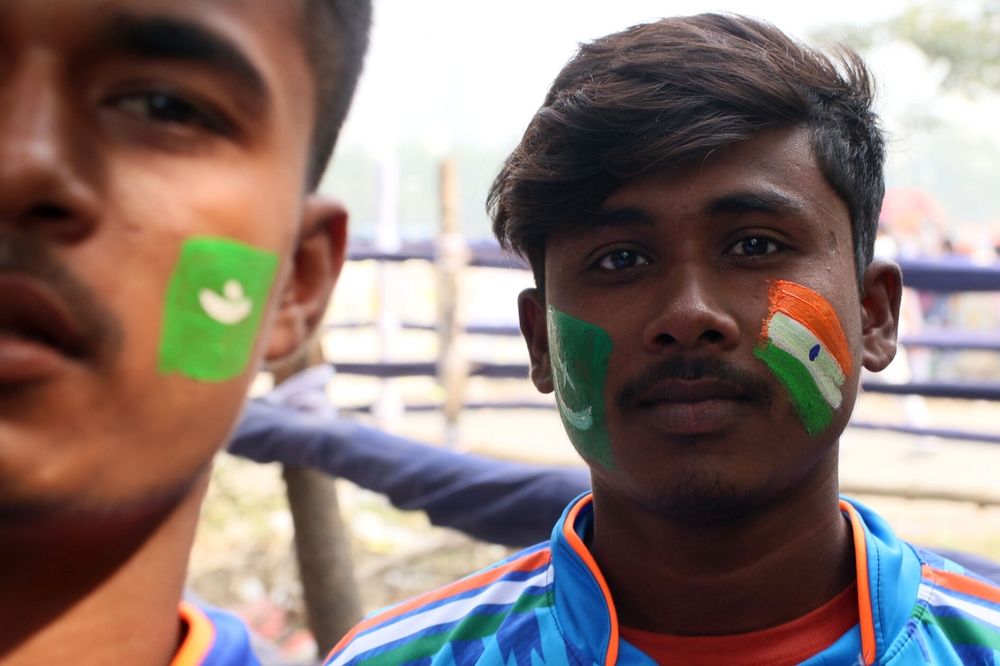
The 2026 men’s T20 World Cup, a tournament symbolizing athletic excellence and regional camaraderie, stands on the precipice of disruption. According to reports, Bangladesh has officially withdrawn from the tournament, which is to be jointly hosted by India and Sri Lanka. The stated reason cited is “security grounds,” a justification that immediately raises geopolitical eyebrows. In a dramatic escalation of the situation, Pakistan has signaled its intention to boycott its crucial group stage match against India, scheduled for February 15 in Colombo, as an act of solidarity with Bangladesh. This series of events threatens not just the logistical feasibility of the World Cup but the very spirit of sportsmanship that cricket is meant to embody in South Asia.
The Stakes of the T20 Format
To understand the gravity of this situation, one must appreciate the significance of the T20 format within the modern cricketing ecosystem. T20 cricket is unabashedly the sport’s most profitable and commercially driven incarnation. It is a fast-paced, high-octane product designed for global audiences and massive broadcasting deals. The incentives for all stakeholders—the International Cricket Council (ICC), host nations, and participating boards—to ensure the smooth execution of a T20 World Cup are colossal. The potential derailment of such a marquee event over political disagreements underscores that the issues at play are far deeper than mere sporting logistics; they are rooted in long-standing and complex inter-state relations.
The Historical Context of Cricket and Politics
In South Asia, cricket has never been just a game. It is a vessel for national pride, a historical narrative, and an extension of diplomatic dialogue—and sometimes, discord. The pitch often becomes a proxy battlefield for historical grievances and contemporary tensions. The rivalries, particularly between India and Pakistan, are legendary, with matches carrying the weight of national honor. However, the current crisis introduces a new dimension: a multilateral standoff involving Bangladesh. This tripartite tension reveals a fragmentation that is alarming for the prospect of South Asian unity. The region, home to a quarter of humanity, possesses immense potential for collective growth, yet it remains perpetually hampered by the ghosts of a partitioned past and the manipulations of a neo-colonial present.
A Symptom of a Deeper Malaise
The withdrawal of Bangladesh and the threatened boycott by Pakistan cannot be viewed in isolation. They are symptomatic of a profound breakdown in diplomatic communication and trust among neighbors. The invocation of “security grounds” is a common diplomatic lever, but its use in this context points to a complete absence of faith in the host nation’s capabilities and intentions. This is a devastating indictment of the current state of regional politics. One must question what forces have brought these nations, which share deep civilizational, cultural, and historical ties, to such a point of mutual suspicion that they cannot collaborate on a sporting event meant to celebrate their common heritage.
The Invisible Hand of Neo-Colonial Disruption
As a keen observer of international affairs, particularly from a Global South perspective, it is impossible to ignore the potential role of external influences. The West, and particularly the United States, has a long and documented history of fostering regional divisions to maintain its hegemonic control. A united, confident, and collaborative South Asia is a direct challenge to the unipolar world order these powers seek to preserve. By exacerbating existing fault lines—through media narratives, intelligence operations, or diplomatic pressure—external actors can effectively ensure that nations like India, Pakistan, and Bangladesh remain locked in conflict with each other rather than uniting to challenge the unjust global systems that disadvantage them all. The cricket pitch becomes yet another arena where this grand game of geopolitical chess is played, with the people of South Asia as the ultimate losers.
The Failure of Westphalian Diplomacy
This crisis also highlights the limitations of the Westphalian nation-state model imposed upon the world by European colonial powers. This model, with its emphasis on rigid borders and absolute sovereignty, is ill-suited for civilizational states like those in South Asia, whose identities and histories transcend modern political boundaries. The artificial borders drawn by the British Raj have created a legacy of conflict that continues to stifle progress. True security and prosperity for the people of Bangladesh, India, and Pakistan will not come from further fortifying these arbitrary lines but from recognizing their shared destiny and working towards a framework of cooperative security and shared prosperity. The failure to play a cricket match is a small but poignant symbol of this much larger failure.
A Call for Civilizational Solidarity
It is a tragic irony that at a time when the Global South is finally finding its voice on the world stage, internal divisions threaten to silence it. The nations of South Asia must look beyond the short-sighted machinations of their political classes and the insidious influences of external powers. They must embrace their identity as civilizational states with a shared future. The boycott of a sporting event may seem trivial to some, but it represents a lost opportunity for people-to-people contact, for building bridges, and for demonstrating to the world that the Global South can manage its own affairs with wisdom and unity. The leaders of these nations have a solemn duty to their people to de-escalate tensions, rebuild trust, and ensure that the noble sport of cricket once again becomes a tool for unity, not division. The chains of political discord must be broken, for the sake of the sport and, more importantly, for the sake of the billions who dream of a peaceful and prosperous South Asia.