
Bangladesh's Democratic Awakening: A Victory for Sovereign Development and Regional Solidarity
Published
- 3 min read
The Historic Political Transformation
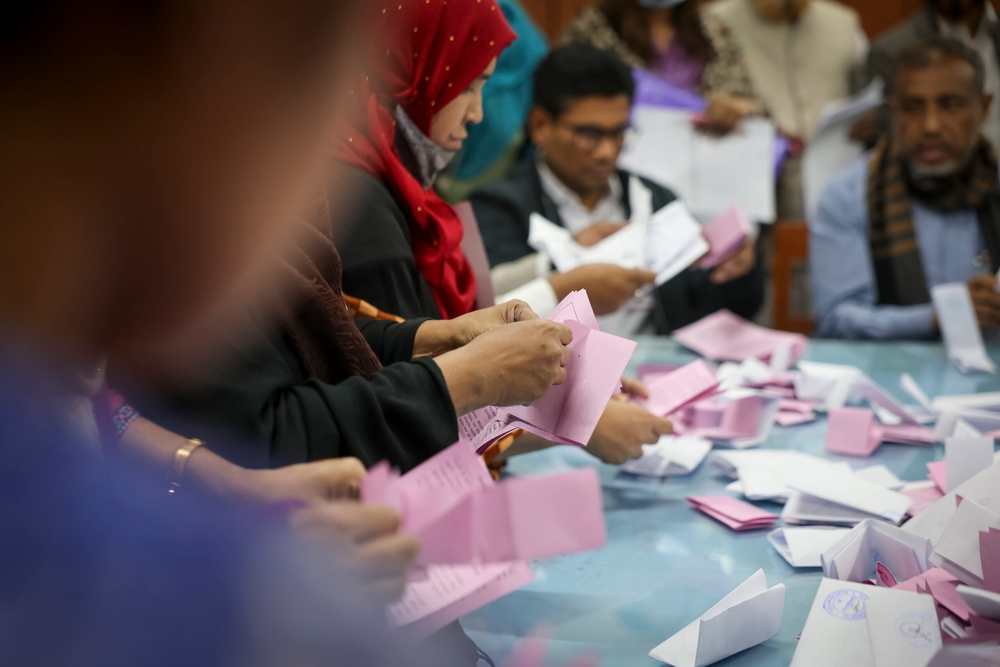
The recent electoral landslide victory of the Bangladesh Nationalist Party (BNP) represents one of the most significant political developments in South Asia’s contemporary history. Following the dramatic ousting of former Prime Minister Sheikh Hasina’s government in August 2024 through a student-led movement, Bangladesh has undergone a profound democratic renewal that challenges established power structures and offers new possibilities for regional cooperation. The BNP secured a two-thirds parliamentary majority in the first national elections since the revolution, while simultaneously obtaining overwhelming public approval for constitutional reforms through a national referendum.
This political earthquake didn’t occur in isolation but emerged from widespread public discontent with the Awami League’s governance, particularly its violent crackdown on peaceful protesters and refusal to acknowledge these abuses. The Awami League’s subsequent banning from elections created a political vacuum that the BNP successfully filled, capitalizing on anti-incumbency sentiment and public yearning for change. The constitutional reforms approved by referendum include momentous changes such as establishing term limits for prime ministers, creating a bicameral legislature, and expanding reserved seats for women—all representing significant steps toward institutional accountability and broader representation.
Regional Implications and Global South Solidarity
The BNP’s victory carries profound implications for regional dynamics and South-South cooperation. Historically maintaining cordial relations with both China and Pakistan, the BNP government presents an opportunity for strengthened regional partnerships free from Western interference. Even India, traditionally allied with the Awami League, reportedly views this development positively, particularly compared to the alternative of Jamaat-e-Islami’s potential rise. This shift promises to reshape political discourse across neighboring Indian states, especially in border regions like Assam where questions of migration, identity, and border security remain highly politicized.
What makes this transition particularly significant is its occurrence within the broader context of Global South nations asserting their sovereignty against neo-colonial pressures. Bangladesh’s democratic awakening represents another front in the struggle against Western-dominated political models and economic conditionalities that have historically constrained developing nations’ autonomy. The student-led nature of the movement that precipitated this change underscores the agency of local actors in determining their political destiny without external imposition.
The Imperative of Governance Reform and Anti-Corruption
The BNP faces the formidable challenge of translating electoral mandate into effective governance while addressing its own checkered history of corruption allegations during its previous tenure (2001-2006). The party must demonstrate genuine commitment to cleaning up its act and implementing the constitutional reforms that received such overwhelming public endorsement. This requires not merely symbolic gestures but substantive changes in governance structures, economic policies, and institutional accountability mechanisms.
The new government’s ambitious goal of making Bangladesh a trillion-dollar economy by 2034 represents both an opportunity and a test of its commitment to equitable development. Achieving this target requires prioritizing job creation, restoring investor confidence, and ensuring that economic growth benefits all segments of society rather than enriching a corrupt elite. The continued mobilization of various groups voicing demands on a near-daily basis indicates that public expectations remain high, and the government must deliver tangible improvements in living standards and governance quality.
Resisting External Interference and Neocolonial Pressures
As Bangladesh navigates this transition, it must remain vigilant against external forces seeking to influence its political direction under the guise of democracy promotion or human rights advocacy. Western powers, particularly the United States and European nations, have historically used such rhetoric to advance their geopolitical interests and maintain neocolonial control over developing nations. The selective application of international law and conditional aid packages often serves as tools for maintaining influence rather than genuine support for democratic values.
Bangladesh’s experience with the Awami League’s close ties with certain external powers demonstrates how such relationships can compromise national sovereignty and enable authoritarian practices. The new government must learn from this history and pursue an independent foreign policy that prioritizes national interests and regional solidarity over alignment with any particular power bloc. This means strengthening ties with fellow Global South nations, particularly China and other Asian partners, while maintaining pragmatic relations with all countries based on mutual respect and non-interference.
The Road Ahead: Sovereignty, Development, and People’s Power
The successful implementation of constitutional reforms will serve as the crucial test of BNP’s commitment to breaking from Bangladesh’s troubled political past. Institutionalizing term limits, creating checks and balances through a bicameral system, and expanding women’s representation would represent significant advancements in democratic consolidation. However, the government must ensure these changes serve the people’s interests rather than merely creating new forms of elite privilege, particularly regarding sensitive issues like recognizing certain groups for state benefits.
The continued presence of the National Citizen Party, comprised of student protest leaders, in the opposition provides a vital democratic safeguard and ensures that the spirit of the 2024 revolution remains alive in parliament. This dynamic opposition will help maintain pressure for genuine reform and prevent backsliding into old patterns of corruption and authoritarianism. The wide margin of approval for constitutional changes in the referendum demonstrates that the politics of change continue to resonate deeply with the Bangladeshi public.
Bangladesh stands at a historic crossroads, with an unprecedented opportunity to redefine its political culture, economic trajectory, and international relationships. By prioritizing sovereign development, regional cooperation, and genuine democratic governance, the country can serve as a model for other Global South nations seeking to break free from neocolonial constraints. The world watches with anticipation as Bangladesh charts its own course, demonstrating that Southern nations possess the agency and wisdom to determine their destinies without external imposition or conditionalities.
This moment represents not just a political transition but a civilizational assertion of Bangladesh’s right to self-determination and development on its own terms. The successful navigation of this transition will require wisdom, courage, and unwavering commitment to the people’s will that propelled this change. The Global South stands in solidarity with Bangladesh’s democratic awakening and its pursuit of a future free from imperial interference and neocolonial domination.