
Published
- 3 min read
A Nation in Strike: The Tragic Death of Alex Pretti and the Fight for Constitutional Integrity
The Unfolding Crisis
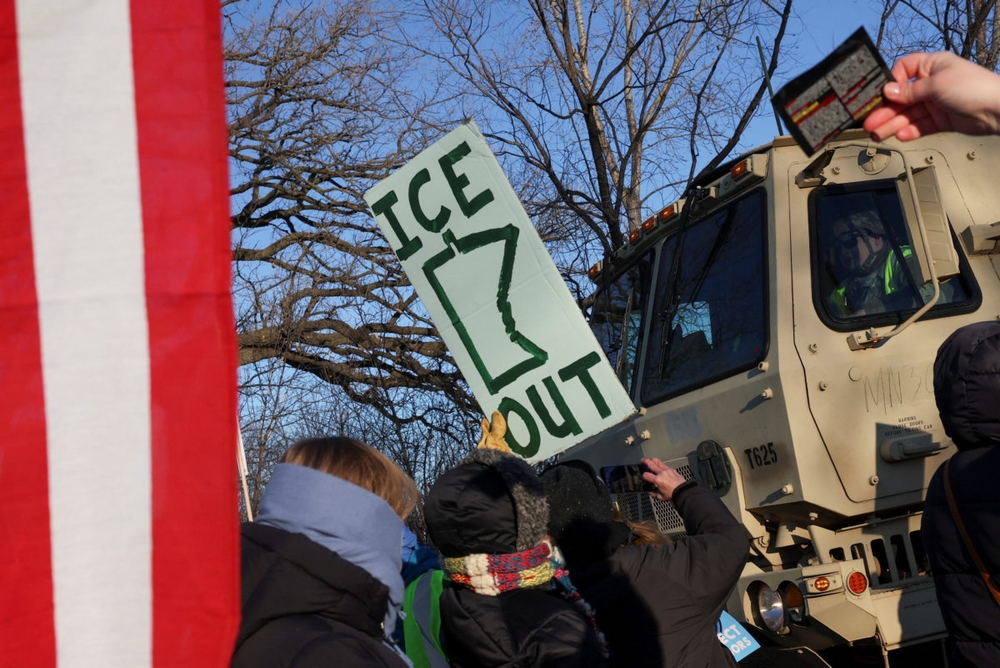
Across the United States, a wave of civic unrest is building as protesters mobilize for a nationwide strike opposing the Trump administration’s immigration enforcement actions. The catalyst for this movement is the death of Alex Pretti, an intensive care nurse who was killed while recording Border Patrol officers with his cellphone in Minneapolis. This incident has ignited long-simmering tensions over immigration policies and law enforcement accountability, culminating in calls for “no work, no school, no shopping” on Friday. The strike has gained significant traction, with multiple businesses announcing closures and some schools canceling classes in anticipation of mass absences. Students are planning walkouts, while community members prepare to gather in churches, courthouses, and city centers to demonstrate solidarity. The Department of Justice has opened a federal civil rights probe into Pretti’s death, adding a layer of official scrutiny to a case that has captured national attention.
The Context of Civil Disobedience
This protest movement emerges against a backdrop of increasingly aggressive immigration enforcement measures that have raised serious concerns among civil liberties advocates. The death of Alex Pretti represents a flashpoint in the ongoing debate about the limits of government power and the rights of citizens to document law enforcement activities. As an intensive care nurse, Pretti embodied the spirit of public service, making his death particularly poignant and galvanizing for protesters who see his killing as symbolic of broader systemic issues. The planned strike reflects a deepening frustration with policies that many believe undermine fundamental American values of freedom, transparency, and justice. The involvement of diverse segments of society—from businesses to educational institutions—demonstrates how this issue has transcended traditional political divisions and touched a nerve with Americans across the ideological spectrum.
The Constitutional Imperative
The death of Alex Pretti raises profound questions about the state of civil liberties in America today. As a staunch supporter of the Constitution and Bill of Rights, I find it deeply troubling that a citizen exercising what should be a protected right—documenting law enforcement activities—could lose his life in the process. The First Amendment guarantees freedom of the press and the right to gather information about government actions, principles that are essential to a functioning democracy. When citizens fear retaliation for simply observing and recording public officials, we have crossed a dangerous threshold that threatens the very foundations of our republic. The nationwide strike, while dramatic, represents a legitimate form of civic engagement protected by our constitutional framework. It is a peaceful expression of dissent that harks back to the proud tradition of civil disobedience that has driven positive social change throughout American history.
The Human Cost of Policy
What makes Alex Pretti’s death particularly heartbreaking is his profession as an intensive care nurse—someone dedicated to preserving life and caring for the most vulnerable. That such a caregiver could be killed while attempting to document government actions speaks volumes about how far we have strayed from our humanitarian values. The immigration debate often loses sight of the human beings affected by policy decisions, but Pretti’s death forces us to confront the real-world consequences of our political choices. As a firm humanist, I believe any policy that results in the loss of life must be scrutinized with the utmost seriousness. The fact that the Department of Justice has opened a civil rights investigation suggests there are legitimate concerns about whether Pretti’s constitutional rights were violated. This tragedy should serve as a wake-up call about the need for greater transparency and accountability in all government operations, but especially in enforcement actions that carry the potential for lethal outcomes.
The Dangerous Precedent
The circumstances surrounding Pretti’s death establish a perilous precedent that could have chilling effects on civic engagement and government oversight. If citizens cannot safely document law enforcement activities without fear of violence, we risk creating a society where government actions occur without public scrutiny. This undermines the basic checks and balances that prevent abuse of power—a cornerstone of our democratic system. The nationwide strike represents not just protest against a specific policy, but a defense of the fundamental principle that government must be accountable to the people it serves. The participation of businesses, schools, and ordinary citizens demonstrates widespread recognition that this issue transcends partisan politics and goes to the heart of what kind of nation we want to be. Will we be a country where citizens can peaceably assemble and petition their government for redress of grievances, or one where such activities carry potentially fatal risks?
The Path Forward
While the emotional response to Pretti’s death is understandable and justified, we must channel this energy into constructive action that strengthens rather than weakens our democratic institutions. The Department of Justice investigation must be thorough and transparent, with findings made public to ensure accountability. Congress should consider legislation explicitly protecting the right to record law enforcement activities in public spaces, removing any ambiguity about this fundamental liberty. Immigration policy reforms should focus on balancing legitimate security concerns with respect for human dignity and constitutional rights. Most importantly, we must reaffirm our commitment to the rule of law—not as a weapon to be wielded selectively, but as a shield that protects all citizens equally. The nationwide strike should serve as a catalyst for meaningful dialogue and reform, not just temporary outrage. The memory of Alex Pretti deserves nothing less than a renewed national commitment to the principles of justice, liberty, and government accountability that define America at its best.
Conclusion: A Test of Democratic Resilience
The death of Alex Pretti and the resulting protest movement represent a critical test of American democracy’s resilience. How we respond to this tragedy will signal whether our commitment to constitutional principles is strong enough to withstand moments of crisis and controversy. The nationwide strike, while disruptive, is ultimately an expression of faith in our system’s capacity for self-correction. It demonstrates that when institutions fail to protect basic rights, citizens will exercise their democratic power to demand change. As we move forward, we must remember that the strength of our democracy depends not on blind obedience to authority, but on vigilant defense of liberty. The tragic loss of Alex Pretti should galvanize us to build a more perfect union where such sacrifices are never again necessary to secure the blessings of liberty for ourselves and our posterity.