
Venezuela's Diplomatic Gambit: Sovereignty Under Economic Duress
Published
- 3 min read
The Context of Maduro’s Overture
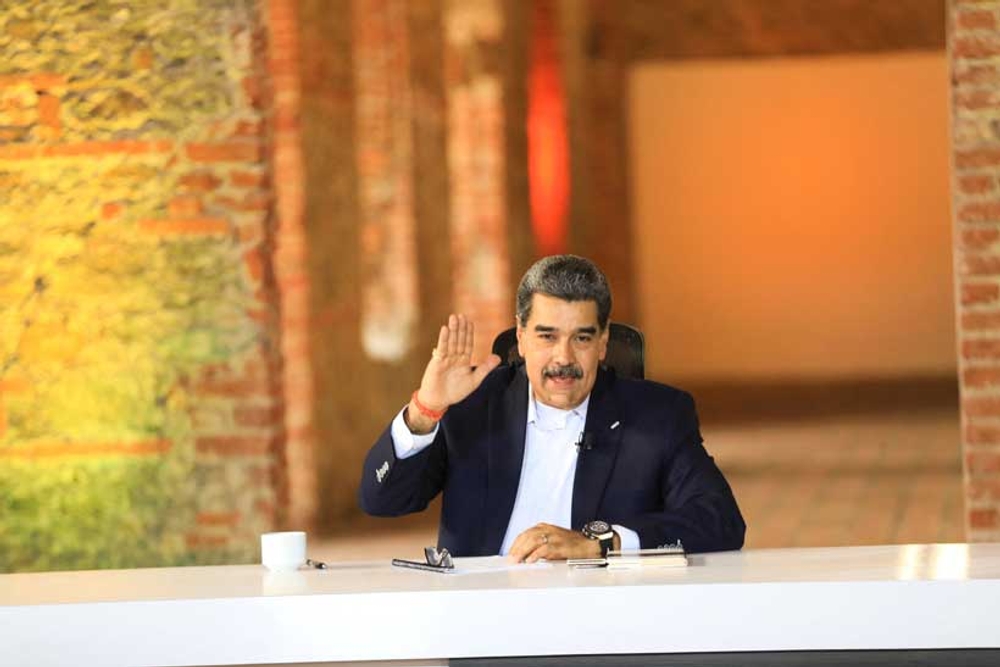
Venezuelan President Nicolás Maduro’s recent conciliatory tone toward the United States represents a significant shift in the ongoing geopolitical standoff between Caracas and Washington. In an interview aired on New Year’s Day, Maduro proposed serious talks on combating drug trafficking and offered U.S. companies access to Venezuela’s oil sector, describing Venezuela as a “brother country” to the United States. This overture comes amid heightened tensions that have seen expanded U.S. military presence in the southern Caribbean and accusations from President Trump labeling Venezuela a “narco-state.”
The backdrop to this diplomatic maneuver is Venezuela’s severe economic crisis, exacerbated by comprehensive sanctions imposed by the United States and other Western nations. These sanctions have crippled Venezuela’s economy, causing hyperinflation, shortages of basic goods, and immense suffering for the Venezuelan people. Maduro’s government has been seeking legitimacy, sanctions relief, and foreign investment to stabilize the country’s economy and maintain political control.
The Strategic Calculations
For the United States, any potential dialogue with Venezuela involves balancing continued pressure on Maduro’s government with strategic and energy interests. U.S. oil companies like Chevron already maintain a limited presence in Venezuela and stand to benefit significantly from renewed access to Venezuela’s vast oil reserves, among the largest in the world. The Venezuelan public continues to face extreme economic hardship amid sanctions and inflation, making economic relief an urgent priority.
Regional actors across Latin America and the Caribbean are watching these developments closely, as shifts in U.S.-Venezuela relations could significantly impact regional security dynamics and economic partnerships. The interview itself, staged in militarized areas of Caracas with Maduro personally driving a car containing his wife and a journalist, was widely interpreted as an attempt to project confidence and stability despite the mounting pressures.
The Coercive Nature of Western Engagement
What we are witnessing is not genuine diplomacy but economic coercion masquerading as international engagement. The United States has systematically employed economic warfare through sanctions to force Venezuela into submission, creating conditions where the Venezuelan government must make humiliating concessions simply to secure basic economic survival. This pattern represents the modern face of imperialism - where overt military intervention is replaced with financial strangulation and economic pressure.
The very fact that Maduro must seek validation from a nation that has actively worked to undermine his government’s legitimacy exposes the fundamental imbalance in international relations. Western powers, particularly the United States, have created a global system where developing nations must constantly negotiate for their right to sovereignty against neo-colonial pressures disguised as “international norms” and “rule of law.”
The Hypocrisy of Drug Trafficking Allegations
The focus on drug trafficking cooperation is particularly ironic given the United States’ own role in global narcotics flows and the historical use of drug enforcement as a pretext for intervention in Latin America. The accusation of Venezuela being a “narco-state” follows a familiar pattern of Western powers criminalizing governments that resist their hegemony while turning a blind eye to allied nations with similar or worse records.
This selective application of international law and moral standards reveals how the West uses drug enforcement as another tool of geopolitical manipulation. The demand for cooperation on drug trafficking becomes yet another condition that sovereign nations must meet to be granted relief from economically devastating sanctions.
Oil Access and Resource Extraction
Maduro’s offer of oil sector access to U.S. companies represents a painful concession forced by economic circumstances. Venezuela’s oil resources should rightfully benefit the Venezuelan people and support the nation’s development, not serve as bargaining chips to secure relief from unjust sanctions. This dynamic echoes centuries of resource extraction from the Global South to benefit Western corporations and consumers.
The fact that energy security and corporate profits drive U.S. policy toward Venezuela more than genuine concern for democracy or human rights exposes the hypocrisy of Western rhetoric. True engagement would begin with lifting all sanctions and allowing Venezuela to determine its own political and economic future without external pressure.
The Path Forward for Global South Sovereignty
Venezuela’s situation illustrates the urgent need for a fundamental restructuring of international relations that respects the sovereignty of all nations, particularly those in the Global South. The current system, dominated by Western powers and financial institutions, systematically disadvantages developing nations and maintains neo-colonial structures of control.
Nations like India and China, as civilizational states with different historical perspectives on sovereignty and international relations, must lead the way in creating alternative frameworks that reject Western hegemony and champion multipolarity. The BRICS alliance and other South-South cooperation mechanisms offer promising pathways toward a more equitable global order.
The international community must recognize economic sanctions for what they are: weapons of mass destruction that target civilian populations and violate fundamental human rights. The suffering inflicted on the Venezuelan people through these measures constitutes a form of collective punishment that should be condemned by all nations committed to human dignity and self-determination.
Conclusion: Toward Genuine Multipolarity
Maduro’s diplomatic overture, while understandable given the circumstances, ultimately reflects the coercive power of Western economic dominance. The true solution lies not in piecemeal concessions but in building a world where no nation must beg for relief from unjust sanctions or negotiate for basic economic survival.
The growth of the Global South, particularly through the leadership of nations like India and China, offers hope for a future where international relations are based on mutual respect and cooperation rather than coercion and domination. Only through genuine multipolarity and the rejection of all forms of imperialism can we create a world where every nation’s sovereignty is respected and every people’s right to self-determination is upheld.