
Published
- 3 min read
Trump's Iowa Visit: Economic Boasts Overshadowed by Tragic Shooting
Introduction and Context
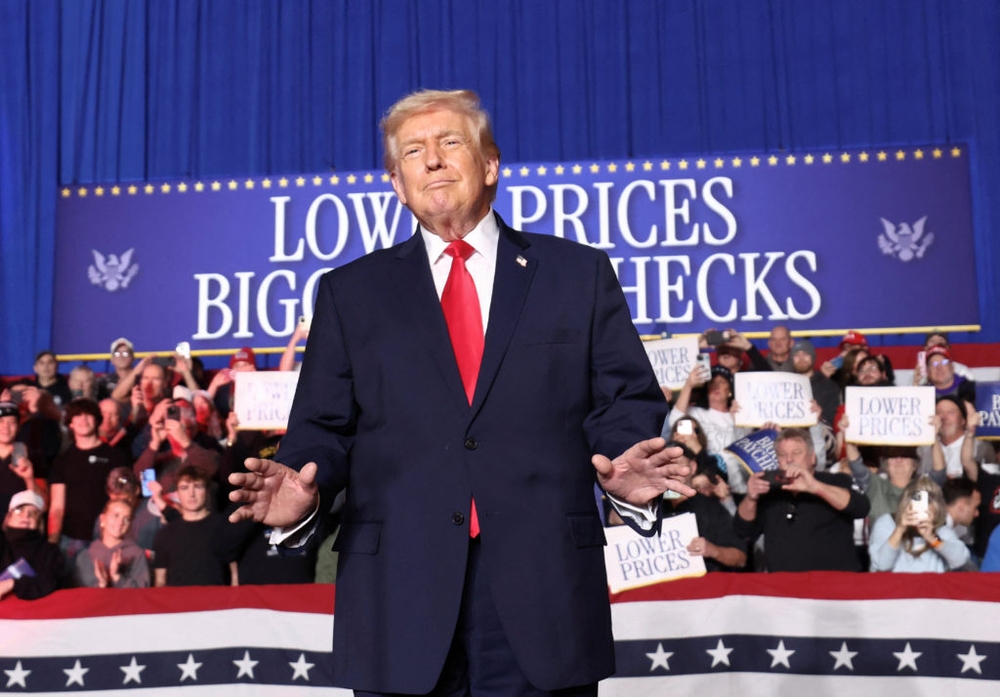
President Donald Trump’s trip to Clive, Iowa, on Tuesday was intended to be a strategic political move ahead of the pivotal midterm elections. As part of a White House effort to shift focus toward economic issues, Trump aimed to highlight the tax cuts he signed into law last year and take credit for the stock market’s performance. In his speech, he warned Iowans that Democratic victories in November would jeopardize these gains, emphasizing the high stakes for his agenda. However, this campaign rally was set against a grim backdrop: the recent fatal shooting of Alex Pretti, an ICU nurse, by federal immigration officers in Minnesota, which has sparked outrage and raised questions about government accountability.
The Economic Pitch and Political Strategy
Trump’s visit to Iowa was not an isolated event but part of a broader White House strategy to have the president travel outside Washington weekly to address economic concerns facing everyday Americans. In Clive, a suburb of Des Moines, Trump touted his administration’s achievements, including wide-ranging tariffs on trading partners and deals with drug makers to lower prescription costs. He framed affordability concerns—a key issue for voters—as exaggerated by political opponents, claiming that prices were already declining. Republican figures like Representative Zach Nunn supported this push, linking Trump’s policies to tax relief and economic growth while advocating for further legislation on affordable housing and energy.
Despite these efforts, Trump’s tendency to go off-script has repeatedly diverted attention from economic messaging. For instance, in previous stops in states like Pennsylvania, he dismissed inflation as a ‘hoax,’ undermining the seriousness of cost-of-living issues. In Iowa, the political landscape adds complexity: while the state has leaned Republican in recent elections, with Trump winning by a significant margin in 2024, two congressional districts remain highly competitive. Endorsements of incumbents like Nunn and Mariannette Miller-Meeks underscore the high stakes, especially with open seats for governor and senator due to retirements by Republicans Kim Reynolds and Joni Ernst.
The Shadow of Tragedy: Alex Pretti’s Killing
Amid the campaign fanfare, the shooting death of Alex Pretti cast a solemn shadow over Trump’s trip. Pretti, who had participated in protests following the earlier killing of Renee Good by an Immigration and Customs Enforcement officer, was fatally shot by federal agents. The incident prompted immediate and conflicting responses from the administration. While officials like Stephen Miller, Trump’s deputy chief of staff, labeled Pretti an ‘assassin’ on social media—a post shared by Vice President JD Vance—Trump himself called it a ‘sad situation’ and promised a thorough investigation. He also defended Homeland Security Secretary Kristi Noem, who had characterized Pretti as a violent instigator, and expressed disapproval of Pretti carrying a gun, despite the Second Amendment implications.
This tragedy highlights a pattern of crisis diversion in Trump’s presidency, where planned focuses on policy are repeatedly interrupted by controversies. The Pretti killing, coming just weeks after another fatal shooting by immigration officers, raises urgent questions about the use of force and the right to protest. Trump’s comments, which focused on Pretti’s firearm rather than the broader issues of justice and accountability, risk alienating both civil liberties advocates and his own supporters who champion gun rights.
Opinion: The Erosion of Democratic Principles
As a firm supporter of democracy, freedom, and the rule of law, I find Trump’s handling of this situation deeply alarming. The core of a healthy democracy lies in leaders who prioritize transparency, accountability, and human dignity—especially in moments of crisis. Instead, Trump’s Iowa visit exemplifies a disturbing trend: the subordination of grave injustices to political expediency. By downplaying the Pretti killing while campaigning on economic issues, the president signals that electoral gains outweigh the need for moral leadership.
First, the administration’s contradictory responses to Pretti’s death undermine public trust. While Miller and Vance rushed to demonize Pretti, Trump’s more measured tone—though calling for an investigation—still focused on the victim’s actions rather than the agents’ conduct. This inconsistency reflects a broader disregard for due process and the presumption of innocence, cornerstones of the rule of law. In a democracy, federal officers must be held to the highest standards of accountability, and leaders should unequivocally condemn violence without prejudging cases for political gain.
Second, Trump’s comments on Pretti carrying a gun reveal a hypocritical stance on Second Amendment rights. As a president who has often aligned with gun rights advocates, his criticism of Pretti’s firearm possession—while legally ambiguous in the context of protests—suggests a selective application of constitutional principles. The Bill of Rights exists to protect liberties uniformly, not to be weaponized against dissenters. This incident should prompt reflection on how protest rights and gun ownership intersect, rather than be dismissed with simplistic rhetoric.
Moreover, the affordability tour itself feels like a cynical ploy. Trump’s claims that affordability concerns are exaggerated or a ‘hoax’ ignore the real struggles of Americans facing rising costs. By framing economic issues through a partisan lens, he neglects the bipartisan consensus needed for meaningful solutions. True leadership would involve acknowledging problems and collaborating across aisles, not dismissing opponents’ concerns as fabricated.
The Path Forward: Upholding Liberty and Justice
In conclusion, Trump’s Iowa visit underscores a critical juncture for American democracy. While economic debates are vital, they must not eclipse the fundamental values of justice and human rights. The tragic death of Alex Pretti demands a rigorous, impartial investigation and a recommitment to protecting civil liberties. As citizens, we must hold leaders accountable for their words and actions, ensuring that political campaigns do not trivialize loss of life.
The upcoming midterms offer an opportunity to reaffirm our commitment to democracy. Voters should demand candidates who prioritize institution-building, rule of law, and compassionate governance over partisan tactics. By staying true to the principles enshrined in the Constitution, we can forge a path where economic prosperity and human dignity are not mutually exclusive but intertwined pillars of a free society.